Why Spider Problems Matter in Marietta

The humid, subtropical climate of the Southeast turns Marietta into a spider‑friendly playground. Warm nights, abundant foliage, and regular rainfall create the perfect micro‑habitat for a wide variety of species, from harmless house spiders to the more concerning brown recluse and black widow.
According to the Georgia Department of Public Health, spider sightings increased 12% in 2023 during the summer months. That surge isn’t just a statistic—it signals a growing likelihood that homeowners will encounter spiders inside living spaces, where they can pose real health and property risks.
Health risks you can’t ignore
- Some species carry venom that can cause painful bites, localized swelling, or, in rare cases, systemic reactions.
- Allergic individuals may experience heightened sensitivity, leading to severe itching, hives, or even anaphylaxis.
- Repeated bites can cause anxiety and sleep disturbances, especially for families with children or pets.
Property concerns beyond the bite
- Heavy webbing clutters windows, light fixtures, and HVAC vents, reducing airflow and increasing energy costs.
- Large colonies can attract other pests, such as flies and beetles, which feed on spider eggs.
- While most spiders don’t chew wood, their presence often signals excess moisture—an early warning sign of potential structural damage.
Understanding these risks early is the first line of defense. This guide, built on data from the EPA, CDC, and the National Pest Management Association (NPMA), will walk you through how to identify common spiders, choose effective treatments, estimate costs, and implement long‑term prevention strategies tailored to Marietta’s unique environment.
By addressing spider activity promptly, you protect not only your family’s health but also the integrity of your home. Stay with us as we break down each step, so you can make informed decisions and keep your property spider‑free year after year.
The Spiders You’ll Likely Encounter

Living in Marietta means sharing your home’s corners and crawl spaces with a handful of spider species that are both familiar and, at times, intimidating. Knowing which eight‑legged visitors you’re likely to meet helps you react appropriately—whether that means a simple cleanup or calling a professional for safe removal.
Brown Recluse
The Brown Recluse is notorious for its violin‑shaped marking on the dorsal side of its cephalothorax. These spiders favor quiet indoor habitats—think basements, closets, and rarely disturbed storage areas—where they can stay hidden while hunting insects. A bite can cause necrotic lesions and systemic symptoms, making medical attention essential. While encounters are uncommon, their preference for indoor spaces means they can appear where you least expect them.
Black Widow
Identified by a shiny black body and a bright red hourglass on the underside of the abdomen, the Black Widow often builds its tangled webs in outdoor settings such as garages, woodpiles, and under eaves. Their neurotoxic venom can cause severe muscle cramps, abdominal pain, and, in rare cases, respiratory distress. Prompt medical care is advised if you suspect a bite, especially for children or the elderly.
Orb Weaver
Orb Weavers are the architects of the large, circular webs you see glistening in late summer evenings. They are generally harmless to humans, focusing their hunting efforts on flying insects. Seasonal abundance peaks from late spring through early fall, and they are most often found in garden shrubs, fence lines, and outdoor lighting fixtures. Their presence is a sign of a balanced ecosystem, not a cause for alarm.
According to the CDC, there were 3,500 spider‑bite emergency‑room visits nationwide in 2022, with 15% originating from Georgia. While most bites are from non‑dangerous species, the numbers underscore the importance of proper identification and timely treatment.
Real‑life example: A homeowner in nearby Kennesaw was renovating a basement when she discovered a Brown Recluse tucked behind a stack of cardboard boxes. Recognizing the violin marking, she immediately sealed the area and called Anthem Pest Control. A licensed technician performed a targeted treatment, preventing any further encounters and giving the family peace of mind.
Quick Identification Tips:
- Brown Recluse: Light‑tan body, dark violin shape on the back, six eyes in a semi‑circular pattern.
- Black Widow: Glossy black, red hourglass on underside, long slender legs.
- Orb Weaver: Large circular web, varied colors (often orange or yellow), bulky abdomen.
When in doubt, snap a clear photo and contact a professional for verification.
Hidden Costs of DIY Spider Management
Reaching for an over‑the‑counter spray feels quick and cheap, but the savings often evaporate once the spiders return. Homeowners who tackle spider control themselves may think they’re avoiding a service fee, yet the hidden expenses—both financial and safety‑related—can quickly outweigh any initial bargain.
Why Store‑Bought Sprays Fall Short
- Short residual life: Most consumer products lose effectiveness after a few days, meaning you must reapply constantly to keep spiders at bay.
- Resistance buildup: Repeated use of the same chemicals can encourage spiders to develop tolerance, reducing the spray’s impact over time.
- Improper application: Without training, it’s easy to miss cracks, voids, and other entry points where spiders hide, leaving the infestation untouched.
Safety Risks for Children and Pets
- Many DIY sprays contain neurotoxic ingredients that can be hazardous if inhaled or absorbed through the skin.
- Households with curious kids or roaming pets often see accidental exposure, leading to irritation, respiratory issues, or more serious health concerns.
- Without proper protective gear and ventilation, even a short‑term application can create lingering chemical residues in living spaces.
The National Pest Management Association (NPMA) reports that professional treatments cut re‑infestation rates by 78 % compared to DIY methods. This dramatic difference translates into fewer repeat visits, less chemical use, and a more stable, spider‑free environment.
Long‑Term Cost Comparison
| Approach | Upfront Cost | Ongoing Cost (per year) | Total 3‑Year Cost |
|---|---|---|---|
| DIY Sprays | $50 (first can) | $200 (four re‑applications) | $650 * (includes extra re‑treatment for failures) |
| Professional Plan | $250 (initial service) | $250 (quarterly visits) | $750 * (covers all treatments, monitoring, and guarantees) |
*Professional plans often include a warranty that eliminates additional re‑treatment fees, whereas DIY users typically spend extra on missed spots and recurring infestations.
When you factor in the hidden costs—frequent re‑applications, potential health hazards, and the high likelihood of a persistent spider problem—the DIY route becomes far more expensive than a single, comprehensive professional service. Choosing a licensed provider like Anthem Pest Control not only safeguards your family but also delivers lasting value.
Effective Spider Treatment Methods
When spiders set up shop in a Marietta home, a one‑size‑fits‑all approach rarely works. The most reliable results come from blending proven chemical tactics with smart, low‑impact strategies that keep your family safe and your property spider‑free. Below, we break down the three pillars of a comprehensive spider‑control plan and show how Anthem Pest tailors each step to the unique climate and construction styles of Marietta neighborhoods.
Chemical Perimeter and Indoor Misting
Our first line of defense is a targeted chemical barrier that stops spiders before they cross your threshold. We use EPA‑registered active ingredients such as bifenthrin, lambda‑cyhalothrin, and chlorpyrifos‑methyl (where allowed) because they offer rapid knock‑down and residual activity lasting up to 30 days.
- Perimeter spray: Technicians apply a thin, even mist around the foundation, crawl spaces, and exterior walls. This creates a “no‑go zone” that deters wandering spiders and their prey.
- Indoor misting: Using a low‑pressure fogger, we treat interior voids—attics, closets, and wall cavities—where spiders like to hide. The fine particles reach cracks that a handheld sprayer can’t.
- Safety protocols: All chemicals are applied with calibrated equipment, and we advise residents to keep children and pets out of treated zones for at least two hours. Protective gear and proper ventilation are mandatory for our technicians.
- Frequency: For most Marietta homes, a full perimeter treatment every 30 days and a quarterly indoor mist keep spider populations under control, especially during the humid summer months when web‑builders thrive.
Integrated Pest Management (IPM)
Chemicals work best when they’re part of a broader, sustainable strategy. Integrated Pest Management focuses on making your home less inviting to spiders by addressing the root causes of infestations.
- Habitat modification: Spiders love undisturbed corners and piles of debris. We guide homeowners on decluttering basements, removing unused wood, and trimming stored items to eliminate hiding spots.
- Sealing entry points: Small cracks around windows, doors, and utility penetrations are spider highways. Our technicians use silicone‑based sealants and weather‑stripping to close these gaps.
- Moisture control: Excess humidity creates ideal conditions for spider eggs. Installing vent fans, fixing leaky pipes, and using dehumidifiers in damp areas reduce the moisture levels that attract both spiders and the insects they prey on.
- Landscaping adjustments: Keeping mulch, leaf litter, and dense shrubbery at least 18 inches away from the house’s foundation cuts off outdoor harborage. Proper grading also directs rainwater away from the foundation, preventing moisture buildup.
Eco‑Friendly Alternatives
Many Marietta homeowners prefer greener options that still pack a punch. We offer several low‑toxicity treatments that align with an eco‑conscious lifestyle without compromising efficacy.
- Botanical sprays: Products based on pyrethrins from chrysanthemum flowers or neem oil provide rapid knock‑down and break down quickly in the environment.
- Diatomaceous earth (DE): This fine, powdery silica is harmless to people and pets but lethal to spiders that crawl over it, as it abrades their exoskeletons and dehydrates them.
- Low‑toxicity aerosols: Formulations containing Spinosad or Silicon‑based repellents deter spiders without lingering residues, making them ideal for children’s rooms and pet areas.
Local Success Story: Senior‑Living Complex
In a recent project, Anthem Pest was called to address a persistent spider problem at a senior‑living complex in Marietta. After conducting a thorough inspection, we implemented a combined approach:
- Initial perimeter and indoor misting using EPA‑registered bifenthrin.
- IPM measures: sealing 42 entry points, installing vent fans in the basement, and advising management to relocate outdoor storage away from the building.
- Eco‑friendly follow‑up: applying diatomaceous earth in crawl spaces and botanical sprays in common areas.
Within three weeks, spider sightings dropped by 90 %, and resident complaints fell to zero. The success underscored how a layered plan—chemical strength paired with preventive tweaks—delivers lasting peace of mind.
Stay Informed
All chemicals we use are listed on the EPA’s official spider‑control registration page. Homeowners can verify active ingredients, safety data, and re‑entry intervals at any time: EPA – Spider Control.
Choosing a Top‑Rated Spider Service
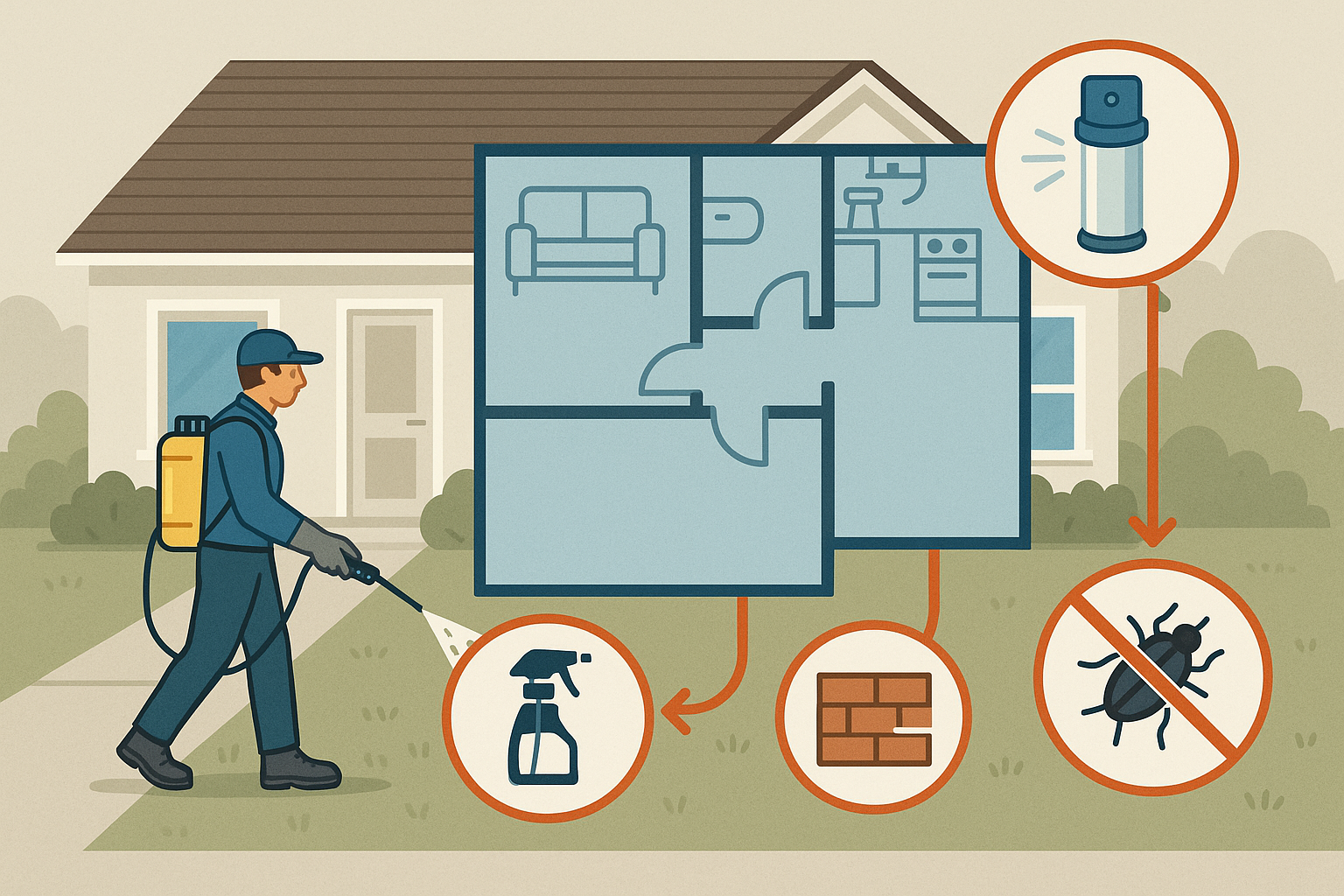
When a spider infestation shows up in your home, you need a partner you can trust to act quickly, safely, and effectively. Not all pest‑control firms are created equal, and a hasty decision can lead to repeated visits, higher costs, or even health risks from improper chemicals. Below, we break down the must‑have qualifications you should demand from any provider, then show why Anthem Pest is the local choice that consistently checks every box.
Essential criteria to consider
- Proper licensing and insurance. In Georgia, a reputable company must hold a state‑issued pest‑control license and carry liability coverage to protect you if something goes wrong.
- EPA‑registered products. Look for firms that use chemicals approved by the Environmental Protection Agency; these are tested for efficacy and human safety when applied correctly.
- Positive local reviews. Real feedback from neighbors in Marietta gives you a realistic picture of punctuality, professionalism, and results.
- Rapid response time. Spiders can multiply quickly. A company that offers same‑day or next‑day service prevents the problem from escalating.
- Service guarantees. Guarantees—such as a free re‑treatment within a set period—show confidence in the treatment plan and protect your investment.
Why Anthem Pest stands out
Anthem Pest meets every criterion above and adds several local advantages. The company is certified by the Georgia Pest Management Association, confirming that technicians follow state‑mandated training and safety standards. On Google, Anthem Pest maintains a 4.9‑star rating from dozens of Marietta homeowners, reflecting consistent satisfaction with both results and customer service.
Emergencies don’t wait for business hours, which is why Anthem Pest operates a 24‑hour emergency line. Whether you spot a venomous brown‑recluse in the basement at midnight or notice webs forming in the attic over the weekend, a live operator is ready to dispatch a certified technician within hours.
Transparent pricing is another hallmark. Before any work begins, you receive a detailed quote that outlines product types, application methods, and any follow‑up visits—no hidden fees, no surprise invoices.
High‑demand neighborhoods we serve
- East Marietta – older homes with basements that attract ground‑dwelling spiders.
- Whitfield – a mix of new developments and mature trees creating ideal web sites.
- Marietta Square – dense housing and high foot traffic increase the likelihood of indoor spider sightings.
Quick checklist for vetting providers
- Is the company licensed and insured in Georgia?
- Do they use EPA‑registered, low‑toxicity products?
- What is their average local rating on Google or Yelp?
- How quickly can they schedule an initial inspection?
- Do they offer a written guarantee on spider control?
- Is there a 24‑hour emergency contact number?
- Can they provide a clear, itemized estimate before work begins?
By running through this checklist, you’ll quickly separate the “just another pest‑control flyer” from a truly top‑rated service. Anthem Pest checks every box, delivering fast, safe, and guaranteed spider control for homeowners throughout Marietta and its surrounding neighborhoods.
Everyday Steps to Keep Spiders Out
Spiders are opportunistic; they move in when they find shelter, food, or a dark corner. By tackling the problem season by season, you deny them the conditions they love and keep your Marietta home spider‑free all year long.
Spring: Declutter and Deep‑Clean
As the weather warms, spiders emerge from winter hideouts and look for new hiding spots. A quick spring overhaul removes those invitations.
- Remove all cardboard boxes, paper stacks, and stored seasonal items from basements and crawl spaces.
- Vacuum corners, baseboards, and ceiling fans to capture any wandering spiders and their webs.
- Store outdoor gear (garden tools, sports equipment) in sealed plastic containers.
- Check and clean out gutters and downspouts to prevent moisture buildup that attracts insects, the spider’s food source.
These actions eliminate the clutter and moisture that make indoor corners irresistible to spiders.
Summer: Trim and Distance
Warm nights draw insects outdoors, and spiders follow. Keeping vegetation and firewood away from your house cuts off their pathways.
- Trim trees, shrubs, and vines at least two feet from the foundation.
- Maintain a clear zone of at least three feet between firewood piles and the house—Marietta’s humid summers make wood a perfect spider haven.
- Install mesh screens on vents and attic fans to block entry points.
- Keep outdoor lighting directed away from doors and windows to reduce insect attraction.
By creating a buffer zone, you reduce the number of insects that wander near your home, which in turn lowers spider activity.
Fall: Seal and Shield
When temperatures dip, spiders seek shelter inside. Strengthening the building envelope keeps them out before they settle in.
- Inspect and seal cracks around windows, doors, and the foundation with caulk or expanding foam.
- Install door sweeps on all exterior doors to block gaps.
- Replace any torn or damaged window screens.
- Check attic insulation for gaps and fill them to limit warm, dry spaces spiders love.
These simple fixes create a tight barrier that makes it hard for spiders to slip indoors.
Winter: Light and Store
Even in the cold, spiders may wander inside if they’re attracted to light or find shelter in outdoor clutter.
- Switch outdoor floodlights to yellow or sodium‑vapor bulbs, which draw fewer insects.
- Turn off non‑essential exterior lights at night.
- Store garden hoses, pots, and patio furniture inside or under a waterproof cover.
- Keep trash cans sealed with tight‑fitting lids to prevent insects from becoming a food source.
Reducing light and indoor‑bound clutter removes the few remaining incentives for spiders to venture inside during winter.
| Do | Don’t |
|---|---|
| Use tight‑fitting lids on trash cans. | Leave outdoor lights on all night. |
| Store firewood at least three feet from foundations. | Pile cardboard or paper in basements. |
| Seal cracks and install door sweeps. | Ignore damaged window screens. |
| Trim vegetation away from the house. | Allow standing water near foundations. |
| Vacuum corners and crevices regularly. | Leave outdoor items exposed to the elements. |
Follow this seasonal checklist and the quick‑reference table, and you’ll dramatically lower the chances of a spider invasion—leaving you more time to enjoy a pest‑free home.
Frequently Asked Questions about Spider Control
Are spider bites dangerous?
Most spider bites are harmless and cause only mild redness or itching, similar to a mosquito bite. However, a few species—such as the black‑widow or brown recluse—can inject venom that leads to severe pain, muscle cramps, or necrotic lesions. If you notice intense swelling, fever, or spreading bruising, seek medical attention right away. Most bites heal on their own within a few days, but keeping the wound clean helps prevent infection. For a complete list of medically significant spiders and bite symptoms, consult the CDC’s spider‑bite fact sheet.
How often should I schedule treatments?
We recommend a quarterly maintenance program for homes in high‑risk areas—those near wooded lots, with many outdoor lights, or a history of spider activity. This schedule keeps the perimeter and interior barriers fresh, reducing the chance of infestations. For properties with minimal exposure, an annual treatment combined with a thorough inspection is usually sufficient. Adjustments can be made based on seasonal spikes or specific concerns you share with our technicians. Seasonal peaks in late summer often require an extra spot‑treatment, which our technicians can schedule at your convenience.
Will pets be affected?
All of our spider‑control products are EPA‑registered and formulated to be pet‑safe when applied according to label directions. We typically treat outdoor perimeters in the early morning or late evening, allowing pets to stay inside while the spray dries—usually 30 minutes. Inside applications are low‑odor and dry quickly, but we advise keeping dogs and cats out of treated rooms for at least an hour. After the drying period, normal pet activity can resume without risk. We also offer a pet‑only safety kit that includes instructions for post‑treatment monitoring.
Got more questions or need a tailored plan for your Marietta home? Contact Anthem Pest today for personalized advice and a free estimate. Our local Marietta team is ready to answer any follow‑up questions you may have.
Take Action with Anthem Pest Today
When it comes to spiders, DIY sprays and guess‑work pricing rarely deliver lasting peace of mind. A licensed professional brings proven treatment protocols, ensures every entry point is sealed, and offers a clear, upfront cost so you never face surprise fees. Pairing treatment with regular prevention steps—like reducing clutter and sealing cracks—keeps future invasions at bay.
Anthem Pest Control lives right here in Marietta, so the team knows the local spider species and the neighborhoods where they thrive. With a 4.9‑star rating from satisfied homeowners, they combine that knowledge with rapid emergency response—often arriving within hours of your call—to protect your family quickly and effectively.
Ready for a spider‑free home? Call Anthem Pest at 877‑371‑8196 for a complimentary inspection and a personalized, no‑obligation quote. Their friendly staff will schedule a convenient appointment and walk you through every step, so you feel confident from the first call.
During the free inspection, a certified technician will identify the species, assess risk areas, and explain the exact steps they’ll take—using EPA‑approved products that are safe for children and pets. Transparent pricing means you’ll know the total cost before any work begins, keeping your budget intact.
Take the first step toward lasting spider control—visit Anthem Pest Control today and let the experts handle the rest.