Why Centipedes Matter in Woodstock, GA
House centipedes (Scutigera coleoptrata) are the sleek, many-legged visitors you might spot darting across a bathroom floor or hiding under a porch light—often prompting homeowners to research centipede control cost Woodstock residents typically face. With a flattened, reddish-brown body, long antennae, and up to 15 pairs of rapid-moving legs, they look more like tiny, armored spiders than the friendly garden allies they actually are. In the Southeast, including Woodstock, they thrive because the region’s warm, humid climate mimics the damp leaf litter and stone crevices they favor in the wild.
Woodstock’s Climate and Home Features That Invite Centipedes
Woodstock experiences hot, muggy summers with average humidity often hovering above 70 %. Those conditions keep basements, crawl spaces, and yard mulch moist—perfect micro‑habitats for centipedes. Add to that the typical Southern home design: spacious yards with mature trees, stone or brick foundations, and occasional gaps around utility lines or siding. These tiny openings act as highways, allowing centipedes to slip from the outdoors straight into kitchens, bathrooms, and closets where they hunt other pests.
Potential Risks for Homeowners
- Bites: While centipedes rarely cause serious medical issues, their bite can feel like a sharp pinch followed by localized swelling or itching—enough to make anyone uneasy.
- Property concerns: A heavy infestation may lead to centipedes nesting in insulation, wiring, or stored items, creating unsightly messes and, in extreme cases, increasing the risk of minor damage.
- The “creepy‑crawl” factor: Even a single sighting can trigger a visceral reaction. The sight of dozens of fast‑moving legs can erode a homeowner’s sense of comfort and safety in their own home.
Why Early Detection Matters
Centipedes are opportunistic predators; they’ll multiply quickly if food sources—like spiders, silverfish, and cockroaches—are abundant. Spotting a few individuals early gives you a chance to address moisture problems, seal entry points, and reduce the supporting pest population before the situation escalates.
Professional intervention is often the most efficient route. Trained technicians can identify the specific species, assess moisture levels, and apply targeted treatments that protect both your family and the environment. For Woodstock residents, partnering with a local expert ensures that the solution fits the unique climate and construction styles of the area.
When you’re ready to take the next step, Anthem Pest Control offers a proven, affordable approach to centipede management. Their team combines safe, EPA‑approved products with a deep understanding of Georgia’s pest dynamics, giving you peace of mind without compromising your home’s integrity.
Spotting Centipedes and Their Warning Signs
What a Centipede Looks Like
Centipedes are unmistakable once you know what to look for. An adult house centipede typically measures between 2 inches and 5 inches long, with a flattened, elongated body covered in dozens of long, jointed legs—one pair per body segment. Their legs give them a rapid, spider‑like scuttle across floors, walls, and ceilings. Coloration varies by species, but most common indoor centipedes in Woodstock sport a pale yellow to reddish‑brown hue with darker, striped legs that create a striking contrast.
Where They Hang Out Inside Your Home
Centipedes favor damp, hidden places where they can hunt for insects. Look for them in:
- Basements and crawl spaces with high humidity
- Bathrooms—especially around showers, tubs, and under sinks
- Closets and laundry rooms where fabrics retain moisture
- Underneath appliances, along baseboards, and behind wall voids
These spots provide the moisture they need to stay active, so a wet environment is often the first clue you’re sharing space with them.
Early Warning Signs of an Infestation
Even if you haven’t seen a live centipede, several subtle indicators can signal a growing problem:
- Shed skins—tiny, translucent exoskeletons left behind after a molt
- Droppings—small, dark specks resembling pepper grains, usually found near baseboards
- Bite marks—occasionally a mild, red welt that appears after a night‑time encounter
- Increased night‑time sightings—centipedes are nocturnal, so a sudden rise in activity after dark is a red flag
Centipede vs. Millipede: How to Tell Them Apart
Millipedes often get mistaken for centipedes, but they’re harmless detritivores. Key differences include:
- Leg count: Millipedes have two pairs of legs per body segment, giving them a “thick” look, whereas centipedes have one pair per segment and appear more “spindly.”
- Movement: Millipedes move slowly and curl into a tight coil when disturbed; centipedes dart away quickly.
- Body shape: Millipedes are rounder and smoother; centipedes are flatter with pronounced, elongated legs.
DIY Inspection Steps for Homeowners
Before you call in a professional, a quick self‑check can confirm whether you’re dealing with centipedes:
- Inspect damp areas: Use a flashlight to examine basements, bathrooms, and crawl spaces for live centipedes or shed skins.
- Check hidden crevices: Pull back baseboard trim, look behind radiators, and examine the backs of closets.
- Set up a simple trap: Place a damp piece of cardboard or a shallow dish of water near suspected zones overnight; centipedes are attracted to moisture and may gather.
- Record sightings: Note the location, time, and number of centipedes you see. This information helps a pest professional assess the severity.
When to Call a Professional
If you discover multiple live centipedes, frequent shed skins, or bite marks, it’s time to bring in the experts. Anthem Pest Control can confirm the species, assess the extent of the infestation, and recommend a safe, targeted treatment plan that helps keep your centipede control cost Woodstock homeowners often worry about from escalating. A professional inspection is especially important when centipedes appear in high-traffic areas or when you have family members with sensitivities to bites. Don’t let a small sighting turn into a larger problem—call us at 877-371-8196 for a thorough evaluation and peace of mind.
Centipede Activity by Season in Woodstock
In Woodstock, Georgia, centipedes follow a predictable seasonal rhythm that you can see at a glance in the chart below. The data shows a clear surge from late April through early October, with the highest capture rates in July and August. Those months represent the “peak window” when adult centipedes are most actively hunting for insects, and when you’re most likely to spot them scurrying across kitchen floors or bathroom tiles.
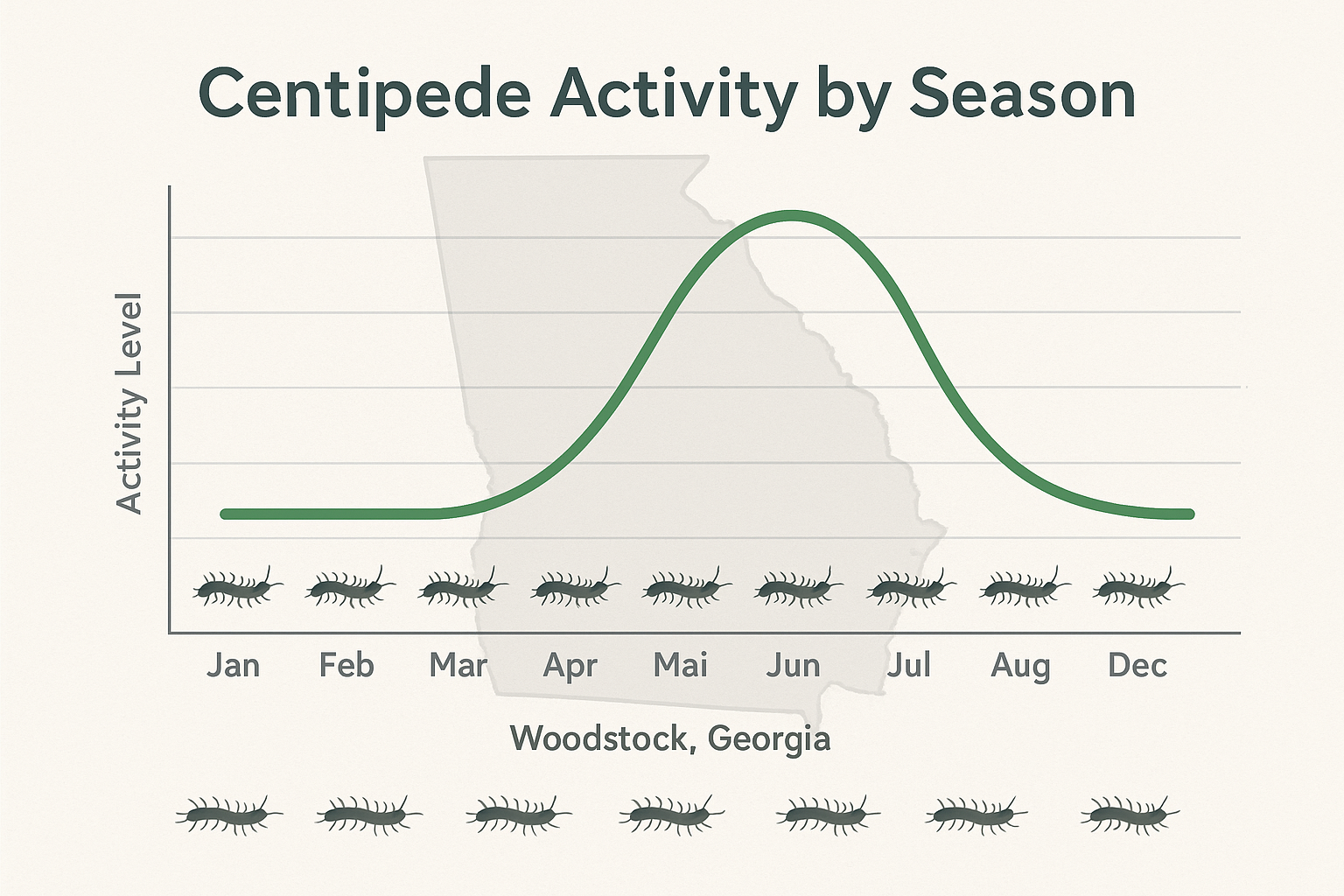
The spike in activity isn’t random; it’s driven by two key environmental factors. First, temperature: centipedes are ectothermic, meaning their metabolism accelerates as the air warms. When daytime highs consistently sit above 70 °F (21 °C), they become more vigorous hunters. Second, moisture: summer rains and the humid evenings common to Woodstock create the damp soil and leaf‑litter conditions centipedes need for breeding and shelter. Together, warmth and moisture turn your yard and basement into a bustling nursery, and the insects they prey on also multiply, providing an abundant food source.
Conversely, the winter months—December through February—are a period of low activity. Cooler temperatures slow their metabolism, and drier air reduces the moisture they require to survive. This lull is ideal for homeowners who want to get ahead of the next surge. By scheduling a preventative treatment during this dormant phase, you can disrupt the upcoming breeding cycle, seal entry points while the insects are less active, and reduce the need for more aggressive interventions later in the year.
| Month | Recommended Action |
|---|---|
| January | Prevent – inspect foundation, apply barrier treatment |
| February | Prevent – seal cracks, reduce indoor humidity |
| March | Inspect – look for early activity, treat if needed |
| April | Inspect & Treat – begin targeted applications as temperatures rise |
| May | Treat – focus on perimeter and indoor hiding spots |
| June | Treat – monitor for hotspots, apply spot treatments |
| July | Peak Treatment – intensive follow‑up, especially in basements |
| August | Peak Treatment – maintain barrier, address new activity |
| September | Inspect – start winding down, catch late‑season activity |
| October | Prevent – apply final barrier before cooler weather |
| November | Prevent – final seal‑up, reduce indoor moisture |
| December | Prevent – schedule next year’s early‑season inspection |
Anthem Pest Control’s scheduling flexibility aligns perfectly with this seasonal playbook. Our local technicians know Woodstock’s micro‑climate nuances, so they can arrange inspections just as the first warm days appear in March, or lock in a preventative barrier during the quiet winter months when your home is less occupied. Because we operate on a transparent, upfront pricing model, you’ll never be surprised by hidden fees—only by the peace of mind that comes from a centipede‑free home year‑round.
Treatment Options and What to Expect
When centipedes start making a home in your Woodstock yard or basement, the quickest way to regain control is a targeted chemical treatment. Professional technicians typically apply residual sprays along baseboards, doorways, and any cracks where centipedes like to hide. These sprays contain low‑toxicity insecticides that cling to surfaces for weeks, creating an invisible barrier that kills crawling insects on contact. In addition, centipede baits—small, slow‑acting stations placed in dark corners—attract the pests, allowing the poison to be carried back to the colony. Modern formulations are vetted for safety around children and pets, and licensed applicators follow strict dosage guidelines to keep your family protected.
Chemical solutions work best when paired with solid mechanical prevention. Sealing cracks and gaps around windows, foundation walls, and utility penetrations removes the entry points centipedes use to invade. Moisture is a major attractant, so fixing leaky pipes, installing bathroom exhaust fans, and using a dehumidifier in damp basements cuts off their water source. Decluttering storage areas—especially cardboard boxes, firewood, and laundry piles—eliminates the dark, moist shelters they love. These simple steps not only boost the effectiveness of any spray or bait but also reduce the likelihood of future infestations.
Beyond the basics, Anthem’s technicians employ specialized techniques that reach the hardest‑to‑treat spots. A perimeter spray creates a continuous chemical moat around the exterior of your home, protecting against centipedes that wander in from the yard. For indoor spaces, an ultra‑fine misting system distributes a vaporized insecticide that settles into cracks, wall voids, and under floorboards where centipedes hide. In particularly stubborn cases, a smoke treatment is used. This method uses a low‑temperature, non‑flammable smoke that penetrates hidden voids, coating surfaces that sprays can’t reach.

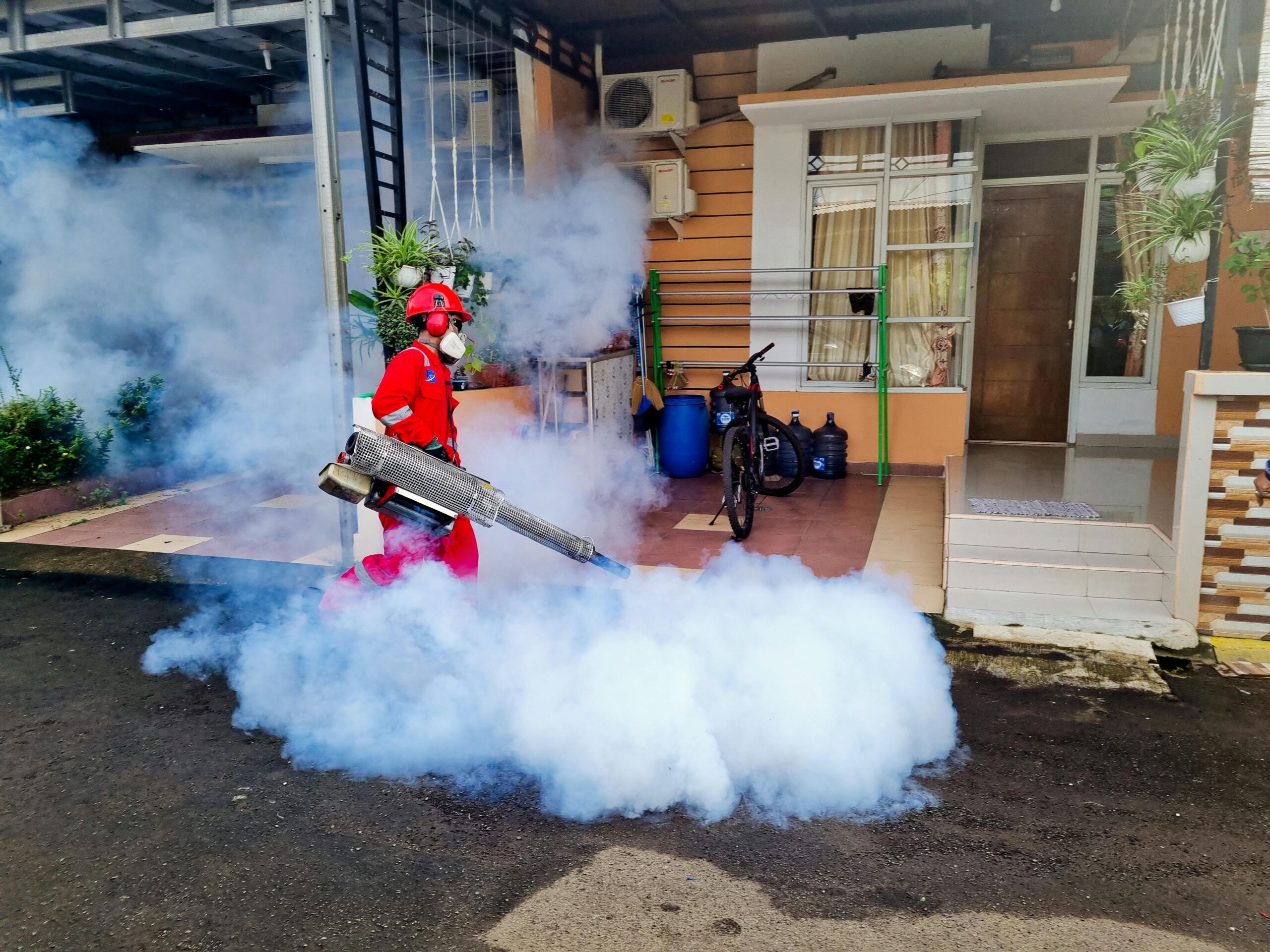
The smoke machine process begins by inserting a flexible hose into the crawl space or wall cavity where centipedes are suspected. The device releases a dense, odorless smoke that travels along the path of least resistance, filling gaps, seams, and even tiny vent openings. As the smoke settles, it adheres to the walls and floor surfaces, delivering a residual insecticide that remains active for weeks. Because the smoke can reach spaces that brushes and sprays miss, it’s especially effective for older homes with extensive framing or for rooms where centipedes have built hidden nests.
Homeowners can typically expect to see a noticeable drop in centipede activity within 3–5 days after the first visit. The residual chemicals continue to work for 4–6 weeks, during which time follow‑up appointments are scheduled to reassess and, if needed, re‑apply treatments to high‑traffic zones. Most Anthem service plans include a second‑visit check 10 days after the initial application, ensuring that any survivors are caught before they can reproduce. For severe infestations, a third visit may be recommended after the first month to solidify long‑term control.
Choosing Anthem’s licensed technicians brings several added benefits. All technicians are state-certified, undergo annual safety training, and stay current on the latest EPA-approved products. Their guaranteed service plans promise that if centipedes reappear within the warranty period, a technician will return at no extra charge to re-treat the affected area. Additionally, Anthem provides a transparent, written estimate before any work begins, so you know exactly what you’re paying for—helping Woodstock homeowners understand their centipede control cost Woodstock residents can trust, with no hidden fees, just reliable, affordable protection for your home and family.
Understanding the Cost of Centipede Control
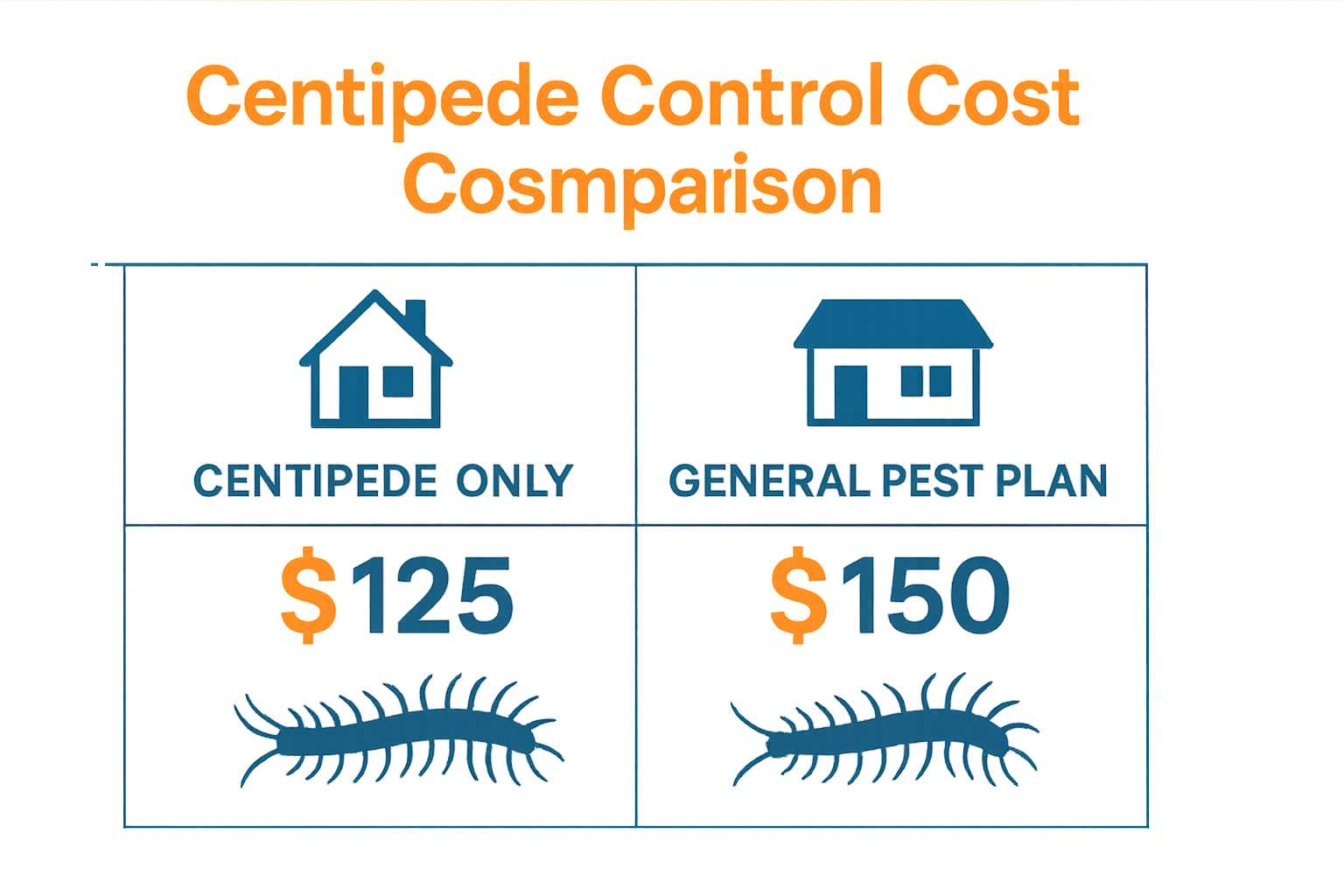
When you spot a centipede scurrying across your kitchen floor, the first question is usually, “How much will it cost to get rid of it?” At Anthem Pest Control we keep pricing transparent, so you can see exactly what you’re paying for—whether you need a one‑time centipede treatment or a comprehensive pest‑management plan.
| Service Option | What’s Included | Typical Cost (USD) |
|---|---|---|
| Centipede‑Only Treatment | Initial inspection, targeted chemicals, one follow‑up visit, 30‑day warranty | $120 – $180 |
| Full‑Service General Pest Plan | Initial inspection, treatment for centipedes, ants, spiders, seasonal spray schedule, unlimited follow‑ups, 1‑year warranty | $250 – $350 |
What you get with a centipede‑only treatment is a focused approach. Our technician will assess the infestation level, apply a low‑toxicity pesticide right where the centipedes hide, and schedule a single follow‑up to ensure the problem is gone. The 30‑day warranty covers any re‑appearance, giving you peace of mind without a long‑term commitment.
A full‑service general pest plan expands that protection. In addition to the centipede work, we treat for common household intruders like ants, spiders, and roaches. The plan includes quarterly visits during peak seasons, a proactive barrier around the perimeter, and a full‑year warranty. This bundled approach often saves homeowners 15‑20 % compared to purchasing each service separately.
Factors That Influence Your Quote
- Property size: Larger homes or properties with extensive landscaping require more product and additional technician time.
- Infestation level: A light sighting may be resolved with a single treatment, while a heavy infestation could need multiple applications.
- Seasonal discounts: We run special pricing in early spring and late fall when centipedes are most active, helping you lock in lower rates.
The Value of Bundling Services
Many Woodstock homeowners discover that combining ant and centipede control into a single plan reduces overall cost while simplifying scheduling. Instead of two separate visits, you get one coordinated service that addresses both pests, minimizes disruption, and often qualifies for a bundled‑service discount.
Ready to see the exact number for your home? Request a free, no-obligation quote from Anthem Pest Control today. Our local experts will walk you through the options, answer any questions, and clearly explain the centipede control cost Woodstock homeowners can expect—tailoring a solution that fits both your budget and your pest-free goals.
Protect Your Home with Anthem Pest Control
Centipedes may seem harmless, but an unchecked infestation can quickly become a nuisance. These fast‑moving predators can bite, leaving itchy welts, and their presence often signals excess moisture or cracks in your home’s foundation—conditions that invite even more serious pests. Spring and early summer in Woodstock, Georgia, provide the perfect breeding ground, so delaying treatment only gives centipedes a longer window to multiply and spread.
Why Choose Anthem Pest Control in Woodstock?
Anthem isn’t just another national brand; we have a dedicated team that knows Woodstock’s climate, building styles, and common pest entry points. Our technicians apply safe, EPA‑approved products that target centipedes without endangering children, pets, or the environment. Because we understand local concerns, we tailor each plan to fit your home’s specific vulnerabilities, delivering effective control at a price that won’t break the bank.
What You Get When You Call
- Free, no‑obligation quote: Call or click, and we’ll assess your situation before any work begins.
- Transparent pricing: No hidden fees—what you see is what you pay.
- Satisfaction guarantee: If centipedes return within the warranty period, we’ll re‑treat at no extra cost.
Ready to Take Action?
Getting started is simple. Dial 877‑371‑8196 to speak with a local specialist, or visit Anthem Pest Control for a quick online request. Our friendly staff will schedule a same‑day inspection, discuss the seasonal window that works best for you, and set up a treatment plan that protects your home year‑round.
Don’t let centipedes turn a cozy Woodstock house into a source of stress. Let Anthem’s experienced team handle the problem so you can enjoy peace of mind, a dry foundation, and a pest-free living space—without worrying about unexpected centipede control cost Woodstock homeowners often face. Give us a call today, and let’s safeguard your home together.