Spotting Rat Activity Inside Your Home
Common Visual Clues
Rats are notoriously secretive, but they leave unmistakable evidence wherever they travel—making early rat control Decatur essential for homeowners. Fresh droppings—about half an inch long, dark brown to black, and often found in clusters—are the most obvious sign. Look for gnaw marks on wood, plastic, or wiring; rats’ teeth leave clean, V-shaped cuts that are deeper than a mouse’s nibble.
Rub marks appear as greasy streaks along walls, baseboards, or the underside of cabinets where a rat’s body brushes against surfaces. Urine stains are invisible to the naked eye but can leave a faint, ammonia‑like odor, especially in enclosed corners.
Where Rats Like to Hide
Understanding a rat’s preferred hideouts helps you focus your inspection. Kitchens are prime real estate because food, water, and shelter are abundant. Check pantry corners, especially where boxes touch the wall, and slide appliances aside to examine the backs of refrigerators and stoves.
Basement crawl spaces and wall voids provide dark, undisturbed pathways. In homes with unfinished attics, look for shredded insulation or small piles of shredded paper—rats use these as nesting material.

Using the Kitchen‑Corner Photo
The photo above illustrates how subtle rat activity can blend into everyday clutter. Notice the faint dark specks along the baseboard—those are likely fresh droppings. The shallow groove in the wooden floorboard is a classic gnaw mark; a rat’s incisors cut cleanly through wood fibers, leaving a smooth trench.
When you compare this image to your own kitchen, ask yourself: Do I see similar specks in hidden corners? Are there any smooth cuts on cabinets or flooring that don’t match normal wear? Even a single droppings cluster warrants a closer look, because rats multiply quickly.
Simple Inspection Checklist
- Inspect all kitchen countertops, backs of appliances, and pantry shelves for droppings.
- Run a flashlight along baseboards, under sinks, and behind cabinets to spot rub marks.
- Feel for gnaw marks on wood, plastic, and wiring; tap lightly to detect hollowed spots.
- Listen for faint scratching or scurrying sounds, especially at night.
- Check basement crawl spaces and attic corners for shredded material or shredded insulation.
- Look for signs of urine—wet spots that emit a strong, pungent odor.
- Document any findings with photos and dates to share with a professional pest technician.
Credibility Boost: EPA Guidance
The U.S. Environmental Protection Agency recommends regular visual inspections for rodent droppings, gnaw marks, and nesting material as the first line of defense against infestations. Early detection is critical because a single breeding pair can produce up to 2,000 offspring in a year.
By aligning your home‑inspection routine with EPA best practices, you not only protect your family’s health but also give your pest‑control professional a clear starting point for treatment.
Why Early Detection Matters
Rats reproduce rapidly; waiting until you see a full‑blown nest can mean weeks of unchecked damage. Early identification lets Anthem Pest Control deploy targeted bait stations or exclusion methods before the infestation spreads to structural components or contaminates food supplies.
Remember, the sooner you spot those tiny clues, the easier—and more affordable—the solution becomes. If any of the signs above match what you’ve found, give Anthem Pest Control a call at 877‑371‑8196 or visit our website for a rapid, professional response.
Health Hazards and Property Damage Caused by Rats
Diseases Transmitted by Rats
Rats are more than a nuisance; they are vectors for several serious illnesses, which is why prompt rat control Decatur is critical for protecting household health. Hantavirus, carried in rodent droppings and urine, can cause severe respiratory distress and, in rare cases, be fatal if inhaled. Leptospirosis, another bacterial infection, spreads through contact with contaminated water or soil and may lead to kidney failure, liver damage, or meningitis. These pathogens underscore why a rat sighting should trigger immediate professional intervention.
Allergic Reactions and Asthma Triggers
Even without infection, rat allergens can aggravate the immune system. Proteins found in rat urine, saliva, and dander become airborne when nests are disturbed, provoking sneezing, watery eyes, and skin rashes. For asthma sufferers, these particles can trigger bronchial constriction, resulting in coughing, wheezing, and shortness of breath. The chronic presence of rat debris therefore heightens the risk of long‑term respiratory issues.
Typical Structural Damage
Rats gnaw instinctively to keep their teeth from overgrowing, and they target the most vulnerable building materials. Chewed electrical wiring is a common hazard, creating short circuits and increasing the chance of a house fire. Insulation, especially fiberglass, is shredded to build nests, reducing its thermal efficiency and raising energy bills. Wooden beams, baseboards, and even drywall are not safe; rats will hollow out joists, compromise load‑bearing capacity, and invite secondary pests like beetles. Food storage areas are also at risk, as rodents contaminate pantry items with urine, feces, and hair, rendering them unsafe for consumption.
Financial Impact of Unchecked Infestations
The monetary toll of a rat problem quickly escalates beyond the cost of extermination. Repairing damaged wiring can run from $200 to $1,500 depending on the extent of the work, while replacing compromised insulation may add several hundred dollars to a homeowner’s budget. Structural repairs—such as reinforcing weakened joists or replacing rotted wood—can easily exceed $2,000. In addition, spoiled food and contaminated supplies generate waste that often totals $100‑$300 per incident. When you add the potential cost of medical treatment for disease exposure, the total expense can surpass $5,000 for a single, prolonged infestation.
According to the U.S. Environmental Protection Agency (EPA), rodents are responsible for a significant share of indoor allergens and disease transmission in residential settings. The agency’s rodent health information emphasizes that prompt control measures are essential to protect both human health and property integrity. Ignoring early signs—such as gnaw marks, droppings, or nocturnal scurrying—allows the problem to compound, turning a manageable situation into a costly emergency.
For Decatur homeowners, the safest route is to partner with a licensed professional who understands local rodent behavior, can conduct a thorough inspection, and apply targeted treatments that minimize risk to family members and pets. Rapid response not only halts disease spread but also safeguards the structural foundation of your home, preserving its value and your peace of mind. A prompt, professional solution also protects your insurance coverage by preventing claim‑eligible damages.
How Rat Activity Changes With the Seasons
Breeding cycles that drive population spikes
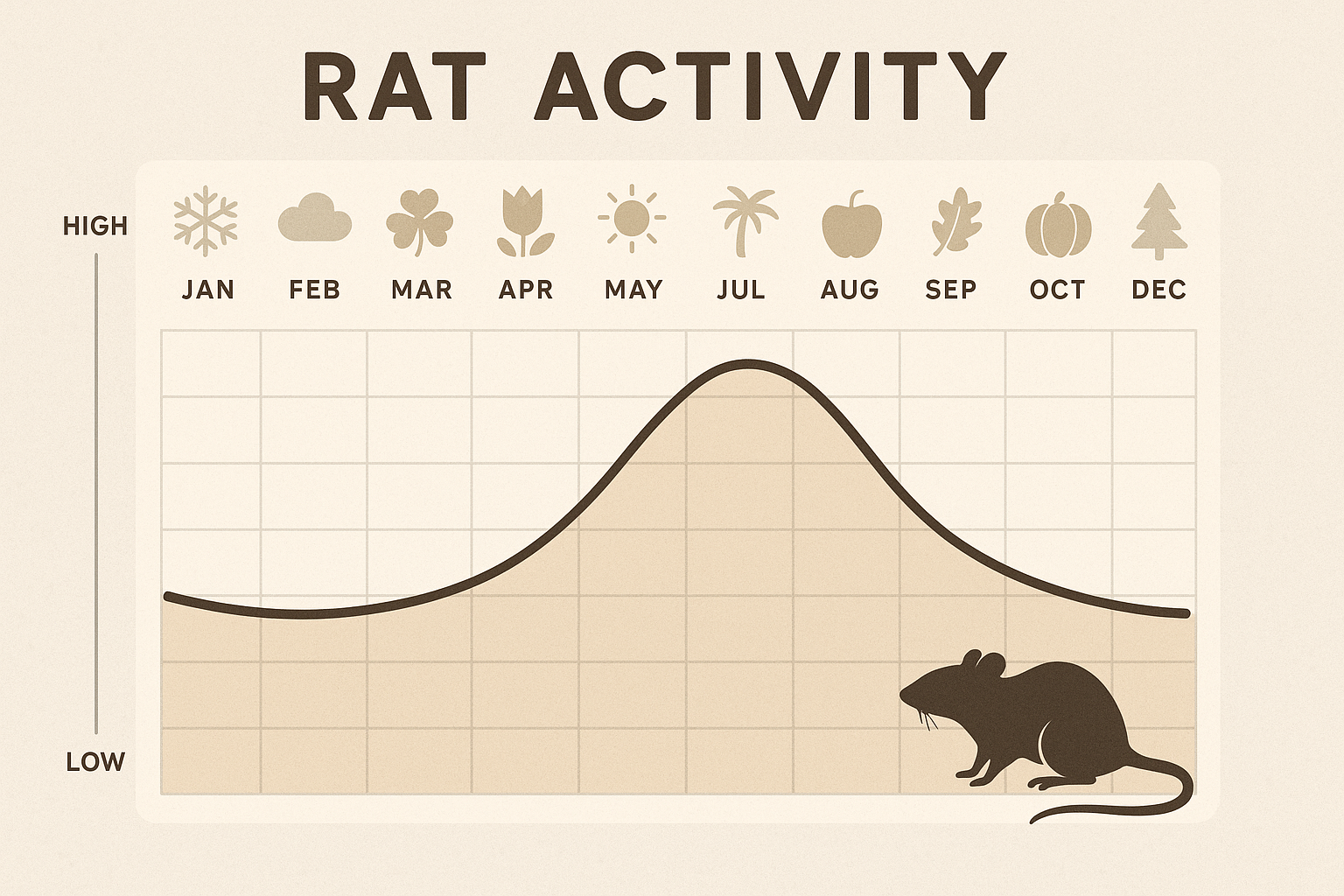
Rats are prolific breeders. A healthy female can produce up to five litters a year, each containing six to twelve pups. As daylight shortens in late summer, hormonal changes trigger a surge in mating activity. The result? A rapid expansion of the local rat population that peaks during the cooler months of fall and early winter.
Why temperature, food, and shelter matter
Cold weather pushes rats to seek warmth and reliable food sources. When outdoor temperatures dip below 50°F (10°C), they retreat to insulated spaces—attics, crawl spaces, and wall voids—where they can stay cozy and access stored pantry items. Simultaneously, fallen leaves and debris provide extra cover, making it easier for them to travel unnoticed around your property.
In contrast, the hot summer months encourage rats to stay outdoors, foraging in gardens and garbage bins. While they remain active, the abundance of natural food and open burrows keeps their numbers relatively stable, preventing the dramatic spikes seen in colder seasons.
Seasonal prevention tips for Decatur homeowners
- Fall (September‑November): Conduct a thorough inspection of your home’s exterior. Seal cracks around windows, doors, and utility penetrations before the first frost. Trim tree branches that touch the roof, eliminating bridge pathways for rodents.
- Winter (December‑February): Keep indoor humidity between 30‑50% to discourage nesting. Store firewood away from the house and elevate it on a pallet. Check attic insulation for gaps, and use steel‑wool or copper mesh to block potential entry points.
- Spring (March‑May): Remove debris and leaf litter that may have harbored rats over winter. Clean gutters regularly to prevent water pooling, which can attract insects that serve as secondary food for rodents.
- Summer (June‑August): Secure garbage cans with tight‑fitting lids and avoid leaving pet food outdoors overnight. Maintain a clean yard by mowing regularly and disposing of fallen fruit promptly.
Timing is everything. By aligning inspections and treatments with the seasonal behavior outlined above, you reduce the chance of a surprise infestation and give professional interventions, like those offered by Anthem Pest Control, a better chance to succeed.
For additional guidance on seasonal rodent management and effective rat control Decatur, consult the EPA’s seasonal rodent advice. Their recommendations complement local best practices and help you stay a step ahead of the rats year-round.
Treatment Options – DIY Methods vs Professional Rat Control
When rats start making a home in your yard or basement, the first question is often, “Can I handle this myself?” For homeowners considering rat control Decatur, DIY kits are tempting because they promise quick fixes at a low price. However, the reality of rat behavior, health risks, and long-term prevention means you need to weigh the convenience of a do-it-yourself approach against the thoroughness of a professional service.
DIY Traps, Baits, and Exclusion Techniques
Most homeowners begin with three basic tools:
- Snap or live traps: Simple metal cages that kill or capture a rat instantly.
- Commercial bait stations: Pre‑filled containers of anticoagulant or bromethalin poison.
- Exclusion measures: Steel‑wool, caulking, and mesh used to seal entry points.
These methods can work in a limited, controlled environment—think a single attic or a small crawl space. The biggest advantages are:
- Low upfront cost (often under $50 for a starter kit).
- Immediate sense of control; you place the trap and watch the result.
- Flexibility to adjust placement as you learn where rats travel.
On the flip side, DIY solutions have notable drawbacks:
- Effectiveness: Traps catch only a fraction of a population, leaving hidden nests untouched.
- Safety: Poison can end up where children or pets roam, and improper handling poses health hazards.
- Time investment: Frequent checking, rebaiting, and resetting can become a daily chore.
Common Pitfalls of a DIY Approach
Even the most diligent homeowner can stumble into traps that reduce, rather than eliminate, a rat problem:
- Incorrect placement: Traps set in high‑traffic corridors but far from walls miss the rat’s natural runways.
- Poison hazards: Bait stations left unattended can be accessed by non‑target animals, leading to accidental poisoning.
- Incomplete exclusion: Sealing only obvious gaps while overlooking tiny cracks (as small as a quarter inch) allows rats to re‑enter.
- Failure to monitor: Without a professional’s follow‑up, new activity can go unnoticed until an infestation resurfaces.
- Regulatory missteps: Many states require licensed applicators for certain rodenticides; DIY use may violate EPA regulations.
These missteps not only waste money but can create a false sense of security, leaving you vulnerable to a larger, more entrenched infestation.
What a Professional Service Looks Like
When you call Anthem Pest Control, the process begins with a thorough inspection. Our technicians map out:
- All potential entry points, from foundation cracks to utility penetrations.
- Active runways, nesting sites, and recent droppings.
- Environmental factors that may attract rats, such as food storage or water sources.
Armed with that data, we design a customized baiting plan that places EPA‑approved rodenticides in tamper‑resistant stations—out of reach of children and pets. Next, we perform exclusion work using stainless‑steel mesh, cement, and high‑grade sealants that rats cannot chew through. Finally, we schedule follow‑up visits to monitor trap success, replace bait as needed, and verify that all gaps remain sealed.

Our technicians are licensed, insured, and trained to handle rodenticides safely. This means you never have to worry about accidental exposure, and you stay compliant with local and federal regulations.
Why Safety and EPA Compliance Matter
Rats carry diseases such as leptospirosis, hantavirus, and salmonella. Improper handling of poison can spread these pathogens to humans and pets. Professional pest control adheres to EPA guidelines that dictate:
- Specific placement heights and locations for bait stations.
- Label‑approved dosages that minimize secondary poisoning.
- Documentation and disposal procedures for used baits and dead rodents.
Beyond health, professional treatment delivers long‑term results. By sealing every conceivable entry point and establishing a monitoring schedule, we reduce the likelihood of a repeat invasion. Homeowners who rely solely on traps often see rats return within weeks, whereas a fully integrated professional plan can keep the problem at bay for years.
In short, DIY methods may offer a quick, low‑cost start, but they rarely provide the comprehensive, safe, and lasting solution that a trained pest‑control specialist delivers. If you’re serious about protecting your family, your home’s structure, and your peace of mind, partnering with Anthem Pest Control is the smartest investment.
Understanding Rat Control Pricing – One‑Time vs Subscription Plans
One‑Time Treatment: What You Get and What It Costs
A one-time rat control Decatur service typically includes a thorough inspection, placement of bait stations or traps, and a follow-up visit to confirm removal. Most homeowners see the entire job wrapped up within a single day, which is ideal for urgent infestations. In Decatur, the average price range for this comprehensive approach is $250–$450, depending on the size of the property and the severity of the problem.
Subscription Plans: Ongoing Protection for Peace of Mind
Monthly or annual subscription plans spread the cost over time while delivering continuous monitoring, quarterly inspections, and preventive treatments such as bait replenishment and exclusion sealing. These plans are designed to keep rats from returning, so you avoid surprise re‑infestations. Typical pricing starts at $30 per month (or about $340 per year) and often includes a service guarantee that covers any necessary retreatments at no extra charge.

Quick Comparison of Cost, Coverage, and Savings
| Plan Type | Typical Cost | Coverage Frequency | Long‑Term Savings |
|---|---|---|---|
| One‑Time Treatment | $250 – $450 | Single visit (plus one follow‑up) | None; future infestations require new service |
| Monthly Subscription | $30 / month | Monthly inspections & bait maintenance | Up to 20% saved vs. repeat one‑time jobs |
| Annual Subscription | $340 / year | Quarterly visits + emergency call‑outs | Potential 30%+ savings over 2–3 repeat treatments |
Key Factors That Influence Your Quote
- Property size: Larger homes or multi‑unit buildings need more bait stations and longer inspection times.
- Infestation severity: A heavy, established population requires extra labor and possibly structural repairs.
- Geographic location: Decatur’s urban environment can affect access points and the number of exterior treatments needed.
- Seasonality: Spring and fall see heightened activity, which may influence the intensity of the initial treatment.
- Special requirements: Pet‑friendly bait, eco‑conscious products, or custom exclusion work can add to the baseline price.
Evaluating Value, Not Just the Price Tag
- Look for service guarantees that cover retreatments at no extra cost.
- Check the technician’s certification and years of local experience; seasoned pros spot hidden entry points faster.
- Consider the breadth of the plan—does it include emergency call‑outs, or only scheduled visits?
- Ask about the type of bait and traps used; EPA‑approved, low‑toxicity options protect children and pets while remaining effective.
- Read customer reviews specific to Decatur; real‑world feedback often reveals how quickly a company resolves recurring issues.
Secure a Rat‑Free Home with Anthem Pest Control
Why Early Detection, Seasonal Awareness, and Proper Treatment Matter
Rats multiply quickly, and a few unnoticed signs can turn a minor nuisance into a full‑blown infestation. Spotting droppings, gnaw marks, or unusual noises early lets you act before the problem spreads. Seasonal spikes—especially in late summer and early fall—mean that rodents are actively seeking shelter, so timing your intervention can prevent them from establishing a permanent nest. Combining vigilant monitoring with the right treatment ensures you protect your home’s structure, your family’s health, and your peace of mind.
What Sets Anthem Pest Control Apart
Anthem Pest Control brings nationwide expertise to every Decatur home, leveraging EPA‑approved methods that are both safe for children and pets and lethal to rats. Our technicians are certified, continuously trained, and equipped with the latest baiting and exclusion technologies. Transparent pricing means you know exactly what you’re paying for—no hidden fees, just a clear, upfront quote. Over thousands of satisfied homeowners trust us because we don’t just eradicate rodents; we also identify entry points, seal them, and provide a prevention plan that keeps rats away year after year.
Take the Next Step Toward a Rat‑Free Home
If you suspect rats or simply want to protect your home before the next seasonal surge, call Anthem Pest Control today at 877-371-8196 for professional rat control Decatur homeowners can rely on. Our certified technicians will assess your property, recommend the most effective treatment, and help you maintain a rat-free environment all year long. Reach out via phone or visit Anthem Pest Control for more information. We’re ready to answer your questions, schedule an inspection, and put your mind at ease—no pressure, just professional help you can rely on.