Why Fleas Matter for Homeowners

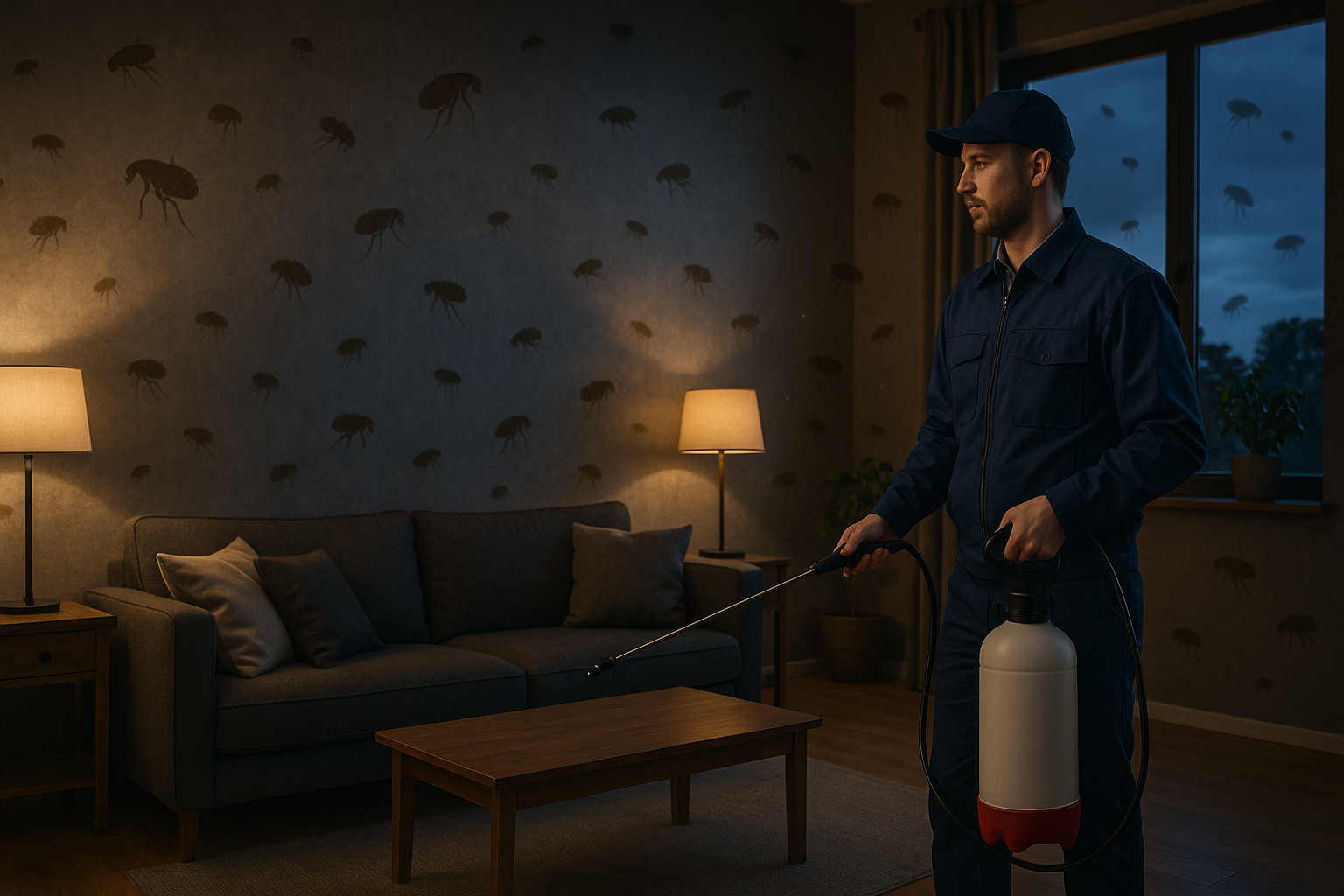
Fleas are tiny, wingless insects that survive by feeding on the blood of mammals and birds, making timely flea control Decatur GA essential for homeowners. In the United States, the most common culprits are the Ctenocephalides felis (cat flea) and Ctenocephalides canis (dog flea). Though they’re only a few millimeters long, their rapid life cycle—egg, larva, pupa, adult—allows populations to explode in a matter of weeks when conditions are right.
Most homeowners assume fleas stay outdoors, but they easily hitch a ride inside. A single bite from an infested pet can drop dozens of eggs onto carpets, bedding, and upholstery. Wildlife such as raccoons, opossums, or even stray birds can also drop fleas through open doors, windows, or gaps in the foundation. Outdoor carriers—like grass, mulch, or a neighbor’s yard—serve as a reservoir, especially during the warm months when flea larvae thrive in the soil.
The health implications are more than a nuisance. According to the CDC, flea bites can cause intense itching, red welts, and in sensitive individuals, allergic reactions that lead to hives or secondary skin infections. Fleas are also vectors for serious diseases, most notably Yersinia pestis (the bacterium that causes plague) and Rickettsia felis (cat‑scratch fever). While outbreaks are rare in the U.S., the potential for disease transmission underscores why early detection matters.
- Physical discomfort: Persistent itching disrupts sleep and daily activities.
- Allergic responses: Some residents develop severe skin reactions that may require medical treatment.
- Health risks: Fleas can spread bacterial infections and, in extreme cases, plague.
Beyond health, the economic toll can add up quickly. Professional flea treatments typically range from $100 to $300 per visit, and multiple visits are often necessary for a full eradication. If left unchecked, homeowners may face costly carpet or upholstery replacements, lost pet supplies, and even veterinary bills for pets that develop flea‑induced anemia or dermatitis. The emotional strain—constant scratching, embarrassment when guests notice bites, and the feeling of losing control over one’s home—can be just as damaging as the financial impact.
It’s a common misconception that a spotless, modern home is immune to fleas. In reality, even the cleanest living spaces can harbor hidden eggs and larvae tucked into the fibers of rugs, under baseboards, or within pet bedding. Fleas are opportunistic; they exploit any available host and any micro‑environment that offers warmth and humidity. That’s why a proactive approach—regular pet grooming, diligent cleaning, and timely professional inspections—is essential for protecting both your family’s health and your home’s integrity.
Spotting a Flea Problem Early
Fleas are tiny, but their presence can quickly become a big headache for any Decatur homeowner. The sooner you notice the first hint, the easier—and cheaper—it is to intervene. Below, we break down the most reliable visual, behavioral, and physical clues that tell you a flea infestation is brewing, and we’ll show you how to confirm it before the bugs take over.
Visual signs you can’t ignore
- Flea dirt: Look for small, dark specks on your pet’s fur, on bedding, or on carpet fibers. Flea feces are essentially digested blood and appear as pepper‑sized black dots that turn reddish when moistened with water.
- Adult fleas: Spotting a moving speck on your dog, cat, or even on hardwood floors is a dead giveaway. Fleas are about 1–3 mm long, jump like tiny spring‑loaded pistols, and are most active in the early morning and evening.
Behavioral clues from your pets
Pets are the first line of detection. If you hear constant scratching, see your cat or dog “pacing” or “shaking” after a short rest, or notice sudden restlessness when they’re on a rug, it’s often a flea response. Fleas bite, causing an itchy, localized reaction that drives pets to groom obsessively.
Physical evidence on humans
Flea bites typically appear as small, red, raised welts—often in clusters—around the ankles, calves, waistline, or behind the knees. The bites can be intensely itchy and may develop a tiny halo of redness. If you or a family member is waking up with these tell‑tale marks, especially after a night of pet‑related activity, it’s time to investigate further.
Don’t mistake fleas for other pests
It’s easy to confuse flea activity with that of cockroaches, carpet beetles, or even dust mites. Cockroaches leave droppings that look like black pepper, but they’re larger, slower, and don’t jump. Carpet beetles are more likely to be found near natural fibers and don’t cause itchy bites. By focusing on the jumping behavior, the size of the insect, and the presence of flea dirt, you can rule out these look‑alikes.
Simple inspection steps you can do today
- Grab a fine‑toothed flea comb and run it through your pet’s coat, especially around the neck and tail base. Any specks that turn reddish in water are flea feces.
- Lift and shake pet bedding over a white sheet or light surface; look for moving fleas or dark specks.
- Place a clean white towel over a vacuum hose and run the vacuum over carpet edges and pet areas. Check the towel for tiny black specks after you’re done.
- Inspect floorboards and baseboards with a flashlight. Fleas often hide in the cracks and will jump when disturbed.
When to call a professional
If you’ve confirmed flea dirt, seen live adults, or the bite marks persist despite your DIY checks, it’s wise to get a professional confirmation. Certified technicians can perform a thorough indoor and outdoor assessment, identify hidden hotspots, and recommend a treatment plan that targets both adult fleas and their developing larvae. Acting early not only protects your family’s comfort but also saves you from the higher costs of a full‑blown infestation.
Seasonal Flea Activity in the Atlanta Metro Area
What the seasonal chart tells you
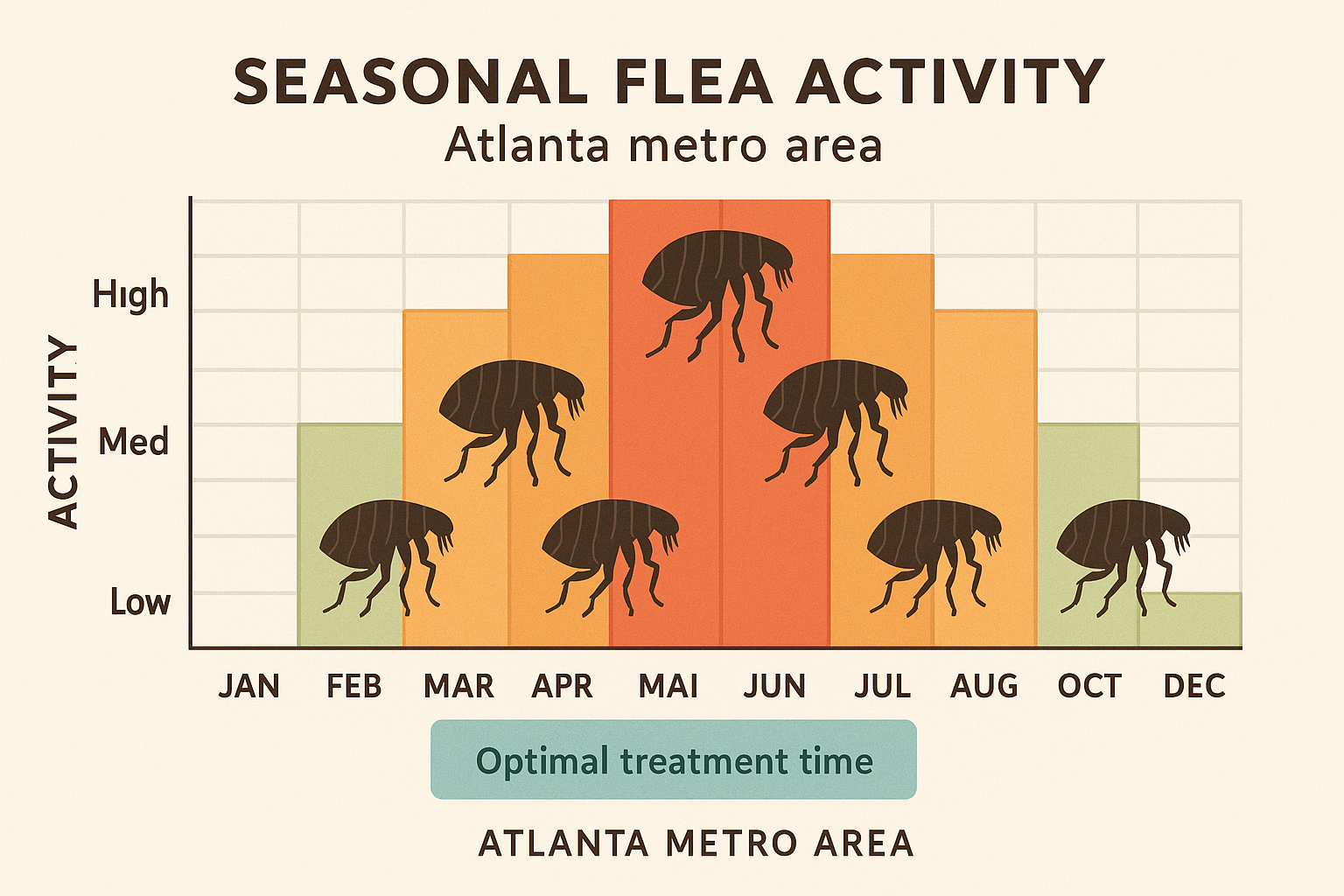
The chart divides the year into three clear zones: low activity (December – February), medium activity (March – May and September – November), and high activity (June – August), helping homeowners plan proactive flea control Decatur GA efforts. During the low-activity months, adult fleas are scarce, and indoor infestations tend to dwindle. Medium months see a gradual rise in egg-laying, while the summer window spikes dramatically as temperatures and humidity hit optimal levels for rapid development.
Climate drivers behind the cycle
Fleas are cold‑blooded; their life cycle accelerates when the environment stays warm (70‑85 °F) and moist (above 50 % relative humidity). In the Atlanta metro area, summer brings both heat and humidity, shortening the egg‑to‑adult timeline from weeks to just a few days. Conversely, winter chills slow metabolism, causing many adults to seek shelter inside homes or to die off, which explains the dip in outdoor pressure.
Why late spring and early fall are the sweet spot
Late spring (late May – early June) and early fall (late September – early October) are transitional periods when the climate is still warm enough for rapid breeding but not yet at the scorching peak of midsummer. During these windows, a single adult female can produce several generations in quick succession, flooding yards and pet bedding with new fleas. Homeowners often notice the first signs—scratching pets, tiny black specks on carpets—right at these times.
When to inspect and treat
Use the chart as a calendar:
- March – April: Conduct a thorough visual inspection of pet bedding, yard borders, and indoor carpets. Treat any early signs before the summer surge.
- June – August: Apply a preventative adulticide or insect growth regulator (IGR) at the start of June. Repeat every 4‑6 weeks if outdoor activity stays high.
- September – October: Perform a second round of treatment as temperatures begin to fall. This catches the late‑season brood before it retreats indoors for winter.
- November – December: A final indoor inspection ensures no survivors have hunkered down for the cold months.
Scheduling inspections at the start of each zone maximizes the chance of nipping infestations in the bud, saving you both time and money.
Indoor climate control matters too
Even though most flea breeding occurs outdoors, indoor climate can sustain a small population year‑round. Keeping your home’s humidity below 45 % and maintaining indoor temperatures around 70 °F discourages egg hatch and larval development. Simple steps—using a dehumidifier, ventilating rooms, and washing pet bedding in hot water—can dramatically reduce the risk of a hidden indoor infestation during the low‑activity months.
Treatment Options, Pricing, and What to Expect
When fleas invade a Decatur home, the first step in effective flea control Decatur GA is choosing a treatment strategy that fits your budget, lifestyle, and safety concerns. Below we break down the most common control methods, weigh DIY kits against professional services, and give you a clear picture of what you’ll pay for each level of care.
Overview of Treatment Categories
- Chemical Sprays: Fast‑acting liquid applications that target adult fleas and larvae on carpets, baseboards, and pet bedding.
- Oral Pet Medications: Prescription or over‑the‑counter pills that kill fleas when they bite your dog or cat, breaking the life cycle from the source.
- Foggers (Aerosol Bombs): Dispersed throughout a room, foggers release insecticide particles that settle on hidden cracks and crevices.
- Integrated Pest Management (IPM): A holistic approach that combines chemical, mechanical, and cultural tactics—such as regular vacuuming, washing pet linens, and sealing entry points—to keep flea populations below damaging levels.
DIY Kits: Pros, Cons, and Real‑World Costs
Do‑it‑yourself kits can be tempting because they appear inexpensive and easy to use. A typical DIY bundle—spray can, fogger, and a month’s supply of oral medication—costs between $30 and $70. The upside is immediate access; you can start treatment the same day you receive the product.
However, the drawbacks often outweigh the savings. DIY products may not reach hidden infestations, leading to repeated applications and lingering bites. Safety is another concern: without proper training, you risk over‑application, which can irritate pets, children, and even damage furniture. Finally, most manufacturers offer no guarantee, leaving you to troubleshoot any resurgence on your own.
Why Professional Treatment Pays Off
Professional pest control brings three critical advantages:
- Thorough Inspection: Our technicians conduct a room‑by‑room assessment, identifying hot spots that DIY products miss.
- Guaranteed Follow‑Up: If fleas reappear within the service window, we return at no extra charge, ensuring the job is truly done.
- Safety Assurance: We use EPA‑registered products applied at calibrated dosages, protecting pets, children, and the environment while delivering maximum efficacy.
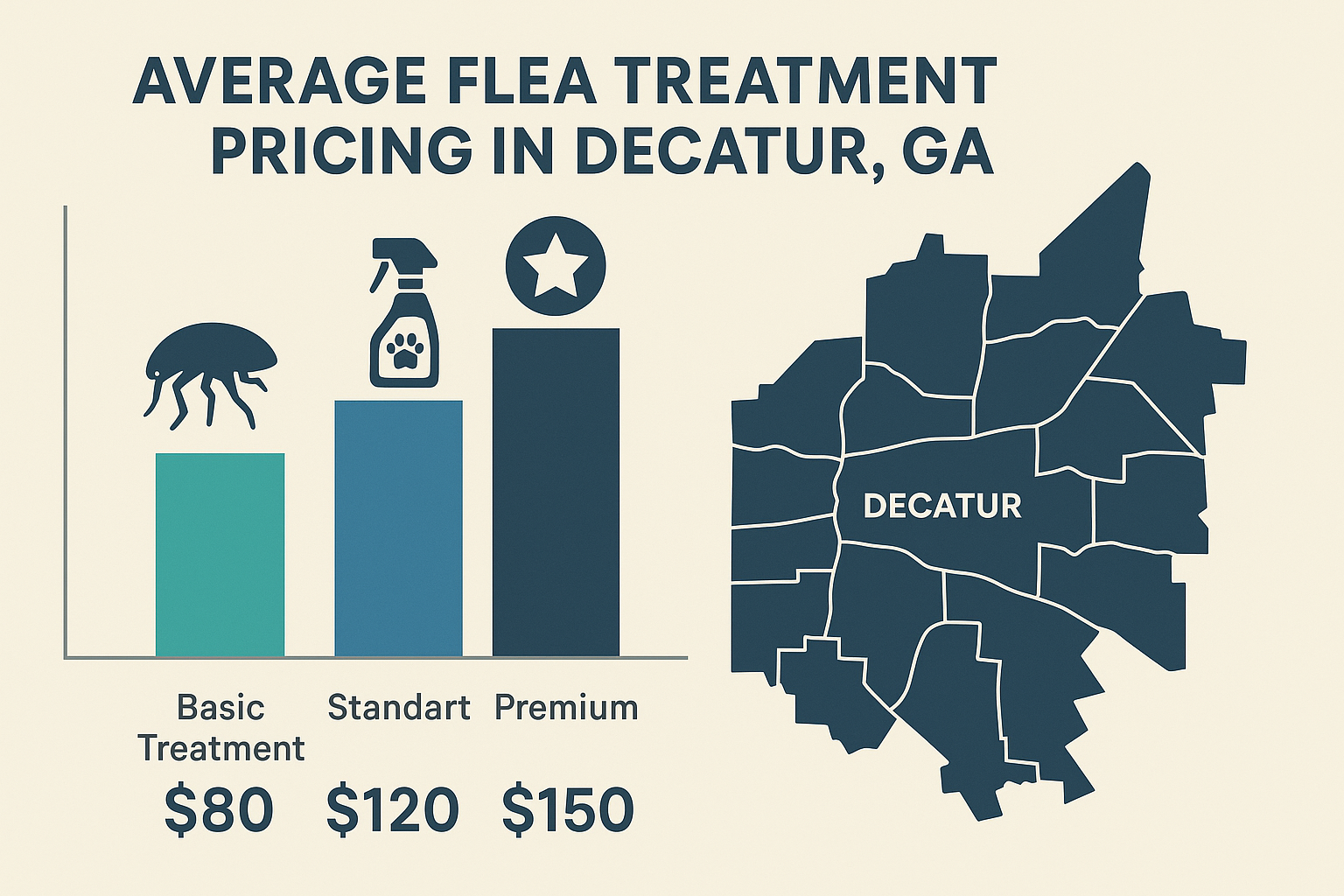
Pricing Infographic Breakdown
| Package | Price | Includes |
|---|---|---|
| Basic | $80 | One‑time chemical spray, pre‑treatment inspection, post‑treatment flyer with home‑care tips. |
| Standard | $120 | All Basic features plus a 30‑day follow‑up visit, pet‑safe oral medication starter pack, and fogger application. |
| Premium | $150 | All Standard features plus quarterly IPM monitoring, sealed cracks/crevices, and a complimentary home‑wide vacuuming service. |
Typical Service Steps
- Pre‑Treatment Assessment: We walk through your property, noting pet zones, high‑traffic areas, and any existing chemical residues.
- Application: Trained technicians apply targeted sprays, fogger bursts, and, when needed, set up pet medication stations.
- Post‑Treatment Monitoring: Within 7‑10 days we return to inspect for hatchlings, adjust dosages, and advise on next steps.
Tips to Maximize Treatment Success
- Vacuum carpets, rugs, and upholstery daily during the first two weeks; dispose of the bag outside.
- Wash all pet bedding, blankets, and removable furniture covers in hot water (≥130°F) to kill hidden eggs.
- Keep pets away from treated zones for at least 4 hours, and follow medication dosing schedules precisely.
- Schedule a repeat visit after 30 days—fleas have a life cycle that can extend beyond a single treatment.
- Seal cracks around baseboards and entry points to prevent re‑infestation from outdoor sources.
By understanding each option, weighing cost against effectiveness, and following our proven service steps, Decatur homeowners can eliminate fleas confidently and keep their families—and furry friends—comfortably pest‑free.
Protect Your Home with Trusted Professionals
Early detection and timing are the cornerstones of successful flea control. Spotting the first signs—scratching pets, tiny black specks in carpet, or a sudden increase in pet hair loss—lets you act before an infestation spreads throughout your home. Because flea life cycles accelerate in the warm months, treating at the first hint of activity or during the seasonal peak (late spring through early fall) dramatically reduces the number of chemicals needed and shortens the eradication timeline.
Quick Reminder of Treatment Options and Price Tiers
- Basic Tier: One‑time interior spray targeting adult fleas and larvae – ideal for minor sightings. Starting at $79.
- Standard Tier: Two‑visit program with interior & perimeter treatment, plus a pet‑safe growth inhibitor – best for moderate infestations. Starting at $149.
- Premium Tier: Comprehensive three‑visit plan, includes indoor/outdoor barrier, carpet fogging, and a 6‑month guarantee – recommended for severe or recurring problems. Starting at $229.
Each tier is designed to match the severity of the problem while keeping costs transparent. You’ll know exactly what you’re paying for, and there are no hidden fees—just a clear roadmap to a flea‑free home.
Why Choose Anthem Pest Control?
Anthem Pest Control brings decades of local expertise to Decatur and the greater Atlanta area. Our certified technicians use EPA‑approved, pet‑safe products that target every stage of the flea life cycle without compromising the health of your family or beloved animals. We pride ourselves on transparent pricing, punctual service, and a satisfaction guarantee that lets you rest easy.
If you suspect fleas or simply want peace of mind, reach out for a free, no‑obligation quote. Our friendly team will assess your situation, recommend the right treatment tier, and schedule a prompt visit that fits your calendar.
Call now at 877‑371‑8196 or visit Anthem Pest Control to request your free quote.
Don’t wait for the next bite to become a full-blown infestation. Acting today means a healthier home for your family, a happier pet, and one less worry on your plate. Take the first step toward trusted flea control Decatur GA—contact Anthem Pest Control now.