What Are Gnats and Why They Matter for Homeowners

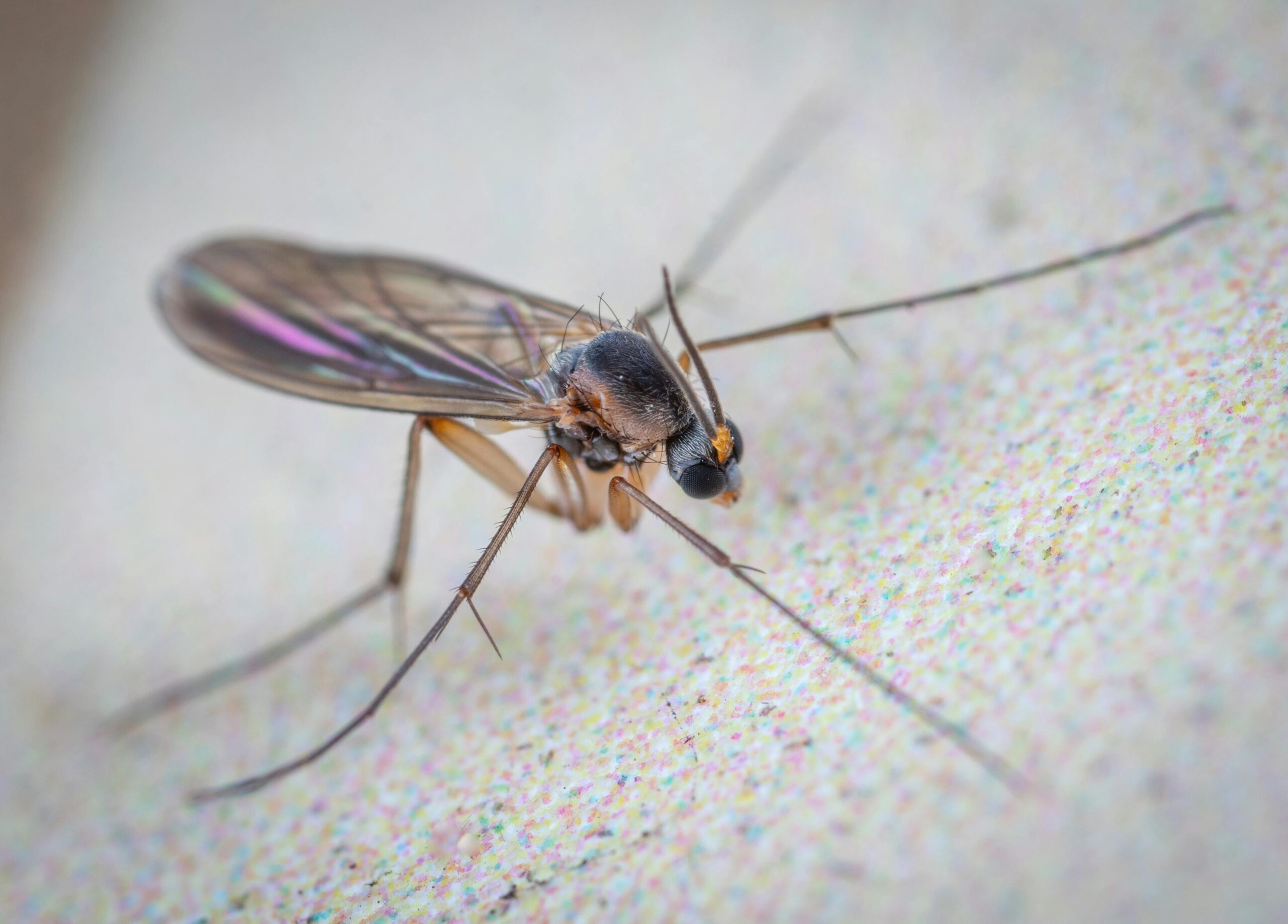
Gnats are tiny, flying insects that belong to several families, the most common being fungus gnats, biting midges, and black flies—pests commonly identified during a gnat inspection Peachtree City. Though they often go unnoticed until they appear in swarms, each type has distinct habits that can affect a home’s comfort and health.
Many homeowners dismiss gnats as “harmless flies,” but that misconception can mask real problems. Beyond the annoyance of buzzing around patios, gnats can trigger allergic reactions, bite or irritate skin, and even draw larger pests such as ants and spiders that feed on their larvae. In some cases—particularly with biting midges—species can transmit diseases to humans and pets.
Where Gnats Thrive Around Your Home
- Moist soil in flower pots or garden beds, especially where organic matter decomposes.
- Compost piles and mulch that remain damp for extended periods.
- Standing water in birdbaths, clogged gutters, or over‑watered lawns.
- Decaying plant material in shaded areas, such as leaf litter under decks.
These habitats create ideal breeding grounds, allowing populations to explode quickly during warm, humid weeks. When gnats congregate on outdoor furniture or near kitchen doors, they can contaminate food and drinks, turning a simple backyard dinner into a nuisance.
Beyond comfort, the presence of gnats signals underlying moisture issues that, if unchecked, may lead to mold growth or structural damage. That’s why a professional inspection is essential: a trained technician can identify the exact species, assess the extent of the infestation, and recommend targeted treatments that protect both your family and your property.
Spotting Gnat Activity Around Your Home
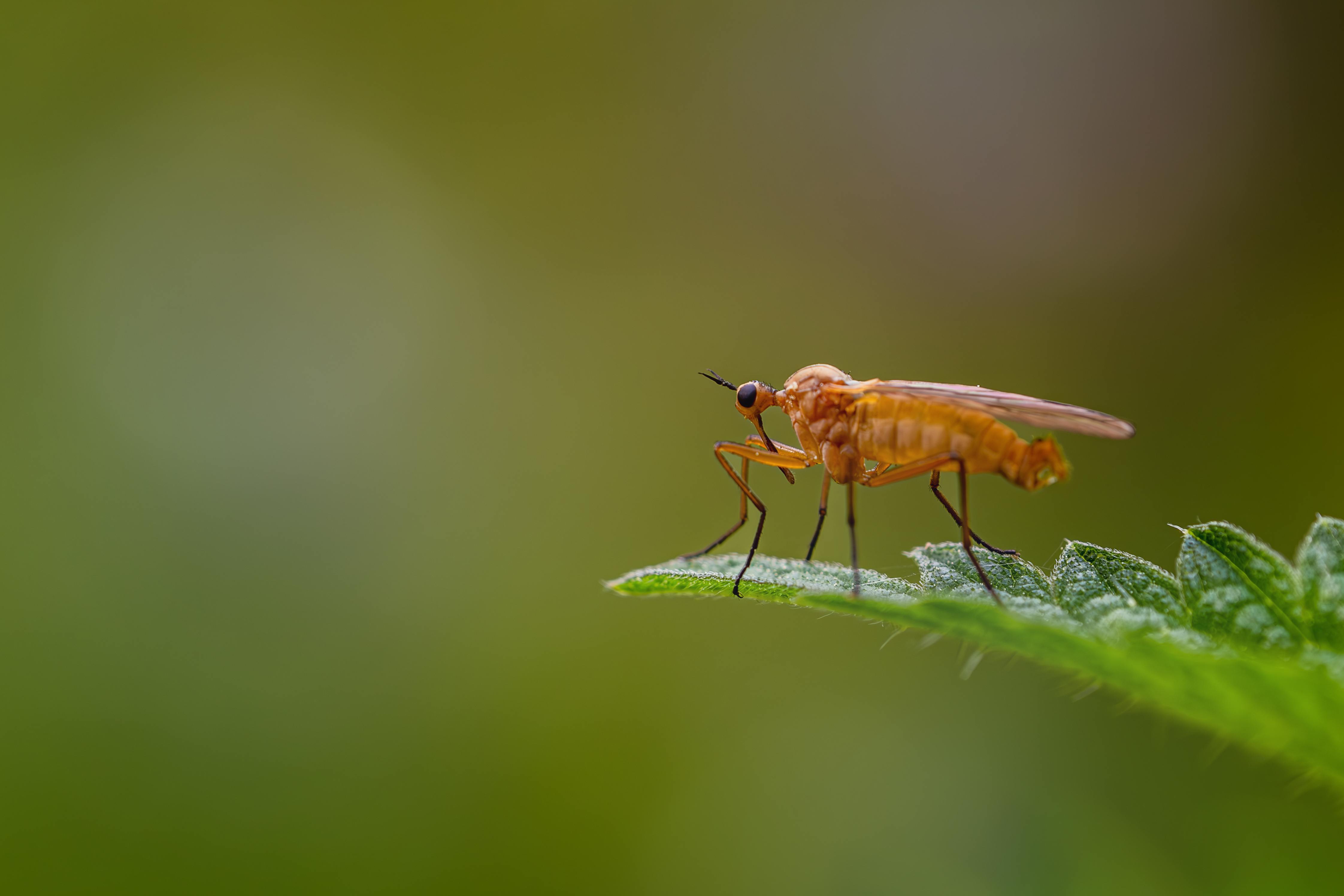
Gnats are easy to miss until they gather in noticeable numbers. Look for small, dark flies that hover lazily around indoor lights, cluster on the undersides of leaves, or form thin swarms near windows. Unlike flies or mosquitoes, gnats stay close to the light source and move in an erratic, fluttering pattern.
Physical clues often appear before you see the insects themselves. Sticky traps placed near plants will catch tiny, winged bodies. Check potting soil for white, thread‑like larvae that feed on organic matter, and inspect damp corners—such as under sinks or in basements—for mold, which provides a breeding ground for gnats.
Gnats are most active during low‑light periods, especially at dawn and dusk. If you notice a sudden increase in activity during these times, it’s a strong indicator that a population is establishing nearby.
Simple DIY Inspection
- Examine indoor houseplants: lift the soil and look for larvae or excessive moisture.
- Inspect gutters and downspouts for standing water or decaying leaves.
- Observe outdoor lighting fixtures for clusters of hovering gnats after sunset.
- Place a few yellow sticky traps in kitchens, bathrooms, and near potted plants for a 24‑hour snapshot.
- Check damp areas—under sinks, behind appliances, or in basements—for mold or mildew.
Call a professional if you encounter persistent swarms that won’t subside with DIY measures, if you experience unexplained bites, or if you cannot locate the breeding site after a thorough inspection. Anthem Pest Control can identify hidden sources, apply targeted treatments, and help you prevent future infestations—all with safe, affordable solutions.
Seasonal Patterns of Gnats in Peachtree City
Peachtree City’s humid subtropical climate creates the perfect breeding ground for gnats. Warm temperatures combined with frequent summer thunderstorms keep soil and mulch consistently moist, allowing larvae to thrive year‑round. Understanding how this climate drives gnat activity helps homeowners plan inspections and treatments at the most effective times.
Why Peachtree City’s Climate Attracts Gnats
The region receives an average of 45 inches of rain annually, with the heaviest downpours in spring and early summer. These rains saturate garden beds, flower pots, and lawn thatch, providing the moisture larvae need to develop. Mild winters mean that adult gnats can survive longer, extending the overall activity window.
Spring Surge (March – May)
As temperatures climb above 60 °F and rains become more regular, dormant eggs hatch. Larvae emerge in garden beds, compost piles, and around standing water. Homeowners often notice swarms around outdoor lighting and patio furniture during this period.
Summer Peak (June – August)
High humidity and heat create optimal conditions for rapid reproduction. Adult gnats multiply quickly, and outdoor gatherings increase human‑gnat encounters. Moisture from sprinkler systems and pool decks adds extra breeding sites, making this the most problematic season.
Fall Decline (September – November)
Cooler nights and reduced rainfall slow the life cycle. Breeding slows, but residual populations can linger in shaded, damp areas such as under decks or in mulch. Early‑season inspections can catch these holdouts before they rebound in the next spring.
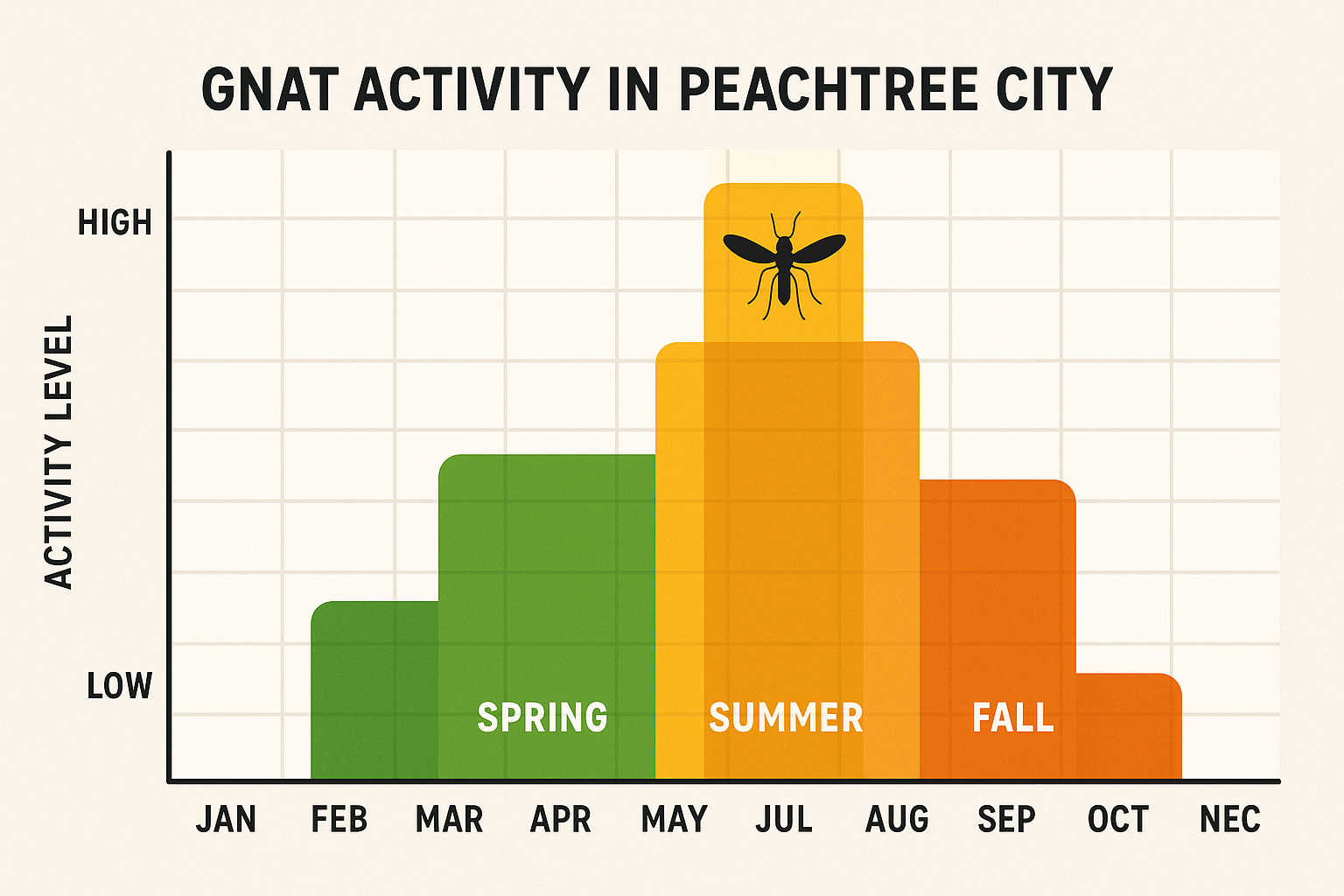
| Month | Activity Level |
|---|---|
| January | Low |
| February | Low |
| March | Moderate |
| April | High |
| May | High |
| June | High |
| July | High |
| August | High |
| September | Moderate |
| October | Low |
| November | Low |
| December | Low |
Practical tip: Schedule a professional gnat inspection with Anthem Pest Control in late February or early March—before the spring surge begins. Early, preventative treatment can disrupt the breeding cycle and keep your yard comfortable throughout the hot months.
Gnat Inspection Services – Pricing and What’s Included
When you call Anthem Pest for a gnat inspection Peachtree City, the first thing we send is a certified technician who conducts a thorough visual survey of your property. The technician places strategically positioned traps, identifies the species of gnat, and compiles a written report that outlines hotspots, breeding sources, and immediate recommendations.
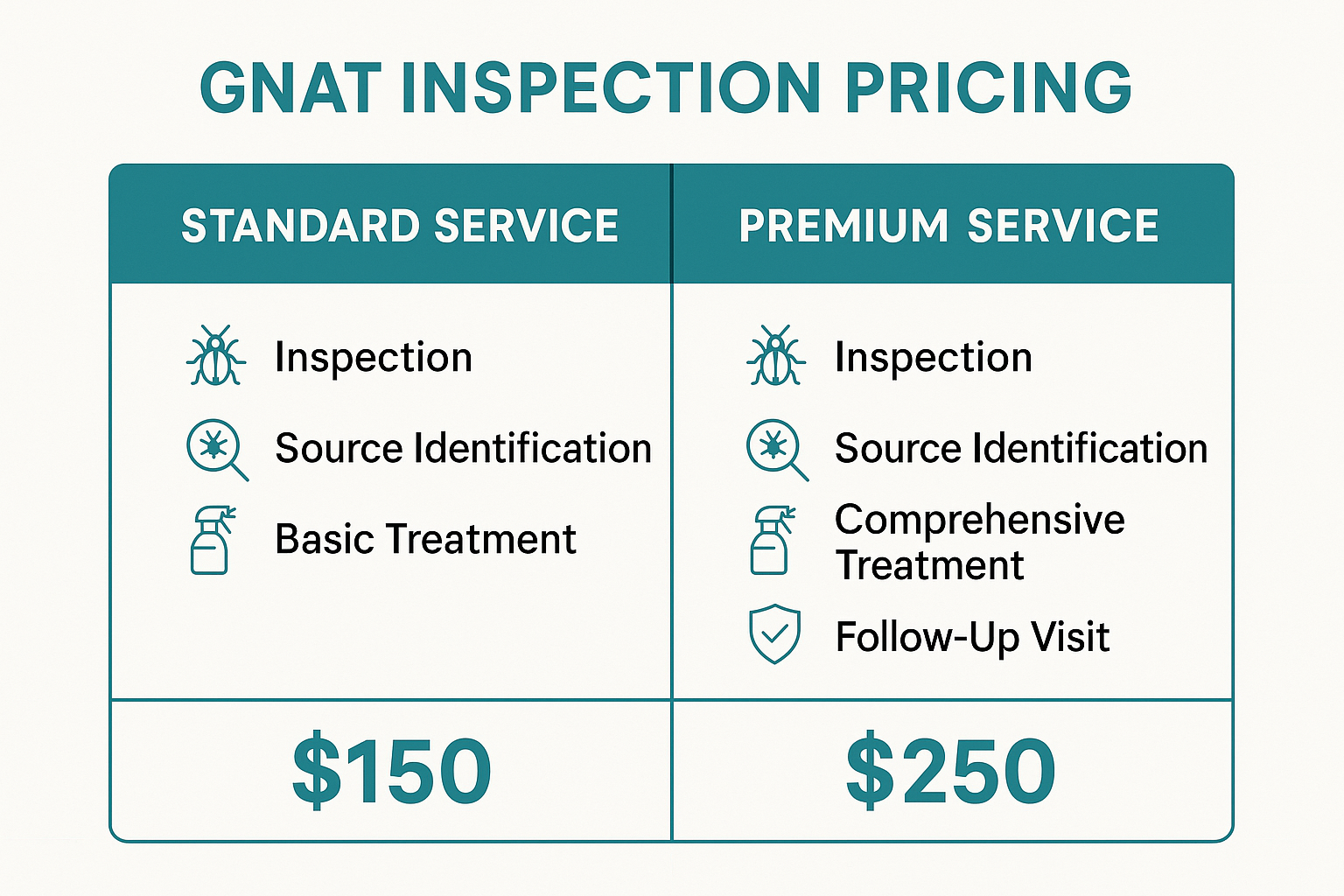
Standard Inspection Package
- Comprehensive visual walk‑through
- Placement of up to three monitoring traps
- Species identification and activity assessment
- Detailed written report with next‑step guidance
The standard package typically runs between $99 and $149. This range reflects the time spent on site, the cost of disposable traps, and the expertise required to accurately diagnose a gnat problem.
Premium Inspection Add‑Ons
- Soil moisture testing to pinpoint hidden breeding sites
- Custom treatment plan with targeted larvicide applications
- One‑time follow‑up visit to verify effectiveness
- Two‑year warranty covering re‑infestation
Choosing the premium tier adds depth to the service and usually costs $179 to $229. The extra expense pays for specialized equipment, additional labor, and the peace of mind that comes with a guaranteed outcome.
Pricing aligns directly with service depth: the more data we collect during a gnat inspection Peachtree City, the better we can prevent future gnat swarms. A homeowner who invests in the premium option often sees fewer repeat calls and lower long-term treatment costs.
Anthem Pest prides itself on transparent, upfront quotes—no hidden fees, no surprise add‑ons after the inspection. The written estimate you receive matches the final bill, and every line item is explained before work begins.
Investing in a thorough inspection saves you from costly emergency treatments later. By identifying moisture sources and breeding zones early, the premium service can reduce chemical usage by up to 40 % and keep your yard comfortable all summer.
Choose Anthem Pest Control for Reliable Gnat Management
Early detection is the cornerstone of effective gnat control. Spotting the first signs in spring or early summer lets you act before a tiny nuisance turns into a full‑blown infestation. A thorough, year‑round inspection uncovers breeding sites, moisture sources, and entry points that DIY methods often miss.
Why Anthem Stands Out
- Local expertise: We’ve serviced Peachtree City homes for years, so we know the neighborhoods, landscaping trends, and the micro‑climates that attract gnats.
- Certified technicians: All of our field staff hold state‑approved certifications and stay current with the latest IPM (Integrated Pest Management) protocols.
- Safe, effective treatments: We rely on EPA‑approved products applied with precision to protect your family, pets, and the environment.
- Transparent pricing: No hidden fees—just a clear, upfront estimate that matches the scope of work.
Service Guarantee
Our service guarantee backs every job. If you’re not completely satisfied with the results, we’ll re‑treat the affected area at no extra cost. In addition, we provide ongoing support—seasonal follow‑ups, advice on moisture control, and a dedicated hotline for any questions. Scheduling is flexible, with evening and weekend appointments available to fit busy homeowner calendars.
Schedule Your Free Quote
Ready to protect your yard and indoor spaces? Call us today for a free, no‑obligation quote and let our specialists assess your property’s gnat situation. Acting now prevents the rapid breeding cycle that gnats exploit, saving you time and money before the problem spreads. Reach us at 877‑371‑8196 or visit our website to request your estimate online.
Visit Anthem Pest Control now and schedule your gnat inspection Peachtree City to take the first step toward a gnat-free home.