Identifying the House Centipede
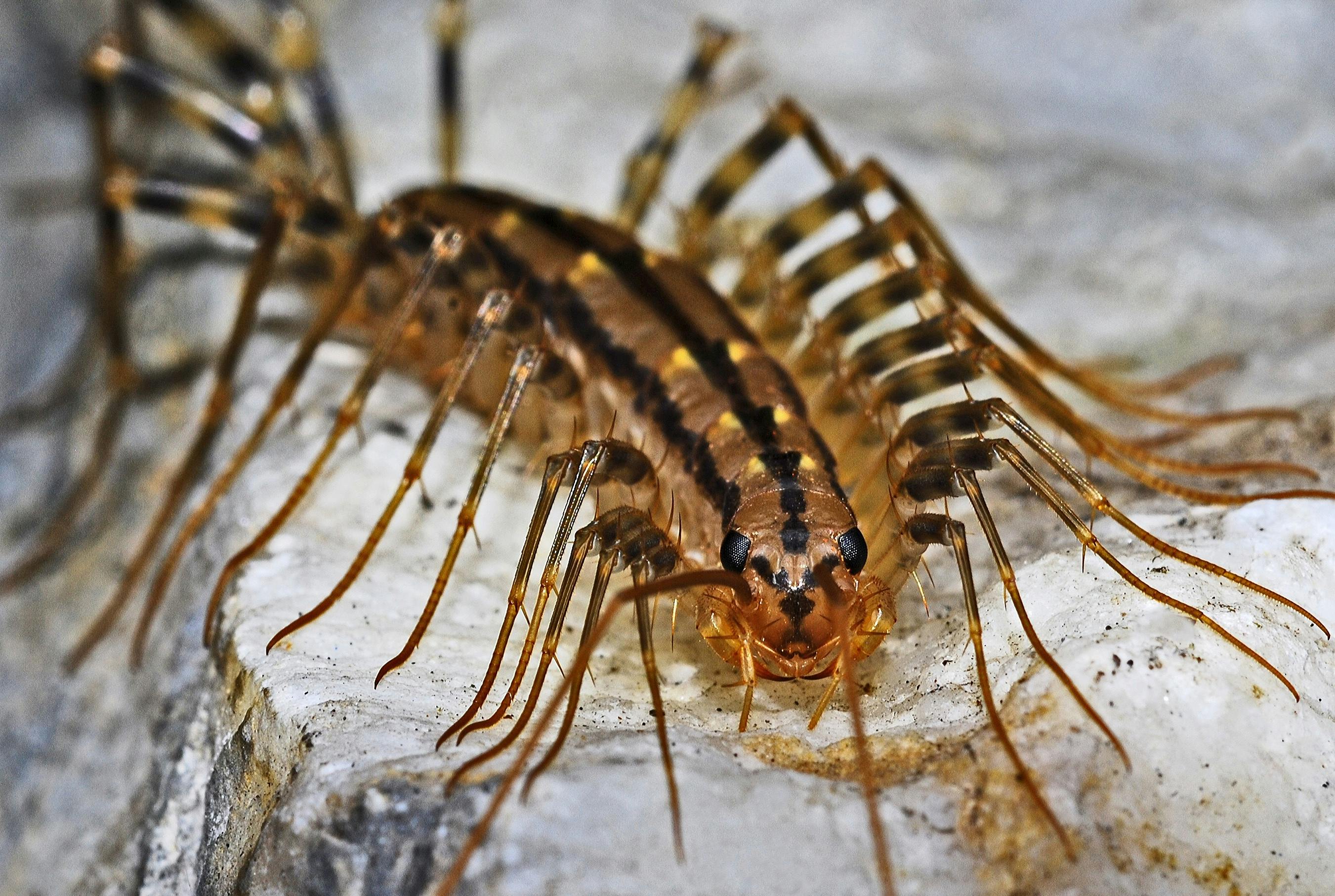
The house centipede (Scutigera coleoptrata) is a sleek, fast-moving arthropod that many homeowners mistake for a spider or a creepy-crawlier of the night. Typically ranging from 1½ to 2 inches (3.8–5 cm) in length, it sports a pale, almost translucent body that shimmers with a faint yellow-brown hue. What truly sets it apart is its 15 pairs of long, slender legs that sprout from the sides of its flattened torso, giving it a distinctive “spider-like” silhouette while still retaining the unmistakable centipede silhouette—one of the most common reasons homeowners contact a centipede exterminator Suwanee.
Distinguishing Features
When you spot a centipede scurrying across a wall or floor, look for these key characteristics:
- Body shape: Long, flattened, and slightly elongated, unlike the rounder abdomen of most spiders.
- Leg count: Exactly 15 pairs (30 legs total), each leg extending well beyond the body’s width.
- Movement: Lightning‑quick, graceful, and almost balletic—centipedes can dart from one spot to another in a heartbeat.
- Habitat preference: They favor dark, damp environments where humidity is higher, such as basements, bathrooms, crawl spaces, and even the back of closets.
Where You’ll Likely Find Them
House centipedes are not aggressive invaders; they’re simply seeking the moisture and prey that thrive in moist corners of a home. Common hotspots include:
- Basement walls and floor joists
- Bathroom tiles, especially near showers and tubs
- Crawl spaces with limited airflow
- Closets or storage areas where clothing piles create hidden crevices
- Under sinks and around plumbing fixtures
How to Differentiate From Similar Arthropods
It’s easy to confuse a house centipede with other multi‑legged critters. Here’s a quick comparison:
| Feature | House Centipede | Millipede | Spider |
|---|---|---|---|
| Leg pairs | 15 pairs (30 legs) | Many more pairs (up to 100+ legs) | 8 legs total |
| Body shape | Flattened, elongated | Rounded, cylindrical | Compact with distinct cephalothorax |
| Movement | Fast, agile | Slow, deliberate | Varies; many are quick but not as fluid |
| Habitat preference | Moist, dark corners | Decaying wood, leaf litter | Varies widely; many build webs |
Safety Note: Friend, Not Foe
Despite their unsettling speed, house centipedes are generally harmless to people. Their bite is rare and, if it occurs, feels similar to a mild bee sting—quickly fading without lasting effects. More importantly, they act as natural pest controllers, feasting on flies, moths, silverfish, and even other spiders. In many cases, a few centipedes in your home can actually reduce the overall insect load.
Health Concerns and Why Control Matters
House centipedes (Scutigera coleoptrata) are often more unsettling than dangerous, but understanding the real health implications helps homeowners make informed decisions about control. While these fast‑moving predators rarely bite humans, the occasional bite can still cause noticeable irritation.
How often do centipedes bite and what does it feel like?
- Rarity of bites: Most encounters end with a quick scuttle across the floor; bites occur only when the insect feels trapped or provoked.
- Typical symptoms: A bite usually results in a small, red puncture surrounded by mild swelling and itching—similar to a mosquito bite.
- Duration: Discomfort generally subsides within a few hours to a day without medical intervention.
Allergic reactions – when to worry
Although uncommon, some individuals may experience a heightened immune response. Signs of an allergic reaction include:
- Intense swelling that spreads beyond the bite site
- Hives, rash, or a burning sensation
- Difficulty breathing or wheezing
If any of these symptoms appear, seek medical attention promptly. Most healthy adults will only need over‑the‑counter antihistamines to soothe mild irritation.
Indirect health impacts: the pest‑chain effect
Centipedes are natural hunters of other household pests—cockroaches, flies, and even other centipedes. While this predatory behavior can seem beneficial, it also signals a larger infestation problem. Cockroaches and flies are known carriers of bacteria such as Salmonella and E. coli, and they can trigger asthma or allergic reactions in sensitive occupants.
When centipedes are abundant, it often means there is a steady food source of these disease‑carrying insects lurking behind baseboards, in drains, or under appliances. Controlling centipedes, therefore, becomes a proxy for managing the underlying pests that pose genuine health risks.
Psychological discomfort and home comfort
Even if the physical threat is minimal, the mere sight of a swift, many‑legged crawler can provoke anxiety, especially for families with children or elderly members. Persistent fear of “creepy‑crawlies” can diminish the sense of safety in one’s own home, leading to sleepless nights or avoidance of certain rooms.
Professional control restores peace of mind, allowing homeowners to enjoy their living spaces without the constant mental nag of “what’s crawling behind the wall?”
What the experts say
Reputable agencies echo these points. The EPA’s centipede control guidelines note that bites are rare but recommend treatment when infestations indicate larger pest problems. The CDC confirms that centipedes are not major disease vectors but can cause localized skin reactions. Finally, the NPMA PestWorld overview highlights the indirect health concerns linked to the insects they prey upon.
Seasonal Activity Patterns in Georgia
House centipedes (Scutigera coleoptrata) are highly sensitive to the state’s warm, humid climate. When daytime temperatures climb above 70°F (21°C) and relative humidity stays above 60%, the insects become far more active, scurrying out of cracks and crevices to hunt for insects in damp corners of your home. Conversely, cooler, drier winter months slow their metabolism, and you’ll notice far fewer sightings—a seasonal pattern commonly explained by a centipede exterminator Suwanee.

| Month | Average Temperature (°F) | Relative Humidity (%) | Activity Level |
|---|---|---|---|
| January | 42 | 55 | Low |
| February | 45 | 57 | Low |
| March | 55 | 62 | Moderate |
| April | 64 | 68 | Moderate |
| May | 73 | 71 | High |
| June | 80 | 74 | Peak |
| July | 83 | 76 | Peak |
| August | 81 | 73 | Peak |
| September | 75 | 70 | High |
| October | 66 | 65 | Moderate |
| November | 55 | 60 | Low |
| December | 46 | 57 | Low |
Even though outdoor conditions dictate the overall trend, indoor climate control can flatten the curve. Air‑conditioning keeps temperatures comfortably low, while dehumidifiers pull excess moisture from basements, bathrooms, and laundry rooms. When both are used consistently, centipede populations can remain at a manageable level year‑round, rather than exploding during the summer heat.
Practical monitoring tips for homeowners
- Basement checks: Walk the perimeter of your basement once a week during June‑August. Look for the tell‑tale rapid, zig‑zag movement under stored boxes or along foundation walls.
- Bathroom vigilance: Inspect under sinks, behind shower curtains, and around vent fans where condensation collects. Centipedes love the damp tiles and grout.
- Night‑time sweep: Turn off lights for a minute and use a flashlight to spot them scurrying on walls or ceilings—centipedes are most active in low light.
When you notice a spike in activity, it’s a clear signal to schedule a professional treatment. The optimal window for a preventative or curative service in Georgia is early summer (late May to early June) before the peak period, and again in late August if you’ve observed persistent indoor colonies. Acting within these windows gives the pesticide a chance to work when centipedes are most exposed, delivering faster relief and reducing the likelihood of a summer resurgence.
Treatment Options, Methods, and Pricing
Professional Treatment Approaches
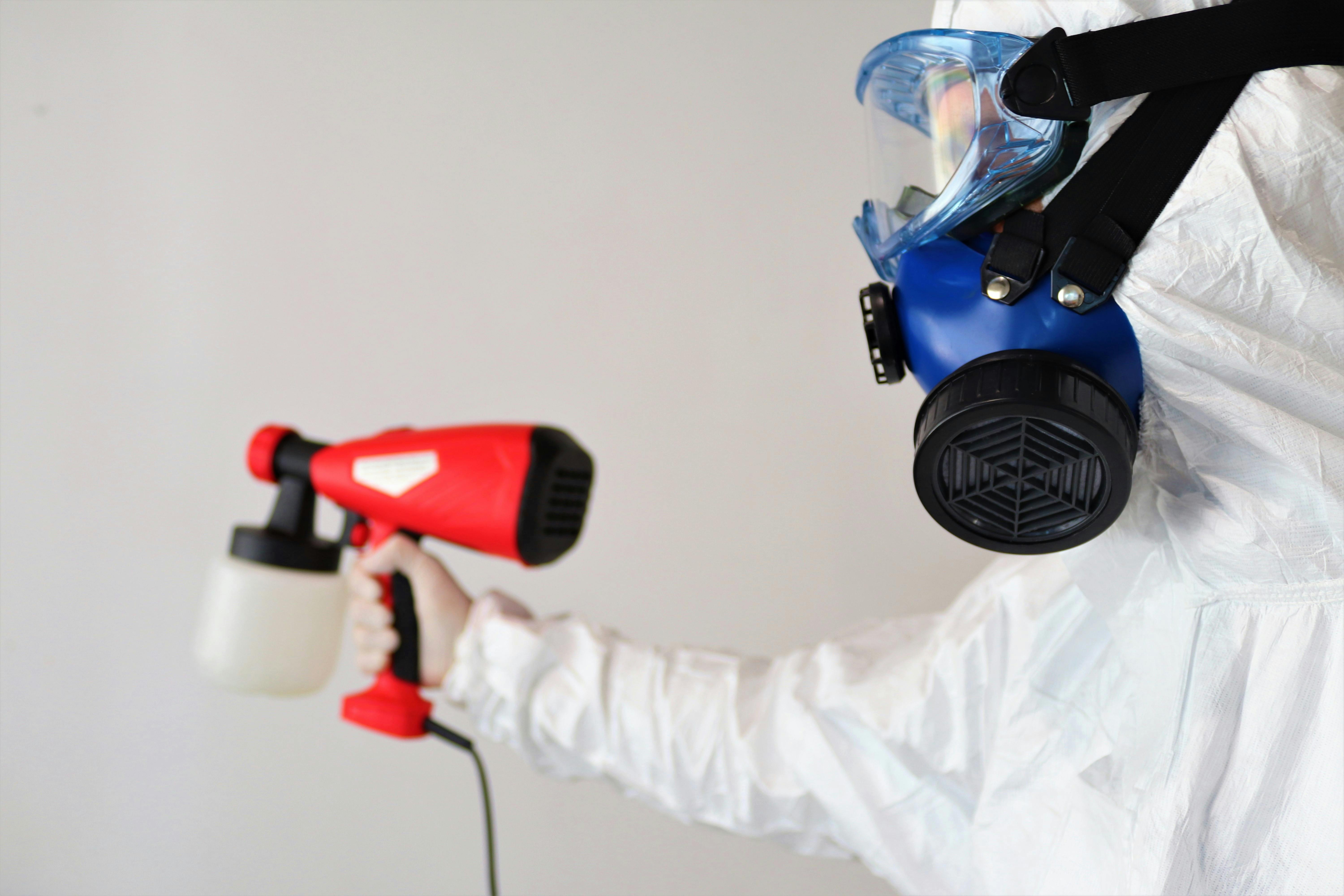
When centipedes infiltrate a Suwanee home, a quick-acting, targeted solution is essential, which is exactly what a professional centipede exterminator Suwanee provides. Anthem Pest Control relies on three core methods:
- Targeted spray applications – A fine mist of EPA‑registered insecticide is applied directly to hiding spots, cracks, and baseboard seams where centipedes travel.
- Perimeter barrier treatments – A continuous chemical shield is laid around the exterior foundation, doorways, and windows, preventing new intruders from crossing the threshold.
- Structural fumigation (when needed) – In rare, heavy‑infestation cases, a low‑pressure fog is introduced into wall voids and crawl spaces to eradicate hidden colonies.
Why a Licensed Technician Makes All the Difference
A certified pest‑control professional brings three critical advantages:
- Correct pesticide selection – Not all chemicals work equally on centipedes. Licensed technicians match the active ingredient to the species, the infestation level, and the home’s layout.
- Safety protocols – EPA‑registered products are safe for pets and children when applied correctly. Technicians follow strict containment, ventilation, and post‑application guidelines.
- Regulatory compliance – Georgia’s pest‑control statutes require documentation, proper labeling, and record‑keeping—tasks only a licensed professional can guarantee.
What to Expect During a Typical Service Visit
From the moment the technician arrives, the process is transparent and homeowner‑focused:
- Inspection – A thorough walk‑through identifies centipede hotspots, moisture sources, and potential entry points.
- Identification – The technician confirms the species and assesses infestation severity, explaining any findings in plain language.
- Treatment plan – Based on the inspection, a customized mix of spray, barrier, and, if required, fogging is outlined. Homeowners receive a written summary before any product is applied.
- Application – Targeted sprays are placed in cracks, baseboards, and under appliances; the perimeter barrier is sprayed around the home’s foundation.
- Post‑treatment advice – The technician offers simple steps—like reducing indoor humidity and sealing obvious gaps—to prolong the treatment’s effectiveness.
DIY Pitfalls – Why Going Pro Saves Money and Headaches
Many homeowners reach for over‑the‑counter sprays, but these shortcuts often backfire:
- DIY products lack the residual power of professional formulas, leading to repeated applications.
- Improper placement can miss hidden nests, allowing the infestation to rebound.
- Handling chemicals without training increases health risks for pets and family members.
By investing in a professional visit, you secure a long‑term solution that reduces the need for costly repeat treatments.
Transparent Pricing – Your Investment, Clearly Laid Out
Anthem Pest Control believes in upfront, no‑surprise pricing. Below is a snapshot of the most common options for centipede control in Suwanee, GA:
| Service | Pricing |
|---|---|
| Per‑visit flat fee (includes inspection, spray, and perimeter barrier) | $149 per visit |
| Per‑square‑foot rate (ideal for larger homes) | $0.12 / sq ft |
| Follow‑up visit (30‑day re‑inspection and touch‑up) | $79 |
| Entry‑point sealing (caulking, weather‑stripping, and crack repair) | $49 per hour |
| Full‑service annual package (4 visits, barrier maintenance, and unlimited follow‑ups) | $499 per year |

All prices include the use of EPA‑registered products, full technician insurance, and a satisfaction guarantee. If centipedes reappear within 30 days of treatment, Anthem will return at no additional cost to re‑address the issue.
Bottom Line for Suwanee Homeowners
Choosing a licensed professional means you get the right chemicals, the right technique, and the right peace of mind. With clear pricing, a step‑by‑step service flow, and a guarantee that backs every job, Anthem Pest Control turns a centipede nightmare into a quick, manageable fix.
Protect Your Home with Professional Centipede Control
By now you know how to spot a centipede, why their bites can be a health concern, the best times of year to act, and the range of treatment options—from DIY sprays to thorough structural treatments. Recognizing these key points makes it easier to decide when professional help is the smartest move.
Why a Licensed Pro Is Your Best Ally
- Safety first: Trained technicians use EPA‑approved products that target centipedes while protecting children, pets, and indoor air quality.
- Effective results: Professionals assess entry points, moisture sources, and hiding spots, delivering a comprehensive plan that a homeowner alone might miss.
- Affordability: Transparent pricing and customized service packages keep costs predictable and often lower than repeated DIY attempts.
Anthem Pest Control – Your Centipede Partner
Anthem Pest Control brings nationwide expertise to Suwanee, GA, backed by a team that knows the local climate and building styles that attract centipedes. Our commitment to clear, upfront pricing means you’ll never encounter hidden fees, and our service guarantees give you peace of mind long after the treatment is complete.
Take the Next Step—No Pressure, Just Help
If you’ve spotted centipedes crawling in your home or simply want the assurance that they won’t return, we’re ready to provide a free, no‑obligation quote. One quick call connects you with a certified technician who will assess your situation and outline the most cost‑effective solution.
Call us today at 877-371-8196 or visit Anthem Pest Control to schedule your consultation. Let our experts safeguard your home so you can enjoy a centipede-free environment with confidence from a trusted centipede exterminator Suwanee.