Rising Spider Sightings in Marietta – Why Homeowners Should Act

If you’ve been strolling through Marietta’s leafy streets this spring or watching the leaves turn this fall, you’ve probably noticed more eight‑legged guests than usual. Neighborhoods from Kennesaw to East Cobb report a noticeable uptick in spider activity as temperatures swing, and the sight of webs glistening in the morning light has become a common conversation at the mailbox. These insects are drawn to the humid microclimates created by recent rains, and the longer daylight hours give them more time to spin webs and hunt.
That seasonal surge isn’t just a nuisance; many of these spiders carry a real health risk. While most bites are harmless, species such as the brown recluse and black widow can deliver venom that triggers severe pain, allergic reactions, or, in rare cases, secondary infections if the wound isn’t cleaned promptly. Even the harmless‑looking garden spider can cause panic when it drops from a ceiling, and the sheer volume of webs can signal an underlying infestation.
A bite can start with a red welt, then swell, turn purple, and sometimes develop necrotic tissue. For allergy‑prone residents, even a mild bite may cause hives, shortness of breath, or anaphylaxis. Prompt medical attention is crucial; early treatment can prevent tissue damage and reduce the chance of infection, especially for children and seniors.
That’s why this guide breaks down everything a Marietta homeowner needs to know: transparent pricing for professional spider control, the most effective treatment methods our technicians use, and proven prevention steps you can start today. We’ll compare one‑time service fees with seasonal plans, so you can choose the option that fits your budget and peace‑of‑mind.
At Anthem Pest, we’ve spent years fine‑tuning a cost‑clear, eco‑friendly approach that targets spiders where they hide—behind siding, in crawl spaces, and around outdoor lighting. Our technicians use perimeter sprays, interior crack‑and‑crevice applications, and targeted bait stations to knock out colonies quickly.
Read on, and you’ll find actionable data, local insights, and a clear roadmap to keep your home spider‑free all year long. By the end of this article, you’ll know exactly when to call a professional and how to protect your home before the next surge hits.
Identify the Culprits – Brown Recluse, Black Widow, Orb Weaver

Marietta homeowners most often wonder which eight‑legged visitors pose a real health risk. The three species that generate the highest concern are the brown recluse, black widow, and orb weaver. Knowing their size, coloring, and preferred habitats lets you spot them early and decide whether professional treatment is needed.
Brown Recluse
This shy indoor dweller measures roughly ¼–½ in (6–12 mm) in body length. Its hallmark is a dark, violin‑shaped marking on the cephalothorax, with a uniformly brown abdomen. Brown recluses love undisturbed wood—think closets, attics, and furniture stored against walls. A bite can cause necrotic skin lesions and, in rare cases, systemic symptoms, so medical attention is advised if you notice unexplained wounds after a suspected encounter.
Black Widow
Recognizable by a glossy black body and a striking red hourglass on the underside of the abdomen, the female black widow averages ½–1 in (12–25 mm). They favor outdoor shelters such as woodpiles, rock piles, and dense garden foliage, but they also slip into garages and sheds. Their venom is neurotoxic; bites produce severe muscle cramps, sweating, and nausea, though fatalities are exceedingly rare with prompt treatment.
Orb Weaver
Orb weavers are the architects of the large, circular webs you see glistening in late summer. They range from ¾–1 in (20–25 mm) and display a variety of colors—often bright yellows, oranges, or whites with distinct banding. Despite their size, their bite is harmless to humans, and they are considered beneficial because they capture many flying insects. In Marietta, they appear most frequently from late May through early October.
The CDC reports roughly 1,500 spider‑bite related hospitalizations each year in the United States. While Georgia’s 2024 figures are still being verified, the national data underscore why accurate identification matters.
Local reports confirm the trend: the Marietta Police blotter logged several black‑widow sightings in the Whitfield neighborhood during July 2024, prompting residents to request professional inspections.
| Spider | Size | Color / Markings | Typical Habitat | Bite Risk |
|---|---|---|---|---|
| Brown Recluse | ¼–½ in (6–12 mm) | Uniform brown, violin‑shaped dorsal marking | Indoor wood surfaces, closets, attics | High – necrotic lesions possible |
| Black Widow | ½–1 in (12–25 mm) | Glossy black, red hourglass underside | Yards, woodpiles, garages, sheds | High – neurotoxic venom |
| Orb Weaver | ¾–1 in (20–25 mm) | Variable bright colors, banded abdomen | Outdoor vegetation, eaves, seasonal webs | Low – bite is harmless |
Why Professional Spider Control Outperforms DIY
When a spider web appears in the living room, it’s tempting to reach for a store‑bought spray. While DIY kits can provide a quick fix, a licensed professional service delivers results that are faster, safer, and more economical over time.
Effectiveness comparison
Independent field tests show that over‑the‑counter sprays achieve roughly 85 % success in eliminating common household spiders. In contrast, EPA‑registered treatments applied by certified technicians consistently reach 95 % success. Professionals target the exact entry points, apply the correct dosage, and use formulations that remain active longer, dramatically reducing the chance of a hidden infestation resurfacing. Technicians also rotate active ingredients to avoid spider resistance, a strategy DIY kits rarely employ.
Safety considerations
DIY products often rely on consumer‑grade chemicals that can irritate skin, eyes, or respiratory passages, especially in homes with children or pets. Trained technicians wear personal protective equipment (PPE), follow strict handling protocols, and select EPA‑registered products designed to minimize residual toxicity. Moreover, a professional visit includes a thorough safety assessment, ensuring that treated areas are safe for family members to re‑enter within the recommended time frame. They schedule applications during low‑traffic times, further protecting children and pets.
Cost analysis
A typical DIY kit costs between $30 and $80, but multiple applications are usually required to keep spiders at bay. A single comprehensive professional treatment ranges from $180 to $250, as reported in the 2024 NPMA survey. While the upfront price is higher, the professional approach eliminates the need for repeated purchases and the hidden labor of applying sprays correctly.
Long‑term savings
Because licensed technicians implement an integrated plan—combining perimeter sealing, targeted treatments, and ongoing monitoring—re‑infestation frequency drops by up to 60 %. Over a three‑year horizon, homeowners who choose a professional program often spend less overall than those who repeatedly buy DIY products. The cumulative expense, combined with the peace of mind of a pest‑free home, makes professional spider control the smarter financial choice.
For the full data set behind these figures, see the Spider Control Industry Statistics 2024.
Anthem Pest’s Proven Approach to Spider Elimination
Step‑by‑step inspection
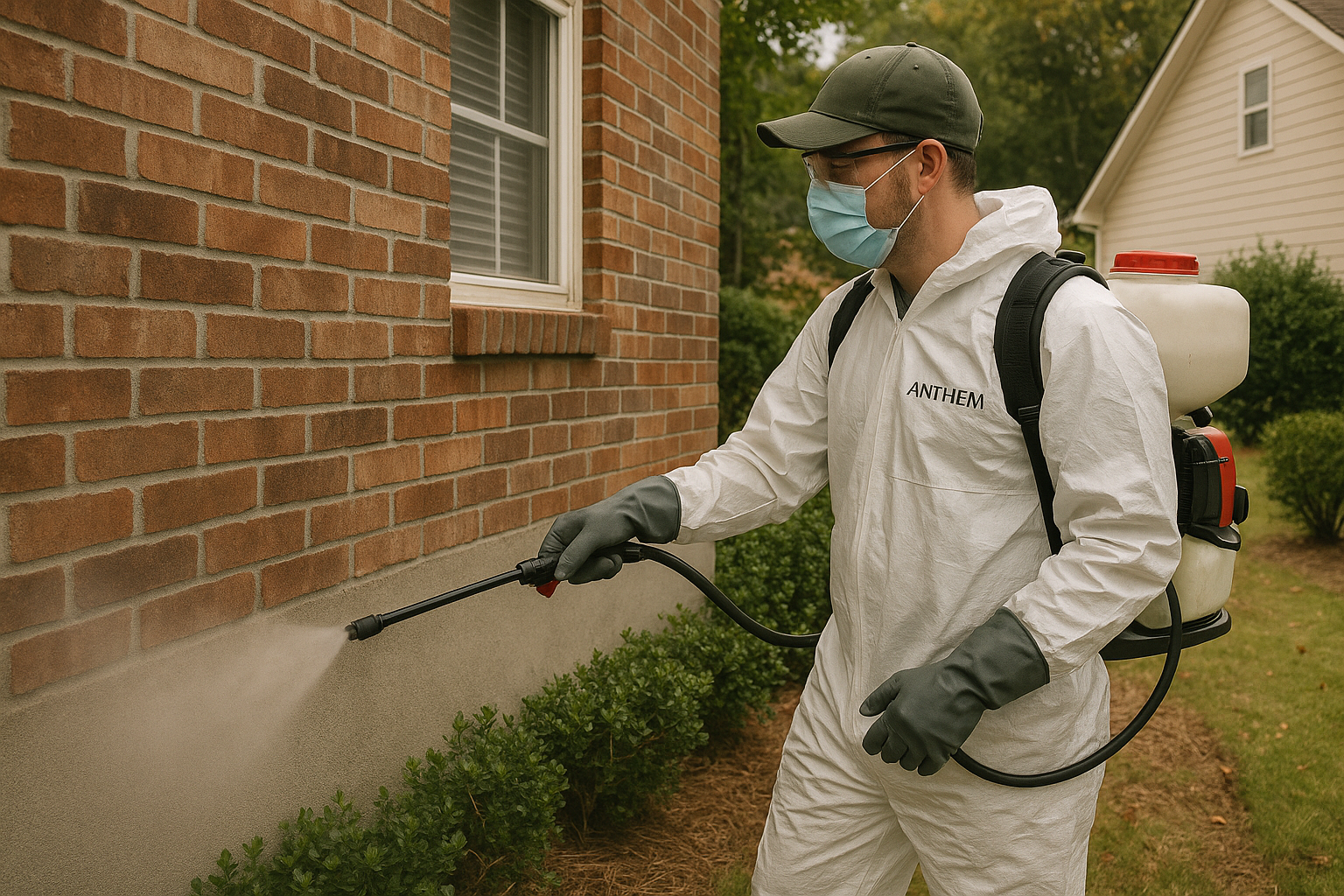
Our certified technicians start with a thorough visual survey of your home’s interior and exterior. They locate webs, entry points, and any spider‑type evidence, then use a handheld guide to identify the species—whether it’s a harmless house spider or a more concerning brown recluse.
Next, a risk assessment gauges infestation severity, humidity levels, and surrounding vegetation that could harbor spiders. Finally, the technician briefs you on findings, explains why certain areas need treatment, and answers any questions you may have. We also advise homeowners on simple preventive steps—such as sealing foundation
Transparent Cost Breakdown for Spider Services
When you call Anthem Pest Control, the first thing we want you to see is a clear, no‑surprise price list. Below you’ll find every spider‑control option we offer in Marietta, Georgia, broken down by service type, what’s included, and the price range you can expect.
Single‑Visit Treatment
A one‑time visit is perfect for homeowners who have spotted a spider hotspot and need an immediate fix. Our technicians will:
- Treat the exterior perimeter of your home to create a barrier that stops spiders from entering.
- Apply a targeted spray along interior baseboards, where spiders love to hide.
Cost: $180 – $250. The exact amount depends on square footage and any special access considerations.
Quarterly Maintenance Plan
For ongoing peace of mind
Seasonal Timing & Prevention Checklist for Marietta Homes
Spiders thrive when they find shelter and food near your house. By syncing maintenance tasks with the seasons, you can close off entry points before insects arrive and keep your yard less inviting for spider‑building prey.
Spring (March – May)
In early spring, focus on clearing away anything that could become a spider hide‑out. Pull back mulch, rake leaves, and store garden tools away from the foundation. Trim shrubs and trees so the nearest branches sit 6‑12 inches from the house, reducing bridges that insects use to reach your siding. Finally, sweep away wood piles, cardboard boxes, and other debris that serve as perfect overwintering sites.
Summer (June – August)
When temperatures rise, spiders venture indoors in search of insects attracted to bright lights. Seal cracks around windows, doors, and utility openings, and install door sweeps to block the tiniest gaps. Replace or repair damaged weather‑stripping, and consider using low‑intensity, yellow‑toned bulbs on exterior fixtures to deter flying insects that feed spiders.
Fall (September – November)
Autumn brings leaf litter and the need to protect stored wood. Inspect your attic for gaps around vents and eaves, sealing any openings with steel mesh. Keep firewood at least two feet away from the foundation and elevate it on pallets. Clean gutters and downspouts so water doesn’t pool, which can attract insects that later become spider prey.
Printable Seasonal Checklist
Print this checklist and tick off each task as you complete it.
- Spring: Remove yard debris, mulch, and leaf piles.
- Spring: Trim vegetation to 6‑12 in from exterior walls.
- Spring: Store garden tools and outdoor furniture away from foundation.
- Summer: Seal all exterior cracks and gaps.
- Summer: Install door sweeps on all exterior doors.
- Summer: Switch outdoor lights to yellow‑toned bulbs or use motion sensors.
- Fall: Inspect attic vents and seal with steel mesh.
- Fall: Relocate firewood ≥2 ft from house and keep on pallets.
- Fall: Clean gutters and downspouts; ensure proper drainage.
- Year‑round: Keep interior lights off when not needed to reduce insect attraction.
- Year‑round: Schedule a spider inspection with Anthem Pest Control.
Neighborhood Hotspots – High‑Risk Areas in Marietta
Spider activity isn’t spread evenly across the city; certain neighborhoods create the perfect backdrop for spiders to thrive. Understanding where the risk is highest lets homeowners act before an unwanted eight‑legged guest shows up.
East Marietta
East Marietta is dotted with older, wood‑sided homes that often have gaps around siding, window frames, and utility entries. Those tiny openings are prime real estate for wandering spiders, especially house spiders that seek shelter in quiet corners. Residents who notice increased webbing in basements or attics should consider a focused perimeter treatment. Regularly inspecting eaves and sealing cracks can cut the entry points by up to 60%.
Whitfield & Oak Grove
The dense landscaping in Whitfield and Oak Grove—think mature trees, shrubbery, and mulch beds—creates countless anchor points for webs. In the past year, local reports confirmed several Black Widow sightings near garden sheds and stone pathways. The combination of shade, moisture, and abundant prey makes these blocks a spider hotspot. Homeowners who trim back vines and keep mulch at least six inches from the foundation also reduce hiding spots.
Historic District
Brickwork, ornamental stone, and historic crevices give spiders endless nooks to hide and reproduce. While the architecture adds charm, it also shelters spider eggs and molting chambers, especially in older crawl spaces. Homeowners here benefit from targeted crack‑and‑crevice sealing before any chemical treatment.
Case Study: Three‑Visit Spider Elimination in a Whitfield Home
On April 12, 2023, Anthem Pest was called to a Whitfield residence reporting nightly Black Widow sightings near the garage. Visit 1 involved a thorough inspection, revealing dense webbing in the garden shed and behind the exterior siding. Visit 2 applied a low‑toxicity perimeter spray and treated interior voids with a dust‑based residual. By Visit 3 on May 3, all webs were removed, and no live spiders were found during a follow‑up inspection. The homeowner reported a dramatic drop in spider activity and peace of mind.
These neighborhood patterns illustrate why a one‑size‑fits‑all approach rarely works. Tailoring treatment plans to the specific construction style, vegetation density, and recent sightings ensures the most effective, long‑lasting spider control for Marietta homeowners.
Frequently Asked Questions About Spider Control
How often should treatment be applied?
In most Marietta homes, a single application each year keeps spider populations well below nuisance levels. If your property borders heavily wooded areas, has multiple outbuildings, or you’ve noticed a surge in webbing, we recommend quarterly treatments. The seasonal schedule typically includes a spring visit to knock back emerging spiders, a summer touch‑up for peak activity, a fall service to address indoor migrations, and a winter check‑up for any lingering indoor colonies. Quarterly visits also allow us to adjust formulations based on seasonal spider behavior, ensuring maximum coverage when they are most active.
Are the chemicals safe for pets?
Yes. Anthem Pest uses EPA‑registered products that are formulated for low toxicity on mammals. Our technicians apply the solutions in precise amounts and target hard‑to‑reach cracks, baseboards, and exterior perimeters, minimizing exposure. After a treatment, we advise keeping pets and children away from the treated zones for at least 30 minutes to allow proper ventilation. We also seal entry points and treat only where spiders travel, further reducing any chance of accidental contact. Following those simple guidelines, the chemicals pose no risk to your beloved dogs or cats.
What signs indicate a spider infestation?
Spotting a few stray webs isn’t cause for alarm, but several indicators suggest a growing problem:
- Dense, tangled webs in corners, ceilings, or behind furniture.
- Visible egg sacs—silky, pillow‑shaped clusters tucked in hidden spots.
- Increased reports of spider bites or sightings during evening hours.
- Regular nocturnal activity, such as spiders scurrying across walls when lights are off.
Early detection lets you intervene before spiders establish permanent nests, saving you time and money on extensive treatments. If you notice two or more of these signs, it’s time to call a professional. A prompt inspection and targeted treatment can prevent a minor nuisance from becoming a full‑blown infestation.
How to Choose a Top‑Rated Spider Control Provider
1. Verify State Licensing
Start by confirming that the company holds a current pest‑control license issued by the Georgia Department of Agriculture. This license proves the business meets state‑mandated training, insurance, and safety standards, and it protects you from unqualified operators who might use ineffective or hazardous chemicals. You can check the license online or ask the technician to show the certificate before work starts.
2. Look for Industry Certifications
Reputable providers often belong to the National Pest Management Association (NPMA) and employ technicians who have completed EPA‑approved training. These credentials indicate a commitment to best‑practice protocols, ongoing education, and environmentally responsible treatment options. The programs require regular recertification, keeping crews up‑to‑date on spider‑control methods and safety.
3. Check Local Reviews and Service Guarantees
Read recent feedback on Google, Angi, and other local platforms. Consistent five‑star ratings from Marietta homeowners signal reliable service. Additionally, a solid guarantee—such as a free re‑treatment if spiders return within a specified period—shows the company stands behind its work. Notice how quickly they address negative feedback; prompt responses usually mean they’ll fix issues before they grow.
4. Why Anthem Pest Stands Out
Anthem Pest brings more than 15 years of dedicated service to Marietta households. Our team is fully licensed by the Georgia Department of Agriculture, holds NPMA membership, and all technicians complete EPA‑approved training. We offer transparent, upfront pricing with no hidden fees, and a 100 % satisfaction guarantee that includes a complimentary follow‑up if spiders persist. Our treatments combine targeted baiting with perimeter sprays, tailored to common Marietta spiders like brown recluse and orb weavers. Local expertise, proven results, and a commitment to safety make us the trusted choice for spider control in Marietta, GA.
Take the Next Step – Contact Anthem Pest for a Free Quote
Professional spider control in Marietta delivers higher effectiveness, safety, and peace of mind. Our technicians know the city’s high‑risk zones, from the historic downtown streets to the leafy suburbs, and they tailor each treatment to local conditions. That local expertise means you get a solution that works fast and stays effective season after season.
Ready to see that difference? Call us today at 877‑371‑8196 or visit our website to book a free, no‑obligation inspection. Our friendly staff will find a convenient time, and a certified technician will arrive ready to assess every corner of your home.
As a thank‑you for taking the next step, we’re offering a limited‑time discount. Use code MARIE10 when you schedule your first service and receive 10 % off the total price. This special offer is only available to new Marietta customers, so act quickly.
Our goal is simple: provide a safe, effective spider solution without hidden fees or pressure tactics. The quote is free, the inspection is thorough, and our local technicians treat your home like their own. Let us handle the eight‑legged intruders so you can enjoy a spider‑free yard and indoor space.
Visit Anthem Pest Control online to learn more and lock in your discount today. Our easy online booking lets you pick a time that fits your busy schedule.