Emergency Mouse Situation in Smyrna, GA

Last summer the Fulton County Health Department recorded a startling 22 % jump in reported mouse sightings across Smyrna. That spike translates to roughly 1,200 additional reports compared with the previous year, and the trend is still climbing as we move through 2024. For homeowners, each new sighting isn’t just a nuisance—it’s a red flag that a small problem can quickly become a full‑blown infestation.
The department’s analysis shows that the 22 % increase is concentrated in neighborhoods with older multi‑family housing and dense vegetation along the Chattahoochee floodplain. Those environments provide abundant shelter and food sources, creating perfect breeding grounds. The data also correlates the spike with a 15 % rise in reported food‑borne illnesses, underscoring the direct link between rodent activity and public health.
Why a Mouse Sighting Becomes an Emergency
Mice reproduce at breakneck speed: a single pair can produce up to ten litters a year, with each litter containing 5‑8 pups. In ideal conditions, a modest colony can swell from a handful of individuals to dozens within weeks. This rapid growth means that the window for safe, low‑cost DIY control narrows dramatically.
Beyond numbers, mice are vectors for diseases such as Hantavirus, salmonella, and leptospirosis. Their droppings, urine, and shed hair can contaminate food surfaces, posing serious health risks to families, especially children and seniors. Add to that the fact that mice gnaw on insulation, wiring, and structural wood, and you have a scenario where a simple sighting can evolve into a fire hazard or costly repairs.
What You’ll Learn in This GuideRecognizing an Emergency Mouse Infestation
When a few mouse sightings turn into a full‑blown invasion, the situation moves from “annoying” to “emergency.” In Smyrna, the humid climate and year‑round food sources create the perfect backdrop for rapid mouse reproduction. Knowing the exact signs that indicate an emergency helps you act before damage spreads to wiring, insulation, and even your family’s health.
Emergency criteria you can’t ignore
- More than 10 sightings in 24 hours – If you’re spotting mice in multiple rooms or hearing them scurry every few minutes, the population has likely exploded.
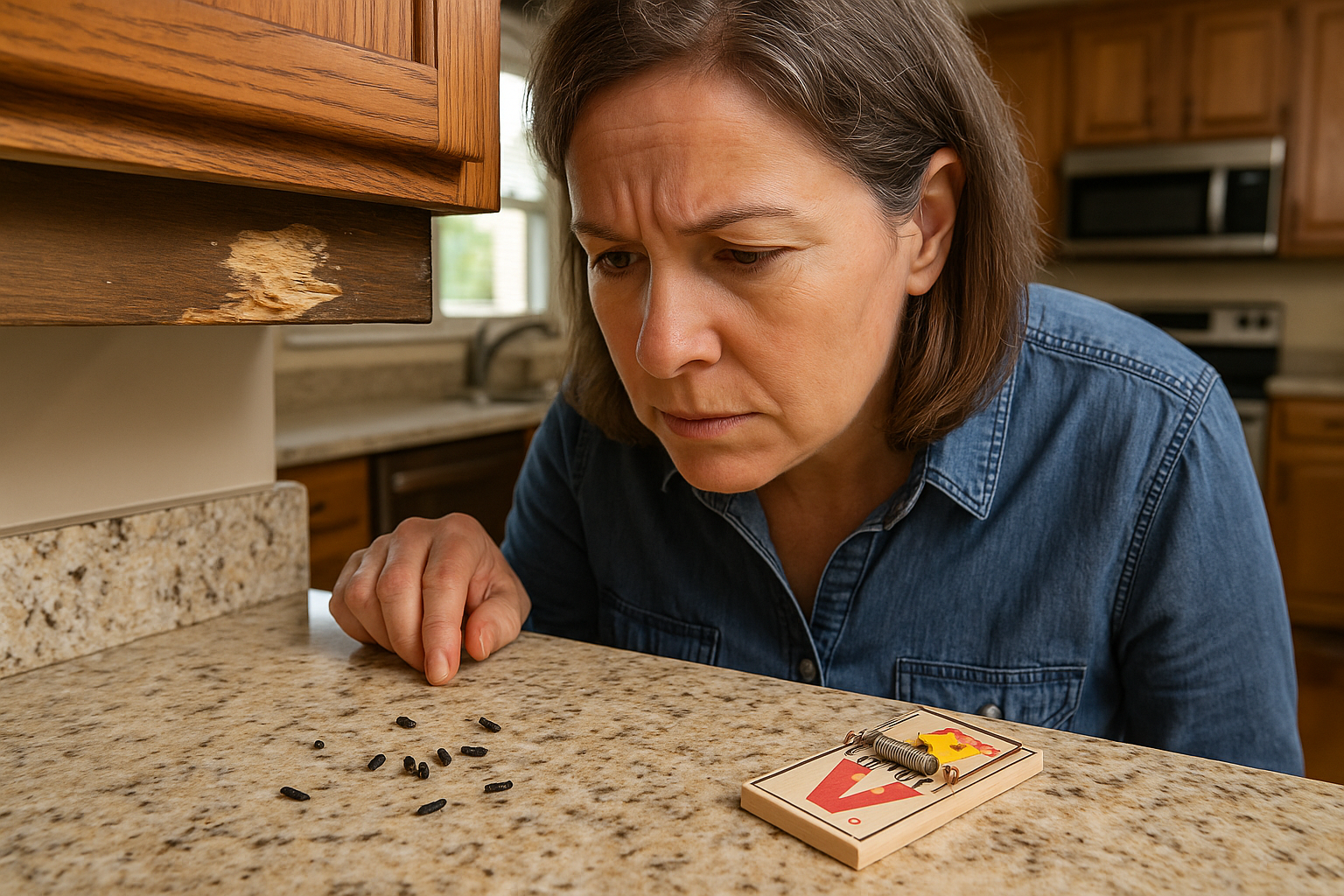
- Droppings in food‑preparation areas – Any mouse feces found on countertops, near the stove, or in pantry bins is a red flag. Even a single pellet can carry harmful pathogens.
- Loud, persistent nighttime activity – Mice are nocturnal. Continuous scratching, gnawing, or squeaking after dark suggests a sizable colony is active behind walls or in your attic.
When two or more of these criteria appear together, you’re looking at an emergency that demands immediate professional intervention.
Visual clues that scream “urgent”
- Droppings about ½ inch long, dark‑brown, and often found in clusters near food sources.
- Gnaw marks on electrical wiring, which can create fire hazards.
- Shredded insulation or chewed drywall, especially around entry points.
- A distinct, musky urine odor that intensifies in confined spaces like basements or crawl spaces.
These signs are not just nuisances; they’re indicators that mice are nesting, breeding, and potentially compromising the structural integrity of your home.
Quick Fact: According to the 2023 EPA rodent statistics, the average Georgia household hosts 6–8 mice during peak season. When you see numbers well beyond that, it’s time to call a professional.
Why does the EPA data matter to Smyrna homeowners? The state’s average of 6–8 mice per home reflects typical seasonal activity. If you’re counting double‑digits in a single day, the infestation has outpaced normal expectations and is likely to cause damage within days, not weeks.
What to do next
Once you’ve confirmed any of the emergency criteria, seal off food, block obvious entry points, and contact a licensed pest‑control provider—like Anthem Pest Control—immediately. Our technicians are trained to assess the infestation level, identify hidden nesting sites, and apply targeted, EPA‑approved treatments that protect both your family and your home’s wiring.
Remember, the longer you wait, the more extensive the damage—and the higher the cost. Recognizing these emergency signs early gives you the best chance to stop a mouse problem before it escalates into a costly, hazardous situation.
Immediate DIY Steps to Contain the Problem
When you first spot mouse droppings or hear scurrying in the walls, the fastest way to keep the infestation from spreading is to act now. The following low‑cost, step‑by‑step plan lets you seal off food sources, set effective traps, and block entry points—all with items you can buy at a local hardware store or even find around the house.
Step 1 – Secure All Food in Airtight Containers
Rodents are opportunistic feeders; a single open bag of cereal can sustain a small colony for weeks. Transfer pantry staples—cereal, grains, pet food, flour, and nuts—into containers with snap‑lock lids or heavy‑duty zip ties. For bulk items, consider food‑grade plastic bins with gasket seals. Place these containers on shelves rather than on the floor, and keep countertops clear of crumbs. Even seemingly harmless items like chocolate wrappers or paper towel rolls should be stored away, because mice will chew through paper to reach the scent of food.
Step 2 – Set Snap Traps in High‑Traffic Areas
Snap traps remain the most reliable mechanical tool for immediate mouse reduction. Position them along:
- Wall edges where you’ve seen droppings
- Behind appliances (refrigerator, stove)
- Near suspected entry points such as utility openings
Place the trap perpendicular to the wall, with the trigger side facing the wall—mice naturally run along edges and will bump the trigger as they pass. Bait with a dab of peanut butter or a small piece of cheese; the strong scent draws mice quickly. Check traps at least once daily and replace any that have been sprung.
Step 3 – Deploy Bait Stations Safely
Bait stations contain rodenticide in a sealed container, reducing the risk of accidental exposure to children or pets. Follow the label instructions precisely: use only the recommended amount of bait, and place stations where only mice can reach them—inside wall voids, under cabinets, or behind baseboards. Avoid setting stations in open kitchen areas; instead, tuck them into corners or inside a shallow dish that limits access to non‑target animals.
Step 4 – Block Entry Points with Steel‑Wool and Caulk
The most effective long‑term barrier is sealing the cracks and holes mice use to enter your home. For gaps up to ¼ inch, stuff a 1‑ft piece of steel‑wool into the opening, then cover it with a thin bead of exterior‑grade caulk. The steel‑wool irritates a mouse’s palate, preventing it from chewing through, while the caulk creates a weather‑tight seal. The National Pest Management Association (NPMA) guide recommends this method as a cost‑effective, durable solution for residential properties.
Safety Tip – Protect Yourself While You Work
Rodent droppings can carry Hantavirus and other pathogens. Always wear disposable gloves when handling traps, bait stations, or cleaning up droppings. After the job, wash your hands with soap and water for at least 20 seconds. If you experience any irritation or respiratory symptoms, seek medical advice promptly.
Quick Cost Overview
| Item | Typical Price (USD) | Quantity Needed for an Average Home |
|---|---|---|
| Snap traps | $5–$10 each | 5–10 |
| Bait stations (pre‑filled) | $15–$25 each | 2–4 |
| Steel‑wool (1‑ft roll) | $3 per roll | 1–2 rolls |
By securing food, trapping actively, using bait responsibly, and sealing every possible entry, you can dramatically cut mouse activity within 24‑48 hours. If after a week the problem persists, or if you encounter a large infestation, it’s time to call a professional like Anthem Pest Control for a thorough inspection and treatment plan.
When DIY Isn’t Enough – Signs You Need a Pro
Most homeowners can handle a few stray mice with traps and baits, but there’s a point where the problem outgrows a weekend‑project approach. Recognizing that tipping point protects your family, your home’s structure, and your peace of mind. Below are the red‑flag signs that indicate it’s time to call a professional rodent service like Anthem Pest Control.
Indicators of a severe infestation
- Mouse activity is evident in more than one or two rooms—especially in bedrooms, kitchens, and basements.
- Visible nests tucked inside walls, attic insulation, or under floorboards.
- Chewed or exposed electrical wiring, which poses a fire hazard.
- Gnaw marks on structural components such as studs, joists, or drywall.
- Frequent droppings (small, dark pellets) scattered across multiple surfaces.
Health warning: Hantavirus risk
The Centers for Disease Control and Prevention (CDC) reports that mouse urine can carry Hantavirus, a serious respiratory illness. In 2024 CDC data, indoor exposure to contaminated droppings or urine increased the risk of infection by up to 15 % compared with outdoor exposure. Children, the elderly, and anyone with weakened immunity are especially vulnerable. Simply sweeping or vacuuming can aerosolize virus particles, turning a routine clean‑up into a health emergency.
Time‑sensitivity: Mice multiply fast
House mice breed every 20 days, and a single pair can produce 5–7 litters each year. That means a modest population can double in less than a month if left unchecked. Delaying treatment not only raises the infestation count but also expands the area of contamination, making eradication more labor‑intensive and costly.
Decision‑making checklist for homeowners
- Scope of activity: Are you seeing mice in multiple rooms or just a single spot?
- Structural damage: Have you discovered gnawed wiring, insulation, or building materials?
- Health concerns: Is there a noticeable odor, droppings, or signs of urine stains in living spaces?
- Reproduction rate: How long have you been dealing with the problem? If it’s more than two weeks, populations may have exploded.
- DIY effectiveness: Have traps or snap‑baits reduced activity, or do sightings remain constant?
- Safety confidence: Are you comfortable handling potential Hantavirus exposure and electrical hazards?
If you answer “yes” to any of these items, it’s a clear signal that professional intervention is the safest, most effective route. Trained technicians can locate hidden entry points, safely remove contaminated materials, and apply EPA‑approved treatments that protect both your family and your home’s integrity.
Why Choose Anthem Pest in Smyrna
Local expertise you can count on
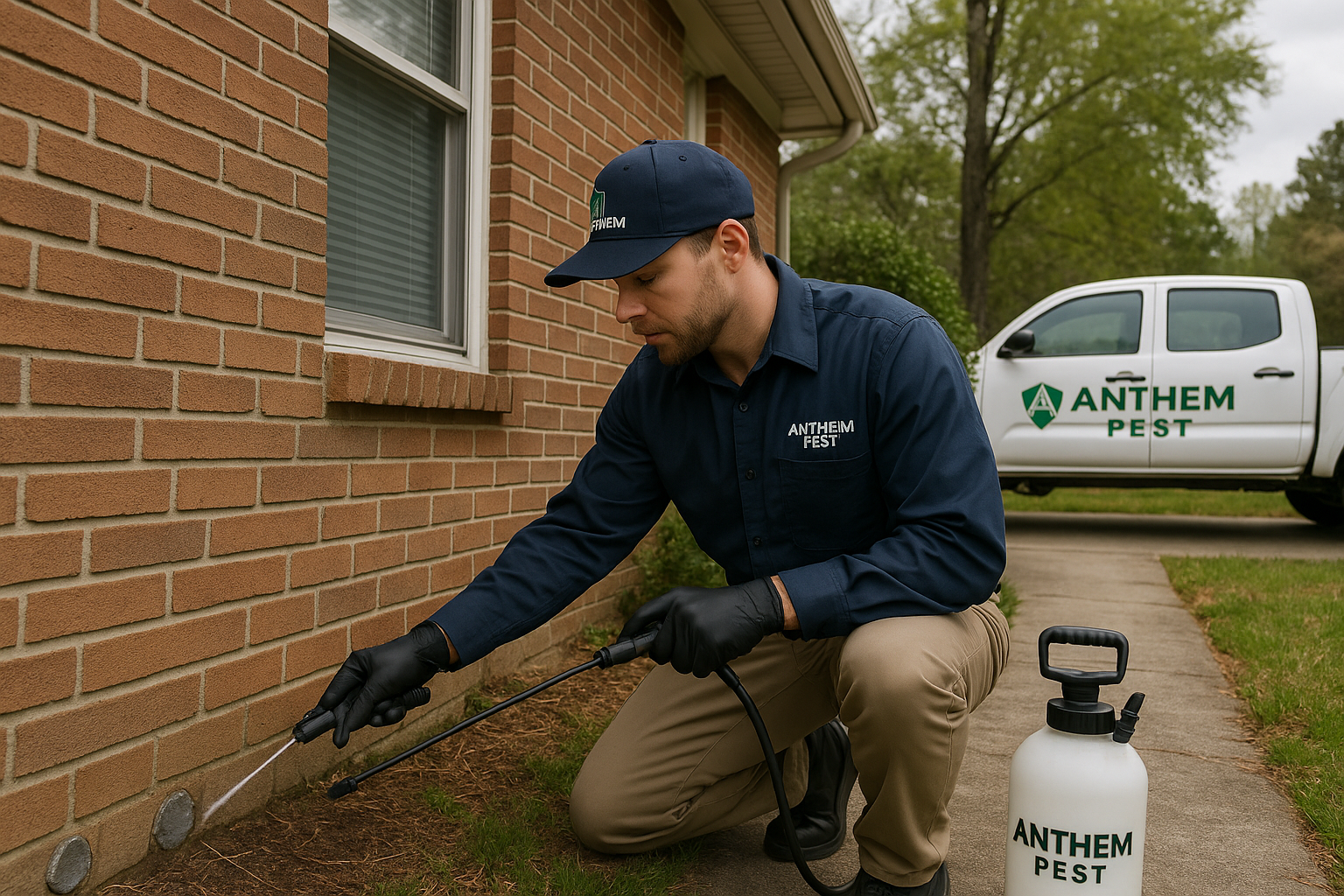
For more than 15 years Anthem Pest has called Smyrna home, so we know the neighborhood better than anyone else. From the ornate brickwork of historic Victorians to the sleek entryways of newer Brookfield developments, we’ve seen every type of foundation and every common mouse entry point. That on‑the‑ground knowledge lets us pinpoint hidden pathways that a generic, out‑of‑state service might miss, cutting treatment time and keeping your home mouse‑free faster.
Transparent emergency package pricing
When a mouse invasion hits at midnight, you need a clear, upfront quote—no hidden fees, no surprise add‑ons. Anthem’s emergency package is priced between $199 and $299, and the cost covers a full inspection, professional exclusion of entry points, a 30‑day follow‑up visit, and a warranty that guarantees the mice stay out. By bundling everything into one predictable price, you can focus on protecting your family instead of juggling multiple invoices.
Safety credentials you can trust
All of our baits are EPA‑approved and formulated for low toxicity, meaning they work hard on rodents while posing minimal risk to children and pets. We also offer pet‑safe alternatives for households with curious cats or dogs. Every technician on our team is fully licensed, continuously trained, and equipped with the latest protective gear, so you know the job is done the right way—safely and legally.
What homeowners are saying
“We called Anthem Pest after finding mouse droppings in our basement. The technician arrived within an hour, sealed the gaps, and set up the low‑toxicity bait. Within three days the activity stopped. The price was exactly what was promised—no hidden costs. We’ll definitely use them again.”
—Emily R., Smyrna homeowner
Rapid response that reduces treatment time
Because we’re based right here in Smyrna, our dispatch team can be on your doorstep in under an hour for true emergencies. That local speed means we start exclusion work before the mice have a chance to spread deeper into your walls or attic. Faster action translates to fewer chemicals, lower overall cost, and a quicker return to a peaceful, mouse‑free home.
Long‑Term Prevention for Smyrna Homeowners
Keeping mice out of your home isn’t a one‑time fix; it’s a year‑round commitment. By staying on top of seasonal chores and understanding the quirks of Smyrna’s neighborhoods, you can shut down entry points before the critters even think about moving in. A proactive plan saves you from emergency calls, costly damage, and sleepless nights.
Seasonal Maintenance Checklist
Each season brings its own set of opportunities—and challenges—to block mouse pathways. Use the list below as a quick reference guide, and tick off items as you go.
- Spring – Clear away yard debris, raked leaves, and any mulch that’s piled up against the foundation. Trim tree branches so they stay at least 2 ft away from the house; overhanging limbs can act as highways for rodents.
- Summer – Give your attic a thorough inspection. Look for gnawed insulation, loose sheathing, or gaps around vent pipes. Seal any uncovered vents with steel mesh to keep curious mice out while still allowing airflow.
- Fall – Store firewood off the ground on a rack or pallet, and keep it at least 3 ft from exterior walls. This removes a favorite nesting spot. While you’re at it, check crawl spaces for new cracks caused by settling foundations.
- Winter – Monitor basement moisture levels; damp basements attract mice seeking shelter. Use a dehumidifier if needed, and seal any fresh gaps that may have appeared from frost‑heave movement.
Following this checklist not only reduces the chance of a mouse invasion, it also helps you spot early signs of structural wear that could lead to bigger problems down the road.
Neighborhood‑Specific Tips
Smyrna’s historic districts each have unique construction details that influence rodent entry points.
- East Cobb – Many homes feature brick foundations with occasional mortar cracks. Apply a high‑quality, weather‑resistant sealant to any visible fissures, especially near utility penetrations.
- Olde Smyrna – Older homes often have storm‑drain gaps beneath sidewalks. Install metal flashing or a concrete seal to block these low‑lying openings where mice love to travel.
- Downtown historic district – The charming stone facades can hide tiny voids between stones. Use a flexible, silicone‑based caulk to fill gaps without compromising the historic aesthetic.
Understanding these local nuances lets you target the most likely entry points before they become a full‑blown infestation.
Annual Professional Inspection
Even the most diligent homeowner can miss hidden access points. We recommend scheduling a professional mouse inspection at least once a year—ideally after the heavy rains that Fulton County recorded in 2023, when soil saturation can shift foundations and create fresh cracks. A certified technician from Anthem Pest Control will use infrared cameras and moisture meters to uncover concealed gaps, and they can apply EPA‑approved rodent‑proofing solutions that complement your DIY efforts.
Quick tip: Perform a “3‑point inspection” each season—check exterior gaps, verify attic and basement seals, and look for signs of gnawing or droppings. A five‑minute walk around your home can catch problems before they grow.
Frequently Asked Questions
Below are concise answers to the questions we hear most often from Smyrna homeowners dealing with a mouse emergency.
How quickly can mice reproduce?
Mice are prolific breeders. A healthy female can conceive as soon as 20 days after giving birth and may produce up to five litters per year, each containing 5–8 pups. This means a single pair can generate more than 60 offspring in just one year, rapidly overwhelming a home if left unchecked (EPA).
Are snap traps humane?
When properly placed, snap traps deliver an instantaneous kill, which many experts consider a humane method compared to prolonged suffering. However, concerns arise when traps miss or are set incorrectly. For those seeking alternatives, live‑catch traps, electronic traps, and bait stations with rodenticides (used by licensed professionals) provide effective, low‑stress options (NPMA). Always choose a method that aligns with your comfort level and local regulations.
Can I use DIY poison safely?
Over‑the‑counter rodenticides pose significant risks to children, pets, and non‑target wildlife. The EPA requires that these products be placed in tamper‑resistant bait stations and that users follow strict label instructions. Improper use can lead to accidental poisoning and may even be illegal in certain Georgia municipalities. If you decide to purchase a bait, wear gloves, keep it out of reach of kids and pets, and consider hiring a certified technician to handle application safely (EPA, CDC).
What warranty does Anthem offer?
Anthem Pest Control stands behind its work with a 30‑day satisfaction guarantee. If mice return within that period, we’ll re‑treat the affected area at no extra charge and reassess your home’s exclusion points to prevent future infestations. This warranty reflects our confidence in delivering lasting, effective solutions for Smyrna residents.
Take Action Now – Call Anthem Pest
Mice reproduce at an alarming pace—one pair can produce a new generation every three weeks, and a single infestation can swell to hundreds in just a few months. Those tiny intruders carry salmonella, hantavirus, and allergens that threaten your family’s health, while gnawing on wiring, insulation, and structural members can spark costly repairs. Because the problem compounds faster than most homeowners realize, waiting even a day can turn a manageable sighting into a full‑blown emergency.
If you’ve already sealed obvious entry points, set up snap traps along walls, and kept food in sealed containers, you’ve taken the right first steps. However, when you notice droppings in multiple rooms, hear constant scurrying, or spot damage to wiring or insulation, it’s time to call a professional. DIY tools can reduce numbers, but they rarely eliminate a hidden nest.
Smyrna homeowners who choose Anthem Pest see up to an 85% reduction in mouse activity after a single professional treatment, according to a recent case study. Our licensed technicians employ low‑toxicity, pet‑safe baits and exclusion techniques, then back their work with a 30‑day warranty so you can sleep soundly knowing the problem is truly solved.
Don’t let another night of squeaks turn into expensive repairs. Call 877‑371‑8196 now or visit Anthem Pest for a free emergency assessment. Our team is ready to respond quickly, schedule a same‑day inspection, and put a permanent stop to the infestation. Our emergency response team can be on your property within hours, delivering a thorough inspection and a customized treatment plan that fits your schedule and budget.
Visit Anthem Pest Control today and protect your home before the mice multiply.