Why Mouse Problems Require Immediate Action

In the summer of 2024, Cobb County recorded a 12% rise in mouse sightings. That spike isn’t just a statistic—it translates to more families in Smyrna waking up to chewed wires, hidden droppings, and the unsettling sound of tiny feet scurrying behind walls.
Beyond the nuisance, mice carry a suite of health hazards. When they infiltrate your home, they can spread:
- Hantavirus – a potentially fatal respiratory disease transmitted through droppings and urine.
- Salmonella – bacteria that cause severe gastrointestinal distress.
- Allergic reactions – proteins in mouse dander can trigger asthma attacks and skin irritation.
- Structural damage – relentless gnawing on insulation, wiring, and wooden framing can lead to costly repairs and fire risks.
What makes the threat especially urgent for Smyrna homeowners is the mouse’s rapid reproductive cycle. A single pair can produce up to ten litters a year, each litter containing 5‑8 pups. In just a few weeks, a modest infestation can explode into a full‑blown invasion, amplifying disease risk and property damage.
That’s why Anthem Pest offers a fast, affordable, EPA‑compliant solution. Our technicians arrive promptly, identify entry points, and deploy a targeted treatment plan that eliminates the current population while preventing new ones from moving in. Transparent pricing means you know exactly what you’re paying for—no hidden fees, just reliable protection.
Stay with us as we walk you through the three essential steps every homeowner should master: detecting early signs, applying the right treatment, and implementing long‑term prevention strategies. Acting now not only safeguards your family’s health but also preserves the integrity of your home.
The Common House Mouse in Smyrna – Habits & Hideouts

Species overview: The house mouse (Mus musculus) is a small, nocturnal rodent measuring roughly 2‑3 inches from nose to tail tip. It thrives in warm, sheltered environments where it can build nests in hidden crevices—under floorboards, inside wall voids, or tucked away in attic insulation. Its compact size and keen sense of smell let it slip through gaps as small as a quarter of an inch.
Behavioral traits: House mice are relentless foragers. They travel several hundred feet each night in search of food, and they gnaw continuously to enlarge entry points and keep their teeth from over‑growing. Reproduction is prolific: a single female can produce 5‑6 litters per year, each litter containing 5‑8 pups. This rapid turnover means a tiny sighting can quickly become a full‑blown infestation if left unchecked.
Local hotspots in Smyrna
- Downtown Smyrna historic district – The older brickwork and deep basements provide ample voids for nesting. Cracks in mortar and unsealed utility openings are prime entryways.
- Six Flags Over Georgia parking lots – Discarded food wrappers and litter create attractive foraging zones, while the shadowed space beneath vehicles offers safe daytime shelter.
- South Cobb residential yards – Mulch, compost piles, and garden debris retain moisture and conceal nests, especially near garden sheds and tool storage.
- Homes near the Chattahoochee River – The river’s moisture‑rich corridors support dense vegetation, which serves as a natural highway for mice moving between properties.
Statewide perspective: According to the Georgia Department of Agriculture’s 2023 report, the state recorded 1.8 million mouse infestations. Smyrna’s blend of historic structures, high‑traffic commercial zones, and lush residential landscaping makes it a micro‑hotspot within that statewide figure.
Case study snapshot
The Rivergate family, residing near the Chattahoochee, noticed a sudden increase in faint droppings in their attic. Within 48 hours of contacting Anthem Pest Control, a certified technician identified multiple entry points along the roof eave and installed low‑toxicity bait stations. Early intervention prevented water‑damage to insulation and saved the homeowners an estimated $800 in potential repairs.
Understanding where mice like to hide and how they behave is the first step toward effective detection and treatment. By recognizing the tell‑tale signs in these Smyrna hotspots, homeowners can act quickly—calling a professional before the problem escalates.
Spotting the Signs Before Damage Escalates
Detecting a mouse problem early can save you time, money, and peace of mind. Before the critters cause structural damage or spread disease, look for these tell‑tale signs around your home.
Concrete visual clues
- Droppings: Small (1‑2 cm), black, tapered‑end pellets often found on kitchen counters, inside cabinets, and on pantry shelves.
- Gnaw marks: Fresh chew lines on wood trim, plastic containers, or exposed wiring—look for irregular, shallow bites.
- Rub marks: Dark smudges or streaks along baseboards, walls, and door frames where mice brush their bodies.
- Audible activity: Scratching or scurrying noises after dark, especially in attics, crawl spaces, or behind appliances.
- Nesting material: Piles of shredded paper, fabric scraps, insulation, or dried plant matter tucked into hidden corners.
Each of these indicators points to a different stage of infestation. Droppings and gnaw marks suggest active feeding, while rub marks and nesting material signal that mice are establishing a long‑term home. Recognizing the pattern helps you decide whether a simple DIY trap will suffice or if professional intervention is needed.
Printable checklist for quick reference
Download a one‑page PDF that you can print and hang in your utility closet. The checklist mirrors the bullet points above, with a simple “Yes/No” column so you can mark what you’ve inspected each week.
Health warning
The CDC warns that rodent‑borne diseases can present with fever, rashes, and respiratory issues. Early detection reduces the risk of exposure to pathogens such as Hantavirus, leptospirosis, and salmonella.
Real‑world example
When a Brookside homeowner noticed a few droppings in the pantry, they called Anthem Pest Control within 48 hours. Our team confirmed a single entry point, set up traps, and sealed the gap. By acting fast, the homeowner avoided a larger infestation that could have required $500‑plus in wall repairs and insulation replacement.
Quick tip
Grab a flashlight and a small piece of masking tape. Shine the light into dark corners, then gently press the tape against surfaces; any hidden droppings or fibers will stick to the tape, making them easy to spot and document.
Safe, Effective Treatments That Meet EPA Standards
Bait Stations
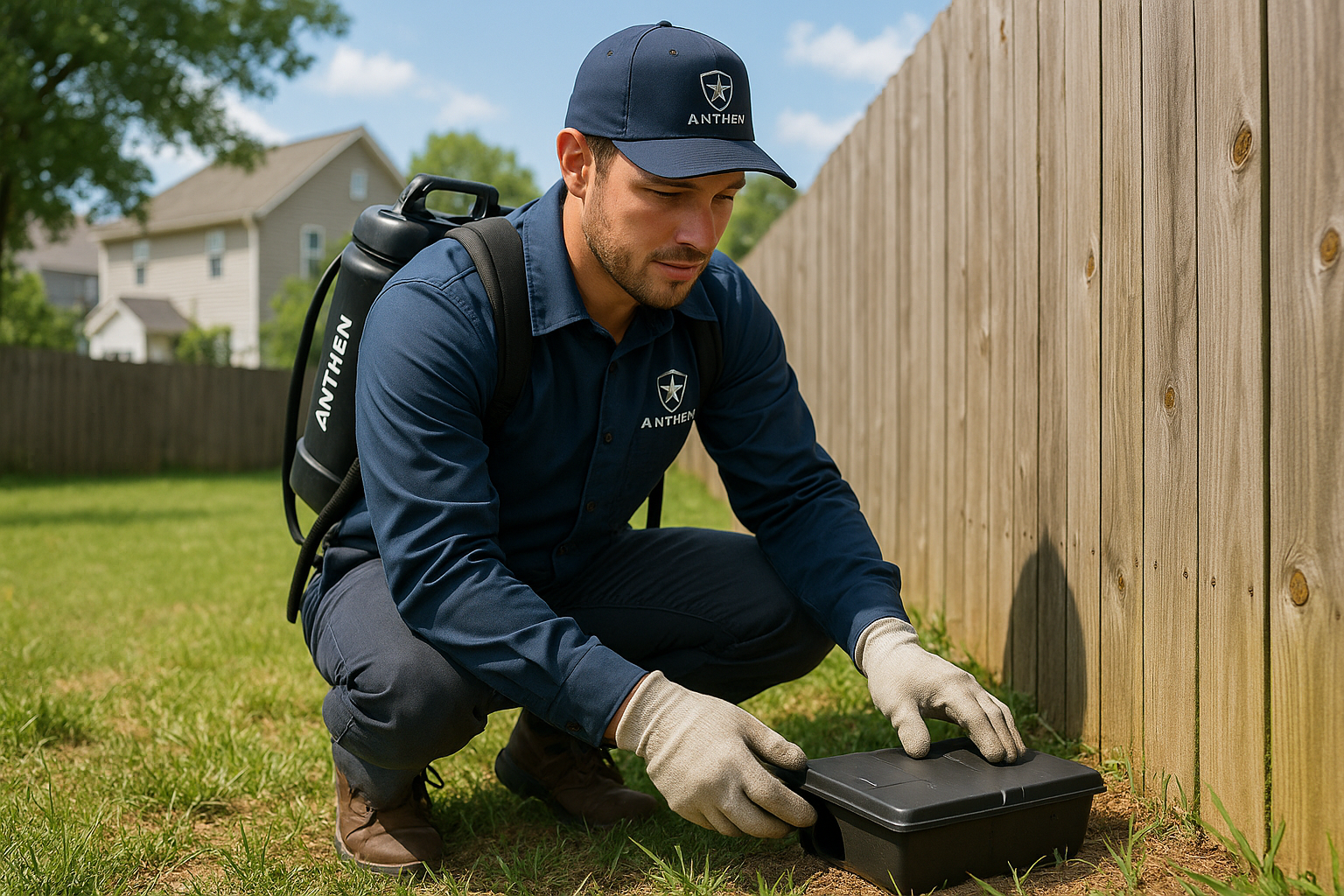
Anthem Pest uses low‑toxicity anticoagulant baits housed in EPA‑certified stations. These devices keep the poison sealed away from pets and children while delivering a controlled dose to mice that gnaw the bait. Placement follows strict EPA guidelines: stations are positioned along walls, behind appliances, and near entry points where rodents travel. Homeowners should keep the area clear of food debris and regularly check the stations for activity. If a pet or child might access a station, the technician will recommend a child‑proof lock or relocate the unit to a safer zone.
Snap & Electronic Traps
For immediate results without chemicals, snap and electronic traps are ideal. Snap traps deliver a quick, humane kill, while electronic models emit a lethal shock that instantly immobilizes the mouse. Both types are perfect for indoor use, especially in kitchens, pantries, and high‑traffic zones such as hallways and basements. Because they contain no poison, there’s no risk of secondary poisoning, making them a favorite for families with curious pets.
Exclusion Services
Exclusion is the long‑term barrier that stops mice from re‑entering your home. Our technicians seal cracks and gaps with steel‑wool, high‑quality caulk, and door sweeps—materials that rodents cannot chew through. By combining exclusion with baiting, EPA studies show a 35 % reduction in indoor mouse activity compared with baiting alone. This dual approach not only removes the current infestation but also prevents future invasions.
Pricing Overview
| Service Package | Price Range |
|---|---|
| Standard residential package (bait stations & basic traps) | $150 – $300 |
| Comprehensive exclusion + baiting | $300 – $500 |
Quick FAQ
How long before I see results? Most homeowners notice a drop in mouse activity within 24–48 hours after bait stations are placed. Snap or electronic traps often catch rodents the same night they’re set, giving you immediate visual confirmation.
Why EPA Compliance Matters
Every technician at Anthem Pest is trained to follow EPA regulations to the letter. This means using only approved products, applying them at the correct dosages, and documenting each step for your peace of mind. Our commitment to EPA standards protects your family, pets, and the environment while delivering the most effective control possible.
What to Expect When You Call Anthem Pest
Pick up the phone and you’ll hear a friendly, local representative answer within 24 hours. Anthem Pest’s Smyrna team is trained to book a same‑day inspection, and they keep evening slots open for busy homeowners who can’t be home during regular business hours.
1. Rapid 24‑hour phone response
Our call center logs your request, confirms your address, and offers a choice of morning or evening appointments for the same day. Because we serve Cobb County, we know the traffic patterns and can promise a technician will be at your door before the day ends.
2. On‑site assessment
When the technician arrives, they conduct a thorough walk‑through, hunting for entry points, droppings, and gnaw marks. Using a tablet, they document each finding, measure the infestation level, and note any structural concerns that tie into Cobb County building codes. This detailed record becomes the foundation of your treatment plan.
3. Customized treatment plan
Within minutes of the assessment, you receive a transparent quote. We explain every option—bait stations, snap traps, exclusion sealing, or a combination—so you understand how each piece tackles mouse activity during the current season. There are no hidden fees, and the estimate includes a written guarantee.
4. Immediate implementation
Our technicians are dispatched again within 2‑4 hours of your approval. Wearing PPE and following EPA‑approved safety protocols, they place bait stations in hidden corners, set traps along walls, and seal gaps that mice use to enter your home. All materials are low‑odor and child‑friendly, ensuring a safe environment for families and pets.
5. Follow‑up and guarantee
After the initial treatment, we schedule a 30‑day follow‑up visit to confirm a mouse‑free home. If any activity is detected, we re‑treat at no extra charge. For homeowners who want ongoing peace of mind, we offer optional quarterly monitoring that includes fresh bait placement and a fresh inspection of potential new entry points.
“We had mice in our garage; Anthem cleared it in a day and the house stayed mouse‑free.”
Because every Smyrna residence is different, our crew stays current on seasonal mouse patterns—knowing when mice are most likely to seek shelter and which entry points they favor. This local expertise, combined with strict adherence to EPA safety standards, means you get fast, reliable relief without compromising the health of your family.
Keeping Your Smyrna Home Mouse‑Free Year‑Round
Mouse activity in Smyrna spikes during the warm months, but a solid year‑round prevention plan can keep those tiny intruders at bay. Below is a data‑backed checklist that combines everyday habits with professional best practices, so you can protect your home without guessing.
1. Food Storage – Seal the pantry
Studies from the National Pest Management Association (NPMA) show that 84 % of mouse sightings are linked to accessible food sources. Store dry goods in airtight containers made of glass or heavy‑wall plastic. Organize the pantry so that items are not stacked against walls; this reduces hiding spots and makes it easier to spot crumbs during routine checks.
2. Waste Management – Keep trash airtight
Rodents can gnaw through thin plastic, so use trash cans with tight‑locking lids and line them with heavy‑duty bags. Empty indoor bins at least once a week and schedule curb‑side pickup no later than 24 hours after removal. A clean waste system removes the scent trails that attract mice.
3. Landscaping – Create a physical barrier
Mulch and dense shrubbery are prime cover for mice traveling from the yard to your foundation. Keep mulch at least 12 inches away from the house and trim shrubs to within 3 feet of the exterior walls. This simple distance cut‑down reduces entry points by up to 70 % according to NPMA field surveys.
4. Plumbing – Eliminate hidden water sources
Leaky faucets and standing water not only attract insects but also provide a reliable hydration source for mice. Fix all leaks promptly and ensure that gutters direct water away from the foundation. Dry basements and crawl spaces make the environment less hospitable for rodents.
5. Annual Professional Inspection – Time it right
NPMA recommends two proactive inspections: one in May before the summer surge and another in September as activity winds down. A licensed technician can spot entry points you might miss and apply targeted treatments that complement your DIY efforts.
| Month | Action | Why It Matters |
|---|---|---|
| May | Professional inspection & preventive treatment | Stops summer infestations before they start |
| July | Mid‑season DIY checklist review | Catch any new entry points or food leaks |
| September | Second professional inspection | Address fall activity and prepare for winter nesting |
| November | Winter seal‑up & final DIY review | Ensure mice can’t overwinter inside walls |
Printable “Mouse‑Proof Checklist”
For quick monthly reviews, download our Mouse‑Proof Checklist. The one‑page PDF walks you through each of the steps above, letting you tick off completed tasks and spot any gaps before they become problems.
By integrating airtight food storage, disciplined waste handling, smart landscaping, vigilant plumbing maintenance, and twice‑yearly professional inspections, you create a layered defense that aligns with the NPMA’s best‑practice guide. Consistency is the key—keep the checklist handy, and your Smyrna home will stay mouse‑free all year long.
Seasonal Peaks and How to Prepare
In Smyrna, mouse activity isn’t constant throughout the year; it follows the region’s temperature rhythm. The biggest spikes occur in late spring (April‑May) and early fall (September‑October). During these windows the weather is warm enough for mice to forage outdoors, yet cool enough that they start looking for warm, dry places inside homes to raise their young. Recognizing these periods lets you act before the problem spreads throughout your walls.
What the 2024 data tells us
According to the National Weather Service’s 2024 climate summary for the Atlanta‑Smyrna area, average highs sit around 78 °F in May and dip to 70 °F by early October. Those moderate temperatures align perfectly with the species’ breeding cycle, which can produce several litters between March and October. The data also shows a slight uptick in nightly lows after heavy summer rains, a condition that pushes mice indoors in search of shelter.
Pre‑emptive actions you can take
- Early‑May bait placement: Set snap traps or bait stations along known entry points—under decks, in crawl spaces, and near exterior walls—before the first wave of activity begins.
- Exclusion check: Seal cracks larger than ¼ inch, repair torn screens, and install door sweeps. This creates a physical barrier before mice start testing your home’s defenses.
- September follow‑up: Re‑inspect all previously treated zones and refresh bait stations before cooler evenings encourage indoor nesting.
Quick tip: After a heavy rainstorm, walk your property and look for fresh droppings near the foundation or in the garage. An increase in droppings is a reliable early warning that mice are seeking shelter inside, and it’s the perfect moment to call Anthem Pest Control for a fast, targeted treatment.
Fast Relief, Transparent Pricing, Local Trust
What sets Anthem Pest apart in Smyrna?
- Rapid 24‑hour response once you call – we’re on the job before the night ends.
- EPA‑approved, rodent‑safe treatments that protect children and pets.
- 30‑day guarantee on all mouse extermination work, so you’re covered if anything returns.
- Deep local knowledge of East Cobb, Hillcrest, Downtown Smyrna, and surrounding neighborhoods.
We believe you shouldn’t have to guess how much a service will cost. That’s why our pricing is 100 % transparent: a clear, itemized quote with no hidden fees, taxes, or surprise add‑ons. The estimate you receive is the amount you’ll pay, and we’ll walk you through each line so you know exactly what you’re investing in.
Our technicians live in the same neighborhoods they serve, so they understand the unique construction styles and seasonal rodent activity of East Cobb, Hillcrest, and Downtown Smyrna. Hundreds of satisfied homeowners have left five‑star reviews, reinforcing our reputation as the go‑to mouse exterminator in the area.
If you’ve spotted any of the signs above or simply want peace of mind, our Smyrna team is ready to protect your home. We offer a free, no‑obligation quote and will walk you through every step, ensuring you feel confident in the solution.
Call 877‑371‑8196 or visit Anthem Pest Control for a free quote today.
We’d love to schedule your first inspection at a time that works for you—just pick up the phone or click the link, and we’ll take care of the rest.