What Gnats Are and Why They Matter
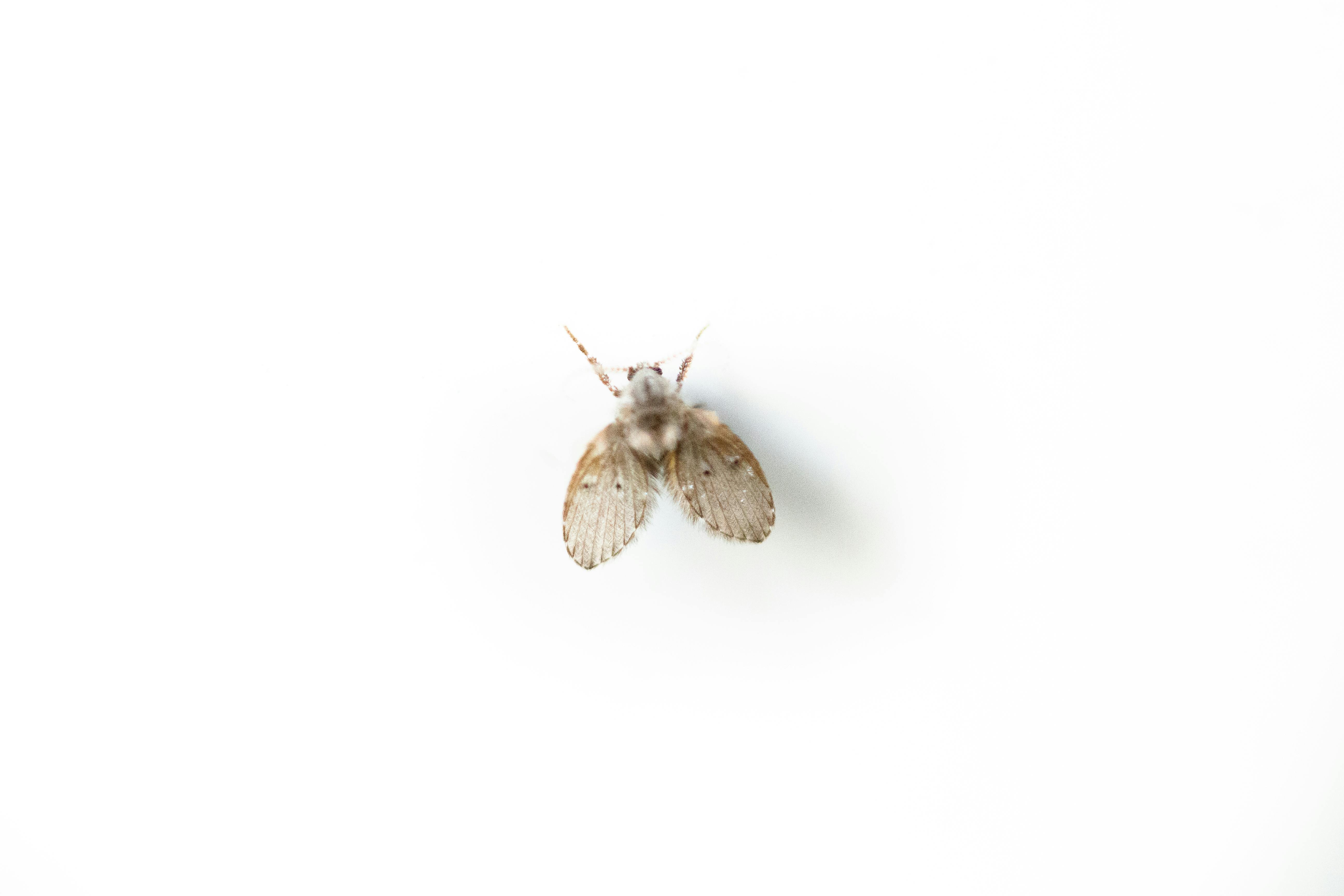
Gnats are tiny, flying insects that many homeowners mistake for mosquitoes or fruit flies—often prompting a call for emergency gnat control Suwanee residents rely on when swarms appear suddenly. In the United States, the most common household gnats belong to two groups: fungus gnats, which thrive in damp soil and indoor plants, and drain flies (also called sewer gnats), which breed in the organic buildup of sinks, bathtubs, and floor drains. Both types are usually less than a quarter-inch long, have delicate wings, and are attracted to moisture and light.
Typical signs of a gnat infestation
- Swarming around indoor lights, especially in kitchens and bathrooms.
- Small, itchy bites that appear as red welts—more common with fungus gnats.
- A persistent, irritating hum that seems to follow you from room to room.
- Visible larvae in potting soil or the sludge at the bottom of drains.
- Increased activity during humid mornings or after heavy rain.
Health and comfort impacts
While gnats are not known to transmit serious diseases, they can still affect your home’s livability. Their bites may cause:
- Localized skin irritation and itching that can lead to secondary infections if scratched.
- Allergic reactions in sensitive individuals, ranging from mild redness to more pronounced swelling.
- Psychological discomfort—constant buzzing and the sight of swarms can make a space feel unclean, disrupting sleep and daily activities.
Beyond personal discomfort, gnats signal underlying moisture problems. A thriving gnat population often means excess standing water, clogged drains, or over‑watered houseplants—conditions that can also encourage mold growth and attract other pests.
Quick fact‑check
According to the CDC’s overview of gnats, these insects are attracted to damp environments and can become a nuisance when indoor humidity rises above 60 %.
The EPA’s guidance on standing water emphasizes that eliminating sources of moisture is the most effective way to prevent gnat breeding.
Why early identification matters
Spotting gnats early gives you a head start on remediation—often preventing the need for emergency gnat control Suwanee homeowners request when infestations escalate. The longer a colony establishes, the deeper the larvae embed themselves in soil or pipe debris, making eradication more labor-intensive and costly. Prompt action—such as drying out over-watered plants, cleaning drain traps, and sealing entry points—can keep the population below the threshold where bites and swarms become noticeable.
For Suwanee homeowners, recognizing these signs means you can call a professional like Anthem Pest Control before gnats turn a minor irritation into a full‑blown nuisance. Our technicians know how to locate hidden breeding sites, apply targeted treatments, and advise on moisture‑management practices that keep gnats—and the problems they bring—at bay.
Where Gnats Breed – Spotting Problem Areas in and Around Your Home
Understanding the Gnat Life Cycle
Gnats may seem like fleeting annoyances, but their life cycle is anything but random. A female gnat deposits her eggs in any location that stays moist for several days. Those tiny eggs hatch into larvae that feast on organic matter—decaying leaves, mold, or food residue—while they develop. Within a week, the larvae pupate and emerge as adult gnats, ready to repeat the cycle. Because each stage depends on moisture and organic material, the very places you keep your home comfortable can also be perfect breeding grounds.
Indoor Hotspots You Might Overlook
Inside the house, the most common gnat nurseries are often right under our noses:
- Over‑watered houseplants: Excess soil moisture creates a damp blanket for eggs and larvae.
- Sink and tub drains: Food particles and soap scum line the pipes, offering a nutrient‑rich buffet.
- Garbage disposals: The combination of food waste and standing water makes disposals a hidden incubator.
- Pet water bowls: Stagnant water left for hours provides an ideal splash‑zone for gnats to lay eggs.
These sites are easy to miss because they appear clean at a glance. A quick visual check for standing water or soggy soil can reveal the problem before an infestation takes off.
Outdoor Hotspots Around Your Property
Outside, gnats exploit any source of moisture that pools long enough for eggs to hatch. Typical outdoor breeding sites include:
- Birdbaths and pet water dishes: Even a shallow bowl can hold water for days, especially in warm weather.
- Clogged gutters and downspouts: Leaves and debris trap rainwater, forming a slow‑draining reservoir.
- Compost piles: Decomposing organic material releases both moisture and food for larvae.
- Damp soil near foundations: Poor drainage or sprinklers that oversaturate the ground create a perpetual damp zone.
Each of these areas offers the exact conditions gnats need: moisture, shelter, and organic matter. By addressing them proactively, you cut the life cycle short before adults can even emerge.
EPA’s Standing‑Water Guidelines: A Quick Reference
The U.S. Environmental Protection Agency (EPA) recommends eliminating standing water that persists for more than 48 hours to deter mosquito and gnat breeding. Applying this rule to your home means:
- Empty and scrub birdbaths at least once a week.
- Ensure gutters flow freely; clear leaves and debris after every major storm.
- Turn over compost piles regularly and keep the base covered with a breathable tarp.
- Check for puddles in low‑lying areas of the yard after rain and drain them promptly.
Following these simple guidelines not only reduces gnats but also helps prevent other water‑borne pests.
Gnat Sweep Checklist
Use this step‑by‑step “gnat sweep” to inspect, dry, clean, and seal potential breeding sites around your home:
- Inspect: Walk through each room and the yard, looking for any source of standing water or overly damp organic material.
- Dry: Wipe down sinks, bathtubs, and plant saucers. Replace soggy potting mix with a well‑draining blend.
- Clean: Run a mixture of hot water and vinegar down drains, scrub garbage disposals, and rinse pet bowls daily.
- Seal: Repair cracked gutters, install splash guards on outdoor faucets, and apply caulk around foundation cracks to prevent water seepage.
- Monitor: Set a small sticky trap in each suspect area for a week. If you see catches, revisit the site and repeat the steps.
By treating each item on this checklist as a routine part of your home maintenance, you create an environment where gnats simply cannot thrive. If you discover persistent problem areas despite your best efforts, a professional inspection from Anthem Pest Control can pinpoint hidden sources and provide targeted treatment—keeping your home gnat‑free year‑round.
Seasonal Gnat Activity – When to Expect Peaks
Homeowners in Suwanee often wonder why gnats seem to appear out of nowhere during certain months—one reason calls for emergency gnat control Suwanee tend to spike during peak seasons. The answer lies in a predictable seasonal pattern that runs from early spring through late fall. Our internal line chart—tracking average gnat counts from March to October—shows a slow climb in the spring, a sharp rise in early summer, and a gradual decline as temperatures dip in September. Seeing the data visualized helps you anticipate trouble before it becomes a nuisance.
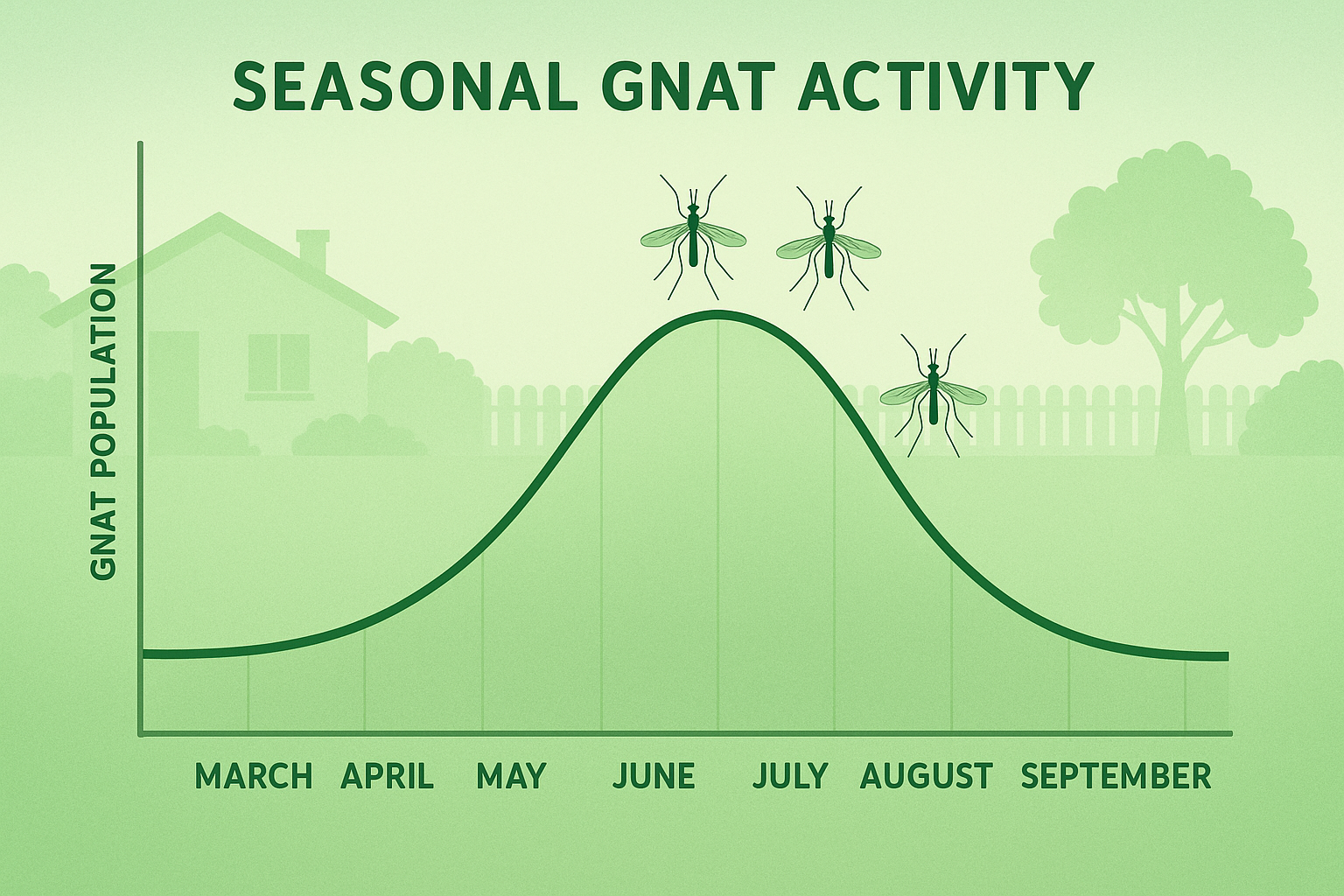
For most of Georgia, the chart’s highest points land squarely in June, July, and August. Warm daytime highs above 80°F (27°C) accelerate gnat breeding cycles, while nighttime humidity often exceeds 70 %. These conditions create the perfect breeding broth for larvae in moist soil, standing water, and decaying organic matter. As a result, adult gnat numbers can double or triple from one week to the next during these peak months.
Why the Peaks Matter for Treatment
Timing is everything when you schedule a professional gnat control service. Treating too early—say, in late March—may give you a false sense of security because the population is still low and the environment isn’t yet optimal for a full‑scale treatment. Conversely, waiting until the end of August means you’ve already endured weeks of swarming around patios, outdoor lights, and indoor windows. The sweet spot for a pre‑emptive spray or barrier application is late April to early May, just as the chart’s upward slope begins.
Regional Climate Tweaks
While Suwanee follows the typical June‑August peak, other U.S. regions can see the curve shift. In the Pacific Northwest, cooler summers and higher year‑round rain push the peak toward July and September. In the Deep South, where temperatures stay high well into October, the tail of the chart stretches farther, keeping gnats active through late fall. Understanding these regional nuances helps homeowners outside Georgia read the same chart and adjust their treatment calendar accordingly.
Scheduling Inspections and Treatments Ahead of the Peak
- Plan an inspection in early May. A certified technician can identify breeding sites—like clogged gutters, over‑watered flower beds, or pet waste—that aren’t obvious to the casual eye.
- Apply a preventative barrier by mid‑May. This creates a chemical shield that remains effective for 6‑8 weeks, covering the rapid growth phase of the gnat population.
- Schedule a follow‑up treatment in early July. If the first application has been washed away by heavy rain or if you notice a resurgence, a second treatment keeps the numbers in check.
- Monitor humidity levels. When nightly humidity spikes above 65 %, consider supplemental indoor fogging to stop gnats from migrating inside.
For a quick visual reference, you can revisit the seasonal chart at any time by clicking here. Knowing exactly when gnats are likely to surge empowers you to act before they become a summer headache, protecting both your outdoor enjoyment and indoor comfort.
Prevention Strategies Homeowners Can Implement Today
Water Management
Gnats thrive in moist environments, so controlling excess water is the first line of defense. Start by inspecting your home for leaky faucets, pipe joints, and roof gutters; even a slow drip can create a perfect breeding ground. Repair leaks promptly and consider installing drip trays beneath indoor plants to catch runoff. Outdoors, clear clogged drainage ditches and ensure that downspouts direct water away from the foundation. Finally, make a habit of emptying any standing water—birdbaths, pet water dishes, and outdoor containers—at least once a day. Consistent water management removes the moisture gnats need to lay eggs.
Proper Sanitation
Cleanliness directly influences gnat activity. Keep trash cans sealed with tight‑fitting lids and rinse them regularly to eliminate residue. Kitchen drains are notorious gnat hot spots; pour a cup of boiling water followed by an enzymatic cleaner once a week to break down organic buildup. Don’t forget to discard rotting fruit, vegetables, or compost piles as soon as they start to soften. Wipe down countertops after food prep and sweep up crumbs that could serve as food sources. By removing these attractants, you make your home far less appealing to gnats.
Landscape Tips
The yard surrounding your house can either invite or deter gnats. Trim shrubs, vines, and tree branches so they sit at least six inches from the siding; dense foliage creates humid micro‑climates that gnats love. When potting plants, opt for a soil mix that includes sand or fine gravel, which improves drainage and reduces surface moisture. Check that your lawn grading slopes away from the foundation, preventing water from pooling near doors and windows. Regularly clean leaf litter and organic debris from garden beds, as decomposing material releases the same scents that attract gnats.
Physical Barriers
Blocking gnats from entering your living spaces is a simple yet effective tactic. Install tight‑fitting window and door screens—repair any tears or gaps immediately. Outdoor fans create air currents that gnats find difficult to navigate; positioning a fan near patios or decks can dramatically cut down on their presence. For nighttime illumination, replace standard white bulbs with yellow “bug lights.” These lights emit wavelengths that are far less attractive to gnats, reducing the number that gather around porch lights and windows.
Natural Repellents
If you prefer chemical‑free options, several natural repellents can keep gnats at bay. Beneficial nematodes, microscopic roundworms introduced into soil, prey on gnat larvae and break their life cycle without harming plants or pets. For a quick surface spray, mix a few drops of peppermint or citronella essential oil with water and a mild dish soap; apply to countertops, plant leaves, and around doorways. These scents disrupt gnat sensory receptors, making your home an uninviting environment. Reapply the spray every few days, especially after rain or heavy watering.
When DIY Measures Aren’t Enough
Even the most diligent homeowner may encounter persistent gnat problems. Look for these warning signs that professional intervention is warranted:
- Swarms appear consistently despite regular water management and sanitation.
- Gnats are present in multiple rooms, especially near HVAC vents or ceiling fans.
- Larval clusters are found in drains, soil, or compost that you cannot eradicate.
- Allergy‑like symptoms (itchy eyes, sneezing) increase as gnat numbers rise.
When you notice any of these indicators, contact a licensed pest control provider. Professionals can perform a thorough inspection, identify hidden breeding sites, and apply targeted treatments that are safe for your family and pets while delivering lasting relief.
Treatment Options, Pricing, and What to Expect
DIY Gnat Control: What You Can Do Today
Many Suwanee homeowners reach for a quick fix when gnats swarm their decks or kitchens. Common DIY tools include sticky traps, over‑the‑counter insecticidal sprays, and larvicides that target the immature stages in standing water. Traps are inexpensive and virtually mess‑free, but they only catch adult gnats and do little to stop a fresh breeding cycle.
Sprays can knock down flying insects within minutes, yet they often contain broad‑spectrum chemicals that may irritate pets, children, or sensitive skin. Proper ventilation and protective gear are essential, and repeated applications are usually necessary—driving up the hidden cost.
Larvicides are the most logical DIY choice because they attack the source. However, they require accurate identification of breeding sites (e.g., clogged gutters, damp soil, or pet water bowls) and strict adherence to label directions. Misapplication can lead to runoff, harming beneficial insects and nearby plants.
Overall, DIY methods work best for low‑level infestations and when you have the time to monitor and re‑apply. For a sudden, heavy outbreak, the effort and risk often outweigh the savings.
Professional Solutions: Why a Trained Technician Makes a Difference
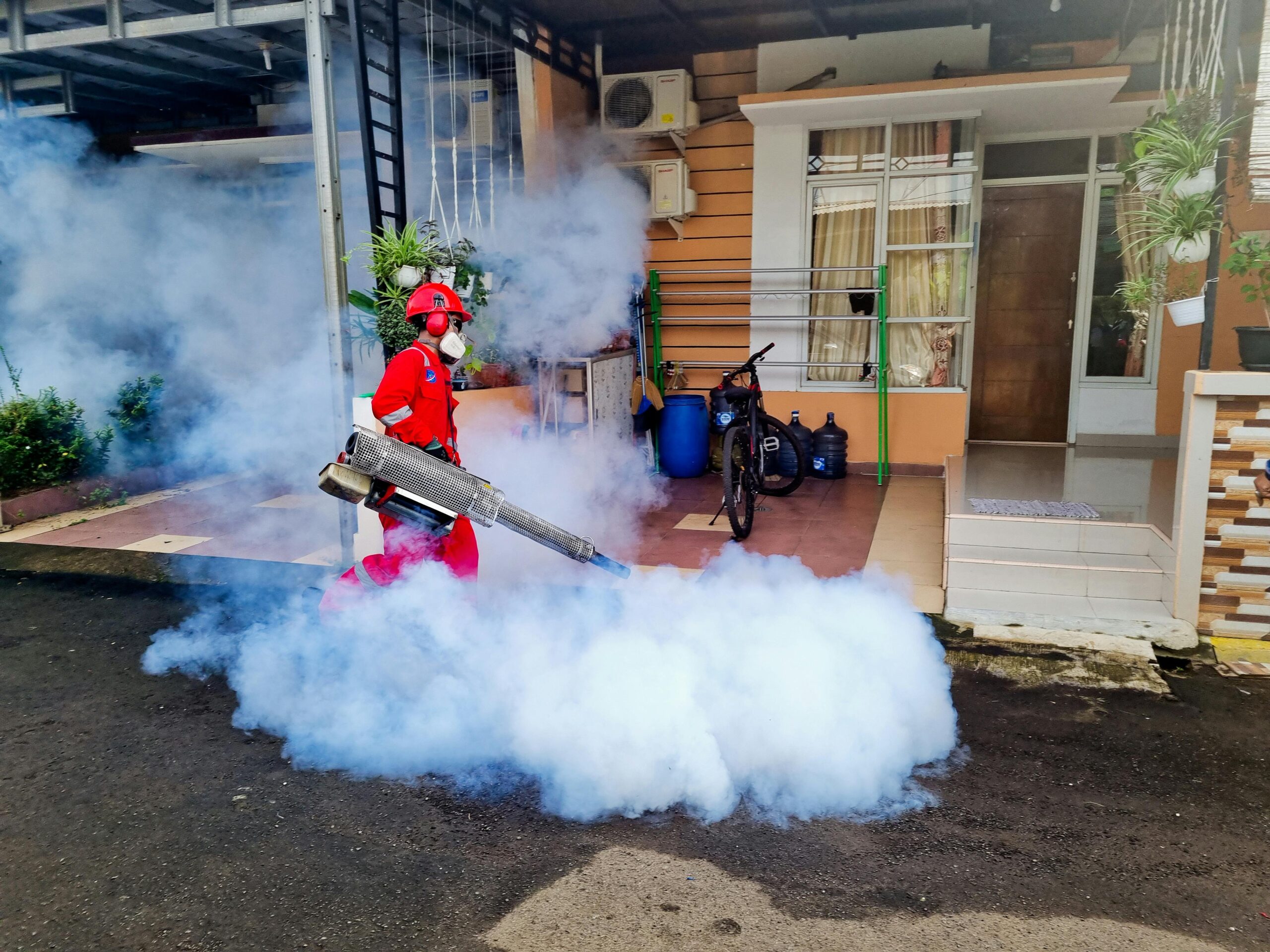
Anthem Pest Control’s licensed technicians bring three layers of protection that DIY kits simply cannot match. First, we perform a targeted fumigation using low‑odor, fast‑acting formulations that penetrate hidden breeding zones without leaving hazardous residues on surfaces you touch.
Second, we apply a barrier treatment around the home’s exterior—foundations, doorways, and window frames—creating a chemical shield that stops adult gnats from entering. This barrier is calibrated to the local climate, ensuring lasting efficacy even during Suwanee’s humid summer spikes.
Finally, we schedule follow‑up monitoring within 48 hours and again after a week. Our technicians use calibrated traps and moisture meters to confirm that the population is truly under control, adjusting treatment intensity if needed. The result is a rapid, comprehensive knock‑down with minimal re‑infestation risk.
Pricing Infographic: Hourly Rates vs. Flat‑Fee Emergency Packages
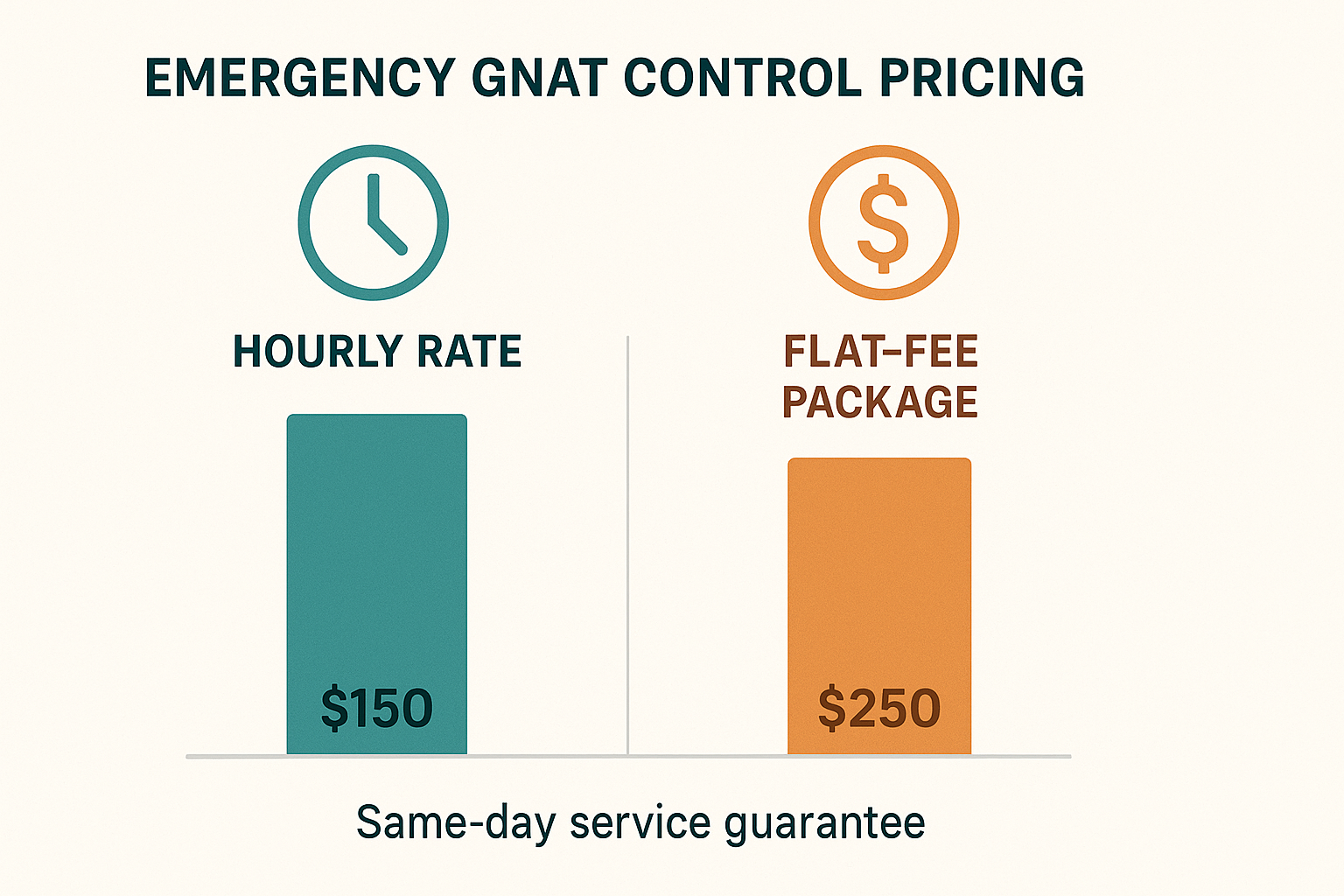
The graphic above breaks down the two most common billing structures we offer. An hourly rate (typically $95 – $125 per hour) suits minor, localized problems where a quick inspection and spot treatment are enough. In contrast, a flat‑fee emergency package—ranging from $299 to $449—covers a full‑home assessment, barrier application, and the first follow‑up visit, regardless of how many hours the job takes.
When gnats have already turned your porch into a buzzing nightmare, the flat‑fee option usually proves more cost‑effective. It eliminates surprise overtime charges and guarantees that every necessary step—fumigation, barrier, and monitoring—is completed in one coordinated effort.
Same‑Day Service Guarantees and Cost‑Effectiveness
We understand that gnat invasions can feel urgent, especially during outdoor gatherings or family barbecues. That’s why Anthem offers a same‑day service guarantee for emergency calls placed before 2 PM. Our dispatch team prioritizes the request, and a technician is on your doorstep within four hours.
Choosing a flat‑fee emergency package not only locks in a predictable price but also reduces the total number of visits. Instead of paying separate hourly fees for each follow‑up, you receive the entire treatment cycle—including the post‑service inspection—under one transparent price tag. This model often saves homeowners 15‑30 % compared with piecemeal hourly billing.
Quick FAQ: Service Frequency, Warranty, and Post‑Treatment Care
- How often should I schedule follow‑up visits? For severe outbreaks we recommend a second visit within 48 hours and a final check after one week. Routine quarterly visits keep gnats at bay year‑round.
- Do you offer a warranty? Yes. All professional treatments come with a 30‑day satisfaction guarantee. If gnats reappear within that window, we’ll re‑treat at no extra cost.
- What can I do after treatment to prevent a comeback? Eliminate standing water, keep trash bins sealed, and trim vegetation away from the home’s foundation. Our technician will provide a customized checklist during the final walk‑through.
- Is the treatment safe for pets and children? Absolutely. We use EPA‑approved products that are low‑toxicity and apply them in accordance with strict safety protocols. Areas are fully cleared before re‑entry.
Choose Anthem Pest Control for Fast, Safe Gnat Relief
When gnat swarms appear out of nowhere, the first thing you need is a clear, actionable plan. Let’s quickly recap the four essential steps that keep those tiny invaders at bay:
- Identify the culprit. Look for the tell‑tale signs—tiny flying insects near moist areas, a sweet, musty odor, or clusters around indoor plants.
- Eliminate the source. Remove standing water, clean up decaying organic matter, and seal entry points that let gnats slip inside.
- Mind the season. Gnats thrive in warm, humid months, so early‑summer inspections give you a head‑start before populations explode.
- Call a professional. When DIY measures fall short, a licensed technician can apply EPA‑approved treatments safely and effectively.
Why Anthem Pest Control Stands Out
Anthem Pest Control isn’t just another pest‑control company; we’re a team of certified experts who treat every gnat emergency with the same precision we bring to termites, mosquitoes, and rodents. Here’s what sets us apart:
- Licensed technicians. All of our field agents hold state‑required licenses and undergo continuous training on the latest integrated pest‑management (IPM) techniques.
- EPA‑approved products. We use only chemicals that meet strict federal safety standards, ensuring a rapid knock‑down of gnats while protecting your family, pets, and indoor air quality.
- Transparent pricing. No hidden fees or surprise add‑ons—our quote outlines every step, from inspection to post‑treatment follow‑up.
- Same‑day emergency service. Gnat outbreaks can turn a quiet evening into a sleepless night. Call us, and we’ll be at your door the same day to assess and treat the problem.
Ready for a Gnat‑Free Home?
If gnats have already made themselves comfortable, there’s no need to wait. Anthem Pest Control offers a free, no‑obligation quote that details exactly what will be done, how long it will take, and what you’ll pay—up front. Our team will walk you through the treatment plan, answer any safety questions, and schedule a same‑day visit if you need immediate relief.
Give us a call at 877-371-8196 or click here to request your free quote for emergency gnat control Suwanee homeowners trust. Let us handle the gnats so you can get back to enjoying your home, uninterrupted.