Why Cockroach Problems Matter in Suwanee, GA
Climate and Housing Conditions That Invite Cockroaches
Suwanee’s warm, humid summers and mild winters create an ideal backdrop for the German cockroach, the most common indoor species in the Southeast—one of the main reasons a cockroach inspection Suwanee homeowners schedule early can prevent serious infestations. Most neighborhoods consist of single-family homes, townhouses, and condominiums with kitchens that are open to living spaces, providing easy access to food, water, and shelter. Leaky pipes, over-filled trash cans, and cluttered cabinets act like a five-star hotel for these nocturnal pests, allowing populations to multiply rapidly if left unchecked. The region’s average summer humidity hovers around 70%, and many homes feature lush landscaping and outdoor lighting that draw insects inside, where they find shelter behind appliances and under sinks.
Health and Hygiene Risks
Beyond the obvious nuisance, cockroaches pose serious health and hygiene threats. Their droppings and shed skins contain proteins that trigger asthma attacks and allergic reactions, especially in children and the elderly. Moreover, cockroaches are known vectors for bacteria such as Salmonella and E. coli, which they pick up from contaminated surfaces and then deposit on food, countertops, and utensils. Allergens from cockroach debris can linger in carpet fibers and upholstery for months, meaning even after the insects are gone, you may still experience sneezing or skin irritation. Their ability to survive on minimal food also means they’ll explore every crumb, turning a clean kitchen into a hidden buffet. Even a few stray sightings can indicate a hidden colony that is already contaminating your home’s food supply.
Economic Consequences of Ignoring Infestations
Financially, an untreated infestation can quickly outpace the cost of a professional inspection. Cockroaches chew through cardboard, paper, and even thin plastics, compromising food packaging and leading to waste. As the colony expands, you may find yourself replacing pantry items, discarding contaminated groceries, and paying for repeated DIY sprays that never reach the hidden harborage sites. In the long run, the cumulative expense of lost food, additional cleaning, and emergency pest‑control visits often exceeds the modest price of a thorough, early‑stage treatment plan. Additionally, insurance policies typically do not cover pest damage, leaving homeowners to shoulder the full cost of replacing spoiled food, repairing contaminated surfaces, and possibly remodeling affected cabinets. A proactive inspection can pinpoint entry points, allowing targeted sealing that prevents future infestations and preserves property value.
What the Numbers Say About Cockroach Activity in Georgia
Georgia’s pest‑reporting data underscores how widespread the issue is. According to the National Pest Management Association (NPMA), more than 60 % of residential pest complaints in the state involve cockroaches, with the highest concentration reported in the Atlanta metropolitan area, which includes Suwanee. The NPMA’s 2023 survey showed an average of 4.2 sightings per household in urban neighborhoods during the peak summer months. Those numbers translate to thousands of homes dealing with hidden infestations that often go unnoticed until they become a visible problem. The NPMA also notes that households that report early sightings are 35 % more likely to achieve complete eradication with a single treatment cycle, underscoring the value of prompt professional attention. In Suwanee, the combination of dense housing and frequent summer thunderstorms creates micro‑environments where cockroach eggs hatch faster than in drier locales.
Because cockroach colonies thrive in the dark corners of your home, early detection through a professional inspection is the most effective line of defense. Identifying the problem before it spreads not only protects your family’s health but also saves you money and the hassle of a large‑scale eradication effort.
Spotting Early Signs of a Hidden Cockroach Infestation
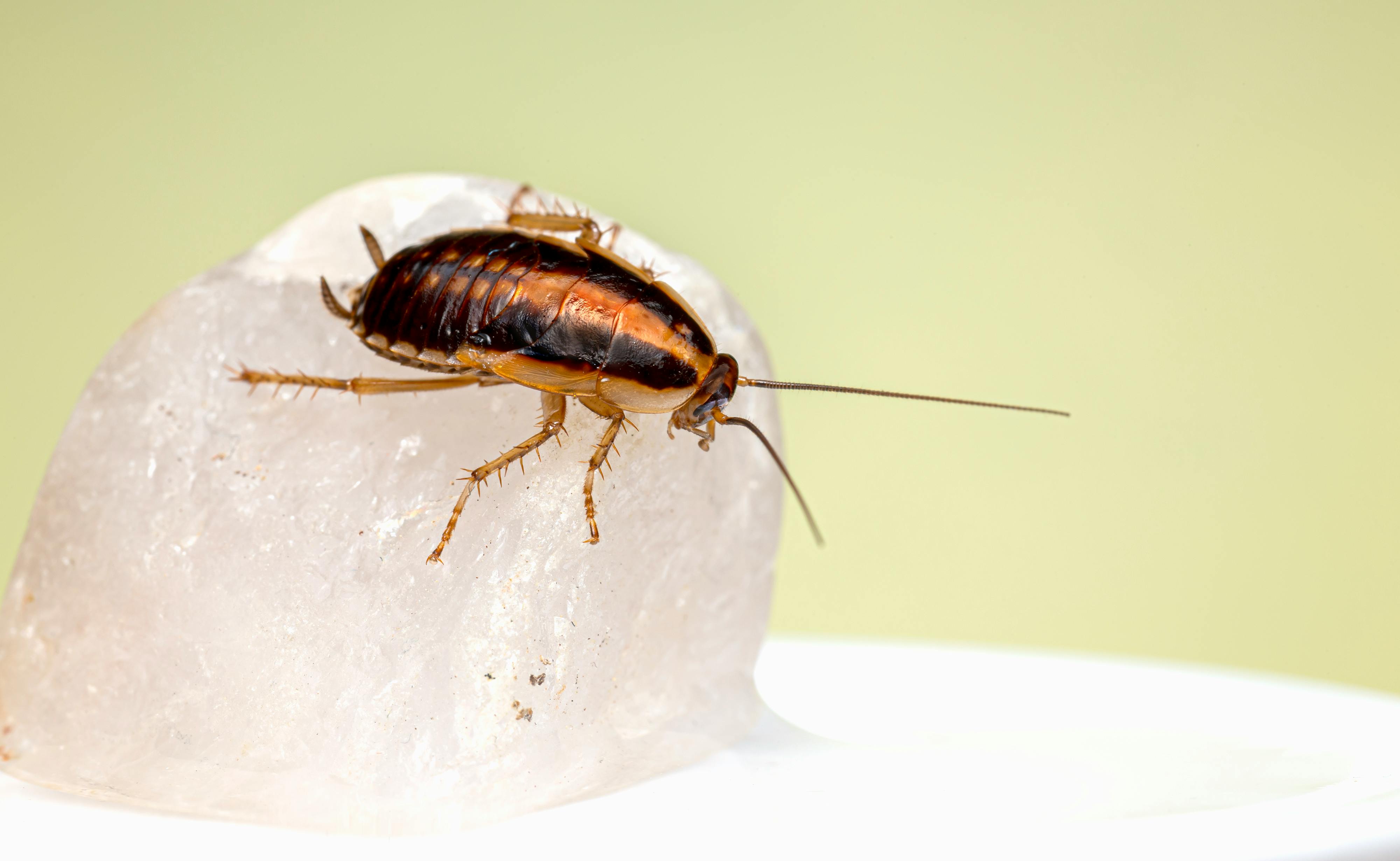
Common Hiding Spots
Even before you see a single roach, they’re already nesting in the cracks and crevices you barely notice. In Suwanee homes, the most frequented hideouts include:
- Kitchen wall gaps and baseboard cracks where food particles settle.
- Behind and beneath appliances such as refrigerators, stoves, and dishwashers.
- Bathroom cabinets and under sinks, especially where moisture lingers.
- Wall voids and attic spaces that stay dark and undisturbed.
These locations stay cool, damp, and close to food sources—perfect for a budding colony.
Visual Clues
Spotting a roach infestation early often hinges on subtle visual evidence rather than a live sighting. Keep an eye out for:
- Tiny fecal specks: Dark, pepper‑like droppings about the size of a grain of sand, usually found near food prep areas.
- Egg casings (oothecae): Small, brownish‑tan capsules that look like dried raisins or peppercorns.
- A faint oily sheen: A glossy film on countertops or cabinets left by roach secretions.
- Occasional live sightings: A quick dash across the floor at night is often the first “proof” you’ll get.
Behavioral Signs
Sometimes the infestation announces itself through changes in your home’s routine:
- Unusual odors: A musty, oily smell that intensifies after cooking or cleaning.
- Increased food waste: You may notice crumbs or spilled food that seem to appear out of nowhere.
- Unexplained bites or skin irritation: While rare, some people experience minor itching or bite‑like marks from roach activity.
How to Conduct a Quick DIY Check
Before calling a professional, you can run a simple inspection with two inexpensive tools: a bright flashlight and a few sticky traps.
- Turn off the lights and shine the flashlight into every crack, under appliances, and inside cabinet corners.
- Look for the visual clues listed above—especially droppings and egg casings.
- Place sticky traps along baseboards, behind the fridge, and under the sink. Leave them for 24‑48 hours.
- Check the traps; a single caught roach or multiple droppings on the adhesive surface signals an active problem.
This quick sweep won’t replace a thorough professional assessment, but it gives you a clear picture of whether the situation is manageable or escalating.
Why Professional Inspection Still Matters
Visual confirmation is notoriously tricky. Cockroaches are nocturnal, can hide for weeks, and often leave only the faintest traces. A licensed technician brings specialized equipment—like infrared cameras and moisture meters—to locate hidden colonies in wall voids or under flooring that most DIY checks miss. Moreover, professionals can identify the exact species, assess the infestation level, and recommend a targeted treatment plan that safeguards your family and pets.
When you spot any of the signs above, especially a combination of visual and behavioral clues, it’s time to reach out to Anthem Pest Control. Our local expertise in Suwanee means we know exactly where these pests love to hide and how to eliminate them safely and affordably.
What to Expect During a Professional Cockroach Inspection (and How Much It Costs)
Pre‑Inspection Preparation for Homeowners
Before the technician arrives for your cockroach inspection Suwanee homeowners schedule, spend a few minutes clearing clutter from floors, basements, and storage areas. Cockroaches love hidden messes, so removing boxes, laundry piles, and pet food dishes gives the inspector a clear view of where activity may be hiding. Jot down the rooms where you’ve seen droppings, dead insects, or a distinct odor—those notes help the pest professional focus on hot spots right away.
The Inspection Stages
1. Exterior perimeter check – The technician walks the building’s outside, looking for cracks, gaps around doors, and drainage issues that could invite roaches. They’ll also inspect landscaping, mulch, and outdoor trash cans.
2. Interior visual sweep – Inside, the inspector examines kitchens, bathrooms, utility closets, and any dark, damp corners. They’ll lift appliances, open cabinets, and peer behind baseboards for signs of infestation.
3. UV lights and bait stations – A handheld UV light reveals cockroach feces and egg casings that are invisible to the naked eye. Portable bait stations are placed in suspect areas to confirm activity and to gauge population density.
Tools & Techniques Technicians Use
Modern pest pros don’t rely on guesswork. A thermal imaging camera spots temperature differences that indicate hidden nests behind walls or under insulation. Moisture meters detect damp zones where roaches love to congregate, especially in basements or crawl spaces. These devices allow the inspector to map the infestation accurately and recommend the most effective treatment plan.
What Inspectors Typically Find
Common findings include:
- Fecal specks near food prep surfaces.
- Egg cases tucked in cracks or under appliances.
- Live roaches hiding in dark, humid voids.
Each discovery influences the next steps. A few droppings might only require targeted baiting, while a large population could call for a combination of sprays, dusts, and structural sealing.
Pricing Breakdown

| Location | Average Inspection Fee | Typical Travel surcharge (if any) |
|---|---|---|
| Suwanee, GA | $119 | None |
| Atlanta, GA | $135 | $10‑$15 (for outer suburbs) |
| Alpharetta, GA | $130 | $5‑$10 |
| Duluth, GA | $125 | None |
These figures reflect a standard one‑hour inspection, a detailed written report, and the placement of up to three bait stations. Additional services—such as full‑home treatment or follow‑up visits—are quoted separately.
Why Prices Vary
Several factors shape the final number:
- Property size: Larger homes or multi‑unit buildings require more time to survey.
- Infestation level: A light sighting may be resolved with a single bait placement, while a heavy infestation demands extensive treatment and possibly structural repairs.
- Travel distance: Technicians traveling from a central depot to outlying neighborhoods may incur a modest mileage fee.
Free Quote Guarantee & Seasonal Discounts
Anthem Pest Control offers a no‑obligation, free quote for every inspection request. Simply call 877‑371‑8196 or visit our website to schedule a visit. During the spring and early summer—when roach activity spikes—we often run a 10% seasonal discount on both inspection and treatment packages. Mention the “Spring Shield” promo when you book to lock in the savings.
Seasonal Cockroach Activity in Georgia – When to Act

Overview of the seasonal chart
The chart above highlights the typical ebb and flow of German cockroach populations across a Georgia calendar year—information that helps determine the best timing for a cockroach inspection Suwanee homeowners rely on. Peak activity clusters between June and September, when warm nights and high humidity create ideal breeding conditions. Conversely, the months of December through February show a marked dip, as cooler indoor temperatures and reduced moisture slow reproduction.
How temperature, humidity, and indoor climate influence breeding cycles
German cockroaches thrive when ambient temperatures hover between 75°F and 85°F. In Georgia’s summer, outdoor heat often seeps into homes through open windows and poorly sealed doors, raising indoor temps and encouraging rapid egg‑case (ootheca) production. Humidity plays a supporting role; moisture‑rich environments—think leaky pipes or damp basements—provide the perfect hatchery. When homeowners crank up air‑conditioning or central heating, they unintentionally create micro‑climates that can either suppress or, if set too low, stress the insects into seeking warmer refuges elsewhere in the house.
Recommended inspection schedule
Early spring (late March – early April): Conduct a pre‑emptive visual check of kitchens, bathrooms, and utility rooms. Look for egg cases, shed skins, and the faint, musty odor that signals a hidden infestation.
Mid‑summer (mid‑July): Schedule a follow‑up inspection, especially if you notice increased activity around food prep areas. This is the ideal window for targeted bait placements before the population spikes.
Post‑fall deep clean (late October – early November): After the peak season, a thorough deep‑cleaning session—scrubbing cracks, vacuuming crevices, and sealing entry points—helps reduce any survivors that may have overwintered in insulated spaces.
Holiday kitchen traffic and its impact
Thanksgiving, Christmas, and New Year’s celebrations dramatically increase kitchen usage. Extended food preparation, open pantry doors, and leftover crumbs create a buffet that attracts roaches. The surge in moisture from cooking and the temporary rise in indoor humidity during these gatherings can also boost breeding rates. Homeowners who ignore these seasonal spikes often see a delayed infestation that surfaces weeks after the holidays.
Practical sanitation adjustments
- Wipe down countertops and stovetops after each meal; avoid leaving food residues overnight.
- Store dry goods in sealed, airtight containers—glass or heavy‑wall plastic works best.
- Empty trash cans daily, and use liners that can be removed and disposed of outside the home.
- Repair leaky faucets and pipe joints promptly; a drip can raise local humidity enough to encourage roach breeding.
- During peak months, run a dehumidifier in high‑traffic areas to keep relative humidity below 60%.
Monthly activity snapshot
| Month | Activity Level |
|---|---|
| January | Low |
| February | Low |
| March | Moderate |
| April | Moderate |
| May | High |
| June | High |
| July | Peak |
| August | Peak |
| September | High |
| October | Moderate |
| November | Low‑Moderate |
| December | Low |
Effective Treatment Options and Prevention Strategies
When a cockroach infestation takes hold in a Suwanee home, Anthem Pest Control turns to a toolbox of proven treatments that strike fast and stay effective. From discreet gel baits to powerful fogging, each modality is chosen based on the size of the problem, the layout of the house, and the homeowner’s comfort with chemicals. Below is a quick guide to what we use, how it works, and why it matters for long‑term peace of mind.
Gel Baits – The Silent Hunter
Gel baits are a staple for low‑to‑moderate infestations. We place tiny droplets in cracks, behind appliances, and near water sources where roaches naturally forage. The bait contains a slow‑acting insecticide that the cockroach carries back to its nest, poisoning hidden colonies.
- Pros: Minimal visual impact, low exposure risk to pets and children, and excellent for targeting hidden harborage.
- Cons: Requires regular monitoring and re‑application if bait is contaminated or consumed.
- Best for: Apartments, kitchens, and bathrooms with limited visual access.
Insect Growth Regulators (IGRs) – Stopping the Next Generation
IGRs disrupt the molting process, preventing nymphs from maturing into breeding adults. Applied as a fine spray along baseboards, under sinks, and in wall voids, they work in concert with baits to suppress future populations.
- Pros: Non‑lethal to humans and pets, long residual action (up to 12 months), and effective against eggs.
- Cons: Does not kill existing adults; best used as part of an integrated plan.
- Best for: Severe infestations where the goal is to break the life cycle.
Dust Applications – Penetrating the Hard‑to‑Reach
Silica‑based dusts and boric acid powders are brushed into voids, behind wall panels, and inside pipe chases. The fine particles cling to cockroaches, dehydrating them upon contact.
- Pros: Excellent for crevices where sprays bounce off, long‑lasting residual effect.
- Cons: Can be messy; not ideal for areas with high foot traffic or where dust may be disturbed.
- Best for: Structural gaps, attic spaces, and crawl‑spaces.
Targeted Fogging/Smoke Treatments – Immediate Knock‑Down
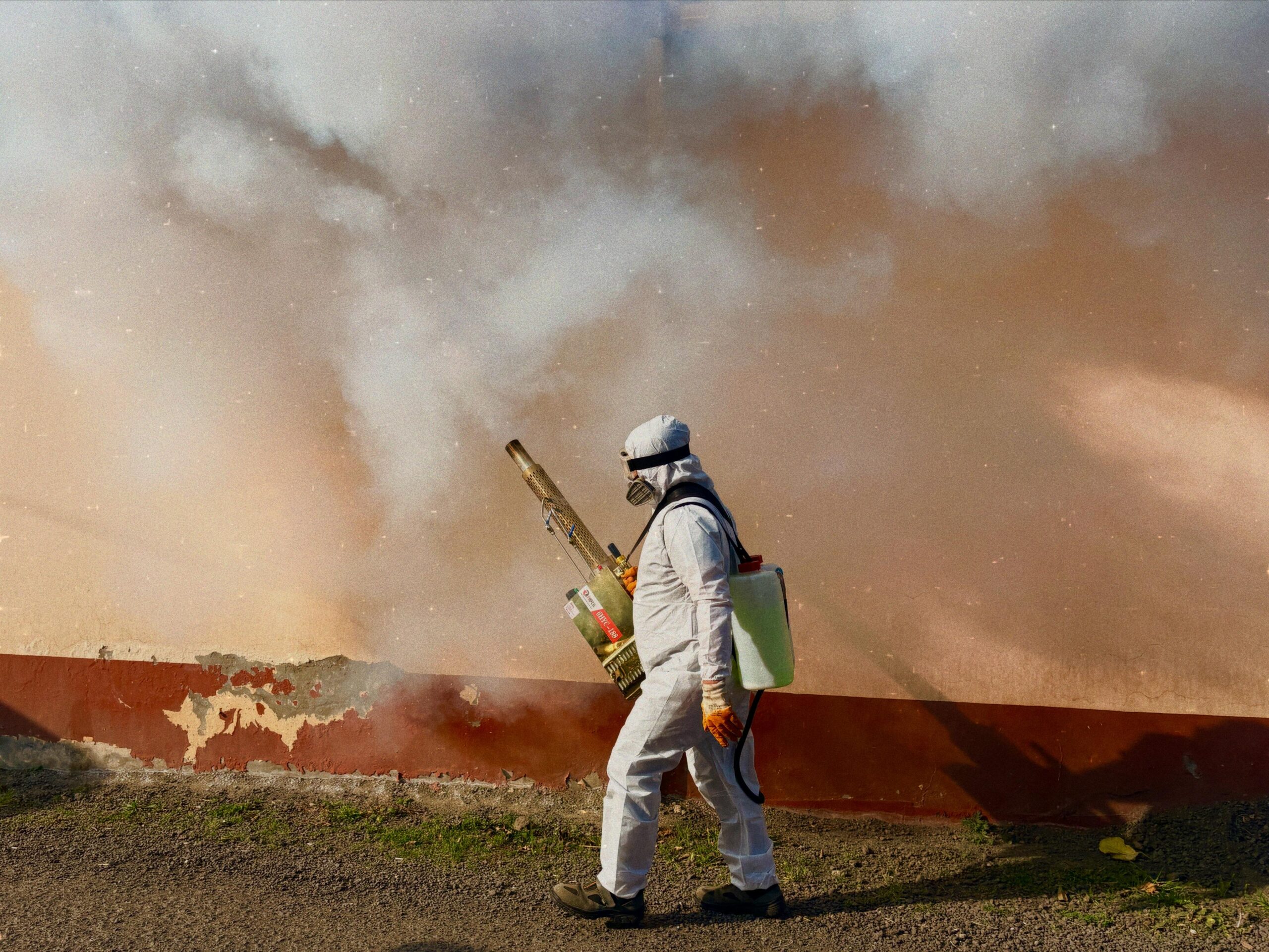
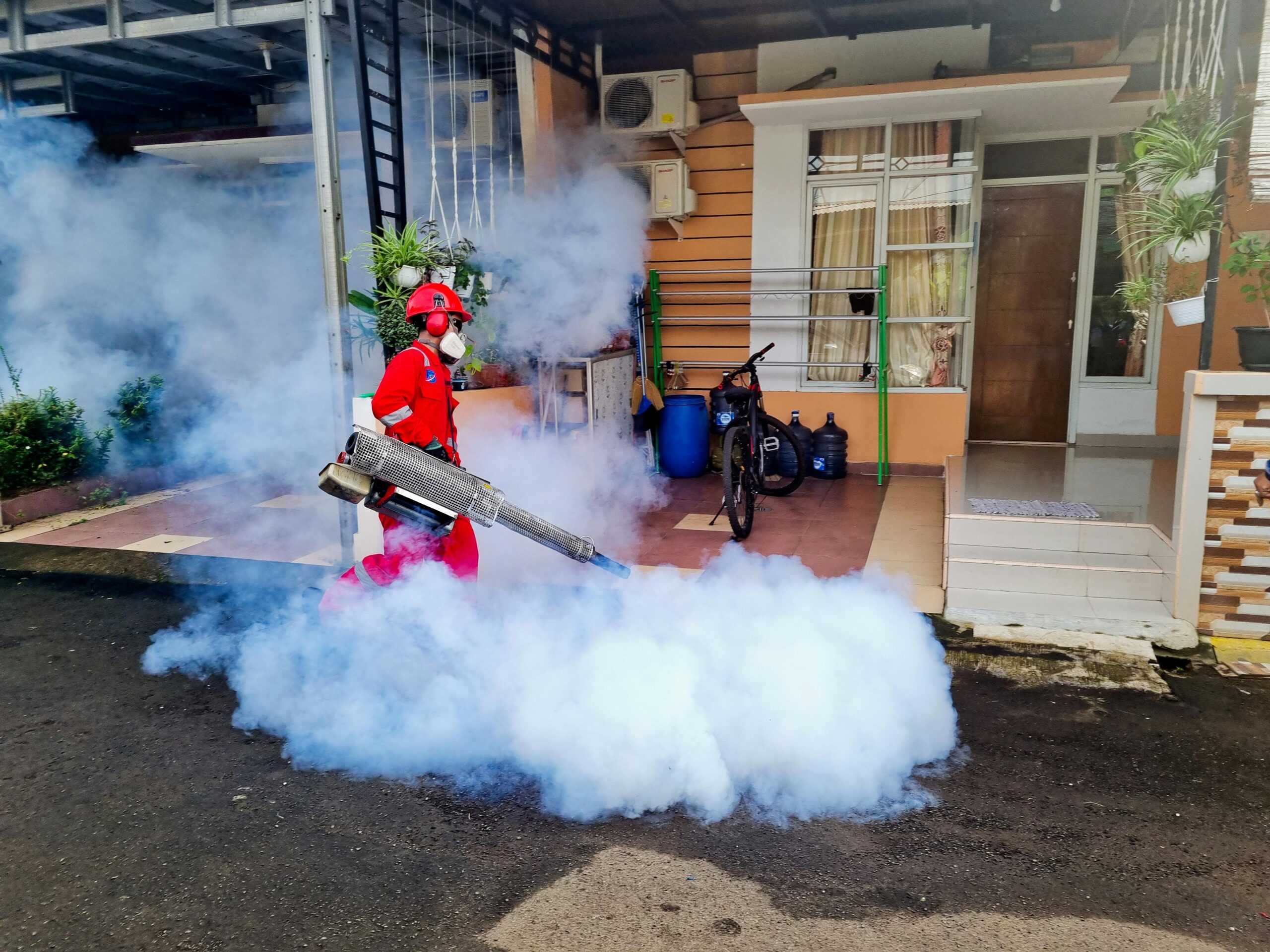
When an infestation spikes, our technicians deploy a low‑pressure fogger or smoke machine that disperses a micro‑aerosol of insecticide throughout the affected zone. The fine mist penetrates cracks and upholstery, delivering a rapid kill.
- Pros: Fast action, reaches hidden areas, and can be combined with residual products for continued control.
- Cons: Requires occupants to vacate the area temporarily; may need follow‑up treatments.
- Best for: High‑traffic kitchens, dining rooms, or after a recent sighting surge.

The smoke machine does more than just spray chemicals—it also helps seal entry points by depositing a thin residual film that discourages roaches from re‑entering. As the fog settles, it coats door frames, window sills, and baseboards, creating a protective barrier that works alongside our mechanical sealing efforts.
Integrated Pest Management (IPM) – A Balanced, Sustainable Approach
Anthem Pest Control follows an IPM philosophy that blends chemical, mechanical, and cultural tactics. First, we conduct a thorough inspection to map harborage sites. Then we apply the most appropriate treatments—gel baits, IGRs, dusts, or fogging—while simultaneously sealing cracks and removing food sources. The result is a coordinated attack that reduces reliance on chemicals and minimizes disruption to your household.
Prevention Checklist – Your Daily Defense
- Seal cracks and gaps around pipes, vents, and baseboards with caulk or expandable foam.
- Store food in airtight containers; avoid leaving pet food out overnight.
- Remove trash daily and use bins with tight‑fitting lids.
- Fix leaky faucets, pipes, and roof leaks to eliminate moisture hotspots.
- Schedule routine professional monitoring every 3–6 months to catch early signs.
By pairing these homeowner habits with Anthem’s expert follow‑up service plans, you create a layered defense that keeps cockroaches at bay year after year. A modest annual investment in monitoring and preventive treatments often saves far more in damage control, food contamination, and repeated emergency calls.
Ready to lock down your home’s protection? Give us a call at 877‑371‑8196 or visit anthempest.com to set up a customized follow‑up schedule that fits your lifestyle and budget.
Protect Your Home Today with Anthem Pest Control
Early detection of cockroach activity, timing treatments to seasonal peaks, and relying on a professional inspection are the three pillars of a pest‑free home. Catching an infestation before it spreads saves you money, protects your family’s health, and prevents the nightmare of a full‑blown invasion.
At Anthem Pest Control we specialize in safe, effective, and affordable cockroach solutions that work across the United States. Our technicians are trained to identify the species you’re dealing with, assess the extent of the problem, and apply treatments that target both the insects and the conditions that attract them.
Why Choose Anthem?
- Expertise you can trust: Years of experience handling cockroach infestations in homes just like yours.
- Safe, EPA‑approved products: We prioritize the health of your family and pets while delivering powerful results.
- Affordable plans: Transparent pricing means you know exactly what you’re paying for—no hidden fees.
Our pricing model is straightforward. You receive a free, no‑obligation quote before any work begins, and we clearly outline the cost of each service. Whether you need a one‑time treatment or an ongoing prevention program, you’ll understand the value you’re getting.
All of our technicians are locally trained, which means they’re familiar with the specific pest pressures in Suwanee, Georgia, and the surrounding areas. This local knowledge allows us to tailor solutions that address the unique challenges of your neighborhood.
If you suspect a cockroach problem or simply want peace of mind, reach out for a complimentary inspection. Our friendly team will schedule a visit at a time that works for you, walk you through the findings, and recommend the most effective next steps.
Give us a call today at 877‑371‑8196 or visit Anthem Pest Control to request your free quote. Our representatives are ready to answer any questions and set up your inspection.
Take the first step toward a cockroach-free home—schedule a cockroach inspection Suwanee homeowners trust with Anthem Pest Control today and enjoy the confidence that comes with professional, reliable protection.