Why House Centipedes Matter for Georgia Homeowners
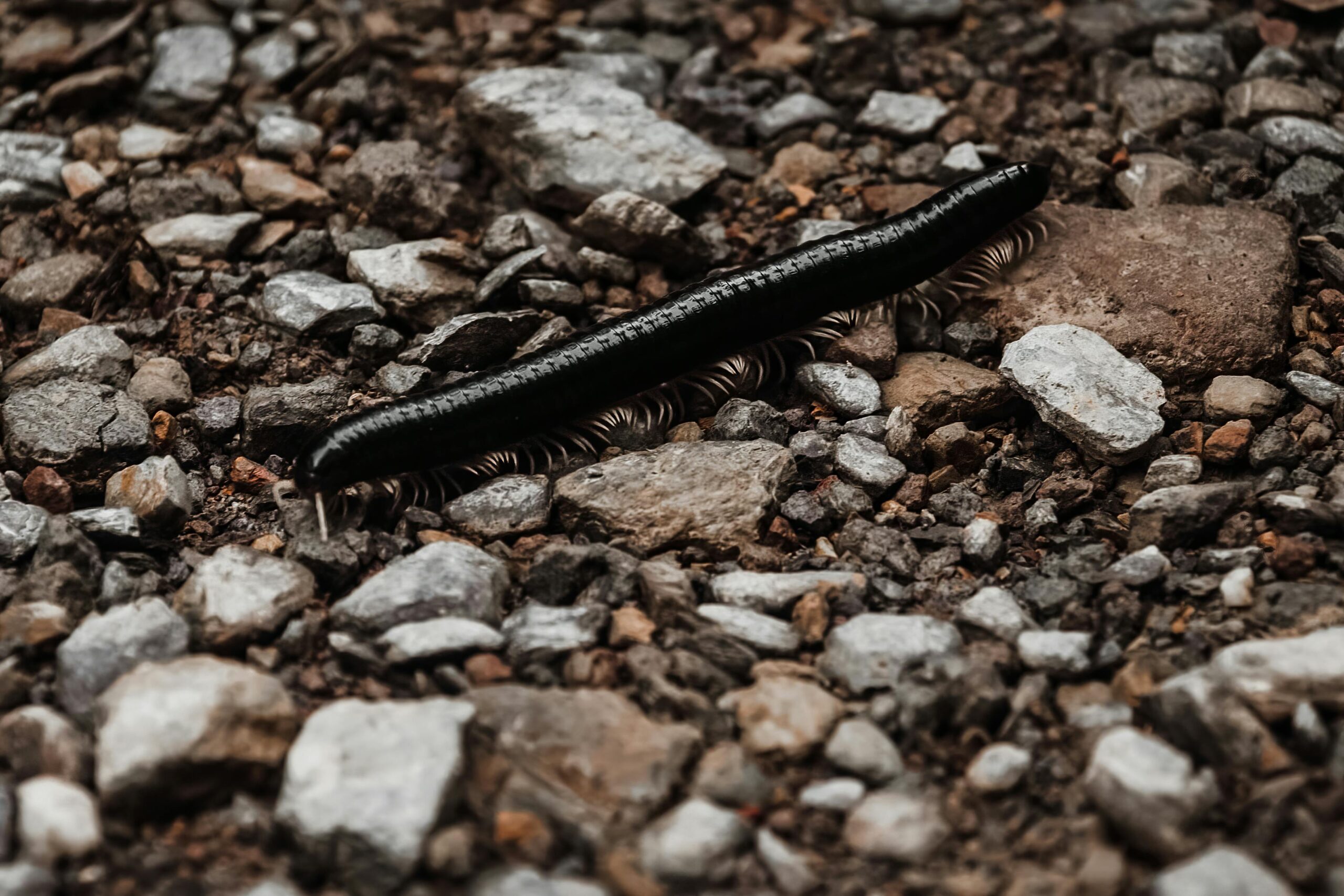
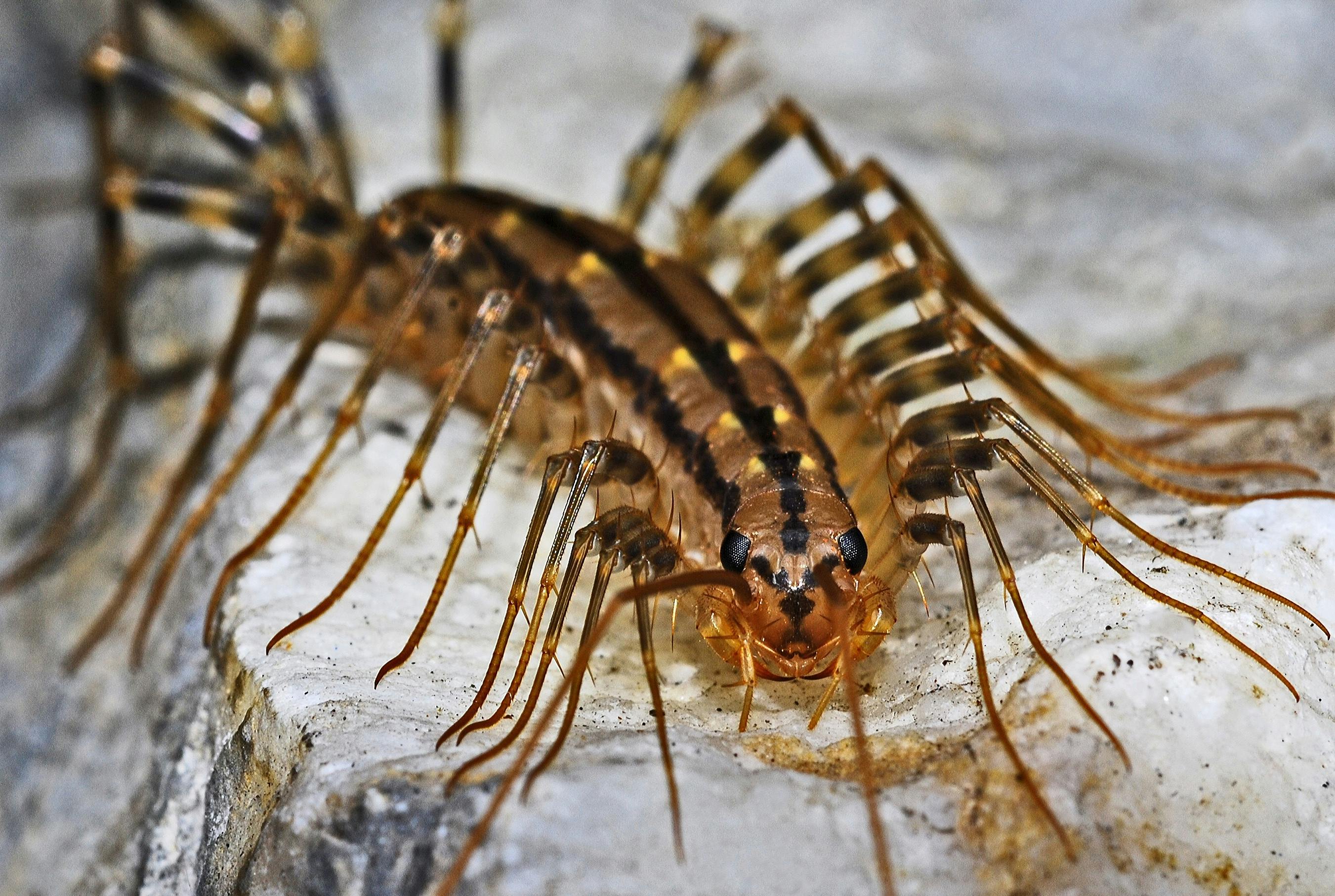
The common house centipede (Scutigera coleoptrata) is a sleek, multi‑legged arthropod you’ll often spot darting across a bathroom floor or hiding under a kitchen sink. Adults typically measure 1.5–2 inches (3.8–5 cm) in length, with a pale, yellow‑brown body and a striking banded appearance on each of its 15 pairs of long, delicate legs. Unlike the slow‑moving millipedes you might be familiar with, house centipedes are fast predators, hunting other insects at night with impressive speed and agility.
Because of their rapid movements and spindly silhouette, many Georgia homeowners mistake centipedes for dangerous pests such as spiders or even venomous insects. The reality is that house centipedes are largely harmless to people; they lack the large fangs or potent venom that true medical threats possess. However, the “creepy‑crawlier” look can trigger a visceral reaction, especially when a centipede appears unexpectedly in a bedroom or living area.
While bites from house centipedes are rare, they can occur if the creature feels cornered. A bite usually results in a mild, localized skin irritation—similar to a bee sting—rather than a severe medical emergency. In a small subset of individuals, the bite may provoke an allergic response, causing swelling or itching that lasts a few days. Even without a bite, a sudden swarm of centipedes can be a genuine nuisance, turning a quiet night into a frantic search for the source of the skittering movement.
The presence of house centipedes is often a tell‑tale sign of underlying home conditions that favor a broader pest community. Excess moisture in basements, bathrooms, or crawl spaces creates an ideal hunting ground for the insects they prey on—silverfish, spiders, and other soft‑bodied bugs. Cracks in foundation walls, gaps around doors, and poorly sealed windows provide entry points not just for centipedes but also for ants, cockroaches, and rodents. Outdoor lighting that attracts flying insects can inadvertently draw centipedes inside, as they follow their prey’s light trail. Addressing these moisture and entry issues is a proactive step that reduces centipede sightings while simultaneously curbing other pest problems.
The U.S. Environmental Protection Agency (EPA) notes that house centipedes are “beneficial predators that help control other indoor insects,” yet they also acknowledge that “high indoor humidity and structural cracks increase the likelihood of centipede infestations” (EPA, 2023). This dual nature—helpful yet unwelcome—makes it essential for Georgia homeowners to understand both the biology of the pest and the environmental factors that invite it inside. Recognizing why centipedes appear is the first step toward effective, long‑term control, and it sets the stage for the detailed identification and treatment strategies that follow.
Spotting and Identifying House Centipedes in Your Home
House centipedes ( Scutigera coleoptrata ) are the swift, silver‑striped visitors you might glimpse darting across a bathroom floor or disappearing behind a baseboard. Knowing exactly what they look like and where they tend to hide lets you separate a harmless centipede from a more troublesome pest, and it gives our technicians the right information to act quickly.
Physical traits you can’t miss
A house centipede’s body is long, narrow, and distinctly flattened, giving it a low‑profile silhouette that helps it slip into tight cracks. The most eye‑catching feature is its 15‑23 pairs of long, slender legs that fan out from each body segment like a tiny, metallic fan. These legs are usually banded with alternating light and dark stripes, creating a “zebra‑like” pattern that is easy to recognize under a flashlight.
Unlike many insects, centipedes have a pair of antennae that extend forward, and their heads are slightly rounded with a set of delicate, forward‑pointing mandibles. Their coloration ranges from pale yellow to light brown, often with a faint metallic sheen. When disturbed, they move with a rapid, jerky scurry that can cover several feet in a second—much faster than a spider or millipede.
Where they love to hide
House centipedes thrive in damp, sheltered environments where they can hunt other small insects. Typical hiding spots include:
- Basements and crawl spaces that stay cool and moist.
- Bathrooms, especially around sinks, tubs, and shower stalls.
- Behind baseboards, under floorboards, or in wall voids.
- Near windows or exterior doors where moisture gathers on the sill.
- Under piles of stored boxes, firewood, or laundry.
These locations provide the humidity centipedes need to stay active, and they also place them close to the insects they prey on—silverfish, spiders, and small flies.
How they differ from other common house critters
| Feature | House Centipede | Spider | Millipede | Cockroach |
|---|---|---|---|---|
| Body shape | Long, flattened, many segments | Compact, two main body parts (cephalothorax + abdomen) | Rounded, cylindrical, many similar segments | Broad, oval, shield‑like pronotum |
| Leg count | 15‑23 pairs (30‑46 legs) | 8 legs total | Two pairs per segment (up to 400 legs) | 3 pairs (6 legs) |
| Leg appearance | Long, slender, striped | Short, stout, often hairy | Short, thick, unstriped | Robust, slightly spined |
| Movement | Fast, erratic scurrying | Deliberate, sometimes web‑spinning | Slow, rolling when threatened | Quick, but more straight‑line runs |
| Preferred habitat | Moist, dark crevices | Web sites, corners, ceilings | Leaf litter, damp soil, basements | Warm, food‑rich areas |
Quick steps to confirm you’ve got a centipede
- Grab a flashlight. Shine the beam into cracks or under appliances. The centipede’s striped legs will reflect the light, making the pattern unmistakable.
- Watch the speed. A true house centipede darts away in a flash, often covering several feet in a heartbeat. Spiders tend to pause, and millipedes move much more slowly.
- Count the leg pairs. If you can see more than eight legs, you’re not looking at a spider. A quick glance should reveal dozens of slender legs.
- Check the body shape. The flattened, elongated silhouette is a giveaway. Cockroaches have a broader, shield‑like back.
- Feel for moisture. Centipedes are usually found in damp spots; a dry kitchen countertop is less likely to host them.
Capture a clear photo for the pros
Even with these tips, a photo can save time and ensure accurate treatment. Use your phone’s macro mode or get as close as possible while keeping the centipede in focus. Snap a shot from the side to show the leg pattern and from the top to capture the body length. When you call Anthem Pest Control, send the image along with the location details—our technicians will confirm the identification and recommend the most effective, homeowner‑friendly solution.
Seasonal Activity Patterns of House Centipedes in Georgia
House centipedes (Scutigera coleoptrata) follow a predictable rhythm in Georgia, with activity levels that rise and fall alongside the state’s temperature and humidity cycles. The seasonal chart below captures this trend: a pronounced peak in the warm, moist months of spring and summer, a tapering off in the cooler, drier fall, and a low‑level lull during winter. Understanding this pattern lets homeowners schedule inspections and treatments when they’ll be most effective.

Why Temperature and Humidity Matter
Centipedes are ectothermic predators; they rely on external heat to stay active. When daytime highs climb above 70°F (21°C) and nighttime humidity stays above 60 %, their metabolism speeds up, prompting more hunting, mating, and egg‑laying. Moist environments also keep their thin exoskeleton from drying out, which is why they gravitate toward damp basements, crawl spaces, and bathrooms during the spring‑summer surge. Conversely, cooler, drier air in fall and winter forces them to retreat to the few remaining moist refuges, often inside homes where other insects seek shelter.
Practical Seasonal Checklist
- Spring: As temperatures rise, conduct a thorough interior inspection. Look for centipedes in corners, under appliances, and near plumbing. Seal cracks around windows, doors, and foundation vents. Reduce excess moisture by fixing leaky pipes and using exhaust fans in kitchens and bathrooms.
- Summer: Bright outdoor lighting attracts insects, which in turn draws centipedes. Switch to motion‑sensor bulbs or lower‑wattage fixtures to limit the food source. In basements and crawl spaces, run dehumidifiers to keep relative humidity below 55 %, discouraging both centipedes and their prey.
- Fall: Before the first frost, perform a “pre‑winter” seal‑up. Apply weatherstripping to doors, caulk foundation gaps, and install door sweeps. Consider a preventative barrier treatment around the home’s perimeter; a professional application creates a chemical shield that deters centipedes from entering as they seek indoor warmth.
- Winter: Even when outdoor activity drops, centipedes may cluster inside where insects have moved indoors for warmth. Keep an eye on closets, basements, and pantry corners. Continue to monitor humidity levels and run a low‑setting dehumidifier if needed. A quick spot‑treatment in high‑traffic areas can prevent a winter buildup.
By aligning inspections and preventive measures with these seasonal cues, Georgia homeowners can stay one step ahead of house centipedes, reducing the chance of surprise encounters and keeping their homes comfortable year‑round.
Effective Control Options and Pricing for House Centipedes
House centipedes are fast‑moving, nocturnal hunters that love the damp corners of a home. While they’re beneficial in small numbers, an infestation signals excess moisture and hidden cracks that can invite other, more destructive pests. Understanding the most reliable treatment methods and the associated costs empowers you to choose a solution that protects your family and your property without breaking the bank.
Professional Control Methods
- Liquid barrier treatments – A licensed technician applies a perimeter spray around the foundation, doorways, and other entry points. The formulation creates a continuous chemical wall that repels centipedes before they can cross indoors.
- Interior residual sprays – Targeted sprays are placed in high‑traffic hiding spots such as baseboards, under appliances, and behind cabinets. These residues remain active for weeks, killing centipedes that walk across treated surfaces.
- Dust formulations – Incremental dusts like silica‑based products are packed into cracks, wall voids, and crawl spaces. The fine particles attach to the centipedes’ exoskeleton, causing dehydration and death without contaminating living areas.
- Integrated Pest Management (IPM) – IPM blends chemical tactics with non‑chemical steps: fixing leaky pipes, improving ventilation, and removing clutter. By eliminating the moisture and shelter that centipedes crave, the chemical interventions become far more effective and long‑lasting.
Why Choose a Licensed Technician Over DIY Sprays?
Do‑it‑yourself products may seem cheaper, but they often miss hidden entry points and lack the residual power of professional formulations. A licensed technician brings:
- Comprehensive coverage – Trained eyes locate cracks, gaps, and moisture sources that a homeowner might overlook.
- Safety assurance – Professionals know the correct dilution rates, application methods, and protective equipment, reducing the risk of accidental exposure to pets or children.
- Warranty protection – Most reputable companies, including Anthem Pest Control, back their work with a service guarantee, giving you peace of mind if centipedes return.
Pricing Overview

| Service Option | Cost | Includes |
|---|---|---|
| One‑Time Treatment | $150 | Liquid barrier, interior residual spray, dust in cracks, post‑treatment inspection |
| Quarterly Maintenance Plan | $400 per year | Four scheduled visits, re‑application of barrier and residuals, moisture‑control consultation, priority service warranty |
Cost‑Effectiveness of a Maintenance Plan
Homes with chronic moisture problems—such as leaky basements, poor ventilation, or frequent condensation—tend to see centipede activity reappear within weeks of a single treatment. The quarterly plan spreads the $400 investment across four visits, effectively costing $100 per service. When you factor in the added moisture‑control advice and the convenience of priority scheduling, the plan often saves more than $150 in repeat treatments over a year. For many Decatur homeowners, the predictable expense and ongoing protection outweigh the allure of a one‑off $150 fix.
What to Expect: Service Visit Checklist
- Initial inspection of exterior foundation and interior hiding spots.
- Discussion of findings and tailored recommendation (one‑time or maintenance).
- Application of liquid barrier, interior residual spray, and dust where needed.
- Moisture‑control tips: fixing leaks, using dehumidifiers, and improving airflow.
- Post‑treatment walkthrough and written report of work performed.
- Schedule for any follow‑up visits or maintenance appointments.
Protect Your Home Today with Professional Centipede Management

Centipedes may seem harmless, but when they multiply they can damage fabrics, bite, and signal a larger moisture problem in your home. That’s why spotting them early, understanding the seasonal peaks, and calling in a trained technician are the three pillars of lasting protection.
Why identification, timing, and treatment matter
- Accurate identification lets you target the right control methods and avoid unnecessary chemicals.
- Seasonal awareness means you treat when centipedes are most active—late spring through early fall—preventing an infestation before it spreads.
- Professional treatment combines EPA‑approved products with precise application, ensuring safety for children, pets, and the structure of your home.
Anthem Pest Control’s edge
At Anthem Pest Control we’ve spent years perfecting a safe, effective centipede program that fits into a broader, year‑round pest‑management plan. Our certified technicians assess moisture sources, seal entry points, and apply low‑odor treatments that eliminate centipedes while protecting the rest of your household. Because we treat the entire ecosystem—ants, roaches, spiders, and rodents—you get a single, transparent invoice and a pest‑free home that stays that way.
Ready for a no‑obligation inspection?
We understand that inviting a pest professional into your home can feel like a big step. That’s why we offer a free, no‑pressure quote and a thorough inspection that pinpoints the exact cause of centipede activity. There’s no commitment required—just a clear picture of what’s happening and how we can help.
Give us a call at 877‑371‑8196 or visit our website to schedule your free inspection. Our friendly team is ready to answer your questions and set up a treatment plan that fits your budget.