Understanding Millipedes and Their Impact on Georgia Homes
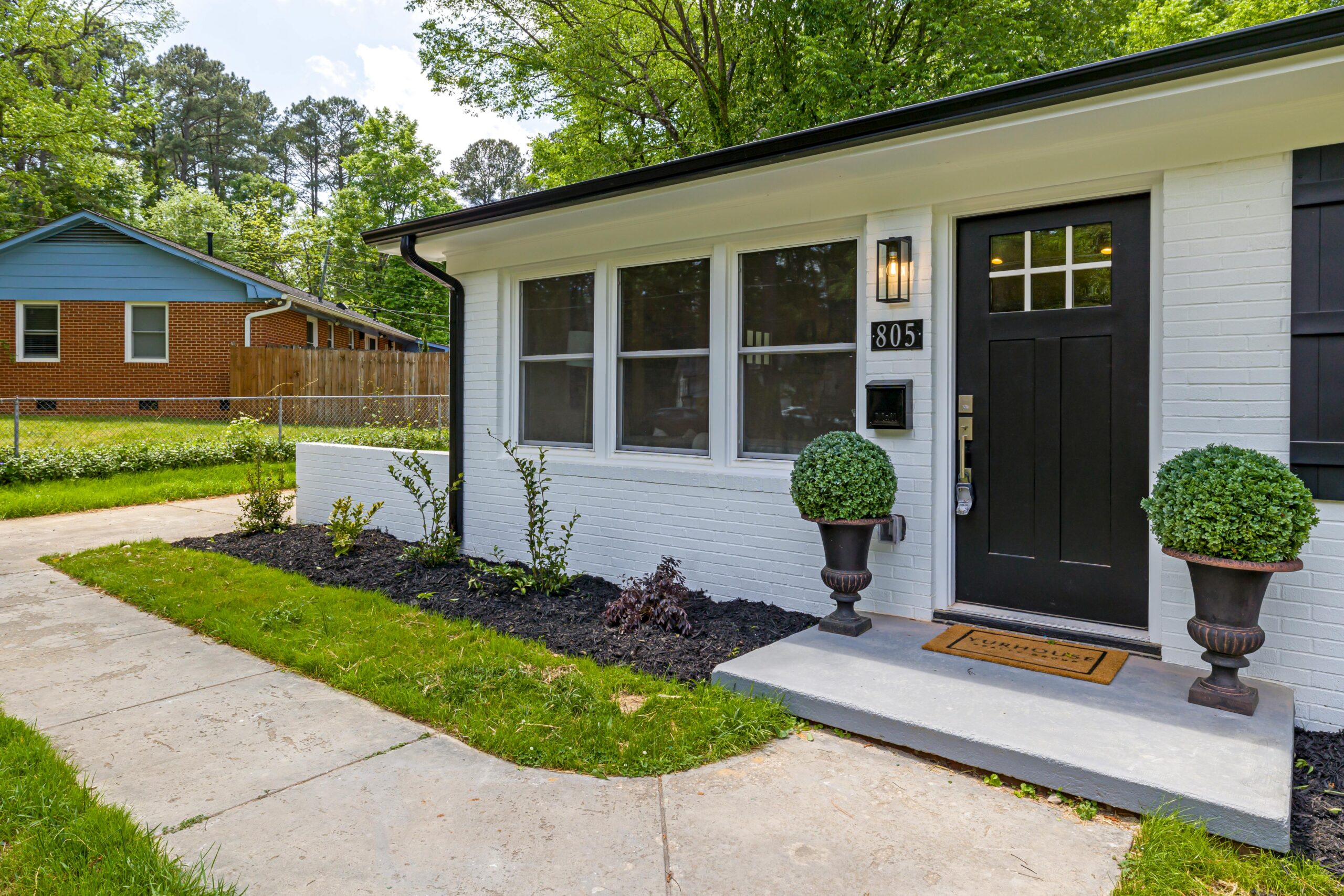
Millipedes are harmless, many‑legged arthropods that most homeowners notice only when they start marching across a patio or into a basement. In Georgia, the most common species are the Eastern Black Millipede (Narceus americanus) and the Southern Millipede (Oxidus gracilis). Both thrive in the warm, humid climate of Decatur and its surrounding neighborhoods, making them a familiar, if unwelcome, sight during the spring and fall.
Where Millipedes Like to Live
These critters favor environments that stay damp and rich in organic material. You’ll typically find them in:
- Leaf litter and decaying wood piles
- Mulch beds, especially those kept moist for ornamental plants
- Moist soil under decks, porches, and in shaded garden corners
Because residential yards often provide exactly these conditions—shaded mulch, abundant leaf fall, and irrigation—millipedes are naturally drawn to the perimeter of homes. Once they’ve established a foothold in the yard, they can easily wander indoors through foundation cracks, door sweeps, or gaps around utility lines.
Millipedes vs. Their Look‑Alikes
It’s easy to confuse millipedes with centipedes or woodlice, but a few key differences help you tell them apart:
- Body shape: Millipedes have two pairs of legs per body segment, giving them a rounded, cylindrical appearance. Centipedes have one pair per segment and tend to be flatter and more elongated.
- Movement: Millipedes move in a slow, deliberate wave, while centipedes dart quickly when disturbed.
- Defensive behavior: When threatened, millipedes coil and may release a harmless, mildly odorous liquid. Centipedes, on the other hand, can bite and are considered predators.
- Woodlice (pill bugs): These are crustaceans, not insects, and they can roll into a tight ball. Their exoskeleton is smoother and more segmented than a millipede’s.
Why Homeowners Should Care
Although millipedes do not bite, chew, or transmit disease, they can become a nuisance and, in certain situations, cause indirect damage:
- Nuisance crawling: Large numbers can create a “millipede carpet” on walkways, decks, and entryways, which is unsettling for residents and guests.
- Mulch degradation: As they feed on decaying organic matter, heavy infestations can accelerate the breakdown of mulch, leaving it thin and less effective at moisture retention for plants.
- Moisture‑related concerns: Millipedes thrive in damp conditions. Their presence in crawl spaces often signals excess moisture, which can lead to wood rot, mold growth, or attract other pests such as termites.
Best Practices for Managing Millipedes
Effective control starts with good sanitation and moisture management. Reduce leaf litter, keep mulch at least three inches away from the foundation, and fix any drainage problems that leave the soil soggy. Sealing cracks and installing door sweeps also limit indoor entry points.
For homeowners who prefer a science‑backed approach, the EPA pest‑management guidelines provide comprehensive recommendations on integrated pest management (IPM) techniques that balance effectiveness with environmental safety.
Understanding what millipedes are, where they live, and how they differ from other critters equips you to recognize early signs of an infestation and take proactive steps. At Anthem Pest Control, we combine this knowledge with locally tailored treatments to keep your Decatur home comfortable and millipede‑free.
How to Identify Millipedes in Your Yard
Spotting millipedes before they become a nuisance is easier when you know what to look for. These harmless, many‑segmented arthropods have a few tell‑tale traits that set them apart from other garden critters.
Physical Description
Millipedes boast an elongated, cylindrical body composed of dozens of tiny segments. Their coloration typically ranges from deep brown to almost black, giving them a matte appearance that blends well with soil and mulch. Unlike the rapid scurrying of centipedes, millipedes move slowly, often in a deliberate, wave‑like motion as each segment pushes the next forward.
Size and Distinguishing Features
Adult millipedes in the Decatur area usually measure between 1½ and 3 inches (about 4–7 cm). The most distinctive feature is the presence of two pairs of legs on every visible segment—a stark contrast to centipedes, which have just one pair per segment. Their bodies are rounded rather than flat, and the segments are tightly fused, creating a smooth, armor‑like surface.
Where You’ll Find Them
- Under rocks, logs, and garden ornaments where moisture collects.
- Within mulch beds, especially after a rainy spell.
- Along the foundation of homes, seeking the cool, damp environment.
- In garden beds rich in organic matter, such as compost piles.
Signs of an Infestation
When millipedes multiply, they leave visible clues:
- Clusters on sidewalks or driveways—you may notice groups of tiny, dark silhouettes after a rain.
- Wet‑looking patches—their slime secretions can create a slightly shiny, damp area on hard surfaces.
- Millipede droppings—small, pellet‑like frass that resembles tiny rice grains scattered near their hiding spots.
Tips for Confirming Identification
When you think you’ve found a millipede, a quick verification can prevent misidentification with similar pests:
- Grab a magnifying glass or a simple jeweler’s loupe. Look for the two pairs of legs per segment and the rounded body shape.
- Compare the specimen to the macro photo below. Notice the uniform dark hue and the smooth, cylindrical form.
- If possible, gently lift the creature onto a white piece of paper. The contrast will highlight the segmented outline and leg arrangement.

By familiarizing yourself with these visual cues, you’ll catch millipede activity early—before they gather in large numbers and create the slippery, wet patches that can be unsettling for homeowners. Early detection also gives you a wider window to apply preventative measures, such as reducing excess moisture, clearing debris, and, if needed, contacting a professional service like Anthem Pest Control for targeted treatment.
Seasonal Activity Patterns of Millipedes in Georgia
Life‑cycle basics and the role of temperature and moisture
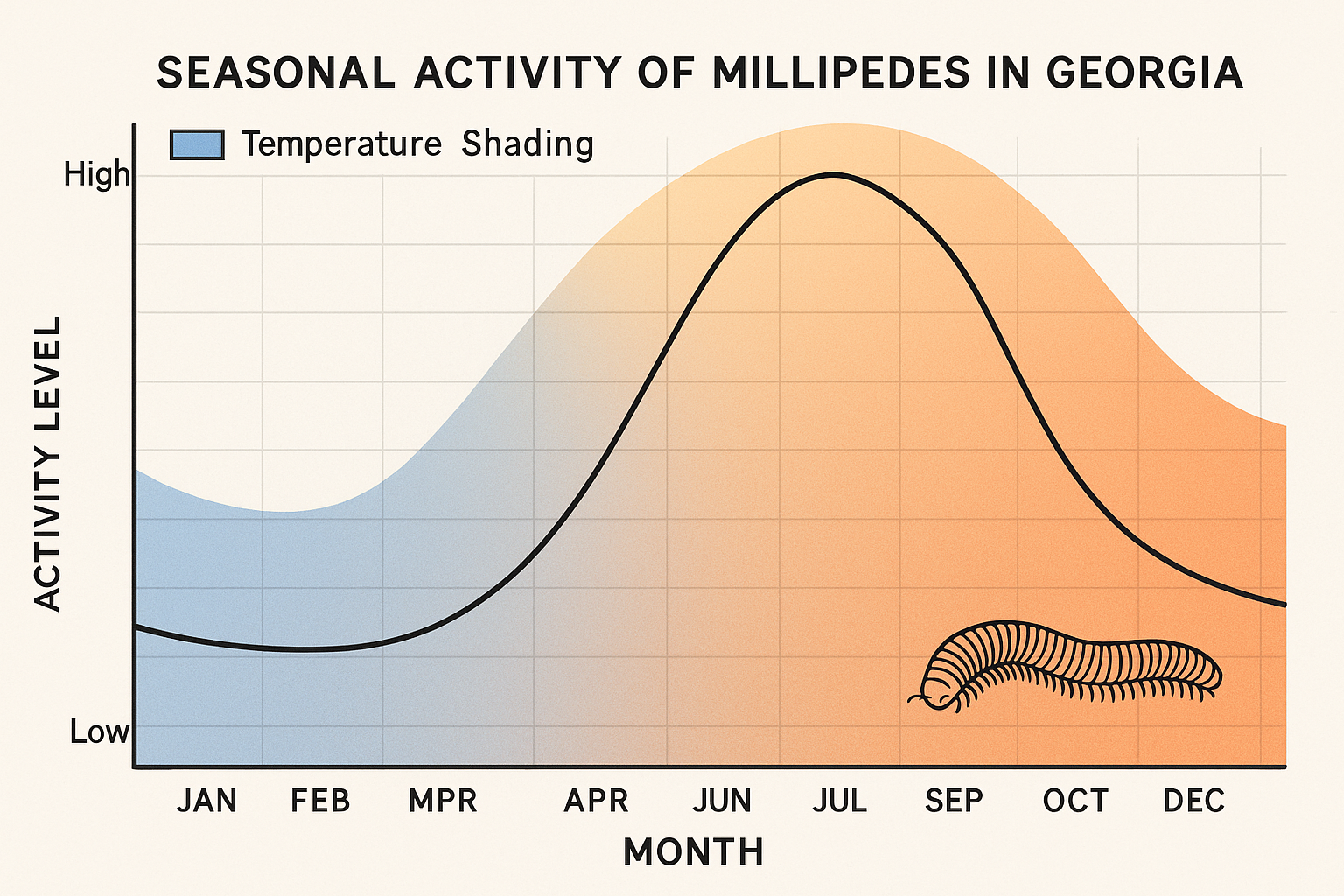
Millipedes move through three distinct stages: egg, juvenile (often called a “nymph”), and adult. Eggs are deposited in damp soil or under leaf litter during late summer. When temperatures stay above 55 °F (13 °C) and the ground remains moist, the eggs hatch and juveniles begin a series of molts that can take several weeks. Adult millipedes emerge in late spring, but they only become truly active when humidity exceeds roughly 70 % and night temperatures stay in the 60‑70 °F range. In Georgia’s climate, these conditions cluster in the spring and early summer, creating a predictable window of heightened activity.
Reading the seasonal activity line chart
The chart above plots average millipede counts per month across a five‑year span. The line climbs steadily from March, peaks sharply in May and June, then tapers off through August. Activity drops to a low plateau from September to February, with a modest secondary rise in October during occasional autumn rains. The steep ascent in May signals the period when juveniles are completing their final molts and adults are seeking mates, while the gradual decline after July reflects drying soils and cooler nights that suppress movement.
Why Georgia’s rainy season fuels a surge
April through July marks the state’s primary rainy season, delivering an average of 4‑6 inches of precipitation per month. Each rain event raises soil moisture, softens leaf litter, and creates the humid micro‑environments millipedes love. As a result, the population that emerged from overwintering eggs finds abundant food and ideal breeding conditions, leading to the dramatic spike seen on the chart. Homeowners often notice swarms crawling along foundations, patios, or indoor doorways during this window.
Impact of weather anomalies
Unusually dry years can flatten the peak, pushing the highest activity into late June or even early July when a late‑season storm finally raises moisture levels. Conversely, an exceptionally wet spring—think prolonged thunderstorms or a tropical system—can advance the peak to April, with higher overall counts that linger into August. These shifts matter because they alter the optimal timing for preventative treatments; a missed early‑season spray may be less effective if the population bursts earlier than usual.
Practical steps for homeowners
- Monitor moisture levels: Use a simple soil moisture meter around your foundation and in garden beds. When readings consistently stay above 30 % after a rain, consider it a red flag.
- Trim excess mulch: Mulch retains water. After the June peak, thin back any mulch layers thicker than two inches to encourage faster drying.
- Seal entry points: Check for gaps around doors, windows, and utility penetrations before the rainy season begins; seal with caulk or weather‑stripping.
- Schedule a pre‑emptive treatment: Target the first two weeks of May, just before the chart’s steep climb, to disrupt breeding cycles.
- Keep gutters clear: Ensure rainwater drains away from the house foundation to avoid creating a permanent moisture reservoir.
Prevention Strategies to Keep Millipedes Out of Your Home
Millipedes love damp, dark places—exactly what most crawl spaces and foundation cracks provide. Before you pick up the phone for a professional visit, there are several inexpensive, homeowner‑friendly steps you can take to make your property less inviting. Implement these measures early in the season, and you’ll dramatically cut the chances of a millipede invasion.
Reduce Excess Moisture
Moisture is the single biggest attractant for millipedes. Start by tackling any water‑related issues around the house:
- Fix leaky gutters and downspouts. Redirect runoff at least three feet away from the foundation using splash blocks or a gentle slope.
- Improve yard drainage. Grade soil so water flows away from the house, and consider installing a French drain in persistently soggy areas.
- Use dehumidifiers. In crawl spaces or basements, keep humidity below 50 %. A small, energy‑efficient dehumidifier can lower moisture levels without breaking the bank.
By keeping the ground around your home drier, you remove the primary food source—decaying organic material—that draws millipedes indoors.
Landscape Adjustments
What you place next to your foundation matters. Simple landscaping tweaks create a physical barrier that millipedes struggle to cross:
- Mulch depth. Keep mulch no deeper than 2‑3 inches. Thicker layers retain moisture and provide a perfect hiding spot.
- Remove leaf piles. Fallen leaves are a millipede buffet. Rake them away regularly, especially after storms.
- Gravel or sand barrier. Spread a 2‑inch layer of coarse gravel or sand directly against the foundation. The gritty surface discourages millipedes from climbing onto the house.
These adjustments not only deter millipedes but also improve overall yard health, reducing the likelihood of other moisture‑loving pests.
Seal Entry Points
Even the smallest cracks can serve as highways for millipedes. A quick inspection and seal can make a huge difference:
- Caulk gaps. Use a high‑quality silicone or acrylic caulk around windows, doors, and utility penetrations.
- Install door sweeps. Attach sweeps to exterior doors to block the gap at the threshold.
- Repair foundation cracks. For larger openings, apply hydraulic cement or a concrete patching compound. If you’re unsure, a brief call to a local contractor can save time.
Sealing these pathways not only stops millipedes but also improves energy efficiency by reducing drafts.
Natural Deterrents
If you prefer a chemical‑free approach, several natural products work well against millipedes. Here’s how they function and how to apply them safely:
- Diatomaceous earth (DE). This fine silica powder scratches the exoskeletons of millipedes, causing dehydration. Sprinkle a thin line of food‑grade DE around foundation walls, doorways, and any known entry points. Reapply after heavy rain.
- Cedar oil. The strong aroma repels many arthropods. Mix a few drops of cedar essential oil with water in a spray bottle and mist the perimeter of your home and garden beds weekly.
- Beneficial nematodes. These microscopic worms parasitize soil‑dwelling insects and millipedes. Apply a nematode solution to garden soil and around the foundation according to the product’s directions; they remain active for several weeks.
All three methods are low‑cost, readily available at garden centers, and safe for pets and children when used as directed.
When DIY Methods Aren’t Enough
Even the best DIY routine can be overwhelmed by a large millipede population, especially after heavy rains. Look for these warning signs that professional help is warranted:
- Frequent sightings inside living spaces despite sealed entry points.
- Large congregations near doors, windows, or in basements.
- Persistent moisture problems that you cannot control on your own.
In those cases, a professional perimeter treatment—often a targeted, low‑toxicity pesticide applied around the foundation—creates a lasting barrier that keeps millipedes (and other pests) at bay. Anthem Pest Control offers transparent pricing and environmentally conscious options, ensuring you get effective protection without surprise costs.
Professional Treatment Options and What to Expect

Perimeter Chemical Barrier
Our technicians start by creating a continuous chemical shield around the exterior of your home. Using EPA‑approved products such as bifenthrin or permethrin, we apply a low‑toxicity spray that targets millipedes as they crawl along foundations, mulch, and drainage areas. The formulation is designed to remain effective for up to 12 weeks while posing minimal risk to pets and children when applied according to label directions.
Safety is paramount: we wear protective gear, mask off windows and doors, and advise you to keep pets indoors until the spray dries—usually a 15‑minute window. The barrier not only stops millipedes from entering but also reduces the likelihood of future invasions by disrupting their travel routes.
Spot Treatments for Interior Infestations
If millipedes have already made their way inside, we focus on targeted spot treatments. Crack‑and‑crevice sprays are directed into baseboards, wall voids, and floor gaps where these arthropods hide during the day. For larger, localized outbreaks, we may deploy a fogger that releases a fine mist of fast‑acting insecticide, ensuring coverage in hard‑to‑reach corners.
All interior applications are low‑odor and dry quickly, allowing you to resume normal activities within an hour. We also provide clear instructions on any temporary precautions, such as covering food or ventilating rooms, to keep your household safe.
Integrated Pest Management (IPM) Approach
Anthem Pest Control follows an IPM framework that blends monitoring, habitat modification, and selective chemistry. First, we conduct a thorough inspection to identify moisture sources, debris piles, and vegetation that attract millipedes. By trimming back leaf litter, fixing leaky gutters, and improving drainage, we remove the conditions that make your property inviting.
After environmental tweaks, we apply targeted chemicals only where monitoring indicates activity. This reduces overall pesticide use while maintaining high efficacy. The IPM strategy also includes periodic follow‑up visits to reassess conditions and adjust treatment plans as needed.
Frequency of Applications
Most homeowners benefit from a one‑time perimeter barrier followed by a quarterly maintenance schedule. The initial treatment establishes immediate protection, while the quarterly visits reinforce the barrier and address any new hotspots that develop with seasonal changes.
For properties with chronic moisture problems or high millipede pressure, we may recommend a semi‑annual deep‑clean and retreat. Our transparent pricing lets you choose a plan that fits your budget without hidden fees.
What Homeowners Should Expect on Service Day
Before we arrive, clear a path to the foundation and move outdoor furniture or plant pots away from the house. Inside, close windows and doors, and secure pets in a safe area. Our technician will arrive in a branded uniform, equipped with a respirator, gloves, and all necessary tools.
During the service, you’ll see the technician apply the perimeter spray, treat interior cracks, and discuss any IPM recommendations. After treatment, we’ll ask you to ventilate the home for at least 15 minutes—simply opening a window or running a fan is sufficient. Finally, we’ll provide a brief report outlining what was done, any follow‑up steps, and the schedule for your next visit.
Cost Comparison for Millipede Control in the Metro Atlanta Area
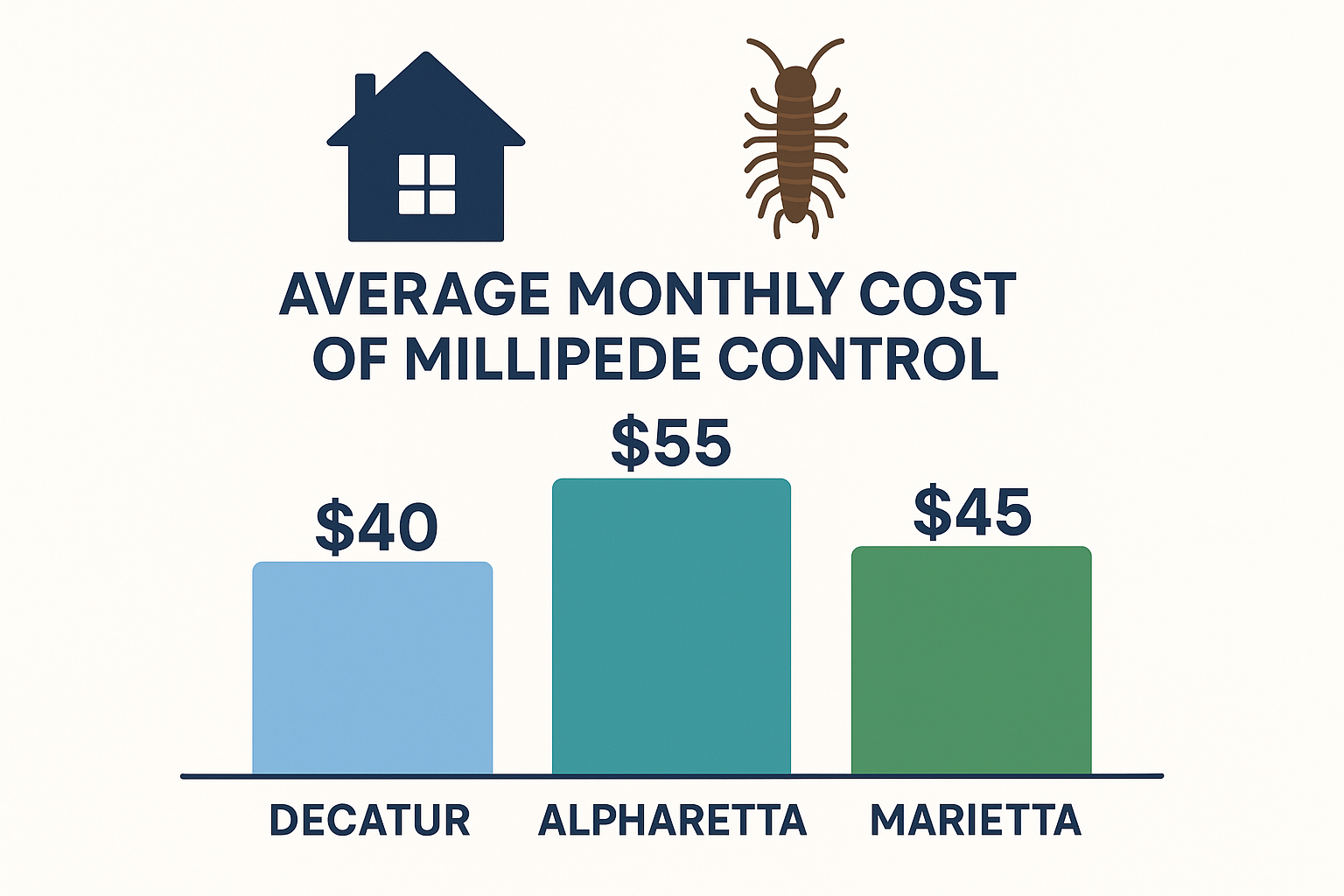
Understanding how much professional millipede control costs in Metro Atlanta helps you budget without surprises. The bar‑chart above visualizes the average monthly price homeowners pay in three key suburbs: Decatur, Alpharetta, and Marietta. While the numbers differ slightly, they all reflect a transparent, all‑inclusive service model.
What’s Included in the Quoted Price?
When Anthem Pest provides a quote, you’re not just paying for a spray bottle. The fee typically covers three essential components:
- Comprehensive inspection: A certified technician walks your property, identifies entry points, and gauges infestation severity.
- Barrier application: A perimeter treatment using EPA‑approved, low‑toxicity chemicals creates a protective shield that discourages millipedes from crossing onto your lawn or foundation.
- Follow‑up visit: One month after the initial barrier, the technician returns to assess effectiveness, touch up high‑risk zones, and answer any questions you may have.
One‑Time Treatment vs. Annual Maintenance Plans
Homeowners can choose between a single, intensive treatment or an ongoing maintenance contract. A one‑time treatment usually runs $180‑$250 per service, depending on property size and infestation level. This option is ideal for occasional sightings or for properties with simple landscaping.
An annual maintenance plan spreads the cost across four visits per year, averaging $120‑$150 per visit. The plan includes seasonal adjustments, ensuring the barrier stays effective through rain, heat, and the natural millipede life cycle. Over a full year, the plan can save 10‑15 % compared with four separate one‑time treatments.
Key Factors That Influence Cost
| Factor | How It Impacts Price |
|---|---|
| Property size | Larger lawns and multiple structures require more product and labor, raising the base fee. |
| Infestation severity | Heavy populations demand higher concentrations of treatment and possibly additional follow‑ups. |
| Landscape complexity | Rock gardens, mulch beds, and dense shrubbery create hidden pathways, increasing prep time and material usage. |
| Location within Metro Atlanta | Neighborhoods with higher humidity (e.g., Decatur) may need more frequent barrier refreshes. |
Quick Tip for Getting an Accurate Quote
Schedule an on‑site inspection during the early summer months, when millipedes are most active. A technician can see the exact hotspots, assess soil moisture, and factor in your landscaping nuances. This hands‑on evaluation eliminates guesswork, ensuring the estimate you receive reflects the true scope of work.
By comparing the average costs shown in the chart, understanding what each service includes, and recognizing the variables that affect pricing, you can make an informed decision that protects your home without breaking the bank.
Take Action Today to Protect Your Home from Millipedes
Quick Recap
Millipedes become most visible in late summer and early fall when the soil dries out and they search for cool, damp places. You’ll know they’re present if you spot long, many‑legged crawlers crossing your porch, find silvery trails in mulch, or notice clusters under foundation stones. Simple prevention steps—eliminating excess moisture, sealing cracks, and keeping wood debris away from the house—can dramatically reduce the chance of an invasion.
Why Timing Matters
Addressing a millipede problem early stops a small nuisance from turning into a costly, widespread issue. A few dozen insects are easy to manage, but once they establish a breeding ground in your landscape, numbers can explode, attracting other pests and creating unpleasant odors from decomposing bodies. Professional treatment applied at the first sign of activity prevents the population from reaching a tipping point, saving you time, effort, and potential damage to siding or landscaping.
Simple Steps You Can Take Tonight
Start by turning off any exterior lights that attract insects, then sweep away any millipedes you see and place them in a bucket of soapy water. Move wood piles, leaf litter, and garden debris at least three feet from the foundation, and run a garden hose along the perimeter to dry out moist soil pockets. Finally, check and repair any cracked caulking around windows and doors.
Anthem Pest Control’s Edge
Anthem Pest Control brings Georgia‑wide experience in EPA‑compliant millipede management. Our certified technicians know the local species, their seasonal behavior, and the most effective, low‑toxicity products for residential use. We combine targeted soil applications with perimeter barriers, ensuring the insects are eliminated where they hide while protecting your family, pets, and beneficial garden insects. We also perform a thorough inspection of your crawl spaces and drainage systems, identifying hidden moisture sources that attract millipedes. After treatment, we provide a detailed follow‑up report and schedule a seasonal check‑up to ensure the population stays below damaging levels. Our commitment to EPA guidelines means we use products that are low in toxicity yet highly effective.
If you’ve noticed millipedes marching across your porch or suspect they’re hiding in your mulch, our certified technicians can assess the situation, recommend the right treatment plan, and give you peace of mind—all with transparent pricing and a free quote.
Take the next step and let Anthem Pest Control safeguard your home. Call us now at 877-371-8196 for a free, no‑obligation quote, or visit our website at Anthem Pest Control.