Why Fruit Flies Become a Homeowner’s Nauseance
What Are Fruit Flies?
Fruit flies belong mainly to the Drosophila genus, with the common household species Drosophila melanogaster measuring just 1/8 to 1/4 inch long. Despite their tiny size, they complete a life cycle—from egg to adult—in as little as seven days under ideal conditions, and an individual can live up to a month. This rapid turnover means a few stray eggs can quickly blossom into a visible infestation.
How They Slip Inside
Their preferred highways are the very places we keep food. Overripe bananas, soft berries, or a forgotten slice of cake emit the sugary aromas fruit flies love, drawing them to kitchen counters and fruit bowls. Moisture‑rich environments such as sink drains, garbage disposals, and compost bins serve as breeding grounds, while houseplants with damp soil provide a secondary sanctuary. Even a small crack around a window or a poorly sealed door can become a gateway, allowing these agile insects to infiltrate every room.
Health and Home Implications
Fruit flies are more than a visual annoyance. As they feed on fermenting organic matter, they can transfer bacteria and yeast onto food surfaces, raising the risk of food‑borne illnesses. Their presence also attracts larger pests—ants, cockroaches, and even rodents—seeking the same food sources. For sensitive individuals, the sheer number of winged insects can trigger allergic reactions or exacerbate asthma symptoms, especially in poorly ventilated kitchens.
Economic Toll
Every week that a fruit‑fly problem lingers translates into wasted produce and the need for extra cleaning supplies. Homeowners often find themselves scrubbing countertops, emptying drains, and discarding perfectly edible fruit simply to break the breeding cycle. In more severe cases, the infestation spreads to other rooms, prompting the need for professional treatment, which adds a measurable cost to an otherwise avoidable problem.
What the Numbers Say
According to the U.S. Environmental Protection Agency, indoor fly pesticides—many of which target fruit flies—represent roughly 12% of all residential pesticide applications each year. This figure underscores how common the issue is and why a proactive, safe, and affordable approach, like the one Anthem Pest Control offers, can save both health and money in the long run.
Spotting Fruit Flies – Visual Identification Guide
Fruit flies are tiny, but their presence can quickly become a nuisance in any kitchen. An adult Drosophila melanogaster measures just 1/8 to 1/4 inch (3‑6 mm) long, sporting a tan‑brown body that blends easily with ripe fruit skins. Their most recognizable features are the bright red eyes that sit above a pair of delicate, translucent wings. When they hover, you’ll notice the wings flash like a miniature glass pane—an unmistakable cue that you’re dealing with fruit flies rather than a larger housefly.
How Fruit Flies Differ From Common Look‑Alikes
- Houseflies: Typically 1/2 inch long, with gray‑black bodies, prominent veins on opaque wings, and dark, compound eyes. They’re bulkier and move in a more erratic, “buzzing” pattern.
- Gnats: Many gnats share the small size of fruit flies, but most have darker, often black eyes and lack the characteristic red eye sparkle. Their wings are usually more opaque, and they tend to congregate near moist soil rather than fruit.
- Fruit flies: The red eyes, tan‑brown thorax, and clear wings set them apart. They’re attracted specifically to fermenting sugars, which is why you’ll see them hovering over fruit bowls or trash.
Where Fruit Flies Like to Hang Out
Understanding where fruit flies love to congregate helps you catch them early. Typical hotspots in a Decatur home include:
- Open fruit bowls or produce drawers left at room temperature.
- Trash cans that hold food scraps, especially if the lid isn’t sealed.
- Sink drains, garbage disposals, and even damp mop buckets where organic residue accumulates.
- Compost bins or recycling containers that hold sugary liquids.
These areas provide the fermenting environment fruit flies need to lay eggs. If you notice a steady stream of tiny flies near any of these spots, it’s time to investigate further.
Confirming an Infestation
The quickest way to verify a fruit fly problem is to set out a simple trap. A vinegar trap—a shallow dish filled with apple cider vinegar, a drop of dish soap, and a piece of overripe fruit—will lure flies in minutes. If you start seeing dozens of trapped flies within a few hours, you’re dealing with more than a stray visitor.
For a more definitive assessment, use sticky traps. Place yellow adhesive cards near suspected hotspots (e.g., under the fruit bowl or at the drain opening). Fruit flies are attracted to the color yellow; a cluster of captured insects on the card confirms an active breeding site.
Close‑Up Look: Key Features to Spot
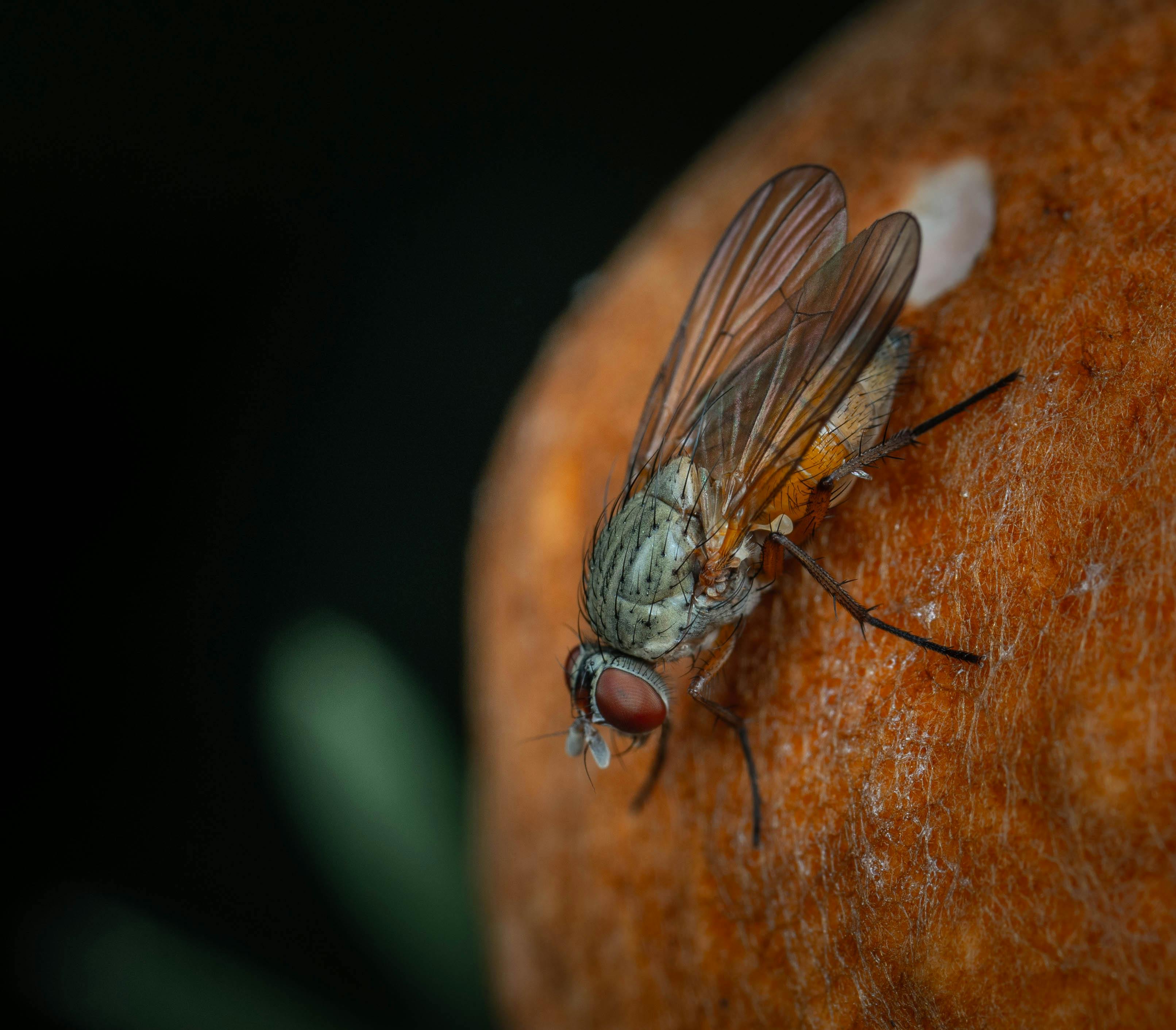
The photograph above highlights the diagnostic traits: the vivid red eyes dominate the head, the wings are almost invisible until the fly is in motion, and the body’s tan‑brown hue is uniform across the thorax and abdomen. Use this visual reference whenever you’re uncertain—matching these details with what you see in your kitchen will give you confidence in your identification.
Early detection saves you time, money, and the frustration of a full‑blown infestation. By mastering these visual cues and confirming with inexpensive traps, you’ll be equipped to act quickly—whether that means a DIY cleanup or calling Anthem Pest Control for professional treatment.
Inspecting Your Home for Fruit Fly Hotspots

Fruit flies are tiny, but they love to congregate where moisture and organic matter meet. A systematic walk‑through of your property helps you spot the hidden breeding spots before an infestation takes off. Follow this step‑by‑step guide to locate the hotspots and gauge how serious the problem is.
1. Interior inspection – where flies love to linger
Start in the kitchen, the most common arena for fruit flies. Examine every countertop surface, paying special attention to the edges of appliances, the sink lip, and any crumbs that have settled in the cracks. Open cabinets and pantry shelves; look for overripe fruit, spilled juice, or forgotten vegetable peelings. Even a single piece of rotting banana can become a breeding cradle.
Next, move to the garbage area. Empty the trash can, then wipe the interior with a mild disinfectant. Check the lid and the surrounding floor for sticky residue or dampness. If you use a compost bin indoors, ensure it is sealed tightly and emptied regularly – a moist compost pile is a perfect larval nursery.
Don’t forget drains. Fruit flies can lay eggs in the organic film that builds up inside sink and floor drains. Run hot water for a minute, then pour a mixture of baking soda and vinegar. After the fizz settles, shine a flashlight into the pipe; tiny specks of movement may indicate a hidden colony.
2. Exterior checks – extending the hunt outside
Fruit trees and berry bushes near your home can attract adult flies that later wander indoors. Walk around any fruit‑bearing plants, prune over‑ripe fruit, and clean up fallen debris. Outdoor trash bins should have tight‑fitting lids; inspect the rims for moisture or food residue.
Pet waste is another overlooked source. Even if you scoop the yard daily, a small amount of damp droppings can sustain larvae. Rake the area, dispose of waste in a sealed bag, and rinse the spot with water to eliminate lingering scent trails.
3. Essential tools for a thorough sweep
- Flashlight: Reveals dark corners, under appliances, and inside drains.
- Magnifying glass: Helps you spot tiny larvae or eggs on surfaces.
- Disposable gloves: Keep your hands clean while handling trash or compost.
- Sticky traps: Place a few near suspect areas; the number of trapped flies gives you a quick risk gauge.
4. Documenting what you find
Take a photo of each potential hotspot – a sticky trap with flies, a damp drain, or a pile of rotting fruit. Store the images in a simple folder on your phone and add a brief note describing the location, date, and severity (e.g., “kitchen sink drain, moderate moisture, 3‑day inspection”). This record not only helps you track progress but also provides a clear picture for a professional technician if you decide to call in help.
5. When a professional pest technician adds value
Even the most diligent homeowner can miss concealed sites such as wall voids, HVAC ducts, or underground drainage systems. A certified Anthem Pest technician brings specialized equipment – like infrared cameras and moisture meters – that can detect hidden infestations without tearing apart walls. Moreover, the technician can confirm whether the fruit fly species you’re dealing with requires a targeted treatment plan, saving you time and money.
By completing this inspection, you’ll know exactly where the problem lives and how urgent the response needs to be. Armed with that knowledge, you can either tackle the hotspots yourself with the tools listed above or schedule a prompt visit from Anthem Pest Control to eliminate the colony for good.
Treatment Options and Pricing for Fruit Fly Control
DIY Methods
Many homeowners start with simple, low‑cost solutions that can keep a light fruit fly problem at bay. A classic vinegar trap—mixing equal parts apple cider vinegar and water, adding a few drops of dish soap, and covering the bowl with plastic wrap pierced with tiny holes—creates an irresistible bait that lures flies into a watery death. For flies breeding in kitchen drains, pouring boiling water down the sink twice a week can disrupt larvae and eggs. Enzyme‑based drain cleaners break down organic build‑up, removing the food source that fruit flies love and preventing future infestations without harsh chemicals.
Chemical Options
When DIY tricks aren’t enough, EPA‑registered indoor sprays and baits provide a more aggressive attack. Sprays formulated for fruit flies can be applied to countertops, trash cans, and window sills, delivering rapid knock‑down while leaving residues that deter re‑infestation. Bait stations, often containing a sugar‑based attractant laced with a low‑toxicity insecticide, target adult flies and interrupt their breeding cycle. Safety is paramount—always read the label, wear gloves, and keep products away from food prep areas. For detailed safety guidelines, refer to the EPA’s pesticide safety page.
Professional Services
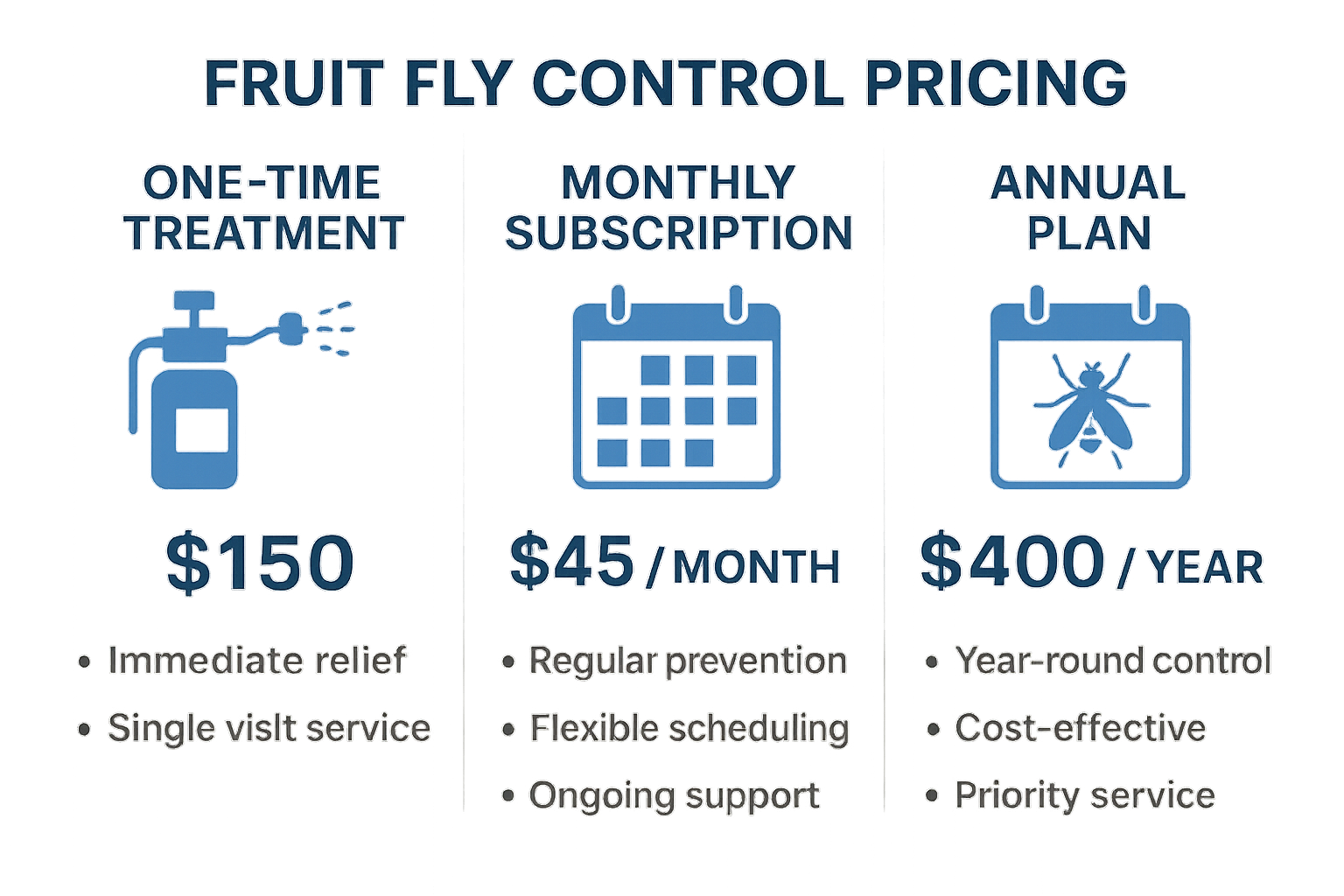
Anthem Pest Control offers three structured service tiers designed to match the severity of your fruit fly problem and your budget. A one‑time treatment includes a thorough inspection, targeted spray applications, and a follow‑up visit to ensure the infestation is eliminated. The monthly subscription adds quarterly inspections, preventive sprays, and access to emergency visits should flies return between scheduled visits. For the most hands‑off approach, the annual plan bundles four seasonal visits, comprehensive drain treatments, and a guaranteed response time for any unexpected flare‑ups.
| Option | Typical Price | Service Frequency | Key Benefits |
|---|---|---|---|
| DIY Vinegar Trap | $5‑$10 for materials | As needed (replace weekly) | Very low cost, easy to set up, no chemicals |
| DIY Boiling Water/Enzyme Cleaner | $10‑$20 per month | Weekly | Effective for drain‑borne flies, safe around pets |
| EPA‑Registered Spray/Bait | $25‑$45 per product | Every 2‑3 weeks as needed | Fast knock‑down, can treat hidden areas |
| One‑Time Professional Treatment | $150‑$250 | Single visit (+ 1‑week follow‑up) | Expert inspection, thorough application, warranty |
| Monthly Subscription | $30‑$45 per month | Monthly visits | Continuous monitoring, priority scheduling, discounts on supplies |
| Annual Plan | $300‑$400 per year | Quarterly visits | All‑in‑one protection, seasonal adjustments, emergency call‑outs |
How to Choose the Right Plan
Start by gauging the infestation severity. If you only see a few flies near fruit bowls, a DIY trap or a single spray may suffice. Persistent flies around kitchen drains or a sudden surge after a party usually signal a larger breeding source—here, enzyme cleaners combined with a targeted spray can buy you time before calling a professional.
Budget considerations also play a big role. DIY methods keep costs under $20 per month but require consistent effort and monitoring. A one‑time professional visit is a solid middle ground for moderate problems, offering expert treatment without the ongoing expense of a subscription. For homeowners who prefer “set it and forget it,” the monthly or annual plans provide peace of mind, especially in humid Georgia summers when fruit flies thrive.
Finally, factor in safety and convenience. If you have young children, pets, or a preference for chemical‑free solutions, stick with enzyme cleaners and traps. If you need rapid results and want to eliminate hidden larvae in hard‑to‑reach areas, professional services equipped with EPA‑registered products are the safest bet. By matching the level of infestation with the appropriate treatment tier, you can control fruit flies effectively without overspending.
Seasonal Patterns – When Fruit Flies Are Most Active
Life Cycle and Temperature Dependence
Fruit flies (Drosophila spp.) complete their entire life cycle—from egg to adult—in as little as seven days when temperatures hover around 80°F (27°C). Below 60°F (15°C) development slows dramatically, and the insects may enter a dormant pupal stage that can last weeks. Because each generation can multiply 10‑fold in a week under optimal warmth, the number of flies you see is directly tied to how hot and humid the environment is.
In Decatur, Georgia, the average spring temperature climbs into the mid‑70s by early April, creating the perfect incubator for the first wave of flies. Summer peaks in August with highs above 90°F, allowing three to four overlapping generations per month. As temperatures dip in late October, reproductive rates drop, and the population gradually wanes until winter’s chill forces most flies indoors, where they survive on leftover fruit residues.
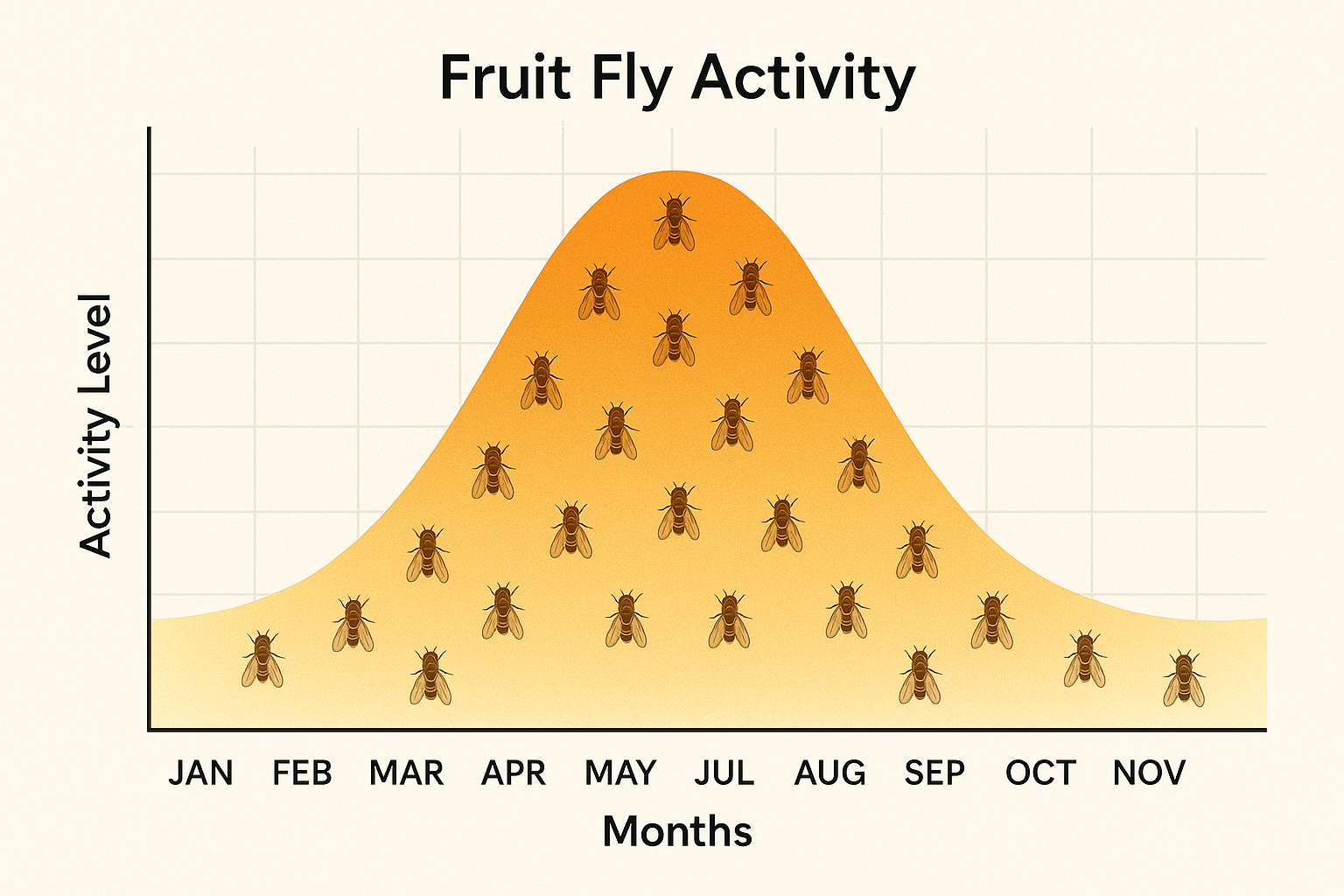
Reading the Seasonal Activity Chart
The chart above breaks the year into four distinct zones. The first rise begins in late March, peaks in May, and tapers off by early July—this is the “early‑season surge.” A second, higher plateau stretches from mid‑July through September, marking the “summer apex.” The lowest bar, from November through February, represents the “winter lull,” when outdoor fruit flies start seeking shelter inside homes. If you ignore this cue, you’ll likely see a sudden indoor infestation as the first cold night arrives.
Notice the sharp dip in October. That dip signals the transition period when outdoor fruit flies start seeking shelter inside homes. If you ignore this cue, you’ll likely see a sudden indoor infestation as the first cold night arrives.
Season‑Specific Prevention Tips
- Winter (Dec‑Feb): Keep kitchen counters clear of over‑ripe fruit, seal compost bins, and run a nightly 30‑second run of a UV‑light trap near trash areas. This reduces the few flies that survive indoors.
- Spring (Mar‑May): Conduct a deep clean of pantry shelves, discard any fermenting produce, and install mesh screens on windows and vents. Early treatment with a low‑toxicity spray can stop the first breeding cycle.
- Summer (Jun‑Sep): Trim fruit‑bearing trees near the house, promptly harvest ripening berries, and empty outdoor garbage cans daily. Consider a professional “season‑start” service that targets breeding sites around the home’s perimeter.
- Fall (Oct‑Nov): Perform a final fruit sweep, seal cracks around doors, and schedule a post‑summer inspection. This helps catch any flies that migrated indoors during the temperature drop.
How Season Affects Pricing and Service Availability
Pest professionals, including Anthem Pest Control, align their pricing with demand cycles. During the summer apex, technicians are booked weeks in advance, and the cost of a full‑home treatment can rise 10‑15 % due to higher labor demand. Conversely, the winter lull offers the most flexible scheduling and often qualifies for off‑season discounts or bundled services (e.g., combining fruit‑fly treatment with routine mosquito control).
When you plan your treatment around the chart’s low‑activity window—late October through February—you’ll not only secure a technician sooner but also benefit from lower product usage, which translates into a more affordable invoice. That’s why many homeowners schedule a “pre‑winter inspection” in early November: it locks in a price before the summer surge drives rates up.
Protect Your Home Today with Anthem Pest Control
By now you should be able to spot the tell‑tale signs of a fruit‑fly invasion, know how a thorough inspection uncovers hidden breeding sites, understand the most effective treatment options, and recognize the seasonal windows when action matters most. Early detection and prompt treatment prevent a few stray flies from turning into a full‑blown nuisance that can contaminate food and linger through the summer months.
While DIY sprays and home remedies can offer temporary relief, a professional pest‑control partner brings three critical advantages. First, trained technicians can safely navigate the chemicals and equipment needed to eradicate flies without risking your family or pets. Second, they have the experience to locate and eliminate the source—often a concealed drain, over‑ripe fruit, or compost pile—so the problem doesn’t return. Finally, Anthem’s service plans are designed to be affordable, with transparent pricing that lets you budget for a one‑time fix or an ongoing prevention program. Our technicians also provide a detailed after‑visit report, outlining preventive steps you can take to keep fruit flies at bay for months to come.
If you suspect fruit flies in your kitchen, pantry, or trash area, or simply want a proactive plan before the peak season hits, reach out for a free, no‑obligation quote. There’s no pressure to sign up; our goal is to give you the information you need to make an informed decision about protecting your home.
Anthem Pest Control operates nationwide, so no matter where you call from, you’ll receive the same high‑quality service. All treatments comply with EPA regulations, ensuring they are both effective against pests and safe for indoor environments. Our transparent pricing model breaks down each step—inspection, treatment, follow‑up—so you know exactly what you’re paying for, without hidden fees.
Ready to take the next step? Call us today at 877‑371‑8196 or visit anthempest.com to schedule your free assessment. A healthier, fly‑free home is just a phone call away.