House Flies – Identification and Why They’re a Problem

When you see a buzzing insect darting around your kitchen, you’re most likely looking at the common house fly (Musca domestica). Though small—typically 6–7 mm long—its presence can feel overwhelming, especially during the warm months. Understanding what makes this fly tick helps homeowners recognize early signs of an infestation and take decisive action before the problem escalates.
Life Cycle at a Glance
The house fly’s life cycle is a rapid four‑stage process: egg, larva (maggot), pupa, and adult. A single female can lay up to 150 eggs in a moist, organic substrate such as garbage, animal manure, or decaying food. Within 24 hours, those eggs hatch into larvae that feed voraciously for 3–5 days. The larvae then spin a protective puparium, emerging as fully winged adults in as little as a week under ideal conditions. This swift development means a tiny breeding site can produce dozens of adult flies in just days.
Typical Habitats Around the Home
House flies thrive wherever food, moisture, and organic waste intersect. Common hotspots include:
- Kitchen counters and sinks where food residues linger.
- Outdoor trash cans, especially those without tight‑fitting lids.
- Pet waste stations or animal shelters.
- Patios and decks with uncovered food or sugary drinks.
Even a seemingly clean backyard can become a breeding ground if a forgotten compost pile or damp leaf litter provides the right conditions.
Visual Cues for Quick Identification
House flies are easy to spot once you know what to look for. Key characteristics include:
- Size: About 6–7 mm (¼ inch) in length.
- Color: Shiny gray‑black body with a slightly mottled thorax.
- Wings: Clear, membranous wings with a faint vein pattern; they hold their wings flat over the abdomen when at rest.
- Behavior: Persistent landing on food, rapid flight, and a tendency to congregate near light sources.
These traits distinguish house flies from other common insects like fruit flies (smaller, tan‑brown) or blow flies (larger, metallic sheen).
Why Flies Are More Than a Nuisance
Beyond the annoyance of buzzing and landing on your meals, house flies are potent disease vectors. As they feed on waste, feces, and decaying matter, they pick up bacteria, viruses, and parasites on their legs, mouthparts, and bodies. When they later alight on food, countertops, or utensils, they can transfer pathogens directly to your family’s plates.
CDC‑Backed Health Risks
The Centers for Disease Control and Prevention (CDC) lists house flies as carriers of several food‑borne illnesses, including Salmonella, E. coli, and Shigella. Studies show a single fly can transport up to 100 bacterial cells per landing, dramatically increasing the risk of cross‑contamination in busy households. In environments where children, seniors, or immunocompromised individuals live, this risk becomes especially concerning.
Recognizing the fly’s life cycle, preferred habitats, and health implications equips you to act quickly—whether that means tightening trash can lids, maintaining clean pet areas, or calling a professional service like Anthem Pest Control for targeted treatment and prevention.
Health Risks and Signs of a Fly Infestation
Pathogens Flies Carry
House flies are more than a nuisance; they are efficient disease vectors. According to the CDC, a single fly can transport bacteria such as Salmonella and E. coli, viruses like hepatitis A, and parasites including Giardia. Their body hairs, legs, and spongy midgut act like tiny brush‑sticks, picking up microbes from waste, decaying matter, and animal feces.
Illnesses Linked to House Flies
When these pathogens land on food or kitchen surfaces, they can cause a range of food‑borne illnesses. Common outcomes include:
- Food poisoning – nausea, vomiting, and diarrhea from bacterial contamination.
- Dysentery – severe intestinal inflammation often triggered by Shigella or parasitic agents.
- Hepatitis A – a liver infection spread when flies deposit viral particles onto foods that are later consumed.
Even a brief exposure can be enough to make a family sick, especially children, the elderly, or anyone with a weakened immune system.
How Flies Transfer Contaminants
Flies acquire germs in three primary ways:
- Landing on waste – garbage, pet litter, or compost piles provide a breeding ground for microbes.
- Feeding on decaying matter – the fly’s proboscis ingests liquids that contain pathogens.
- Regurgitation and defecation – after feeding, a fly vomits digestive fluids and later excretes, leaving a microscopic “fly‑fecal” droplet on any surface it touches.
These droplets can travel up to 10 feet, meaning a fly that briefly alights on a countertop can contaminate a plate, a cutting board, or even a child’s hands.
Early Warning Signs
Spotting an infestation before it escalates is crucial. Homeowners should watch for these red flags:
- Increased fly activity near entryways, especially on sunny days.
- Visible flies congregating around food crumbs, pet bowls, or uncovered dishes.
- Foul, decaying odors emanating from garbage cans or compost bins.
- Presence of tiny, white larvae (maggots) in kitchen trash or outdoor waste containers.
If any of these signs appear, it’s time to act—both to protect health and to prevent a larger population from taking hold.
Seasonal Spikes that Heighten Risk
Warm months in Decatur, Georgia, create ideal breeding conditions for house flies. Temperatures above 75 °F accelerate their life cycle, allowing a single female to lay up to 150 eggs in just a few days. Rainy periods also increase organic waste moisture, making garbage more attractive. Consequently, late spring through early fall sees the highest fly densities and, correspondingly, the greatest risk of disease transmission.
For a proactive approach, follow the National Pest Management Association’s guidance on fly management. Their recommendations—such as sealing entry points, maintaining clean waste stations, and employing targeted treatments—help keep fly numbers low and your home safe.
DIY Prevention Strategies for Homeowners
Sanitation Basics
Flies are attracted to anything that smells like a buffet. The fastest way to shut down their invitation is to keep the kitchen and surrounding areas spotless. Empty trash cans daily and line them with tight‑fitting lids; a loose lid is a runway for a fly to land and lay eggs. Store food in sealed containers—think glass jars with screw‑on lids or heavy‑duty plastic bins—so no crumb trail is left behind. If you have pets, scoop waste at least once a day and rinse the area with a mild disinfectant. Even a quick mop of the floor after feeding your dog or cat removes the scent cues that flies love.
Exclusion Techniques
Physical barriers are the first line of defense. Install fine‑mesh screens on every door and window; check them regularly for tears, because a single hole can become a fly highway. Seal cracks around windows, baseboards, and utility openings with caulk or weatherstripping. Door sweeps are inexpensive yet highly effective—slide one onto the bottom of exterior doors to block the gap that flies use to slip inside. Remember, a house that feels “air‑tight” to insects is still comfortable for you, thanks to modern ventilation options.
Environmental Controls
Outside the home, the same principles apply. If you compost, keep the bin covered and turn it frequently to discourage fly larvae. Avoid piling kitchen scraps directly on the ground; a sealed compost tumbler does the job without the smell. Outdoor lighting can unintentionally lure flies; opt for yellow or sodium‑vapor bulbs, which are less attractive to insects than bright white LEDs. Position lights away from doors and windows to reduce the chance that flies are drawn toward entry points.
Simple Traps and Natural Repellents
When you need a quick reduction in fly numbers, a few low‑cost traps work wonders. Fill a shallow dish with apple cider vinegar, add a drop of dish soap, and place it near problem areas; the vinegar’s scent draws flies in, and the soap breaks the surface tension so they can’t escape. Essential oil sprays are another handy tool—mix water, a teaspoon of witch hazel, and a few drops of eucalyptus, peppermint, or lavender oil in a spray bottle. Lightly mist countertops, door frames, and trash zones. These oils are unpleasant to flies but safe for humans and pets when used as directed.
When DIY Methods Fall Short
Even the most diligent homeowner can hit a wall. If flies persist despite solid sanitation, sealed entry points, and traps, it’s a sign that breeding sites are hidden—perhaps a clogged drain, a forgotten pet water bowl, or a neglected crawl space. At this point, professional assistance becomes cost‑effective. Trained technicians can locate and treat hidden larval habitats, apply residual insecticides that last weeks, and advise on long‑term structural fixes. Recognizing the tipping point protects your time, sanity, and the overall health of your home.
Professional Fly Control Methods
Overview of Professional Services
When a homeowner in Decatur calls a licensed pest‑control company, the first recommendation is often a targeted, one‑time spray. This treatment quickly knocks down the adult flies that are buzzing around the kitchen or patio. For longer protection, many technicians add a residual barrier—an EPA‑registered formulation that clings to walls, window frames, and outdoor structures for up to four weeks, preventing new flies from establishing a foothold. In high‑traffic indoor areas, such as restaurant kitchens or open‑plan homes, professionals may also employ fogging or smoke applications, which disperse a fine mist that reaches cracks, crevices, and hidden breeding sites where a conventional spray might miss.
Property Assessment & Pesticide Selection
Before any product touches a surface, a certified technician conducts a walk‑through inspection. They look for common attractants—rotting organic waste, standing water, and uncovered food—and note the fly species present. This assessment determines whether a contact spray, a residual barrier, or a fogger is the most efficient choice. All chemicals used are EPA‑registered and selected for low toxicity to humans and pets. For example, many Anthem Pest technicians favor a pyrethrin‑based residual that breaks down quickly in sunlight, offering strong knock‑down power without lingering residues.
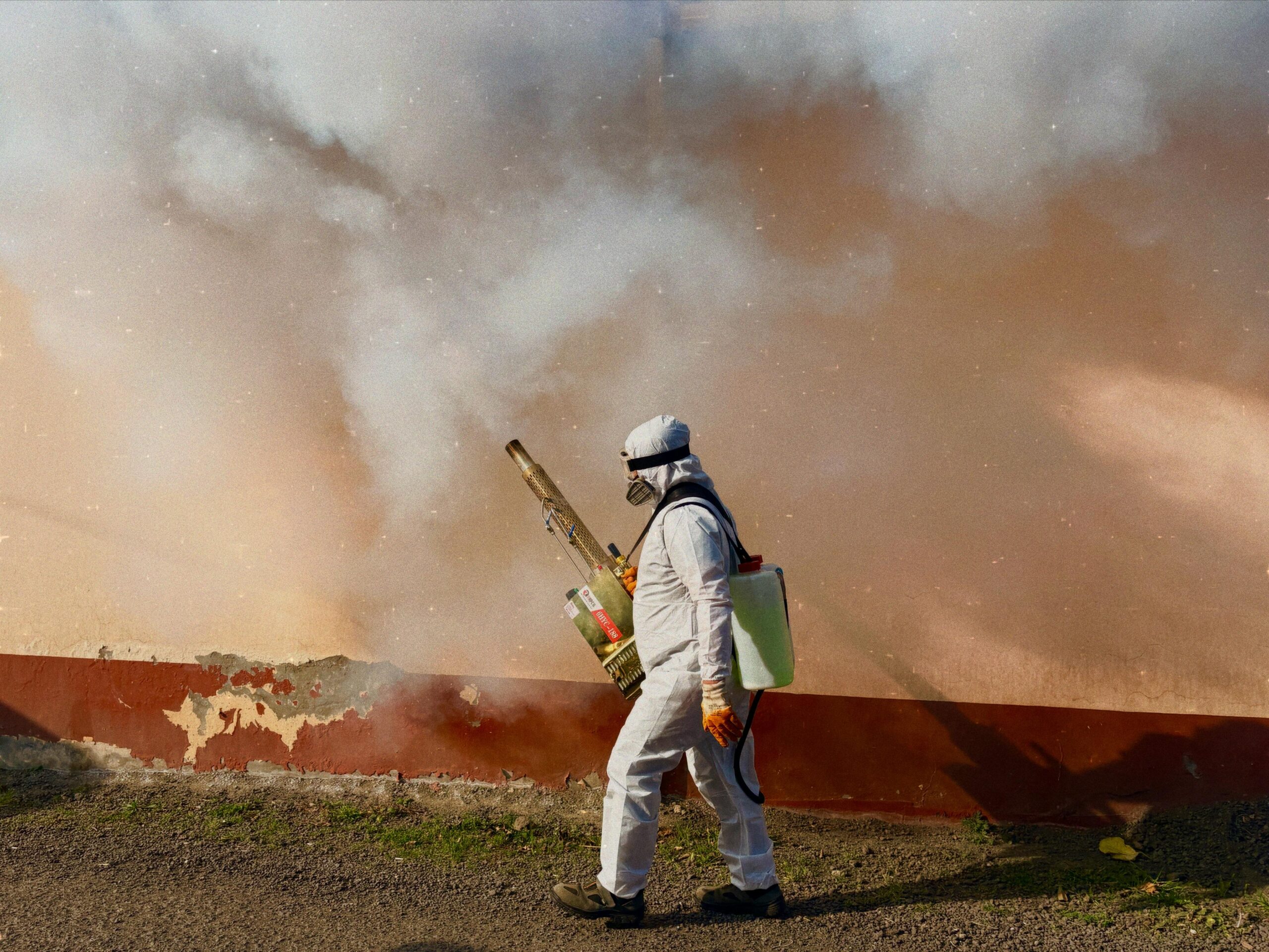
Smoke‑Machine Technique
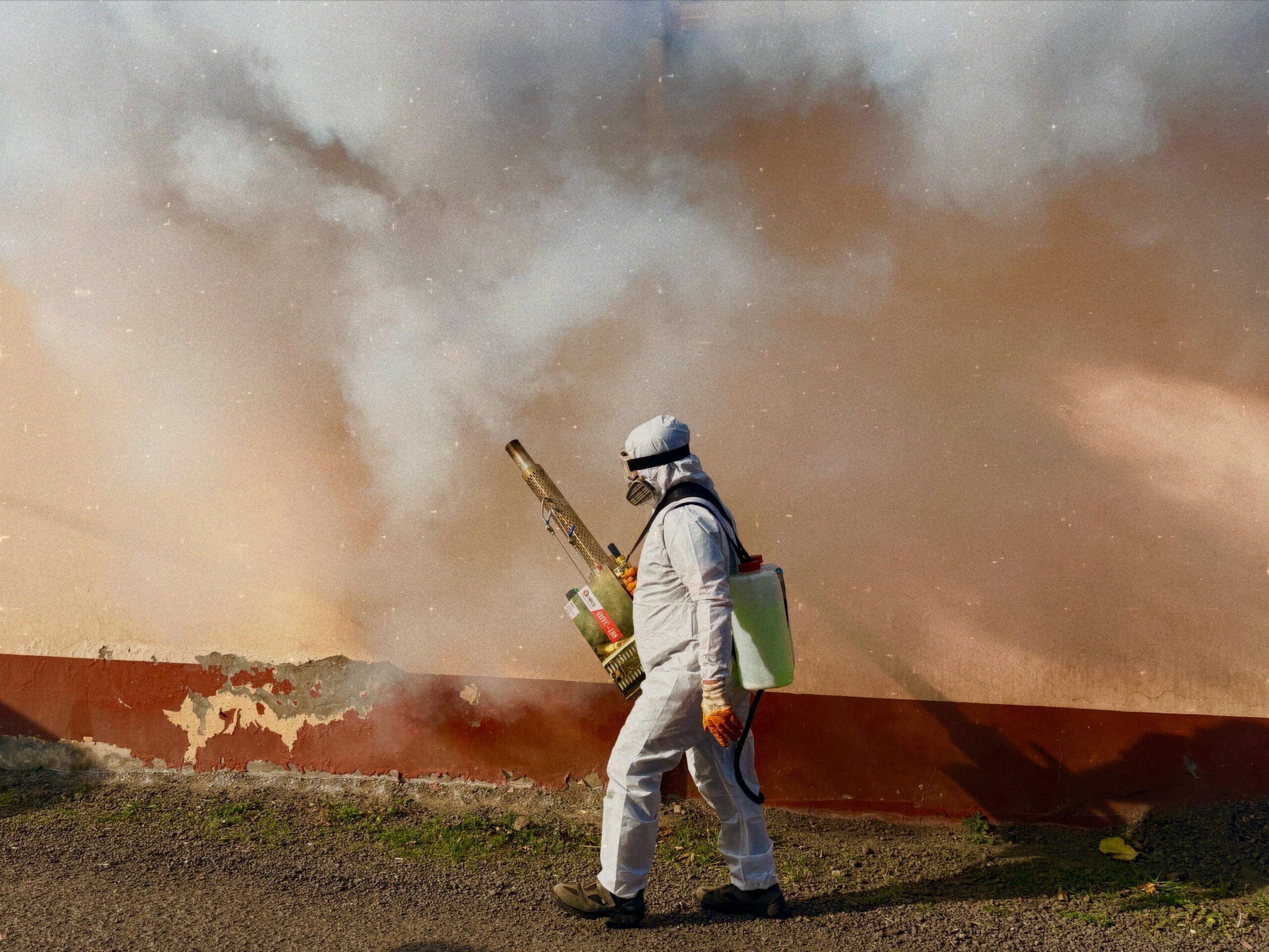
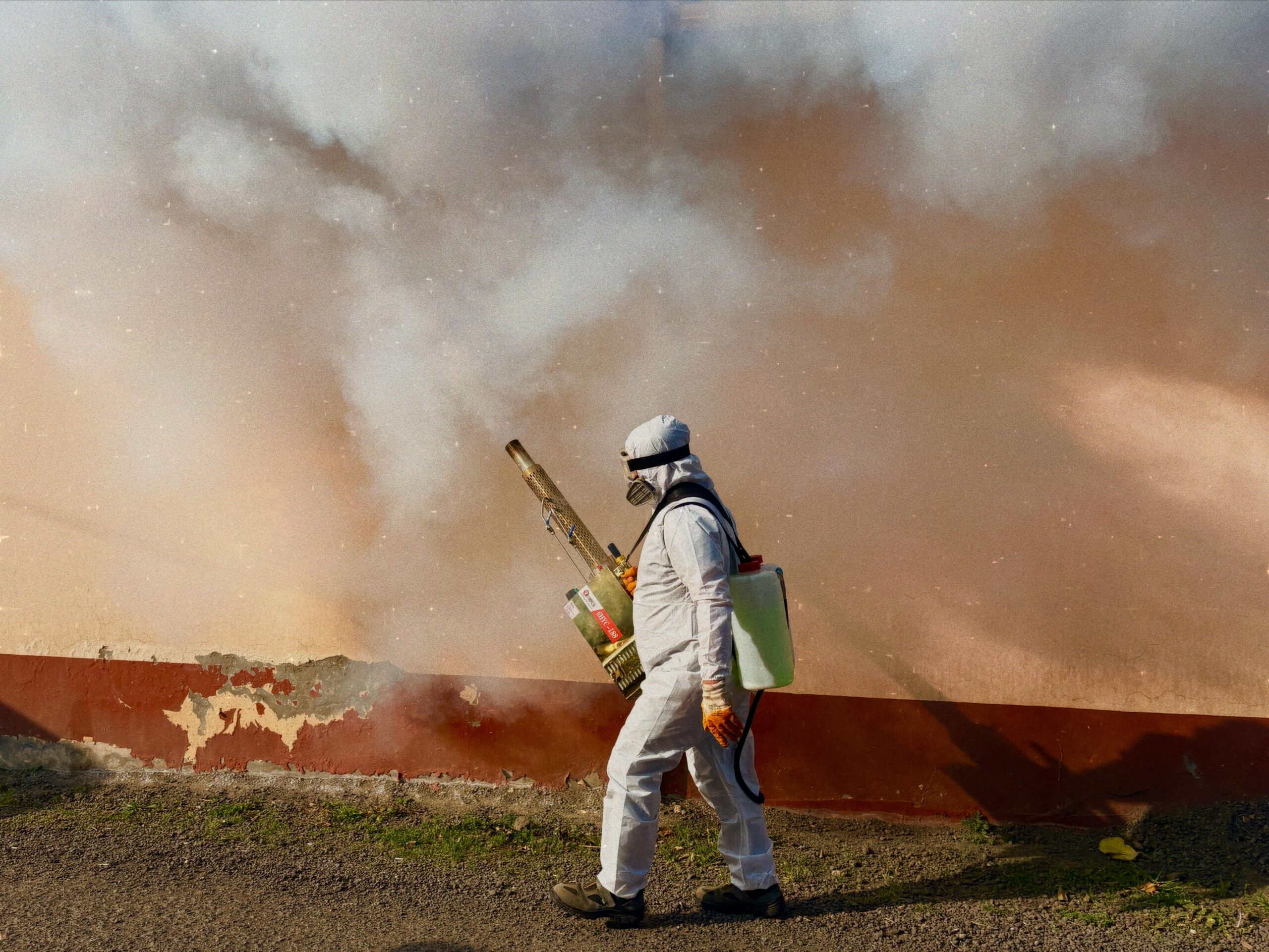
The smoke‑machine, also called a thermal fogger, heats a liquid pesticide until it vaporizes, creating a dense, white cloud that settles into every nook and cranny. The image below shows a technician operating this equipment inside a residential kitchen.

Because the smoke particles are microscopic, they can penetrate wall voids, under appliances, and behind baseboards—places where flies often lay eggs. The method also reduces the need for repeated applications; a single fogging session can keep flies at bay for several weeks. Additionally, the low‑odor formulation used by Anthem Pest minimizes disruption, making it ideal for homes with children or sensitive individuals.
Safety Precautions for Residents and Pets
During a smoke‑machine treatment, the technician will advise occupants to vacate the treated area for 20–30 minutes while the fog settles. Windows and doors are opened briefly to ensure proper ventilation before re‑entry. Pets should be kept outdoors or in a separate, sealed room until the technician confirms that residue levels are safe. After the treatment, Anthem Pest provides a clear post‑service checklist, reminding homeowners to avoid wiping surfaces with harsh chemicals for 24 hours and to store food in sealed containers.
Benefits of Hiring a Licensed Provider vs. DIY Chemicals
DIY fly sprays are tempting because of their low upfront cost, but they often lack the residual activity and proper coverage that a professional service delivers. A licensed provider brings three key advantages: (1) access to EPA‑approved, low‑toxicity products that are not available to the general public; (2) expertise in identifying the exact cause of a fly infestation, which prevents recurring problems; and (3) a warranty that guarantees follow‑up visits if flies return within the treatment window. Homeowners who choose Anthem Pest also enjoy transparent pricing—no hidden fees, just a straightforward quote that covers inspection, application, and any necessary follow‑up.
Pricing Tiers and What You Get
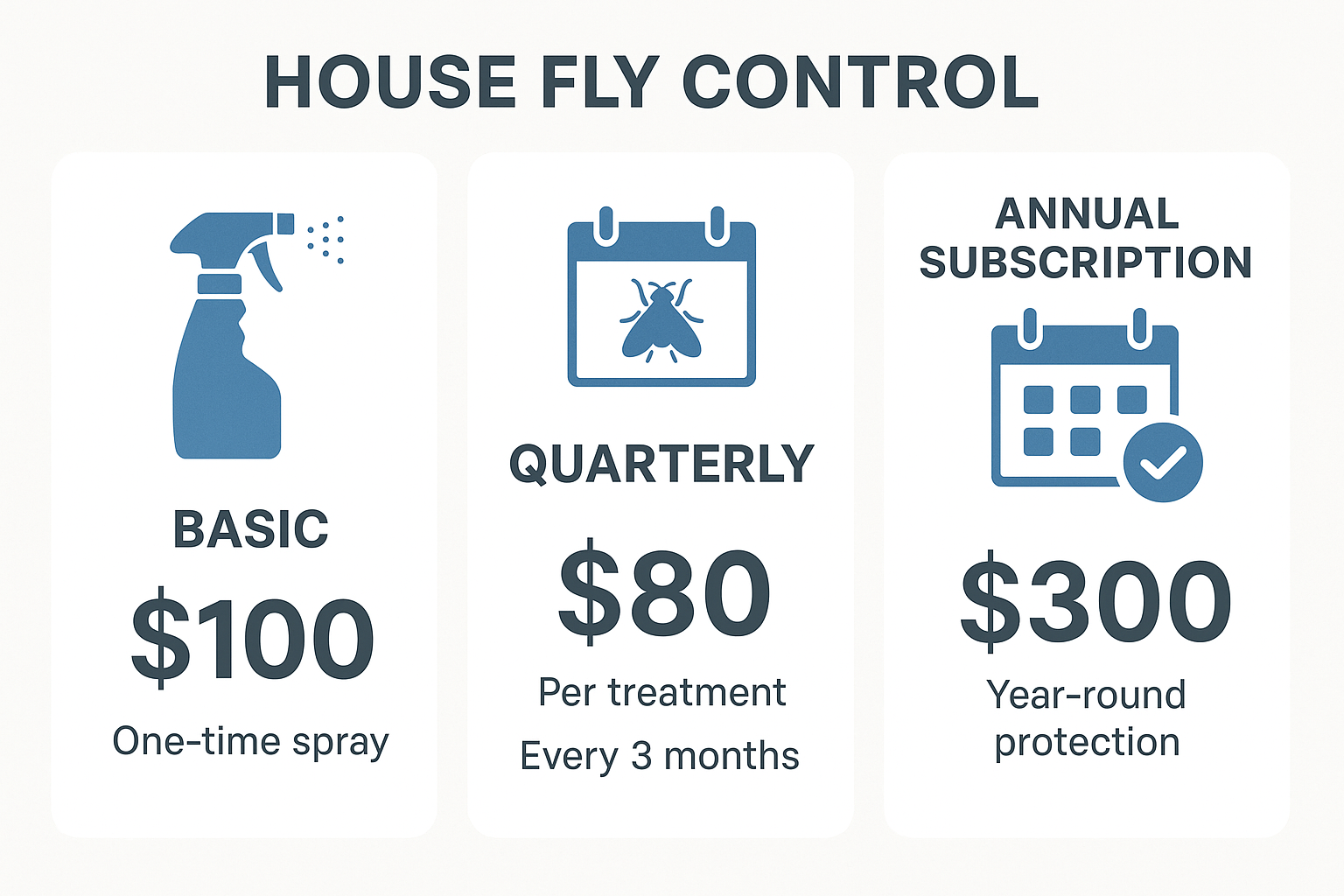
When it comes to house‑fly control, Anthem Pest Control offers three clear‑cut service tiers that let you match protection to your budget and lifestyle. Whether you need a quick fix for a sudden infestation or a hands‑off, year‑round shield, the pricing structure is transparent—no hidden fees, no surprise add‑ons.
1. Basic One‑Time Spray
This entry‑level option is perfect for homeowners who have spotted a spike in flies and want an immediate knock‑down. The package includes a single, professionally applied spray using a fast‑acting, low‑odor insecticide that targets adult flies on contact. You’ll receive a post‑treatment checklist so you can keep the area clean and prevent a quick rebound, but there are no scheduled follow‑ups.
2. Quarterly Treatment Plan
The quarterly plan spreads four visits across the year—typically early spring, midsummer, early fall, and late winter. Each appointment features a targeted spray combined with a residual barrier product that continues to work for weeks after application. Between visits, a certified technician conducts a brief inspection to verify that fly activity remains low and to adjust treatment zones if needed. This tier balances cost and ongoing protection, especially for families who entertain outdoors.
3. Annual Subscription
Our most comprehensive offering bundles twelve visits (one per month) and includes both the rapid‑action spray and a long‑lasting, eco‑friendly larvicide that attacks flies at the breeding stage. Every month, a technician performs a full inspection, treats any new hotspots, and updates you on preventive steps you can take at home. The subscription also comes with a 100 % satisfaction guarantee: if flies persist after a treatment, we’ll re‑treat at no extra charge.
Cost‑benefit considerations—A single spray may cost as little as $79, but the effect typically wanes after a week, meaning you could end up spending more if you need repeated applications. The quarterly plan usually ranges from $259 to $299, delivering a residual barrier that reduces the likelihood of another outbreak for months on end. The annual subscription, priced between $699 and $749, offers the best per‑visit value and peace of mind, especially for homes with pets, children, or frequent outdoor gatherings where flies thrive.
| Tier | Visits per Year | Product Type | Follow‑up Inspection | Typical Cost |
|---|---|---|---|---|
| Basic One‑Time Spray | 1 | Fast‑acting spray | None (post‑treatment checklist only) | $79 – $99 |
| Quarterly Treatment | 4 | Spray + residual barrier | Brief inspection at each visit | $259 – $299 |
| Annual Subscription | 12 | Spray + long‑lasting larvicide | Full inspection each month | $699 – $749 |
Anthem Pest Control’s pricing model is deliberately straightforward: the price you see is the price you pay. All tiers include a written service agreement, EPA‑approved products, and a guarantee that flies will not return within the covered period. If you’re unsure which tier fits your home, our customer service team (877‑371‑8196) can walk you through typical scenarios—whether you’re dealing with a one‑off summer surge or looking for year‑round peace of mind.
Seasonal Fly Activity and How to Take Action Now
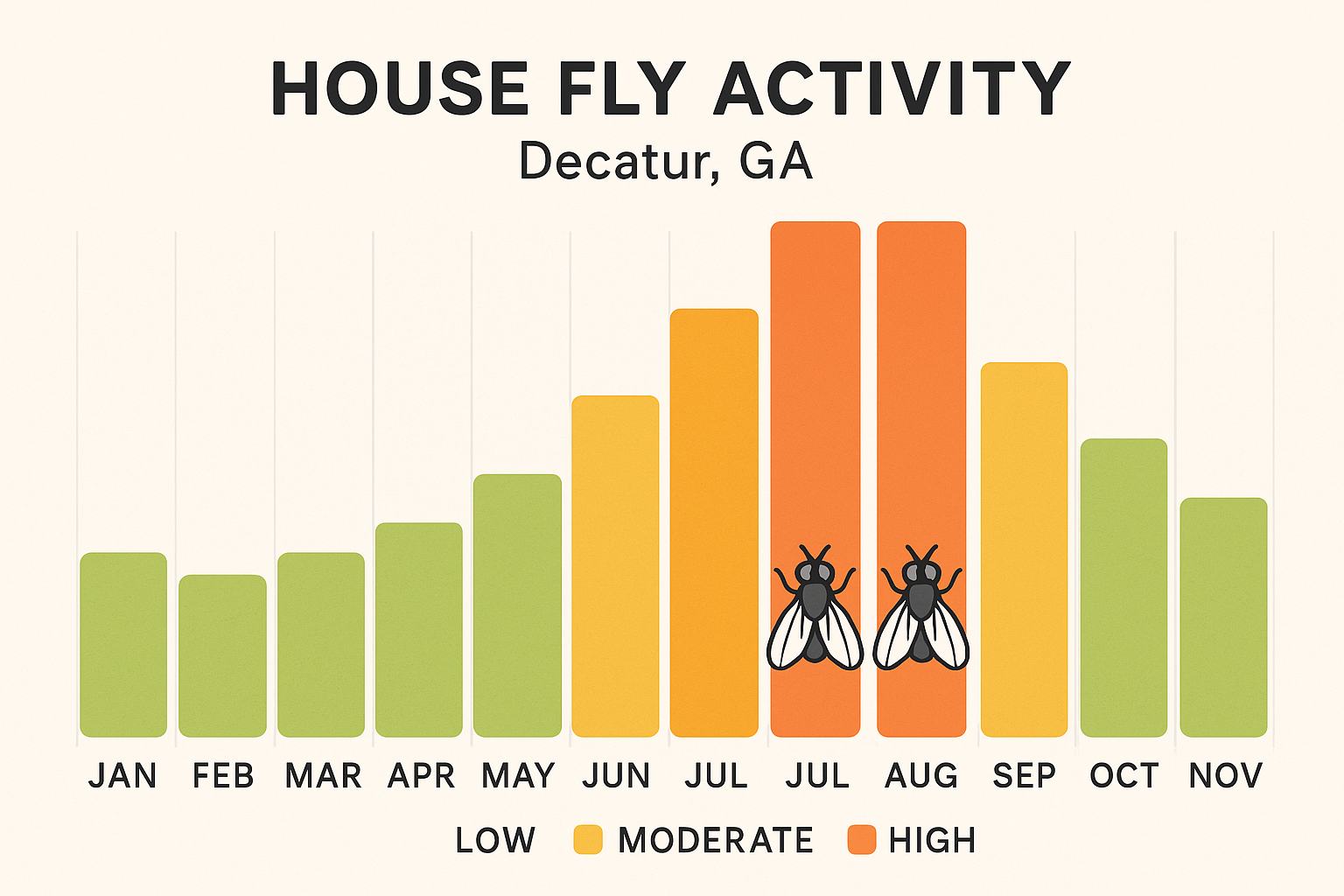
Monthly Fly Activity in Decatur, GA
| Month | Activity Level |
|---|---|
| January | Low |
| February | Low |
| March | Moderate |
| April | Moderate |
| May | High |
| June | Very High |
| July | Very High |
| August | High |
| September | Moderate |
| October | Low |
| November | Low |
| December | Low |
The chart makes one thing crystal clear: May through August is the critical window for house‑fly activity in Decatur. Temperatures rise, humidity climbs, and flies find every open door and garbage can an invitation. That’s why timing your treatment matters more than the amount of product you use.
Applying a preventative program before the summer surge—ideally in late March or early April—stops the population from exploding. Early intervention reduces breeding sites, limits the number of adult flies that can enter your home, and ultimately saves you money on repeated applications.
Quick Recap of Proven Prevention & Treatment Steps
- Eliminate standing water and clean up food debris daily.
- Secure trash cans with tight‑fitting lids and keep them away from doors.
- Repair window screens, door sweeps, and any gaps that let flies slip inside.
- Use bait stations or residual sprays in high‑traffic outdoor areas during the pre‑peak months.
- Schedule a professional assessment to tailor a plan that matches your home’s unique vulnerabilities.
When you combine these homeowner actions with a professional treatment, you create a two‑layer defense that keeps flies from turning your porch into a buzzing mess.
Ready to stay ahead of the summer surge? Contact Anthem Pest Control today for a free, no‑obligation quote. Our licensed technicians will inspect your property, recommend the safest and most effective solutions, and give you a clear price upfront. We’re proud to offer affordable, environmentally responsible treatments that protect your family and pets.
Call us now at 877‑371‑8196 or visit Anthem Pest Control to schedule your pre‑summer assessment. Acting before the next high‑risk month ensures you enjoy a fly‑free home all summer long.