Why Gnat Problems Matter for Homeowners
Gnats are tiny, soft-bodied flying insects that belong to several families, the most common in the United States being fungus gnats, shore flies, and fruit flies. Although each species measures only a few millimeters, their numbers can swell quickly—making gnat control Decatur homeowners rely on essential when a quiet porch turns into a buzzing nuisance.
Where you’re likely to meet them
- Moist garden beds, mulch, and compost piles where larvae feed on decaying organic matter.
- Patios, decks, and outdoor lighting fixtures that collect dew or condensation.
- Indoor houseplants and seed trays that retain damp soil.
- Standing water in birdbaths, clogged gutters, or poorly drained basements.
Health and comfort impacts
Even though gnats rarely bite, some species—especially female fungus gnats—can leave itchy, red welts after a brief landing. For allergy‑prone residents, the constant “buzz” and the insects’ tiny hairs can trigger respiratory irritation or exacerbate asthma. In the kitchen, gnats are attracted to ripe fruit, sugary spills, and uncovered food, increasing the risk of contamination and making meals feel less sanitary. The psychological annoyance of a persistent hum around outdoor gatherings can also diminish the enjoyment of your own backyard. In severe cases, repeated bites can lead to secondary infections if scratched, and some individuals develop a hypersensitive reaction that resembles hives.
Economic and aesthetic costs
When gnats lay eggs in ornamental plants, the emerging larvae feed on roots, weakening foliage and stunting growth. Homeowners may find themselves replacing prized perennials or spending extra on fertilizers and soil amendments simply to offset the damage. Moreover, a gnat‑infested patio can discourage family barbecues, friends’ visits, or evening relaxation, indirectly affecting the perceived value of your property. Professional gnat management can prevent these hidden expenses, preserving both your garden’s aesthetic and your peace of mind without the trial‑and‑error of over‑the‑counter sprays.
According to the EPA Gnat Information, gnats rank among the most frequently reported indoor flying pests, and federal pesticide regulations mandate careful application to protect both people and the environment. This regulatory backdrop underscores why a DIY spray often falls short of lasting control.
Understanding these health, comfort, and financial repercussions sets the stage for pinpointing the specific gnat species that trouble homeowners in Decatur, GA, and for exploring the professional solutions Anthem Pest Control offers.
Identifying the Most Common Gnats in Your Neighborhood
Decatur homeowners most often encounter three gnat groups: fungus gnats, the tiny biting midges (often called no‑see‑ums), and the small fruit flies or white‑winged gnats. Though they share a size range of 1‑3 mm, each has distinct habits that help you pinpoint the culprit.
Fungus Gnats
These gnats look like miniature mosquitoes with delicate, clear wings that show faint veins. They hover close to the soil surface and are most active in low light. If you notice a faint, “buzz‑less” flutter around houseplants, you’re likely dealing with fungus gnats.
Biting Midges (No‑See‑Ums)
Biting midges are even smaller, often invisible to the naked eye, but you can see their tiny, dark silhouettes when they land on skin. Their wings are narrow and may have a subtle smoky tint. Expect a sharp, itchy bite shortly after they appear.
Fruit Flies / White‑Winged Gnats
These gnats have a characteristic white patch on the edge of each wing, giving them a “half‑white” look. They’re attracted to fermenting odors and will dart erratically around fruit bowls, trash cans, or damp pantry shelves.
Typical Breeding Sites
- Fungus gnats: moist potting soil, especially in over‑watered indoor plants.
- Biting midges: standing water outdoors—birdbaths, clogged gutters, or even damp mulch.
- Fruit flies: overripe fruit, fermenting vegetables, and any sugary residue left in kitchen corners.
Health Risks You Should Know
Biting midges can transmit minor pathogens and cause allergic reactions that result in itchy welts or swelling. While fungus gnats don’t bite, their larvae feed on plant roots, weakening foliage and making indoor gardens more susceptible to disease. Fruit flies are primarily a nuisance, but their presence signals unsanitary conditions that could attract other pests.
DIY Inspection Checklist
Before calling a professional, run through this quick inspection:
- Lift the top layer of potting soil – look for tiny, translucent larvae moving near the surface.
- Walk around exterior lighting fixtures at dusk; a sudden cloud of gnats may indicate a nearby breeding site.
- Check drainage areas – ensure gutters, downspouts, and flower beds aren’t holding stagnant water.
- Inspect kitchen surfaces for fruit skins, spills, or fermenting debris.
Seasonal Activity – What’s Next?
Gnats are most active when moisture and temperature align – typically late spring through early fall in Decatur. Recognizing which species you have now helps you time treatments for the peak activity windows, ensuring the most effective control before populations explode.
Seasonal Gnat Activity in Decatur, GA
Decatur’s subtropical climate creates the perfect breeding ground for gnats, but understanding the local weather patterns is essential for effective gnat control Decatur homeowners can rely on to stay one step ahead. In our area, three climate factors drive gnat numbers:
- Temperature: Warm days above 70°F accelerate larval development.
- Humidity: Consistently high humidity (70% +) prevents eggs from drying out.
- Rainfall: Frequent spring showers and summer thunderstorms supply the standing water gnats need to lay eggs.
When these three variables align, gnat populations explode—typically from late May through August. Below is the seasonal activity chart we use at Anthem Pest Control to illustrate the peak period.

The chart highlights June, July, and August as the high‑risk window. Notice the temperature icons rising from a mild May (green) to a scorching July (red). Those reds signal the optimal environment for rapid gnat reproduction, meaning any untreated population will multiply quickly.
Why treat early? Initiating a pre‑emptive treatment in early summer—ideally the first two weeks of June—targets gnats before they reach adulthood. By the time the heat peaks, the adult swarm is already suppressed, reducing the nuisance around patios, decks, and indoor plants. A follow‑up in late August catches any late‑season hatchlings that might have slipped through, ensuring the problem doesn’t linger into the fall.
Homeowner Action Plan
- Start monitoring in May: Look for tiny, dark flies near moist soil, compost piles, or indoor plant saucers.
- Schedule professional treatment by early June: Our licensed technicians apply a targeted barrier that interrupts the life cycle.
- Plan a follow‑up in late August: A second application guarantees any residual breeding sites are eliminated.
Quick Tip
Before the peak season arrives, eliminate standing water wherever possible. Avoid over‑watering houseplants, fix leaky hoses, and empty saucers after watering. Even a shallow puddle can become a gnat nursery, so keeping the landscape dry is one of the most effective DIY steps you can take.
By syncing your monitoring and treatment schedule with Decatur’s climate rhythm, you’ll enjoy a gnat‑free summer and protect your family from the irritating bites and potential disease carriers that gnats can bring.
Gnat Control Options and Pricing Explained
Treatment Modalities
When gnats invade a Decatur yard or home, professional gnat control Decatur services rely on four proven ways to strike back: perimeter fogging, soil drenches, larvicide granules, and indoor residual sprays. Each technique targets a different stage of the gnat life cycle, giving homeowners a tailored arsenal that a DIY spray can’t match.
Pros and Cons by Method
| Method | Coverage | Residual Effect | Environmental Impact |
|---|---|---|---|
| Perimeter Fogging | Wide outdoor area, reaches hidden breeding sites | Lasts 3–5 days | Low; uses EPA‑approved aerosols |
| Soil Drenches | Targets larvae in moist soil or mulch | 2–3 weeks | Moderate; applied at recommended rates |
| Larvicide Granules | Even distribution in garden beds and planters | 4–6 weeks | Eco‑friendly options available for pet‑safe gardens |
| Indoor Residual Sprays | Focuses on interior entry points and resting zones | Up to 8 weeks | Minimal; low‑odor, low‑toxicity formulations |
Anthem Pest Control’s Service Tiers
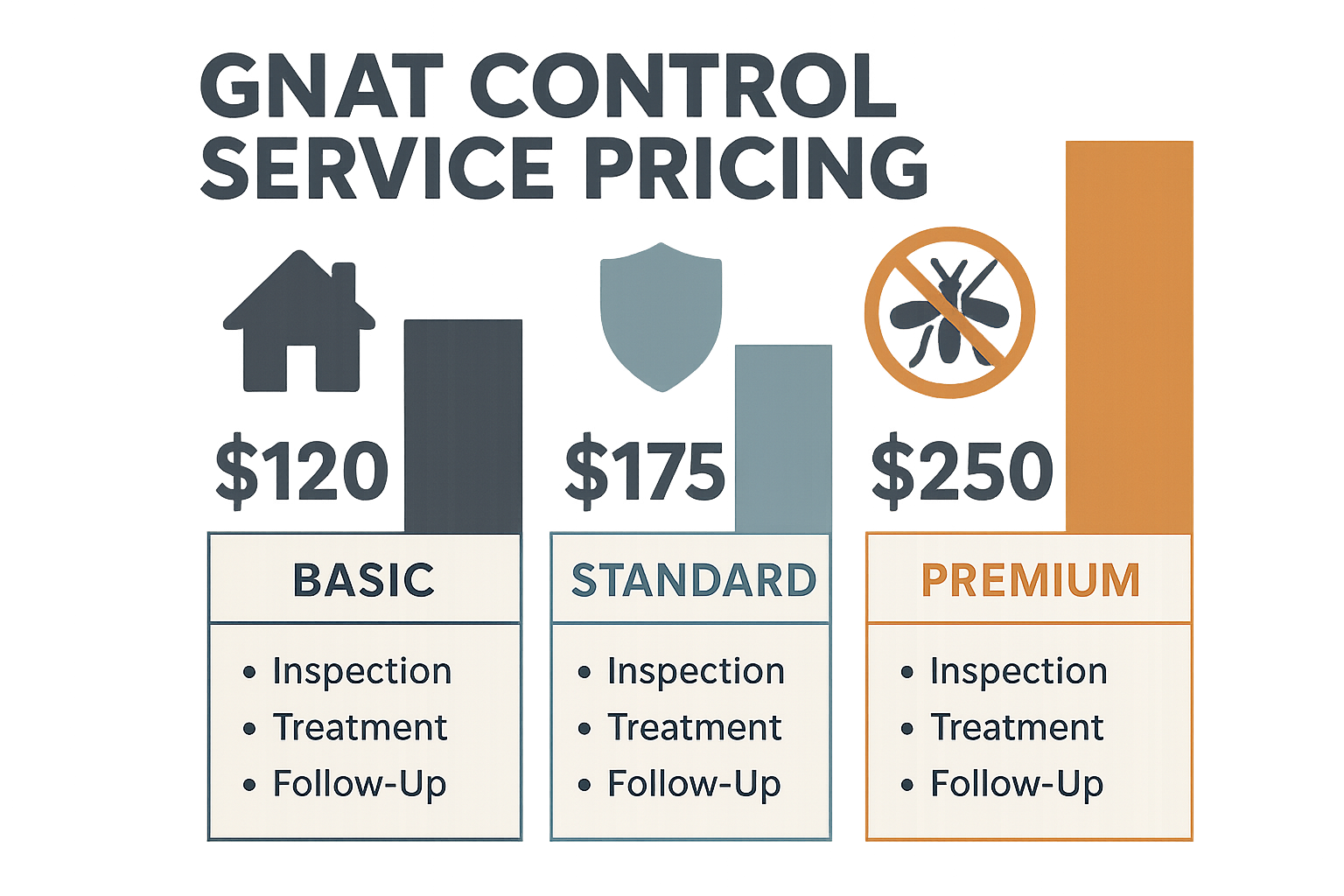
Understanding that every homeowner’s budget and urgency differ, Anthem Pest Control packages its expertise into three clear tiers. All tiers include a licensed technician, a follow‑up inspection, and a guarantee of “no hidden fees.” Choose the level that matches your gnat pressure and pocket.
- Basic – $120
- One perimeter fogging visit
- Standard inspection within 7 days
- Basic plant‑safe larvicide granules
- 30‑day warranty on treatment effectiveness
- Standard – $175
- One fogging visit plus a soil drench
- Two‑point inspection (pre‑ and post‑treatment)
- Enhanced larvicide granules for flower beds
- 60‑day warranty and priority scheduling
- Premium – $250
- Fogging, soil drench, and indoor residual spray
- Comprehensive inspection with detailed report
- Premium, plant‑friendly larvicide plus repeat application
- 90‑day warranty, unlimited follow‑ups, and a free annual preventive check
By stacking services into transparent price points, Anthem eliminates surprise charges that often plague DIY kits. Professional expertise not only delivers faster knock‑down of gnats but also protects your landscape, pets, and family with formulations vetted for safety and longevity.
Our Professional Gnat Treatment Process
Initial Consultation & Site Assessment
When you call Anthem Pest Control, our certified technician arrives promptly for a thorough, on‑site consultation. We walk through your property, asking pointed questions about recent gnat activity and any recent changes to landscaping or drainage. Using a handheld moisture meter and visual inspection, we pinpoint breeding hotspots such as soggy mulch, clogged gutters, or over‑watered flower beds. This detailed assessment lets us tailor a treatment plan that targets the exact sources of infestation, rather than applying a one‑size‑fits‑all spray.
Preparation Phase
Before any chemicals are applied, we ask you to clear small items—garden tools, children’s toys, and pet dishes—from the treatment zone. Our crew then moves lightweight furniture and covers delicate plants with breathable fabric to protect them from overspray. We also rake away leaf litter and debris that could shelter gnats or their larvae. This preparation ensures the fogging equipment can reach every hidden crevice and maximizes the effectiveness of the treatment.
Outdoor Fogging Treatment
The heart of our service is a low‑volume fogger that creates a fine, smoke‑like mist. The device atomizes EPA‑approved pesticide into microscopic droplets that drift through the air, settling into soil, under pavers, and into dense foliage where gnats lay eggs. Because the fog penetrates tight spaces, it attacks both adult gnats and the hidden larvae before they emerge. The process typically lasts 15‑20 minutes, after which the mist dissipates quickly, leaving no visible residue.

Safety Measures
All formulations we use are EPA‑registered and specifically chosen for low odor and rapid breakdown, making them safe for families, pets, and beneficial insects once the mist settles. Our technicians wear protective gloves, masks, and goggles throughout the application, and we follow strict re‑entry intervals—usually 30 minutes—before you can safely resume outdoor activities. We also provide a written safety data sheet for your records, reinforcing our commitment to transparent, responsible pest control.
Post‑Treatment Follow‑Up
After fogging, we conduct a walk‑through inspection to confirm that the treated zones are clear and to address any lingering concerns. Our experts then share a concise action plan for habitat modification—adjusting irrigation schedules, improving drainage, and removing standing water—to prevent future gnat outbreaks. Finally, we offer an optional maintenance schedule, typically quarterly, that includes a brief check‑up and a light refresher fog to keep gnats at bay year‑round.
Get Your Free Gnat Control Quote Today

Gnat infestations can turn a pleasant evening on your patio into an uncomfortable battle of swats and sneezes. Beyond the annoyance, gnats can carry allergens and irritants that affect the health of your family, especially children and pets. Acting quickly with a professional solution protects your home’s comfort and keeps outdoor gatherings enjoyable.
Anthem Pest Control combines safety, effectiveness, and affordability in every treatment. Our technicians use EPA‑approved products that target gnats without harming your loved ones or the environment. Because we believe in transparency, you’ll receive a clear, itemized estimate before any work begins—no hidden fees, no surprise charges.
Ready for a personalized plan? We’ll assess your property, identify the specific gnat species, and design a treatment schedule that fits your lifestyle. The initial consultation, including a detailed quote, is completely free and comes with no obligation to proceed.
Give us a call at 877‑371‑8196 or visit our website to request your quote online. Our friendly staff will confirm a convenient time for a technician to stop by, answer any questions you have, and walk you through the next steps.
As a locally‑owned service in Decatur, GA, we understand the regional climate patterns that encourage gnat activity. Our expertise extends across the nation, so you can trust that the same high‑quality standards that protect homes in Decatur are applied wherever you need us.
Don’t let gnats ruin your summer evenings—reach out today for professional gnat control Decatur homeowners trust, and let Anthem Pest Control restore peace to your outdoor spaces. Visit Anthem Pest Control to schedule your free, no-obligation quote now.