Common Spider Species You’ll Encounter in Suwanee, GA
Even though most spiders are harmless, knowing which ones share your home can prevent unnecessary worry and help you act quickly if a truly dangerous visitor shows up—often prompting homeowners to schedule a spider inspection Suwanee professionals recommend. In Suwanee’s humid, warm climate, a handful of species appear year-round, each with its own habits, appearance, and bite risk. Recognizing these differences lets you protect your family without reaching for the spray bottle at the first eight-legged silhouette.
Brown Recluse
The brown recluse is the most frequently discussed “dangerous” spider in the Southeast, and for good reason. Adults measure ¼ to ½ inch (6–12 mm) when their legs are spread, with a uniformly light‑brown to tan body. The hallmark is a dark, violin‑shaped marking on the cephalothorax—though the pattern can be faint, especially on younger specimens.
These spiders favor quiet, undisturbed places: closets, attics, under furniture, and the corners of basements. They are nocturnal hunters, so you’re most likely to encounter one while moving boxes or cleaning out storage.
If a brown recluse bites, the initial pain is often mild, followed by a red, blister‑like lesion that can develop a necrotic center within 24 hours. Severe reactions are rare but may include fever, chills, and swelling. Medical attention is recommended promptly, especially for children, the elderly, or anyone with compromised immune systems.
Orb Weaver
Orb weavers are the quintessential garden spiders, celebrated for their intricate, circular webs that glisten with dew in the early morning. Their bodies range from ½ to 1 inch, and many sport bright orange, yellow, or black markings that make them easy to spot on a fence or porch.
These spiders are strictly outdoor architects, building their silk masterpieces in shrubs, between eaves, and along fence lines. They are active from late spring through early fall, with a surge in numbers after a warm, rainy spell. Despite their size, orb weavers are completely harmless to humans; they rarely bite, and any bite is no more painful than a bee sting.
Cellar Spider
Often called “daddy long‑legs,” cellar spiders have long, spindly legs and a small, rounded abdomen. Adults are typically ½ inch long, with a pale gray or brown body and legs that can span up to 2 inches.
True to their name, they love cool, damp environments—basements, crawl spaces, and the undersides of floor joists. They are beneficial predators, feeding on flies, mosquitoes, and even other spiders. Bites are extremely uncommon, and when they do occur, the reaction is usually negligible.
Quick Red‑Flag Checklist for Potentially Dangerous Spiders
- Body color: Uniform light‑brown to tan (brown recluse) vs. bright, patterned (orb weaver).
- Markings: Violin‑shaped dorsal pattern indicates a brown recluse.
- Habitat: Indoor, hidden corners and storage areas raise the risk for recluse encounters.
- Leg length: Shorter, robust legs for recluse; long, thin legs for cellar spiders.
- Behavior: Aggressive bite response or necrotic wound after a bite suggests a recluse bite.
Understanding Suwanee’s climate helps explain why these spiders thrive here. The city’s average annual temperature hovers around 62 °F (17 °C), with hot, humid summers and mild winters. This steady warmth supports year‑round activity for orb weavers, while the occasional damp spell in basements creates the perfect refuge for cellar spiders. Brown recluses, preferring dry indoor spaces, are most active during the spring and fall when homeowners are opening windows and moving stored items.
When Spiders Are Most Active – A Seasonal Guide for Suwanee Homeowners
Understanding the seasonal rhythm of spider activity helps you spot trouble before it becomes a nuisance. Below is a simple chart that maps the typical months when the most common house‑spider species in Suwanee start to appear, peak, and retreat. Use the horizontal axis to follow the calendar year and the vertical axis to gauge how many sightings or complaints you might expect. Darker bars signal higher risk, while lighter shades indicate quieter periods.

May–June: Rise of Orb Weavers
As temperatures climb, orb weavers burst onto the scene, spinning large, circular webs in gardens, fences, and the eaves of homes. Their attraction to outdoor lighting is no accident—bright lights draw the insects they prey on, turning your porch into a buffet. While orb weavers are harmless to people, their dense webs can be unsightly and may block vents or gutters.
July–August: Brown Recluse Peaks Indoors
Mid‑summer brings the brown recluse’s most active phase. Warm indoor temperatures and the habit of keeping windows open for ventilation give these shy hunters easy access to basements, closets, and even bedrooms. A single bite can cause a serious reaction, so spotting their characteristic violin‑shaped markings early is crucial.
September–October: Cellar Spiders Emerge
When the evenings turn cooler and humidity rises, cellar spiders migrate from damp corners of basements and crawl spaces into more visible areas. Their long, delicate legs and funnel‑shaped webs are often mistaken for “dangerous” spiders, but they actually help control other pests by feeding on flies and mosquitoes.
Homeowner Behaviors That Trigger Spikes
Opening windows for a summer breeze, trimming shrubs near the house, and storing outdoor furniture against the foundation all create entry points or new habitats for spiders. Likewise, leaving outdoor lights on after dark amplifies the lure for orb weavers, while neglecting basement dehumidification encourages cellar spiders to move upward.
DIY Checks vs. Professional Help
DIY timing: Conduct a visual inspection at the start of each highlighted period—late May, early July, and early September. Look for new webs, shed exoskeletons, or the distinctive shapes of orb‑weaver and cellar‑spider webs. Use a flashlight in basements and crawl spaces, and seal any gaps you find.
When to call a pro: If you encounter brown recluse sightings, notice bites, or discover extensive webbing that you can’t safely remove, schedule a professional inspection right away. Anthem Pest Control can perform targeted treatments, install exclusion barriers, and advise on long‑term prevention strategies tailored to Suwanee’s climate.
Inspection and Treatment Options to Keep Spiders Out
Step‑by‑Step Home Inspection Checklist
Before you decide on a treatment, walk through your property with a systematic eye—much like a professional spider inspection Suwanee homeowners rely on. Use this quick checklist to uncover the entry points and hiding spots most spiders love:
- Outside perimeter: Scan siding, foundation cracks, and utility gaps. Look for gaps wider than a pencil eraser.
- Doorways and windows: Test weather‑stripping, check for damaged screens, and note any gaps around frames.
- Crawl spaces: Crawl under the house or use a flashlight to spot openings and accumulated debris.
- Basement and foundation walls: Inspect corners, pipe penetrations, and the tops of walls for cracks or moisture.
- Outdoor lighting: Light attracts insects, which in turn draws spiders. Ensure fixtures are shielded.
Key Signs of Spider Activity
Spotting a spider doesn’t always mean an infestation, but certain clues suggest a growing problem:
- Silk trails or webs in corners, under eaves, and along baseboards.
- Egg sacs—often brown, flat, and attached to surfaces near food sources.
- Clusters of dead insects, especially flies and moths, which spiders use as a buffet.
- Increased sightings after rain or during humid weeks, when spiders seek dry shelter.
DIY Prevention Measures
Homeowners can tackle many entry points without a chemical‑heavy approach. Here are the most effective low‑cost steps:
- Seal cracks and gaps: Use silicone caulk or expanding foam on foundation cracks, window frames, and around utility lines.
- Reduce clutter: Store boxes off the floor, keep laundry rooms tidy, and clear out piles of firewood or debris where spiders hide.
- Sticky traps: Place traps along baseboards, under sinks, and in dark corners. They provide a visual cue of activity and reduce numbers.
- Low‑toxicity sprays: Apply botanical sprays (e.g., pyrethrin‑based) around doorways and window sills. Follow label directions and keep pets away until dry.
Professional Treatment Options
When spider pressure exceeds what DIY can handle, licensed technicians bring tools and formulations that reach deeper problem zones:
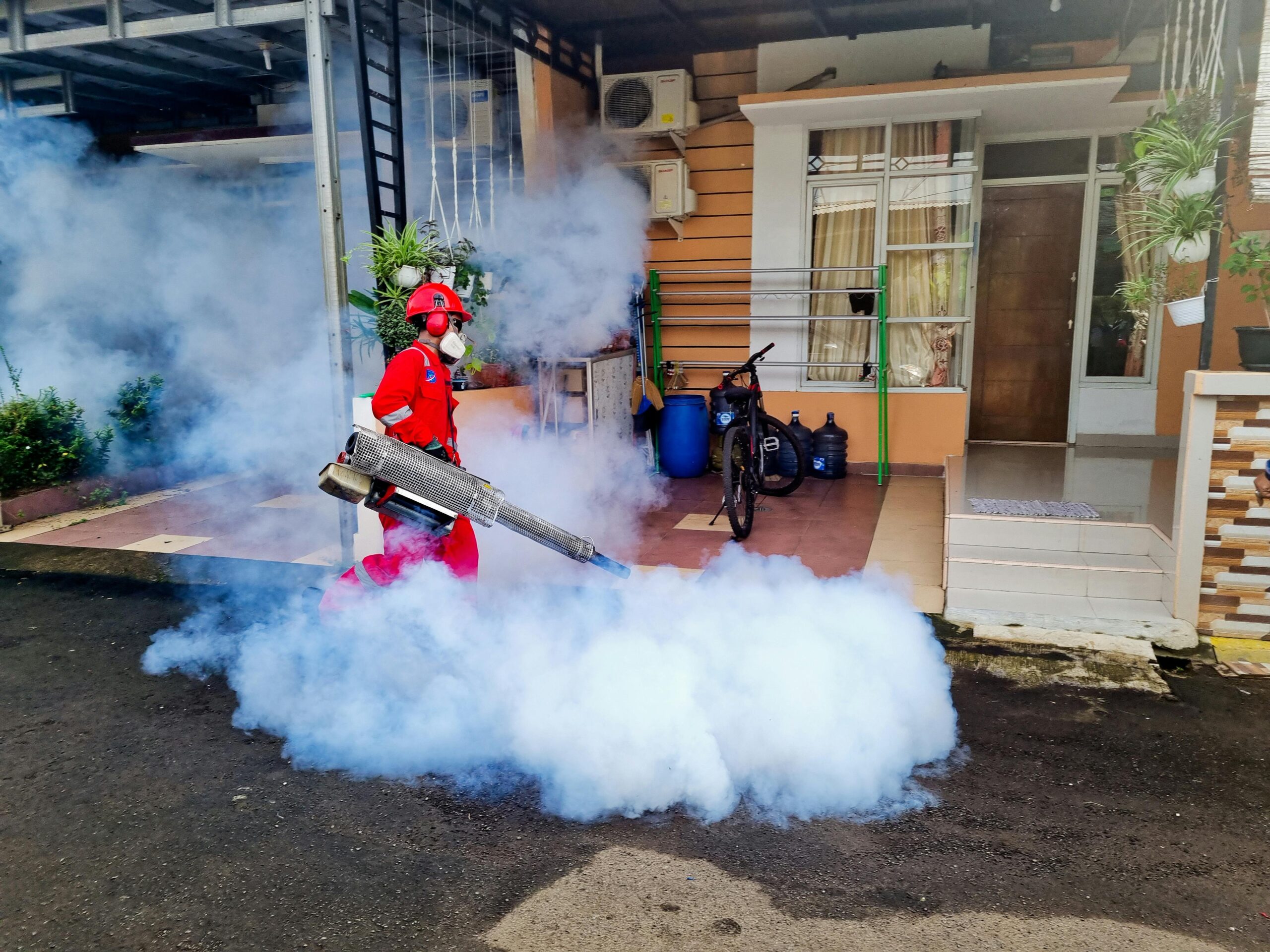
- Exterior fogging: A fine mist applied around the home’s perimeter creates a residual barrier that deters wandering spiders.
- Indoor fumigation: Reserved for severe, multi‑room infestations; a sealed environment allows a concentrated gas to eliminate hidden spiders and their egg sacs.
- Perimeter barrier treatments: Crystalline or synthetic insecticide granules are applied to soil, crawl spaces, and foundation cracks, offering months of protection.
- Targeted spot‑treatments: Technicians use hand‑held sprayers to treat webs, cracks, and known harborages with fast‑acting, low‑residue products.

Safety Considerations for Every Approach
Whether you’re sealing a crack or a pro is fogging your yard, safety comes first:
- Protective gear: Wear gloves, safety glasses, and a dust mask when handling any spray or foam.
- Ventilation: Open windows and doors after applying indoor sprays; allow at least 30 minutes before re‑entering the space.
- Pet precautions: Keep cats and dogs out of treated zones until products are fully dry or the area is cleared, especially with low‑toxicity sprays.
- Child safety: Store all chemicals out of reach and consider professional applications for products that require restricted re‑entry times.
When to Call a Licensed Technician
Most homeowners can manage occasional webs with DIY steps, but certain scenarios demand a certified expert:
- Brown recluse sightings: This venomous species hides in tight crevices. A licensed pro can identify, locate, and eradicate it safely.
- Extensive infestations: If webs appear in multiple rooms, basements, and crawl spaces simultaneously, professional barrier and spot‑treatments are more efficient.
- Recurring problems after DIY attempts: Persistent activity often signals hidden nests that only a thorough inspection and targeted treatment can resolve.
- Regulatory compliance: Some pesticide formulations are restricted to certified applicators, ensuring both efficacy and legal use.
Choosing the right mix of inspection diligence, homeowner actions, and professional expertise keeps spiders at bay while protecting your family’s health and your home’s integrity.
How Much Does a Spider Inspection Cost? Comparing Service Tiers
At Anthem Pest Control, we believe pricing should be as clear as a spider’s web—visible, straightforward, and without hidden knots, starting with a transparent spider inspection Suwanee homeowners can trust. All quotes are provided up-front, and you’ll never see surprise fees on your invoice. Whether you’re dealing with a single sighting or a full-blown infestation, our tiered pricing lets you pick the level of protection that matches your home’s risk and your budget.
Basic Tier – One‑Time Visual Inspection
The Basic Tier starts with a thorough visual walk‑through of your property, focusing on common entry points such as doors, windows, and foundation cracks. Technicians apply a light, targeted treatment to seal those openings and deter wandering spiders. This tier is priced around $99 and is ideal for low‑risk homes that have seen only occasional spider activity or are preparing for a seasonal check‑up.
Standard Tier – Visual Inspection + Interior Fogging
Building on the Basic package, the Standard Tier adds interior fogging of high‑traffic rooms and a follow‑up visit to assess treatment effectiveness. A preventive barrier is also applied around the home’s perimeter, creating an extra shield against future invasions. The cost typically falls between $179 – $219, making it the go‑to choice for average‑risk properties where spiders are a recurring nuisance but not yet a full infestation.
Premium Tier – Full‑Service Protection
The Premium Tier delivers everything in the Standard package plus quarterly inspections, a comprehensive full‑home fumigation, and a 12‑month warranty that covers re‑treatment if spiders return. This all‑inclusive service is designed for high‑risk homes—those with previous infestations, extensive landscaping, or adjacent properties that harbor large spider populations. Pricing is transparent at $349 – $399, reflecting the extensive labor, advanced products, and peace of mind that come with round‑the‑clock protection.

Service Tier Comparison
| Tier | Key Features | Typical Cost |
|---|---|---|
| Basic | One‑time visual inspection, entry‑point sealing | $99 |
| Standard | All Basic features, interior fogging, follow‑up visit, perimeter barrier | $179 – $219 |
| Premium | All Standard features, quarterly inspections, full‑home fumigation, 12‑month warranty | $349 – $399 |
While a one‑time fix can knock out a few wandering spiders, regular monitoring and preventive barriers are far more cost‑effective in the long run. Homeowners who choose the Standard or Premium tiers enjoy fewer surprise visits, reduced chemical usage, and a healthier indoor environment. If you’re unsure which level suits your home, think about recent spider sightings, the size of your yard, and whether neighboring properties have known infestations.
Secure Your Home Today with Anthem Pest Control
Living in Suwanee means sharing your yard and home with a variety of native spiders. By now you know the most common species, the best times to inspect, which treatments work best, and how pricing is typically structured. Let’s quickly recap those essentials before you take the next step toward a spider‑free home.
- Know your local spiders. Identify the harmless house spiders versus the potentially dangerous ones like the black widow.
- Inspect seasonally. Spring and fall are prime periods for spider activity, so schedule checks before they settle in.
- Choose the right treatment. Integrated pest management, targeted sprays, and perimeter barriers each have a place in a comprehensive plan.
- Understand pricing. Transparent quotes, no hidden fees, and options for one‑time treatments or ongoing protection.
When it comes to putting those takeaways into action, Anthem Pest Control is the partner you can trust. With a nationwide network of locally trained technicians, we bring the same level of expertise to Suwanee that we deliver to homeowners across the United States. Our crews are certified, background‑checked, and equipped with the latest, EPA‑approved products that protect your family and pets while eliminating spiders effectively.
What sets Anthem apart is our commitment to transparent pricing. Before any work begins, you’ll receive a detailed, easy‑to‑understand estimate—no surprise charges later. Our technicians know the local environment, so they can tailor a treatment plan that fits Suwanee’s climate and your specific property layout.

Ready to protect your home? Schedule a complimentary inspection today and receive a personalized treatment plan at no cost. Our friendly team will walk you through every step, answer any questions, and ensure you feel confident in the solution.
Call us now at 877-371-8196 or visit Anthem Pest Control to book your free quote and schedule a professional spider inspection Suwanee homeowners trust. Let’s make your home a safe, spider-free sanctuary—together.