Recognizing Stink Bugs in Southern Georgia
The brown marmorated stink bug (Halyomorpha halys) is a small, shield‑shaped invader that’s become a household nuisance across Southern Georgia. Adults measure roughly ½ inch (12 mm) long, with a broad, triangular body that ranges from light brown to a mottled gray‑brown hue. Their most distinctive feature is a pair of white bands crossing the antennae, giving them a “banded‑antenna” look that sets them apart from native bugs.
Key Identification Tips
- Shield‑shaped silhouette: The bug’s outline resembles a tiny Roman shield, wider than it is tall.
- White‑banded antennae: Two crisp white rings encircle each antenna segment.
- Mottled wings: When the bug is at rest, its forewings appear a patchwork of brown‑gray speckles that blend into the surrounding foliage.
- Odor cue: If crushed, the insect releases a characteristic “stinky” smell that can linger in kitchens or laundry rooms.
Common Entry Points
Stink bugs are opportunistic hitchhikers. In the fall, they seek warm refuges and can slip through the smallest gaps. Typical ingress sites include:
- Unsealed window frames and screen tears
- Door sweeps that have worn down
- Cracks around utility pipes, vents, and foundation walls
- Gaps in siding or roof eaves
Where They Live in Southern Georgia
During the growing season, these bugs thrive in:
- Orchards – especially peach, apple, and grape vines where they feed on fruit and buds
- Garden beds – attracted to tomatoes, beans, corn, and ornamental shrubs
- Wooded edges and riparian zones – providing shelter and a steady supply of plant sap
As temperatures dip in late September, the bugs abandon their outdoor habitats and migrate toward the heat of homes. The combination of abundant food sources and the region’s mild winters makes Southern Georgia a prime corridor for their seasonal movement.

Spotting these details early can save you from a full‑blown infestation. When you notice the shield‑shaped bugs gathering on windowsills, under eaves, or inside pantry cabinets, it’s a clear sign that they’ve found a way inside. Prompt identification allows Anthem Pest Control to tailor a targeted treatment plan—preventing the bugs from reproducing and keeping your home stink‑free throughout the colder months.
Seasonal Patterns and When Stink Bugs Are Most Active
Life‑cycle overview
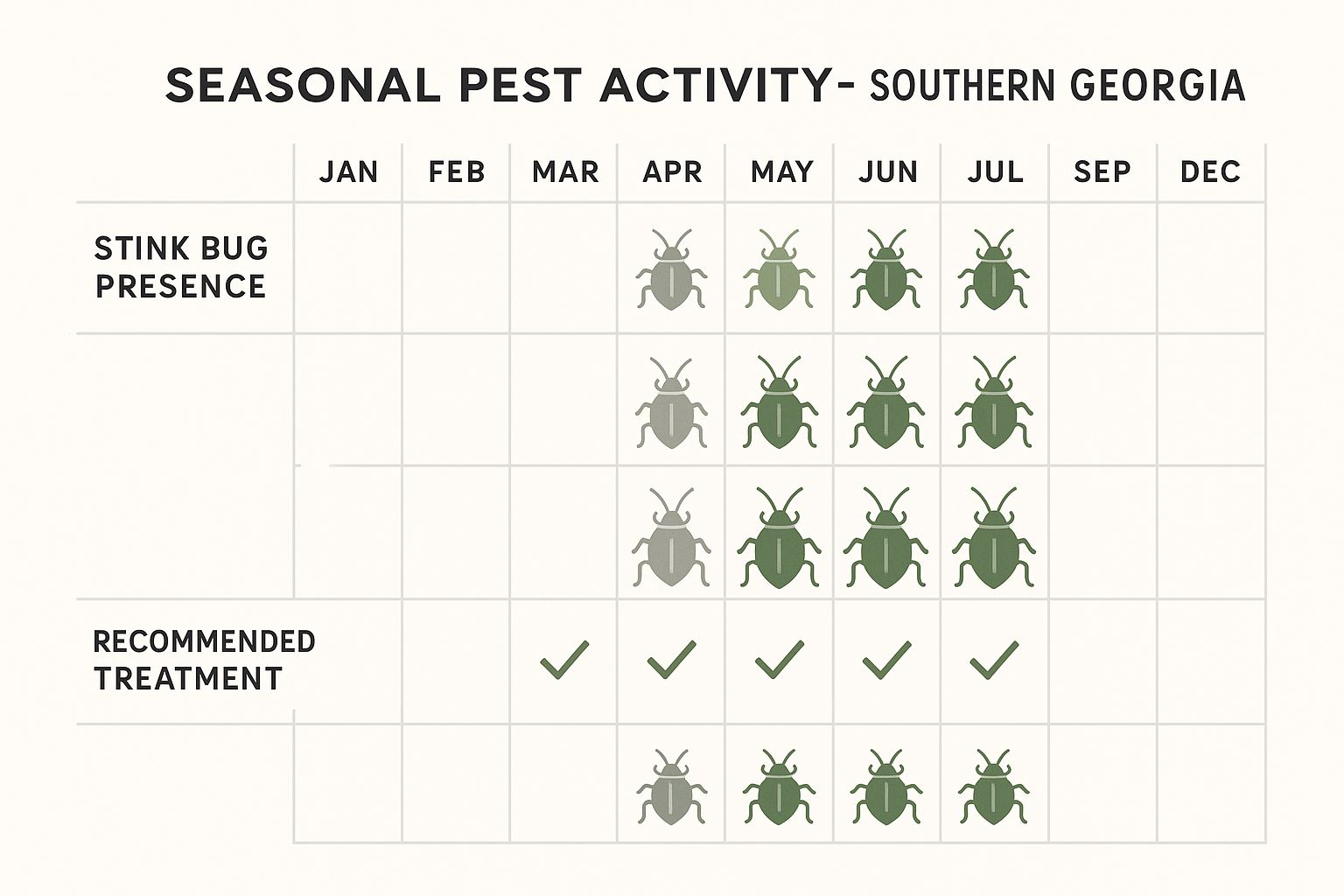
Stink bugs spend the winter as adult “over‑winterers” tucked in leaf litter, fence cracks, or attic insulation. As temperatures climb above 50 °F (10 °C) in early spring, these adults become active, mate, and lay egg masses on the underside of leaves. Nymphs hatch in late April, progress through five instars, and become reproductive adults by mid‑summer. By September, the new generation seeks shelter for the cold, completing the annual cycle.
Month‑by‑month activity in Southern Georgia
| Month | Activity level | Suggested treatment window |
|---|---|---|
| January – February | Very low (over‑wintering adults) | Early March – pre‑emergence |
| March – May | Rising (adult emergence & early breeding) | Mid‑April – before nymphs appear |
| June – August | Peak (full adult population & nymphs) | Late July – early August (post‑peak) |
| September – November | Declining (migration to shelters) | Early September – before they hide |
| December | Very low (over‑wintering) | Not recommended |
How weather drives movement
Temperature is the primary cue. Stink bugs become active once daily highs consistently exceed 55 °F (13 °C). Warm, dry days encourage feeding and dispersal, while high humidity can slow movement and push bugs deeper into structures. Sudden cold snaps (below 40 °F/4 °C) force them to seek refuge, often in wall voids where they become harder to detect.
Recommended treatment windows
For homeowners in Holly Springs, the most cost‑effective interventions line up with the activity chart:
- Pre‑emergence (early March): A perimeter spray prevents the first wave of adults from entering your home.
- Mid‑season (late April): Targeting breeding adults reduces egg‑mass production.
- Post‑peak (late July‑early August): A residual treatment catches late‑season adults before they seek shelter for winter.
- Early fall (early September): A final “seal‑up” service treats cracks and voids where bugs are gathering to overwinter.
Timing these applications within the indicated windows maximizes kill rates while minimizing the number of treatments needed—saving you both time and money.
Damage, Health Risks, and Why Early Action Matters
Stink bugs may look harmless, but in Holly Springs they can quickly turn a thriving garden or a comfortable home into a costly headache. Understanding the true impact of an infestation helps homeowners see why a prompt, professional response is worth the investment.
Economic impact on local agriculture and home gardens
In the surrounding farms of Holly Springs, stink bugs are notorious for ruining fruit, vegetables, and ornamental plants. They pierce the skin of tomatoes, peaches, and peppers, injecting enzymes that cause the produce to rot from the inside out. This loss ripples into homeowners’ own gardens, where a single plant can go from harvest‑ready to unusable within days. The indirect cost isn’t just the spoiled food—it’s the time and money spent replanting, plus the missed opportunity to enjoy home‑grown meals.
Structural damage and indoor air quality
When stink bugs congregate in walls, attics, or crawl spaces, they leave behind a dark, oily stain that is notoriously hard to clean. The characteristic odor, a mix of cilantro and rotten fruit, can seep into living spaces, making rooms feel uninviting. If large numbers die inside walls, the moisture from their bodies can foster mold growth, creating a secondary problem that threatens both the structure and the health of occupants.
Health risks and allergic reactions
While stink bugs are not disease vectors, their defensive spray can trigger skin irritation and allergic reactions in sensitive individuals. The lingering smell can aggravate asthma and other respiratory conditions, lowering indoor air quality and prompting complaints from neighbors.
Psychological stress of a persistent pest
Living with an ongoing stink bug problem can be mentally draining. Homeowners report sleepless nights, anxiety about the infestation spreading, and frustration from repeated DIY attempts that never fully resolve the issue. This stress often translates into a lower quality of life and a feeling of lost control over one’s own home.
Why early detection saves money and hassle
Identifying stink bugs before they multiply dramatically reduces treatment expenses. Early intervention typically requires a single, targeted fog treatment rather than multiple follow‑up visits. The sooner a professional applies the correct pesticide, the fewer bugs survive to hide in hard‑to‑reach places, which means lower labor costs and less chemical usage.

In short, the damage—both financial and emotional—can far outweigh the modest price of a timely, professional stink‑bug control service. Acting early not only protects your garden and home but also preserves peace of mind.
Control Options, Pricing, and What to Expect from Professionals
DIY Methods: What You Can Do Yourself
Many homeowners start with over‑the‑counter solutions before calling a pro. Common DIY tools include insecticidal soaps, homemade traps, and sealing cracks around windows, doors, and utility penetrations.
- Insecticidal soaps – easy to apply and low‑toxicity, but they only work on bugs you see and must be reapplied after rain.
- Sticky traps or light traps – useful for monitoring activity, yet they rarely reduce a full‑blown infestation.
- Sealing entry points – a good preventative step, but locating every tiny opening can be time‑consuming and often misses hidden cracks.
The upside of DIY is cost; the downside is limited reach and the risk of missing hidden colonies, which can let the problem bounce back.
Professional Treatment Methods
Anthem Pest’s technicians bring a suite of proven tactics that go beyond what you can buy at a hardware store.
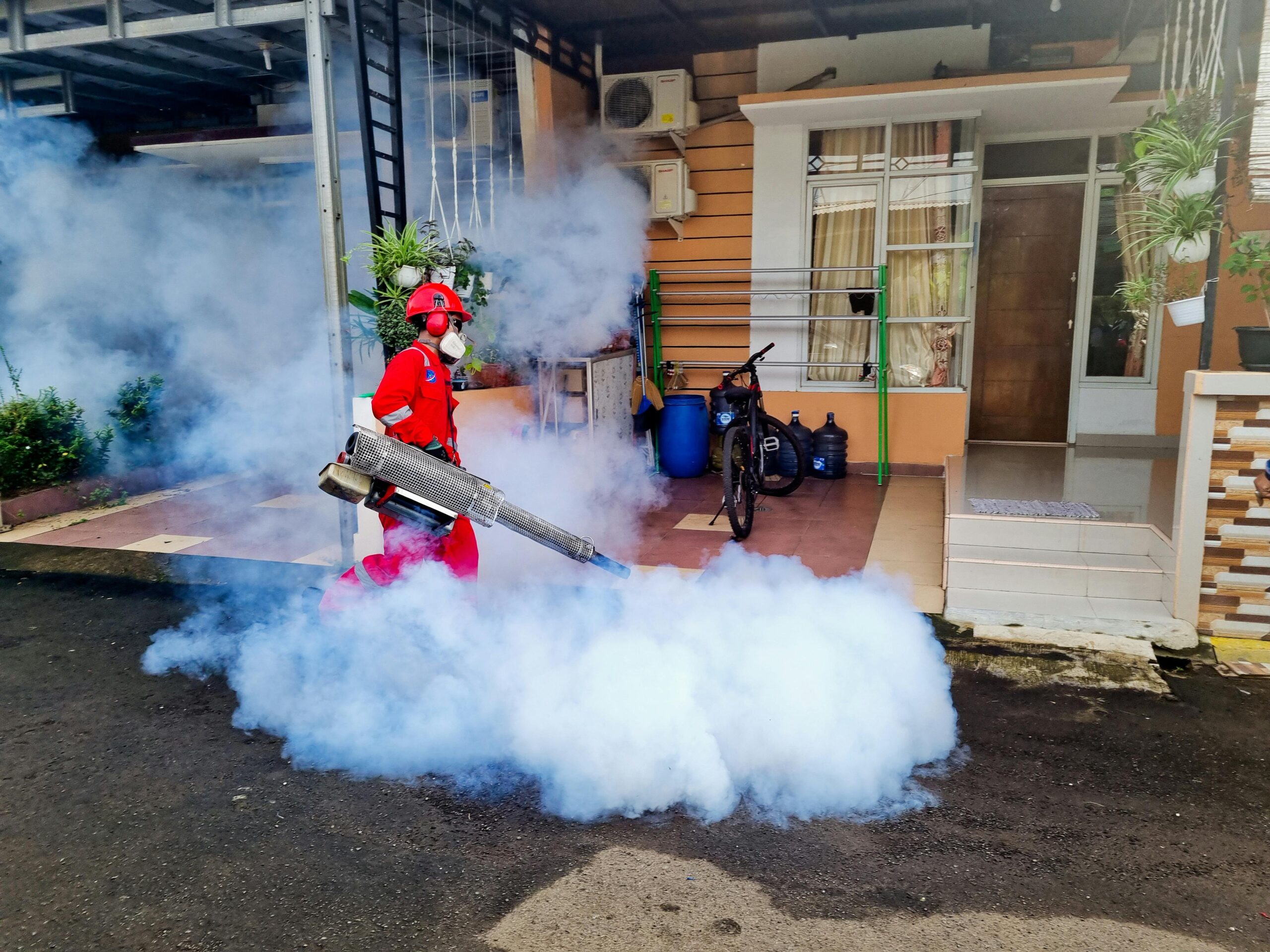
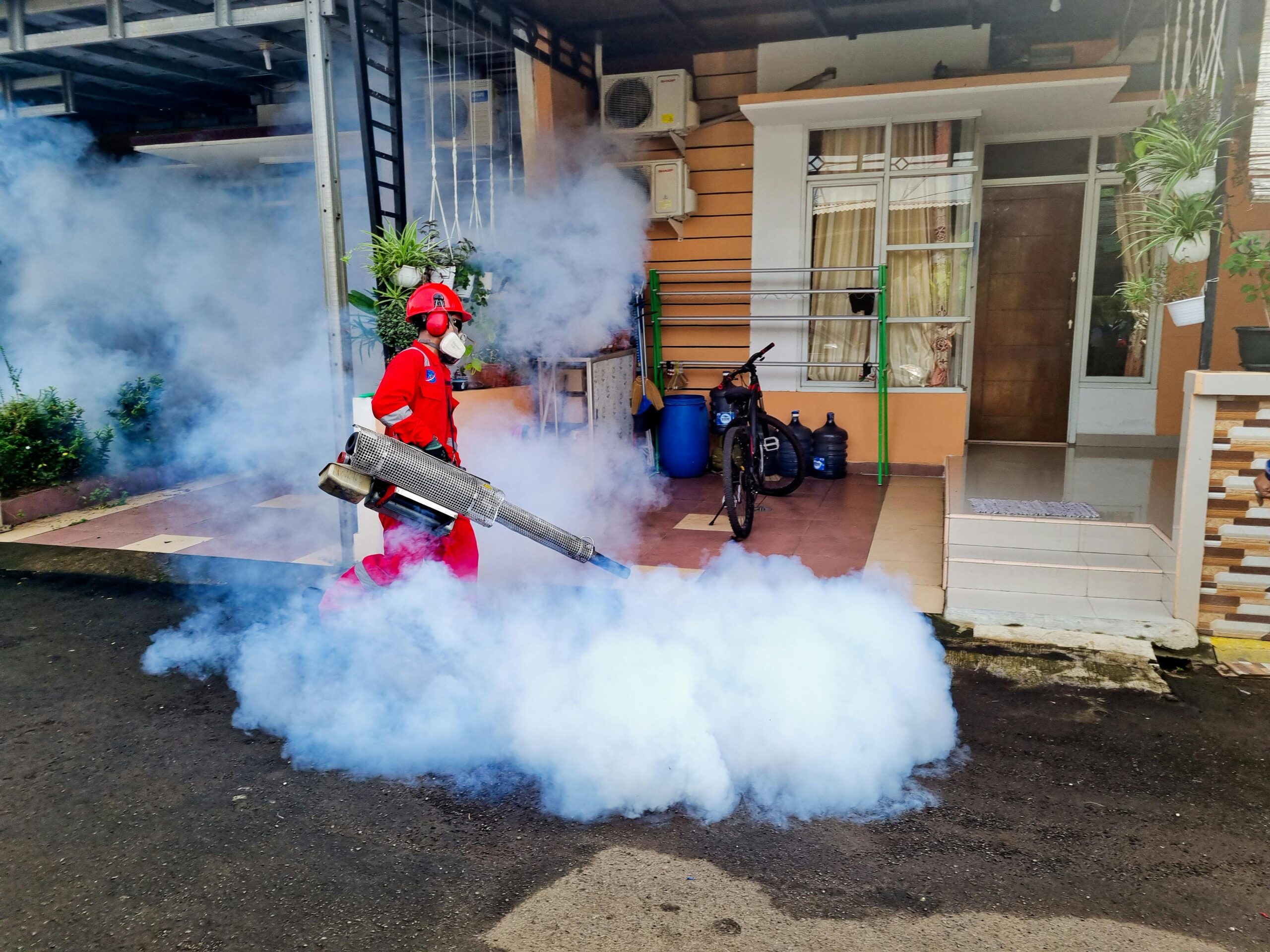
- Exterior spray fogging – a fine mist that blankets the building’s perimeter, killing bugs before they enter.
- Indoor residual sprays – low‑odor formulations applied to baseboards, window frames, and other hot spots, providing weeks of protection.
- Exclusion services – systematic sealing of vents, eaves, and foundation cracks using durable, pest‑proof materials.
These methods work together to attack stink bugs at the source and create a barrier that DIY products can’t match.
What an Anthem Pest Inspection Looks Like
Every service begins with a thorough on‑site inspection. A certified technician will:
- Identify the species and confirm it’s a stink bug problem.
- Assign a severity rating (low, moderate, high) based on bug density and entry points.
- Present a customized treatment plan that outlines the recommended products, application areas, and follow‑up schedule.
The inspection fee is transparent and credited toward any treatment you choose.
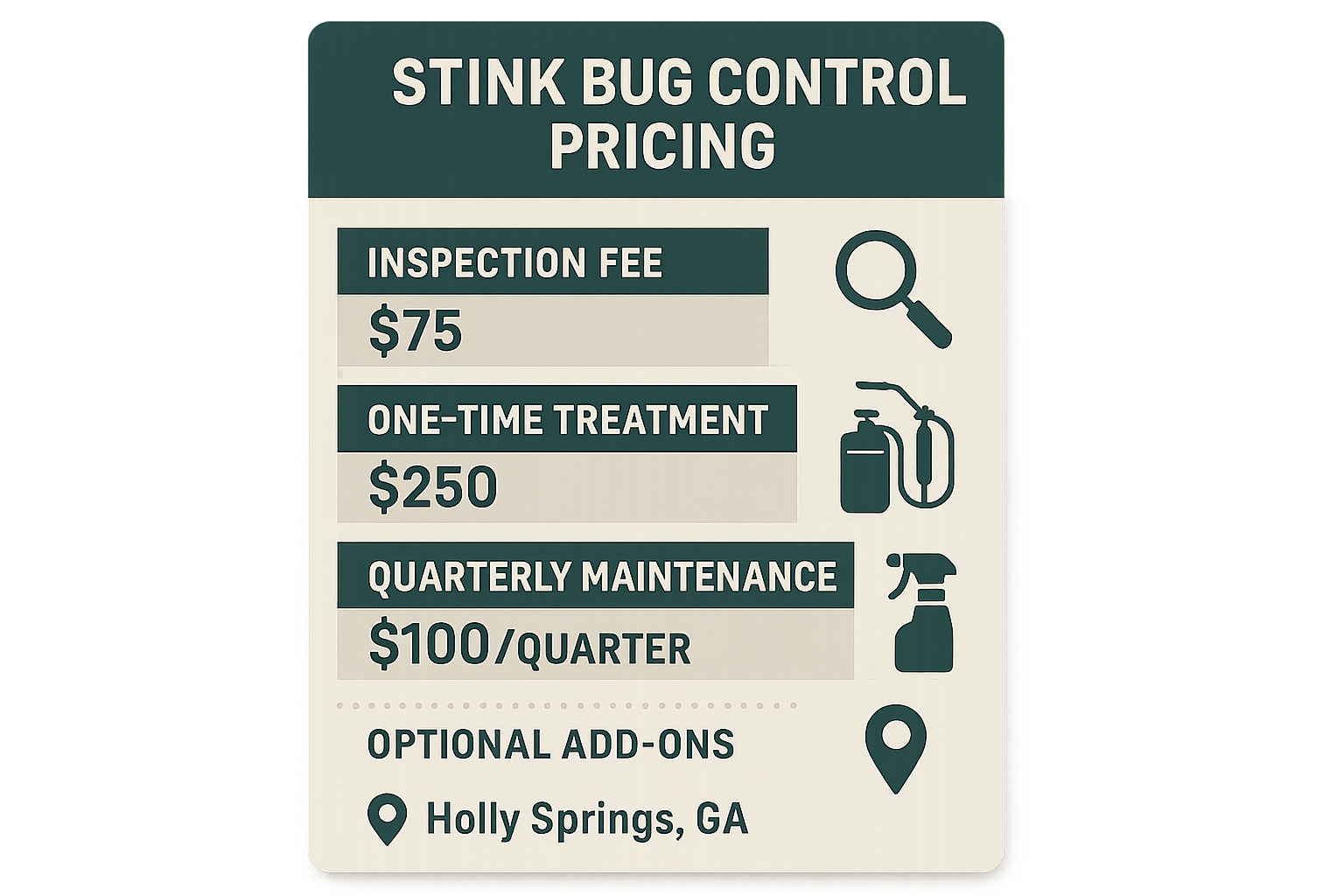
Pricing Breakdown (see infographic below)
Anthem Pest keeps pricing simple:
| Service | Cost Range |
|---|---|
| Inspection (credited if you proceed) | $75 – $95 |
| One‑time exterior & interior treatment | $250 – $400 |
| Quarterly maintenance package (4 visits/year) | $350 – $500 |
| Perimeter barrier add‑on | $120 – $180 |
| Indoor misting system (optional) | $200 – $300 |
Prices adjust based on property size (up to 2,500 sq ft vs. larger homes) and infestation level. Anthem Pest never tacks on surprise fees; the quote you receive includes labor, materials, and disposal.
Why Quarterly Maintenance Pays Off
Stink bugs have a seasonal surge in late summer. A quarterly plan means a technician visits before the peak, after the peak, and twice more to seal new entry points that may appear as foliage changes. This proactive approach slashes the chance of re‑infestation by up to 80 % and gives you peace of mind knowing your home is continuously protected.
Secure Your Home Today with Anthem Pest Control
By now you know how to spot a stink bug, why they appear in the spring and summer, and what damage they can cause if left unchecked—from ruined garden crops to lingering odors inside your walls. Ignoring these signs not only invites a larger infestation but also increases the likelihood of costly repairs later on.
Anthem Pest Control brings years of experience to Southern Georgia households, combining local knowledge with EPA‑approved treatments that are both safe for your family and effective against the toughest stink bug populations. Our technicians understand the unique climate of Holly Springs, so we target the bugs when they’re most vulnerable—right after they emerge from overwintering sites.
We’re committed to transparent, affordable pricing, and we tailor every plan to the specific layout of your home. Whether you need a one‑time eradication or an ongoing prevention program, our certified team will walk you through each step, answer every question, and never push unnecessary services.
A proactive approach not only stops stink bugs from nesting inside walls but also protects neighboring plants and reduces the chance of future invasions. Our seasonal monitoring program includes follow‑up visits, so you’ll never be caught off‑guard when the next wave arrives.
Ready to protect your home? Schedule a free inspection today and receive a personalized quote with no hidden fees. Our friendly experts will assess your property, explain the treatment strategy, and give you a clear timeline—no pressure, just peace of mind.
Give us a call at 877‑371‑8196 or click here to book your complimentary inspection. Let Anthem Pest Control keep your home stink‑bug free, so you can enjoy a comfortable, odor‑free season.