Identifying Crickets Around Your Home
When you hear a steady, rhythmic chirp echoing from the yard or the basement, you’re probably dealing with the common house cricket (Acheta domesticus). These insects are harmless to humans but can become a nuisance when they congregate in large numbers. Knowing exactly what you’re looking at is the first step in deciding whether a DIY approach will suffice or if you need a professional’s help.
What a House Cricket Looks Like
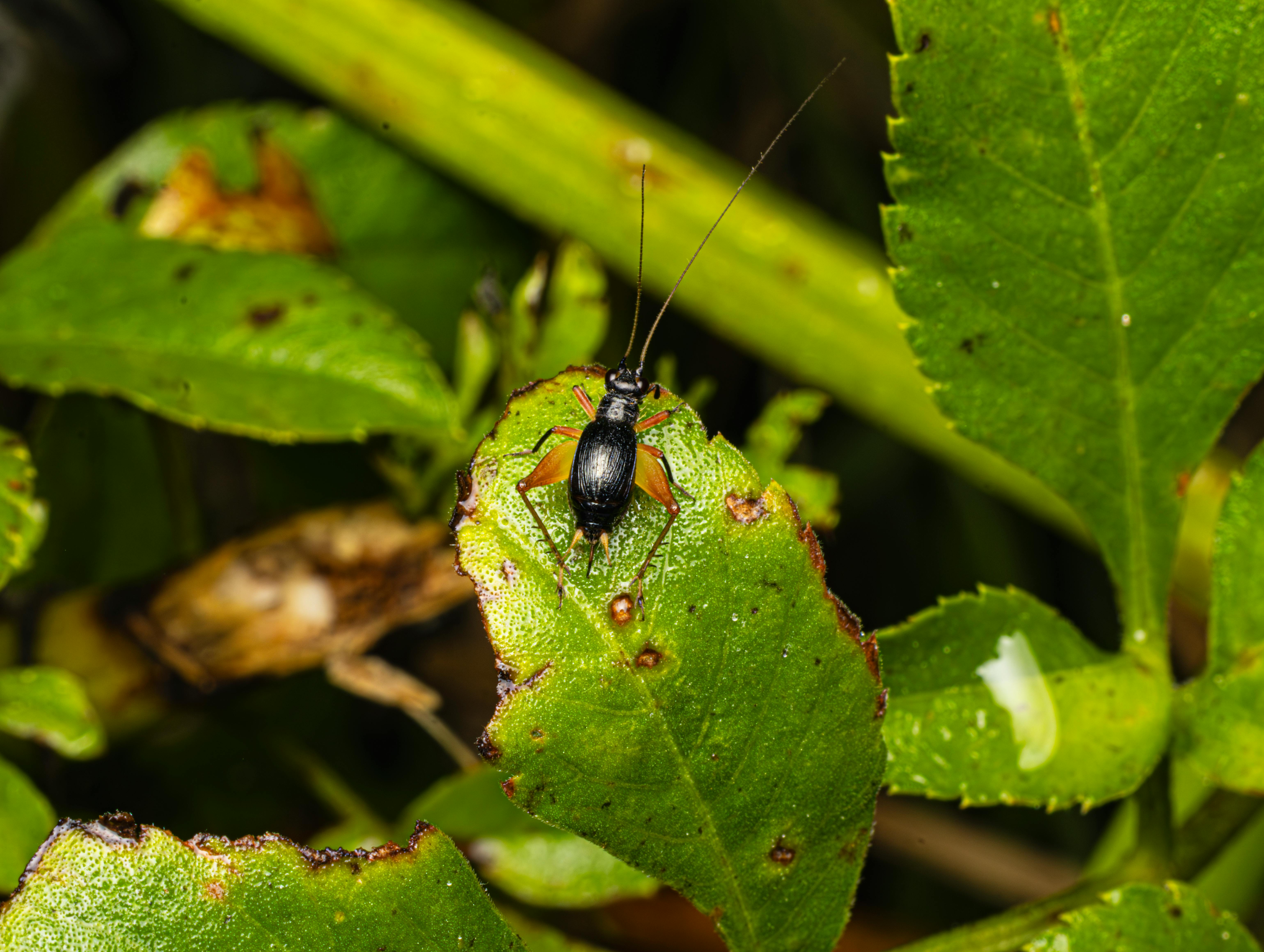
Adult house crickets are modest in size, typically measuring ½ to ¾ inch (12‑19 mm) in length. Their bodies are a muted brown or tan, blending easily with soil and leaf litter. Two features set them apart from other backyard bugs:
- Long antennae: Each antenna can be as long as the cricket’s body, giving it a “whiskered” appearance.
- Transparent wings: When at rest, the thin, clear wings lie flat over the back. If disturbed, they can be raised briefly, revealing a faint, glass‑like sheen.
Both sexes produce the characteristic nighttime chirp, but males are the primary singers, rubbing the front wings together to create the sound.
Where Crickets Like to Hang Out
Crickets are opportunistic explorers. They gravitate toward moist, sheltered spots where they can hide from predators and stay hydrated. Typical habitats around a Holly Springs home include:
- Leaf litter and mulch beds in the garden.
- Loose soil or compost piles.
- Gaps in foundation walls, especially where water pools.
- Basements, crawl spaces, and other indoor areas with high humidity.
Signs That Crickets Have Moved In
Even if you haven’t seen a cricket up close, you can spot their presence by looking for these clues:
- Audible chirping: A steady, rhythmic song after sunset is the most obvious indicator.
- Droppings: Small, dark specks resembling pepper grains often appear near food sources or along baseboards.
- Plant damage: Crickets may nibble tender foliage, leaving ragged edges on garden plants.
- Fabric wear: In rare cases, crickets chew on soft indoor fabrics, creating tiny holes.
Why Accurate Identification Matters
Confusing crickets with more destructive pests—such as cockroaches or termites—can lead to unnecessary treatments and wasted money. A correct ID helps you:
- Choose the most cost‑effective control method (often simple sanitation and exclusion).
- Avoid the use of broad‑spectrum insecticides when they aren’t needed.
- Communicate clearly with a pest‑control professional, ensuring they bring the right tools and expertise.
Quick Tip for the Curious Homeowner
If you want to confirm a cricket’s identity before calling a professional, grab a flashlight and a soft brush. Gently sweep the insect onto the brush, then transfer it to a clear container. A close look at the long antennae, transparent wings, and overall body shape will usually confirm you’re dealing with Acheta domesticus. Once you’ve identified the culprit, you can decide whether a simple exclusion strategy or a targeted treatment from Anthem Pest Control is the best next step.
How Crickets Invade and Why They Matter

In Holly Springs, Georgia, crickets are more than just background noise on a summer night. When they appear in large numbers, they quickly become a nuisance that can affect your home’s comfort, your belongings, and even your health. Understanding how they get inside and what they can do once they’re there is the first step toward keeping your house cricket‑free.
Seasonal behavior: why crickets surge in late summer and early fall
Crickets are cold‑blooded insects, so their activity spikes when temperatures climb above 75°F (24°C). In Georgia, late summer and early fall provide the perfect mix of warm nights and abundant moisture, prompting adult males to start their iconic chirping to attract mates. This breeding frenzy creates a population boom that can overwhelm a household in just a few weeks.
Structural entry points
Crickets are surprisingly agile climbers and can squeeze through the tiniest gaps. The most common pathways into a home include:
- Cracks in the foundation or basement walls.
- Unsealed utility penetrations (pipes, cables, and vents).
- Open or poorly screened vents and attic fans.
- Door sweeps that are worn or missing.
- Gaps around windows and sliding doors.
Even a hairline crack can become a highway for a cricket, especially when wind or rain pushes them toward the interior.
Damage potential
While crickets don’t chew through wood like termites, they do have a habit of nibbling on soft materials. Homeowners often discover:
- Chewed edges on curtains, upholstery, and clothing.
- Holes in garden plants, particularly tender seedlings.
- Food‑borne contamination when droppings land on countertops, pantry items, or pet dishes.
Those droppings are not just unsightly—they can leave a lingering odor and attract other pests, creating a cascading problem.
Noise disturbance
Male crickets produce a steady chirp by rubbing their wings together. In a quiet neighborhood, that sound can echo through thin walls and become a nightly alarm clock. For light sleepers, the constant chirping can lead to fragmented sleep, reduced concentration, and increased irritability.
Health concerns
Cricket droppings contain proteins that act as allergens for sensitive individuals. When inhaled, they can trigger sneezing, watery eyes, and skin irritation. Moreover, because crickets often forage in soil and decaying vegetation, they can carry bacteria that contaminate food surfaces, posing a risk of gastrointestinal upset if ingested.
When DIY methods fall short
Simple solutions—like sealing obvious cracks, setting sticky traps, or using household insecticides—might reduce a few stragglers, but they rarely address the root cause. Crickets can re‑enter through hidden gaps, and chemical sprays may only provide short‑term relief while exposing your family and pets to unnecessary chemicals.
Professional pest control offers a comprehensive approach: a thorough inspection to locate every entry point, targeted treatments that target adult crickets and their nymphs, and a preventive plan that includes sealing, landscape management, and regular monitoring. When the infestation persists despite your best DIY efforts, calling a trained technician ensures the problem is resolved safely and efficiently.
Cricket Control Options and What to Expect
Exterior Perimeter Treatments
Professional pest technicians start by creating a chemical barrier around the home’s foundation, crawl spaces, and landscaping. A low‑volume spray is applied in a continuous ring that penetrates the soil and blocks crickets from entering through cracks, gaps, or vegetation. The formulation typically contains an EPA‑registered insecticide that remains active for 8‑12 weeks, giving homeowners a season‑long shield without the need for daily attention.
Interior Crack‑and‑Crevice Applications
Once crickets have found shelter inside walls, under floorboards, or behind baseboards, a targeted approach is required. Technicians use handheld foggers or dust applicators to deposit a fine mist or dust directly into hidden harborage sites. The dust adheres to the insects’ exoskeletons, causing rapid knock‑down, while the fog penetrates tight spaces that sprays cannot reach. This method is especially effective after a perimeter treatment has reduced outdoor pressure.
Fumigation and Smoke Treatments
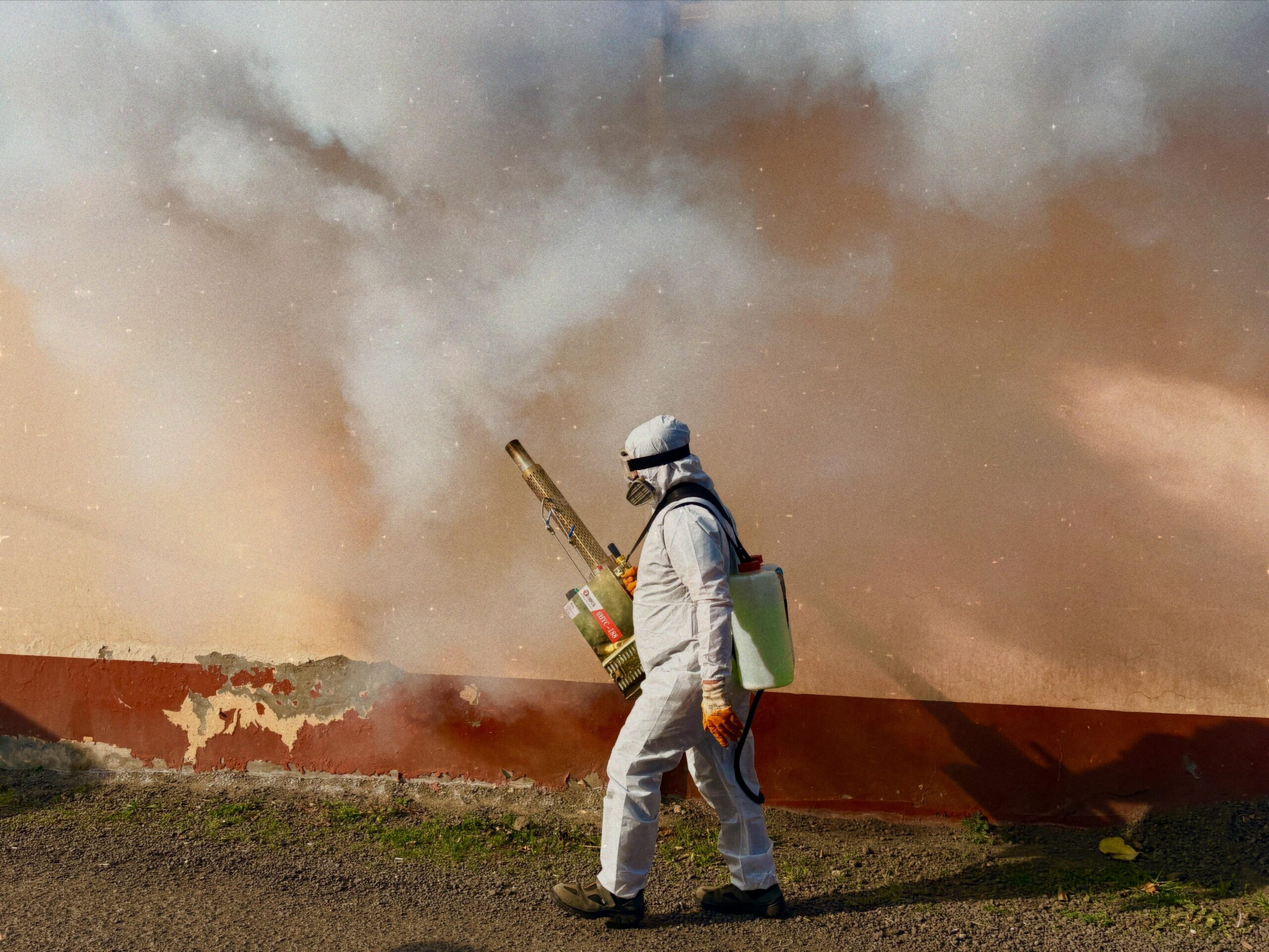
In severe infestations, a technician may employ a smoke machine that releases a fine, insect‑specific aerosol into interior voids. The smoke particles travel through cracks and crevices, suffocating crickets that are otherwise protected from surface sprays. This technique is typically reserved for homes with extensive crawl‑space access or when other methods have not achieved satisfactory results.
Integrated Pest Management (IPM)
Anthem Pest follows an IPM philosophy that blends sanitation, exclusion, and chemical control. Homeowners are encouraged to remove food sources, trim vegetation away from the house, and seal entry points with caulk or weather‑stripping. These cultural steps dramatically reduce cricket activity and allow the applied chemicals to work more efficiently. The IPM approach also minimizes pesticide use, keeping the environment and family safe.
Follow‑Up Visits and Timing
Cricket populations can rebound quickly, so a typical service plan includes a re‑inspection and touch‑up visit every three months. During the follow‑up, technicians assess the barrier’s integrity, treat any new entry points, and apply supplemental interior dusts if needed. This schedule aligns with the life cycle of crickets, ensuring that newly hatched nymphs are intercepted before they mature.
Safety Assurances
All products used by Anthem Pest are EPA‑registered and chosen for their low toxicity to humans and pets. When possible, we opt for reduced‑risk formulations such as pyrethroid‑based sprays or botanical dusts. Technicians wear protective gear and follow strict application protocols, so homeowners can feel confident that the treatment is both effective and safe for families, dogs, and cats.
DIY Traps vs. Professional Services
While sticky traps and homemade bait stations can provide temporary relief, they rarely address the root cause of an infestation. Below is a quick comparison of the two approaches.
| Factor | DIY Traps | Professional Service |
|---|---|---|
| Initial Cost | Low ($5‑$15 per pack) | Moderate ($150‑$250 per treatment) |
| Long‑Term Effectiveness | Limited, requires frequent replacement | High, barrier lasts 8‑12 weeks |
| Labor Required | Homeowner placement and monitoring | Technician applies, homeowner maintains sanitation |
| Safety | Variable, often uses non‑EPA products | EPA‑registered, low‑toxicity formulations |
| Overall Value | Short‑term relief, higher cumulative cost | Comprehensive control, better ROI |
Pricing, Seasonal Timing, and Choosing the Right Service Tier
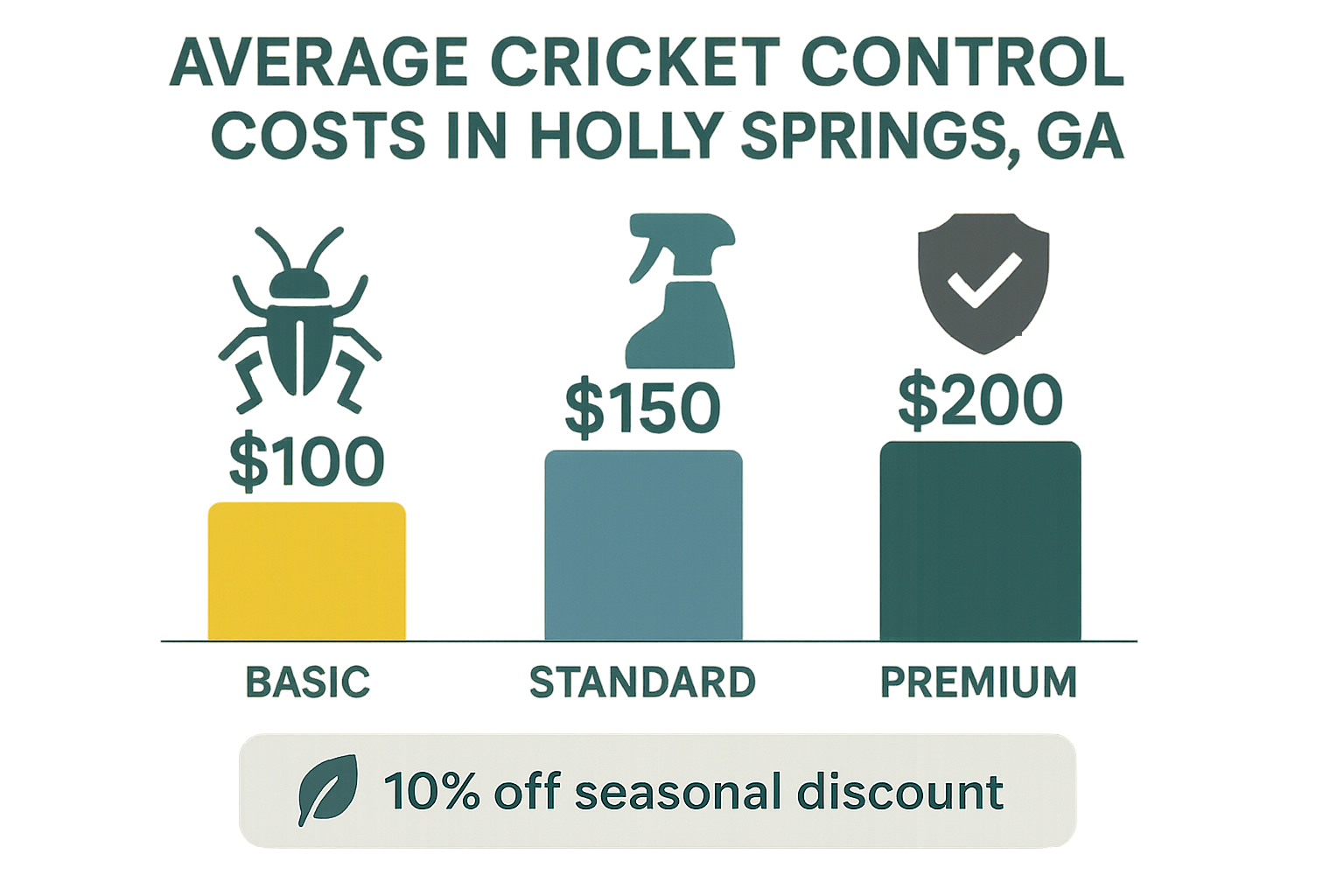
When it comes to cricket control in Holly Springs, GA, knowing what you’ll pay and when to act can make the difference between a one‑time fix and a recurring nuisance. The EPA’s 2023 pest‑management cost survey shows that homeowners in the Southeast typically spend $120 – $250 for a single cricket treatment. Anthem Pest tailors that range into three clear service tiers, so you can match the solution to your home’s size, infestation level, and budget.
Service‑Tier Breakdown
| Tier | What’s Included | Typical Cost |
|---|---|---|
| Basic | One‑time exterior barrier spray covering foundation, perimeter walls, and entry points. | $120 – $150 |
| Standard | Exterior barrier plus interior treatment of common hiding spots (kitchens, basements, closets). | $180 – $220 |
| Premium | Comprehensive Integrated Pest Management (IPM): barrier, interior treatment, quarterly monitoring, and a customized prevention plan. | $260 – $320 |
Visual Quick‑Reference
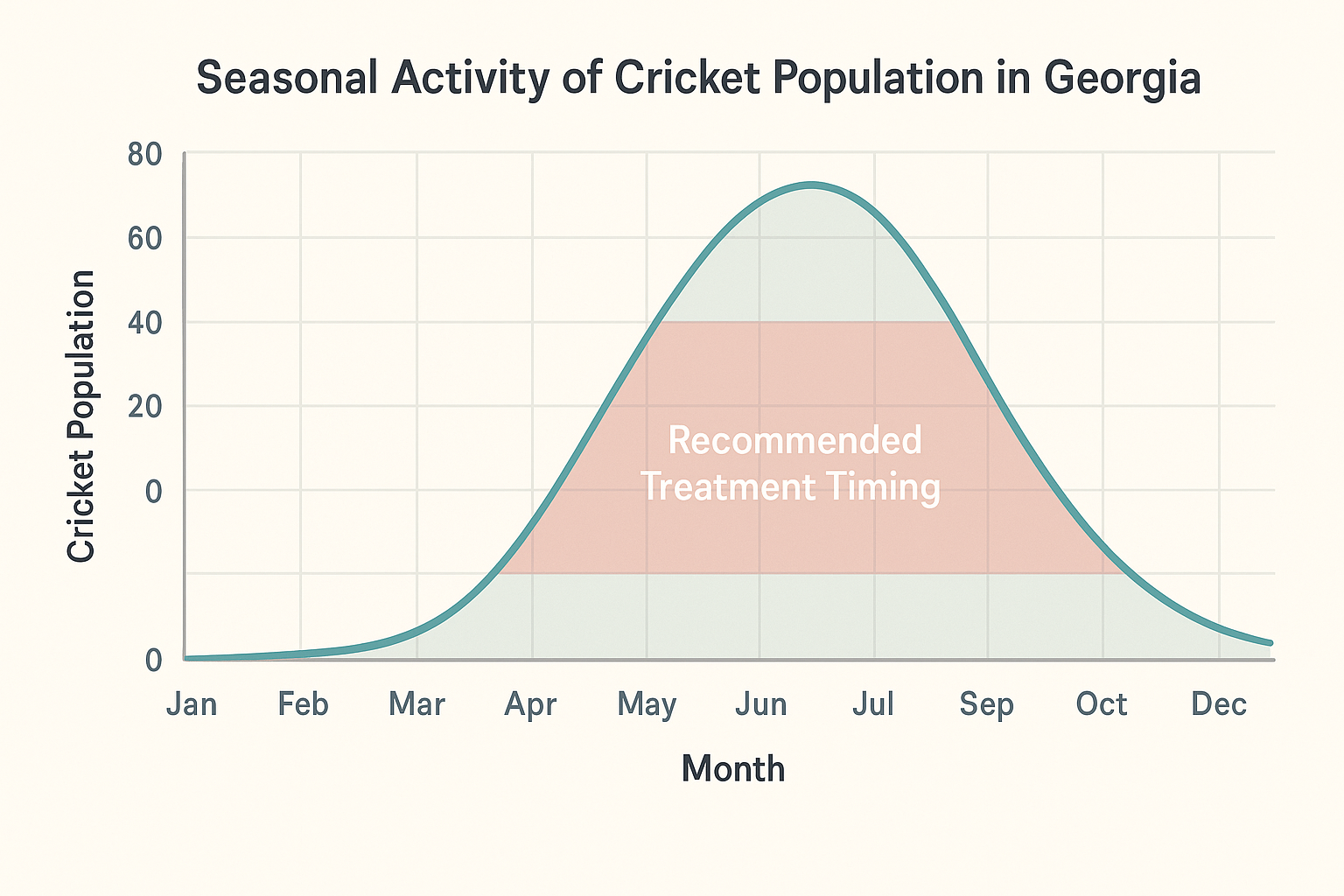
Seasonal Activity & Optimal Treatment Windows
Crickets are most active when temperatures climb above 80 °F and humidity stays high. In Holly Springs, the peak period runs from July through October. Targeting the early part of the season (early July) stops the first wave of adults from establishing a breeding colony. A second application in late September catches late‑season hatchlings before they overwinter.
| Month | Typical Cricket Activity | Recommended Action |
|---|---|---|
| June | Low – early emergence | Monitor, plan treatment |
| July – August | High – breeding & expansion | First barrier (early July) |
| September | Moderate – new hatchlings | Second barrier (late September) |
| October – November | Declining – adults die off | Final inspection, optional follow‑up |
Discount Opportunities
- Early‑season booking: Schedule your first treatment before July 1 and receive a 10 % discount on the Basic or Standard tier.
- Bundled services: Combine cricket control with ant or spider protection and save up to 15 % on the total package.
- Referral reward: Refer a neighbor who signs up for any tier and both households get a $25 credit toward their next service.
How to Choose the Right Tier
Pick the tier that aligns with three key factors:
- Home size and layout. Larger properties with multiple structures (garage, shed, pool house) usually benefit from the Standard or Premium tier because the exterior barrier needs more coverage.
- Infestation severity. If you’ve already spotted crickets inside kitchens or bedrooms, the interior component of the Standard tier is a must‑have. Persistent problems or previous years’ infestations point toward Premium IPM.
- Budget comfort zone. The Basic tier offers a cost‑effective entry point for homeowners who want a single barrier. Premium adds monitoring, which can prevent future spikes and ultimately save money.
Think of the tiers like a thermostat: the Basic tier sets a low, steady temperature (prevents entry), the Standard tier adds a fan (pushes insects out of interior spaces), and the Premium tier includes a smart sensor system (detects and reacts to any new activity).
Get Your Free, Customized Quote
Every home is unique, so Anthem Pest offers a no‑obligation, free quote tailored to your property’s square footage, current cricket activity, and preferred service tier. Request your personalized estimate today and lock in seasonal discounts before the July rush.
Protect Your Home with Anthem Pest Control Today
You’ve’ve learned how to spot the tell‑tale signs of crickets – the chir‑chipping night sounds, the occasional tiny crters on windows, and the occasional damage to outdoor fabric or garden seedlings. Crickets aren’t just a nuisance; they can amplify moisture problems, attract other pests, and create a noisy environment that makes a home feel a little the less.
When you choose a professional, EPA‑compliant treatment plan, you get a targeted, safe the solution that eliminates the insects at the source without harming your family, pets, or the surrounding garden. A a proper program also prevents future infestations by treating the cracks, entry points, and outdoor habitats that crickets love.
Anthem Pest Control brings a deep‑knowledge of Georgia’s climate patterns to every job. Our technicians know the local cricket species, the best times of year to intervene, and the most effective products that meet EPA standards. With transparent pricing, you can see exactly what you’m paying for, and our flexible service tiers let you select a basic seasonal plan or a a comprehensive year‑round protection package.
- Safe: Using low‑toxicity, EPA‑approved products that protect indoor air quality.
- Effective: A a combination of perimeter treatment and targeted interior applications.
- Affordable: Clear, no‑surprise pricing and a a range of service options to fit any budget.
At Anthem, we’re committed to delivering a a safe, effective, and a a affordable solution for every homeowner. Our technicians are locally based, arrive promptly, and conduct a a thorough assessment assessment before any treatment. This ensures the plan is tailored to your home’s unique layout, outdoor surroundings, and cricket activity level.
Ready to enjoy a a quiet, a a cricket‑free home? We offer a a free, a a no‑obligation quote and typically schedule a a same‑day appointment for urgent needs. A a our expert will evaluate your property, explain the recommended treatment, and answer any a a questions you have.
Call us today at 877‑371‑8196 or visit Anthem Pest Control to get started. Visit Anthem Pest Control for more information and to secure your a a peace of mind.