Why Understanding Household Pests Matters

When you hear a faint rustle in the attic or spot a stray ant on the kitchen counter, it’s easy to dismiss the sighting as a minor nuisance. In reality, pests operate behind the scenes, silently eroding both the market value of your home and the health of your family.
Beyond the obvious mess, infestations generate hidden costs that quickly add up. Termites can chew through structural wood, leading to expensive repairs that run into thousands of dollars. Rodents gnaw wiring, increasing the risk of fire and raising utility bills as systems work harder. Meanwhile, allergens from cockroach droppings or mosquito bites trigger asthma attacks and medical visits, inflating healthcare expenses for any household.
According to the EPA, U.S. homeowners spend an average of $1,200‑$1,800 annually on pest‑control services (2024 data). This figure reflects not only the price of treatment but also the cumulative burden of damage prevention, lost productivity, and health‑related costs.
Early detection and a consistent control schedule turn that financial drain into long‑term savings. By catching a termite tunnel before it spreads, or by sealing entry points before rodents move in, you avoid emergency repairs and the stress that comes with them. Regular, professional monitoring also provides peace of mind—knowing that a trained technician is safeguarding your home week after week.
Consistent inspections also catch seasonal spikes—like summer mosquitoes or fall rodents—before they become full‑blown infestations, saving you both time and money.
With this foundation, the next sections will walk you through the most common household invaders, how to recognize their warning signs, and which proactive steps keep your home safe year‑round.
Meet the Usual Suspects
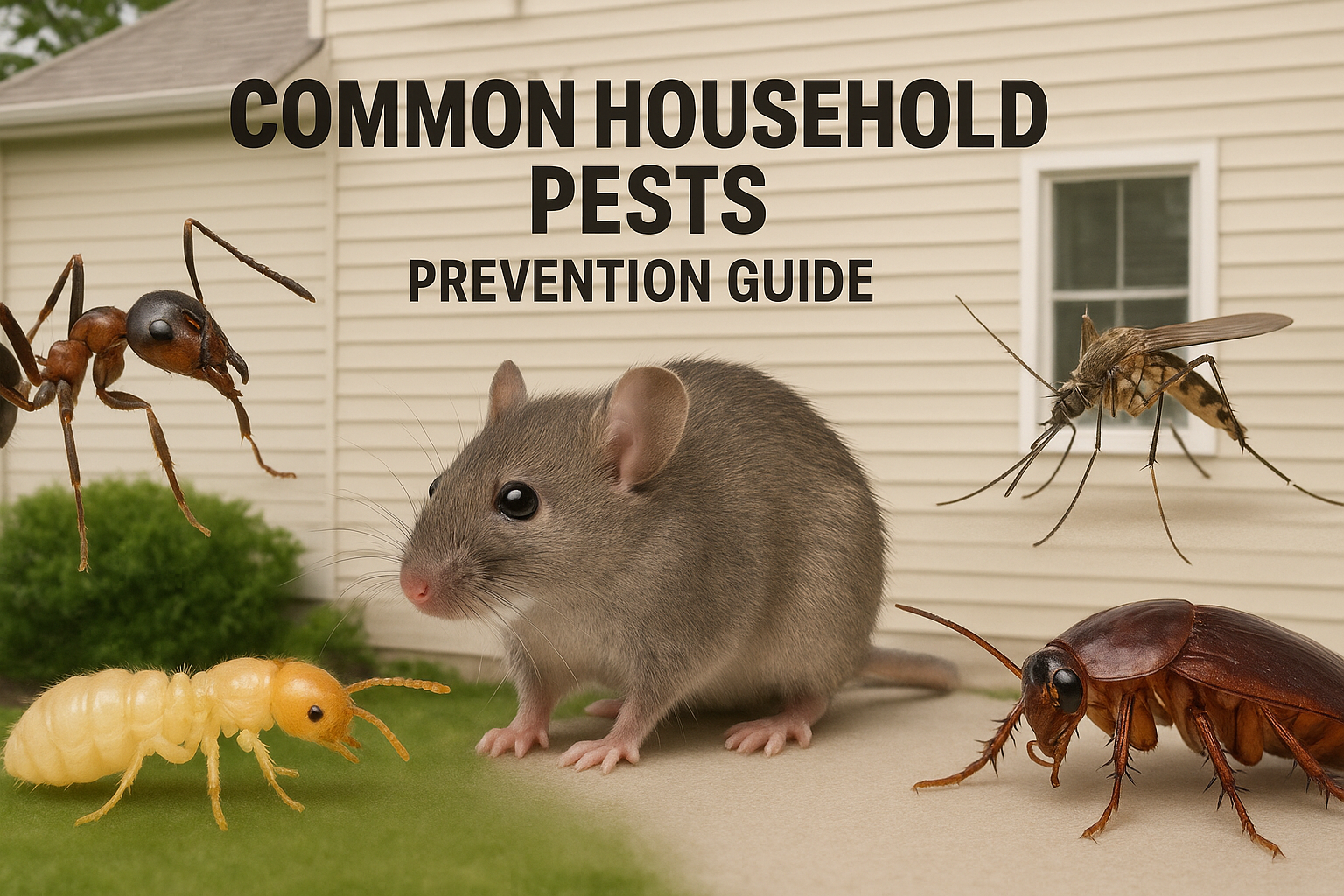
When you spot a tiny intruder or hear a scurry in the walls, it’s usually one of five familiar foes. Knowing their habits, why they wander indoors, and the specific risks they pose can help you act before a minor nuisance becomes a costly problem.
Ants
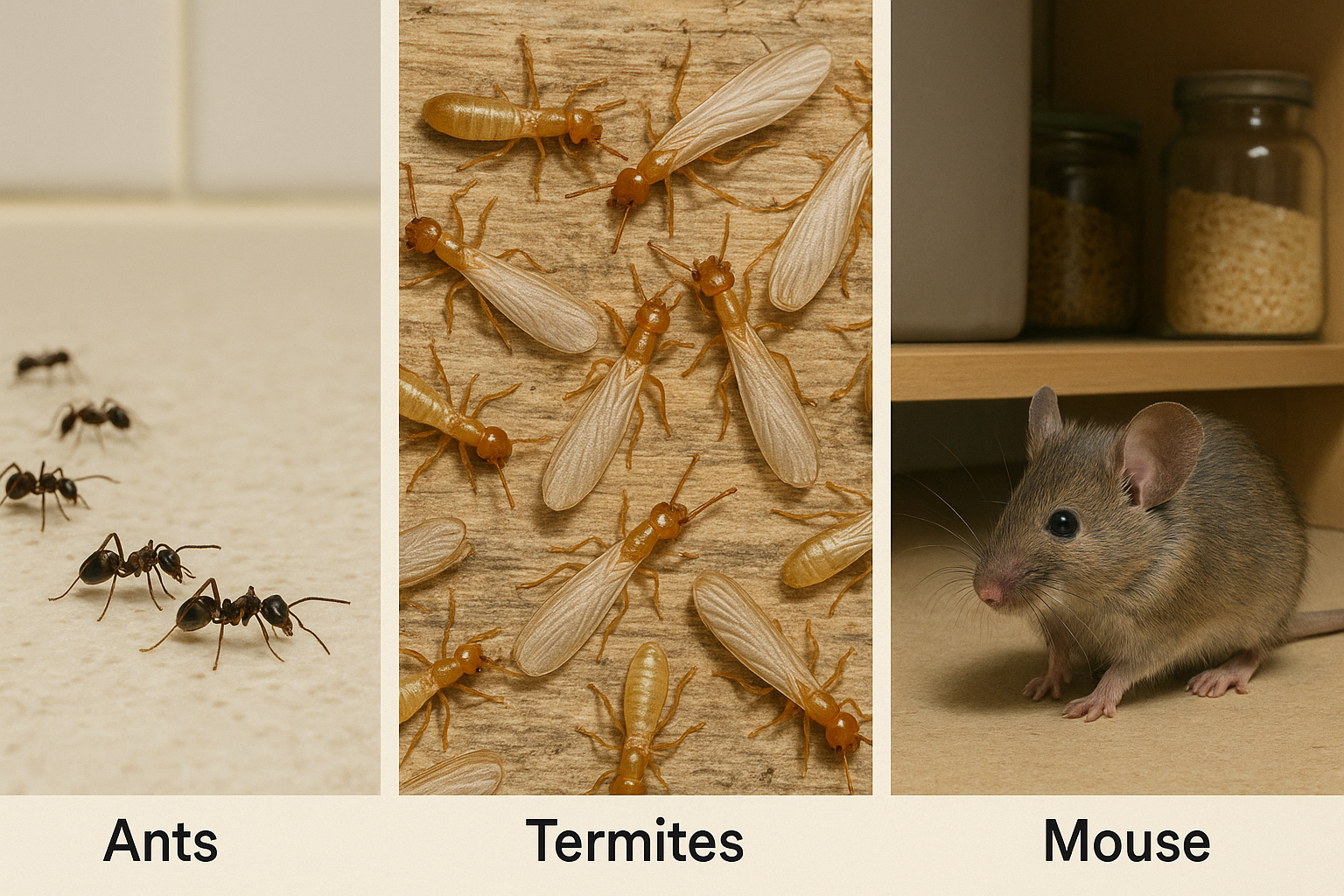
Ants are social insects that live in colonies ranging from a few dozen to millions of individuals. They are drawn inside by sugary spills, crumbs, or even pet food left out overnight. While most species are harmless, carpenter ants can chew through wood, compromising structural integrity and leading to repair bills as high as $5,000, according to a National Pest Management Association (NPMA) study. Spotting a trail of ants early lets you intervene before they establish a permanent foothold.
Termites
Termites are wood‑eating insects that work silently, feeding on cellulose in structural timber, flooring, and even furniture. They enter homes seeking moisture and a steady food source, often through tiny cracks in foundations or gaps around pipes. The damage they cause is largely invisible until it’s severe, contributing to annual U.S. losses exceeding $5 billion. Early detection—such as spotting mud tubes or hollow‑sounding wood—can save homeowners thousands in repairs.
Rodents
Mice and rats are opportunistic mammals that look for shelter, warmth, and readily available food. They can squeeze through openings as small as a quarter‑inch, making even well‑sealed homes vulnerable. Beyond gnawing on wiring, which raises fire hazards, rodents carry pathogens like hantavirus that can be transmitted through droppings or urine. A single infestation can quickly multiply, so setting traps and sealing entry points is essential.
Mosquitoes
Mosquitoes thrive in standing water—think clogged gutters, birdbaths, or forgotten plant saucers. Female mosquitoes need blood meals to develop eggs, bringing them into close contact with humans. The Centers for Disease Control and Prevention (CDC) reported a sharp rise in summer disease cases in 2024, including West Nile virus and Zika, underscoring the health threat they pose. Eliminating breeding sites and using barrier treatments are the most effective defenses.
Cockroaches
Cockroaches prefer warm, moist environments like kitchens, bathrooms, and basements, where food particles and grease are abundant. Their nocturnal habits mean you often notice them only after an infestation has taken hold. These insects are notorious allergens; their shed skins and droppings can trigger asthma attacks and exacerbate allergies, especially in children. Keeping surfaces clean, fixing leaks, and sealing cracks can deter them before they become a health concern.
Spotting an Infestation Early
Start each season with a quick walk‑through of the most vulnerable spots in your home: the foundation walls, attic joists, basement corners, kitchen counters, and any outdoor gathering areas. Look for anything out of place—discoloration, moisture, or tiny debris—that could signal a hidden guest.
Ants
- Scan countertops and pantry shelves for thin, steady trails of ants moving toward food sources.
- Check the perimeter of doors and windows for small mounds of soil or ant hills, especially near cracks or gaps.
Termites
- Inspect foundation walls for mud‑filled tubes that resemble pencil shavings; termites use these to travel unseen.
- Tap wooden beams or baseboards—if they sound hollow, the interior may be compromised by termite activity.
Rodents
- Look for dark droppings near cabinets, behind appliances, or in attic insulation.
- Notice gnaw marks on wood, plastic, or wiring; rodents chew to enlarge entry points.
- Spot shredded paper, fabric, or insulation as possible nesting material.
- When you find evidence, snap a clear smartphone photo for the technician—focus on size, shape, and location.
Mosquitoes
- Identify any standing water: birdbaths, clogged gutters, plant saucers, or forgotten pool toys.
- Look inside containers for tiny, translucent skins or wriggling larvae—signs of mosquito breeding.
Cockroaches
- Watch for nocturnal movement; a quick flashlight sweep at night often reveals roaches scurrying away.
- Search cracks and crevices for egg casings (oothecae), which look like small, brownish capsules.
Documenting each finding with clear, well‑lit photos speeds up the professional assessment. When you call Anthem Pest Control, the technician can confirm the pest type and recommend the most effective treatment before the problem spreads.
Building a Pest‑Proof Home
Exterior Strategies
Keeping pests out starts with a solid barrier around your home. The outside of a house is the first line of defense, so every opening, slope, and waste area should be examined and fortified. Small gaps are the exact size that ants, spiders, and rodents love to slip through, while standing water or over‑grown plants create inviting habitats. By addressing these issues now, you dramatically lower the chance of an infestation later.
- Seal cracks & gaps, install door sweeps. Use caulk, expanding foam, or metal mesh to close cracks around windows, utility penetrations, and the foundation. Door sweeps on all exterior doors prevent insects and rodents from crawling underneath.
- Landscape grading away from foundation, prune vegetation. Ensure the soil slopes at least 6 inches per 10 feet away from the house so water drains properly. Trim back shrubs, trees, and vines that touch the roof or walls, because they act as bridges for pests.
- Proper waste bins, regular trash removal. Keep outdoor trash cans sealed with tight‑fitting lids and store them away from the house. Empty bins frequently—especially in summer—so food odors don’t attract flies, cockroaches, or raccoons.
Interior Strategies
Even a perfectly sealed exterior can be compromised by conditions inside the home. Moisture, food residues, and clutter create hidden havens where pests can thrive unnoticed. Implementing a disciplined indoor routine eliminates these micro‑environments and makes your living space far less appealing to invaders.
- Moisture control: dehumidifiers, fix leaks. Install a dehumidifier in damp areas such as basements and crawl spaces, and promptly repair any leaky pipes, roofs, or appliances. Dry environments deter silverfish, termites, and rodents.
- Food storage: airtight containers, prompt clean‑up. Store grains, cereals, and pet food in sealed containers. Wipe down countertops, sweep crumbs, and rinse dishes immediately after meals to remove scent trails that guide ants and cockroaches.
- Cleaning schedule: vacuum carpets, wipe surfaces weekly. Regular vacuuming removes eggs and droppings, while weekly surface cleaning eliminates spills that could ferment into food sources for flies and beetles.
Cost‑Benefit Comparison
| Approach | Annual Cost | Typical Savings |
|---|---|---|
| DIY prevention | $100‑$300 | Reduces need for emergency treatments and lowers long‑term repair expenses. |
| Professional annual service (Anthem) | $250‑$450 | Includes monitoring, guaranteed response, and expert treatment that often prevents costly infestations. |
These figures are based on the pricing information listed on Anthem’s official pricing page (https://anthempest.com/pricing). While DIY measures can be inexpensive, a professional service provides ongoing monitoring and rapid intervention—benefits that frequently offset the higher upfront cost.
From Spot‑Treatment to Full‑Home Protection
Chemical Methods: Barrier Sprays & Residual Insecticides
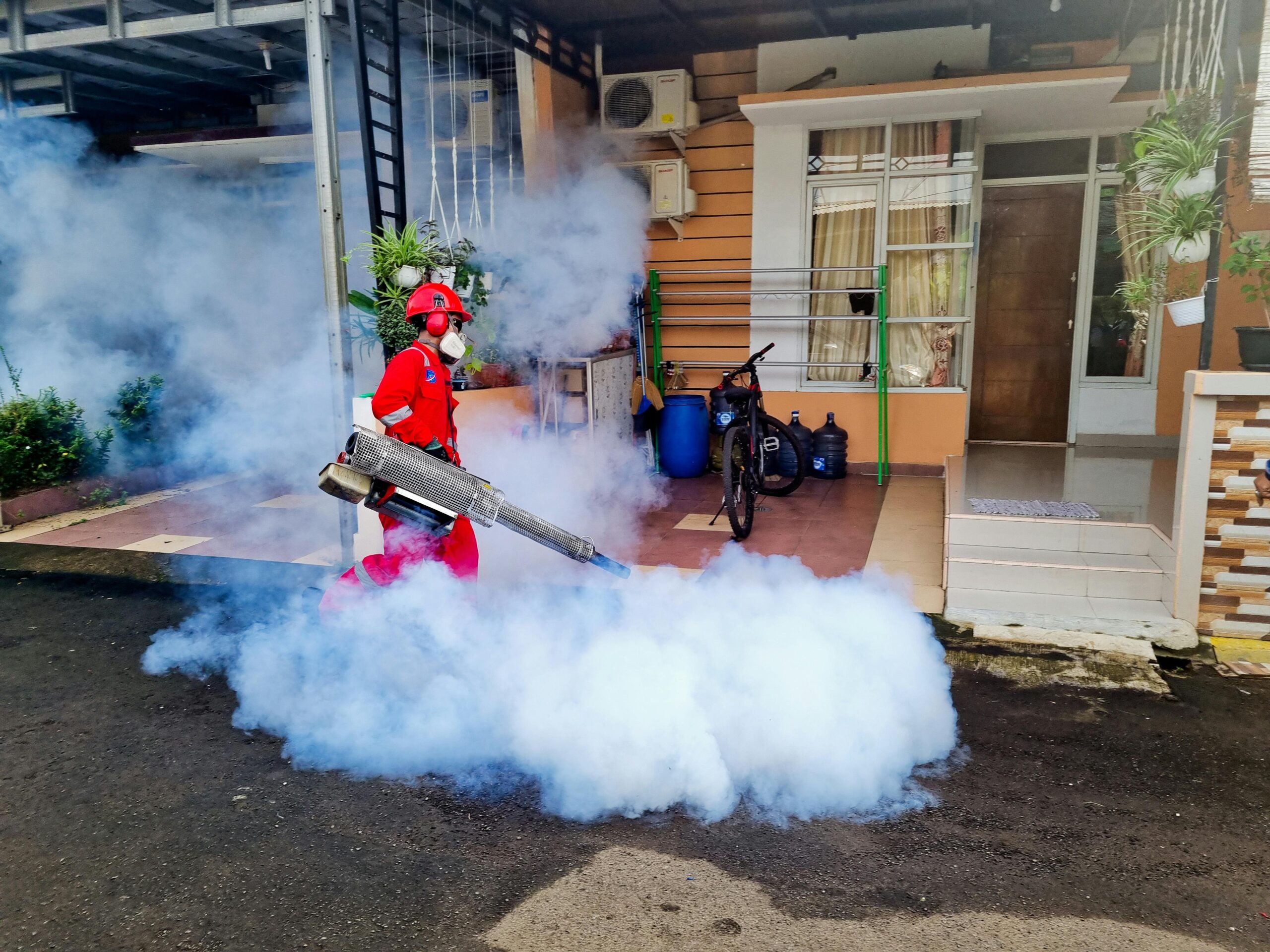
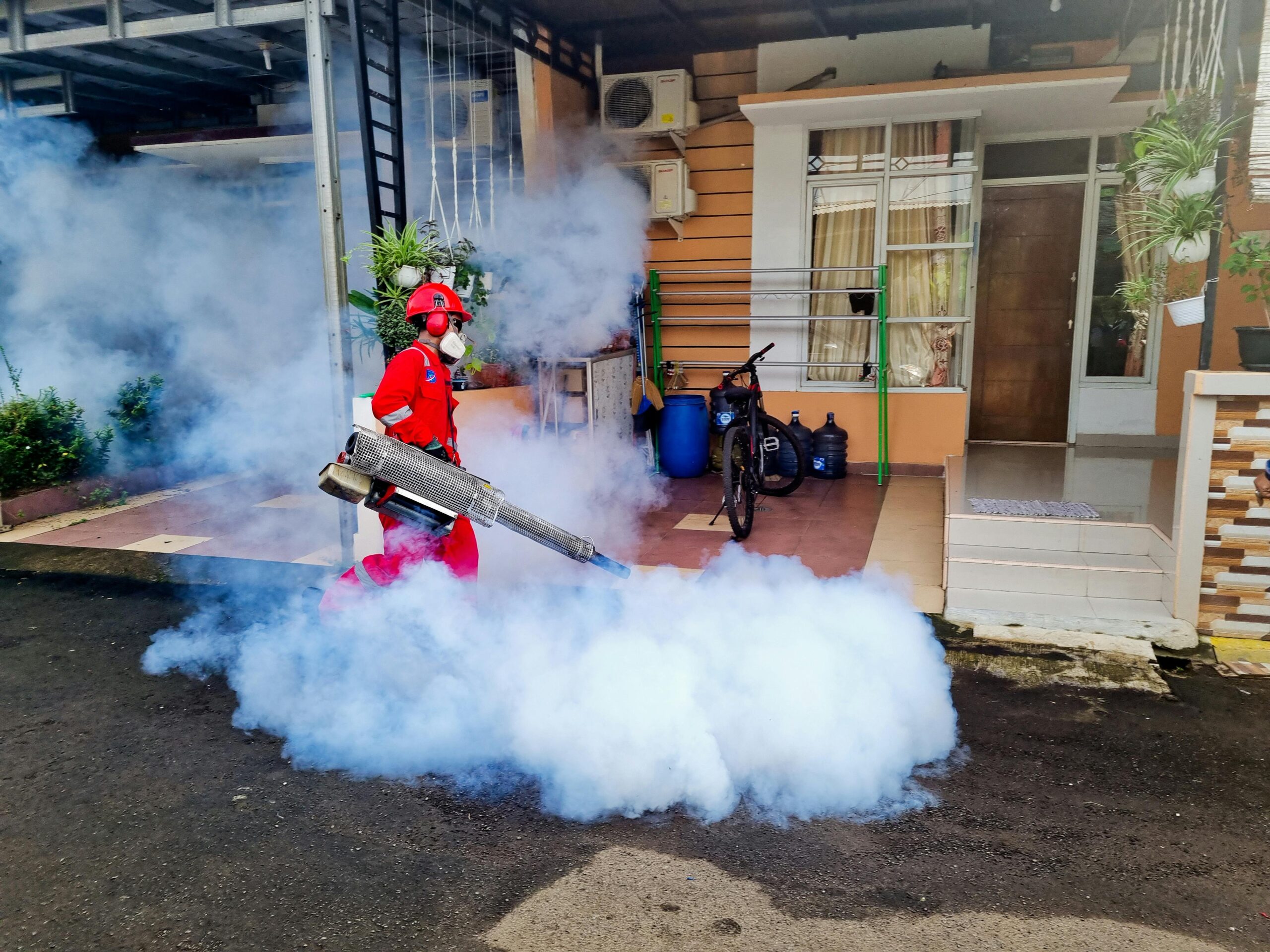
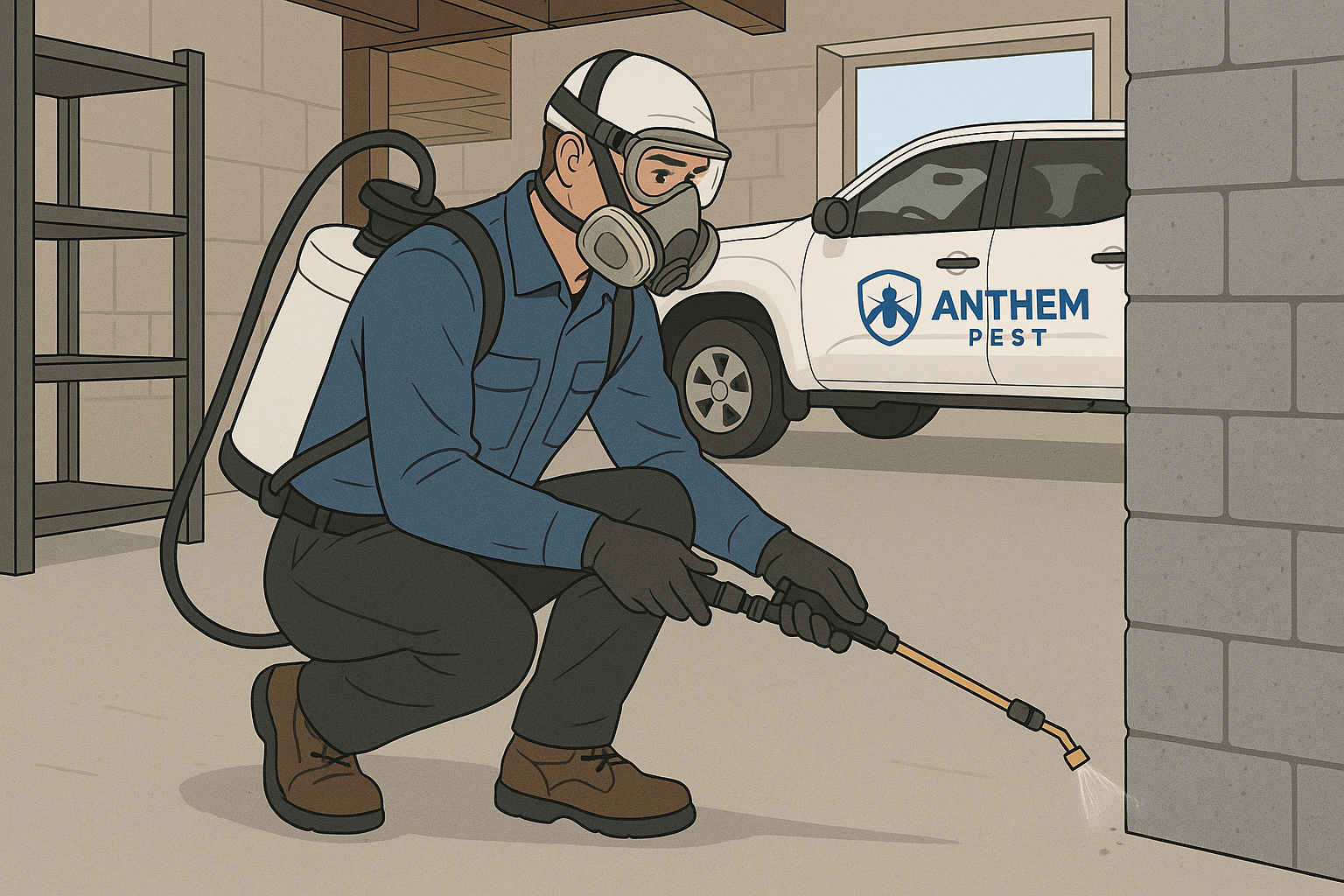
When pests are already marching through your kitchen or attic, a quick‑acting chemical solution can halt the invasion fast. Barrier sprays create an invisible wall around the exterior of your home, killing insects on contact before they even step inside. Residual insecticides stay active on treated surfaces for weeks, providing ongoing protection against ants, roaches, and crawling insects that re‑enter after a first encounter.
Pros: immediate knock‑down, broad‑spectrum coverage, and a proven track record for stubborn pests like carpenter ants. Cons: potential concerns for pets or children if not applied correctly, and some insects may develop resistance over time. That’s why Anthem’s technicians always choose EPA‑approved products and apply them with precision to minimize any risk.
Non‑Chemical Methods: Bait Stations, Traps & Heat Treatment
For homeowners who prefer a greener approach, Anthem offers a suite of non‑chemical tactics. Bait stations lure ants, cockroaches, and even rodents to a concealed food source laced with a slow‑acting toxin—workers carry it back to the colony, eradicating the problem at its source. Mechanical traps (e.g., snap traps for rodents or sticky traps for insects) give you visual confirmation of activity and are ideal for spot‑treatment in kitchens or basements.
When it comes to bed bugs, heat treatment is the gold standard. By raising room temperatures to 120°F–130°F for several hours, every life stage of the bug is exterminated without chemicals, making it safe for families and pets. The downside? Heat treatments require professional equipment and can be more expensive than chemical alternatives, but the result is a completely pesticide‑free environment.
Integrated Pest Management (IPM): The Smart, Sustainable Path
Anthem’s IPM program blends the best of both worlds. First, we conduct a thorough monitoring inspection to identify pest hotspots and establish thresholds—the point at which action becomes necessary. From there, we apply targeted applications, using chemicals only where data shows they’ll be most effective, while simultaneously deploying non‑chemical tools like bait stations and exclusion screens.
This strategy reduces overall pesticide use, lowers long‑term costs, and keeps your home safer. Plus, regular monitoring lets us catch a resurgence early, turning a potential full‑blown infestation into a simple spot‑treatment.
Transparent Pricing for 2025
Understanding the cost upfront helps you budget confidently. Below are Anthem’s 2025 price ranges for the most common services. Exact quotes may vary based on square footage, severity, and regional factors, but these figures give a reliable baseline.
- Ant control: $120 – $180 per treatment
- Termite inspection: $75 – $150
Termite treatment: $1,200 – $3,000 (depends on colony size and access points) - Rodent exclusion: $200 – $400 (includes sealing entry points and installing traps)
- Mosquito barrier spray: $150 – $250 per season (covers up to 5,000 sq ft)
All prices are inclusive of a detailed service report and follow‑up inspection, ensuring you know exactly what you’re paying for.
Anthem’s Guarantees: Speed & Satisfaction
We stand behind every job with a 24‑hour response promise. If pests reappear within a day of treatment, we’ll return at no extra charge to reassess and re‑treat. Additionally, our satisfaction guarantee means you won’t pay for a service that doesn’t meet the agreed‑upon results. These commitments reinforce our confidence in both the methods we use and the expertise of our technicians.
Verification note: Confirm 2025 Anthem Pest pricing on Anthem services page.
Quick Answers for Busy Homeowners
How often should I schedule inspections?
Most U.S. homeowners benefit from a bi‑annual inspection—once in spring and once in fall—to catch seasonal pests before they establish a foothold. In high‑risk regions—such as the Gulf Coast, the Southwest desert, or areas with heavy agricultural activity—Anthem recommends moving to a quarterly schedule. The extra visits line up with peak activity periods for termites, mosquitoes, and rodents, giving you a proactive shield when pests are most active. Scheduling is easy—just set a reminder or let Anthem’s service agreement handle the timing automatically. For full details, see the Anthem Pest FAQ.
Are treatments safe for pets?
Yes. Anthem prioritizes low‑toxicity, EPA‑registered products that are proven safe for cats, dogs, and other household animals when applied correctly. Most interior treatments are applied in the evening, allowing the chemicals to settle and dry before pets re‑enter the home. Outdoor barriers use granular or perimeter sprays that dissipate quickly. If you have young puppies or kittens, we can delay indoor sprays until they’re safely out, then return after a short ventilation period. The EPA’s safety data sheets show that, at label‑recommended rates, exposure levels are far below thresholds that could cause harm to pets.
What is the typical response time?
Anthem guarantees a 24‑hour onsite response for emergency calls—such as sudden rodent infestations or aggressive bee nests. For non‑emergency appointments, a qualified technician will be scheduled within 48 hours of your request. Our technicians carry the same EPA‑registered formulas used in routine visits, so you get a consistent, effective solution whether the call is urgent or routine. This rapid turnaround helps contain problems before they spread, keeping your home and family protected.
For deeper details on any of these topics, visit our FAQ.
Take Control of Your Home’s Health
Over the past sections we’ve walked through how to identify common invaders, why timing matters with each season, the key inspection checkpoints to watch, practical prevention steps, and the importance of transparent treatment options that let you see exactly what’s happening.
When you pair that knowledge with a proactive, data‑driven pest‑control plan, you gain the peace of mind that comes from knowing your home is protected before problems erupt.
Early detection saves you time and money; our technicians use the latest monitoring tools to spot activity before it spreads, ensuring treatments are targeted and efficient.
Choosing Anthem Pest Control means you get a local partner committed to safe, effective solutions and clear, upfront pricing—no hidden fees, just reliable results that keep your family comfortable.
Call 877‑371‑8196 today for a free, no‑obligation quote, or visit Anthem Pest Control to schedule your inspection.