Why Proactive Pest Management Matters

When a tiny insect or rodent slips through a tiny opening, the damage it causes can quickly outgrow the size of the problem. Termites hollow out wooden joists, carpenter ants gnaw at structural supports, and rodents chew through insulation, wiring, and even plumbing. These hidden assaults not only weaken the integrity of a home but also create pathways for mold, allergens, and airborne particles that degrade indoor air quality. The result? A house that feels less safe, smells stale, and can trigger respiratory issues or allergic reactions for the occupants.
Economic reality: the hidden cost of inaction
The Environmental Protection Agency (EPA) estimates that untreated pest damage costs U.S. homeowners between $5 billion and $15 billion each year. EPA source. This staggering range reflects everything from minor structural repairs to full‑scale renovations after an infestation has taken hold. When you factor in the loss of property value—buyers often shy away from homes with a known pest history—the financial hit can be even larger.
Emergency repairs vs. routine prevention
Imagine discovering a sudden swarm of cockroaches in the kitchen or a burst pipe caused by a mouse nest. Emergency pest repairs demand immediate attention, overtime labor, and often premium pricing for rushed service. In contrast, a scheduled, preventative inspection allows a technician to spot early warning signs—such as mud tubes, gnaw marks, or seasonal activity patterns—before they become costly emergencies. Homeowners who invest in routine prevention typically see a 30‑40 % reduction in repair expenses over a five‑year span.
- Structural safety: Early detection of termites or carpenter ants protects load‑bearing elements.
- Health protection: Controlling rodents and insects reduces allergens, asthma triggers, and disease vectors.
- Financial peace of mind: Planned maintenance avoids surprise repair bills and protects resale value.
Setting the stage for a data‑driven, locally‑focused approach
At Anthem Pest Control, we combine national research—like the EPA’s cost analysis—with hyper‑local data on pest activity patterns. By understanding which species are most active in your neighborhood and when they strike, we can tailor a prevention plan that fits your budget and lifestyle. The next sections of this guide will walk you through the specific steps you can take, the timing that matters most, and the transparent pricing you can expect from a trusted, local partner.
Identifying Common Household Pests
Termites
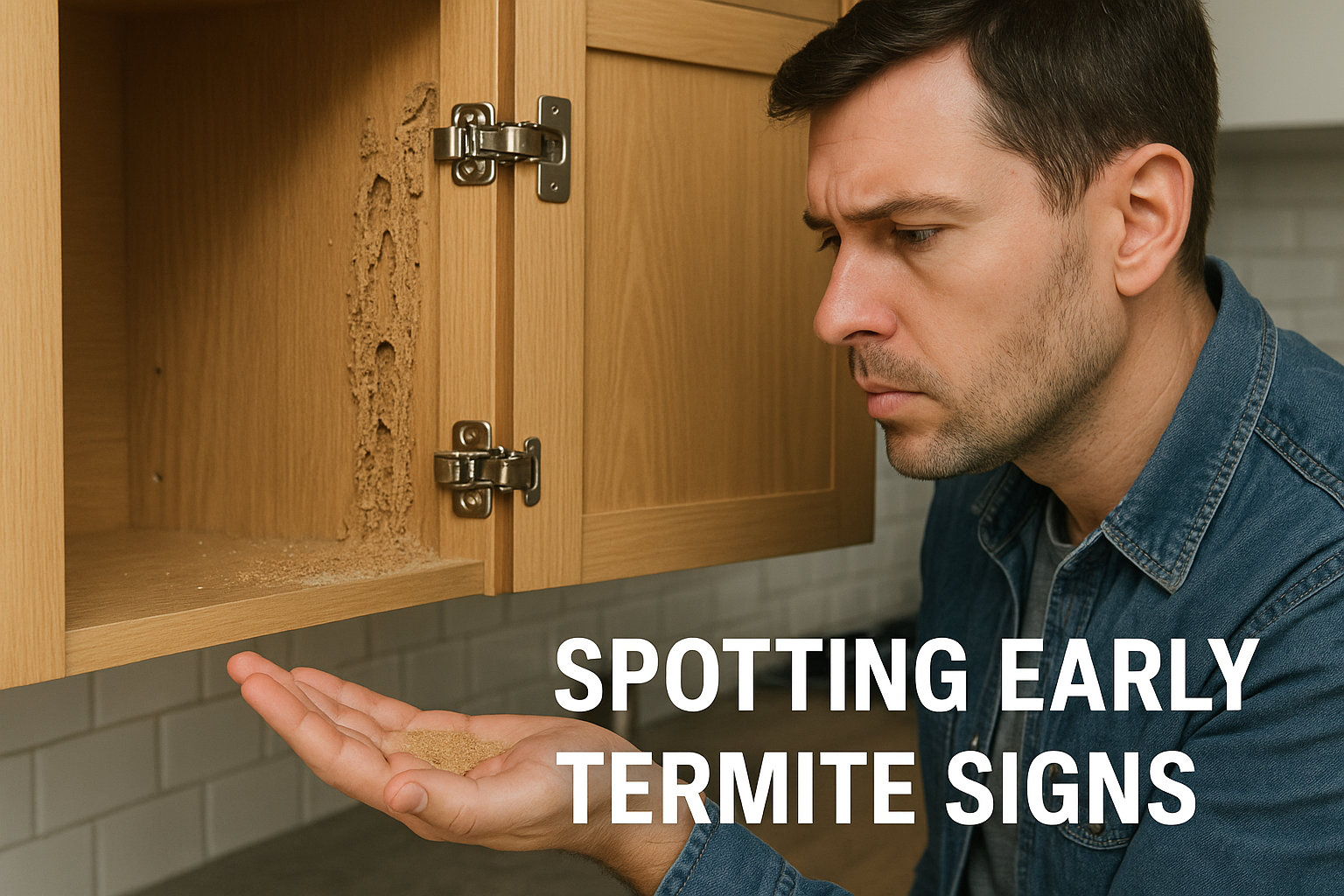
Termites are silent destroyers. The first clue most homeowners notice is a mud tube running up a wall or along the foundation—these are the insects’ highways between soil and wood. Inside the structure, look for frass (tiny, pencil‑shaped droppings) piled near wood surfaces, and for wood that feels hollow or swollen when tapped. The damage often appears as a smooth, sand‑like powder left behind after the insects have tunneled through.
According to the National Pest Management Association’s 2023 survey, 1 in 5 U.S. homes shows evidence of termite activity. Spotting these signs early can save thousands in repair costs.
Mosquitoes
Unlike the stealthy termite, a mosquito’s presence is often obvious—buzzing around you on a warm evening. The real danger lies in where they breed. Stagnant water in bird baths, clogged gutters, or even a forgotten plant saucer provides the perfect nursery. Look for tiny larvae wriggling near the surface; they’re the next generation waiting to bite.
Most people recognize the itchy welts, but the CDC’s 2024 report shows a sharp rise in West Nile virus cases, underscoring the disease risk tied to indoor mosquito activity when homes inadvertently become breeding sites.
Rodents
Rats and mice are opportunistic and adapt quickly to a homeowner’s routine. Their first footprints are often droppings—dark, rice‑shaped pellets found in cupboards, under sinks, or along baseboards. Look for gnaw marks on wood, plastic, or wiring; rodents’ incisors grow continuously, so they chew to stay sharp.
Another tell‑tale sign is a nest built from shredded paper, fabric, or insulation. The USDA estimates that rodents cause over $20 billion in property damage each year—most of it preventable with early detection.
Cockroaches & Ants
These insects thrive in kitchens and bathrooms where food and moisture linger. A quick visual scan for food crumbs, spilled grease, or sticky residues can reveal a hidden infestation. Cockroaches leave behind shed skins and droppings that look like black pepper; ants trail a visible pheromone line that other workers follow.
Beyond the nuisance factor, both pests are linked to health concerns. The CDC’s 2022 data ties cockroach and ant allergens to increased asthma attacks, especially in children. Keeping surfaces clean and sealing entry points reduces both the pest population and the associated respiratory risks.
Seasonal Pest Threats by Region
Temperature, humidity, and precipitation form a three‑part rhythm that drives pest activity across the United States. Warm, moist days accelerate insect breeding, while cooler, dry periods push rodents and ants to seek shelter inside homes. Understanding these climate‑driven cycles helps homeowners time inspections and treatments before pests become a full‑blown problem.
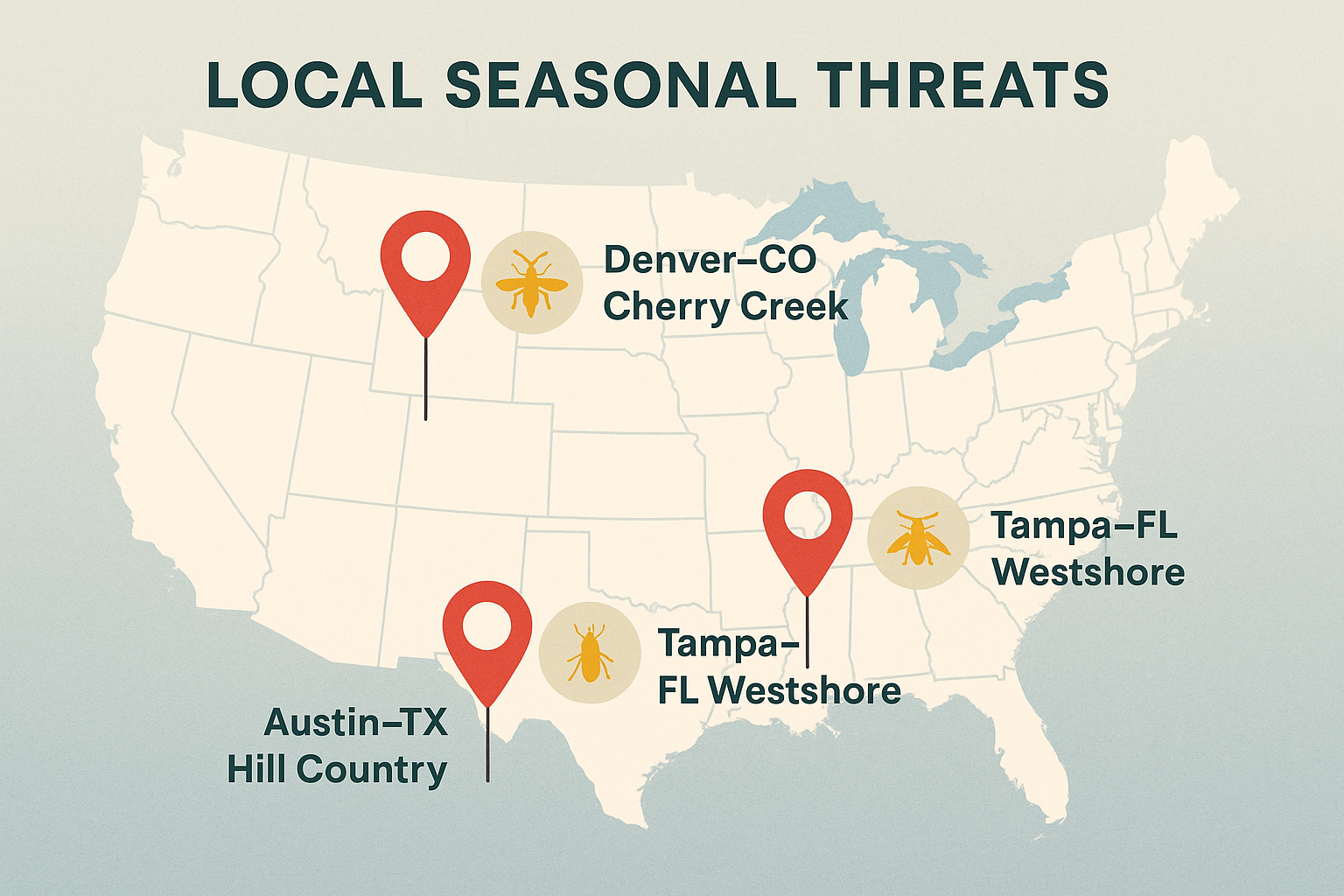
Austin, TX – Hill Country
In Austin, the long, hot summers create ideal conditions for both termites and mosquitoes. Texas A&M AgriLife Extension’s 2024 termite forecast shows a pronounced surge in activity from March through May, when soil temperatures consistently exceed 70 °F, prompting subterranean colonies to expand. By June, the city’s numerous water features and humid evenings fuel a spike in mosquito populations, especially around residential yards and outdoor patios.
Homeowners should schedule a termite inspection in early spring, before the surge, and consider a mosquito barrier treatment in late spring to keep the buzz at bay. Early detection not only protects the home’s structure but also reduces the need for costly, reactive treatments later in the season.
Tampa, FL – Westshore
Tampa’s subtropical climate means mosquitoes thrive year‑round, but the peak window arrives in July, August, and September. Local health department data consistently record the highest bite‑rate counts during these months, driven by stagnant water after summer thunderstorms. Cockroach activity, while present throughout the year, often spikes after heavy rains in May and October when drainage issues force insects into homes.
For Tampa residents, a pre‑summer mosquito barrier and a fall cockroach inspection are the most effective strategies. Addressing standing water and sealing entry points before the rainy season can dramatically lower indoor infestations.
Denver, CO – Cherry Creek
Denver’s high altitude and dry winters keep many insects dormant, yet rodents remain a year‑round concern. Colorado State University extension reports show that mice and rats seek shelter in homes as early as October, when outdoor food sources dwindle. Ants, particularly odorous house ants, become most active during the cooler months of March through May, exploiting the modest rise in indoor humidity.
Denver homeowners benefit from a winter rodent inspection and a spring ant treatment. Sealing foundation cracks and trimming vegetation away from the house help keep both pests outside where they belong.
Month‑by‑Month Risk Overview
| Month | Austin (Termite) | Austin (Mosquito) | Tampa (Mosquito) | Tampa (Cockroach) | Denver (Rodent) | Denver (Ant) |
|---|---|---|---|---|---|---|
| Jan | 1 | 1 | 1 | 1 | 2 | 1 |
| Feb | 1 | 1 | 1 | 1 | 2 | 1 |
| Mar | 2 | 1 | 1 | 1 | 2 | 2 |
| Apr | 3 | 1 | 1 | 1 | 2 | 2 |
| May | 3 | 2 | 1 | 2 | 2 | 2 |
| Jun | 2 | 3 | 2 | 2 | 2 | 1 |
| Jul | 1 | 3 | 3 | 2 | 2 | 1 |
| Aug | 1 | 3 | 3 | 2 | 2 | 1 |
| Sep | 1 | 2 | 3 | 2 | 2 | 1 |
| Oct | 1 | 1 | 2 | 3 | 3 | 1 |
| Nov | 1 | 1 | 1 | 2 | 3 | 1 |
| Dec | 1 | 1 | 1 | 1 | 3 | 1 |
Because each region follows its own pest calendar, timing inspections to match local risk peaks is essential. In Austin, a spring termite check and early summer mosquito barrier keep the home protected. Tampa families should act before the July‑September mosquito surge and follow up with a fall cockroach review. Denver residents gain the most benefit from a winter rodent assessment and a spring ant treatment. Tailoring your pest‑management schedule to these climate‑driven patterns not only safeguards your property but also maximizes the value of Anthem Pest Control’s professional services.
Homeowner Prevention Strategies
Keeping pests out of your home isn’t about expensive chemicals—it’s about smart, low‑cost habits you can start today. By tightening up the building envelope, cleaning up attractants, and timing a few seasonal chores, you create an environment that’s far less inviting to insects, rodents, and termites. The steps below follow the EPA’s Home Improvement guidelines, CDC’s Home Hygiene recommendations, and the NPMA seasonal checklist, giving you a proven roadmap for year‑round protection.
Structural Barriers
Most pests gain entry through tiny gaps that are easy to miss during a casual walk‑through. The EPA advises homeowners to seal all cracks and gaps larger than ¼ inch around windows, foundations, and utility penetrations. Use a high‑quality silicone or polyurethane caulk—these remain flexible and resist weathering.
Install door sweeps on exterior doors. A simple brush or rubber sweep blocks the space under the door, preventing ants, cockroaches, and rodents from slipping inside. Don’t forget sliding patio doors; a weather‑stripping kit works just as well.
Check your siding and exterior trim for damage. Loose or warped panels create pockets where moisture can collect, inviting termites and carpenter ants. Repair or replace compromised sections promptly, as the EPA notes that a well‑maintained envelope can cut indoor pest incidents by up to 30%.
Sanitation Practices
Even the cleanest home can become a buffet if food isn’t stored properly. Follow CDC Home Hygiene guidance by keeping all dry goods in airtight containers and refrigerating perishables within two hours of use. Wipe down countertops and sweep crumbs after meals—those tiny residues are a magnet for ants and cockroaches.
Regular trash removal is another cornerstone. Use sealed garbage bins, and take the trash out at least once a week, more often in summer when heat accelerates decomposition. The CDC also recommends rinsing recyclables before placing them in bins to eliminate lingering food odors.
Clutter provides hiding places for pests. Declutter basements, garages, and attics, especially cardboard boxes and piles of firewood that sit against the foundation. Keep indoor humidity below 50% by using dehumidifiers in damp areas; excess moisture fuels mold growth, which in turn attracts pests like silverfish and termites.
Seasonal Actions
Spring & Summer – Mosquito Management: Before mosquito season peaks, drain any standing water from birdbaths, plant saucers, and clogged gutters. The NPMA checklist emphasizes that eliminating even a few inches of water can reduce mosquito breeding sites dramatically.
Fall – Termite Vigilance: Schedule an annual termite inspection before the cooler months set in. Professional inspectors can spot early wood damage that’s invisible to the naked eye, allowing you to treat infestations before they spread.
Winter – Rodent Proofing: As temperatures drop, rodents seek warmth inside walls and attics. Seal any openings larger than a quarter‑inch, especially around utility lines and vents. Add steel wool or copper mesh to gaps, because rodents can chew through softer materials like foam or rubber.
Printable Prevention Checklist
- Seal cracks >¼” around windows, doors, and foundation (EPA).
- Install door sweeps on all exterior doors.
- Repair damaged siding and trim promptly.
- Store food in airtight containers; refrigerate perishables within 2 hours.
- Take out sealed trash weekly; rinse recyclables.
- Reduce indoor clutter; keep firewood away from the house.
- Maintain indoor humidity below 50% with dehumidifiers.
- Drain standing water before mosquito season (NPMA).
- Schedule a professional termite inspection each fall.
- Winter‑proof: seal openings >¼”, add steel wool or copper mesh.
Treatment Options and Pricing Transparency
Chemical Barriers
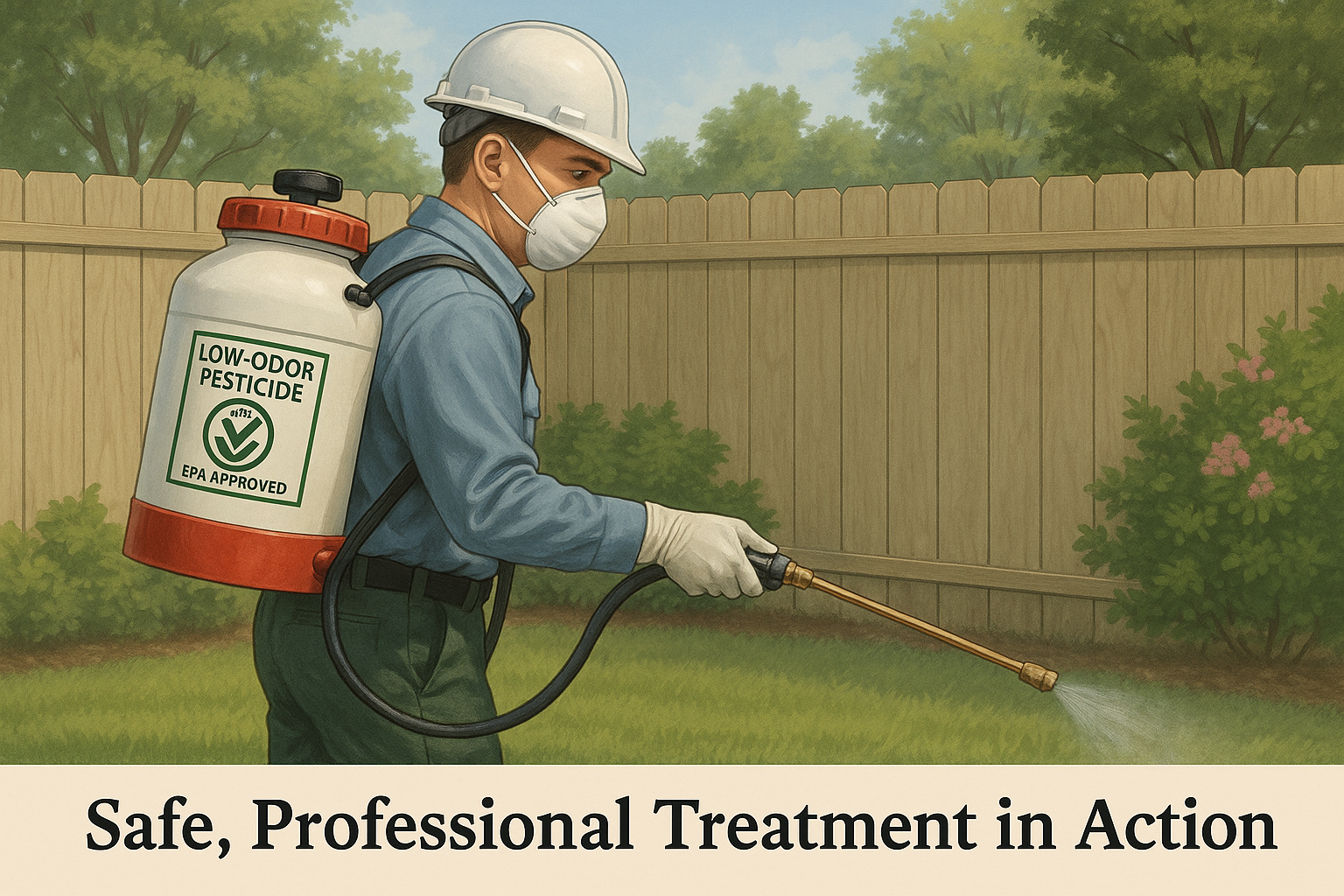
Traditional chemical barriers involve spraying a residual insecticide around the perimeter of a home or directly onto known entry points. The formulation creates a protective “wall” that kills insects on contact and can deter new invasions for weeks to months. Modern EPA‑approved products are low‑odor and designed to minimize indoor exposure, but they still require careful handling and proper ventilation during application. Most homeowners will need a re‑application every 3‑6 months, especially in high‑humidity climates where rain can wash away the residue.
Baiting Systems
Bait stations work by presenting a food source laced with a slow‑acting toxin that insects carry back to their colonies. This target‑specific approach reduces the amount of pesticide released into the environment and limits exposure to pets and children. Maintenance is straightforward: technicians replace or refresh baits every 30‑60 days, depending on pest pressure. While baiting is highly effective against ants, cockroaches, and some beetles, it may not address flying insects or pests that avoid ground‑level stations.
Biological Controls
Biological options harness living organisms—such as entomopathogenic nematodes or the bacterium Bt (Bacillus thuringiensis)—to suppress pest populations. Nematodes infiltrate soil‑dwelling larvae, releasing bacteria that kill the host within hours. These agents are non‑toxic to humans, pets, and beneficial insects, making them an excellent choice for organic‑focused homeowners. Limitations include a shorter shelf life, sensitivity to temperature extremes, and the need for precise application timing to match pest life cycles.
Heat Treatments
Heat eradication raises interior temperatures to 120‑130 °F (49‑54 °C) for several hours, a range lethal to bed bugs, cockroaches, and their eggs. Because no chemicals are introduced, heat is ideal for families with severe allergies or for properties where pesticide residues are prohibited. The equipment cost is high—typically $1,200‑$2,500 per treatment for a standard home—and technicians must monitor temperature uniformity to avoid damage to electronics or furnishings. Most providers recommend a follow‑up inspection and, if necessary, a second heat pass 2‑4 weeks later.
| Method | Effectiveness | Safety | Cost (2024 avg.) | Re‑treatment Frequency |
|---|---|---|---|---|
| Chemical Barriers | High for perimeter pests | Moderate – low‑odor EPA products | $150‑$300 per application | Every 3‑6 months |
| Baiting Systems | Very high for social insects | High – minimal exposure | $100‑$250 per package | Every 1‑2 months |
| Biological Controls | Medium – species‑specific | Excellent – non‑toxic | $80‑$180 per treatment | Seasonal or as needed |
| Heat Treatments | Near‑100 % for bed bugs & cockroaches | Excellent – no chemicals | $1,200‑$2,500 per job | Usually 1‑2 sessions |
2024 National Price Ranges
- Termite barrier: $1,200‑$2,500 per treatment (HomeAdvisor source)
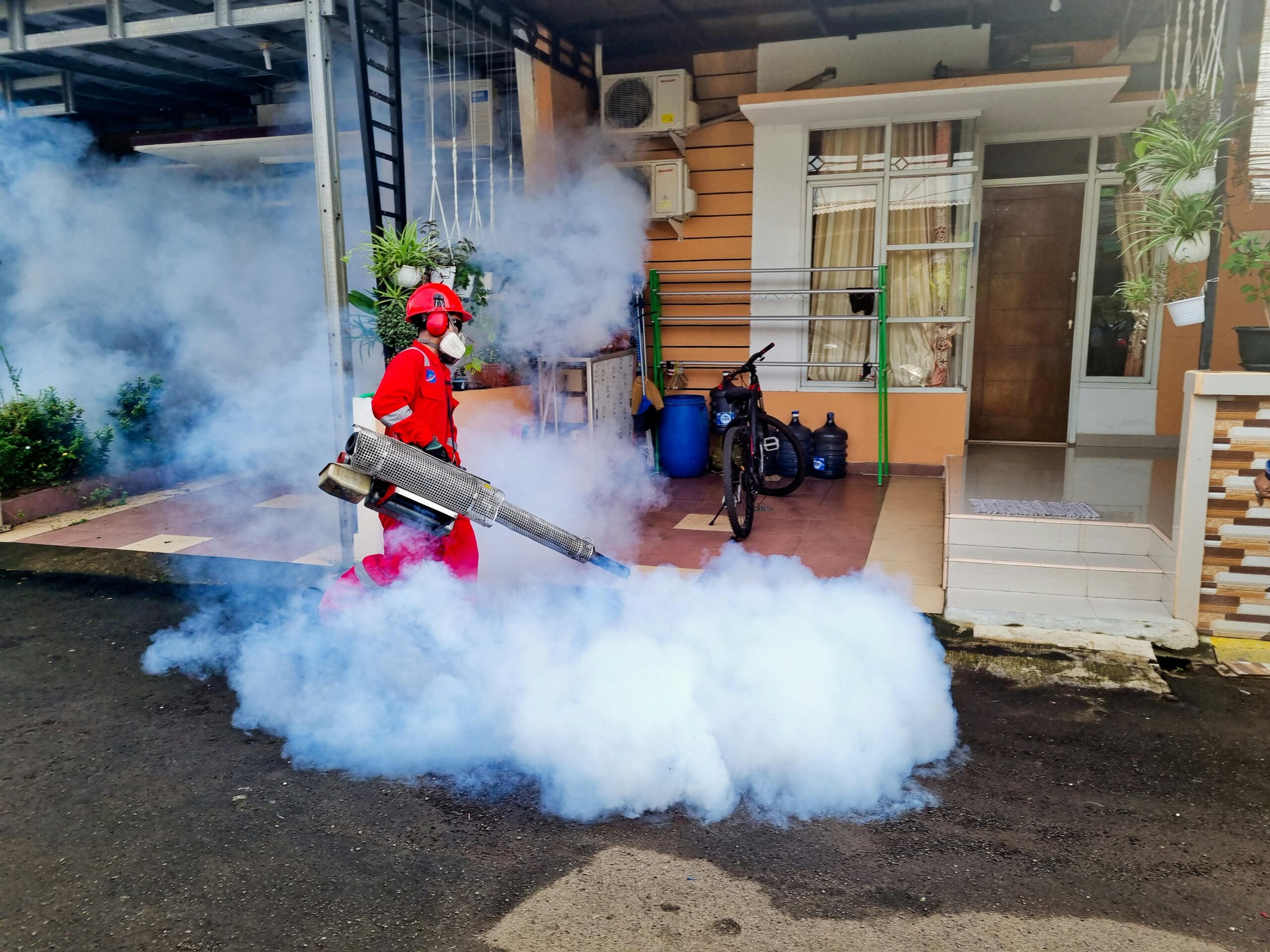
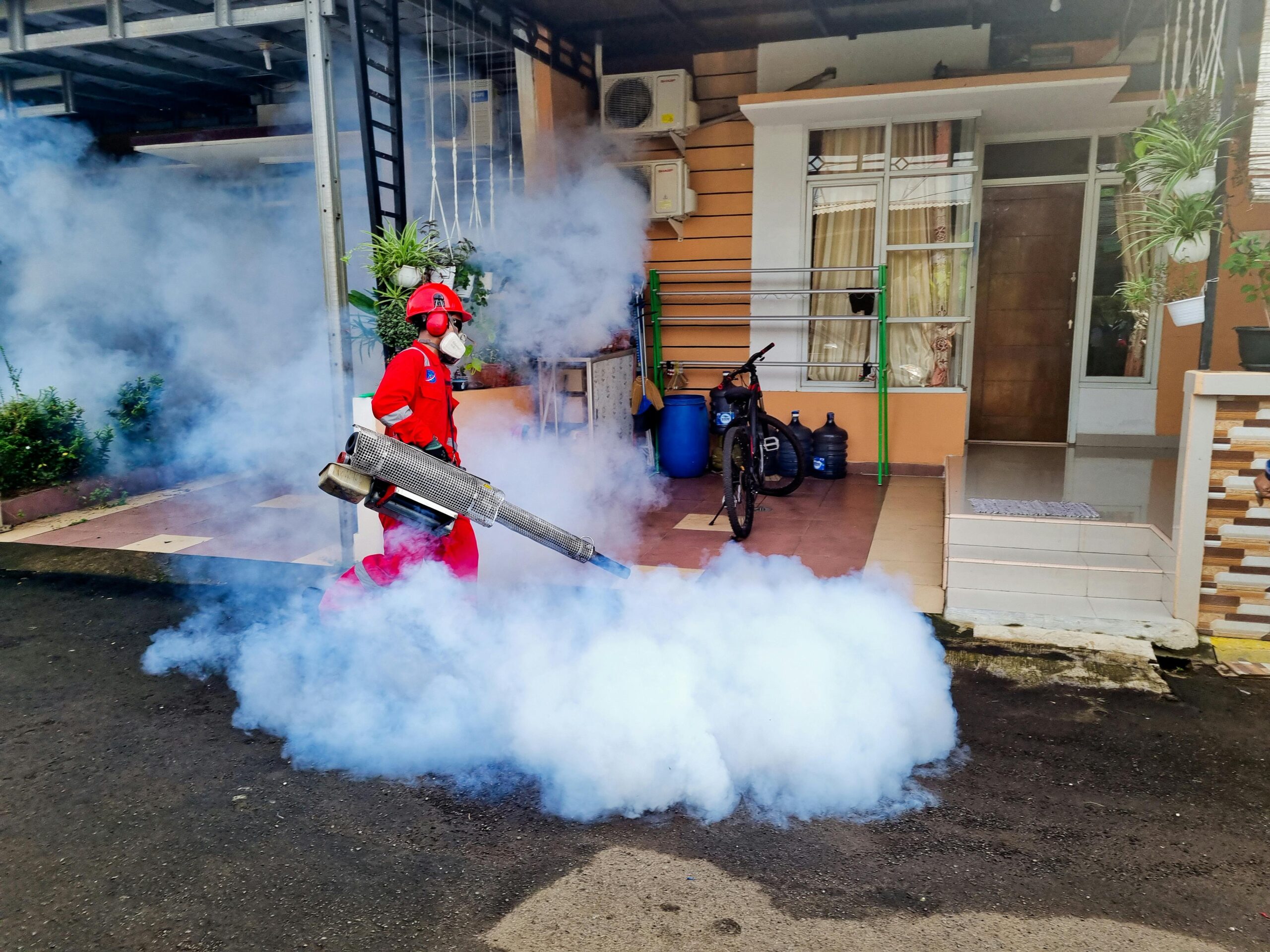
- Mosquito fogging: $150‑$300 per service
- Rodent exclusion: $200‑$500 per visit
- Cockroach baits: $100‑$250 for a full‑home package
At Anthem Pest, we believe pricing should be as clear as the results we deliver. Every estimate includes a detailed breakdown of materials, labor, and any follow‑up visits, so you never face surprise fees. We also offer a free, no‑obligation inspection—our licensed technicians will assess the infestation, explain the most suitable treatment, and provide a written quote before any work begins. This transparency builds trust and lets homeowners budget confidently, whether they choose a low‑odor chemical barrier or a fully non‑chemical heat treatment.
Selecting a Local Pest‑Control Partner
When pests breach your home’s defenses, you need more than a quick fix—you need a partner you can trust to protect your family and property for the long haul. Choosing the right pest‑control company can feel overwhelming, especially with dozens of options promising “fast results.” The key is to focus on concrete qualifications rather than flashy marketing. Below is a straightforward checklist that turns the selection process into a simple, confidence‑building routine.
What to Look for – A Quick Vetting Checklist
- Valid state licensing – Every reputable pest‑control business must hold a current license from the state in which it operates. This license proves the company meets rigorous training, safety, and ethical standards required by local regulators.
- Use of EPA‑approved products – Pesticides that haven’t cleared the Environmental Protection Agency’s safety tests can pose health risks to children, pets, and the surrounding ecosystem. Verify that the provider exclusively uses EPA‑approved formulations.
- Insurance coverage – Accidents happen, even with seasoned technicians. A fully insured company protects you from liability if something goes wrong during treatment, giving you peace of mind.
- Verified customer reviews – Look for authentic, third‑party reviews on platforms such as Google, Yelp, or the Better Business Bureau. Consistently high ratings and detailed feedback signal reliable service and transparent communication.
- Local service footprint – A company with a strong presence in your neighborhood knows the regional pest pressures, seasonal patterns, and the most effective treatment protocols for your area. Local expertise often translates into faster response times and more tailored solutions.
Running through this list before you sign a contract will filter out unqualified providers and spotlight the firms that truly prioritize safety, accountability, and results.
Why Anthem Pest Stands Out
Anthem Pest checks every box on the checklist—and then some. All of our technicians are certified professionals who complete ongoing training in the latest Integrated Pest Management (IPM) techniques, ensuring they can identify, treat, and prevent infestations with minimal impact on your home and the environment.
We understand that pest emergencies don’t wait for business hours. That’s why we offer 24/7 emergency response, so a sudden termite discovery or a midnight mosquito swarm can be addressed before it escalates.
Our confidence in the quality of our work is reflected in a 100 % satisfaction guarantee. If you’re not completely happy with the outcome, we’ll return at no extra charge until the problem is resolved.
Although we market ourselves as a national brand, we maintain a local service footprint in every community we serve. Our teams are stationed within the neighborhoods they protect, giving them intimate knowledge of regional pest behavior and the ability to respond quickly to any call.
Finally, Anthem Pest carries full liability insurance and adheres strictly to EPA‑approved product standards, meeting—and exceeding—the industry baseline for safety and professionalism.
“After a spring termite inspection by Anthem Pest, we caught the infestation early and saved thousands on repairs. Their technician walked us through every step, answered all our questions, and the follow‑up service was prompt and thorough.”
– Sarah J., Oakwood Subdivision homeowner
By aligning the checklist with Anthem Pest’s credentials, you can feel confident that you’re partnering with a company that not only meets regulatory requirements but also delivers the reliable, homeowner‑focused service you deserve. When you choose a pest‑control partner, let the facts guide you—your home’s safety depends on it.
Frequently Asked Questions
Do treatments harm pets?
At Anthem Pest Control we understand that your furry family members are part of the household. That’s why every product we use complies with the EPA’s pet‑safe guidelines. Our technicians select formulas that are proven to be low‑toxicity for dogs and cats when applied correctly. During a service we:
- Keep pets in a separate, well‑ventilated room until the spray has dried (usually 30‑45 minutes).
- Apply treatments at the recommended concentration, never exceeding label directions.
- Use targeted applications—such as perimeter sprays or bait stations—rather than blanket fogging whenever possible.
- Provide a written safety sheet that outlines post‑treatment waiting periods and any necessary water restrictions.
Following these steps ensures that the chemicals remain effective against insects while posing minimal risk to your pets. If you have a particularly sensitive animal, let your technician know; we can discuss alternative, non‑chemical options such as heat treatment or mechanical exclusion.
How often should I schedule inspections?
Regular inspections are the cornerstone of a pest‑free home. Based on industry best practices and our own field data, we recommend:
- Bi‑annual general inspections (spring and fall) for common invaders like ants, roaches, rodents, and mosquitoes. These seasons align with peak activity, allowing us to catch problems before they spread.
- Annual termite inspections, regardless of climate zone. Termites operate silently, and a once‑yearly check gives us the chance to spot early damage and intervene before costly structural repairs are needed.
If you live in a region with extreme humidity or have a history of specific pests, we may suggest a third “mid‑season” visit. Our technicians will tailor the schedule to your home’s unique risk profile, ensuring you get the right amount of protection without unnecessary visits.
What if I see pests after treatment?
Seeing pests after a professional service can be frustrating, but Anthem Pest Control stands behind every job with a clear warranty. Here’s what happens next:
- Contact our support team (877‑371‑8196 or via the website) within 30 days of the service. Provide the treatment date, location, and a brief description of the activity you observed.
- Assessment: Our specialists will review the situation, confirm that the treatment was applied correctly, and determine whether a re‑treatment is warranted.
- Re‑treatment timeline: If the pest resurgence falls within the warranty window, we’ll schedule a follow‑up visit at no extra cost, typically within 48‑72 hours. For some pests (e.g., bed bugs or termites) a second application may be needed after a short waiting period to break the life cycle.
- Customer support: Throughout the process you’ll have a dedicated point of contact who will keep you informed and answer any questions about preventive steps you can take at home.
Our goal is to restore your peace of mind quickly and efficiently. By documenting the issue promptly and working with our team, you help us fine‑tune the treatment plan and keep your home pest‑free.
Protect Your Home with Anthem Pest Control Today
Detecting a pest problem before it spreads is the single most effective line of defense for any homeowner. Early identification lets you match the right treatment to the specific insect, rodent, or mite that’s trying to make your house its home. Knowing the seasonal patterns—ants marching in spring, mosquitoes thriving in summer, or termites working silently in the warm months—helps you stay one step ahead. Simple prevention steps, such as sealing entry points, managing moisture, and keeping food sources out of reach, become powerful tools when applied at the right time.
Professional, data‑driven treatment goes far beyond a quick spray. Anthem Pest’s technicians use inspection data, seasonal trends, and species‑specific behavior to craft a targeted plan that eliminates the current infestation and blocks future invasions. Because the approach is precise, you avoid unnecessary chemicals, reduce repeat visits, and keep costs under control. The result is a healthier home environment, fewer surprises on your utility bill, and the peace of mind that comes from knowing the problem is truly gone.
That’s why a free home inspection from Anthem Pest is more than a courtesy—it’s an investment in long‑term protection. During the inspection, a certified specialist will walk through your property, point out hidden hotspots, and explain exactly how each recommended measure fits into your lifestyle and budget. You walk away with a customized prevention plan that you can implement right away, and you have the confidence that any future pest activity will be caught early.
If you’re ready to take that step, simply call 877‑371‑8196 or visit Anthem Pest Control to schedule your free inspection. Our friendly team is standing by to answer questions, set up a convenient appointment, and show you exactly how affordable comprehensive protection can be.
Remember, the best defense against pests isn’t reactive—it’s proactive. By catching signs early, leveraging Anthem’s expert knowledge, and following a tailored prevention roadmap, you safeguard your home’s structure, your family’s health, and your peace of mind for years to come. Let us help you stay one step ahead, so you can focus on what matters most—enjoying a pest‑free home.