Why Pest Awareness Matters for Homeowners
Imagine stepping into your kitchen on a Saturday morning and spotting a faint line of tiny black dots marching across the counter, or noticing fresh droppings tucked behind the pantry door. A single gnaw mark on a wooden cabinet can feel like an unwelcome invitation to a larger infestation. Most homeowners experience that moment of surprise, and it’s exactly the trigger that turns a casual observation into a proactive pest‑control plan. That tiny trail is often the first clue that a hidden colony has already taken root behind walls or under appliances.

Why act fast? Early detection is the cheapest defense. A few ants or a single mouse can be eliminated with a targeted treatment that costs a fraction of a full‑scale extermination. More importantly, many pests carry allergens, bacteria, or viruses that jeopardize family health. Catching the problem before it spreads protects your loved ones and keeps repair bills from spiraling.
This article is your roadmap to staying one step ahead. We’ll walk you through how to identify the most common invaders, the preventive habits that deter them, and how transparent pricing lets you budget with confidence. Think of it as a DIY checklist that pairs perfectly with professional help when the situation calls for it.
At Anthem Pest Control, our mission is simple: deliver safe, effective solutions to every homeowner, from coast to coast, using a data‑driven approach that pinpoints the right treatment at the right time. Our nationwide network means you get local expertise backed by consistent standards, so you never have to wonder whether you’re getting the best value.
Keep reading for actionable insights—simple signs to watch for, seasonal tips to stay ahead, and the exact steps you can take today to protect your home before pests become a costly problem. By recognizing these early warning signs, you’ll avoid emergency calls and the stress of a full‑blown infestation.
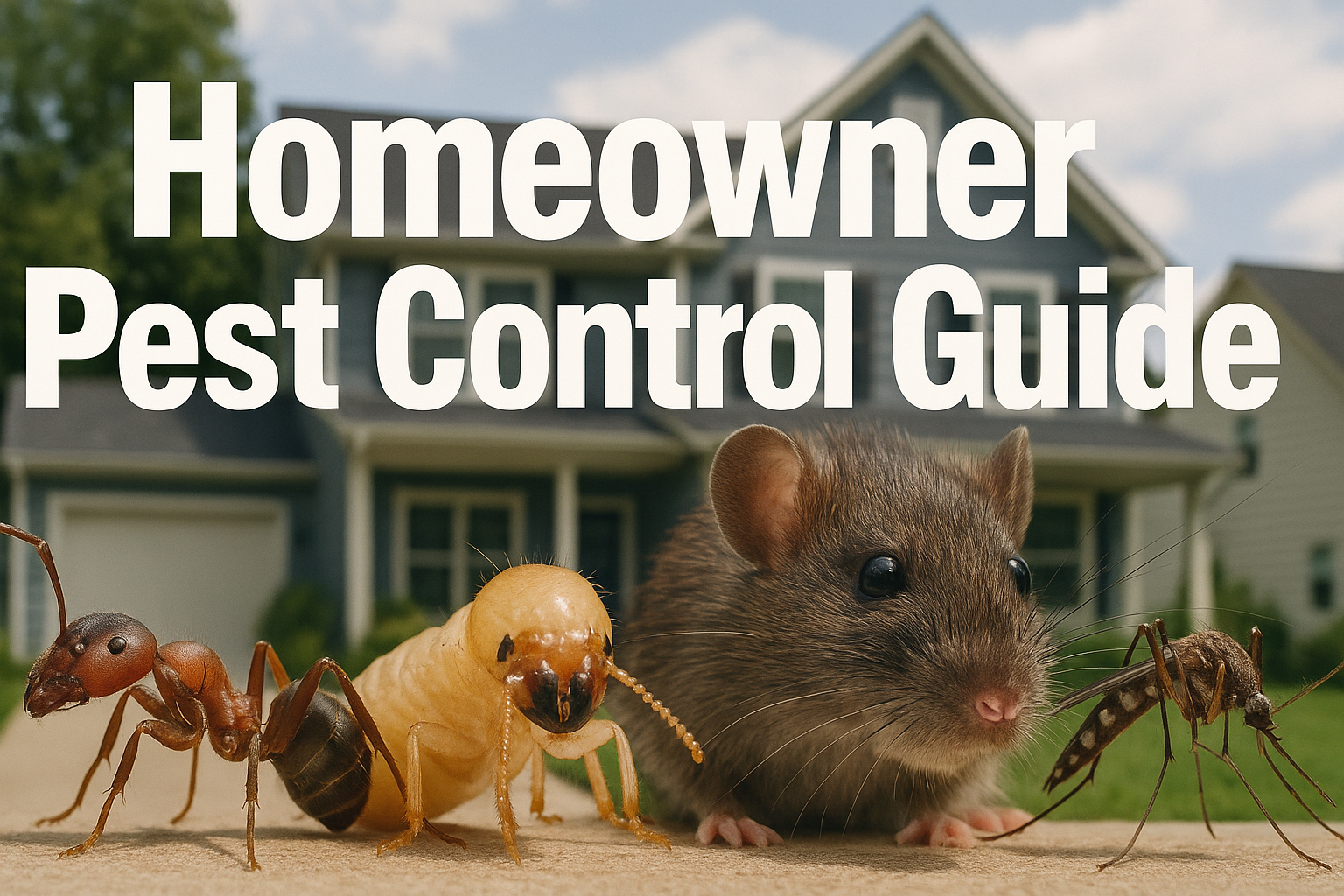
Spot the Invader: Key Pests Every Homeowner Should Recognize

Ants
Ants travel in organized trails that often lead straight to food sources. Look for a thin, dark line of ants marching along baseboards, countertops, or window sills. They typically enter through tiny cracks around doors, foundations, or utility openings. Spring and summer are their busiest seasons, when warm temperatures stimulate foraging. According to the NPMA, “1 in 5 U.S. homes experiences an ant infestation each year” (NPMA 2024 Report).
Termites
Termites are silent destroyers. Mud tubes on walls, foundations, or crawl spaces signal an active colony. Look for hollow‑sounding wood, splintered flooring, or discarded wings (alates) near light sources. Their activity peaks in warm, humid months, especially after heavy rains that increase soil moisture.
Rodents
Rats and mice leave tell‑tale droppings—small, dark pellets about the size of a grain of rice—often found in cabinets, attic corners, or near food packages. Gnaw marks on wood, plastic, or wires indicate their presence, and you may hear scratching or scurrying at night. Rodents seek shelter as temperatures drop, so infestations commonly surge in fall and winter.
Mosquitoes
Standing water is a mosquito breeding ground. Empty saucers, clogged gutters, or pet water dishes can become hatching sites. Expect a high‑pitched buzz near doors and windows during dusk. Their population climbs from late spring through early fall, following the EPA’s guidance on breeding cycles (EPA).
Cockroaches
Cockroaches are nocturnal and love moisture. A musty, oily odor, along with rapid, darting movements in kitchens or bathrooms after dark, signals an infestation. They slip through gaps around pipes, behind appliances, and under sinks. While they can appear year‑round, numbers spike in summer when heat and humidity accelerate breeding.
Bed Bugs
Bed bugs are tiny, reddish‑brown insects that hide in mattress seams, headboards, and upholstered furniture. Small rust‑colored spots on bedding are digested blood stains, and clustered bite marks on skin often appear after a night’s sleep. Travel seasons—spring and summer vacations—tend to increase introductions into homes.
| Pest | Visual Signs | Typical Entry Points | Peak Season |
|---|---|---|---|
| Ants | Trail lines, foraging ants | Cracks, door frames, utility gaps | Spring / Summer |
| Termites | Mud tubes, damaged wood, winged alates | Foundation cracks, wood‑to‑soil contact | Warm, humid months |
| Rodents | Droppings, gnaw marks, nocturnal activity | Open vents, gaps around pipes, attic openings | Fall / Winter |
| Mosquitoes | Buzzing near doors, standing water sites | Uncovered containers, clogged gutters | Late Spring → Early Fall |
| Cockroaches | Nocturnal scurrying, musty odor | Cracks, under sinks, behind appliances | Summer (heat‑driven) |
| Bed Bugs | Rust‑colored spots, bite clusters, hideouts in seams | Mattress seams, furniture crevices | Travel seasons (spring / summer) |
From Baiting to Barrier Sprays: Choosing the Right Treatment
When a pest makes its way into your home, the solution isn’t one‑size‑fits‑all. Anthem Pest offers a spectrum of treatments—each designed to target a specific invader, property layout, and budget. Understanding the differences between bait stations, perimeter sprays, structural fumigation, and biological controls helps you pick a method that protects your family while keeping costs transparent.
Overview of Treatment Categories
- Bait Stations – Discreet containers placed near entry points or along ant trails. They attract foraging insects, deliver a slow‑acting toxin, and allow the colony to self‑destruct.
- Perimeter Sprays (Barrier Sprays) – A professional‑grade spray applied around the exterior of your home. It creates a chemical shield that kills insects on contact and deters new arrivals for weeks.
- Structural Fumigation – A whole‑house treatment that fills enclosed spaces with a gas (usually sulfuryl fluoride) to eradicate hidden infestations such as dry‑termite colonies.
- Biological Controls – Living organisms or naturally occurring microbes (e.g., nematodes for soil‑dwelling grubs) that target pests without synthetic chemicals.
Chemical vs. Non‑Chemical: Pros, Cons, and Safety
Choosing between chemical and non‑chemical approaches often comes down to effectiveness, speed, and safety. EPA‑registered products used by Anthem Pest are rigorously tested, but they still require strict child‑ and pet‑protocols—such as keeping children off treated zones for a prescribed period and ventilating interiors after indoor applications.
Non‑chemical options—like bait stations and biological controls—typically pose lower immediate health risks and can be integrated into an ongoing Integrated Pest Management (IPM) plan. However, they may act more slowly and sometimes need repeated applications to keep the pest pressure low.
In contrast, chemical barrier sprays deliver rapid knock‑down and a long‑lasting protective layer, ideal for high‑traffic areas or seasonal invasions (e.g., mosquitoes in summer). The trade‑off is the need for careful scheduling, especially around outdoor gatherings, and a higher upfront cost.
Quick Comparison of Common Methods
| Method | Pros | Cons | Typical Duration | Cost Range |
|---|---|---|---|---|
| Bait Stations | Targeted, low toxicity, self‑propagating effect | Slower knock‑down, requires monitoring | 4–8 weeks for colony collapse | $80‑$150 per treatment |
| Perimeter/Barrier Sprays | Immediate kill, protects entire property, long residual | Chemical exposure concerns, re‑application needed seasonally | 6–12 months residual activity | $150‑$500 per application |
| Structural Fumigation | Complete eradication of hidden infestations, single‑visit | Expensive, requires vacating home, regulatory paperwork | 1‑2 weeks (including prep & re‑entry) | $2,000‑$5,000 for full home |
| Biological Controls | Eco‑friendly, minimal residue, safe around kids/pets | Variable efficacy, may need multiple applications | 2–4 weeks for noticeable reduction | $100‑$300 per treatment |
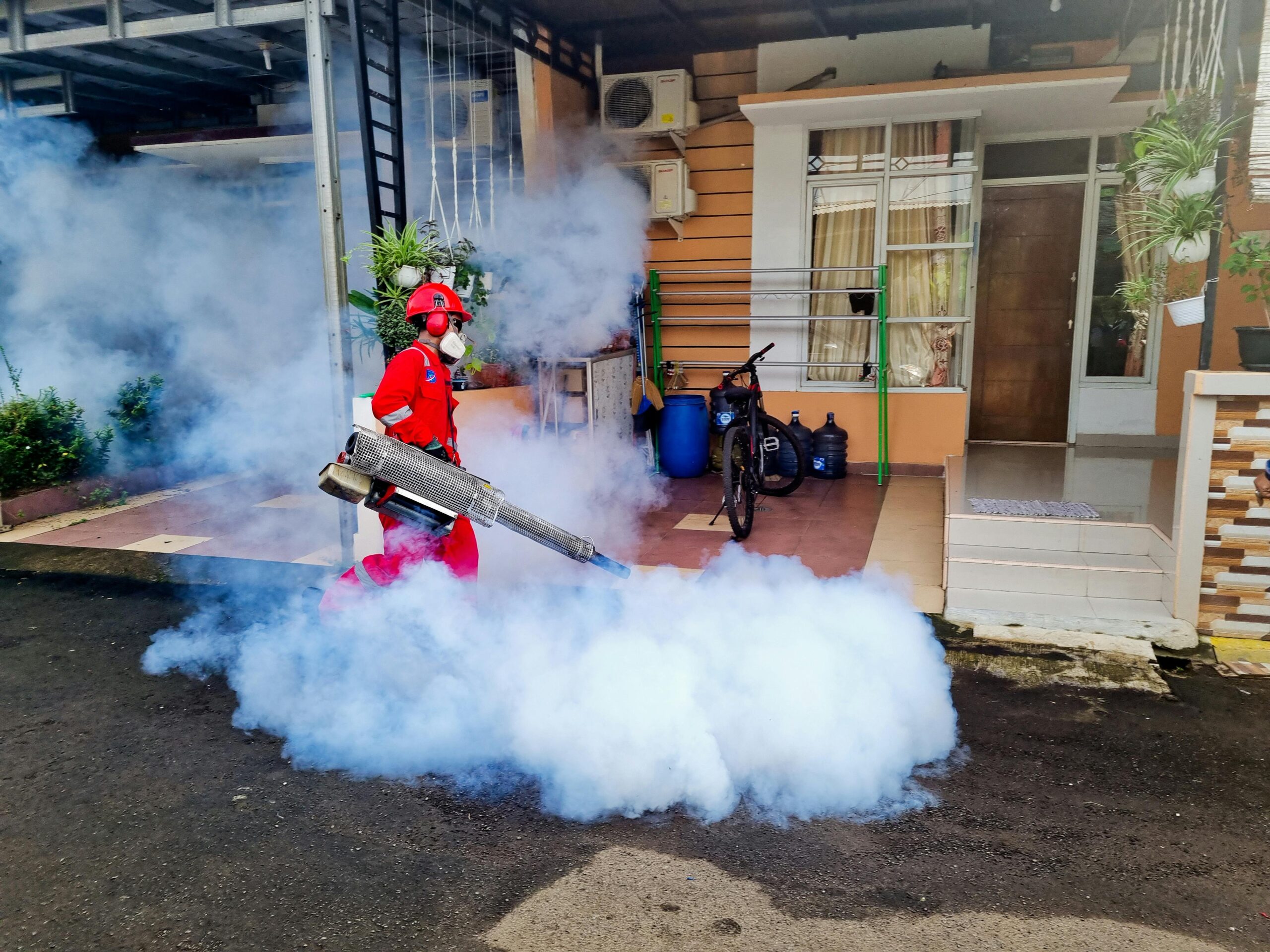
| Mosquito Fogging | Rapid relief for outdoor gatherings, covers large areas | Short‑term effect, repeated sessions needed | 1‑3 hours per session (effect lasts 1‑2 weeks) | $100‑$250 per session |
Pricing Snapshots from Anthem Pest
Our transparent pricing lets you compare apples to apples. For a typical ant problem, a single baiting service runs between $80 and $150, depending on property size and infestation level. If termites have taken hold, a full‑home barrier—our most comprehensive defense—costs between $2,000 and $5,000. Summer mosquito spikes often call for fogging; each session is priced at $100‑$250, delivering immediate relief for patios and decks.
Why a Professional Assessment Matters
No two homes are identical. Soil type, landscaping, construction materials, and even neighboring properties influence which method will work best. Our certified technicians conduct a thorough inspection, identify the species, locate entry points, and then recommend a tailored plan that balances efficacy, safety, and budget. Skipping this step can lead to over‑treating (unnecessary chemicals) or under‑treating (persistent re‑infestations).

Local Knowledge, National Standards
Rapid 24‑Hour Response from Neighborhood Technicians
When a pest invasion strikes at 2 a.m., you don’t have time to wait for a national call center. Anthem Pest’s locally trained, state‑licensed technicians are on standby in every service area, guaranteeing a response within 24 hours. Because they live and work in the same neighborhoods they protect, they know the seasonal patterns, building quirks, and common entry points that a distant contractor might miss.
National‑Level Safety and Effectiveness
Speed alone isn’t enough; the treatments must meet the highest industry benchmarks. All of Anthem’s solutions are EPA‑registered, and every application follows the Integrated Pest Management (IPM) protocols endorsed by the National Pest Management Association. This blend of local insight and national standards means homeowners receive fast, targeted action without compromising health or the environment.
Proven Customer Trust
Homeowners consistently reward that combination. Anthem Pest currently holds a 4.8‑star rating on the Better Business Bureau, reflecting thousands of positive reviews for punctuality, professionalism, and lasting results. Those scores are reinforced by a similar 4.7‑star average on Google Reviews, where families cite the “quick‑response team that actually knows the area.”
Free Home Inspection and a Direct Line to Help
To prove the promise, Anthem offers a no‑cost, no‑obligation home inspection. A simple call to 877‑371‑8196 connects you to a local specialist who can assess the problem, explain the treatment plan, and schedule service on the same day when possible. The inspection includes a detailed walk‑through, identification of vulnerable entry points, and a written prevention checklist.
Case Study: A Summer Mosquito Surge in the Midwest
Earlier this summer, a suburban community in central Illinois reported an unprecedented mosquito bloom after heavy rains. Within two hours of the first complaint, Anthem’s nearest team arrived, conducted a rapid assessment, and deployed EPA‑registered larvicides alongside targeted adulticide fogging. Because the technicians knew the local storm‑drain layout, they treated hidden breeding sites that other providers often overlook. Residents saw mosquito activity drop by more than 80 % within 48 hours, and the area returned to a pest‑free backyard in less than a week.
That blend of neighborhood familiarity and nationwide best practices is what sets Anthem Pest apart from generic, “one‑size‑fits‑all” services. When you choose Anthem, you’re not just hiring a pest‑control company—you’re partnering with a local team that upholds the strictest safety standards while delivering the speed and reliability homeowners expect.
Understanding Costs and Getting Help Paying
Service Packages at a Glance
Anthem Pest offers three core packages that let homeowners choose the level of protection that fits their budget and lifestyle:
- Monthly Monitoring – Regular inspections and preventive treatments to keep pests from gaining a foothold.
- Quarterly Treatments – Four targeted visits per year, ideal for seasonal invaders such as mosquitoes and ants.
- Annual Comprehensive Plan – A full‑service solution that combines monitoring, quarterly treatments, and an extra deep‑cleaning session for hard‑to‑reach areas.
Each package is priced transparently on our Anthem Pricing page, so you always know exactly what you’re paying for.
Financing Options Made Simple
We understand that pest control is a necessary expense, not a luxury. That’s why we’ve partnered with several financing providers to spread the cost without hidden fees:
- 0% APR for 12 months – No interest if you pay the balance within a year.
- Credit‑card installment plans – Choose 3, 6, or 12 monthly payments directly on your card.
- Eligibility criteria – Must be a U.S. resident, 18+ years old, and have a valid credit check. Approval is typically instant.
All financing options are presented at checkout, so you can compare the total cost versus the monthly payment before you commit.
Quick Cost Calculator Example
Let’s walk through a real‑world scenario for a 2‑bedroom home:
| Service | Unit Cost | Quantity | Subtotal |
|---|---|---|---|
| Ant baiting | $120 | 1 | $120 |
| Mosquito fogging | $150 | 1 | $150 |
| Total | $270 | ||
| Financed 0% APR over 12 months | $22.50 per month | ||
In this example, the $270 bill can be broken into twelve $22.50 installments—no interest, no surprise fees. If you prefer a shorter term, a 6‑month credit‑card plan would be $45 per month.
Transparent pricing, flexible financing, and a clear calculator help you make an informed decision without the stress of hidden costs.
Do‑It‑Yourself or Call the Pros?
When you first notice a few ants marching across the kitchen counter or a lone spider in the garage, it’s tempting to reach for the DIY toolbox. A solid prevention routine can stop many small invasions, but some situations quickly outgrow a homeowner’s arsenal. Below is a quick guide to help you decide whether a simple fix will do or if it’s time to call Anthem Pest.
DIY Checklist
- Seal cracks and openings. Use caulk or expanding foam around windows, doors, baseboards, and any gaps where pipes or wires enter the home.
- Store food properly. Keep pantry items in airtight containers and clean up crumbs immediately to deny ants, cockroaches, and pantry pests a food source.
- Maintain the yard. Trim grass, remove leaf litter, and keep firewood stacked away from the house. This reduces the bridge that insects use to move from outdoors to indoors.
When You Need the Professionals
- Large colonies that appear overnight or spread across multiple rooms.
- Visible damage to wood, drywall, or electrical wiring—signs of termites, carpenter ants, or wood‑boring beetles.
- Persistent infestations despite regular cleaning and sealing.
- Health‑risk pests such as bed bugs, termites, or rodents that require specialized equipment and containment.
Decision‑Tree Quick Test
Start with the question, “Are you seeing more than a few insects?” If the answer is yes, move to the next prompt: “Is there damage to wood or wiring?” A yes to either point means it’s time to pick up the phone and call Anthem Pest. Our technicians have the training, tools, and insurance to handle the problem safely and permanently.
Why Professional Help Pays Off
DIY methods may mask a problem temporarily, but they rarely eradicate the source. Professionals not only eliminate the current infestation; they also apply preventative treatments that protect your home for months to come. Plus, handling hazardous chemicals or structural pests without proper training can pose safety risks to you and your family. Investing in a qualified service today saves you from costly repairs, repeated treatments, and sleepless nights.
Take the Next Step Toward a Pest‑Free Home
Early detection, seasonal planning, and selecting the right treatment are the three pillars that keep your home safe from pests. Spotting a tiny ant trail in spring, scheduling a pre‑summer barrier for mosquitoes, or addressing a rodent sighting before winter can prevent costly damage and protect your family’s health. By catching infestations early, you avoid the extensive treatments that become necessary once pests have established colonies.
At Anthem Pest, we back those proactive steps with safe, effective, and affordable solutions. Our transparent pricing means you know exactly what you’re paying for—no hidden fees, just proven results delivered by locally trained technicians. Our integrated approach combines eco‑friendly products with proven application techniques, ensuring long‑lasting protection without compromising indoor air quality.
We invite you to schedule a complimentary home inspection or request a personalized quote. Our experts will evaluate your property, identify any current or potential infestations, and outline a treatment plan tailored to your budget and timeline.
A free inspection not only reveals hidden activity but also gives you a clear roadmap, so you can make informed decisions before pests spread.
Call us today at 877‑371‑8196 or visit Anthem Pest Control to get started.
Ready to protect your home? Our local specialists are standing by to assess your situation and recommend the best plan—no obligation, just peace of mind.