Rising Cricket Activity in Brookhaven
Last July, as Brookhaven sweltered under an unprecedented heatwave, residents reported a chorus of cricket chirps that seemed to start before sunset and linger until dawn. Neighbors in nearby Peachtree Corners even set up makeshift “listening stations” on their porches, only to discover that the volume was coming from dozens of colonies nesting in lawns, gutters, and even attic insulation—highlighting the need for a professional cricket inspection Brookhaven to identify hotspots and prevent further infestation.
While most people think of crickets as harmless background music, a large infestation can quickly become a nuisance. Persistent nighttime noise disrupts sleep, and the insects can wander onto kitchen counters, contaminating food with their droppings. In rare cases, massive colonies attract predators that damage drywall or create moisture pockets that encourage mold growth.
This guide will walk you through exactly what an Anthem Pest inspection looks like, the tell‑tale signs that crickets have taken up residence, and the point at which a professional call becomes essential. We’ll share data‑driven insights from recent surveys, explain how to spot early activity, and provide actionable steps you can take before the chirping turns into a full‑blown infestation. By the end of this article, you’ll have a clear roadmap to protect your home and enjoy a quiet summer night again.
Cricket Biology and Why They Invade Homes
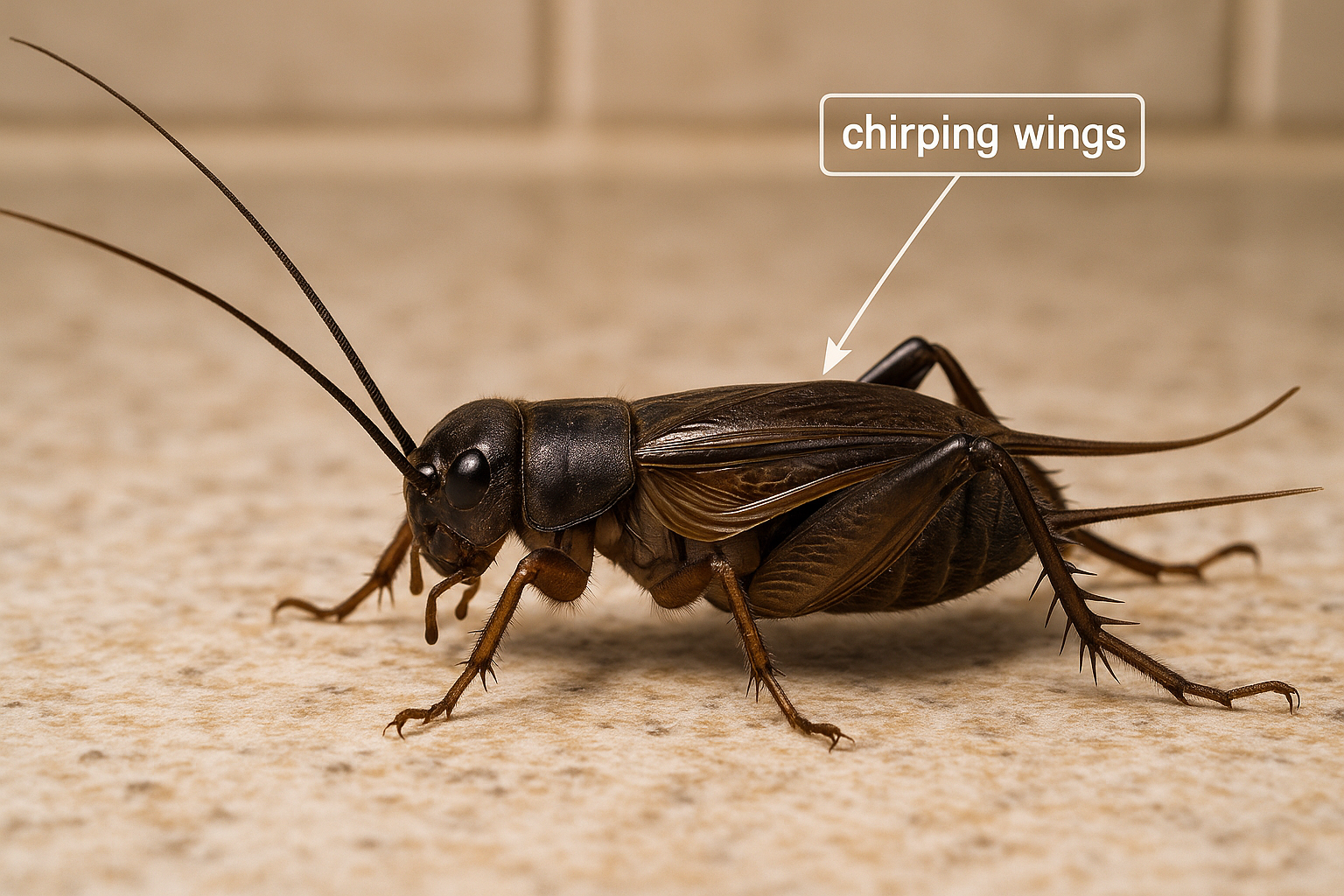
In Georgia the two species you’ll most likely hear at night are the House cricket (Acheta domesticus) and the Tree cricket (various Oecanthus spp.). House crickets are stout, brown‑gray insects with a smooth pronotum and a characteristic “chirp” that speeds up in warmer weather. Tree crickets are slimmer, lighter‑colored, and often display a faint greenish hue on their wings; they also produce a higher‑pitched, rhythmic trill. Spotting these visual cues helps you tell them apart before a professional steps in.
Their life cycle is simple but rapid. Females lay 50‑200 eggs in soil or leaf litter; each egg hatches in 10‑14 days into a nymph that looks like a miniature adult. Nymphs molt six times over 2‑3 months before reaching reproductive maturity. In Georgia, peak activity clusters in late summer (August‑September) when temperatures hover between 80‑90 °F, which also aligns with the highest indoor sightings.
Three main drivers push crickets inside. First, extreme outdoor heat or sudden cold snaps make the stable indoor climate a refuge. Second, artificial lighting attracts them; a porch light or a kitchen lamp mimics the twilight they use for navigation. Third, homes provide abundant food—tiny crumbs, pet food, and even mold—allowing crickets to survive without foraging outside.
One Brookhaven homeowner shared a vivid example: after a July 2024 heatwave that pushed daytime highs above 95 °F, the house’s nightly chirp count jumped from a faint background buzz to a deafening chorus that lasted well into the early morning. The homeowner noted that the crickets seemed to “follow the light” from the living‑room lamp into the kitchen, confirming the lighting draw.
For a broader scientific perspective on cricket behavior and control, see the EPA pest‑information page.
Detecting a Cricket Infestation
Crickets are most active after sunset, and a steady chorus can be the first hint that they’ve moved inside your home. Knowing the subtle signs can help you act before the population explodes.
Audible cues
Listen for continuous chirping after dusk, especially near exterior walls, window frames, or attic vents. A single, rhythmic trill usually means a lone male, while overlapping songs indicate a growing group.
Physical evidence
Look for tiny black droppings that resemble pepper grains, shed wing skins left after a molt, and occasional bite marks on skin or pets. These remnants are most common in basements, closets, and under kitchen appliances.
Visual clues
Crickets are attracted to light, so you may spot clusters around porch lights, garage doors, or indoor fixtures. They also hide in damp corners of basements, crawl spaces, and behind refrigerators or washing machines.
According to the latest EPA statistics, 12 % of Georgia homes reported seasonal cricket activity in 2024. This makes early detection especially important in Brookhaven’s warm, humid climate.
Regular monitoring each season helps you catch a problem before it spreads to living spaces.
Quick inspection checklist
- Hear chirping after sunset near walls or windows?
- Find black droppings or shed exoskeletons in hidden areas?
- Notice crickets gathering around indoor lights or appliances?
- Check damp basements, crawl spaces, and under sinks for movement.
Timing Your Inspection
In Brookhaven, the cricket boom peaks from late May through early September. Colonies multiply fast, and the night chirp can go from a faint hum to a loud chorus. Scheduling an inspection early in this period lets you catch a small family before it spreads to walls, basements, and outdoor structures.
Brookhaven’s landscape adds risk. Dense canopy creates a humid environment crickets love, and many historic homes sit on older foundations that trap moisture. Damp basements become perfect breeding grounds, especially when outdoor lighting stays on after dusk. Late spring is the best time to schedule a sweep before numbers surge.
Use this quick self‑assessment checklist to decide if you need a professional:
- Listen for nightly chirps inside or near windows – a steady hum often means a colony is nearby.
- Inspect window sills and door frames for tiny holes or live crickets hiding in cracks.
- Check basements and crawl spaces for moisture, droppings, or the faint scent of crushed insects.
- Look for dark droppings (tiny black specks) on walls, countertops, or stored food.
- Assess outdoor lighting – bright lights attract insects and can draw crickets toward your home.
Spotting any of these signs early lets Anthem Pest Control intervene before the infestation balloons into a costly treatment. An inspection in summer saves money and protects the comfort of your home throughout the cricket season, and avoids the need for follow‑up visits.
What Happens During a Professional Inspection
Before the technician even steps onto your property, a quick phone call sets the stage. Our office staff will confirm the type of cricket activity you’ve noticed, ask about the seasonality of the problem, and lock in a time that works with your schedule. This pre‑visit conversation helps ensure the cricket inspection Brookhaven is efficient, bringing the right tools and focusing on the areas most likely to harbor crickets.
Exterior Sweep
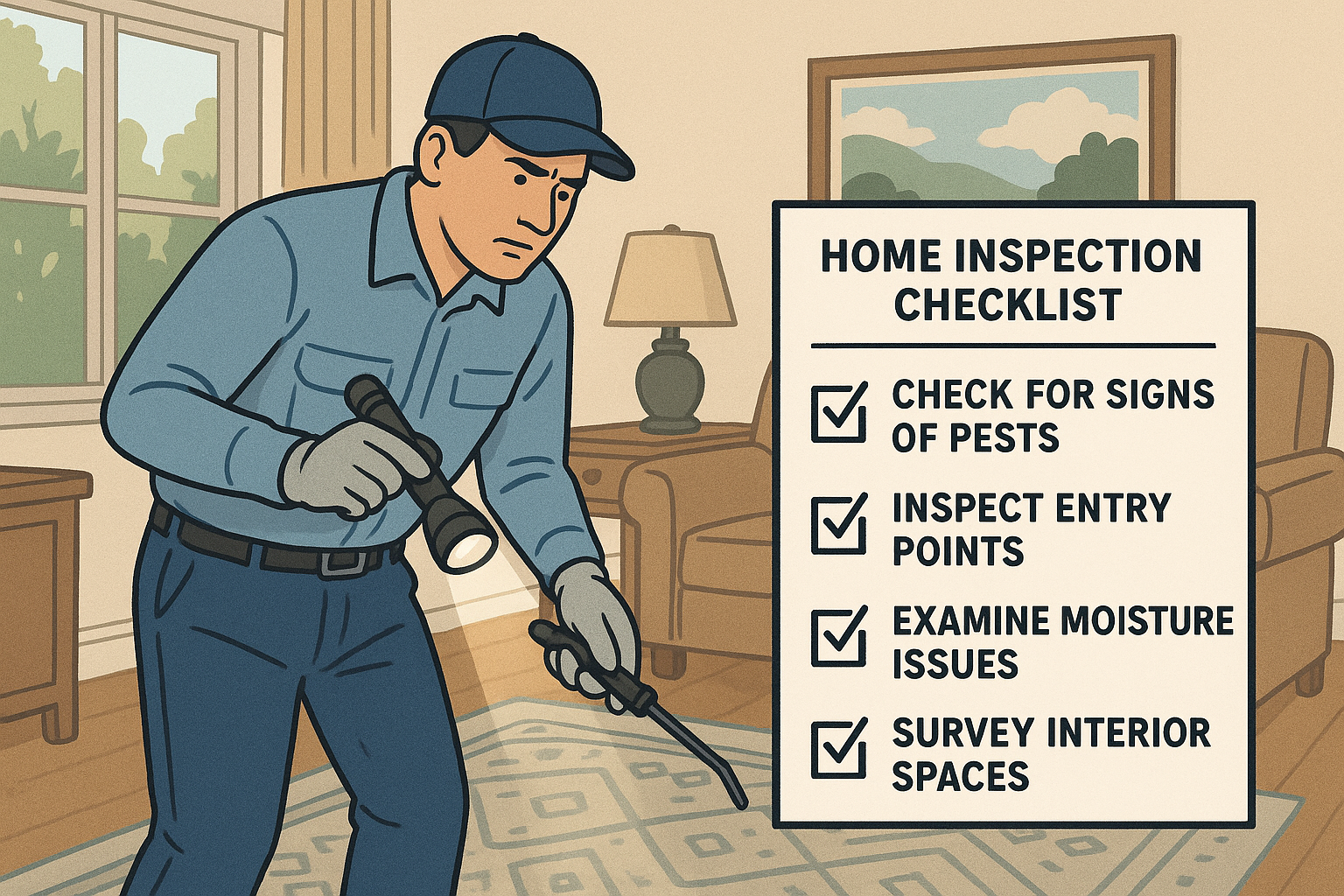
When the technician arrives, the first task is a perimeter walk around your home. Using a high‑intensity UV flashlight, they scan walls, eaves, and foundation cracks for tiny entry points that are invisible in daylight. Outdoor activity zones—such as porch lights, garden mulch, and drainage ditches—are also inspected, because crickets gravitate toward moisture and light.
Interior Room‑by‑Room Inspection
Inside, the inspector moves methodically from room to room, giving extra attention to kitchens, basements, and any space that receives abundant natural or artificial light. Sticky traps are placed in strategic spots, and a handheld moisture meter checks for damp surfaces that could serve as a cricket nursery. The goal is to locate both the visible insects and the hidden breeding sites.
Moisture Assessment
Crickets thrive in moist environments, so identifying damp patches is crucial. The moisture meter readings are logged, and any leaks, condensation problems, or overly humid corners are noted for remediation. Addressing moisture not only curbs the current cricket outbreak but also reduces the risk of future invasions.
Report Delivery
Within minutes of finishing the walkthrough, the technician compiles a detailed report. You’ll receive a written summary that outlines where crickets were found, which entry points are most vulnerable, and a customized treatment plan that includes product choices, application methods, and a clear cost estimate. Transparency is key—no hidden fees, just a straightforward roadmap to a cricket‑free home.
Typical Duration
For an average 2,000‑sq‑ft home, the entire inspection process takes about 45–60 minutes. Larger properties or homes with extensive landscaping may require a bit more time, but the step‑by‑step approach remains the same.
Real‑World Scenario
Consider a recent inspection on a Maple Avenue townhouse. The technician noticed a faint cricket chirp near the kitchen sink, placed a sticky trap, and then lifted the base cabinets. Hidden behind the cabinets, a small pocket of moisture had become a breeding hotspot, explaining the sudden surge of crickets. The homeowner received a targeted treatment recommendation that eliminated the problem in just two weeks.
DIY Checks vs. Professional Inspection
Many Brookhaven homeowners start with a quick “look‑around” before calling a pest‑control professional. While a DIY sweep can give you a rough idea of activity, it often falls short in three critical areas.
Limitations of a DIY approach
- Hidden entry points. Crickets can slip through tiny cracks behind baseboards, under siding, or inside wall voids—places the average homeowner rarely inspects.
- Species misidentification. Without proper training, you may mistake a harmless field cricket for a more destructive house cricket, leading to an ineffective treatment plan.
- Moisture assessment. Crickets thrive in damp environments, yet most DIY kits lack tools to measure humidity levels or locate concealed water sources.
Cost comparison
A basic trap kit costs between $15 and $30, which seems cheap until you factor in the time spent hunting, the likelihood of missing key sites, and the potential need for repeat purchases. A professional inspection from Anthem Pest runs $89–$119 (2025 pricing) and includes a thorough visual exam, moisture meter readings, and a detailed report.
What the data say
According to a recent NPMA study, homes that skipped a professional inspection experienced a 35 % higher re‑infestation rate within three months. Read the study.
Why choose a pro?
A certified technician brings expertise, equipment, and a preventive roadmap that DIY methods simply cannot match. Investing in a professional assessment now reduces the chance of recurring cricket problems, protects your home’s structure, and ultimately saves time and money.
Treatment Options and Cost Estimates
When crickets invade a Brookhaven home, the right treatment hinges on safety, effectiveness, and budget. At Anthem Pest Control we start with EPA‑registered, low‑toxicity products that protect families and pets while delivering rapid results. Our chemical approach typically includes a perimeter spray that creates a protective barrier around the house and targeted indoor crack‑and‑crevice applications that hit hidden harborage spots where crickets hide during the day.
For homeowners who prefer a non‑chemical route, we offer several proven alternatives. Bait stations use attractants that draw crickets away from living spaces, allowing the insects to ingest a slow‑acting agent that eliminates the colony over time. Heat treatment raises interior temperatures to a level lethal to crickets without chemicals, ideal for sensitive environments. Finally, structural exclusion—sealing cracks, installing door sweeps, and repairing screens—prevents future invasions by removing entry points.
Pricing in Brookhaven reflects the scope of work and the level of follow‑up care you need. A basic treatment, which includes a single perimeter spray and one indoor application, typically runs between $120 and $180. For homeowners seeking long‑term peace of mind, our comprehensive package adds a six‑month monitoring and retreat schedule, bringing the total to $250‑$350. These tiers are transparent, with no hidden fees, so you know exactly what you’re paying for.
All of our solutions align with integrated pest‑management (IPM) principles. That means we prioritize low‑impact methods first, reserve chemicals for situations where they’re truly necessary, and continuously evaluate the effectiveness of each step. By using EPA‑approved products and combining them with exclusion techniques, we reduce the overall chemical load while still delivering reliable control.
| Method | Type | Effectiveness | Approx. Cost (Brookhaven) |
|---|---|---|---|
| Perimeter Spray | Chemical | High – creates a protective barrier | $80‑$120 (single application) |
| Indoor Crack‑and‑Crevice | Chemical | Medium‑High – targets hidden harborage | $40‑$60 (one‑time) |
| Bait Stations | Non‑chemical | Medium – gradual colony reduction | $70‑$100 (installation & 3‑month supply) |
| Heat Treatment | Non‑chemical | High – immediate knock‑down | $150‑$200 (whole‑home) |
| Structural Exclusion | Non‑chemical | High – prevents re‑entry | $50‑$120 (sealants, sweeps) |
Choosing the right mix of treatments depends on the severity of the infestation, your comfort with chemicals, and how proactive you want to be about future invasions. Our team is ready to walk you through each option, match it to your budget, and set up a plan that keeps crickets—and any other unwanted guests—out of your home.
Prevention Strategies for Brookhaven Homes
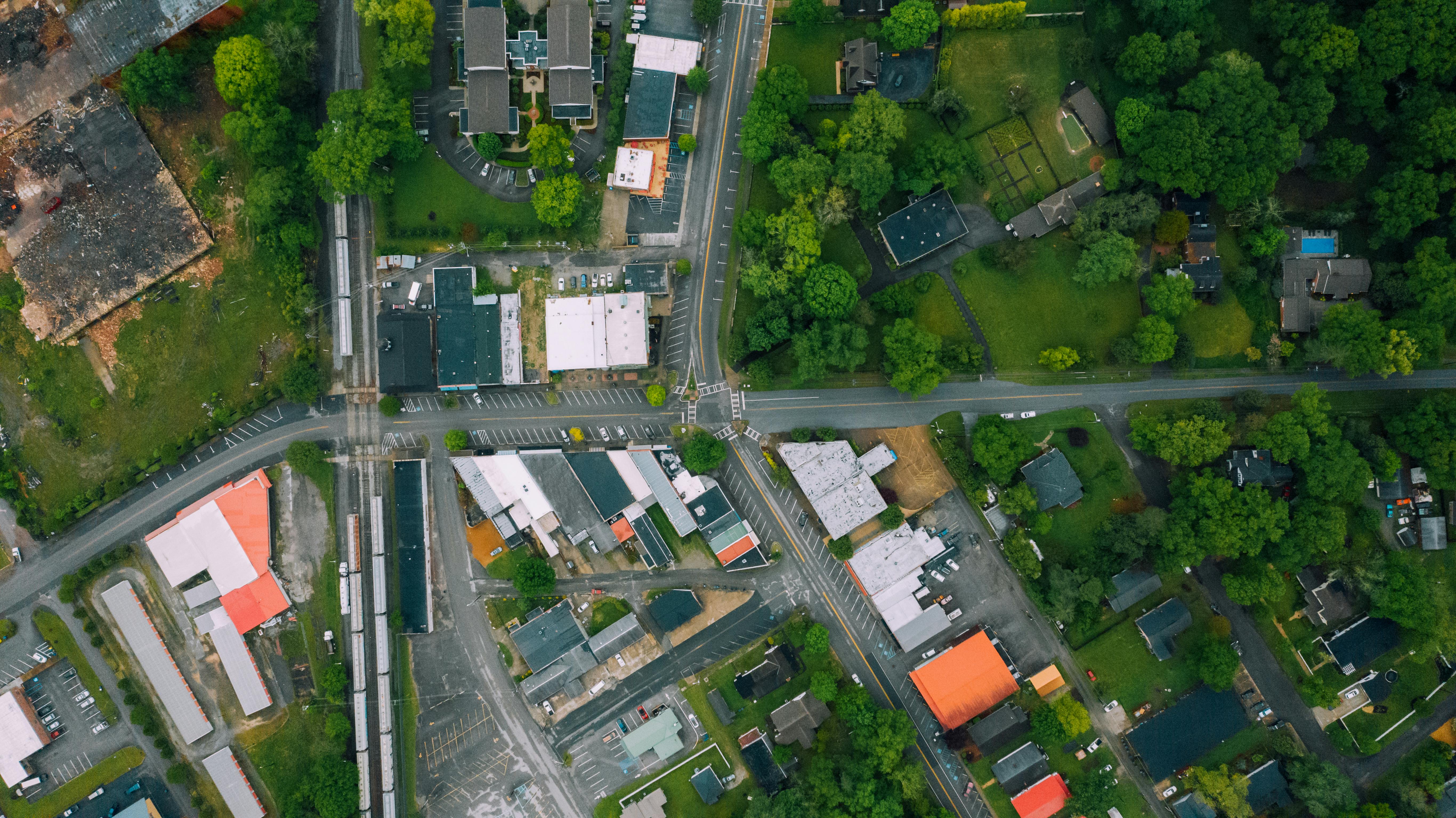
Crickets love the warm, humid micro‑climates that can develop around a typical Brookhaven home. By tightening up the exterior and keeping the yard tidy, you deny them the shelter and moisture they need to set up shop. The following steps are tailored to the soil, climate, and historic character of the Brookhaven area.
Landscape Management
Trim grass and ornamental plants back to at least six inches from the foundation on a weekly basis during the growing season. Remove leaf litter, pine needles, and fallen branches that can hold moisture. Keep mulch or wood chips no closer than 12 inches to the house; a stone or gravel border creates a dry buffer that discourages crickets from crossing.
Home Maintenance
Inspect the foundation for cracks and seal them with a high‑quality polyurethane caulk. Install door sweeps on all exterior doors to block entry points. Repair any leaky pipes, dripping faucets, or condensation on HVAC units, because even a few ounces of standing water can become a nightly cricket gathering spot.
Neighborhood Focus
Historic districts such as Brookhaven Village feature older wood siding and brickwork that can develop gaps over time. Schedule an annual professional seal check to refresh paint, caulk, and weatherstripping. A well‑maintained façade not only protects against crickets but also preserves the neighborhood’s charm.
Quick‑Reference Checklist
- Trim vegetation – keep grass and shrubs at least 6 in away from the foundation.
- Inspect foundation – seal cracks and apply fresh caulk annually.
- Run moisture meter quarterly – identify hidden leaks in basements and crawl spaces.
- Install door sweeps on all exterior doors.
- Maintain mulch barrier – keep mulch ≥12 in from the house.
- Schedule professional seal check – especially for historic siding.
Stick to this routine each season, and you’ll dramatically reduce the chances of a cricket invasion—leaving you more time to enjoy Brookhaven’s beautiful outdoors without the constant chirping soundtrack.
Why Choose Anthem Pest for Cricket Control
For more than 15 years, Anthem Pest has been a trusted partner for Brookhaven homeowners, delivering professional cricket inspection Brookhaven services and treatments that comply with local building codes. Every technician on our team holds a state license and knows the nuances of Brookhaven neighborhoods, from historic districts to newer subdivisions, ensuring each service is both legal and effective.
We believe pricing should be as clear as a sunny Georgia afternoon. Anthem Pest offers a straightforward, upfront price list—no hidden fees or surprise add‑ons. Plus, our satisfaction guarantee backs every cricket control job: if you see a re‑infestation within 30 days, we’ll return at no extra charge to re‑treat the area.
Our treatments rely exclusively on EPA‑approved products and follow an integrated pest‑management (IPM) strategy. This means we target crickets directly while also reducing the conditions that attract them—like excess moisture or outdoor lighting—so the solution lasts longer and the impact on pets, children, and the environment stays minimal.
Because we live in Brookhaven ourselves, we understand the seasonal patterns that bring crickets indoors—from humid summer evenings to early fall migrations. Our technicians tailor each treatment plan to your property’s specific micro‑climate, giving you a defense that works year‑round.
Ready to put an end to the nightly chirping? Call Anthem Pest today at 877‑371‑8196 or visit anthempest.com to schedule your cricket inspection. Our local team is standing by to protect your home with the expertise and guarantee you deserve.
Frequently Asked Questions About Crickets
Do crickets carry diseases?
Crickets are not recognized as disease vectors for humans. The CDC’s rodent and insect disease page notes that crickets are not listed among insects that transmit illnesses. While they can leave droppings or shed skins that may attract bacteria, the direct health risk is very low. Maintaining good kitchen hygiene eliminates any secondary concerns.
How long does treatment last?
EPA‑registered cricket control products typically leave a residual barrier for 3–4 months. Some formulations may protect for as little as two months or as long as six, depending on the active ingredient and application rate. A professional service usually schedules a follow‑up inspection after the season to ensure no new activity has emerged. A second spot‑treatment in midsummer can extend protection if activity spikes.
Can I keep crickets as pets and still have a pest‑free home?
Yes, but you must isolate them. Keep pet crickets in a sealed, ventilated container placed away from food‑prep zones, and never release them outdoors. Clean the enclosure regularly to prevent escapes, and use a low‑toxicity, targeted treatment for the rest of the house. This approach protects your pets while keeping wild crickets out.
Final Thoughts and Next Steps
Early detection, a professional inspection, and proactive prevention are the three pillars of keeping crickets out of your Brookhaven home. Spotting activity before it spreads saves time, reduces treatment costs, and protects your family’s comfort.
When you partner with Anthem Pest, Brookhaven homeowners gain a trusted ally who knows local cricket behavior and delivers precise, safe solutions, giving you lasting peace of mind. Our technicians use eco‑friendly products and proven techniques, ensuring minimal disruption to your daily life.
Schedule a free inspection quote today by calling 877‑371‑8196 or visiting our website. Our specialists will assess your property, explain findings, and recommend a tailored prevention plan at no charge.
Ready to enjoy a quiet, cricket‑free home? Contact Anthem Pest today for a complimentary assessment and discover how our customized solutions protect your family and property.
Visit Anthem Pest Control for more information.