Why House Crickets Are a Growing Concern in Peachtree City
In recent years, homeowners across Peachtree City have started noticing a steady rise in house-cricket activity inside their homes. These insects, often mistaken for harmless backyard chirpers, can quickly become a nuisance when they move indoors. Understanding what makes them different from the usual suspects—ants, roaches, or rodents—helps you spot the problem early and schedule a cricket inspection Peachtree City professionals recommend before the situation escalates.
What a house cricket looks like and how it lives
House crickets (Acheta domesticus) are medium‑sized, brown‑gray insects that typically measure ½ to ¾ inch long. Their most recognizable feature is the pair of long hind legs used for powerful jumps, and the male’s characteristic chirp produced by rubbing its wings together. Unlike field crickets that prefer open grass, house crickets thrive in warm, humid environments and are comfortable nesting in dark, undisturbed spaces such as basements, crawl spaces, and wall voids. For a detailed species profile, see the expert guide.
How crickets differ from other common pests
- Noise: A single male can generate a continuous chirping soundtrack that lasts through the night, disrupting sleep and making quiet evenings impossible.
- Potential damage: While crickets don’t chew wood like termites, they feed on plant material, paper, and even fabric, leading to unsightly stains and occasional holes in stored items.
- Health considerations: Crickets can carry allergens in their droppings and shed skins, which may trigger asthma or allergic reactions in sensitive occupants.
Typical entry points
House crickets are opportunistic invaders. They exploit the same gaps that allow air and moisture into a home, including:
- Foundation cracks and gaps around concrete slabs.
- Unsealed crawl‑space vents and utility openings.
- Damaged weather‑stripping around doors and windows.
- Openings around plumbing, electrical conduits, and HVAC ducts.
Why early detection matters
Finding a few chirpers early can save you a cascade of problems later. An unchecked population can:
- Multiply rapidly—female crickets lay up to 200 eggs over a season.
- Compromise insulation by nesting in attic or wall cavities, reducing energy efficiency.
- Increase moisture levels as they seek damp areas, encouraging mold growth and wood rot.
By intervening early, homeowners typically avoid costly repairs that can run into the thousands. Addressing the issue before numbers swell protects both the structure and your family’s comfort.
Peachtree City’s climate—perfect cricket breeding ground
Peachtree City experiences warm, humid summers with average high temperatures in the upper 80s °F and frequent afternoon thunderstorms. Those conditions mirror the cricket’s natural habitat, allowing eggs to hatch quickly and nymphs to mature within weeks. The city’s lush landscaping, irrigation systems, and abundant organic debris further supply food sources, turning a typical backyard into a year‑round breeding zone. Neighborhood irrigation schedules, especially during summer, keep lawns green but also maintain the moisture crickets love, extending their breeding window.
What comes next: a glimpse of the inspection process
When you contact Anthem Pest Control, a certified technician will start with a visual sweep of known entry points, listen for nighttime chirping, and use moisture meters to locate damp hideouts. The inspection will also assess potential damage to insulation and identify any secondary pests attracted to the same moisture‑rich environment. The technician may also use infrared cameras to pinpoint hidden colonies behind drywall, ensuring no survivor is left behind. This proactive approach sets the stage for targeted treatment and long‑term prevention, topics we’ll explore in the following sections.
Seasonal Cricket Activity in Peachtree City – What Homeowners Should Watch
Crickets thrive on two simple cues: warmth and moisture. In Peachtree City, the subtle dance between temperature swings and rainfall patterns dictates when these noisy guests emerge, multiply, and eventually fade. Understanding this rhythm lets you spot trouble early and plan a cricket inspection Peachtree City homeowners rely on, scheduling it when inspections are most effective.
How Temperature and Rainfall Drive the Cricket Life Cycle
Cricket eggs hatch when soil temperatures consistently reach ≈ 15 °C (59 °F). Warm days accelerate nymph development, while rain softens the ground, giving hatchlings easy access to the surface. Conversely, a cold snap or prolonged dry spell stalls growth and can push crickets into a dormant state. Because Peachtree City experiences mild winters and humid summers, the cricket calendar is relatively predictable.
Monthly Activity Levels
| Month | Activity Level | Typical Weather Influence |
|---|---|---|
| January – February | Very Low | Cool temperatures (≤ 10 °C) keep adults inactive; eggs remain dormant. |
| March – April | Low → Moderate | Rising temps (12‑18 °C) and spring rains trigger the first hatchings. |
| May – June | Moderate → High | Consistently warm days (20‑25 °C) and frequent showers boost nymph growth. |
| July – August | Peak | Hot, humid conditions (27‑30 °C) create ideal breeding grounds; populations explode. |
| September – October | High → Moderate | Temperatures slowly drop; rainfall remains, but breeding slows. |
| November – December | Low | Cool, drier weather pushes crickets into overwintering; adults die off. |
Key Warning Signs to Watch Each Season
- Winter (Dec‑Feb): Rare, faint chirps at night may indicate a few survivors emerging from sheltered spots.
- Spring (Mar‑May): Look for small droppings (tiny dark specks) near doorways and a faint, rhythmic chirping after sundown.
- Summer (Jun‑Aug): Expect loud, continuous chirping, noticeable damage to window screens, and larger droppings on indoor surfaces.
- Fall (Sep‑Oct): Chirping tapers off, but you may still find abandoned nests in basements or crawl spaces.
Why Timing Your Inspection Matters
Cricket control is most successful when applied before the population hits its summer apex. A pre‑summer treatment (late April to early May) targets nymphs before they mature, reducing the number of breeding adults that will flood your home in July. Treating during the peak (July‑August) can still help, but you’ll likely need multiple follow‑ups because the insects are already abundant and more tolerant to chemicals.
Conversely, a post‑peak treatment in September can be a cost‑effective “clean‑up” to prevent lingering crickets from seeking shelter inside as temperatures dip. Winter inspections are generally unnecessary unless you’ve spotted unusual activity; focus instead on sealing entry points and maintaining a dry perimeter.
Visual Reference: Seasonal Activity Chart
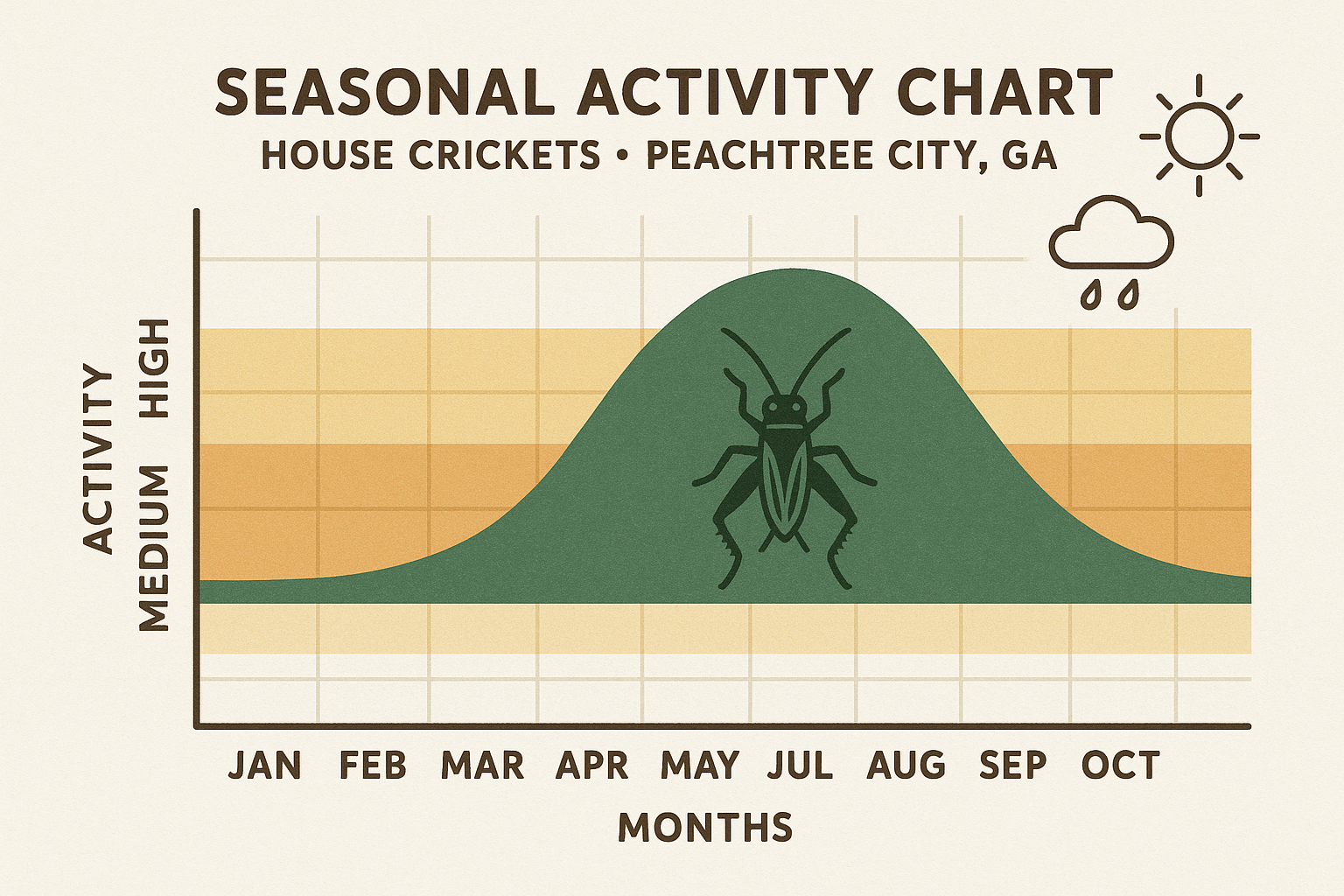
By keeping an eye on temperature trends, rainfall patterns, and the tell‑tale signs listed above, you’ll know exactly when to call Anthem Pest Control for a targeted inspection. A well‑timed visit not only stops crickets before they become a nuisance but also protects your home’s structure and your family’s peace of mind.
What Happens During a Professional Cricket Inspection
Before the technician even steps onto your porch, the cricket inspection Peachtree City homeowners schedule begins with a simple phone call. Our friendly office staff will confirm a convenient time, explain any prep work you can do, and answer quick questions about recent cricket activity. A little housekeeping—like moving boxes, folding blankets, and ensuring clear access to crawl spaces—helps the inspector move efficiently and focus on the problem spots rather than obstacles.
Technician Arrival: Professionalism First
When the inspector arrives, you’ll see a company‑issued identification badge and a clean, branded uniform. Safety gear—gloves, a dust mask, and sometimes a hard hat—signals that we take both your home and your health seriously. A quick courtesy greeting and a brief overview of the day’s agenda set a transparent tone, so you know exactly what will happen and why.
Exterior Visual Sweep
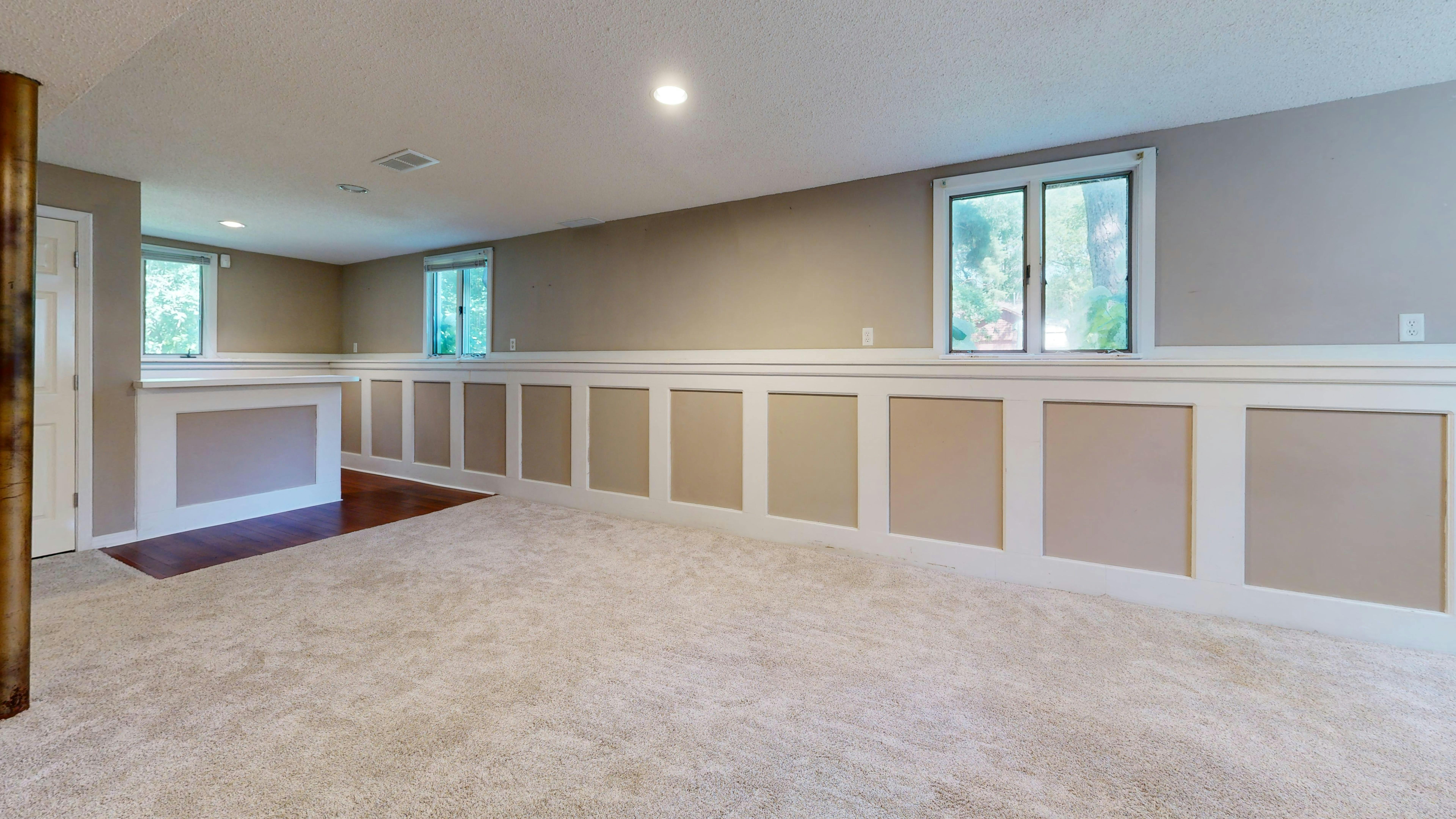
The first step is a thorough walk‑around of the property’s foundation, vents, and any exterior cracks. Crickets love the tiny gaps around windows, door frames, and utility penetrations because they provide shelter and a route inside. The technician shines a high‑intensity flashlight into these openings, noting any signs of wear, moisture, or debris that could serve as a cricket hideout.
Interior Crawl‑Space Examination
Next, the inspector gains access to the crawl space or basement. Using a portable ladder and a flashlight, they look for accumulated mulch, leaf litter, or standing water—common cricket magnets. The goal is to spot hidden colonies before they migrate upward into living spaces. If the area is tight, the technician may bring a small inspection camera to view hard‑to‑reach corners.
Moisture Meter Readings
Moisture is a silent invitation for crickets. A calibrated moisture meter is run across walls, floor joists, and soil patches to pinpoint damp zones that are invisible to the naked eye. Readings above 15% relative humidity usually trigger a recommendation for dehumidification or improved drainage, because dry environments are far less attractive to these noisy insects.
Listening for Chirps and Locating Nests
Crickets are most vocal at dusk, but a trained technician can still pick up faint chirping during daylight using a handheld acoustic detector. By moving systematically from room to room, the inspector isolates the loudest spots, then follows the sound to the source—often a crack behind a baseboard or a small void under a floorboard. This auditory step is crucial; visual clues alone can miss a thriving nest tucked away in a wall cavity.
Documentation: Photos, Notes, and a Customized Report
Every observation is recorded in real time. The inspector snaps high‑resolution photos of problem areas, logs moisture readings, and notes the species of cricket identified. All this data is compiled into a clear, jargon‑free report that you’ll receive within 24 hours. The report includes annotated images, a map of affected zones, and a prioritized action plan tailored to your home’s layout.
Discussion of Findings and Recommendations
Before packing up, the technician sits down with you to walk through the report. They explain which areas need immediate treatment, which can be managed with simple home‑maintenance steps, and what preventive measures will keep crickets from returning. Recommendations may range from sealing entry points and improving ventilation to applying a targeted, low‑toxicity spray in identified hotspots.
Why Thoroughness Matters
Crickets are opportunistic; a single unchecked crack can become a gateway for an entire colony. By inspecting both the exterior envelope and the hidden interior spaces, we eliminate “pockets” that could reignite an infestation months later. This comprehensive approach not only resolves the current problem but also builds a long‑term barrier, giving you peace of mind throughout the warm Georgia months.
Choosing the Right Cricket Inspection Package
Anthem Pest Control offers three distinct cricket inspection Peachtree City packages designed to match the severity of the problem and the homeowner’s budget. Whether you’ve spotted a lone chirper in the kitchen or you suspect a full-blown infestation, our tiered options let you pick the level of service that makes the most sense for your home.
Package Overview
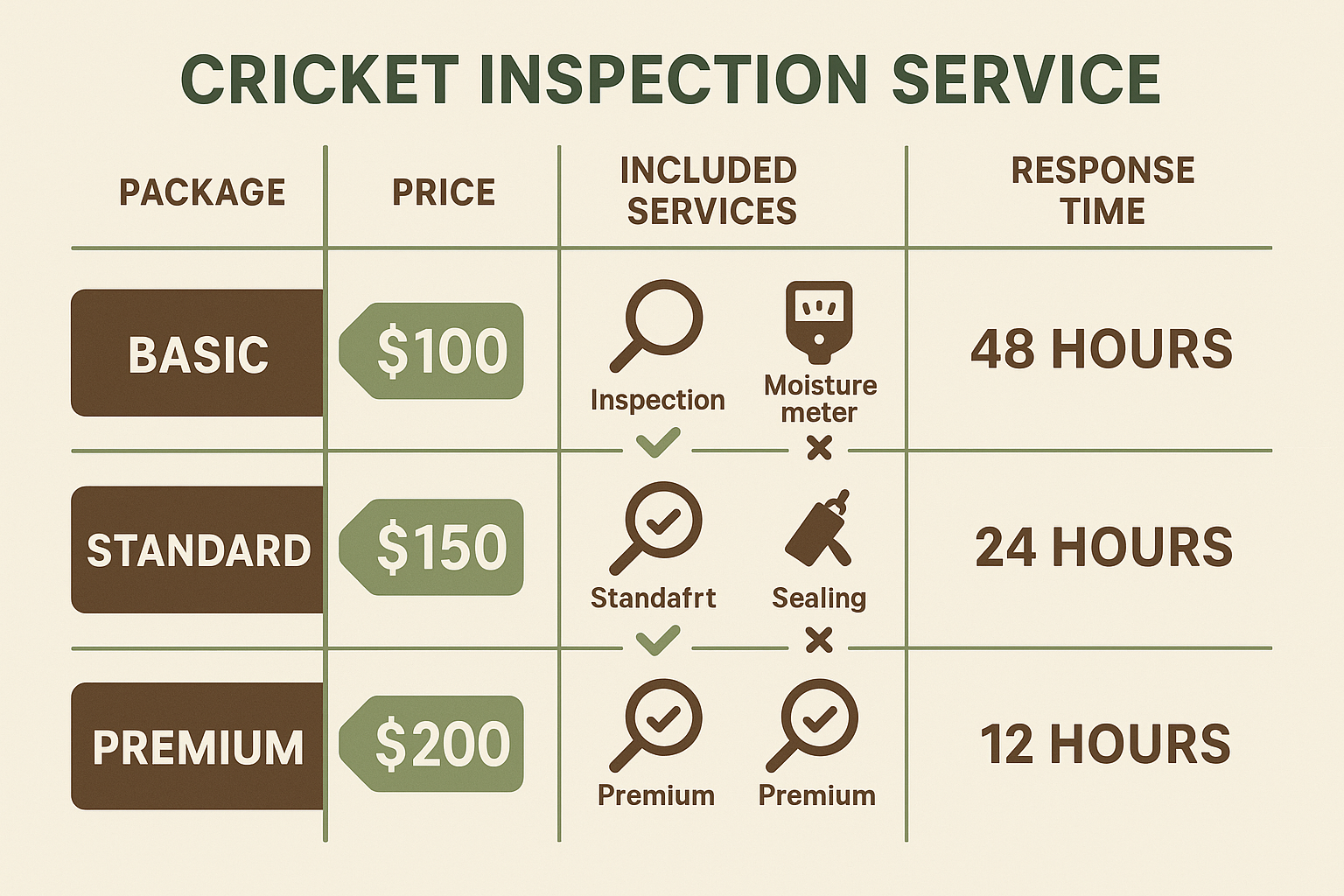
The Basic tier covers a thorough visual inspection and a written report of findings. The Standard tier adds a moisture‑meter reading and sealing of obvious entry points. The Premium tier includes everything in Standard plus a follow‑up visit, priority response time, and comprehensive sealing of all potential entry routes.
Feature Comparison Table
| Feature | Basic | Standard | Premium |
|---|---|---|---|
| On‑site inspection | ✓ | ✓ | ✓ |
| Moisture meter reading | ✗ | ✓ | ✓ |
| Sealing of obvious entry points | ✗ | ✓ | ✓ (all identified points) |
| Follow‑up visit (7‑day window) | ✗ | ✗ | ✓ |
| Priority response time (within 24 hrs) | Standard (48 hrs) | Standard (48 hrs) | Priority (24 hrs) |
Pricing Ranges (Placeholder)
Our pricing is transparent and tailored to each home after the initial assessment:
- Basic: $150 – $250
- Standard: $250 – $400
- Premium: $400 – $600
Exact quotes are provided after we evaluate the size of the property, the extent of any damage, and the level of risk.
Ideal Customer Profile
Basic – Perfect for homeowners who have only a few occasional cricket sightings and want a professional opinion without extensive remediation. This tier gives you a clear picture of where the insects are coming from and whether further action is needed.
Standard – Best for families living in older homes or areas with higher humidity, where moisture can attract crickets. The added moisture‑meter reading helps us identify hidden conditions that encourage breeding, and sealing key entry points reduces future invasions.
Premium – Recommended for high‑risk properties—such as those with extensive landscaping, crawl‑space issues, or a history of repeated cricket problems. The follow‑up visit ensures that any missed spots are addressed, and the rapid response time minimizes disruption during peak cricket season.
Why the Infographic Helps
The accompanying infographic visually breaks down each tier, letting you compare features, pricing, and response times at a glance. It’s a quick reference that makes the decision process less confusing, especially when you’re juggling multiple home‑maintenance projects.
Take the Next Step
Ready to protect your home from noisy, unwanted guests? Request a free, no‑obligation quote today. Our local experts will assess your situation, recommend the most cost‑effective package, and schedule the inspection at a time that works for you.
Local Expertise Matters – Why Anthem Pest Control Is Your Best Choice
When crickets start chirping louder than the evening breeze in Peachtree City, you need a partner who knows the neighborhood as well as you do. Anthem Pest Control has been serving the Tri-City area for years, building a reputation that rests on local knowledge, certified expertise, and honest pricing. Our cricket inspection Peachtree City services are designed to pinpoint the source of the noise and stop infestations early. Below we’ll show why that makes us the most reliable choice for keeping your home cricket-free.

Deep Roots in Peachtree City
Anthem’s service area isn’t just a zip code on a map—it’s a community we’ve lived in, studied, and protected. We understand the local building styles, from ranch‑style homes with wide eaves to newer townhouses with tight crawl spaces. Those details dictate where crickets like to hide and breed. In addition, Peachtree City’s humid subtropical climate creates a perfect backdrop for seasonal cricket activity, and we’ve fine‑tuned our inspection schedules to match those patterns.
Technicians Who Speak “Cricket”
Every technician on our team holds a state‑approved certification in pest identification and Integrated Pest Management (IPM). That means they can differentiate a house cricket from a field cricket, assess the severity of an infestation, and recommend the most effective, least invasive solution. Ongoing training keeps them up‑to‑date on the latest monitoring tools, so you get a professional who truly understands the pest you’re dealing with.
Family‑Safe, EPA‑Approved Treatments
We prioritize the health of your family, pets, and the environment. All of our cricket control products are EPA‑registered, meaning they have passed rigorous safety tests before hitting the market. Our technicians apply these treatments using calibrated equipment that targets only the problem zones—foundations, siding, and outdoor lighting—while leaving living spaces untouched. The result is a quiet, effective barrier that protects you without compromising indoor air quality.
No Surprises Pricing
Transparency is a cornerstone of the Anthem brand. Before any work begins, you’ll receive a detailed estimate that breaks down labor, materials, and any optional follow‑up visits. There are no hidden fees, no “after‑hour” surcharges, and no vague “service call” charges that later balloon. If you decide to add a seasonal prevention plan, the cost is presented up front so you can budget with confidence.
Success Stories from Your Neighbors
- “We thought the nightly chirping was just summer,” says the Johnson family on South Peachtree Road. “Anthem’s tech identified a hidden cricket nest in our crawl space and treated it in a single visit. Quiet nights ever since.
- “Our kids love playing outside, but we were worried about pesticide exposure,” notes homeowner Maria L. “Anthem used an EPA‑approved, pet‑safe spray that cleared the crickets without any odor or residue.”
- “The price was exactly what they quoted,” remarks Tom R., a recent homeowner in the Windward community. “No surprise bills, just a cricket‑free yard.
Choosing a pest‑control provider isn’t just about eradicating insects; it’s about partnering with a team that respects your home, your schedule, and your budget. Anthem Pest Control’s local expertise, certified technicians, safe treatment options, and crystal‑clear pricing make us the clear choice for Peachtree City homeowners who want peace of mind—without the cricket chorus.
Protect Your Home Today with Anthem Pest Control
Crickets may seem harmless, but when they gather in large numbers they can create noisy evenings, damage indoor fabrics, and even attract larger pests. An early, professional inspection catches these intruders before they establish a foothold, saving you from costly treatments and the frustration of a persistent chirping chorus. By acting quickly, you protect both the comfort of your home and the health of your family.
Choose the Service Package That Fits Your Lifestyle
- Basic Shield – Ideal for homeowners who need a one‑time inspection and targeted treatment to eliminate current cricket activity.
- Seasonal Guard – A quarterly plan that monitors and treats crickets throughout the peak seasons, ensuring your yard stays quiet year‑round.
- All‑Year Defense – Comprehensive coverage that includes regular inspections, preventive barriers, and priority response for any pest surge, perfect for busy families who want set‑and‑forget protection.
All three packages are built on Anthem’s deep local knowledge of Peachtree City’s climate and cricket behavior. Our technicians use EPA‑approved products that prioritize safety for children, pets, and the environment. Transparent pricing means you’ll know exactly what’s included—no hidden fees, no surprise invoices.
Ready to take the next step? Schedule a free, no‑obligation quote today and let our certified specialists show you how simple it is to keep crickets at bay. Call us now at 877‑371‑8196 and one of our friendly representatives will guide you through the best plan for your home.
Don’t let another night be filled with unwanted chirping. Visit Anthem Pest Control to learn more about our professional cricket inspection Peachtree City services and lock in your protection today.