Rainy Spring Discovery and Article Purpose
Imagine stepping onto your porch after a week of relentless rain, only to see tiny insects marching across the patio tiles, their silhouettes glistening in the puddles. The sudden swarm feels like a surprise party you never RSVP’d to, and the moment you start sweeping them away, a flood of questions rushes in: What are they? Why now? And how much damage could they do before you notice?
Understanding the pests that invade during a wet spring isn’t just about comfort—it’s a matter of safety, health, and preserving your home’s value. Moisture creates ideal pathways for termites, ants, and mosquitoes, each capable of chewing wood, spreading disease, or causing costly structural repairs. By learning the early signs, you can intervene before a minor sighting turns into a full‑blown infestation that drags down resale price and forces expensive emergency repairs.
In the sections that follow, you’ll walk away with a clear roadmap:
- Spotting: How to identify the most common spring intruders by sight, sound, and damage patterns.
- Stopping: Proven, homeowner‑friendly steps you can take immediately to halt their progress.
- Budgeting: What to expect in pricing, how to compare service plans, and when to call a professional to protect your investment.
Anthem Pest Control’s mission is simple: deliver safe, effective, and affordable pest solutions that keep families protected year‑round. Our technicians are trained to use the latest, low‑toxicity treatments, and we pride ourselves on transparent pricing so you never face hidden fees.
Should an emergency arise—say a sudden ant invasion after a downpour—our 24‑hour hotline is ready to dispatch help at any hour. Call 877‑371‑8196 and a certified specialist will be on the line, ready to assess the situation and schedule immediate treatment.
Because pests don’t wait for business hours, a delayed response can let colonies multiply overnight. Our round‑the‑clock team arrives within hours, assesses the infestation, and applies a targeted treatment plan that minimizes disruption to your daily routine.
How Regional Factors Shape Pest Pressure
When you step outside, the bugs you encounter aren’t random; they’re a direct response to the climate, the era in which homes were built, and the geography that defines your neighborhood.
Key regional variables
Temperature and humidity are the primary drivers. Warm, moist environments accelerate insect metabolism, allowing termites, mosquitoes, and ants to reproduce faster. In contrast, cooler, drier regions slow down these life cycles but often favor rodents that can burrow through insulation to stay warm. The construction era matters, too—homes built before the 1970s typically have wooden framing, foundation cracks, and less sealed utility penetrations, creating entry points that modern, tighter‑built houses lack.
National perspective
According to the EPA, roughly 13 % of U.S. homes experience termite damage each year. That translates into billions of dollars in repair costs nationwide. The CDC reports that mosquito‑borne diseases generate about 1 million cases annually, underscoring
Spotting the Most Common Household Pests
Termites
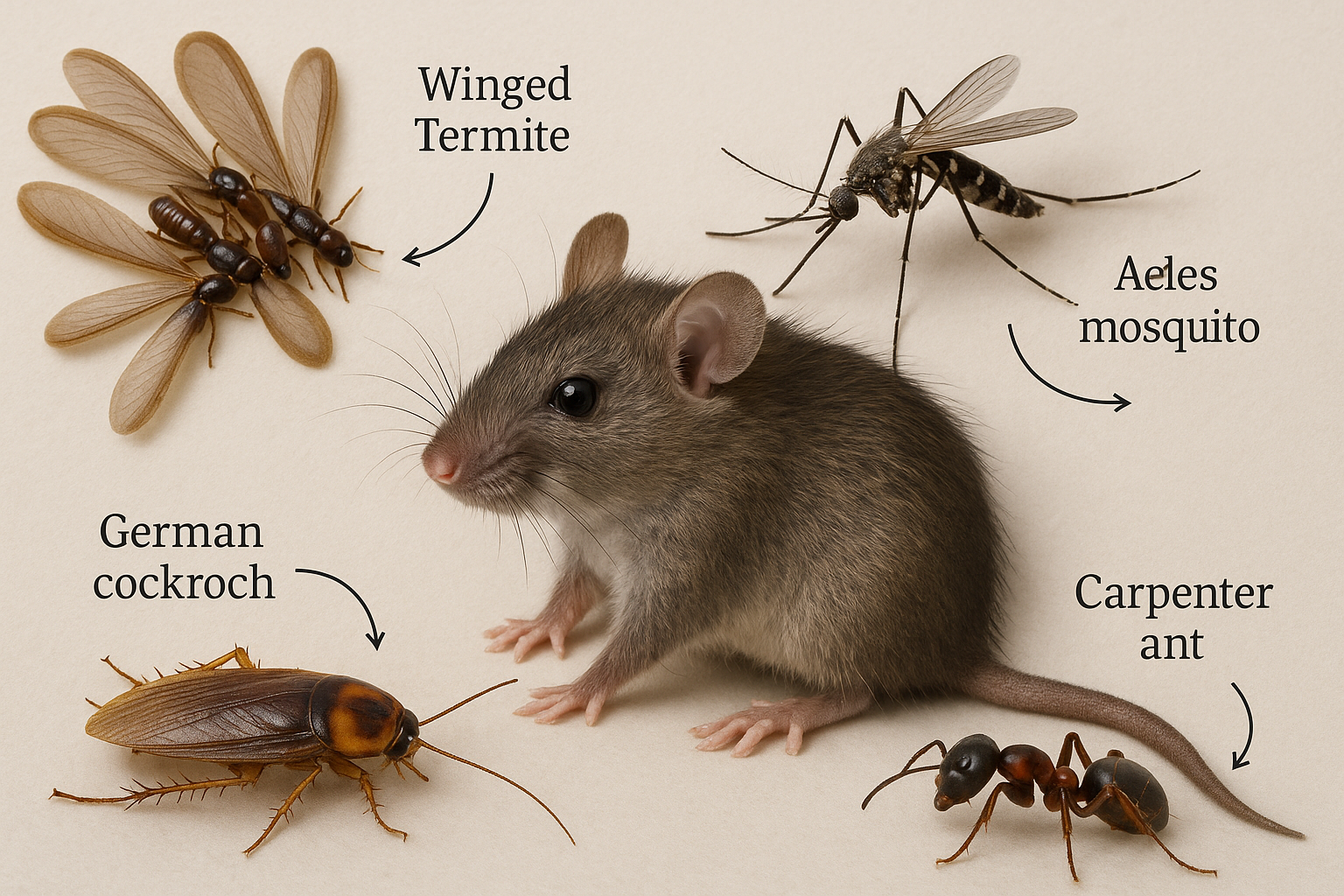
Termites are silent destroyers. Look for mud‑filled tubes along foundation walls, baseboards, or wooden beams—these are the highways termites use to travel unseen. In spring, winged alates (often called swarmers) emerge in clusters near windows or light fixtures; their delicate, gray‑white wings are a clear red flag. Entry points commonly include cracks around utility penetrations, damaged siding, or gaps where new construction meets existing structures. Even a thin veneer of mud can hide extensive damage to joists, subfloors, or roof trusses. Real‑world example: A Dallas, TX suburban homeowner discovered a network of mud tubes behind a newly installed kitchen backsplash, prompting an immediate termite inspection and treatment.
Mosquitoes
Not all mosquitoes are created equal. The Aedes genus—best known for the Asian tiger mosquito—prefers small, stagnant water sources like flower pot saucers, birdbaths, or clogged gutters. These species are active during daylight, especially early morning and late afternoon, and are capable of spreading dengue, Zika, and West Nile virus. In contrast, Culex mosquitoes thrive in larger, shaded pools and tend to bite at night. The most reliable visual cue is the presence of standing water less than two inches deep; eliminate it weekly to break the breeding cycle.
Rodents
Rats and mice leave a trail of evidence. Fresh droppings—about the size of a grain of rice for mice and larger, cigar‑shaped for rats—are often found along walls, behind appliances, or in pantry corners. Gnaw marks on wood, plastic, or even wiring indicate active foraging. Because rodents are nocturnal, you may hear scurrying or scratching after dark. Common entry gaps include unscreened vents, gaps around pipes larger than ¼ inch, and deteriorated weatherstripping on doors. Sealing these openings and maintaining a tidy, clutter‑free interior can deter an infestation before it starts.
Cockroaches
The German cockroach is the most common indoor species in U.S. homes. It’s small—about half an inch long—with a light brown body and two dark parallel stripes on the pronotum. These pests thrive in warm, humid environments such as kitchens and bathrooms, hiding in cracks behind cabinets, under appliances, and within grease traps. Health risks are significant: the CDC links roughly 4 % of indoor asthma cases to cockroach allergens, and their shed skins can trigger severe allergic reactions. Early detection—spotting egg casings, fecal specks, or a faint musty odor—allows for rapid, targeted treatment.
Ants
Ant activity varies by species. Carpenter ants excavate wood to build nests, leaving smooth, clean galleries and small piles of sawdust near wood‑to‑ground contact points. Odorous house ants, on the other hand, emit a sweet, rotten‑fruit smell when crushed and form conspicuous foraging trails along baseboards and kitchen counters. Seasonal swarms often occur in late summer when winged reproductives emerge to start new colonies. According to the 2025 NPMA report, 40 % of U.S. homes experience ant problems each summer—making vigilant monitoring essential.
By familiarizing yourself with these visual cues and behavior patterns, you can catch an infestation early, protect your home’s structure, and safeguard your family’s health. If any of these signs appear, contact a trusted professional like Anthem Pest Control for a thorough inspection and tailored treatment plan.
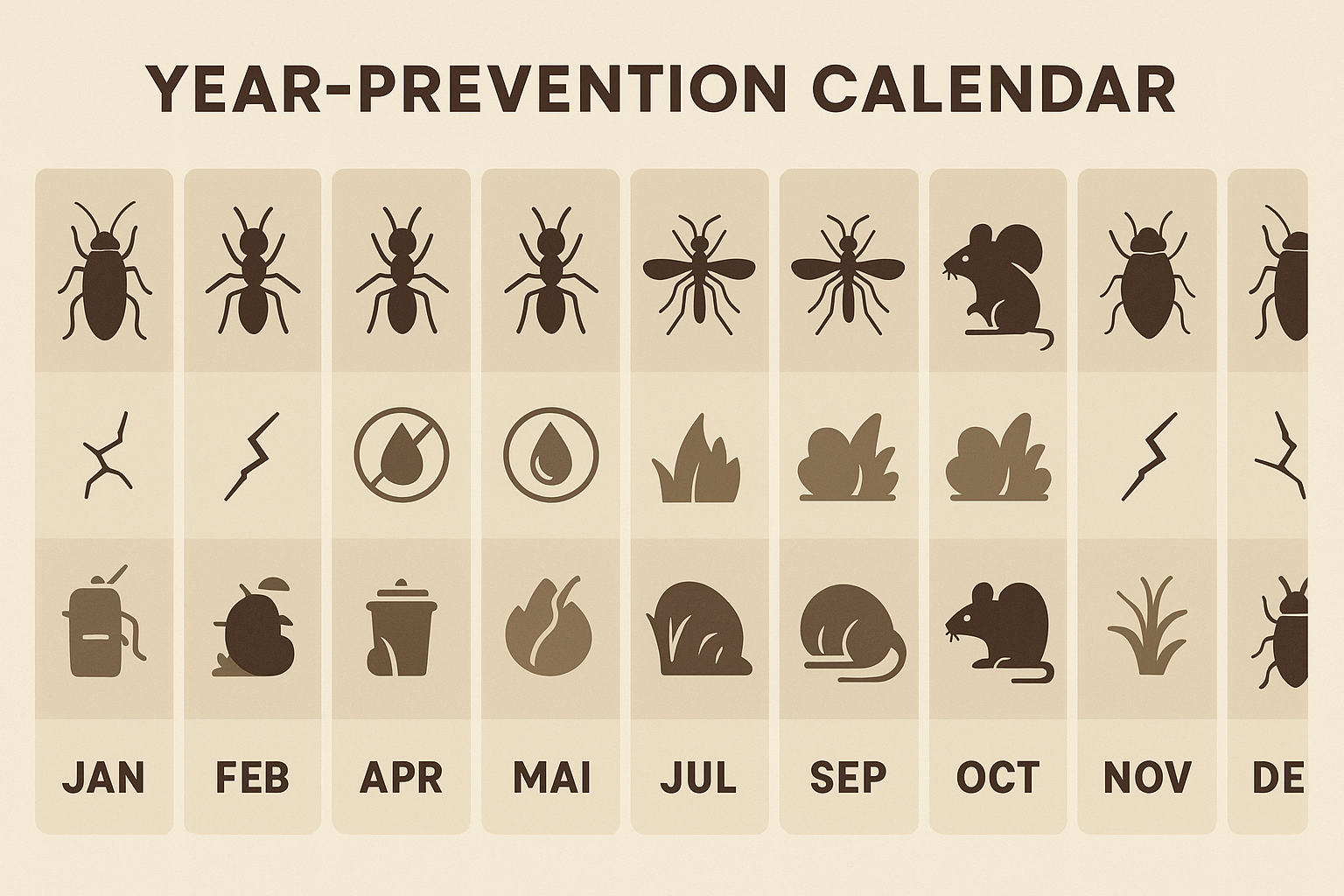
Seasonal Pest Activity Calendar
Spring: Ant Swarms & Termite Alates
As temperatures rise, ant colonies send out swarming nuptial flights, and termite alates emerge to start new colonies. Homeowners should walk the perimeter for winged insects and inspect wooden structures for mud tubes or damaged wood. Spring inspection checklist:
- Check foundation cracks for ant entry points.
- Look for termite swarmers on windowsills and porch lights.
- Verify that wood in crawl spaces is dry and intact.
Summer: Mosquitoes & Flies
Warm, humid days create perfect breeding grounds for mosquitoes and house flies. Stagnant water in bird baths, gutters, or planters can become mosquito nurseries within days.
- Eliminate standing water every week.
- Install or repair window and door screens.
- Use EPA‑registered larvicides in larger water features.
For the latest disease trends, see the CDC’s 2024 mosquito‑borne disease report.
Fall: Rodents Seeking Shelter
When the first chill arrives, rodents look for warm, dry places inside homes. They often enter through small gaps in foundations, utility openings, or by climbing stored firewood.
- Seal foundation cracks with steel wool and caulk.
- Store firewood at least 18 inches off the ground and away from the house.
- Install door sweeps on all exterior doors.
Winter: Indoor Cockroach Colonies
Cockroaches retreat indoors during cold months, thriving in hidden, humid spaces like basements and kitchens. Maintaining low humidity and regular monitoring can keep populations in check.
- Use a dehumidifier to keep indoor humidity below 50 %.
- Place sticky traps in cabinets, under appliances, and near entry points.
- Inspect and clean behind appliances monthly.
Peak‑Month Overview
| Pest | Peak Months |
|---|---|
| Ants (swarmers) | April – May |
| Termites (alates) | April – June |
| Mosquitoes | June – August |
| Flies | June – September |
| Rodents | September – November |
| Cockroaches (indoor colonies) | December – February |
Real‑World Scenario
John, a homeowner in the Midwest, noticed increased squirrel activity near his garage as the first frost approached. He installed door sweeps on all exterior doors, trimmed back overgrown shrubs, and moved firewood to a fenced area away from the house. By acting before the cold set in, John reduced the likelihood of rodents moving indoors during winter.
Remember to review the seasonal calendar graphic for a visual summary of pest activity throughout the year.
Treatment Methods and Transparent Pricing

Chemical Barrier Sprays
For the most common invaders—termites, ants, and roaches—chemical barrier sprays remain the frontline defense. Professionals apply a thin, continuous layer of residual insecticide around the building’s perimeter, in crawl spaces, and in wall voids where insects travel. The spray creates a hostile environment that kills pests on contact and prevents new colonies from establishing. Because the chemicals are formulated for long‑lasting protection, homeowners typically see a reduction in activity after just one treatment.
Baiting Systems
Modern baiting systems work silently beneath the radar. Rodent bait stations are placed along walls, attics, and basements, delivering a measured dose of anticoagulant that rodents carry back to their nests. Termite bait tubes, on the other hand, are installed in the soil and contain cellulose infused with a slow‑acting growth regulator. Both systems require regular monitoring—usually every 30 days—to replace depleted stations and verify that the pest population is declining.
Biological Controls
When homeowners prioritize environmental safety, biological controls offer a proven alternative. Mosquito larvicides such as Bacillus thuringiensis israelensis (BTI) target mosquito larvae in standing water without harming fish, birds, or beneficial insects. These formulations are applied as a fine mist or granules and break down naturally within weeks. The result is a noticeable drop in adult mosquito activity while keeping the surrounding ecosystem intact.
Integrated Pest Management (IPM)
IPM is a holistic strategy that blends monitoring, exclusion, and targeted treatments. Technicians begin with a thorough inspection, identifying entry points, breeding sites, and attractants. Physical barriers—like door sweeps, mesh screens, and sealing foundation cracks—are installed to block pests before they enter. When chemical or biological interventions are necessary, they are applied sparingly and precisely, reducing overall pesticide use while maintaining effective control.
Current Pricing Landscape (2024)
Understanding average costs helps homeowners compare quotes with confidence. Based on the 2024 EPA Consumer Guide on pest‑control pricing, the following ranges represent typical market rates for the most requested services:
- Termite treatment: $1,200 – $2,500 per full‑home application.
- Mosquito fogging: $100 – $300 per visit, depending on property size and frequency.
- Rodent exclusion (seal‑up + baiting): $150 – $400.
| Service | Typical Application | Price Range (USD) |
|---|---|---|
| Termite Treatment | Barrier spray & bait tubes | $1,200 – $2,500 |
| Mosquito Fogging | Outdoor fogger per visit | $100 – $300 |
| Rodent Exclusion | Seal gaps + bait stations | $150 – $400 |
Anthem Pest’s Transparent Quoting Process
Anthem Pest eliminates surprise fees by presenting every line item up front. After the initial inspection, the technician delivers a written quote that breaks down costs into three clear sections: materials (e.g., bait stations, chemicals), labor (application time, travel), and service plan (frequency of follow‑ups). Homeowners can see exactly what they’re paying for, compare it against the EPA averages above, and decide which services fit their budget.
For those who prefer visual guidance, the inset image below illustrates the typical equipment a technician might use—a backpack sprayer, bait station kit, and a handheld UV flashlight for locating hidden activity. This visual cue reinforces Anthem’s commitment to openness: you know the tools, you know the price, and you know the results.
Selecting a Trusted Local Pest Professional
When a pest invasion knocks on your door, the first thing you need is a professional you can rely on. Not every pest‑control outfit is created equal, so use these three checkpoints to separate the seasoned experts from the flash‑in‑the‑pan operators.
Licensing and insurance – the non‑negotiables
Every state requires pest technicians to hold a valid license that proves they’ve passed safety and application exams. Ask to see the license number; a reputable company will provide it without hesitation. Insurance is just as critical—if a treatment damages your property or a technician is injured on the job, you want the company’s policy to cover the cost, not your wallet.
Local experience – knowing the neighborhood’s pests
Regional pest cycles differ dramatically. An operator who’s spent years in Arlington, VA, will recognize the seasonal surge of carpenter ants and the specific building‑code requirements for termite barriers in that area. That knowledge translates into targeted treatments, fewer repeat visits, and peace of mind that the solution fits your local ecosystem.
Customer‑review metrics you can trust
- Response time: How quickly does the company acknowledge a call and schedule service?
- Satisfaction scores: Look for average ratings above 4.5 stars on independent platforms.
- Repeat‑business rate: High percentages indicate homeowners are staying with the same provider year after year.
Why Anthem Pest stands out
Anthem Pest offers true nationwide coverage, backed by a 24‑hour hotline that connects you to a certified technician in any time zone. Our service plans are customized to each home’s layout, pest history, and local regulations, ensuring you only pay for what you need.
High‑satisfaction neighborhoods
Homeowners in Arlington, VA; Scottsdale, AZ; and Madison, WI consistently rate Anthem Pest among the top three pest‑control providers in their communities, citing fast response, thorough inspections, and transparent pricing.
Ready to protect your home?
Call us now at 877‑371‑8196 or visit anthempest.com to schedule a free inspection. Our local experts are standing by.
Quick Answers to Common Pest Questions
How often should I schedule inspections?
Most homeowners benefit from a semi‑annual inspection—once in spring and again in fall—when pests are most active. During these visits a certified technician checks for signs of insects, rodent entry points, and moisture conditions that attract termites. If you live in a region known for termite pressure, an additional yearly check (or a full‑yearly program) is advisable to catch early activity before damage spreads. Regular inspections also keep your warranty valid.
Are treatments safe for pets?
We use EPA‑approved products that carry low toxicity when applied according to label directions. For added peace of mind, we recommend removing dogs and cats from the treatment area until the chemicals have dried and the space is well‑ventilated. Our technicians wear protective gear and follow strict exposure limits, so residues are well below the EPA’s safety thresholds. Detailed handling instructions are outlined in the EPA safety guidelines.
What’s the warranty on termite work?
Typical termite contracts include a five‑year structural warranty that covers repair costs for damage caused by termites, plus a one‑year guarantee on the treatment itself. The structural warranty protects the wood and foundation of your home, while the treatment guarantee ensures we re‑treat at no extra charge if activity returns within the first year. Specific terms can vary by provider, so always review the contract language for exclusions, such as damage from moisture intrusion, before signing.
Partner with Anthem for Safe, Effective Pest Control
At the heart of every successful pest strategy are four pillars: accurately identifying the intruder, establishing proactive prevention, selecting the right treatment, and partnering with a trusted local professional. When you know exactly what you’re dealing with, you can stop it before it spreads, choose a method that targets the pest without harming your family, and rely on a technician who knows your neighborhood’s unique challenges.
Anthem Pest backs those pillars with transparent pricing you can see up front, 24‑hour support for emergencies, and a nationwide network of certified technicians ready to serve you wherever you call home.
Ready to put the plan into action? Call 877‑371‑8196 for a free, no‑obligation inspection or request a quote online at anthempest.com. Our team will walk you through every step, ensuring safety, effectiveness, and affordability without any pressure. Whether you’re dealing with a sudden infestation or simply want to protect your home for the season ahead, our experts tailor a solution that fits your budget and timeline.