Why Ants Become an Emergency in Brookhaven
Ant colonies don’t stay small for long—especially during Brookhaven’s warm, humid seasons. A single queen can lay thousands of eggs per day, allowing a modest nest to explode into a full infestation within weeks. When that colony spreads indoors, what starts as a nuisance quickly becomes a serious problem requiring emergency ant control Brookhaven GA.

Brookhaven’s Climate Fuels the Problem
Brookhaven’s warm, humid summers create the perfect breeding ground for ant species that thrive in moisture and temperature stability. The city’s lush landscaping, abundant mulch beds, and frequent rain showers keep soil and organic debris damp—ideal conditions for colonies to expand unnoticed. Typical hotspots in a Brookhaven home include:
- Landscaped yards with fresh mulch or compost piles.
- Pet feeding areas where crumbs and spills linger.
- Kitchen floors, especially around sinks and garbage disposals.
- Cracks in foundation walls that lead to hidden underground tunnels.
Because these locations are everyday touchpoints, ants can slip from the garden straight onto your countertops without you ever seeing the trail.
Don’t Wait—Act Now
If you see a line of ants marching across your kitchen floor, act now—delay can cost you up to $500 in damage and treatment. The longer you wait, the more time the colony has to establish satellite nests, widen entry points, and start chewing away at wooden structures. In Georgia, ant‑related property damage was estimated at approximately $150 million in 2024 according to the EPA, a figure that underscores how quickly a small invasion can become a costly emergency.
Three‑Step Emergency Plan
- Isolate: Seal food containers, clean up crumbs, and block ant trails with a damp cloth or vinegar solution.
- DIY Bait: Place ant bait stations in high‑traffic zones—under the sink, near the trash can, and at the base of exterior walls.
- Call Anthem: If the infestation persists after a day or two, contact Anthem Pest Control for a professional assessment and targeted treatment.
Following these steps gives you a clear, immediate roadmap while you wait for professional help. The goal is simple: stop the ants before they turn a small sighting into a structural nightmare and a health hazard for your family.
Spotting an Ant Emergency – Quick Checklist
What qualifies as an ant emergency?
Not every ant sighting needs a professional’s attention, but certain signs scream “call us now.” An ant emergency typically involves:
- Large, visible trails that cross high‑traffic areas.
- Active nests or mounds that appear indoors, under flooring, or right against your foundation.
- Repeated sightings of the same colony within a 24‑ to 48‑hour window.
Rapid‑Response Checklist
Use the list below the next time you spot ants. Tick off each item; two or more ticks mean it’s time to pick up the phone.
- Number of ants – Do you see dozens, hundreds, or more?
- Location – Are they inside living spaces, in cabinets, or marching along the foundation wall?
- Species clues – Size (tiny pharaoh ants vs. larger fire ants), color (black, brown, reddish), or a distinct odor.
- Stinging incidents – Have you or a family member been stung?
- Allergic reactions – Any swelling, hives, or difficulty breathing after a sting?
Real‑World Example: A Peachtree Road Homeowner
Mrs. Alvarez, who lives on Peachtree Road, noticed several reddish mounds forming along her home’s foundation after a heavy rain. Within an hour, a line of fast‑moving ants was marching up the side of her porch, and her toddler’s brother reported a painful sting that left a small welt. The combination of fresh mounds, indoor activity, and a sting triggered an immediate call to Anthem Pest Control. Within 24 hours, the colony was identified as fire ants and treated before the problem spread to the yard and interior.
Quick Decision Tree
If you check any two of the following boxes, it’s time to call a professional:
- ✔️ Large number of ants (dozens or more)
- ✔️ Ants inside walls, cabinets, or on flooring
- ✔️ Visible nest or mound near the foundation
- ✔️ Stings reported
- ✔️ Allergic reaction symptoms
Two or more checks = Emergency Call. One check may still warrant monitoring, but keep an eye on the situation.
Important Warning: Fire‑Ant Stings
Fire ants are one of the most dangerous species requiring emergency ant control Brookhaven GA. Their sting delivers an intense burning sensation that often results in swelling, itching, and painful pustules. In sensitive individuals, fire ant venom can trigger severe allergic reactions, including anaphylaxis—a life-threatening condition.
The Ant Species You’ll Meet in Brookhaven
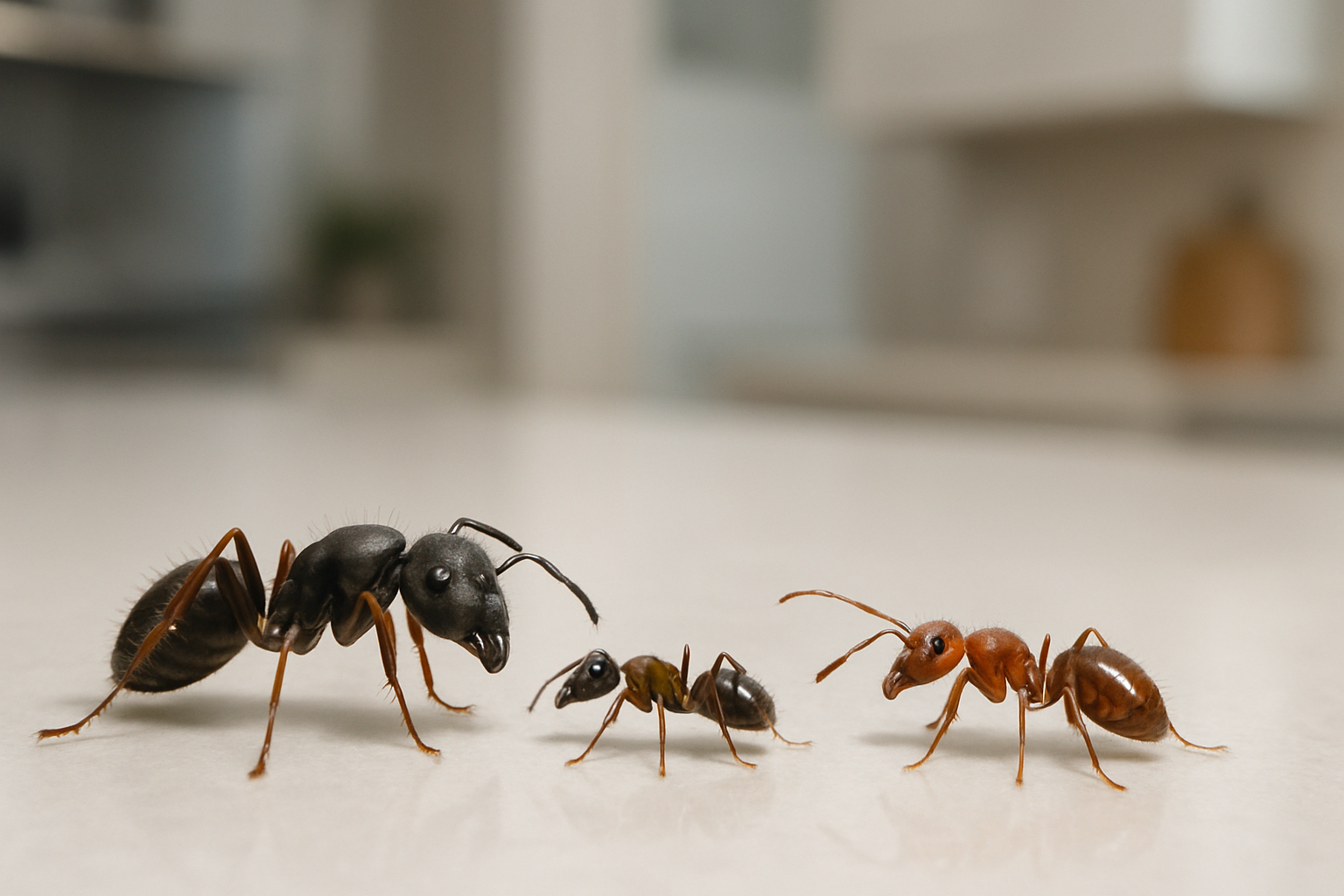
Brookhaven homeowners often discover that the “little invaders” aren’t all the same. Knowing which species you’re dealing with helps you choose the right treatment and avoid costly damage. Below are the three ant types that show up most frequently in residential neighborhoods, along with their tell‑tale traits and the level of risk they pose.
Carpenter Ants
Carpenter ants (Camponotus spp.) are the largest common house ants in Georgia, ranging from ¼ to ½ inch. They don’t eat wood; instead, they hollow out damp, decayed timber to build their nests, which can weaken structural members over time. You’ll spot them by their dark‑brown to black bodies and winged reproductive “swarmers” in late spring. Their preference for moisture makes leaky roofs, poorly ventilated crawl spaces, and water‑logged decks prime real estate. If left unchecked, repair costs can run from $300 to $1,200 depending on the extent of the damage. Early detection and moisture control are essential to keep these costly pests at bay.
Prevention tip: Fix roof leaks, improve attic ventilation, and remove any rotting wood or debris near the foundation. Keep gutters clean and ensure proper drainage to eliminate the damp conditions carpenter ants love.
Odorous House Ants
Odorous house ants (Tapinoma sessile) are small, about ⅛ inch, and emit a faint, sweet‑vinegar odor when crushed. They are attracted to sugary spills, pet food, and even fruit juice residues, which is why kitchens and pantries become their favorite hangouts. Their colonies can expand rapidly, sending foragers through wall voids and under flooring to reach new food sources. Because they thrive in cluttered, moist environments, a tidy, dry kitchen and regular sealing of cracks can dramatically reduce their indoor spread. While they rarely cause structural damage, their sheer numbers can be a nuisance and a sign that other pest problems may be lurking.
Prevention tip: Clean up food crumbs immediately, store pantry items in sealed containers, and repair any plumbing leaks. Caulk gaps around baseboards, windows, and doors to block their entry routes.
Red Imported Fire Ants
Red imported fire ants (Solenopsis invicta) are aggressive, reddish‑brown workers about ¼ inch long. Their sting delivers a painful, burning sensation that can leave itchy, pustular welts. In Brookhaven, they are most commonly found in parks, vacant lots, and poorly maintained lawns, but they will also establish satellite colonies under house foundations and along fence lines. Their mounds are visible as dome‑shaped piles of soil with a small opening at the top. Because their stings can trigger allergic reactions in sensitive individuals, the risk level is considered high. Professional baiting and perimeter treatments are the most reliable way to keep fire ant colonies from moving onto your property.
Prevention tip: Keep lawns mowed, remove debris, and avoid over‑watering. If you spot a mound, contact a licensed pest professional for baiting and targeted treatment before the colony spreads.
Quick Reference Table
| Species | Key ID Features | Typical Entry Points | Risk Level |
|---|---|---|---|
| Carpenter Ant | Large (¼‑½ in), dark brown/black, winged swarmers in spring | Damp wood, cracks around windows, roof leaks | High |
| Odorous House Ant | Small (⅛ in), emits sweet‑vinegar odor when crushed | Kitchen gaps, pantry cracks, plumbing leaks | Medium |
| Red Imported Fire Ant | Reddish‑brown, aggressive, visible mounds | Soil around foundations, fence lines, vacant lot edges | High |
For a deeper dive into each species’ biology and control methods, see the NPMA Ant Facts fact sheet.
DIY Steps to Contain an Ant Outbreak Right Now
When you spot a line of ants marching across your kitchen counter, the first instinct is to panic. The good news is you can buy time for a professional treatment by acting fast with a few simple, homeowner‑friendly steps. Follow this emergency checklist to isolate the problem, break communication lines, and lure workers back to the nest.
1. Isolate the area and secure food sources
Ants are attracted to any exposed sugar, protein, or grease. Start by sealing all food in airtight containers, covering pet dishes, and wiping down countertops with a damp cloth. Sweep or vacuum crumbs from floors, under appliances, and around baseboards. The fewer resources available, the less incentive the foragers have to stay.
2. Locate trails and erase pheromone paths
Ants leave a scented trail that other workers follow like a highway. Use a flashlight to trace the line back to its entry point. Mix a few drops of dish soap in warm water and spray or wipe the trail. The soap breaks down the pheromone, confusing the colony and buying you precious minutes for the bait to work.
3. Apply an over‑the‑counter bait directly on the trail
Choose a proven EPA‑registered product such as Terro Liquid Ant Bait or another 2024‑approved gel. Place a small droplet right on the cleaned trail, near the entry point, and also in hidden corners where you’ve seen activity. Baits are superior to sprays because they are carried back to the nest, poisoning the queen and the workers that feed her. Sprays only kill the ants you see, leaving the colony untouched.
4. Vacuum visible ants and debris
After the bait has been set, use a shop‑vac or a household vacuum with a hose attachment to suck up any ants you can see, along with the dust and crumbs they’ve gathered. Immediately seal the vacuum bag or empty the canister into a trash bag, tie it tightly, and place it outside your home. This prevents escaped ants from re‑entering the house.
5. Reduce humidity and improve ventilation
Many ant species, especially carpenter and odorous house ants, thrive in damp environments. Run a dehumidifier in the affected room, fix any leaky pipes or faucet drips, and open windows or use exhaust fans to increase airflow. Lower moisture levels make the area less inviting and can slow the colony’s expansion.
Tip: Disrupting pheromone trails is the quickest way to prevent the colony from recruiting more workers. Once the trail is broken, the bait has a better chance of being discovered and carried back to the nest, accelerating the kill cycle.
Warning: Do not use indoor foggers or aerosol insecticides on fire‑ant infestations. Foggers disperse the colony’s workers, spreading the problem deeper into walls and increasing the risk of stings.
For a complete, up‑to‑date list of EPA‑recommended DIY ant baits for 2024, visit the EPA’s Ant Bait Product page. Choose only products that carry the EPA registration number and follow label directions precisely.
These steps are designed to give you immediate control while you arrange a professional inspection from Anthem Pest Control. Acting quickly reduces the size of the colony, limits damage, and makes the eventual treatment more effective and affordable.
When It’s Time to Call a Professional
Even the most diligent homeowner can hit a wall when ant activity escalates beyond the reach of store‑bought sprays and homemade baits. Small colonies are easy to suppress, but once the insects build a permanent foothold—especially in the yard or inside structural wood—DIY methods often fall short. The cost of a lingering infestation quickly outweighs the price of a professional visit, and you risk permanent damage to your home.
Key signs that DIY won’t cut it
- Large outdoor mounds (over 12 inches). A mound of this size indicates a mature colony with multiple queens and an extensive tunnel network. Simple baits rarely reach the depths where the queen resides, so the colony will keep rebuilding.
- Structural wood damage. If you notice hollowed beams, splintered siding, or soft spots in porch posts, ants are already chewing through moisture‑compromised timber. Continued damage can weaken load‑bearing components and lead to costly repairs.
- Repeated infestations after DIY attempts. When you’ve applied sprays, gels, or diatomaceous earth multiple times and the ants keep returning, the nest is likely hidden out of reach of consumer‑grade products.
Allergic reactions or severe stings are another red flag. While many ant species bite or sting only mildly, some, such as fire ants, can trigger intense swelling, hives, or even anaphylaxis in sensitive family members. If anyone in your household experiences a reaction, it’s safest to let professionals eliminate the source quickly.
Anthem Pest’s same‑day emergency inspection guarantee
For Brookhaven residents, Anthem Pest offers a same‑day emergency inspection guarantee. Call us, and a certified technician will be at your door within hours, assess the situation, and outline a targeted treatment plan. Our transparent pricing means you’ll know exactly what you’re paying for before any work begins.
Ready‑to‑use phone script:
“Hi, I need emergency ant control. I see a large mound over 12 inches in my backyard and there’s visible damage to the porch posts. We’ve tried over‑the‑counter sprays, but the ants keep coming back. Can you send someone today for an inspection?”
Why professional equipment makes the difference
Ant control specialists bring tools that simply aren’t available at the hardware aisle. Thermal imaging cameras locate hidden nests behind walls and under decks, while calibrated bait stations deliver a precise dosage that targets the queen without harming pets or children. Professional-grade foggers and dusts penetrate deep into tunnel systems, ensuring the entire colony is eradicated—not just the foragers you see on the surface.
Professional Ant Treatment Options Explained
When ants invade your Brookhaven home, a quick DIY fix rarely solves the problem for the long term. Professional pest‑control teams bring a toolbox of proven methods that target the entire colony, not just the workers you see scurrying across the kitchen floor. Below, we break down the three core treatment options Anthem Pest Control uses, what you can expect in terms of cost, and how safety is built into every step.
Baiting Programs
Bait stations are the workhorse of ant eradication. Technicians place slow‑acting poison baits in strategic spots—corners, baseboards, behind appliances, and along the perimeter of your home. The ants collect the bait, share it with the queen, and the colony collapses from the inside out.
Because the poison works through the ants’ digestive system, you typically see a noticeable drop in activity within a few days, but full colony elimination takes 2‑4 weeks. This timeline allows the queen to be exposed repeatedly, ensuring no hidden satellite nests survive.
Targeted Sprays
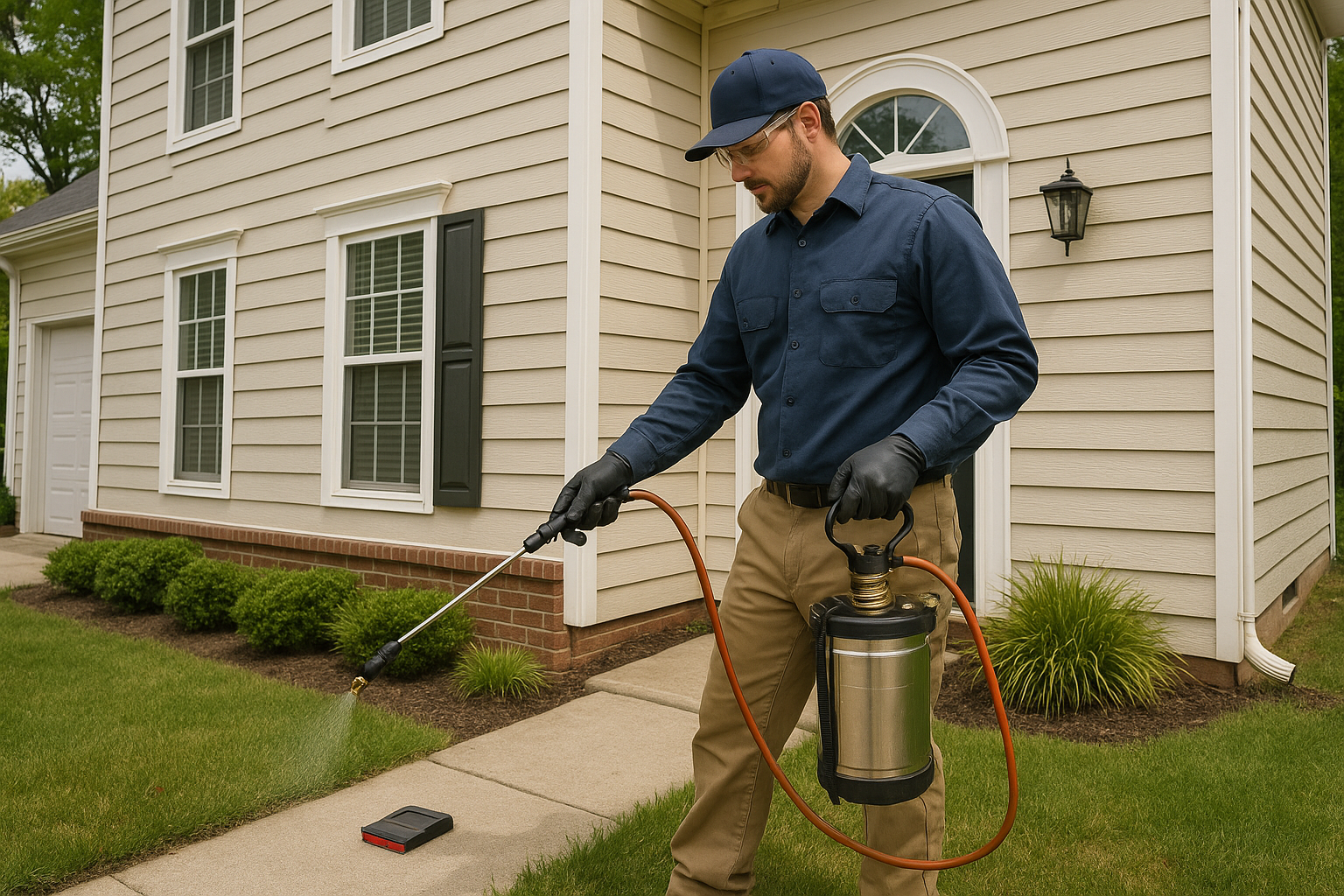
When ants are marching through doorways or have built visible nests near entry points, a residual spray is the fastest way to create a chemical barrier. Anthem’s technicians apply EPA‑approved insecticides to cracks, windowsills, and the outer rim of the nest. These products cling to surfaces for weeks, killing any ant that walks over them.
Safety is a top priority. All sprays used are labeled safe for homes with pets and children when applied correctly. Technicians wear protective gear, follow strict re‑entry intervals, and will walk you through any ventilation steps needed before you resume normal activities.
Soil Treatments
Fire‑ant mounds are a unique challenge because the colony lives underground. Anthem mixes a granular insecticide with water and applies it directly to the mound’s surface. The granules penetrate the soil, activating when they encounter moisture and the ants’ own activity.
After the initial application, you’ll notice the mound shrink within a day. A second treatment is usually scheduled 2‑3 weeks later to catch any survivors that escaped the first round. This two‑step approach guarantees the nest is fully neutralized and reduces the chance of re‑infestation.
Pricing Overview for Brookhaven (2024)
- Baiting Program: $120 – $180 per treatment
- Targeted Spray: $150 – $250 per treatment
- Combined Bait & Spray Package: $250 – $350
These prices include the initial inspection, all necessary materials, and a follow‑up visit to confirm the colony is gone. Anthem prides itself on transparent pricing—there are no hidden fees, and you’ll receive a detailed service report after each visit.
Safety Compliance
Every product Anthem applies is EPA‑registered, meaning it has passed rigorous testing for effectiveness and human/animal safety when used as directed. Moreover, all of our applicators hold EPA registration, ensuring they are trained in proper handling, dosage, and disposal procedures.
We also take extra steps to protect your home environment: low‑odor formulations, targeted application zones to minimize exposure, and thorough post‑treatment walkthroughs where we answer any safety questions you may have.
Pricing Transparency and What to Expect
When you call Anthem Pest Control, the first thing we want you to know is exactly what you’re paying for. No surprise line items, no “service fees” that appear later on the invoice. Our goal is to give Brookhaven homeowners a clear, upfront picture of the costs involved so you can decide with confidence before any work begins.
Up‑Front Inspection Fee
Our certified technician will perform a thorough ant inspection for a flat fee of $75. This fee is applied toward the total cost of any treatment package you choose, so if you decide to move forward, the inspection charge disappears from your final bill. It’s a small investment that ensures we pinpoint the species, entry points, and colony size before recommending a solution.
Treatment Costs by Method
Because ant infestations vary, we offer several treatment options, each priced according to the method and level of coverage required (see Part 6 for detailed descriptions). A standard surface spray typically runs between $150‑$200, while a baiting program averages $180‑$230. For larger properties or severe infestations, a combined approach may be recommended, ranging from $250‑$300. All prices are quoted before any work begins, and you’ll receive a written estimate that breaks down each component.
Follow‑Up Visits Included
Our service packages are designed to eliminate the problem and keep it that way. That’s why we include three follow‑up visits at no extra charge: the initial treatment on Day 0, a check‑in on Day 7 to assess early results, and a final inspection on Day 30 to confirm the colony is gone. These visits are part of the quoted price, so you won’t see additional labor fees appear later.
Our 30‑Day Re‑Treatment Guarantee
If ants reappear within 30 days of the final visit, we’ll return and re‑treat the affected areas at no additional cost. This guarantee reflects our confidence in the effectiveness of our methods and our commitment to your peace of mind. Simply call our office, reference your original service order, and we’ll schedule the re‑treatment promptly.
How Our Prices Stack Up
Brookhaven homeowners often wonder how local rates compare to the national average. Using EPA‑derived data, the typical ant treatment cost across the United States is about $220 per treatment. Anthem Pest Control’s pricing is competitive, offering high‑quality service at or below that benchmark.
| Location | Average Cost per Treatment | Includes Follow‑Up Visits? | 30‑Day Guarantee |
|---|---|---|---|
| Anthem – Brookhaven, GA | $190‑$260 | Yes (Day 0, Day 7, Day 30) | Yes, free re‑treatment |
| National Average | $220 | Varies by provider | Often extra charge |
In short, you’ll receive a single, transparent invoice that lists the inspection fee (waived with service), the chosen treatment cost, and the included follow‑up visits. There are no hidden fees, no surprise surcharges, and every line item is explained before we start. That’s the Anthem promise: clear pricing, reliable results, and a pest‑free home you can trust.
Long‑Term Prevention Strategies for Homeowners
Keeping ants at bay isn’t a one‑time fix; it’s a habit you build into your home’s routine. By combining smart landscaping, diligent home maintenance, and a seasonal calendar tailored to Brookhaven’s climate, you can create an environment where ants simply won’t thrive.
Landscape Tips that Keep Ants Out
The yard is the first line of defense. Simple adjustments can eliminate the bridges ants use to cross from the soil to your foundation.
- Mulch distance: Keep mulch at least 6 inches away from the house. Mulch that touches the foundation provides a moist highway for ants.
- Trim vegetation: Prune trees, shrubs, and vines so they don’t touch the siding or roof. Direct contact creates a “ramp” for ants to walk straight onto your home.
- Fix irrigation leaks: Dripping hoses or faulty sprinkler heads create damp spots that attract ants. Regularly inspect your irrigation system and repair any leaks promptly.
Home Maintenance Practices
Inside the house, sealing entry points and controlling food sources are the most effective ways to deny ants a foothold.
- Seal cracks larger than ¼ inch: Use a high‑quality caulk or expanding foam on foundation walls, window frames, and utility penetrations. Even tiny gaps can become ant highways.
- Install door sweeps: Every exterior door should have a sweep that hugs the threshold. This blocks ants (and other insects) from slipping underneath.
- Store food airtight: Keep pantry items, pet food, and sugary snacks in sealed containers. Ants have an uncanny sense of scent; eliminating exposed food removes their motivation to explore.
Seasonal Schedule for Brookhaven
Brookhaven’s climate shifts dramatically from spring to fall, and each season presents a unique ant challenge. Follow this calendar to stay ahead of the infestation curve.
- Spring – Pre‑emptive baiting: As temperatures rise, ant colonies become active. Place bait stations around the perimeter and near known entry points before workers emerge.
- Summer – Monitor fire‑ant activity: Warm, humid nights encourage fire‑ant swarms. Walk your property weekly; if you spot new mounds, treat them immediately with a targeted granule or liquid.
- Fall – Final inspection and perimeter treatment: Before cooler weather sets in, conduct a thorough walkthrough. Apply a residual barrier around the foundation to protect against overwintering colonies.
Printable Checklist
Turn these recommendations into a habit by using a printable checklist. Download the PDF, hang it on your fridge, and tick off each task as you complete it.
Download the Long‑Term Ant Prevention Checklist (PDF)
By integrating these landscape adjustments, home‑care habits, and seasonal actions, you’ll dramatically reduce the likelihood of ant invasions. Consistency is key—think of it as regular home‑owner maintenance, just like changing the air filter or cleaning gutters. When you treat ant prevention as an ongoing responsibility, the pests lose their foothold, and your home stays comfortable year after year.
Local Expertise – Why Anthem Pest Stands Out
For more than 15 years, Anthem Pest has been a trusted name across the Atlanta metropolitan area, and that experience translates directly into peace of mind for Brookhaven homeowners. Our technicians are not only licensed and insured; they are also certified by the National Pest Management Association and operate as EPA‑registered applicators. This dual certification means every ant treatment follows the strictest safety protocols while delivering the most effective results. In a region where ant activity can surge after a rainy spell, having a team that understands both the science and the local environment is priceless.
- National Pest Management Association (NPMA) Certified Technician
- EPA‑Registered Applicator for all approved insecticides
- Continuing education program focused on Southern U.S. pest behavior
“We thought the ant invasion was unstoppable until Anthem stepped in. Their technician identified the exact entry point behind our kitchen cabinets and eliminated the colony in just one visit. We haven’t seen a single ant since.” – Maria L., North Brookhaven
“Anthem’s team knew exactly where the colony was hiding in our Brookhaven Village home—right under the old wooden deck. Their knowledge of local micro‑climates saved us time and money.” – James K., Brookhaven Village
Brookhaven isn’t a one‑size‑fits‑all pest zone. The neighborhood’s blend of mature oak canopies, historic brick homes, and newer condo complexes creates a patchwork of micro‑climates that influence ant behavior. In shaded, humid pockets—like the low‑lying areas near the local park—carpenter ants thrive, while the drier, sun‑exposed streets attract odorous house ants. Anthem’s field crews map these hotspots on every service call, allowing us to target treatments where they’re needed most, rather than applying a blanket approach that wastes time and chemicals.
Our local knowledge isn’t just about geography; it’s about community. We’ve built relationships with neighborhood associations, property managers, and long‑time residents, giving us insight into seasonal patterns and common structural vulnerabilities. When a Brookhaven homeowner calls with an emergency ant problem, our 24/7 response team can dispatch a technician within hours, armed with a treatment plan that reflects years of on‑the‑ground experience.
Ready to see why so many Brookhaven families trust Anthem for ant control? Explore our comprehensive service options at Anthem Ant Control. From one‑time eradication to ongoing preventive programs, we tailor each solution to your home’s unique layout and the specific ant species you’re battling.
What truly sets Anthem apart is the combination of certified expertise, a deep understanding of Brookhaven’s micro‑climates, and a track record of satisfied customers who repeatedly praise our swift, effective, and courteous service. When you choose Anthem, you’re not just hiring a pest control company—you’re partnering with a local ally who knows exactly how to keep your home ant‑free, year after year.
Frequently Asked Questions About Ant Control
How long does it take to eliminate a carpenter‑ant colony?
Carpenter ants are persistent, but a well‑executed baiting program usually knocks them out in 2–4 weeks. The timeline depends on the size of the colony and how quickly worker ants discover and share the bait. Small, isolated nests may collapse in ten days, while larger, multi‑queen colonies can take the full four weeks. Consistent monitoring and re‑application of bait as needed ensures that any surviving ants are caught before they can rebuild.
Are the chemicals safe for pets?
Yes—when you choose EPA‑approved products and follow the label directions, the toxicity to dogs, cats, and other household pets is very low. Most professional formulations are designed to be applied to cracks, voids, and perimeter zones where pets do not normally roam. To keep your furry friends completely safe, keep them out of treated areas for the recommended waiting period (usually a few hours) and store all pesticide containers out of reach. The EPA’s safety page confirms that proper use of low‑risk products poses minimal risk to pets and humans alike.
Can I prevent ants without chemicals?
Absolutely. A solid sanitation routine, sealing entry points, and smart landscape management can deter most ant invasions. Start by removing food residues, fixing leaky pipes, and storing pantry items in airtight containers. Inspect your home’s foundation, doors, and windows for gaps—use caulk or weatherstripping to block the tiny passages ants love. Outside, keep mulch, leaf litter, and wood debris at least 12 inches away from the house foundation to eliminate moisture‑rich bridges. While these non‑chemical steps dramatically reduce ant activity, a targeted chemical treatment can provide an extra layer of protection during peak seasons. For more on ant‑related health concerns, see the CDC’s overview of ant stings and allergies.
Ask a pro: Every home is unique, and the best ant‑control plan often blends prevention with targeted treatment. If you’re unsure where the ants are coming from or how to safely apply a bait, give Anthem Pest Control a call at 877‑371‑8196. Our certified technicians will walk you through a personalized strategy that protects your family, pets, and property.
Take Action Today – Free Emergency Inspection
When an ant invasion turns from a nuisance into an emergency, the damage can spread faster than you think. Structural wood can be hollowed out, food stores become contaminated, and the cost of professional remediation skyrockets the longer you wait. Acting within hours not only stops the colony from expanding but also protects your wallet from expensive repairs later.
Your 3‑Step Emergency Plan
- Isolate the area. Close doors, seal cracks, and move food or pets away from the infested zone to limit the ants’ access points.
- Apply a DIY bait. Use a commercially‑available ant bait that the workers will carry back to the nest. Place it near trails, but keep it out of reach of children and pets.
- Call Anthem Pest. Our certified technicians will arrive promptly, assess the situation, and implement a targeted treatment plan that eliminates the colony for good.
Our team understands that every ant emergency is unique, which is why we offer a free, no‑obligation inspection. A certified technician will walk through your home, identify the species, locate the nest, and recommend the most effective, safest treatment. You’ll receive a clear action plan and transparent pricing before any work begins, so you can make an informed decision without surprise fees.
Because ant colonies work silently behind walls and under flooring, many homeowners don’t realize the extent of the problem until structural damage appears. Our free inspection pinpoints hidden entry points, maps the foraging trails, and evaluates any existing treatments you may have tried. We use EPA‑approved products that are safe for children and pets, and we explain every step so you know exactly what’s happening in your home. This proactive approach not only eliminates the current infestation but also reduces the likelihood of future invasions, giving you long‑term peace of mind without surprise follow‑up fees.
Ready to protect your family and property? Call us now at 877‑371‑8196 to schedule your free emergency inspection. You can also book online at any time—just click the button on our website and choose a time that fits your schedule.
Don’t let ants turn a small inconvenience into a costly disaster. A quick call, a simple bait, and our professional expertise are all it takes to restore peace of mind. Visit Anthem Pest Control for more information, or call the number above and let us handle the rest.