Recognizing Ant Infestations in Your Home
Common indoor ant species
In Suwanee kitchens, homeowners dealing with ant infestations often require professional ant control Suwanee services to address odorous house ants, pavement ants, and the ever-persistent pharaoh ant. Odorous house ants emit a faint, rotten-egg smell when crushed and favor sweet spills near countertops. Pavement ants are smaller, dark-brown, and love the cracks around windows and door frames. Pharaoh ants are light-tan, form massive indoor colonies, and are notorious for nesting inside wall voids and under appliances.
Visual clues that signal an ant problem
Ants leave behind unmistakable evidence that, once you know what to look for, is easy to spot:
- Ant trails: A thin, silvery line of traffic that glistens in the light, often leading from an entry point to food sources.
- Debris piles: Small accumulations of soil, sawdust, or dead ants near baseboards or behind cabinets.
- Damaged packaging: Tiny puncture holes in chip bags, cereal boxes, or candy wrappers where ants have chewed a way in.
Ants vs. other insects
It’s easy to mistake ant activity for that of cockroaches or termites, but a few key differences help you separate them. Cockroaches move in a more erratic, solitary fashion and leave droppings that look like black pepper grains. Termites, on the other hand, produce mud‑tube tunnels on exterior walls and never form the straight, pheromone‑guided lines ants do. Ants also tend to stay low to the ground, whereas cockroaches can be seen scurrying up vertical surfaces.
Why a spotless countertop can still hide ants
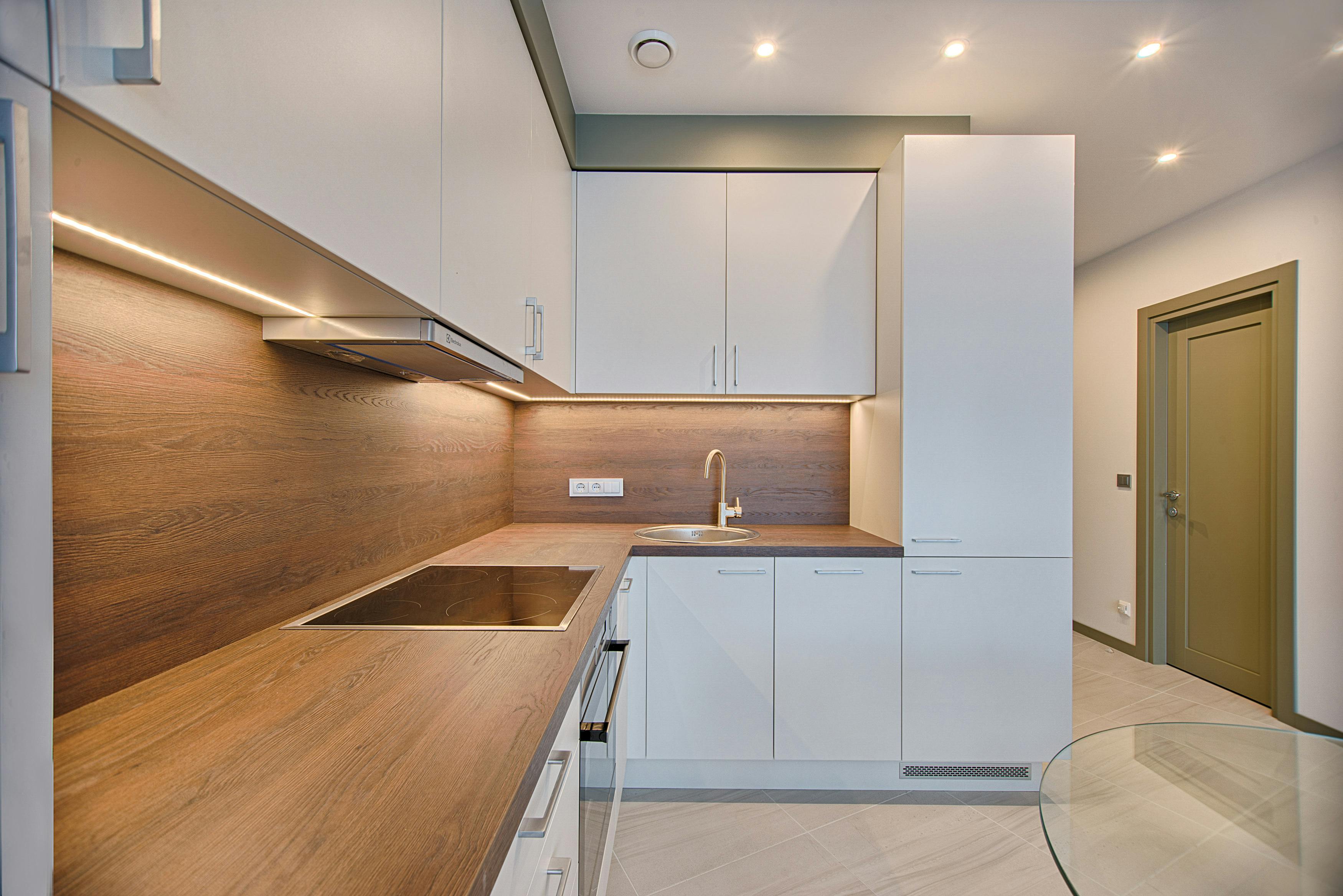
A sparkling countertop may give the illusion of a pest‑free zone, yet ants are masters at exploiting the tiniest gaps. Cracks between countertop seams, the undersides of appliances, and the hollow space behind the dishwasher are perfect highways for a hidden army. Even a microscopic hairline fissure can serve as a highway, allowing ants to travel unseen while you wipe down the surface above.
Quick DIY checks to confirm activity
When you suspect an infestation, a simple sugar‑water bait test can give you fast confirmation. Mix equal parts granulated sugar and water, soak a small piece of paper towel, and place it near a suspected trail. Within 30 minutes, you’ll often see ants congregating around the sweet solution. Pair this with a flashlight inspection: shine the beam under cabinets, behind the refrigerator, and along baseboards. The light will highlight the reflective sheen of ant exoskeletons and reveal hidden trails that a casual glance would miss.
Spotting these early signs empowers you to act before the colony spreads to walls, floors, and even your bedroom. A quick visual sweep, combined with the sugar‑water test, can differentiate a minor nuisance from a full‑blown infestation—giving you the confidence to call Anthem Pest Control for a professional, safe solution before the problem escalates.
How Professionals Inspect for Ant Entry Points
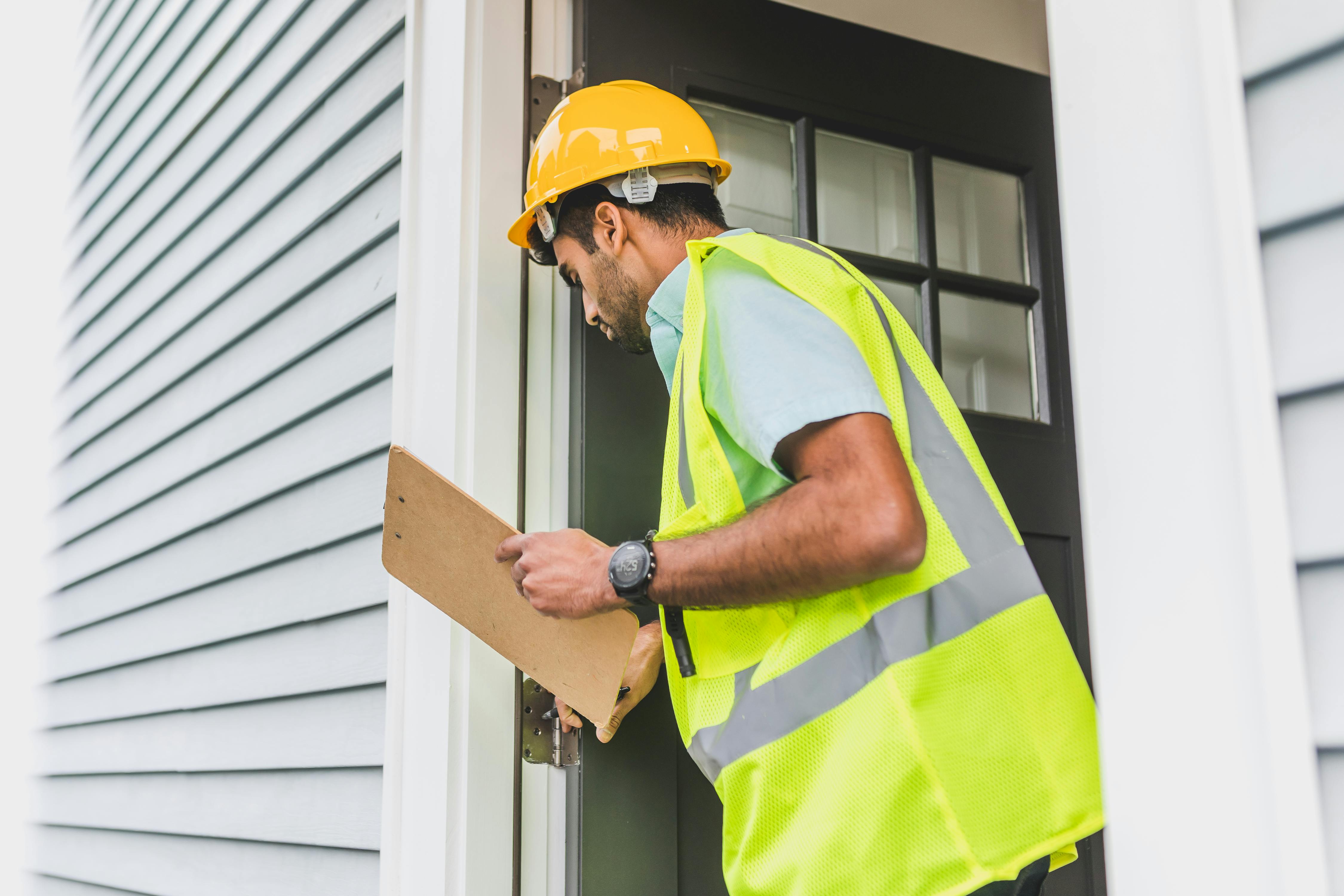
When ants invade a Suwanee home, they rarely appear out of thin air. They follow the path of least resistance—tiny cracks, gaps, and moist niches that most homeowners overlook. Anthem Pest Control technicians bring a systematic, science‑backed approach to uncovering those hidden highways, ensuring the treatment targets the source instead of spraying indiscriminately.
Common Exterior Entry Points
- Foundation cracks: Even hairline splits in concrete can become highways for carpenter ants and fire ants.
- Utility penetrations: Where water, gas, or electrical lines pierce the building envelope, sealant often degrades, leaving a gap.
- Window seals: Aging caulking or broken weatherstripping creates a perfect gap for ants seeking shelter.
- Door sweeps: Worn‑out sweeps or misaligned doors leave a space just wide enough for a worker ant.
Interior Pathways
- Cabinet gaps: Gaps behind kitchen and bathroom cabinets often connect to the exterior through plumbing stacks.
- Plumbing stacks: The vertical shafts that vent drains can act as ant highways, especially when condensation builds up.
- Vent chases: Dryer, furnace, and attic vents frequently have unsealed joints that invite ants.
Tools of the Trade
- Flashlights: High‑intensity LEDs reveal dark cracks and shadowed voids that the naked eye misses.
- Moisture meters: Ants gravitate toward damp wood or concrete; these meters pinpoint hidden moisture sources.
- Inspection mirrors: Small, angled mirrors allow technicians to see behind appliances, under sinks, and inside crawl spaces without dismantling everything.
Step‑by‑Step Walkthrough of a Typical Home Inspection
- Exterior perimeter sweep – The technician walks the foundation with a flashlight, tapping walls to locate hollow spots and using a moisture meter on suspect areas.
- Utility check – All pipe and cable penetrations are examined; sealant is tested for cracks, and any gaps are noted for later sealing.
- Window and door audit – Weatherstripping is inspected, and door sweeps are measured for wear.
- Interior crawl – Using an inspection mirror, the tech looks behind cabinets, under countertops, and inside vent chases, marking any gaps that align with exterior findings.
- Moisture hotspot mapping – Areas with elevated moisture readings are photographed and logged, as they often correlate with ant activity.
- Report compilation – A concise, illustrated report is prepared, highlighting each entry point and recommending specific sealing or repair actions.
The inspection isn’t just a checklist; it’s the foundation for a targeted treatment plan. By knowing exactly where ants are slipping inside, Anthem can apply baits, barrier sprays, or structural treatments only where they’re needed. This precision reduces chemical usage, protects pets and family members, and dramatically improves long‑term success. Homeowners see fewer repeat visits and a faster return to a pest‑free environment, reinforcing why a professional inspection beats a DIY “spray‑everything” approach.
Emergency Ant Control Pricing Explained
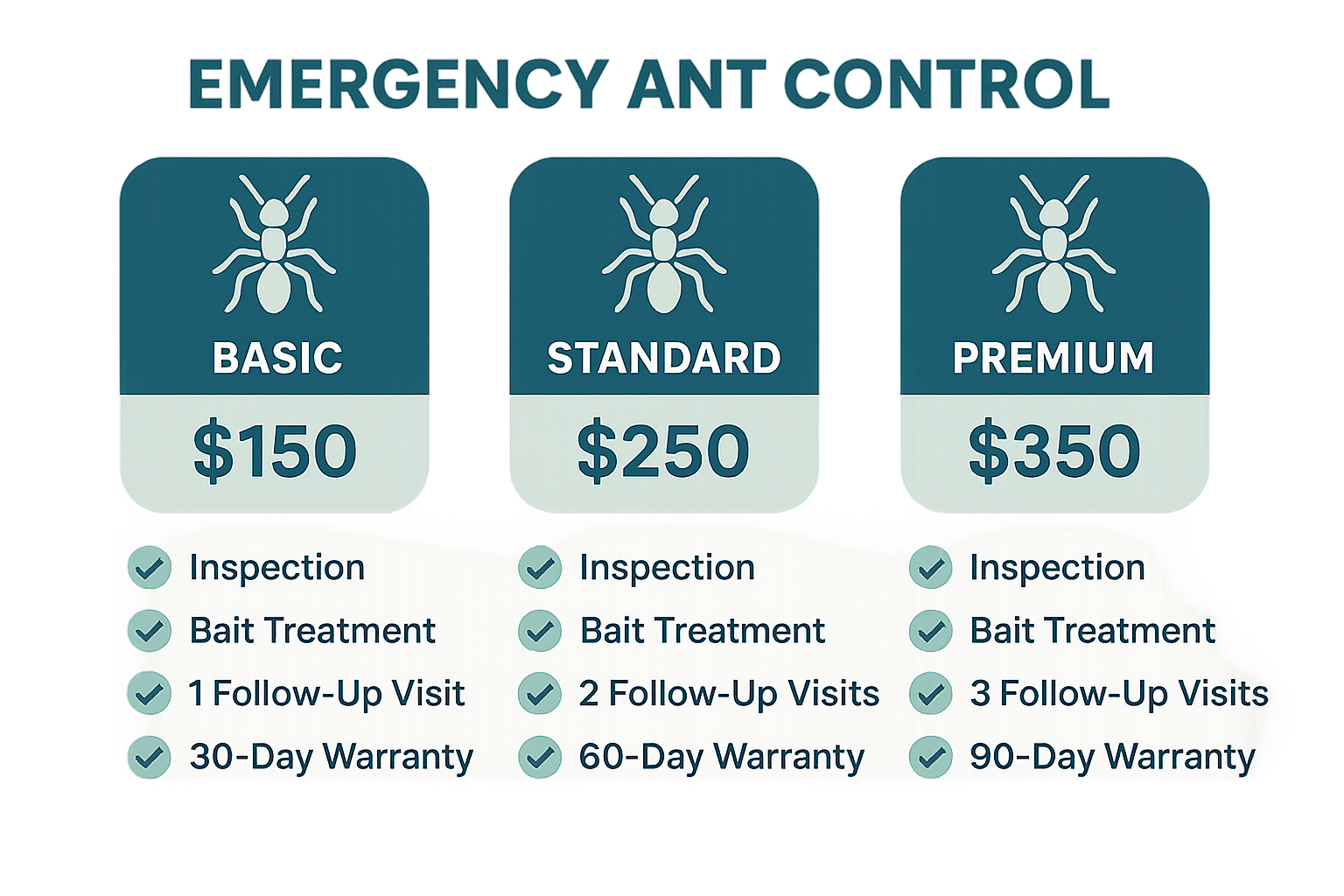
Three Service Tiers, Clear What You’re Paying For
When ants invade your kitchen or patio, the first question is always “how much will it cost to get them gone?” For homeowners researching ant control Suwanee, Anthem Pest Control breaks the answer down into three clearly defined service tiers, so you know exactly what you’re paying for before any work begins.
- Basic – includes a 30‑minute on‑site inspection, one bait placement, and a single follow‑up visit within 7 days. Ideal for light trails or a single colony in a small home.
- Standard – adds a comprehensive inspection of the entire property, up to three bait stations, and two follow‑up visits over a 14‑day period. Designed for moderate infestations or larger floor plans.
- Premium – provides a full‑home assessment, unlimited bait placement, weekly monitoring for 30 days, and a guaranteed ant‑free result. Best for severe outbreaks, multiple species, or properties with high foot traffic.
What Drives the Cost of an Emergency Call?
Three variables have the biggest impact on the final invoice for ant control Suwanee homeowners require: infestation severity, property size, and the ant species you’re dealing with.
Infestation severity: A light trail that can be contained with a single bait line usually falls in the Basic range, while a colony that has spread through walls, crawl spaces, or multiple outdoor zones can push the job into Standard or Premium territory.
Property size: A 1,200‑square‑foot bungalow requires far fewer bait stations and less travel time than a 3,500‑square‑foot two‑story home with a detached garage and landscaped yard.
Species: Carpenter ants, for example, nest in wood and may need structural treatment, whereas odorous house ants respond quickly to bait. The more complex the biology, the higher the labor and product cost.
Typical Price Ranges for Same‑Day or Next‑Day Service
For emergency response—meaning a technician on‑site the same day or the next day—our pricing typically falls within these brackets:
| Tier | Base Price | Additional Costs (if needed) |
|---|---|---|
| Basic | $149–$199 | Extra bait stations, travel surcharge |
| Standard | $229–$299 | Extra bait stations, specialized treatment |
| Premium | $349–$449 | Unlimited bait, weekly monitoring |
Additional costs may include extra bait stations, travel surcharge for rural locations, or specialized treatments for carpenter ants.
Why Professional Treatment Saves Money in the Long Run
It’s tempting to DIY with over-the-counter sprays, but the hidden costs add up fast—especially when delaying professional ant control Suwanee homeowners rely on. An untreated ant problem can contaminate pantry items, attract rodents, and even cause structural damage when carpenter ants tunnel into framing. Homeowners report an average loss of $300–$800 in food waste and repair expenses for a moderate infestation that goes unchecked for just two weeks.
By contrast, a professional Premium treatment at $399 typically eliminates the colony and protects your home for months, delivering a net savings of $200–$600 compared with the long‑term damage scenario.
Anthem Pest Control’s Pricing Model: Safe, Effective, Affordable
Anthem Pest Control built its pricing around three promises: safety, effectiveness, and affordability. All products are EPA‑registered and applied with low‑risk methods, so you never pay extra for hazardous chemicals. The tiered structure lets you choose the level of service that matches your budget, while the transparent base prices mean there are no surprise fees after the job is done. Plus, every emergency call includes a 24‑hour guarantee—if ants return within 30 days, we’ll revisit at no additional charge, reinforcing the “affordable” part of our brand promise.
We also accept major credit cards, PayPal, and offer a 10 % discount for customers who schedule a follow‑up service within 60 days. No hidden fees—what you see on the estimate is what you pay.
Understanding the price drivers helps you make an informed decision and ensures you get the right level of protection without overpaying.
Seasonal Ant Activity in Georgia and Optimal Treatment Timing
Georgia’s warm, humid climate creates a perfect backdrop for ant colonies to thrive, which is why timely ant control Suwanee homeowners depend on is so important. As a homeowner, knowing when those tiny invaders are most active can mean the difference between a quick fix and a full-blown infestation. Below, we break down the seasonal rhythm of ant activity, spotlight the most common species in Suwanee, and give you a clear timeline for preventive and emergency treatments.
Climate‑Driven Ant Cycles
Ants are ectothermic—meaning their activity levels are directly tied to the temperature outside. When daytime highs climb above 65°F (18°C), workers leave the nest to forage for food, water, and new nesting sites. This triggers a noticeable spike in ant traffic during:
- Late March to early May: Soil warms up, prompting colonies to expand their foraging trails.
- June through early July: Summer heat accelerates brood development, leading to larger worker forces.
During the cooler months (late fall and winter), ants retreat deeper into their nests, and you’ll see far fewer sightings around your home. However, a sudden warm spell can reactivate them, so it’s never too early to start preparing.
Common Georgia Ant Species and Their Seasonal Behaviors
In Suwanee, three ant species dominate residential problems:
- Carpenter Ants – Prefer moist wood and are most active in spring when they search for new nesting sites.
- Pavement Ants – Thrive in cracks and pavement; their foraging peaks in early summer as they gather sugary foods.
- Fire Ants – Aggressive mound builders; they become highly visible in late spring and early summer, especially after rains.
Each species follows the same temperature cue, but their preferred habitats dictate when you’ll notice them the most.
Reading the Seasonal Activity Chart
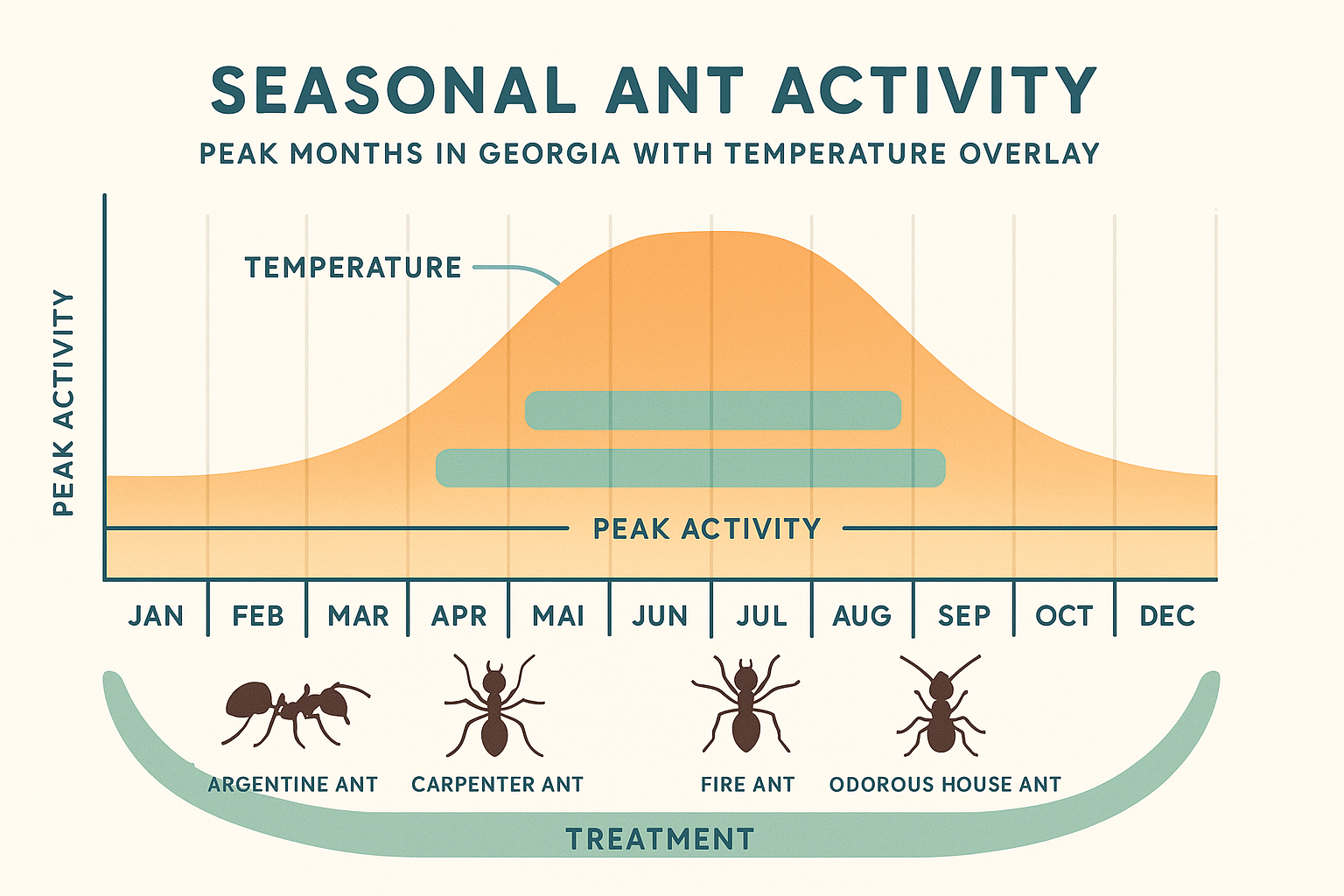
The chart visualizes three key data points: temperature thresholds, peak activity months, and the optimal windows for treatment. Here’s a quick textual summary:
| Species | Peak Activity | Temperature Range | Best Treatment Window |
|---|---|---|---|
| Carpenter Ant | April – May | 65°F – 80°F | Early March – Mid‑April (preventive) |
| Pavement Ant | June – July | 70°F – 85°F | Late May – Early June (preventive) |
| Fire Ant | May – July | 68°F – 90°F | Mid‑April – Early May (early intervention) |
Proactive Steps Before the Peak Season
Taking a few simple actions now can dramatically reduce the chances of an ant invasion later:
- Seal entry points: Caulk gaps around windows, doors, and utility penetrations. Ants can squeeze through openings as small as a pencil tip.
- Eliminate food sources: Store pantry items in airtight containers, clean up crumbs promptly, and keep pet food sealed when not in use.
- Control moisture: Fix leaky pipes, use dehumidifiers in basements, and ensure proper drainage away from the foundation.
- Trim vegetation: Keep shrubs and trees at least two feet from the house to prevent ant bridges.
These DIY measures set the stage for any professional treatment to work more efficiently.
Why Timely Professional Intervention Matters
Even with diligent home maintenance, a hidden colony can slip through unnoticed. When you call Anthem Pest Control during the recommended treatment windows, our technicians can:
- Identify the exact species and colony size.
- Apply targeted baits or barrier sprays that align with the ants’ life cycle, ensuring the queen is eliminated.
- Provide a customized follow‑up plan that matches your home’s unique vulnerabilities.
By acting before the seasonal surge, you prevent a small foraging line from turning into a permanent infestation that damages wood, contaminates food, or, in the case of fire ants, poses a painful sting risk. A timely professional visit is often more cost‑effective than multiple emergency calls later in the summer.
Protect Your Home Today with Anthem Pest Control
Early detection saves you time and money
Spotting a trail of ants, tiny pinprick holes in wood, or a sudden increase in ant activity around windows is the first warning sign that an infestation may be brewing. These clues are easy to miss, especially when the problem is still small. A professional inspection from Anthem Pest pinpoints the species, identifies the colony’s entry points, and evaluates any structural vulnerabilities. Acting fast prevents a modest nuisance from turning into a costly, widespread invasion.
Transparent pricing and seasonal advantages
Anthem Pest offers clear, tier‑based pricing so you know exactly what’s included—no hidden fees, no surprise charges. Our Basic tier covers a single‑visit treatment, the Standard tier adds follow‑up monitoring, and the Premium tier includes a full‑year protection plan. Because ant activity peaks in the warm months, scheduling treatment early in the season locks in the best rates and gives your home a protective barrier before colonies become established.
Safe, effective, and affordable solutions
We blend industry‑leading, EPA‑approved products with proven application techniques to eradicate ants while protecting your family, pets, and the environment. Our technicians are trained to tailor each treatment to the specific ant species and the layout of your home, ensuring maximum efficacy with minimal disruption. Across the United States, homeowners trust Anthem Pest for a balanced approach that delivers results without breaking the budget.
Ready to act? Get a free, no‑obligation quote
If you’ve spotted ant activity or simply want to prevent a future problem, give us a call today for expert ant control Suwanee homeowners trust. Our friendly team is standing by to schedule a free inspection and provide a detailed quote—no pressure, just expert advice.
Call 877‑371‑8196 or visit Anthem Pest Control for your complimentary, no‑obligation quote. Let us help you protect your home now, so you can enjoy a pest‑free life tomorrow.