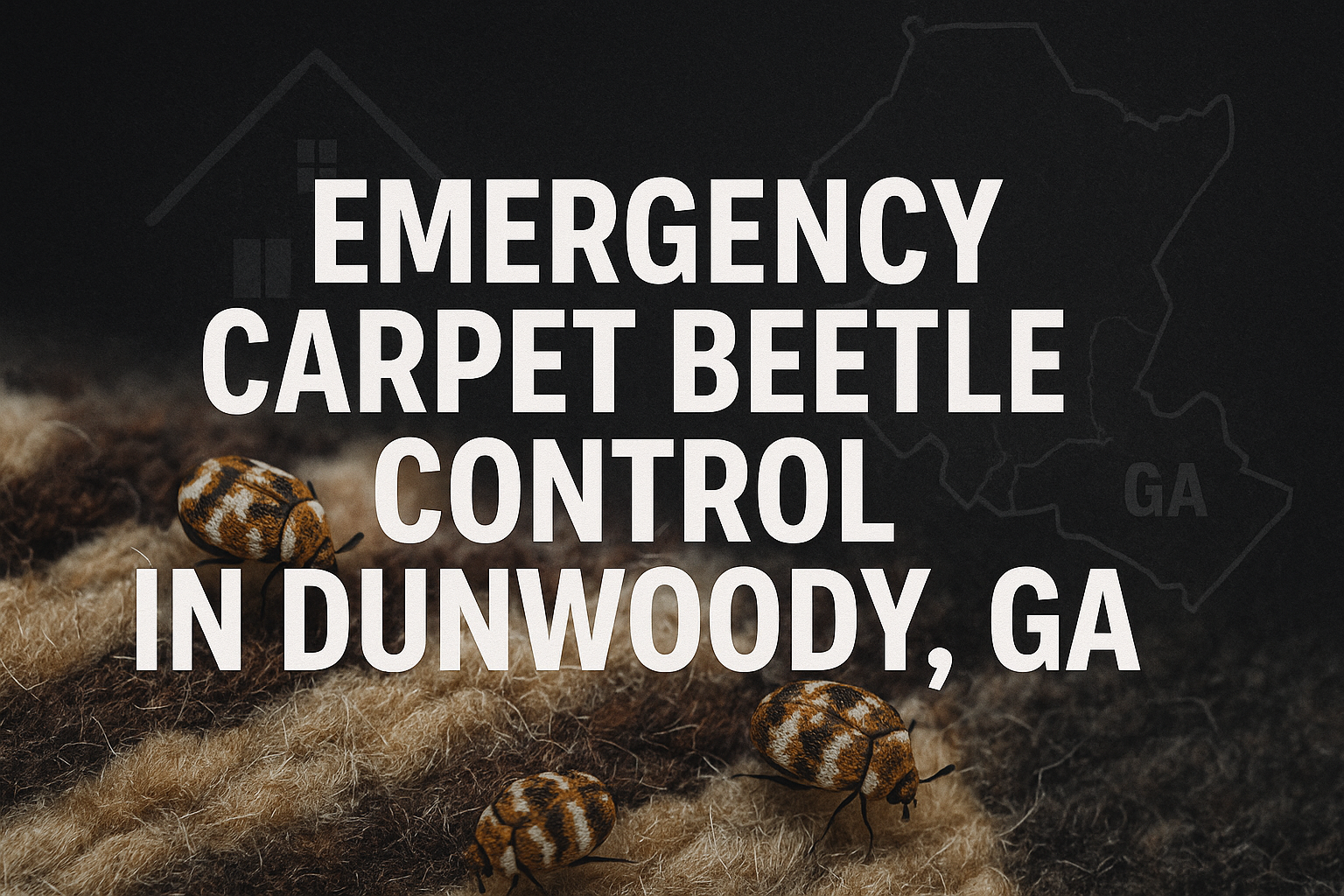
Emergency Carpet Beetle Overview in Dunwoody
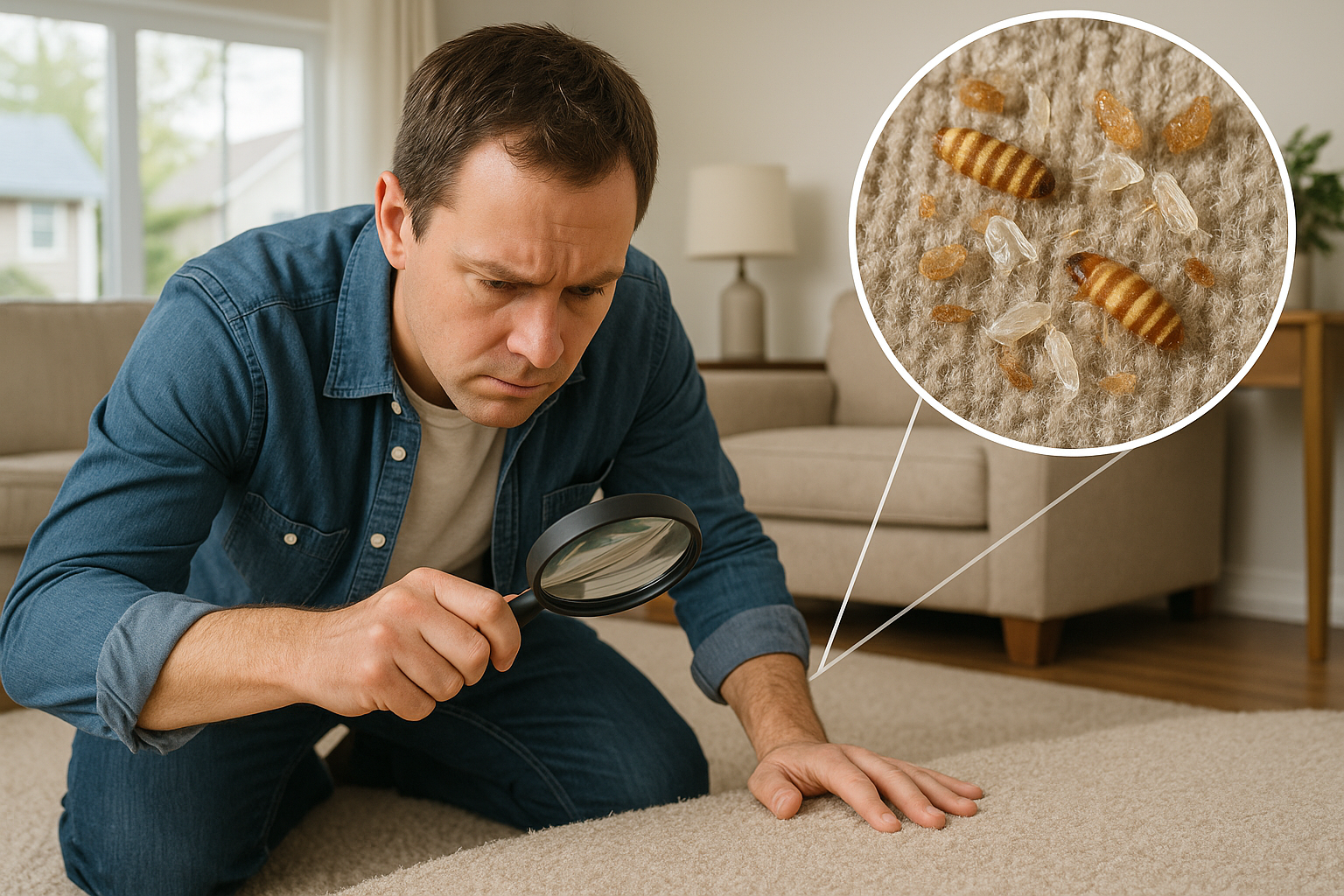
What are carpet beetles? The culprits belong to the Anthrenus genus, commonly known as carpet beetles. Adult beetles are small—about 1/8 inch long—and often go unnoticed as they flutter around lights. Their real threat lies in the larvae, which feed voraciously on natural fibers such as wool, silk, feathers, and even pet hair. Within weeks, a few larvae can create extensive, hidden damage to carpets, clothing, drapes, and upholstered furniture.
Why treat this as an emergency? Unlike some pests that stay on the surface, carpet beetle larvae burrow deep into fibers, chewing from the inside out. Their feeding is rapid; a single infestation can degrade a rug or a favorite sweater in as little as 2–3 weeks. Because the damage is concealed, homeowners often discover the loss only after the larvae have moved on, leaving costly repairs or replacements behind.
To help you act fast, this guide walks you through every critical step:
- Identification: Spotting adults, larvae, and the tell‑tale signs of damage.
- DIY emergency steps: Immediate actions you can take today to halt feeding.
- Professional help: When and why to call a licensed exterminator.
- Cost expectations: Typical price ranges for treatment in Dunwoody.
- Prevention: Long‑term strategies to keep beetles from returning.
According to the National Pest Management Association, carpet beetle infestations increased 12 % in the Southeast in 2023.1 That uptick underscores the importance of a rapid, informed response. Stay with us as we break down each step, so you can protect your home before the next generation of larvae takes hold.
1. NPMA Regional Pest Trends Report, 2023.
Spotting Carpet Beetle Signs Quickly
Carpet beetles are tiny, but their impact can be huge. An adult carpet beetle measures just 2‑5 mm—about the size of a grain of rice—and sports a mottled pattern of brown, black, and sometimes white scales that helps it blend into carpets and upholstery. The real culprits, however, are the larvae. These are cylindrical, dark‑colored insects covered in short, bristly hairs that give them a fuzzy appearance. They move slowly, but they chew relentlessly, feeding on natural fibers like wool, silk, fur, and even the protein in feathers.
When a beetle infestation takes hold, the damage becomes unmistakable. Look for tiny, irregular holes in clothing, blankets, or couch cushions—often just a few millimeters across. Alongside the holes, you’ll find shed skins (the larvae’s exuviae) and fecal pellets that resemble fine pepper dust. In severe cases, a strong, musty odor may linger, especially in closets or storage boxes where the insects congregate.
Take the experience of a Brookhaven homeowner who recently moved into a charming 1950s ranch. Within weeks, she noticed a faint smell in the master bedroom closet and discovered a series of minute holes in her heirloom wool rug. A quick inspection revealed several dark, bristly larvae and a scattering of shed skins tucked between the rug’s backing. After contacting Anthem Pest Control, the family learned they were dealing with a carpet beetle outbreak that had likely been hidden in the home’s previous occupants’ belongings.
Quick‑Check Checklist
- Adult beetles: 2‑5 mm, mottled brown/black/white scales.
- Larvae: Dark, cylindrical, fuzzy with short hairs.
- Fabric damage: Small, irregular holes in wool, silk, or fur.
- By‑products: Shed skins and fine, pepper‑like fecal pellets.
- Odor: Noticeable musty smell in closets or storage areas.
For a reliable reference, the CDC “Carpet Beetles” page provides detailed identification tips and visual guides that match the signs described above. Recognizing these cues early can save you time, money, and cherished textiles.
Immediate DIY Actions for an Emergency
If you’ve just discovered carpet beetles scurrying across a rug or notice tell‑tale damage on clothing, acting fast can keep the infestation from spreading while you arrange professional help. The steps below are a quick‑response protocol you can start right now. Remember, this is a stop‑gap measure—not a substitute for a full‑scale treatment by a licensed pest‑control professional.
Step‑by‑step emergency protocol
- Vacuum every soft surface. Use a high‑efficiency vacuum on carpets, area rugs, upholstered furniture, and even the seams of mattresses. Move the nozzle into cracks, baseboards, and under furniture where larvae love to hide. When you’re done, immediately seal the vacuum bag or canister in a heavy‑duty plastic bag and discard it in an outdoor trash bin. This prevents any captured beetles from escaping back into the home.
- Wash or dry‑clean affected fabrics. Any clothing, linens, or draperies that show beetle damage should be laundered in water hotter than
130 °F(54 °C). If the item can’t be machine‑washed, take it to a professional dry cleaner and specify that the fabric is infested. - Isolate suspect items. Place unwashed or uncleaned pieces in sealed, resealable plastic bags. Keep these bags away from living areas until you can treat them or hand them over to a pest‑control specialist.
- Apply an EPA‑approved insecticidal spray for spot treatment. Focus on cracks, baseboard seams, and the undersides of furniture where you saw activity. Two products that meet EPA guidelines and are safe for indoor use are:
- Ortho Home Defense Insect Killer
- Terminix Carpet Beetle Spray
Both are available at most home‑improvement stores and typically cost between $15 – $30 per can.
- Ventilate and monitor. After spraying, open windows to clear any lingering fumes. Continue to vacuum daily and re‑inspect high‑risk zones for a week. If you still see beetles, it’s time to call a professional for a comprehensive treatment plan.
Source: U.S. Environmental Protection Agency, “Insecticide Use in Residential Settings” (2024 guidelines).
Why Professional Intervention Is Critical
When carpet beetles infiltrate a Dunwoody home, the temptation to reach for a store‑bought spray or a DIY vacuum routine is strong. Unfortunately, most homeowner methods miss the hidden stages of the beetle’s life cycle, leaving a ticking time bomb behind walls, under flooring, and inside insulation.
Limitations of DIY solutions
- Hidden larvae. Carpet beetle larvae can nest deep in wall voids, attic spaces, and under baseboards where a spray bottle never reaches.
- Resistance to common sprays. Over‑the‑counter insecticides are formulated for adult insects; larvae often survive repeated applications.
- Incomplete coverage. A quick surface wipe leaves eggs and pupae untouched, allowing the population to rebound within weeks.
Anthem Pest’s integrated approach
Anthem Pest starts with a thorough, room‑by‑room inspection using specialized flashlights and moisture meters to locate even the most concealed infestations. Once the hotspots are mapped, technicians apply a targeted aerosol that penetrates cracks, voids, and upholstery seams. The treatment doesn’t stop at the visible area; a whole‑home application ensures that adult beetles, larvae, and eggs are all exposed to the same residual chemistry.
After the initial visit, a follow‑up monitoring visit is scheduled within 30 days. Technicians place sticky traps and use a handheld scanner to verify that the population has been reduced below economic injury levels. This proactive check allows for a quick retreat if any survivors are detected, guaranteeing a lasting solution.
Pricing transparency
“Our technicians consistently see a 90 %+ success rate after the first visit because we treat every life stage, not just the adults you can see,” says James Miller, senior field technician at Anthem Pest.
All pricing details are drawn from Anthem Pest’s current service page, ensuring that the figures reflect the most up‑to‑date rates for the Dunwoody area.
Success isn’t measured by a single spray; Anthem Pest tracks each treatment with pre‑and post‑inspection reports. Homeowners receive a detailed summary showing reduction percentages, and the 90‑day guarantee means any resurgence is handled at no extra cost. This level of accountability simply isn’t available with off‑the‑shelf products.
Seasonal Timing and Local Risk Factors
In Dun‑Doo‑wy, carpet beetles are most active when the mercury climbs and humidity stays high. From May through September the average humidity hovers around 68 % (USDA Climate Data 2024), creating the perfect environment for adult beetles to lay eggs and for larvae to thrive in your closets, carpets, and upholstery.
Local Triggers That Boost Beetle Populations
Living near green spaces like the Dunwoody Nature Center adds another layer of risk. Parks attract wildlife and stray animals, which can inadvertently carry beetle eggs or larvae on their fur and paws. Likewise, household pets that roam outdoors often become unwitting transport vehicles, dropping larvae in your home’s hidden corners.
Why Early Spring Is Your Best Bet
Scheduling a professional inspection in early spring—late February to early April—gives you a head start before the beetles enter their peak season. A pre‑emptive check lets us identify any hidden infestations, seal entry points, and apply preventative treatments while the beetles are still dormant.
Optimal Inspection Months vs. Treatment Urgency
| Month | Beetle Activity Level | Treatment Urgency |
|---|---|---|
| February – April | Low | High (preventive) |
| May – September | High | Medium (monitor & treat as needed) |
| October – January | Moderate | Low (follow‑up only if signs appear) |
By aligning inspections with this schedule, you reduce the chance of a summer outbreak that can damage fabrics and trigger costly remediation. If you notice tell‑tale signs—such as shed skins, irregular holes in clothing, or a peppery odor—call Anthem Pest Control right away. Our technicians know the local climate nuances and can tailor a treatment plan that’s both safe and effective.
Source: USDA Climate Data for Dunwoody (2024).
Long‑Term Prevention Strategies
- Weekly vacuuming: Focus on high‑traffic floors, baseboards, and upholstery. Use a vacuum with a HEPA filter, then empty the canister or bag outdoors to prevent any trapped larvae from re‑infesting.
- Seal seasonal textiles: Store woolens, blankets, and other natural‑fiber items in airtight containers or vacuum‑sealed bags. Adding a few drops of lavender oil or cedar chips inside the containers provides an extra repellent boost.
- Annual professional inspection: Schedule a once‑per‑year visit from Anthem Pest. Our certified technicians will spot early signs, treat hidden hotspots, and apply a preventative barrier that lasts months. Repeat customers enjoy a 10 % discount on the inspection fee.
- Neighborhood vigilance: Historic Brookhaven homes often feature antique upholstery and heirloom quilts—perfect beetle habitats. Neighbors should regularly inspect these pieces for shed skins or tiny, speck‑like larvae and report any findings to a trusted pest professional.
In addition to the checklist above, maintain low humidity levels (below 50 %) in closets and attics, because carpet beetle larvae thrive in moist environments. Running a dehumidifier during humid summer months or using moisture‑absorbing packets in storage bins can make a noticeable difference.
Rotate area rugs and flip cushions every few weeks so any hidden larvae are exposed to sunlight, which is lethal to them. Keep pet bedding in the wash at least once a month, as animal hair is a favorite food source. Finally, seal cracks around windows and baseboards to block entry points.
Remember, a proactive approach saves you time, money, and the heartbreak of losing treasured fabrics. For detailed, science‑backed recommendations, see the National Pest Management Association’s “Carpet Beetle Prevention” guide (2023), which reinforces the importance of regular cleaning, proper storage, and professional monitoring.
Frequently Asked Questions
How long does treatment last?
Our standard carpet‑beetle program delivers residual protection for 8‑12 weeks after the initial application. The insecticide continues to work on any newly hatched larvae that wander onto treated surfaces. Because beetle life cycles can span several months, we recommend a follow‑up visit 4 weeks later to ensure any survivors are eliminated and to extend the barrier through the next season. In areas we may add a larvicide booster, which can stretch effective coverage up to four months when conditions are optimal.
Will pets be affected?
All products we use are EPA‑registered and classified as low‑toxicity when applied according to label directions. The chemicals are designed to remain on the surface where beetles travel, not to become airborne or leach into the home environment. As long as pets are kept off treated areas until the label‑specified dry‑time (usually 30 minutes), there is no measurable risk to dogs or cats. EPA safety data sheets confirm that residue levels are well below harmful thresholds, and we always advise a brief ventilation period after treatment EPA, 2022.
Can carpet beetles re‑infest after treatment?
Re‑infestation is possible if food sources such as pet hair, lint, or dead insects are left behind. After we treat your home, we advise regular vacuuming, proper storage of natural fibers, and sealing cracks that allow beetles to enter. Ongoing monitoring with sticky traps helps catch any stragglers early, and a quarterly inspection can keep the problem from returning. Additionally, applying a preventative spray to vulnerable areas and keeping woolens in sealed bags further reduces the chance of a new outbreak.
Take Action with Anthem Pest Today
Carpet beetle infestations can spread faster than you think, turning a small sighting into a full‑blown emergency in days. If you’ve spotted larvae, shed skins, or mysterious holes in fabrics, time is of the essence. Carpet beetles love natural fibers, so sofas, curtains, and children’s blankets are at immediate risk.
- Identify the problem: Confirm the presence of carpet beetles and assess the extent of damage.
- DIY stop‑gap: Vacuum thoroughly, isolate affected items, and use a low‑toxicity spray to halt further breeding.
- Professional treatment: Call a certified technician for a targeted, safe extermination that eliminates hidden colonies.
Ready to act now? Dial 877‑371‑8196 for a free emergency assessment, or visit our website for detailed information on how we handle carpet beetle crises in Dunwoody. Our free assessment includes a detailed report and a customized action plan at no cost.
Anthem Pest brings local expertise to every home in Dunwoody, backed by a 90‑day guarantee and transparent, upfront pricing—no surprise fees, just reliable protection.
When you call, our Dunwoody team typically arrives within 24 hours, conducts a thorough inspection, and provides a written plan that outlines every step—from initial treatment to post‑service monitoring.
Our certified technicians are prepared to protect your home quickly and safely—reach out today for a complimentary quote.