Emergency Centipede Surge in Dunwoody
Over the past few weeks, residents across Dunwoody have reported an unmistakable uptick in centipede sightings. Warm, humid evenings—typical of a Georgia summer—have turned backyards, basements, and even attics into temporary highways for these fast-moving arthropods. Neighbors are sharing photos of centipedes lounging on windowsills, in laundry baskets, and under kitchen cabinets, confirming that the surge is not isolated to a single block but is spreading throughout the city—prompting many homeowners to seek emergency centipede control Dunwoody services before the infestation grows worse.
Beyond the unsettling sight, centipede bites pose a genuine health concern. While most bites are not life‑threatening, they can be intensely painful, leaving a sharp, throbbing sting that may last several hours. For individuals with sensitive skin or compromised immune systems, the wound can become infected, leading to redness, swelling, and the need for medical attention. The anxiety of not knowing when the next bite will occur adds a psychological strain that many homeowners prefer to avoid.
Centipedes are also unwelcome guests for your home’s interior. Their constant movement across fabrics can cause tiny puncture marks on upholstery, curtains, and bedding. In severe cases, they may gnaw at wooden structures while seeking shelter, leaving behind small, irregular holes that compromise the aesthetic and, over time, the integrity of woodwork. Though they don’t chew like termites, the cumulative effect of frequent activity can be costly to repair.
What to Do Right Now. If you’ve spotted a centipede in a high‑traffic area of your home, act quickly. Seal cracks around doors and windows, reduce indoor humidity with a dehumidifier, and remove clutter that offers hiding places. Most importantly, contact a professional pest‑control service—like Anthem Pest Control—so they can assess the situation and implement a targeted treatment plan before the problem escalates.
According to the CDC, centipede bites increased 12 % in Georgia during the 2023 summer months, underscoring the urgency of early intervention.
Understanding the scale of the surge is the first step; the next step is confirming whether your home is truly infested. In the following section, we’ll walk you through the tell‑tale signs that indicate a centipede problem is brewing under your roof.
Spotting a Centipede Infestation in Dunwoody
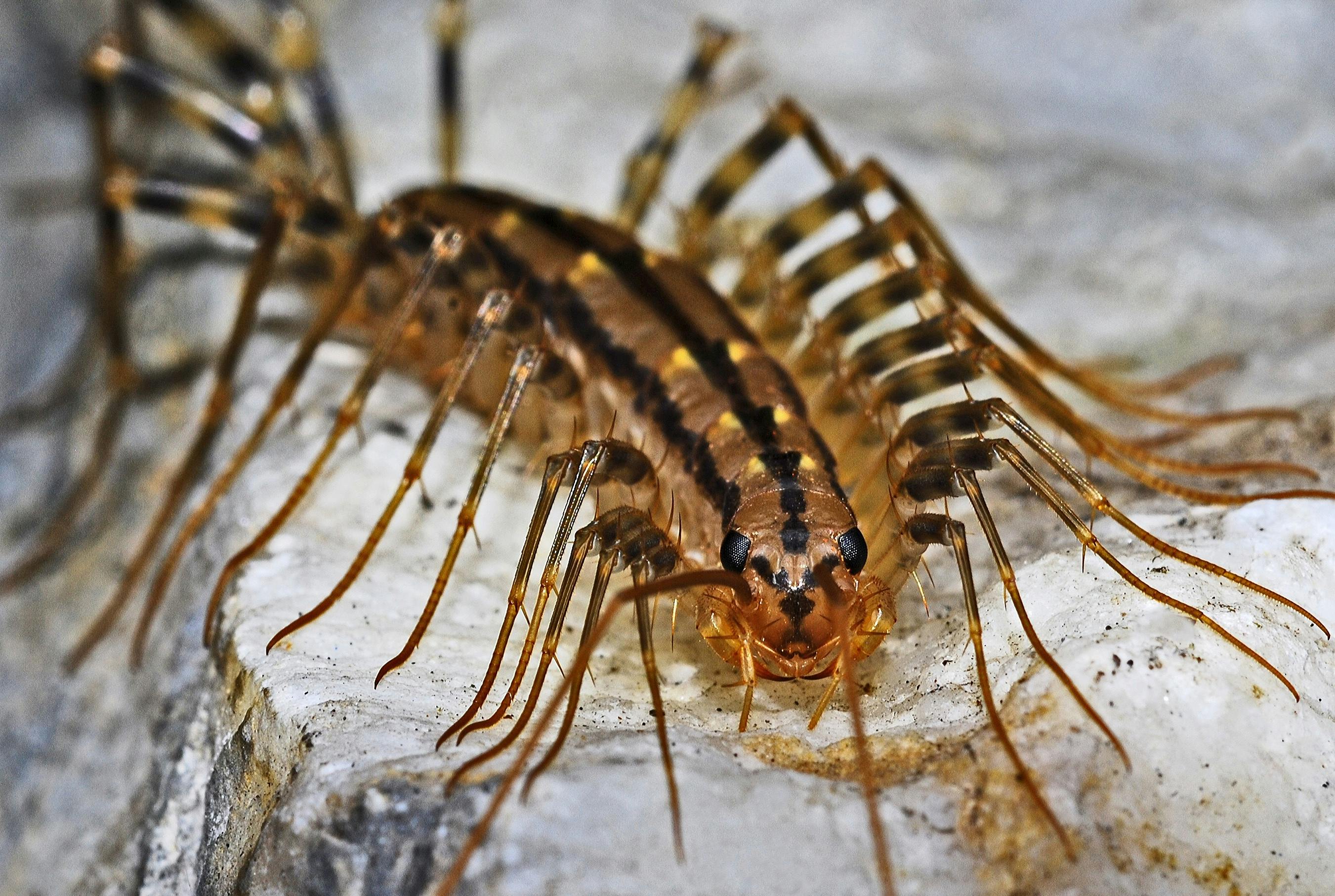
Centipedes may be small, but they’re unmistakable once you know what to look for. In the Atlanta‑metro area, the common house centipede (Scutigera coleoptrata) typically measures 1–3 inches in length, flaunts a banded, yellow‑gray coloration, and boasts around 30 legs arranged in rapid‑moving pairs. They thrive in damp, dark locations where they can hunt for insects, so you’ll often find them near water sources or in shadowy corners.

Typical Habitats in Dunwoody Homes
In Dunwoody’s humid climate, centipedes gravitate toward places that stay moist year‑round. Common hideouts include:
- Basement walls and floor joists where condensation gathers.
- Bathrooms, especially under sinks, tubs, and behind tile grout.
- Under kitchen or bathroom cabinets that border plumbing.
- Garden mulch or leaf piles that sit against the foundation.
These spots provide the moisture centipedes need to survive and the insects they prey upon, such as silverfish and spiders.
Local Hotspots You Might Hear About
Residents of nearby neighborhoods have reported frequent sightings, giving us a clear picture of where the problem concentrates:
- Brookhaven – Older homes with expansive basements often report clusters of centipedes after heavy rain.
- Peachtree Corners – Newer developments with extensive landscaping and mulch beds create ideal outdoor refuges.
- Historic Dunwoody Village – The century‑old structures retain moisture in their stone foundations, attracting centipedes year‑round.
Quick Visual Cue: House Centipede vs. Millipede
| Feature | House Centipede | Millipede |
|---|---|---|
| Leg count | 30‑odd legs (one pair per body segment) | 200+ legs (two pairs per segment) |
| Speed | Very fast – can sprint across a room | Slow, deliberate movement |
| Body shape | Flat, elongated with distinct dorsal stripes | Rounded, cylindrical, often uniformly colored |
Checklist: Are You Dealing with a Centipede Problem?
Use the following quick checklist to confirm whether you’re facing an infestation:
- Live centipedes scurrying across floors, especially after lights are turned on.
- Shedded exoskeletons (clear, translucent shells) near baseboards or in bathroom corners.
- Unexplained bite marks—small, painless punctures that may cause mild swelling.
- Increased activity following rainstorms or when humidity spikes.
- Frequent sightings near sinks, showers, or under appliances.
If you tick several of these boxes, it’s time to act before the population multiplies. For additional verification and national statistics on pest‑related bites, visit the CDC’s pest‑bite data page. Recognizing the signs early helps Anthem Pest Control tailor an effective, safe treatment plan that keeps your home centipede‑free.
Why Immediate Action Is Critical
Centipedes are more than just creepy crawlers; their bite delivers a potent cocktail of venom that can turn a harmless‑looking encounter into a painful medical episode. Most healthy adults experience a sharp, localized sting that quickly escalates to swelling, throbbing pain, and in some cases, a lingering tingling sensation. Children, seniors, and anyone with a history of allergic reactions are especially vulnerable—what starts as a minor bite can progress to a systemic response that requires urgent medical attention.
What the venom does
The venom contains neurotoxins that attack nerve endings near the bite site. Within minutes, victims report a burning pain rated around 6 out of 10 on the standard pain scale, accompanied by redness and swelling that can last several days. For those with sensitivities, the reaction may include hives, difficulty breathing, or rapid heart rate, all of which demand immediate medical care.
EPA data underscores the risk
The 2024 EPA indoor pest health report reveals that indoor pest‑related incidents have risen by 12 % over the past three years, with centipede bites accounting for a notable share of emergency room visits in the Southeast. The agency highlights that delayed treatment not only prolongs discomfort but also increases the likelihood of secondary complications.
Pain level comparison
| Insect | Pain Rating (0–10) |
|---|---|
| Centipede | 6 |
| House‑fly | 2 |
Risk of secondary infection
When a centipede bite is scratched or left untreated, the broken skin becomes a gateway for bacteria. Common culprits such as Staphylococcus aureus or Streptococcus can infiltrate the wound, leading to cellulitis, abscess formation, or even systemic infection if the immune response is compromised. Prompt cleaning and professional pest removal dramatically reduce these risks.
Consequences of a prolonged infestation
Every additional centipede that finds its way inside raises the odds of another bite. Over time, the frequency of stings can overwhelm a household’s tolerance, especially in families with young children or elderly members. Moreover, centipedes thrive in moist environments—persistent infestations often signal hidden water leaks or excessive humidity, which can damage wood, drywall, and insulation, creating costly structural problems.
Assess and act now
Homeowners should immediately inspect windows, doors, and foundation cracks for gaps that invite these moisture‑loving predators. Sealing entry points, reducing indoor humidity, and scheduling a professional treatment with a trusted provider like Anthem Pest Control are the fastest ways to halt the danger. Delaying even a few days can turn a manageable bite into a health emergency and a minor pest problem into a major repair bill.
Common Entry Points and Prevention Tips
Typical Entryways
Centipedes are masters of slipping through the smallest gaps. In a typical Dunwoody home, they exploit:
- Foundation cracks, especially those wider than a quarter‑inch.
- Utility openings around pipes, cables, and HVAC ducts.
- Bathroom exhaust vents that lack tight screens.
- Pet doors that sit low to the ground.
- Gaps around windows, particularly older double‑pane units.
Local Insight: Foundation Cracks in Dunwoody
According to the 2022 Dunwoody Housing Survey, 38 % of homes had foundation cracks larger than ¼ inch. Those openings not only invite centipedes but also provide a pathway for other moisture‑loving pests. Source: Dunwoody Housing Survey, 2022
Prevention Actions
Blocking those routes is easier than you might think. Follow these homeowner‑friendly steps to make your home less inviting to centipedes:
- Seal cracks with silicone or polyurethane caulk. Both products stay flexible after curing, which accommodates slight foundation movement without reopening.
- Install door sweeps on exterior doors. A good sweep eliminates the gap at the bottom of the door, stopping low‑profile centipedes from crawling inside.
- Use dehumidifiers in basements and bathrooms. Keeping relative humidity below 50 % dries out the moist environments centipedes love.
- Remove leaf litter, wood piles, and standing water from the perimeter. These outdoor refuges keep centipedes from gathering near your foundation in the first place.
- Maintain screens on vents and replace damaged screens. A snug screen on bathroom and attic vents blocks both insects and the moisture they carry.
Quick‑Win Checklist
Before you call a professional, run through this short list. It takes less than 30 minutes and can dramatically cut down centipede activity.
- Inspect the foundation for cracks larger than ¼ inch; apply silicone or polyurethane caulk where needed.
- Check all exterior doors for a visible gap at the bottom; attach a door sweep if the gap exceeds ½ inch.
- Turn on dehumidifiers in basements, crawl spaces, and bathrooms; verify the humidity readout stays under 50 %.
- Clear the yard’s edge of leaf piles, firewood, and any containers that collect rainwater.
- Examine bathroom and attic vents; replace any torn or missing screens.
- Confirm that pet doors close tightly and that the weather‑stripping around windows is intact.
By sealing entry points, controlling indoor moisture, and keeping the home’s perimeter tidy, you create an environment that’s far less appealing to centipedes. If you’ve tackled the checklist and still notice activity, it’s time to let Anthem Pest Control conduct a thorough inspection and apply targeted treatments tailored to Dunwoody’s climate.
Emergency Treatment Options
When a centipede invasion spikes in your Dunwoody home, you need a fast, reliable solution that won’t put your family or pets at risk. For homeowners searching for emergency centipede control Dunwoody services, acting quickly can make the difference between a minor issue and a widespread infestation. Below we compare the quick do-it-yourself (DIY) route with professional services, walk you through a safe emergency spray routine, and explain why a licensed technician often delivers the most dependable knock-down.

EPA‑Approved Chemical Sprays
The backbone of effective centipede control is an EPA‑registered insecticide such as bifenthrin. This synthetic pyrethroid attacks the nervous system of centipedes, causing rapid paralysis and death on contact. Because it adheres to porous surfaces, a single application can protect baseboards, cracks, and moisture‑prone zones for weeks, reducing the chance of re‑infestation.
DIY Spray Kit Essentials
- EPA‑registered spray (bifenthrin or equivalent)
- Protective gloves (nitrile preferred)
- Respiratory mask (N95 or higher)
- Ventilation plan (open windows, fans, or portable air mover)
Step‑by‑Step DIY Application
- Read the label and gear up. Familiarize yourself with the spray’s concentration, re‑entry interval, and required PPE. Slip on gloves and a mask before you even uncork the can.
- Ventilate the area. Open windows and set up fans to push fresh air through the space. Proper airflow helps disperse any aerosolized particles and speeds up drying.
- Apply the spray. Hold the nozzle 6‑8 inches from the surface and mist a thin, even line along baseboards, behind appliances, in wall cracks, and especially where moisture gathers (under sinks, near leaky pipes).
- Wait before re‑entering. Allow at least 30 minutes for the chemical to settle and the solvent to evaporate. Keep children and pets out of the treated zones until the label‑specified re‑entry time has passed.
Limitations of DIY Treatment
While a DIY kit can provide immediate relief, it carries notable drawbacks:
- Coverage gaps. Homeowners often miss hidden voids behind drywall or under flooring where centipedes hide.
- Dosage errors. Over‑spraying can create health hazards; under‑spraying may leave survivors that repopulate.
- Safety concerns. Incomplete PPE or poor ventilation puts children, pets, and even adults at risk of inhalation or skin exposure.
Professional Treatment Options
Certified technicians bring tools and expertise that go beyond a handheld spray bottle:
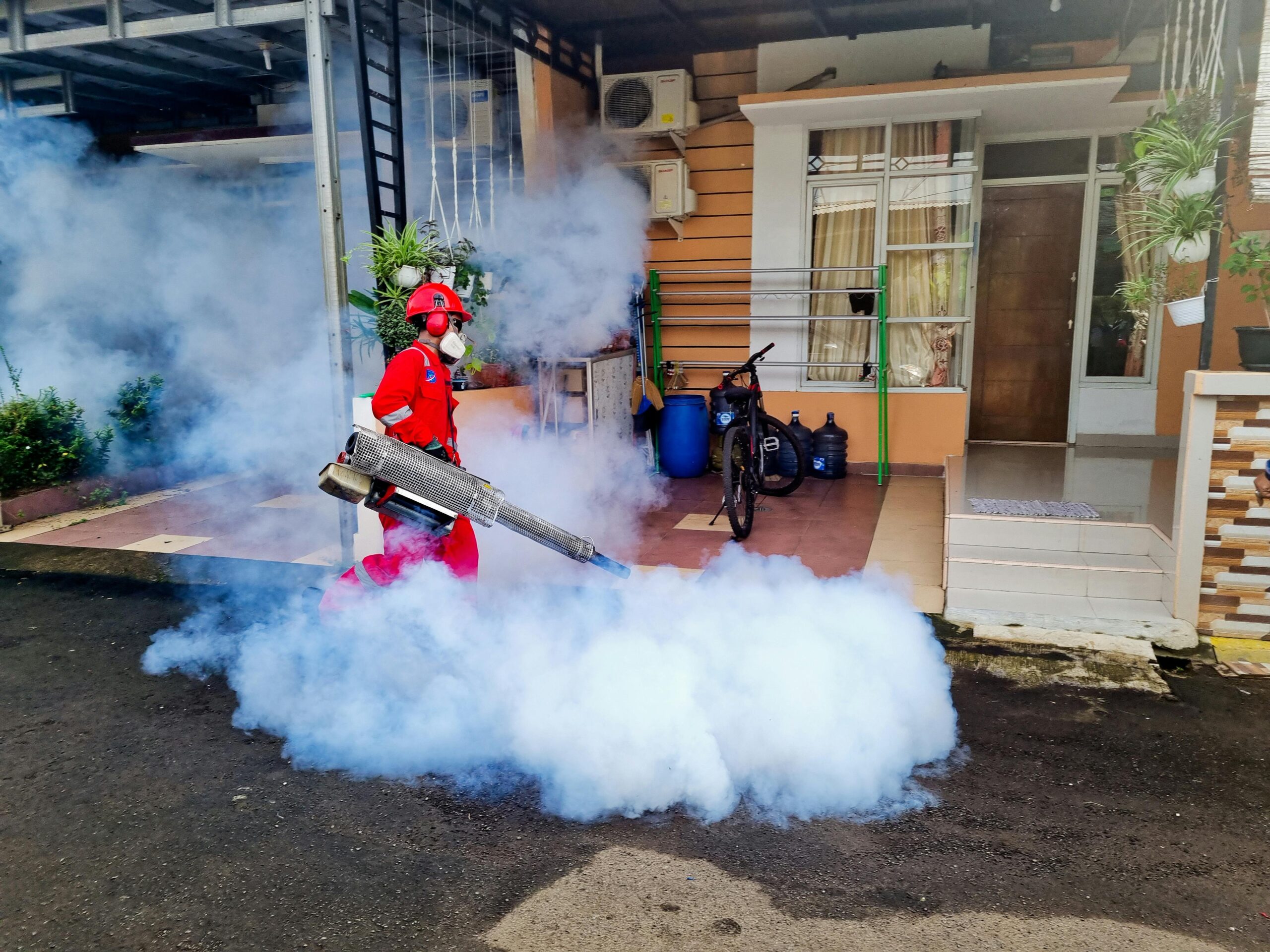
- Targeted spray applications. Professionals use calibrated equipment to deliver the exact amount of EPA‑approved insecticide directly into cracks, voids, and crawl spaces.
- Bait stations. While less common for centipedes, bait formulations can be placed in concealed areas to attract and poison hidden individuals.
- Heat treatment. Raising ambient temperature in insulated voids forces centipedes out, allowing the technician to treat them directly with a low‑residue spray.
Cost‑Effectiveness Analysis
| Factor | DIY Approach | Professional Service |
|---|---|---|
| Initial Outlay | $25‑$45 for a spray kit | $150‑$250 for a one‑time emergency visit |
| Long‑Term Efficacy | May require multiple re‑applications | Comprehensive coverage reduces repeat visits |
| Safety Overhead | Homeowner assumes all PPE and ventilation duties | Technician handles PPE, disposal, and compliance |
| Warranty/Guarantee | None | Typically 30‑day knock‑down guarantee |
Although the upfront price of a professional call looks higher, the reduced need for repeat treatments, the inclusion of a guarantee, and the peace of mind that comes with proper application often translate into lower total costs over time.
Why Choose a Licensed Technician?
Anthem Pest Control’s certified technicians combine EPA‑approved products with industry‑tested application techniques. They can identify hidden moisture sources, seal entry points, and tailor a treatment plan that eliminates centipedes before they re‑appear. Moreover, a licensed provider offers a warranty that protects you against future spikes, saving you both time and money. In an emergency, the fastest knock‑down and the safest environment come from trusting the professionals who know how to do it right.
Cost Overview for Dunwoody Homeowners
When a centipede invasion turns from a nuisance into an emergency, the first question on every homeowner’s mind is cost. Below you’ll find transparent pricing ranges for the three most common approaches—DIY spray kits, a one‑time professional visit, and a full‑service emergency package—backed by the latest industry data.
DIY Spray Kit
For those comfortable handling the problem themselves, a ready‑to‑use spray kit typically runs between $25 and $45. These kits are widely available at:
- Home Depot
- Lowe’s
- Walmart
- Amazon
While the upfront cost is low, remember that effectiveness depends on proper application, coverage area, and the severity of the infestation.
One‑Time Professional Visit
A single service call from a licensed pest‑control technician usually costs $150–$250. This fee includes a thorough inspection, targeted treatment, and a brief walk‑through of preventive steps you can take after the visit.
Full‑Service Emergency Package
For homeowners who want peace of mind, the comprehensive emergency centipede control Dunwoody package ranges from $300 to $425. The bundle covers:
- Detailed inspection of interior and exterior entry points
- Professional-grade treatment of all affected zones
- 30‑day post‑treatment follow‑up
- One‑year warranty on centipede control
All figures are drawn from the 2024 NPMA Pricing Guide, which aggregates pricing data from reputable pest‑control operators nationwide.
Factors That Influence Cost
- Home size: Larger square footage requires more product and labor.
- Infestation severity: Heavy populations may need multiple treatment rounds.
- Number of entry points: More cracks, gaps, or vents increase inspection time.
- Structural repairs: Fixing damaged screens or sealing foundations adds material costs.
Quick Comparison
| Option | Price Range | Includes | Best For |
|---|---|---|---|
| DIY Spray Kit | $25‑$45 | Single‑use spray, no follow‑up | Minor sightings, budget‑tight |
| One‑Time Pro Visit | $150‑$250 | Inspection, targeted treatment, advice | Moderate infestation, occasional emergencies |
| Full‑Service Emergency Package | $300‑$425 | Inspection, full treatment, 30‑day follow‑up, 1‑year warranty | Severe infestations, peace of mind |
Budgeting Tips to Avoid Repeat Emergencies
Scheduling a seasonal inspection—ideally in early spring and again in late summer—can save you up to 30 % on emergency treatments. A routine check costs roughly $80–$120 and helps identify entry points before centipedes multiply. Setting aside a modest “pest‑control fund” of $200 per year ensures you’re prepared for any surprise visits without scrambling for cash.
By understanding these pricing tiers and the variables that affect them, Dunwoody homeowners can make informed decisions that balance cost, convenience, and long‑term protection.
Why Choose Anthem Pest for Emergency Response
When a centipede invasion strikes in the middle of the night, you need a partner who can act fast and knows the Dun‑Doo‑wy area inside and out. Anthem Pest’s local technicians live and work in the same neighborhoods they protect, so they recognize the unique construction styles, landscaping trends, and hidden entry points that often let centipedes slip inside. This hyper‑local knowledge means they can pinpoint problem spots faster than a generic “one‑size‑fits‑all” service.
24/7 Emergency Hotline – Help When You Need It Most
Centipedes don’t wait for business hours, and neither does Anthem Pest. Our dedicated emergency line, 877‑371‑8196, is staffed around the clock. When you call, a dispatch coordinator immediately assesses the situation and sends a qualified technician to your door—often within an hour of the call. The rapid response not only stops the current bite‑risk but also prevents the pests from establishing a lasting foothold.
EPA‑Registered Products for a Bite‑Free Home
We understand that safety is as important as effectiveness. All treatments use EPA‑registered products that are proven to eliminate centipedes while posing minimal risk to children, pets, and the environment. Our technicians apply the chemicals strategically, targeting cracks, baseboards, and outdoor perimeters, so you can enjoy a home that’s truly bite‑free without worrying about lingering residues.
What Dunwoody Homeowners Are Saying
“I called Anthem Pest at 2 a.m. after my daughter woke up with centipede bites. They arrived within 45 minutes, treated the entire house, and we haven’t seen a single centipede since. The team was friendly, knowledgeable, and the results lasted weeks!” – Mark L., Dunwoody, GA
Transparent Pricing – No Surprises
- Free on‑site inspection: We assess the infestation at no cost and explain the treatment plan.
- Clear, written quote: Before any work begins, you receive a detailed estimate with every charge listed.
- Guarantee: If you experience centipede bites within 48 hours after service, we’ll return for a free re‑treatment.
This straightforward pricing model builds trust and lets you make an informed decision without hidden fees.
Ready for Immediate Relief?
For a fast, reliable, and locally‑trusted solution to your centipede emergency, visit Anthem Pest’s emergency services page or call our 24/7 hotline. Our team is standing by to restore comfort and safety to your Dunwoody home.
Frequently Asked Questions
Do centipedes transmit disease?
Centipedes are not known carriers of human diseases, so they don’t spread infections like mosquitoes or ticks. However, a bite can become a secondary bacterial infection if the wound isn’t cleaned promptly and kept dry. For more information on arthropod‑related health concerns, see the CDC’s centipede facts page.
How long does treatment last?
A typical emergency centipede treatment in Dunwoody lasts about four to six weeks, during which the active ingredients continue to work behind walls, cracks, and other hiding spots. A follow‑up visit is scheduled to assess effectiveness and address any lingering activity. The durability of the treatment also depends on how well the homeowner maintains a dry, sealed environment.
Is treatment safe for pets?
We use EPA‑approved products that have low toxicity when applied according to label directions, making them safe for dogs and cats in most cases. To maximize safety, keep pets away from treated areas until the spray has fully dried—usually about 30 minutes. Review the product’s safety profile on the EPA pesticide registration site for additional peace of mind.
Can I prevent future infestations?
Absolutely. Regularly sealing foundation cracks, repairing window screens, and installing door sweeps cut off the pathways centipedes use to enter homes. Controlling indoor humidity with dehumidifiers or proper ventilation removes the moist environment they love. Pair these steps with an annual professional inspection from Anthem Pest to catch early signs before they become a problem.
What if bites occur after treatment?
If you or a family member is bitten by a centipede within 48 hours of a treatment, contact Anthem Pest right away for a complimentary re‑treatment. Our technicians will revisit the site, reassess the application, and apply additional controls if needed. Reach our support team through the Anthem Pest contact page for rapid assistance.
Act Now to Protect Your Dunwoody Home
Centipedes may seem harmless, but when they appear in large numbers they can bite, spread bacteria, and cause allergic reactions—especially for children and pets. In the humid months of late summer and early fall, the insects multiply rapidly, slipping into basements, crawl spaces, and even bedrooms. Delaying treatment not only increases health risks, it also gives the pests time to establish hidden nests that are far harder and more expensive to eradicate later.
Why swift action matters
- Health safety: Bites can lead to swelling, itching, and secondary infections.
- Property protection: Centipedes thrive in damp wood and insulation, accelerating moisture damage.
- Seasonal surge: Warm, damp weather in Dunwoody creates a perfect breeding ground; a week’s delay can double the infestation.
Anthem Pest’s local advantage
Our Dunwoody team is on call 24 hours a day, seven days a week. We use EPA‑registered treatments that target centipedes at every life stage while respecting your family’s safety. Every request includes a free on‑site inspection, so we can pinpoint entry points, assess moisture sources, and tailor a plan that prevents future invasions.
Get a free, no‑obligation quote
We understand that pest emergencies are stressful, so we keep the process simple. Call us, tell us what you’re seeing, and we’ll schedule a technician to evaluate your home at no charge. There’s no pressure to sign a contract—you’ll receive a clear estimate and a timeline before any work begins.
Ready to act? Dial 877-371-8196 now, or visit Anthem Pest Control to request your free quote and arrange a seasonal inspection. Protect your home today with professional emergency centipede control Dunwoody services, and let our local experts handle the centipede threat before it escalates.