Why House Centipedes Matter in Your Home
The house centipede (Scutigera coleoptrata) is instantly recognizable by its sleek, gray-blue body that typically measures 1.5 to 2 inches long. What truly sets it apart are the dozens of long, delicate legs that fan out from its thorax, giving it a spider-like silhouette. Unlike many insects, a house centipede moves with startling speed, darting across floors and walls in a blur of motion. This agility, combined with its nocturnal habits, often makes it one of the first “creepy-crawlies” homeowners notice after dark, leading many to seek professional centipede control Suwanee solutions when sightings become frequent.
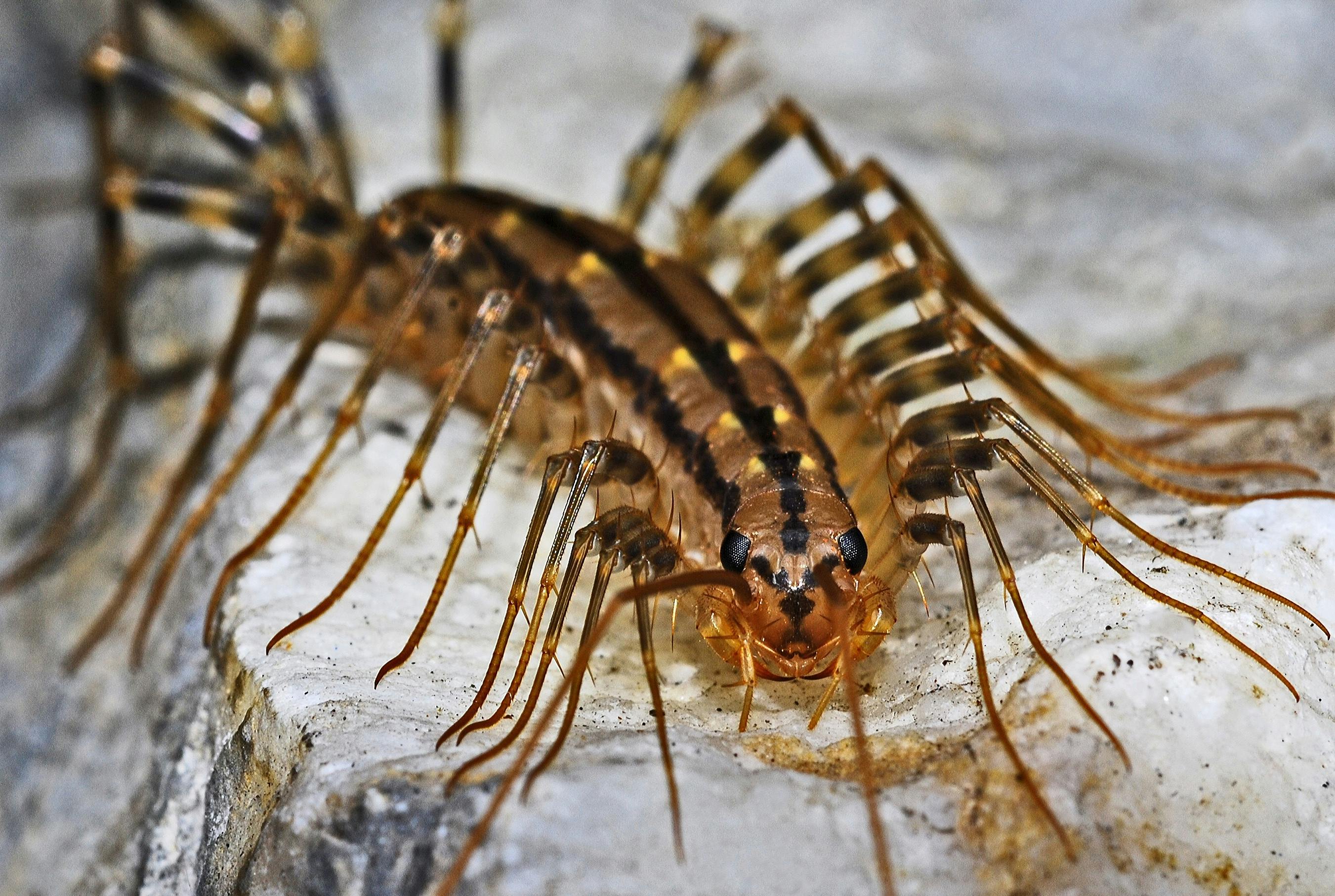
Inside a home, house centipedes gravitate toward damp, sheltered environments. Bathrooms, especially around showers and tubs, provide the moisture they love. Basements, crawl spaces, and any area where water accumulates—like leaky pipes or condensation‑prone corners—become prime real estate. They also hide in cracks, baseboard gaps, and under furniture where humidity levels stay consistently higher than in the rest of the house.
Benefits vs. Nuisance
While many homeowners view centipedes as unwanted guests, they actually serve a useful purpose:
- Natural predators: House centipedes hunt a range of other pests, including spiders, flies, silverfish, and even cockroaches. Their rapid strike can keep these populations in check without chemical intervention.
- Low risk of disease: Unlike rodents or cockroaches, centipedes are not known carriers of pathogens that affect humans.
On the flip side, their presence can be unsettling:
- Fear factor: The sight of a fast‑moving, many‑legged creature can trigger anxiety, especially in children and those with arachnophobia.
- Minor bites: If provoked, a house centipede may deliver a painless bite. The wound is usually harmless, but it can cause localized redness or swelling.
Warning Signs of a Growing Population
Spotting a single centipede isn’t necessarily cause for alarm, but multiple indicators suggest an expanding colony and the need for professional centipede control Suwanee.
- Frequent sightings in bathrooms, basements, or near windows.
- Accumulated shed skins (exuviae) along baseboards or in corners.
- Persistent dampness or visible moisture problems—leaky pipes, poor ventilation, or condensation.
- Increased activity after rainstorms, when outdoor moisture drives insects indoors, providing more food for centipedes.
Why Homeowners Should Care
Beyond the occasional bite, a thriving centipede population signals underlying issues that merit attention. Persistent moisture not only attracts centipedes but also creates a breeding ground for mold, wood rot, and other pests like termites or carpenter ants. Addressing the humidity problem can protect structural integrity and improve indoor air quality.
For sensitive individuals, centipede bites—though rare—can trigger allergic reactions ranging from mild itching to more pronounced swelling. Even without a bite, the psychological discomfort of sharing living space with these fast‑moving arthropods can affect peace of mind.
In short, recognizing the biology and habits of house centipedes helps you differentiate between a beneficial predator and a warning sign of deeper moisture or structural concerns. Prompt identification and targeted control measures—paired with moisture remediation—ensure your home stays both pest‑free and structurally sound.
Spotting Early Signs of a Centipede Infestation
Centipedes are the silent, fast‑moving visitors you rarely notice until they’re already scurrying across your floor at night. Catching the problem early can save you from a sudden surge of these nocturnal hunters, especially in humid Georgia homes. Below are the tell‑tale clues that signal a centipede population is taking root under your roof.
Visual clues you can’t ignore
When lights are on after sunset, centipedes are drawn to the illumination. You may see a slender, many‑legged creature darting across baseboards, under cabinets, or along bathroom tiles. Unlike cockroaches, centipedes move with a rapid, side‑to‑side wobble and have a distinctly flattened body. If you spot even a single live centipede, it’s a strong indicator that the environment is suitable for more.
Physical evidence left behind
- Shed exoskeletons: As they grow, centipedes molt their thin, translucent shells. These delicate skins often cling to corners, behind appliances, or in the crevices of closets. They look like faint, paper‑thin outlines and are easy to miss if you’re not looking.
- Droppings: Tiny black specks resembling pepper grains may appear in pantry corners, under sinks, or along baseboards. These are fecal pellets, and while they’re tiny, a cluster signals regular activity.
Environmental cues that invite centipedes
Centipedes thrive in damp, cool places. Persistent moisture in basements, crawl spaces, or bathroom corners creates the perfect breeding ground. Look for:
- Leaky pipes or dripping faucets that leave a constant sheen on surfaces.
- Standing water in plant saucers, pet dishes, or after heavy rain.
- High humidity levels (above 60 %) especially in unfinished basements or under‑sink cabinets.
Addressing these moisture sources not only deters centipedes but also reduces the risk of mold and other pests.
Behavioral hints tied to weather
After a rainstorm, you may notice a spike in centipede sightings. The wet ground forces them indoors in search of shelter, and the increased humidity of a Georgia summer amplifies their activity. If you observe more movement during or shortly after rain, consider it a red flag.
How to tell centipedes apart from look‑alikes
Silverfish are slender, fish‑shaped, and move in a smooth, gliding motion without the characteristic side‑to‑side wobble of centipedes. Cockroaches have a broader, shield‑like body and typically run straight. Centipedes, by contrast, have dozens of visible legs—one pair per body segment—and a flattened, elongated form that bends as it darts.
Quick DIY inspection checklist
- Turn on a porch or hallway light after dark; watch for fast, side‑wobbling insects near walls.
- Inspect under sinks, behind toilets, and in basement corners for shed skins.
- Look for tiny black droppings on baseboards, pantry shelves, and bathroom tiles.
- Note any increase in sightings after rain or during humid summer weeks.
- Document findings in a notebook or phone app to track patterns over time.
Spotting these early signs gives you a head start. If you confirm a growing presence, contact a local professional—like Anthem Pest Control—for safe, targeted treatment before the infestation spreads.
Effective Treatment Methods for Centipedes
Centipedes thrive in the damp, shadowy corners of Suwanee homes, but you don’t have to share your living space with these fast‑moving predators. Below are the most reliable strategies—both DIY and professional—to eliminate existing centipedes and keep new ones from entering.
Chemical Barriers: Perimeter Sprays
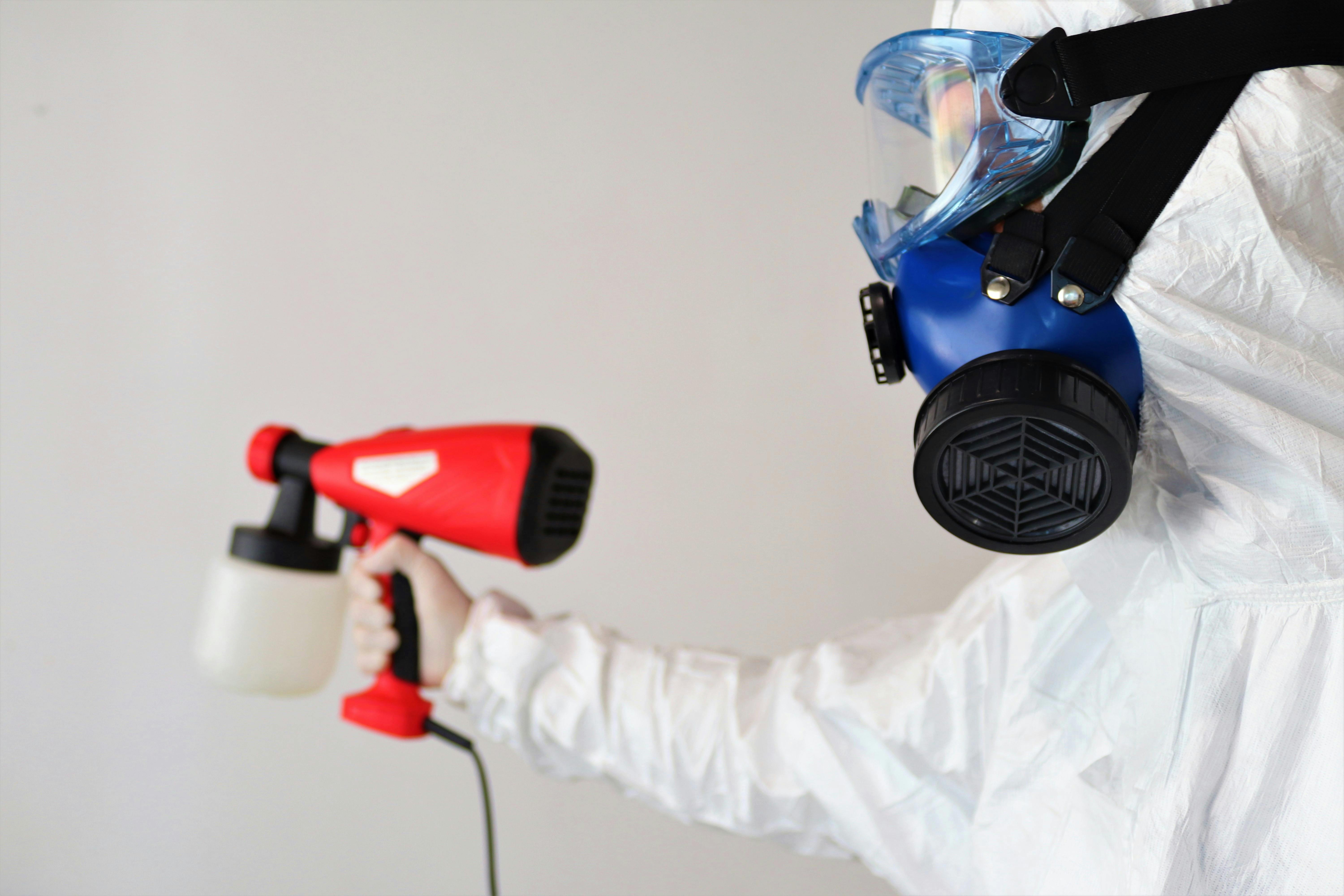
Perimeter sprays create a “no‑go” zone around the exterior of your house. Applied to foundations, walkways, and the soil near doors, these EPA‑approved insecticides interfere with the centipede’s nervous system, causing rapid knockdown. While effective against centipedes, the chemicals can also affect non‑target insects such as beneficial beetles, so it’s wise to limit applications to areas where food‑seeking pests are most likely to travel.
Indoor Residual Sprays
Inside, residual sprays target the micro‑habitats where centipedes hide: cracks, baseboards, under appliances, and dark corners. The formulation clings to surfaces for weeks, delivering a slow‑acting dose that kills centipedes the moment they cross the treated line. For best results, spray after vacuuming to remove dust that could dilute the product, and re‑apply according to the label’s re‑treatment schedule.
Bait Stations: Indirect Food‑Source Control
Low‑toxicity bait stations attract the insects centipedes prey on—primarily spiders, flies, and small beetles. By reducing these food sources, you create a less inviting environment for centipedes without exposing your family to high‑risk chemicals. Place baits in concealed locations like behind cabinets or under sinks, and replace them every 30‑45 days to maintain effectiveness.
Physical Removal and Exclusion
Vacuuming is a quick way to remove visible centipedes and their eggs. Use a hose attachment to reach cracks and crevices, then immediately discard the bag or empty the canister into a sealed container. After removal, seal entry points with caulk, weather‑stripping, or steel wool—especially around foundation gaps, pipe penetrations, and window frames—to prevent future invasions.
Professional Services and Integrated Pest Management (IPM)
Licensed technicians bring a level of expertise that DIY methods can’t match. They apply EPA‑approved products at the correct concentrations, rotate active ingredients to avoid resistance, and integrate non‑chemical tactics—such as moisture reduction and habitat modification—into a comprehensive IPM plan. This holistic approach not only eliminates centipedes but also addresses the underlying conditions that attract them.
Safety Considerations
When treating a home with children or pets, always read the label for pet‑safe intervals and ventilation requirements. Keep treated areas off‑limits until the product dries, and store all chemicals out of reach. After any indoor application, increase airflow by opening windows or running fans to protect indoor air quality.
For a detailed, step‑by‑step guide on centipede control, consult the trusted resource from Anthem Pest Control: Anthem Pest Control centipede control guide. Following these methods will give you a clear path to a centipede‑free home in Suwanee.
Understanding Pricing and Service Plans
When a centipede invasion hits your Suwanee home, the first question after “how do I get rid of them?” is “how much will it cost?” At Anthem Pest Control we break the pricing down into three clear service models so you can match the approach to your budget and your long‑term peace of mind.
Common Service Models
- One‑time treatment – a single visit that targets the current infestation and provides an immediate knock‑down.
- Quarterly service – four scheduled visits per year that combine treatment with routine moisture‑control checks.
- Annual contract – a 12‑month agreement that spreads visits across the year, often including a warranty and preventive measures.
Pricing Factors You’ll See on the Quote
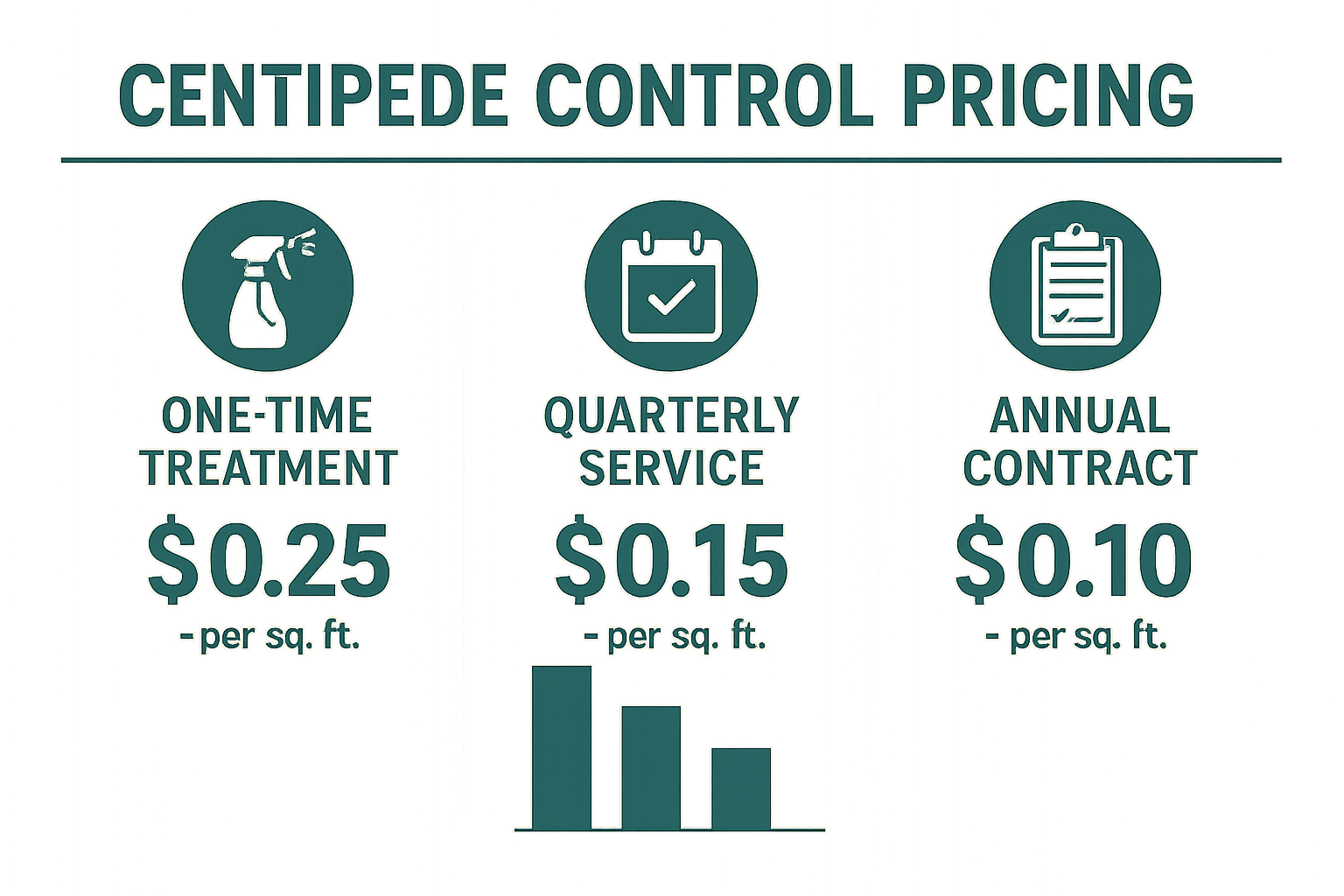
Our estimates are not a one‑size‑fits‑all number. The final price per square foot depends on four main variables:
- Square footage – larger homes require more product and labor.
- Infestation severity – a heavy, multi‑room outbreak needs extra treatment cycles.
- Moisture control needs – damp basements or leaky foundations add remediation steps.
- Geographic location – Suwanee’s humid climate can influence the type and amount of chemicals used.
Typical Price Ranges (per sq ft)
| Service Model | Low End | High End |
|---|---|---|
| One‑time treatment | $0.10 | $0.20 |
| Quarterly service | $0.08 | $0.15 |
| Annual contract | $0.07 | $0.12 |
Benefits of Each Plan
One‑time treatment delivers an immediate knock‑down, perfect for homeowners who need fast relief and are comfortable handling future checks on their own. The downside is the lack of ongoing protection, so repeat visits may be required if moisture problems persist.
Quarterly service balances speed with prevention. By visiting every three months, technicians can adjust treatments based on seasonal humidity shifts, keep moisture sources in check, and spread the cost across four invoices, making budgeting easier.
Annual contract offers the most predictable expense and often includes a warranty that covers any resurgence within the contract period. Because the chemicals are applied gradually, total usage drops, which is better for the environment and for homeowners who prefer a “set‑and‑forget” approach.
Evaluating Return on Investment (ROI)
When you compare plans, look beyond the headline price. A quarterly or annual plan usually reduces repeat visits, which means fewer labor charges and less chemical waste over time. Moreover, consistent moisture control protects wood structures, flooring, and stored items—an indirect boost to your property’s resale value.
Getting a transparent quote is straightforward. Our technicians start with a 30‑minute on‑site inspection, measure the square footage of affected areas, and ask about recent water leaks or landscaping that could be feeding centipedes. They then provide a written estimate that breaks down labor, product, and any moisture‑control add‑ons. Because we price per square foot, you’ll see exactly how each factor influences the total, and there are no surprise surcharges for after‑hours calls or travel within the Suwanee metro area.
Quick Decision‑Making Matrix
Use the matrix below as a quick reference. Match your top priority—whether it’s an instant knock‑down, a predictable monthly budget, or a warranty‑backed plan—to the column that ticks the most boxes.
| Priority | One‑time | Quarterly | Annual |
|---|---|---|---|
| Immediate relief | ✔ | ✖ | ✖ |
| Budget predictability | ✖ | ✔ | ✔ |
| Long‑term prevention | ✖ | ✔ | ✔ |
| Warranty coverage | ✖ | ✖ | ✔ |
| Lowest per‑sq‑ft cost | ✖ | ✖ | ✔ |
Seasonal Activity and Prevention Tips
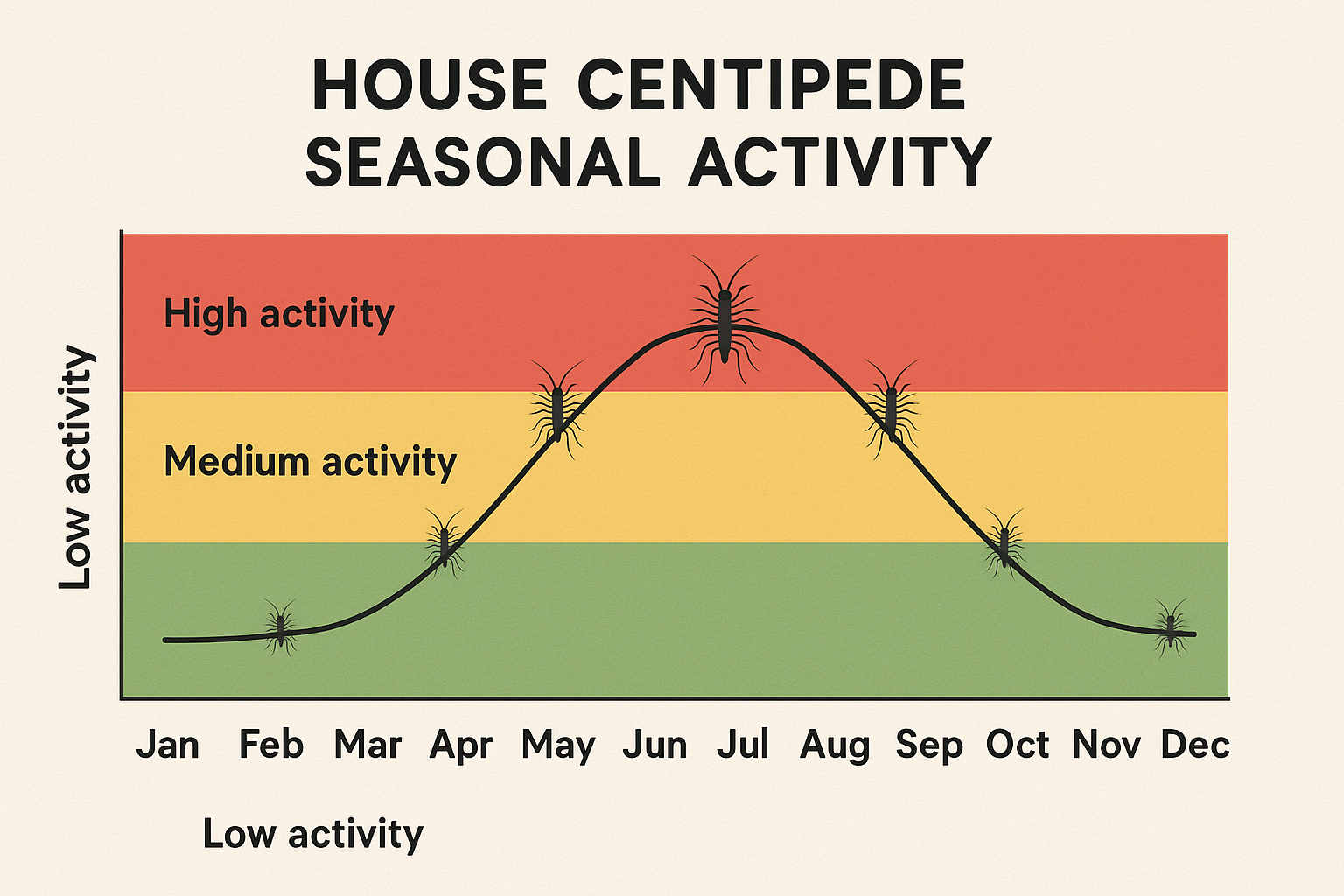
Understanding the Seasonal Activity Chart
The chart above breaks centipede movement into four clear periods, helping homeowners plan effective centipede control Suwanee strategies. From January through March, activity is low, as centipedes stay deep in the soil or hidden in crawl spaces. April to June brings a moderate rise as soils warm and surface moisture increases. The peak window, July through September, shows the highest counts; you’ll often find them scurrying across basements, bathrooms, and any damp nook. Activity then tapers off in October, November, and December, returning to the low-level state that characterizes winter.
What Drives the Peaks and Lulls?
Two environmental factors dominate this cycle: temperature and moisture. Centipedes are ectothermic, meaning they rely on external heat to stay active. When daytime highs consistently sit above 75 °F, their metabolism speeds up, and they venture out to hunt. At the same time, summer rains and sprinkler use saturate the soil, creating the humid micro‑habitats they love. Conversely, winter’s cooler temps and reduced humidity push them back into deeper, drier zones where they’re less likely to encounter humans.
Seasonal Prevention Checklist
- Spring – Seal any leaking pipes, especially under sinks and in basements. Boost ventilation in crawl spaces and attics to dry out lingering moisture. Remove leaves, wood chips, and other debris that sit against the foundation, as these provide shelter.
- Summer – Run dehumidifiers in basements and laundry rooms to keep relative humidity below 50 %. Clean gutters and downspouts regularly to prevent water pooling near the house. Inspect crawl spaces for standing water or damp insulation and address any issues promptly.
- Fall – Apply a silicone‑based sealant to cracks around windows, doors, and the foundation. Reduce indoor lighting that attracts the insects centipedes prey on; consider motion‑sensor bulbs or lower‑wattage fixtures near entry points.
- Winter – Keep indoor humidity in check with a hygrometer; use a portable dehumidifier if levels rise above 45 %. Install door sweeps on all exterior doors to block entry. Store firewood at least two feet away from the house and elevate it off the ground to eliminate a favorite hideout.
Landscaping Practices That Keep Centipedes at Bay
Smart landscaping is a frontline defense. Trim shrubs, trees, and vines so they don’t touch the house; this eliminates bridge pathways for centipedes. Keep mulch at least six inches away from the foundation—centipedes love the cool, damp environment mulch creates. Finally, address any standing water in flower beds, birdbaths, or low spots in the yard; a simple slope adjustment or a French drain can make a big difference.
When to Call a Professional
For maximum impact, schedule a professional treatment in early spring, just as centipedes begin to emerge from their winter hideouts. This timing allows a barrier or residual spray to intercept them before they establish a foothold inside. A second round in late summer—ideally after the peak activity period—helps knock down any lingering colonies that survived the heat. Anthem Pest Control’s technicians use low‑toxicity, EPA‑approved products that target centipedes while remaining safe for pets and children, giving you peace of mind year‑round.
Protect Your Home with Anthem Pest Control
By now you should be comfortable identifying centipedes, spotting early signs of infestation, and understanding the most effective treatment methods. You’ve also learned why transparent pricing and seasonal prevention matter for long‑term peace of mind. Below is a quick refresher:
- Identification: Look for fast‑moving, many‑legged insects in damp corners, bathrooms, and basements.
- Early Detection: Check for shed skins, bite marks, and small clusters near entry points.
- Effective Treatment: Targeted EPA‑approved sprays and baits applied by trained technicians.
- Pricing Transparency: Clear, upfront quotes with no hidden fees.
- Seasonal Prevention: Routine inspections before peak summer activity to keep centipedes out.
Anthem Pest Control brings nationwide expertise to Suwanee homeowners. Our licensed technicians are certified to handle every stage of a centipede problem, using EPA‑approved products that are safe for families and pets. We back our service with a straightforward pricing model—so you always know what you’re paying for, and why.
If you’ve spotted centipedes or simply want to keep them out, our team can design a customized plan that fits your home’s size and budget. We pride ourselves on safe, fast, and affordable solutions that give you peace of mind.
Ready to act? Call us today at 877-371-8196 for a free, no-obligation quote or to schedule an on-site inspection for centipede control Suwanee. Visit Anthem Pest Control to learn more.