Why Crickets Turn Your Smyrna Home Into an Evening Chorus
As September rolls in across Smyrna, many homeowners notice a sudden rise in cricket activity. The warm, humid evenings that linger after the summer heat create the perfect breeding ground, and adult crickets emerge in massive numbers to mate. Within days, the quiet backyard can transform into a bustling arena of chirping insects, a phenomenon locals now refer to as the “evening chorus.”
That chorus isn’t just a nuisance; it can erode the comfort of your home. The constant high‑pitched trilling interferes with conversation, outdoor relaxation, and even sleep when crickets find their way indoors through open doors or vents. Moreover, cricket droppings—tiny, nitrogen‑rich pellets—can settle on countertops, pet food, and stored groceries, creating a potential food‑contamination hazard that worries health‑conscious families.
State data backs up what you’re hearing. The 2024 Georgia Department of Agriculture pest report shows a 12 % increase in cricket complaints each September, highlighting a regional surge that’s not limited to Smyrna. Recognizing the signs early—loud nightly chirping, droppings near entry points, and occasional crickets inside—lets you act before the population explodes.
The next step is to pinpoint where the insects are entering and nesting, so you can target treatment effectively.
Spotting the Culprits: Cricket Identification for Homeowners
Before you call in a professional, take a moment to verify that the noisy intruder is indeed a house cricket. Recognizing the insect’s key characteristics and typical hide‑outs lets you act with confidence and avoid unnecessary pesticide use.
Physical traits you can’t miss
House crickets are modest in size, measuring roughly ½–1 in (12–25 mm) long. Their bodies are a uniform dark brown to almost black, often with a faint glossy sheen that catches indoor lighting. Look for long, slender antennae that extend well beyond the head, and a pair of folded wings that may be visible when the insect is at rest. The most reliable clue is the male’s signature chirp, produced by rubbing its forewings together—a sound that usually starts shortly after dusk.
Typical hiding spots
Crickets gravitate toward warm, sheltered locations where they can hear the faint hum of porch lights. Common indoor refuges include:
- Under porch lights or near exterior bulbs
- Quiet corners of the garage or basement
- Inside kitchen cabinets, especially near stored grains
- Closets and laundry rooms where fabrics provide a soft backdrop
These areas offer the darkness and moisture crickets need to thrive, making them prime spots for a quick visual sweep.
Quick‑check identification checklist
- Size: ½–1 in (12–25 mm) long
- Color: Dark brown to black, sometimes with a subtle sheen
- Sound: Steady chirp from males, especially after sunset
- Location: Near lights, quiet corners, stored food areas, or closets
Use this checklist during your evening walk through the house. If the insect matches all four points, you’re likely dealing with a house cricket. Confirming the pest before treatment helps you choose the right control method and keeps your budget in check.
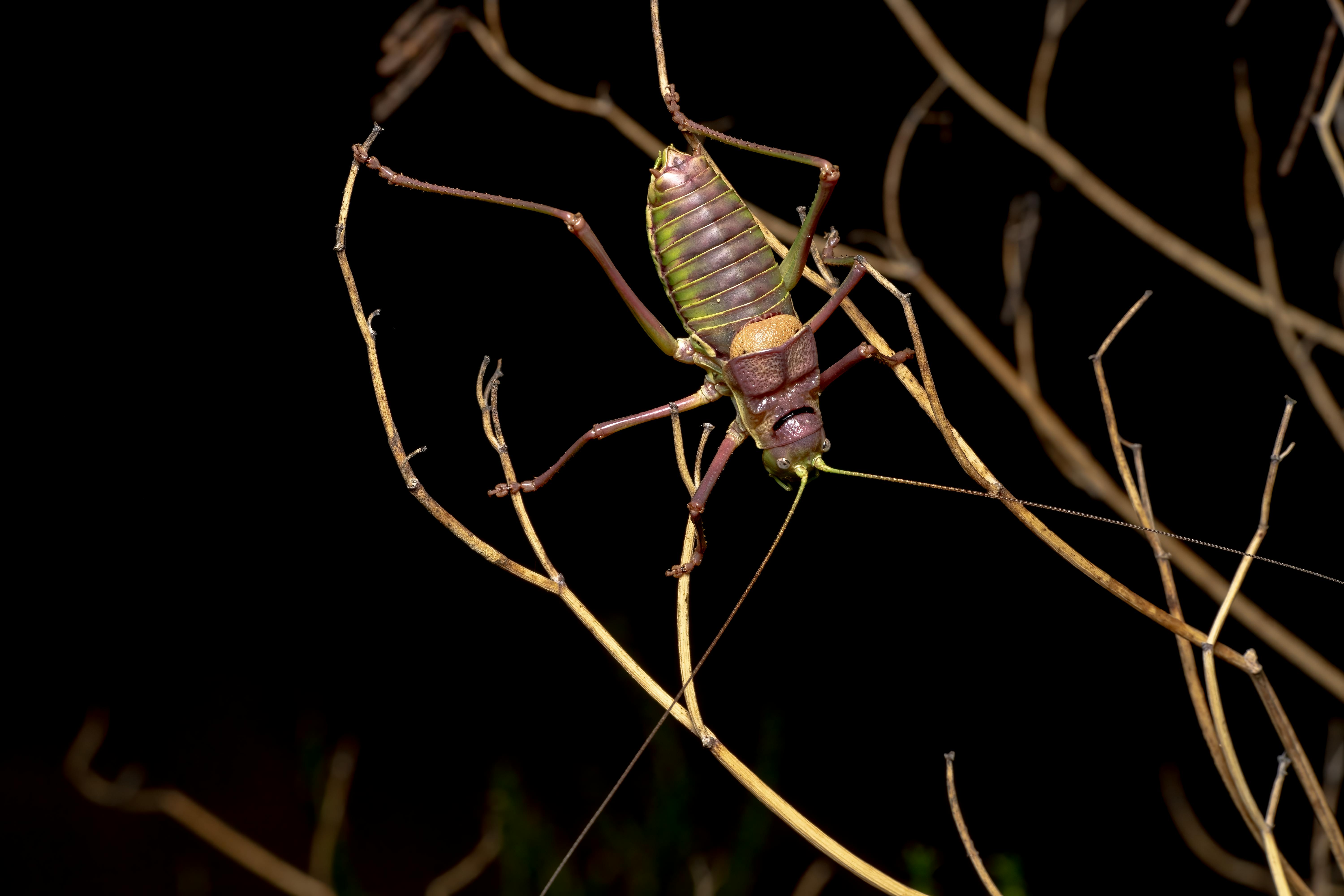
Identifying the culprit accurately is the first step toward an effective, targeted response. Once you’re sure it’s a cricket, you can decide whether a simple DIY trap will suffice or if a professional service from Anthem Pest Control is the safest, most efficient route.
The Cost of Waiting: Damage and Health Risks
When crickets set up camp inside your home, each day they remain unchecked adds a hidden bill to your household. Their droppings and shed skins are more than a visual nuisance; they coat countertops, pantry shelves, and food prep areas with protein‑rich waste that can quickly contaminate groceries and ready‑to‑eat meals.
Beyond food safety, cricket fragments become airborne allergens. For residents with asthma or sensitivities, inhaling droppings or chitin can trigger sneezing, wheezing, or asthma attacks. Even healthy family members may develop itchy rashes or eye irritation after prolonged exposure.
Structurally, a thriving colony acts like a tiny construction crew. Large groups gnaw at insulation, soft‑copper wiring, and the caulking that seals windows and doors. Over time this chewing compromises thermal barriers, letting conditioned air escape and forcing your HVAC to work harder.
“Indoor pest infestations can raise energy bills by up to 5% due to compromised sealing” – EPA Indoor Pest Cost Study 2023
That 5 % increase may seem modest, but on a typical Georgia utility bill it adds dozens of extra dollars each month—money that piles up while you wait for the problem to become obvious.
Acting quickly also means sealing the cracks and gaps crickets use to enter. By treating the infestation and reinforcing door thresholds, vents, and foundation seams, you cut off future invasions before another hidden colony forms.
In short, the longer you delay, the more you risk food contamination, health reactions, and costly damage to your home’s envelope. Prompt professional control protects both your family’s well‑being and your wallet.
How Crickets Slip Inside – Smyrna’s Hot Spots
Crickets are tiny, but they’re great at finding the tiniest openings. In Smyrna’s climate, a single crack or gap can become a highway for these noisy invaders. Before you reach for a DIY spray, walk through your home with a keen eye and spot the entryways that give crickets free rein.
Common Entry Points
- Cracked foundations: Settling soil and older masonry create hairline fissures that are perfect for crickets to crawl through.
- Open garage doors: Even a partially open door or a worn weather‑seal leaves a gap large enough for a cricket to slip inside.
- Utility line gaps: Pipes and cables entering the house often leave unsealed holes around ¼‑½ inch wide.
- Damaged screens: Torn or loosely fitted window and porch screens act like a welcome mat.
- Vent openings: Roof or crawl‑space vents without proper mesh allow crickets to drop straight into your attic.
Neighborhood Specifics
In Smyrna’s older subdivisions—Burnt Hickory, East Cobb, and Olde Smyrna—many homes were built before modern foundation standards. These neighborhoods typically show more foundation cracks and aging siding, which means crickets have a wider selection of entry points. If you live in one of these areas, pay extra attention to the base of exterior walls and any retro‑fitted additions.
Mini‑Audit Worksheet
Grab a pen and run through each area below. Note the size of any gaps you find and the quickest fix you can apply. Completing this audit before any DIY treatments will help you target the right solutions and avoid wasted effort.
| Area to Inspect | Gap Size (inches) | Suggested Fix | Notes |
|---|---|---|---|
| Foundation walls | 0.1‑0.5 | Apply hydraulic cement or sealant | Check after heavy rain |
| Garage door perimeter | 0.2‑1.0 | Replace weather‑strip or add door sweep | Test by closing door fully |
| Utility line penetrations | 0.1‑0.5 | Use expanding foam or silicone caulk | Inspect both interior and exterior sides |
| Window/porch screens | any tear | Repair with screen patch kit or replace | Secure corners tightly |
| Vent openings (roof, crawl‑space) | 0.2‑0.75 | Install fine mesh screen | Ensure no blockage of airflow |
Take a few minutes to fill out this worksheet. Once you’ve sealed the obvious gaps, you’ll be in a far better position to tackle any remaining cricket activity—or call Anthem Pest for a professional inspection.
What to Do Right Now – DIY Emergency Measures
Crickets may sound harmless, but a sudden surge can fill your porch, kitchen, and even your bedroom with noisy, hopping guests. While waiting for a professional, there are several quick, low‑cost steps you can take tonight to break the cycle and make your home less inviting.
Dim or turn off exterior lights
Crickets are attracted to bright lights at night, especially LED porch lamps and security floodlights. Switch them off or dim them after sunset; a motion‑activated bulb works even better because it only lights when someone is nearby. Reducing illumination removes the beacon that draws adult crickets onto your siding and into your yard.
Seal visible cracks and gaps
Crickets slip through the tiniest openings—under eaves, around windows, or behind siding. Grab a tube of silicone or acrylic caulk (about $5‑$12) and apply it to any crack you can see. Silicone remains flexible outdoors, while acrylic is easy to paint over. A quick caulking session can block dozens of entry points before the next night’s chorus.
Place sticky traps in high‑activity zones
Sticky traps cost $8‑$15 per pack and require no chemicals. Cut the cards to fit under porch railings, near door thresholds, or along baseboards where you hear the most chirping. Replace them every few days; a full sheet will catch dozens of adults, giving you a clear picture of where the infestation is strongest.
Use a low‑toxicity indoor spray
For indoor hotspots—kitchen cabinets, pantry corners, or behind appliances—spray a pyrethrin‑based aerosol. These products target crickets but break down quickly, making them safer for families. Follow the label: spray a light mist, wait ten minutes, then ventilate the room. Avoid over‑spraying; a thin coating is enough to knock out the insects you see.
Pet‑safety caution
Even low‑toxicity sprays can irritate a dog’s nose or a cat’s lungs. Keep pets in a separate room while you spray, and close windows for at least 30 minutes afterward. After the area has aired out, let your furry friends return. If you notice any coughing or sneezing, rinse the pet’s face with water and contact your vet.
Start with the easiest actions—turn off the lights and seal obvious cracks—then add traps and a targeted spray. Within a day you’ll notice far fewer chirps, buying you time until Anthem Pest can schedule a professional treatment.
When to Call the Pros – Anthem Pest’s Emergency Cricket Program
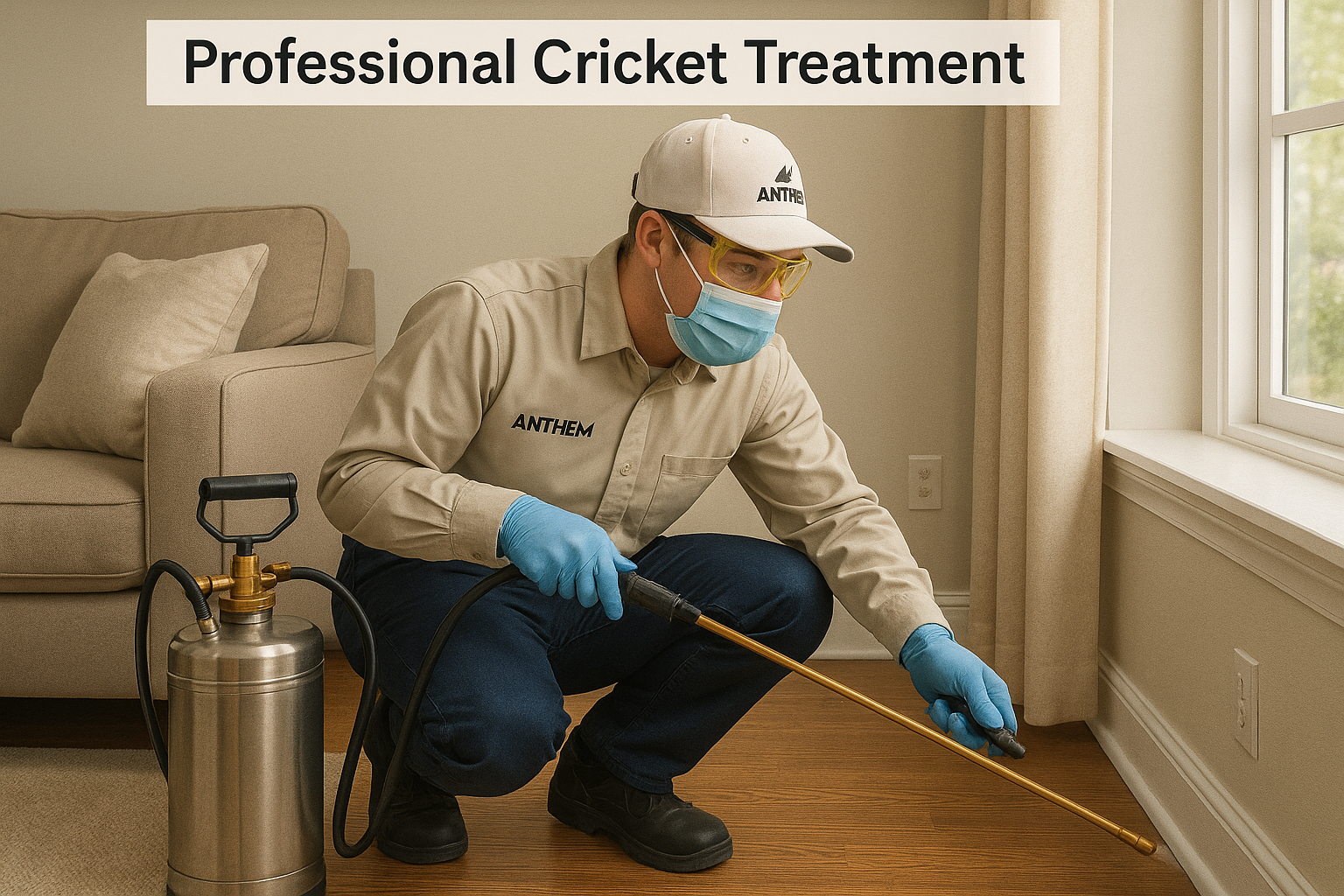
Crickets may seem harmless, but a sudden swarm can quickly turn your porch, kitchen, and bedrooms into a noisy, unsanitary mess. When DIY sprays and traps fail to keep the chirping at bay, it’s time to bring in a professional. Anthem Pest’s Emergency Cricket Program is designed for Smyrna homeowners who need fast, thorough relief without compromising family safety.
Two Core Treatment Methods
Our technicians deploy a two‑pronged approach that attacks crickets where they enter and where they hide:
- Perimeter Barrier Spray – A high‑coverage mist is applied around the exterior of your home, sealing cracks, gaps, and foundation walls. This creates an invisible wall that stops crickets from crossing onto your property.
- Indoor Residual Treatment – Once inside, crickets often hide in wall voids, baseboards, and under appliances. Our indoor residual formula clings to these surfaces for weeks, killing any intruders that make contact.
EPA‑Approved Chemicals for Safe Indoor Use
Both methods rely on EPA‑registered active ingredients that have been rigorously tested for indoor safety:
- Bifenthrin – A synthetic pyrethroid that provides long‑lasting knockdown and residual control. It’s approved for use in occupied homes when applied by a licensed professional.
- Permethrin – Another pyrethroid with a proven track record against jumping insects. It carries safety certifications for households with children and pets, provided it’s applied according to label directions.
Our technicians wear protective gear, follow strict application protocols, and ensure ventilation is adequate before you resume normal activities.
Transparent Pricing for Smyrna Homeowners
| Service | One‑time Cost | Quarterly Maintenance |
|---|---|---|
| Perimeter + Indoor Residual | $149 – $229 | $199 – $279 |
Verify 2024 Anthem Pest pricing sheet for cricket control.
Why Choose Anthem Pest?
Professional treatment offers advantages you simply can’t get from over‑the‑counter products:
- Thorough Coverage – Our technicians inspect every entry point and hidden harbor, ensuring no cricket escapes the treatment zone.
- Warranty & Follow‑Up – All services come with a satisfaction guarantee and a scheduled follow‑up visit to confirm the problem is resolved.
- Local Expertise – We understand Smyrna’s climate, landscaping trends, and the specific cricket species that invade homes here.
- Safe, Certified Products – EPA‑approved chemicals mean you protect your family while eliminating the pests.
When the chirping becomes a nightly nuisance, don’t gamble with DIY solutions. Call Anthem Pest at 877‑371‑8196 or visit anthempest.com to schedule an emergency visit. Our rapid response team will have your home quiet and cricket‑free—so you can enjoy a peaceful evening on your porch once again.
Seasonal Calendar: Prevent Future Crickets
Crickets thrive when moisture, shelter, and food are abundant. By following a simple month‑by‑month checklist, you can deny them the conditions they need and keep your Smyrna home cricket‑free year after year.
Early Summer (May‑June)
During the first warm weeks, focus on habitat reduction:
- Why Smyrna Homeowners Trust Anthem Pest
- Lack of EPA registration – No proof the technicians are certified to apply approved chemicals.
- Hidden fees – Surprise charges for follow‑up visits, fuel, or “service fees” that weren’t disclosed up front.
- No local reviews – A company that can’t show feedback from Smyrna or nearby neighborhoods may be new or unreliable.
- No warranty – Guarantees protect you; without one you’re stuck paying again if pests return.
- Insufficient safety training – Technicians should demonstrate recent training on handling pesticides safely around children and pets.
- [EPA cricket pest facts](https://www.epa.gov/pests/crickets)
- [NPMA Cricket Guide 2023](https://www.npmapestworld.org/pest-guide/crickets/)
- [CDC information on cricket allergens](https://www.cdc.gov/parasites/crickets)
For more than two decades, Anthem Pest has been a fixture in Cobb County, earning a solid 4‑star rating on Google from neighbors who have seen the results firsthand. Those stars aren’t just numbers; they represent families who have called us when crickets, ants, or rodents threatened their peace of mind.
Our technicians are not only EPA‑registered; they hold local certifications that prove they understand Georgia’s unique pest pressures. That expertise lets us choose the right product, apply it safely, and follow state‑mandated guidelines, so you never have to worry about harmful chemicals lingering in your yard or home.
We focus on the neighborhoods that matter most to Smyrna residents: Burnt Hickory, West Cobb, and South Smyrna. By concentrating our service area, we can respond faster, remember recurring issues, and build relationships that go beyond a single treatment. When you call, you’re speaking to a team that knows the streets, the trees, and the typical entry points pests use in your community.
Speed matters in an emergency, which is why we make contact effortless. Dial 877‑371‑8196 or visit our website for an instant quote, same‑day scheduling, and a clear breakdown of costs. No hidden fees—just transparent pricing you can budget for.
Choosing Anthem Pest means partnering with a local, trusted ally who blends experience, certification, and a genuine commitment to keeping Smyrna homes pest‑free. Let us put that 20‑year track record to work for you today.
5 Red Flags to Avoid When Hiring a Pest‑Control Company
Choosing the right service can mean the difference between a quick fix and a recurring invasion. Use this checklist to spot companies that aren’t playing by the rules.
DIY vs. Professional Treatment
| Aspect | DIY | Professional (Anthem Pest) |
|---|---|---|
| Cost | Low upfront, but recurring product purchases. | Transparent flat rate; includes follow‑up. |
| Effectiveness | Variable; often misses hidden infestations. | Comprehensive inspection and targeted treatment. |
| Safety | Higher risk of misuse or over‑application. | EPA‑registered technicians follow strict safety protocols. |
| Time | Hours of research and application. | Quick, scheduled service with minimal disruption. |
Anthem Pest checks every box on the red‑flag list: they are EPA‑registered, provide clear pricing, boast dozens of Smyrna homeowner reviews, back work with a solid warranty, and require ongoing safety certification for their crew. When you see any of the warning signs above, it’s time to move on and call a trusted partner like Anthem Pest.
FAQ – Emergency Cricket Control
Do crickets carry disease?
According to the Centers for Disease Control and Prevention, crickets are not known to transmit infectious diseases to humans. The primary health concern is allergic reactions caused by cricket body parts (chitin) and their droppings, which can trigger asthma or skin irritation in sensitive individuals.
How long does treatment last?
Most professional cricket treatments provide residual protection for 4–6 weeks. The formulation continues to suppress new hatches and adult activity during this period. If crickets reappear after the window, a follow‑up service can be scheduled to restore the barrier.
Can I keep my pets during spray?
We recommend keeping pets in a separate, well‑ventilated area until the spray has dried—usually 30 minutes to 1 hour. For indoor applications, confine cats and dogs to a room with the door closed, or move them outside. Once the area is dry and ventilated, pets can safely return.
What attracts crickets to my home?
Crickets are drawn to moisture, warm night temperatures, and outdoor lighting. Over‑watering lawns, leaky gutters, or cluttered yard debris create ideal breeding grounds. Reducing excess moisture and sealing entry points helps keep them away.
Do I need a follow‑up visit?
A single treatment often suffices for a moderate infestation, but severe or recurring problems benefit from a second visit. Our technicians can assess the situation and schedule a timely retreat if needed.
Emergency Cricket Control – Final Thoughts and Call to Action
Crickets may seem harmless, but when they invade your home they bring more than a chorus of night‑time chirps. The noise alone can disrupt sleep, while the shed exoskeletons and droppings can trigger allergies, especially for sensitive children and seniors. In extreme cases, large colonies can cause structural damage by nesting in insulation or wiring. That’s why a swift response isn’t a luxury—it’s essential for protecting your family’s health and your property’s integrity.
Before you pick up the phone, remember the three quick DIY steps that can buy you time while you arrange professional help. First, turn off outdoor lights or replace them with yellow‑tinted bulbs; crickets are drawn to bright sources. Second, seal any cracks, gaps, or openings around windows, doors, and the foundation—use silicone caulk or weather‑stripping to block their entry points. Finally, set up simple traps such as sticky boards or shallow dishes of soapy water near problem areas; these can reduce the immediate population without chemicals.
While those measures are useful, they rarely eradicate an established infestation. That’s where Anthem Pest’s Emergency Cricket Control program steps in. Our technicians are trained in the latest, EPA‑approved treatment protocols, ensuring rapid knock‑down of the entire colony. Because we serve Smyrna and the surrounding Metro Atlanta area, we understand the local cricket species and their seasonal habits, allowing us to target the problem at its source.
Our emergency service is priced transparently—starting at $149 for a one‑time treatment that includes a thorough inspection, customized application, and a follow‑up visit within 14 days. No hidden fees, no surprise add‑ons. Plus, we use low‑toxicity products that are safe for pets and children, aligning with our commitment to responsible pest management.
If you’re dealing with a noisy, allergenic, or damaging cricket invasion, waiting can make the situation worse. A fast, reliable solution is only a phone call away. Call us now for a free, no‑obligation quote and let our local experts restore peace to your home.
Phone: 877‑371‑8196
Website: Anthem Pest Control