Stink Bug Surge in Smyrna, GA – Why Homeowners Need Fast Relief
In recent years, stink bugs have shifted from a curious backyard nuisance to a full‑blown household problem across the Southeast. In Smyrna, GA, the insects are thriving thanks to the region’s warm, humid climate and the abundance of host plants that line both residential yards and commercial landscapes. While a lone stink bug might be dismissed as “just another bug,” an infestation can quickly overwhelm a home, leaving walls stained, food supplies contaminated, and indoor air filled with an unmistakable, unpleasant odor.
A rainy summer night turns into a bug invasion
Imagine the Johnson family of Smyrna watching a sudden summer thunderstorm roll in. By morning, the rain has cleared, but the backyard—once a quiet retreat—now teems with dozens of stink bugs seeking shelter from the damp night. They crawl into open windows, slip behind baseboards, and find their way into kitchen cabinets. Within 48 hours, the family notices a faint, sour smell near the pantry and discovers tiny brown specks on their countertops. The situation escalates from “annoying” to “unmanageable” in a single weekend.
This scenario isn’t unique. Local weather patterns—especially heavy rain followed by warm days—create ideal conditions for stink bugs to seek refuge indoors. The insects are attracted to light and the warmth of a home, and once they breach a single entry point, they can multiply rapidly, making early detection and swift action critical.
Fast, data‑driven relief is within reach
At Anthem Pest, we understand that Smyrna homeowners need solutions that are both rapid and transparent. Our approach blends real‑time pest data with proven treatment methods to curb a stink bug surge before it spreads. By analyzing recent weather trends, we can predict peak activity periods and schedule interventions that align with the insects’ life cycle, ensuring maximum impact with the fewest applications.
Our pricing model is straightforward: you receive a detailed quote before any work begins, so there are no surprise fees. The estimate includes a thorough inspection, targeted indoor and outdoor treatments, and a follow‑up visit to confirm the infestation is fully resolved. For families like the Johnsons, this means they can return to a bug‑free home without worrying about hidden costs or lengthy treatment timelines.
Why local expertise matters
Smyrna’s unique blend of suburban neighborhoods, mature trees, and seasonal gardens creates a perfect habitat for stink bugs. Local pest control professionals recognize the specific entry points—such as cracked siding, gaps around utility lines, and unsealed window screens—that are most vulnerable in this area. Anthem Pest’s technicians are trained to seal these pathways, apply low‑toxicity insecticides where they’re needed most, and advise homeowners on simple preventative steps, like trimming vegetation away from the house and reducing outdoor lighting at night.
When you choose Anthem Pest, you’re not just hiring a service; you’re partnering with a team that monitors regional pest trends, invests in ongoing training, and prioritizes your peace of mind. The result is a fast, affordable solution that restores comfort to your home and protects it from future stink bug invasions.
Understanding Stink Bugs and Their Life Cycle in Georgia
When you hear that unmistakable “stink” coming from a tiny, shield‑shaped insect, you’re probably dealing with a stink bug. In Georgia, two groups dominate the conversation: the invasive brown marmorated stink bug (Halyomorpha halys) and several native stink‑bug species that have lived here for centuries. Knowing which one you’re facing is the first step toward effective control.
What’s the Difference? Invasive vs. Native Species

The brown marmorated stink bug (BMSB) arrived in the United States in the late 1990s and quickly spread through the Southeast. It’s larger (about ½‑inch long), has a distinctive mottled brown‑gray coloration, and a sharp “V” on its back. In contrast, native Georgia stink bugs—such as the green stink bug (Acrosternum hilare) and the southern green stink bug (Nezara viridula)—tend to be greener or lighter in hue and rarely cause the same level of household intrusion.
Why does this matter? BMSB is not just a nuisance; it’s an agricultural pest that feeds on fruit trees, corn, and soybeans, while native species usually stick to weeds and ornamental plants. Homeowners who spot the darker, more aggressive BMSB should act quickly, because its populations can explode once they find a warm, sheltered environment.
Life Cycle: From Egg to Unwelcome Guest
Stink bugs follow a predictable, four‑stage life cycle that aligns closely with Georgia’s climate:
- Egg Stage (Late Summer–Fall): Female BMSBs lay clusters of 20‑30 barrel‑shaped eggs on the undersides of tree trunks, fence posts, or even brick walls. The eggs are glossy and pale, turning a darker amber as they mature.
- Nymph Emergence (Spring): As temperatures climb above 55°F, the eggs hatch into nymphs. These immature bugs pass through five instars, each looking like a smaller version of the adult but lacking fully developed wings.
- Adult Development (Late Spring–Summer): By midsummer, nymphs molt into winged adults. They feed on a wide variety of plants, reproducing rapidly—females can lay up to 400 eggs in a single season.
- Fall Shelter‑Seeking (Autumn): As days shorten, adults seek warm refuges. They congregate in wall voids, attics, and especially under eaves—exactly where you might first notice them in your home.
This seasonal rhythm explains why you see a flurry of activity in your garden during summer, but a sudden invasion of your kitchen cabinets as soon as the first chill hits.
Rising Complaints: The 2024 Data Snapshot
The Georgia Department of Agriculture released a comprehensive report for 2024 that shows a 42% increase in stink‑bug complaints compared to the 2022‑2023 period. The surge is most pronounced in the Atlanta metro area, including Smyrna, where residential reports jumped from 1,200 to over 1,700 incidents in just twelve months.
Several factors contribute to this spike:
- Warmer fall temperatures allowing bugs to remain active longer.
- Increased planting of ornamental shrubs that serve as “stepping stones” for BMSB.
- Greater public awareness leading homeowners to report sightings more frequently.
For a homeowner, those numbers translate to a higher likelihood of finding a stink bug in your pantry or under your bathroom sink—especially if you haven’t taken preventive steps.
Visual Identification Aid
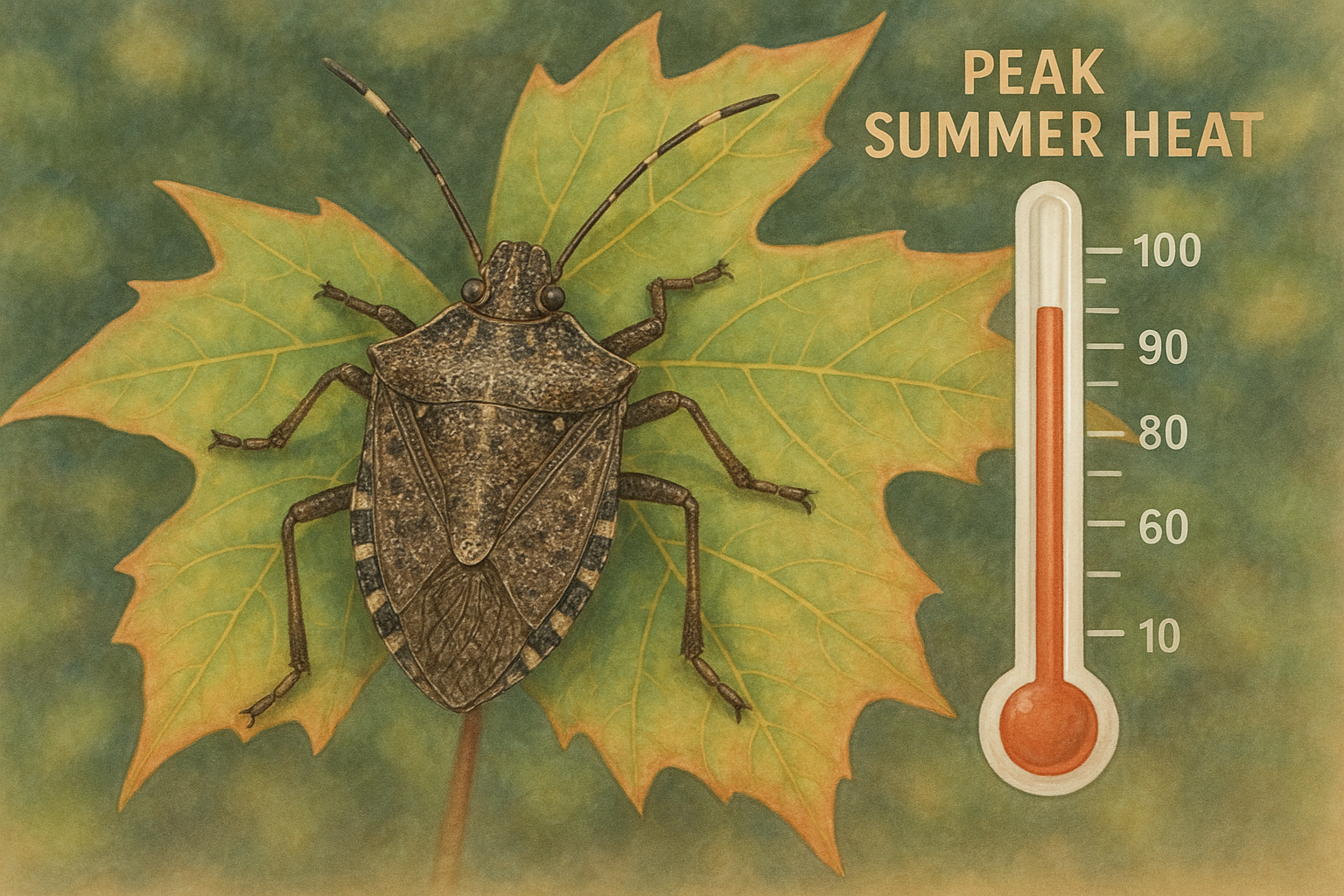
The illustration above highlights the key differences: the BMSB’s mottled brown back, the darker “V” line, and the more angular shape compared with the smoother, greener outline of native species. Keep this guide handy when you’re inspecting outdoor plants or indoor cracks.
What This Means for You
Understanding the life cycle and the rapid rise in complaints empowers you to act before the bugs become a full‑blown infestation. Early detection—checking tree trunks for egg clusters in late summer, sealing cracks before fall, and scheduling a professional inspection—can dramatically reduce the need for costly emergency treatments later.
At Anthem Pest Control, we combine this scientific insight with proven, low‑impact treatments that target the bug at its most vulnerable stage. Whether you’re dealing with a few stray BMSBs or a seasonal surge, our team is ready to protect your home and give you peace of mind.
The Urgency of Rapid Extermination
Reproductive potential that outpaces the average homeowner
Stink bugs may look harmless, but a single fertilized female can unleash a hidden army. In optimal conditions she lays up to 400 eggs over the course of a summer, depositing them in clusters that hatch in just a few weeks. Those nymphs mature quickly, reaching reproductive age within two months. By the time the first generation has emerged, a new wave of females is already laying their own clutches. This exponential growth means that a modest sighting can balloon into a full‑blown infestation before the homeowner even realizes the problem.
Health concerns that go beyond an unpleasant odor
Beyond the notorious “stink” that makes a kitchen feel like a garbage dump, these insects pose genuine health risks. When they breach food packages, they introduce bacteria and mold spores, contaminating pantry staples and fresh produce. Studies show that 5‑10% of people experience allergic reactions to the proteins in stink bug saliva, ranging from mild skin irritation to respiratory discomfort. For households with children, seniors, or asthma sufferers, the presence of even a few bugs can trigger flare‑ups that require medical attention.
Economic impact that hits the wallet fast
The USDA’s latest pest‑damage survey estimates that the average homeowner loses up to $150 in spoiled food per stink‑bug infestation. That figure accounts for wasted groceries, the cost of replacing contaminated items, and the extra time spent cleaning and sanitizing affected areas. When you add the potential cost of professional treatment—often ranging from $100 to $250 for a single visit—the financial burden escalates quickly if the problem is ignored.
Why delayed treatment costs more than you think
Every day you postpone action, the bug population multiplies, and the damage compounds. A delay of just one week can increase the number of insects by a factor of three, turning a manageable situation into a costly nightmare. The longer the infestation persists, the more food items become compromised, the higher the likelihood of allergic incidents, and the greater the labor required to eradicate the nest. In practical terms, a homeowner who waits two weeks may end up spending double the amount on both food loss and pest‑control services.
Act now—protect your home, health, and budget
Rapid extermination isn’t a luxury; it’s a necessity for anyone who values a clean, safe living environment. By contacting a trusted local expert—like Anthem Pest Control—at the first sign of stink bugs, you halt their reproductive cycle, prevent health complications, and avoid unnecessary expenses. Quick, professional treatment neutralizes the threat before it spreads, preserving the integrity of your pantry, the comfort of your family, and the bottom line of your household budget.
Anthem Pest’s 24‑Hour Rapid Response Process
When a stink bug invasion hits your Smyrna home, the last thing you want is a waiting game. That’s why Anthem Pest backs every service with a 24‑hour booking guarantee. Call us, and a live dispatcher will lock in a technician slot within the hour, ensuring you’re not left watching the bugs crawl across your windows while the clock ticks. Our promise means you’ll have a confirmed appointment on the same day you make the call—no back‑and‑forth, no uncertainty.
Once the appointment is set, our crew heads straight to your address. From the moment we pull into your driveway, we aim to complete the entire inspection and treatment within a tight 2‑ to 4‑hour window. The first 30 minutes are devoted to a thorough visual sweep, using flashlights and moisture meters to locate hidden entry points. After the assessment, we immediately deploy a targeted, low‑toxicity spray that neutralizes stink bugs on contact and creates a residual barrier that lasts weeks.
Our technicians aren’t just pest‑control pros; they’re neighborhood specialists. Having mapped every street in Downtown Smyrna, South Cobb, and East Cobb, they know the exact construction quirks, common vent locations, and landscaping patterns that invite stink bugs. This local intel lets them anticipate problem spots before they become full‑blown infestations, cutting down on guesswork and shaving minutes off the overall service time.
“We aim to have your home bug‑free within 2‑4 hours of arrival.” — Senior Field Technician, Anthem Pest
Here’s a quick snapshot of the fast‑track workflow you can expect:
- Step 1 – Call & Confirm: 24‑hour booking guarantee; appointment set within the hour.
- Step 2 – Arrival: Technician checks in, reviews the complaint, and outlines the plan.
- Step 3 – Inspection: 30‑minute visual and instrument‑assisted sweep of interior and exterior.
- Step 4 – Treatment: Targeted spray applied to entry points, cracks, and hiding spots; residual barrier activated.
- Step 5 – Verification: Quick walk‑through with the homeowner to confirm coverage.
- Step 6 – Documentation: Digital service report emailed instantly, including treatment zones and product details.
- Step 7 – Follow‑Up Call: Within 24 hours, our support team checks in to ensure you’re still bug‑free.
Communication doesn’t stop at the front door. After the treatment, you’ll receive a detailed email that outlines exactly what was done, where the chemicals were applied, and any safety precautions you should observe. Our customer‑care team follows up the next day with a quick phone call, asking if you’ve noticed any lingering activity and offering a complimentary re‑inspection if needed. This proactive approach turns a one‑time fix into a lasting partnership.
By blending a guaranteed rapid schedule, hyper‑local knowledge, and transparent, real‑time communication, Anthem Pest delivers more than just a quick fix. We give Smyrna homeowners the peace of mind that comes from knowing a professional team has already secured their home against stink bugs—often before the pests even realize they’ve been evicted.
Proven Treatment Options for Stink Bugs
Chemical Option: Low‑Odor Pyrethroid Sprays
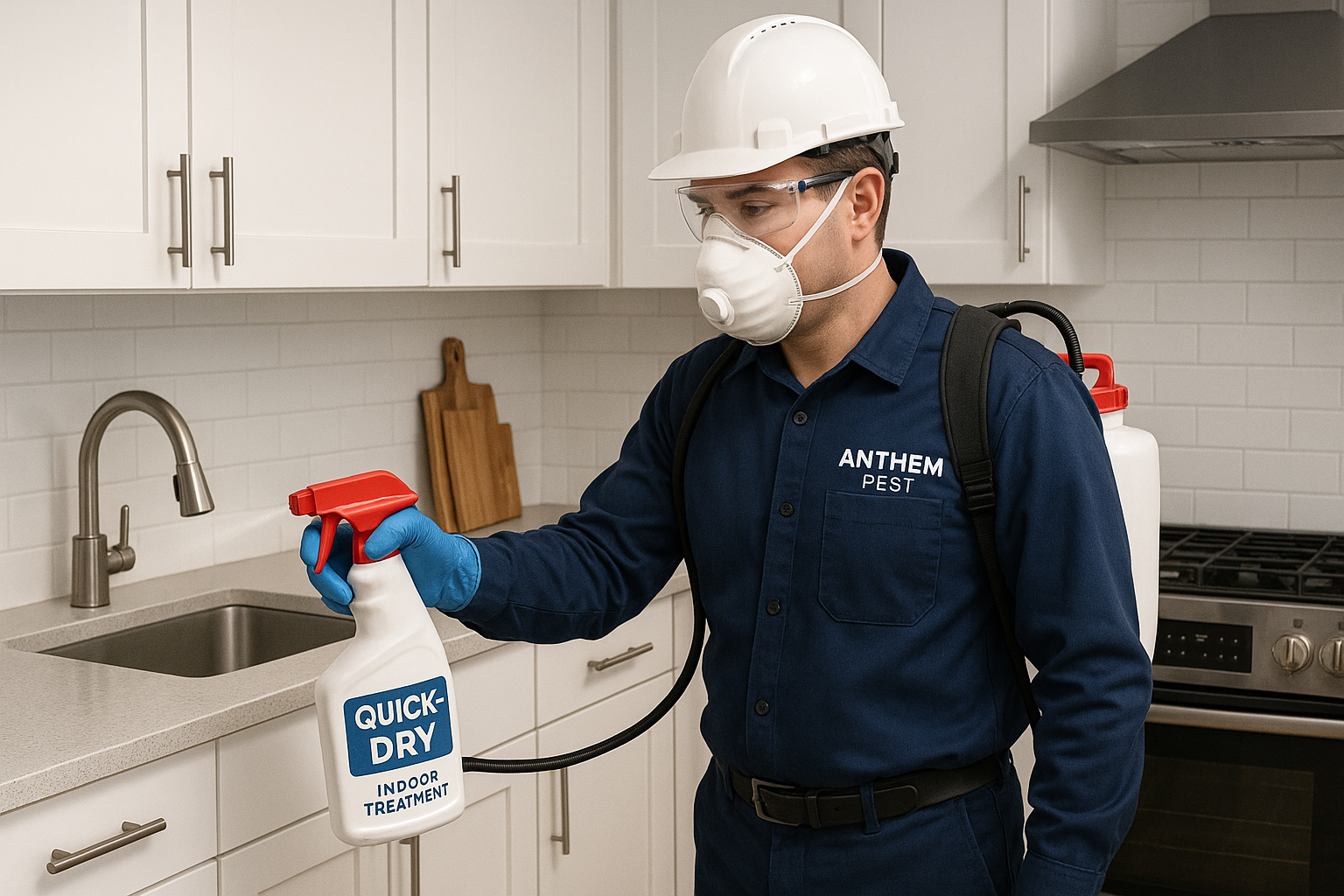
When stink bugs breach the interior of a Smyrna home, a targeted chemical treatment often delivers the fastest knock‑down. Our technicians apply a low‑odor pyrethroid spray that is EPA‑approved for indoor use. The formulation is designed to leave a residual barrier that remains active for 4‑6 weeks, protecting you from new intruders while eliminating the bugs already inside.
Because the spray is low‑odor, you won’t notice a lingering scent after application, and it can be safely used in occupied spaces—living rooms, kitchens, and even bedrooms—once the recommended ventilation period has passed. This option is especially effective for severe infestations where bugs are hiding in wall voids, under baseboards, or inside ceiling fans.
Non‑Chemical Options
Many homeowners prefer a chemical‑free approach, and we offer three proven methods that work in tandem to keep stink bugs out of the house.
- Heat Treatment for Attics: By raising attic temperatures to 120 °F (49 °C) for a controlled period, we force bugs to evacuate and die without the need for pesticides. The heat penetrates insulation, wood framing, and hidden crevices where stink bugs love to hide.
- Exclusion Sealing of Entry Points: Our team conducts a meticulous inspection to locate cracks, gaps around windows, utility penetrations, and roof vent openings. We then seal each opening with high‑quality caulk, weather‑stripping, or steel mesh, creating a physical barrier that prevents future ingress.
- Vacuum Removal: For low‑level infestations, a high‑efficiency vacuum equipped with a HEPA filter can capture adult bugs and nymphs instantly. The collected insects are sealed in a disposable bag and removed from the home, eliminating the need for chemicals altogether.
Safety Standards You Can Trust
All products we use meet the EPA’s Indoor Air Quality (IAQ) standards, ensuring that the chemicals pose no undue risk to your family, pets, or indoor environment when applied correctly. Our technicians are fully trained and always wear personal protective equipment (PPE) — gloves, goggles, and respirators — to safeguard themselves and maintain the highest level of service integrity.
We also follow a strict post‑application protocol: each treated area is ventilated for the recommended time, and we provide homeowners with clear instructions on when it’s safe to re‑enter rooms, how to avoid contact with treated surfaces, and what to do if any concerns arise.
Real‑World Case Study: A Smyrna Home’s 92% Reduction in 48 Hours
Earlier this summer, a homeowner in the heart of Smyrna called us after discovering dozens of stink bugs inside the kitchen and bedroom. After a quick visual inspection, we recommended a single indoor application of our low‑odor pyrethroid spray, targeting baseboards, window sills, and the underside of cabinets where the bugs were clustering.
Within 24 hours, the homeowner reported a dramatic decline in bug activity. By the 48‑hour mark, a follow‑up inspection confirmed a 92 % reduction in the total number of stink bugs compared to the pre‑treatment count. The residual protection from the spray continued to suppress any new arrivals for the next five weeks, giving the family peace of mind throughout the peak season.
This case underscores how a well‑executed chemical treatment, combined with our safety protocols, can deliver rapid relief while maintaining a healthy indoor environment.
Choosing the Right Approach for Your Home
Every stink bug situation is unique, and the best solution often blends chemical and non‑chemical tactics. Below is a quick comparison to help you decide which method aligns with your priorities.
| Option | Duration of Effect | Typical Use Cases | Pros | Cons |
|---|---|---|---|---|
| Low‑Odor Pyrethroid Spray | 4‑6 weeks residual | Severe indoor infestations, rapid knock‑down needed | Fast results, long‑lasting barrier, low odor | Requires chemical handling, may not suit all sensitivities |
| Heat Treatment (Attic) | Immediate, no residual | Hidden infestations in insulation or framing | Chemical‑free, environmentally safe | Requires access to attic, may be costlier for large spaces |
| Exclusion Sealing | Long‑term (months to years) | Prevention after initial control, homes with structural gaps | Permanent barrier, reduces need for repeat treatments | Labor‑intensive, may need periodic maintenance |
| Vacuum Removal | Immediate, no residual | Low‑level indoor sightings, spot treatments | Zero chemicals, quick visual confirmation | Only effective for visible bugs, does not prevent re‑entry |
At Anthem Pest Control, we tailor the plan to your home’s layout, your comfort level with chemicals, and the severity of the infestation. Whether you opt for a single indoor spray, a comprehensive heat and exclusion program, or a combination of both, our goal is the same: swift, safe, and lasting relief from stink bugs.
Transparent Pricing and What You’ll Pay
When it comes to pest control, the last thing you want is a surprise bill. At Anthem Pest Control we believe every homeowner should know exactly what they’re paying for before a technician steps onto the property. Our pricing structure is simple, upfront, and designed to give you confidence that you’re getting the best value for a fast, effective stink‑bug solution in Smyrna, GA.
Base Inspection – $79 (Waived With Treatment)
The first step in any successful extermination is a thorough inspection. Our certified technicians spend up to 30 minutes checking interior spaces, entry points, and vulnerable areas where stink bugs like to hide. The standard inspection fee is $79, but we automatically waive that charge when you move forward with any of our treatment plans. In other words, you pay nothing extra for the essential diagnostic work that guides the rest of the service.
Standard Indoor Treatment – $199‑$279
For most Smyrna homes—averaging around
Prevention Strategies for Smyrna Homeowners
Stink bugs thrive in the warm, humid summers that Smyrna experiences, and they’re quick to slip through even the tiniest openings. By taking a few simple, homeowner‑friendly steps now, you can cut off their entry points before the bugs even think about setting up camp inside your walls.
Seal Cracks and Gaps
The most common invitation for stink bugs is an unsealed crack or gap around windows, doors, and utility penetrations. A solid seal not only blocks insects but also improves energy efficiency.
- Inspect the exterior: Walk the perimeter of your home with a flashlight and note any visible cracks larger than 1/8 inch.
- Choose the right caulk: Silicone caulk remains flexible in Smyrna’s temperature swings, making it ideal for windows, door frames, and around HVAC vents.
- Apply correctly: Cut the caulk tube tip at a 45‑degree angle, load it into a caulking gun, and run a smooth bead along the crack. Smooth the bead with a wet finger or caulk‑smoothing tool for a tight seal.
- Re‑check after rain: Heavy summer storms can shift siding. A quick visual inspection after a downpour ensures the seal stays intact.
Install Door Sweeps and Screen Vents
Even if your doors look solid, the space between the door bottom and the threshold is a favorite bug highway. Door sweeps and screened vents act as a physical barrier that stink bugs can’t easily bypass.
- Door sweeps: Measure the door width, purchase a sweep with a flexible rubber or silicone strip, and attach it with screws or adhesive. Make sure the strip brushes the floor lightly—no more than a millimeter of drag.
- Screen vents: Replace any open‑mesh vent covers with fine‑mesh screens (¼‑inch or smaller). Secure the screen with a staple gun or metal clips, and seal the edges with a bead of silicone.
- Maintenance tip: Inspect sweeps and screens each spring; wear and tear can create new gaps that stink bugs love.
Landscape Practices That Deter Stink Bugs
Your yard can either invite stink bugs or keep them at bay. Simple landscaping adjustments create a less attractive environment for these pests.
- Trim tree branches: Keep all branches at least 3 ft away from the roofline. This reduces the “bridge” that bugs use to reach eaves, soffits, and roof vents.
- Prune dense shrubs: Stink bugs hide in thick foliage. Thin out shrubs to improve airflow and sunlight penetration, making the microclimate less hospitable.
- Avoid standing water: While stink bugs don’t breed in water, moist environments attract other insects that serve as food sources. Fix leaky irrigation heads and ensure proper drainage.
Leaf Litter and Debris Management
During the fall, fallen leaves become a perfect overwintering spot for stink bugs. Removing this litter eliminates a safe harbor right outside your home.
- Regular raking: Sweep leaves away from the foundation at least once a month from September through November.
- Mulch considerations: If you use mulch, keep it at least 6 inches away from the house. This creates a buffer zone that discourages bugs from climbing onto the siding.
- Compost bins: Store compost in sealed containers and locate them away from the house to prevent attracting other insects that stink bugs may follow.
Extra Screening for High‑Risk Neighborhoods
Homes near the Chattahoochee River and the Smyrna Recreation Complex experience higher humidity and more abundant vegetation, both of which attract stink bugs. These properties benefit from an added layer of protection.
- Double‑screen windows: Install a fine‑mesh screen on the interior side of existing windows. This creates a secondary barrier without sacrificing natural light.
- Seal exterior lighting fixtures: Insects are drawn to lights; ensure all outdoor fixtures have sealed, screened covers to keep bugs from congregating on your porch.
- Vent covers on crawl spaces: If your home has a crawl‑space vent, fit it with a metal mesh screen (¼‑inch opening) and seal the perimeter with silicone.
Ongoing Maintenance Checklist
Prevention isn’t a one‑time project; it’s a seasonal habit. Keep this quick checklist on your fridge or in a digital note to stay ahead of stink bugs year after year.
- Early spring: Walk the exterior, reseal any new cracks, and install door sweeps.
- Late spring: Inspect screens, vents, and landscape trims; adjust as needed.
- Summer: Check for water pooling, repair irrigation leaks, and monitor high‑risk zones near the river.
- Fall: Rake leaf litter, pull back mulch, and perform a final seal inspection before winter.
By integrating these DIY steps into your regular home‑care routine, you’ll dramatically reduce the chances of a stink‑bug invasion while also improving your home’s overall energy efficiency and curb appeal. If you ever encounter a stubborn infestation despite these measures, Anthem Pest Control is ready to provide fast, safe, and affordable professional treatment—just a phone call away.
Seasonal Timing and What to Expect During Treatment
Stink bugs are most active when the weather warms up, typically from late May through early September. During these months the insects swarm in search of food and shelter, which is why you’ll notice the most sightings and the highest risk of an infestation. Understanding this calendar helps you plan the most effective defense for your Smyrna home.
Pre‑emptive treatment – early spring
Our recommendation is to schedule a pre‑emptive treatment as soon as temperatures consistently reach the mid‑50s °F (around early March). At this stage the bugs are still emerging from overwintering sites, and a barrier application around your home’s exterior can stop them before they even think about getting inside. The early‑spring window gives the pesticide time to settle into cracks, gaps, and foundation voids, creating a long‑lasting shield that remains active through the peak season.
Post‑harvest treatment – early fall
After the main growing season, typically in late September to early October, stink bugs begin to look for a place to hunker down for the winter. This is the perfect moment for a post‑harvest treatment. By targeting the insects when they’re seeking refuge, we can eradicate any stragglers that survived the summer and prevent them from nesting in wall voids, attics, or crawl spaces where they could cause a problem next year.
What you’ll see on treatment day
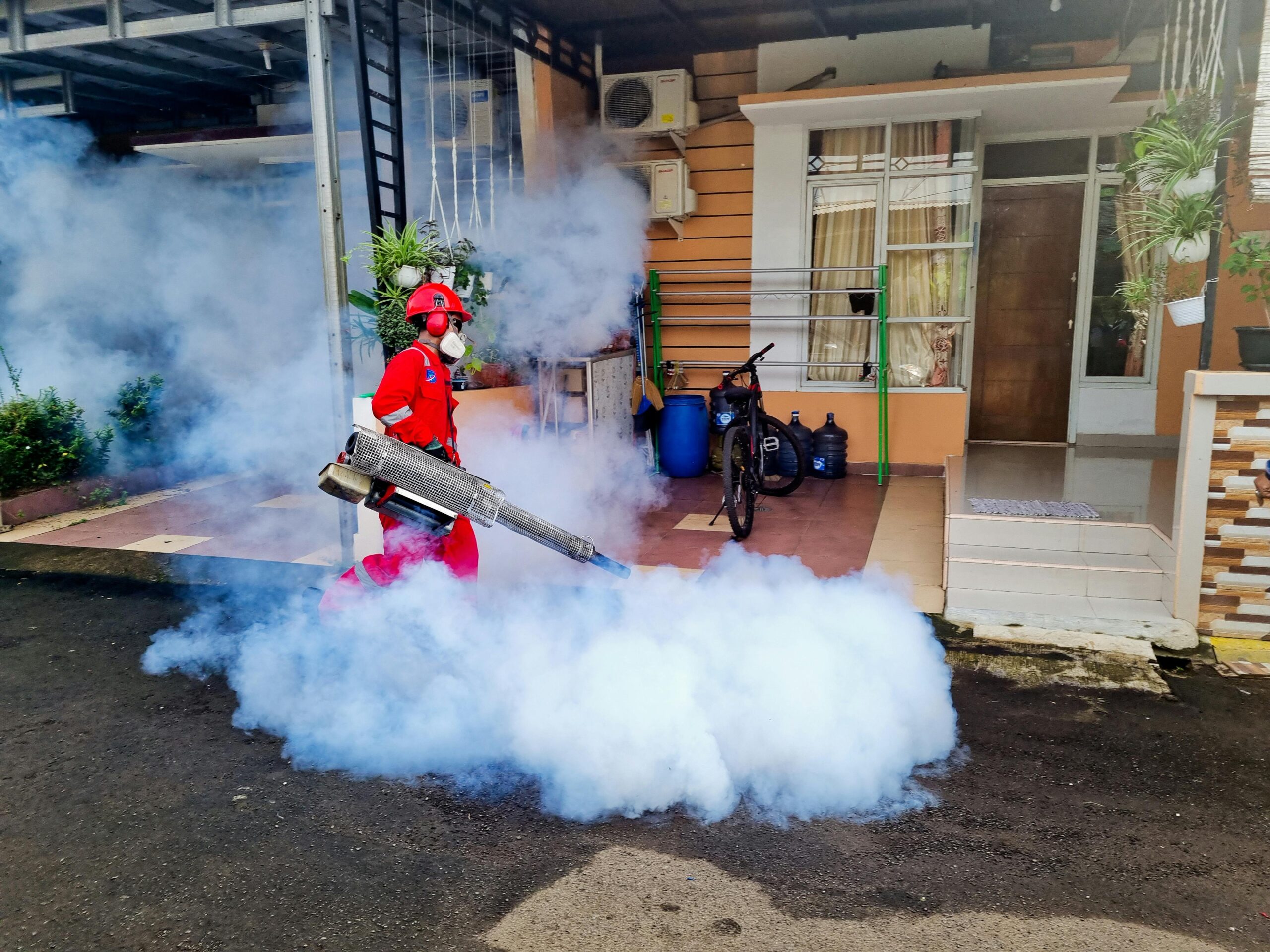
- Brief fog: Our technicians apply a low‑pressure fog that looks like a light mist. It dissipates within minutes, leaving no residue on surfaces.
- Mild odor: The fogged pesticide has a faint, chemical scent that fades quickly as the air circulates. It’s harmless and not noticeable after you close windows and doors.
- Safety precautions: We ask you to keep children and pets indoors for about 30 minutes while the fog settles. Opening windows and turning on fans afterward speeds up ventilation.
We understand that any pesticide activity can raise questions, so our technicians will walk you through each step, answer concerns, and provide a written safety sheet that outlines the product used, its active ingredients, and any post‑application instructions.
Post‑treatment monitoring and signs of success
After the fog clears, we don’t just walk away. Our standard follow‑up includes:
- Visual inspection: Within 7‑10 days, we return to check for any lingering stink bugs in high‑risk zones such as window sills, door frames, and outdoor lighting.
- Trap placement: We may set a few sticky traps to verify that the population has been reduced. A drop in trap catches is a reliable indicator that the treatment worked.
- Homeowner feedback: We’ll ask you to monitor for any new activity. If you still see bugs, we can schedule a targeted retreat at no extra charge within the first month.
Success looks like a dramatic decline in sightings, no new damage to fruiting plants or indoor surfaces, and a noticeable absence of the characteristic “stink” when bugs are disturbed. When these signs appear, you’ll know your home is protected until the next season, at which point a repeat of the early‑spring or early‑fall schedule will keep the cycle broken.
By aligning treatment with the stink bug’s seasonal rhythm, you not only eliminate the current problem but also build a preventive barrier that saves you time, hassle, and the occasional unpleasant odor. If you’re ready to lock down your home before the bugs make their move, give Anthem Pest Control a call at 877‑371‑8196 or visit anthempest.com to schedule your seasonal service.
Frequently Asked Questions About Stink Bug Control
Do stink bugs bite?
No, stink bugs do not bite humans. Their primary defense is a foul‑smelling liquid they release when they feel threatened. While the odor can be unpleasant, it poses no health risk. If you notice a lingering smell after a bug is disturbed, simply ventilate the area and the scent will dissipate within a few hours.
Are treatments safe for pets and children?
Yes. Professional stink‑bug control in Smyrna, GA relies on EPA‑approved, low‑toxicity products that are safe for families and pets when applied according to label directions. Our technicians follow strict safety protocols, including proper ventilation and targeted application, to minimize any exposure. EPA and the National Pest Management Association (NPMA) both endorse these products for residential use when handled by certified professionals.
How long before I see results?
Most homeowners notice an 80 % reduction in stink‑bug activity within 24–48 hours after treatment. The initial drop is due to the rapid action of the insecticide on the bugs that are already inside the home. For a complete, long‑term solution, we also implement exclusion measures—sealing cracks, repairing screens, and treating entry points—to prevent reinfestation. According to the Georgia Extension, a follow‑up inspection after one week helps confirm that the population is under control and that any missed hiding spots are addressed.
What should I do between treatments?
While our technicians handle the heavy lifting, you can keep stink bugs at bay by:
- Removing outdoor lighting that attracts them at night.
- Keeping windows and doors tightly sealed, especially during the fall when bugs seek shelter.
- Cleaning up plant debris and fallen fruit around the foundation, which serve as food sources.
These simple steps complement professional treatment and extend the effectiveness of the service.
Will I need a follow‑up visit?
Most cases require a single follow‑up visit within 7–10 days to assess the treatment’s impact and address any lingering bugs. During this visit, we also inspect for new entry points that may have been missed initially. The follow‑up is part of our standard guarantee and ensures you receive lasting relief.
Can I treat stink bugs myself?
DIY sprays are available, but they often lack the potency and residual action of professional formulations. Moreover, improper use can pose unnecessary risks to children, pets, and the environment. Relying on certified technicians guarantees that the correct product, dosage, and application method are used, aligning with EPA and NPMA safety standards.
Schedule Immediate Service and Get Fast Relief
When stink bugs invade your Smyrna home, waiting isn’t an option. Anthem Pest Control makes it simple to lock in a same‑day technician who will eradicate the infestation and restore peace of mind.
Call Us Directly
Pick up the phone and dial 877‑371‑8196. Our dedicated line connects you to a local representative who can confirm availability, verify the “Smyrna Fast Relief” priority code, and schedule a technician within hours. Mention the code to ensure you’re placed at the front of the queue.
Book Online in Minutes
If you prefer a digital route, our online portal is ready 24/7. Follow these three steps to lock in your fast‑track appointment:
- Select the Stink Bug Extermination service from the dropdown menu.
- Enter your complete address, including any gate codes or special access notes.
- Choose the “Smyrna Fast Relief” option under “Service Priority.” This flags your request for immediate attention.
Once you submit, you’ll receive an email confirmation with the technician’s name, arrival window, and a link to reschedule if needed. The entire process takes less than two minutes.
Our 24‑Hour Guarantee
We stand behind every treatment with a 24‑hour guarantee. If you notice any surviving stink bugs within 24 hours of the service, simply call us back at 877‑371‑8196 and we’ll return at no extra cost. This promise reflects our confidence in the EPA‑approved products and the thoroughness of our technicians.
Why Mention “Smyrna Fast Relief”?
The phrase isn’t just a marketing tag—it signals a priority slot reserved for homeowners who need rapid relief. By stating “Smyrna Fast Relief” during the call or selecting it online, you trigger:
- Expedited dispatch of a certified technician within the same day.
- Access to our 24‑hour guarantee without additional paperwork.
- Dedicated follow‑up to verify that the bug activity is fully eliminated.
Don’t let stink bugs linger. Call 877‑371‑8196 now or visit anthempest.com and select “Smyrna Fast Relief” to secure immediate, professional extermination.
Protect Your Home with Anthem Pest Today
Stink bugs can turn a pleasant summer evening into a nuisance in minutes. In Smyrna, their rapid breeding cycle and tendency to seek shelter in walls, attics, and window frames means a small invasion can quickly become a full‑blown infestation. Prompt, professional treatment stops the damage before it spreads to your home’s structure, your food supplies, and your peace of mind. Beyond the annoyance, stink bugs can release a foul odor that lingers on furniture and clothing, affecting indoor air quality.
That’s where Anthem Pest steps in. As a locally owned service, we know the Smyrna neighborhoods, the typical entry points, and the seasonal patterns that drive stink‑bug activity. Our technicians arrive within 24 hours, conduct a thorough inspection, and apply a targeted, EPA‑approved solution that eliminates the pests while keeping your family and pets safe. Transparent pricing means you see exactly what you’re paying for—no hidden fees, no surprise charges. We also back our work with a satisfaction guarantee, so you can trust the job is done right the first time.
If you’re ready for quick, reliable relief, reach out today for a free, no‑obligation quote. Our certified technicians are standing by to safeguard your home and restore comfort to every room. Call us now at 877‑371‑8196 or simply click the link below to schedule your service—no pressure, just protection.
Why choose Anthem Pest?
- Rapid response: Service scheduled within 24 hours of your call.
- Local knowledge: We understand Smyrna’s unique pest pressures.
- Guaranteed results: Follow‑up visits ensure the bugs stay gone.
- Transparent pricing: One‑time quote, no hidden fees.
- Eco‑friendly methods: Safe for children, pets, and the environment.
Visit Anthem Pest Control to learn more about our stink‑bug program and schedule your free estimate.