
Why Earwigs Matter in Your Home
Earwigs belong to the order Dermaptera, a group of nocturnal insects most recognized by their slender bodies and characteristic pair of forceps‑like cerci at the rear. In the United States, the most common species you’ll encounter are the European earwig (Forficula auricularia) and the Southern earwig (Labidura riparia). Both are harmless to structural elements but can become a real headache when they start sharing your living space.
Where They Hang Out
Earwigs love damp, sheltered environments. Outdoors they thrive in garden beds, under mulch, leaf litter, and woodpiles—anywhere moisture lingers. Inside, they slip into bathrooms, kitchens, basements, and crawl spaces, especially where there’s a leaky pipe, a dripping faucet, or a condensation problem. Those same moisture‑rich spots are also perfect breeding grounds for other pests, making earwigs an early warning sign of broader humidity issues.
Why They Can Be a Nuisance
Although earwigs are primarily plant feeders, they’ll nibble on tender foliage, seedlings, and even ornamental roses, leaving ragged edges that can stress your garden. Inside the home, they’re attracted to soft foods, pet food, and even decaying organic matter. While bites are rare, a defensive pinch from their cerci can feel like a mild sting—enough to startle a homeowner. More importantly, a sudden surge of earwigs often signals excess moisture, which can lead to mold growth, wood rot, and attract termites or carpenter ants.
What This Article Will Cover
Understanding earwigs is the first step toward effective control. In the sections that follow, we’ll walk you through:
- Identification: How to confirm you’re dealing with earwigs and not a look‑alike.
- Warning signs: The subtle clues that tell you an infestation is brewing.
- Treatment options: From DIY traps to professional, EPA‑approved solutions.
- Pricing: Transparent cost breakdowns so you know exactly what to expect.
- Seasonal prevention: Timing your actions to keep earwigs at bay year‑round.
- Next steps: When to call Anthem Pest Control for a fast, safe, and affordable resolution.
By the end of this guide, you’ll not only recognize why earwigs matter but also have a clear roadmap to protect your home, preserve your garden, and eliminate the moisture conditions that invite them in the first place. Let’s dive in and take the mystery out of earwig emergencies, so you can enjoy a pest‑free Peachtree City home.
Spotting an Earwig – Identification Guide
Earwigs are often mistaken for harmless insects, but recognizing them early can prevent a surprise infestation. Below are the visual and behavioral cues you’ll need to spot an earwig around your Peachtree City home.
Physical Characteristics
- Body shape: elongated, flattened, and typically 2–3 cm long.
- Color: reddish‑brown to dark brown, sometimes with a glossy sheen.
- Cerci: a pair of forceps‑like pincers at the rear, which give earwigs their distinctive silhouette.
- Legs: six slender legs that allow quick scurrying across surfaces.
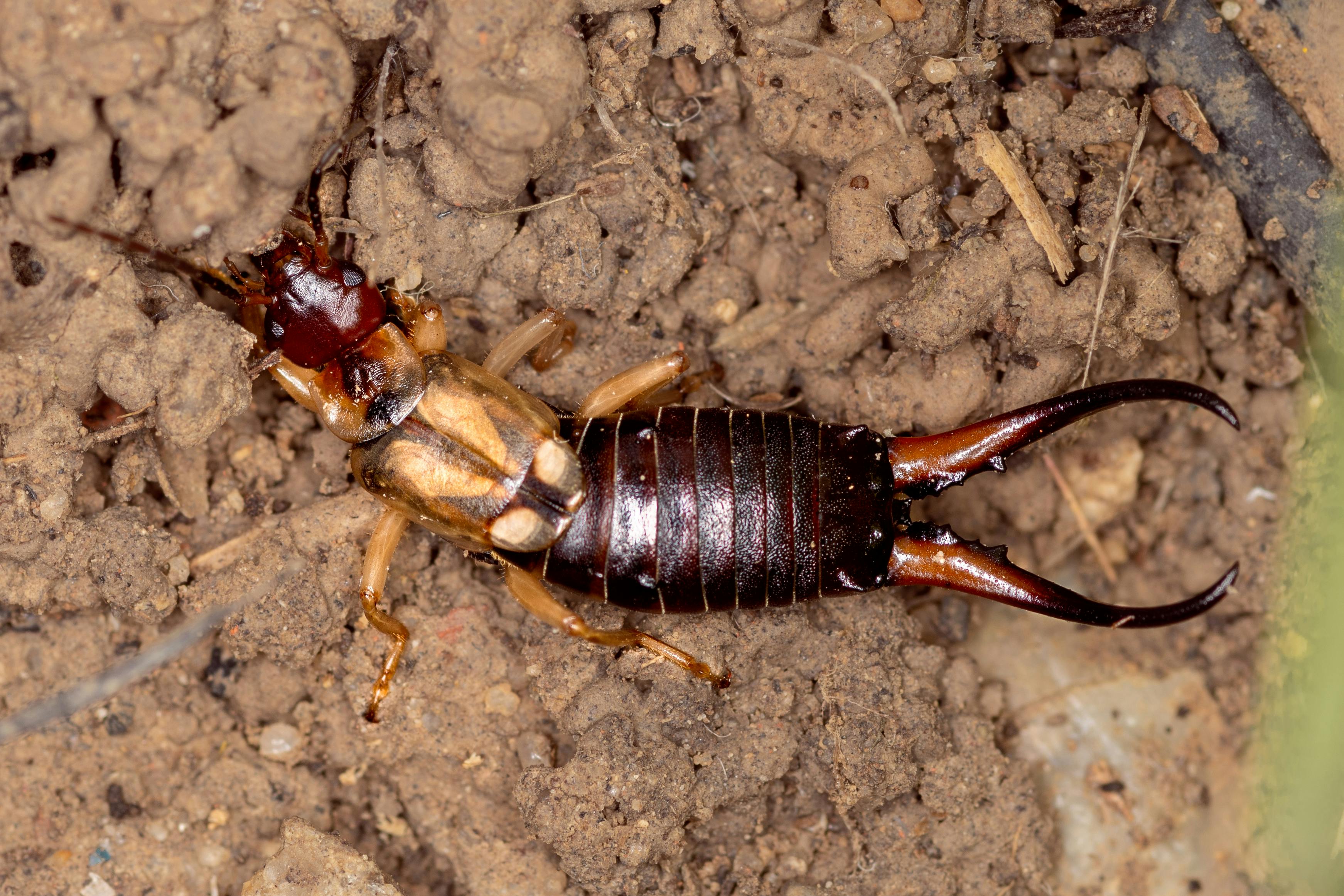
Close‑up Details
When you get a closer look, a few finer features confirm the identification:
- Antennae: three segments, each slightly longer than the previous, ending in a delicate tip.
- Wings: short, leathery hindwings folded beneath short, non‑functional forewings (tegmina). Many earwigs appear wingless because the forewings are reduced.
- Eyes: compound eyes positioned on the sides of the head, giving a wide field of view.
Common Locations in and Around the Home
Earwigs prefer moist, sheltered environments. In a typical Georgia household you’ll find them:
- On the soil surface or under rocks in the garden.
- Within leaf litter or mulch beds.
- Sliding into kitchen cracks, especially near sinks and dishwashers.
- Hiding behind bathroom tiles, under shower curtains, or in grout lines.
- Inside basements or crawl spaces where humidity is high.
How to Differentiate Earwigs from Similar Pests
Two pests homeowners often confuse with earwigs are silverfish and certain beetles. Here’s a quick comparison:
| Feature | Earwig | Silverfish | Beetle (e.g., carpet beetle) |
|---|---|---|---|
| Body shape | Elongated, flattened, tapered rear | Fish‑like, tapered at both ends | Rounder, often convex |
| Cerci (pincers) | Prominent forceps‑like pair | Absent | Absent |
| Color | Reddish‑brown | Silvery‑gray | Varies (often mottled) |
| Wings | Short hindwings, reduced forewings | None | Fully developed elytra |
| Preferred habitat | Moist, dark cracks; outdoors in leaf litter | Dry, dark areas like bookshelves | Carpets, stored fabrics |
Spotting the forceps‑like cerci is the quickest way to confirm you’re looking at an earwig. If the insect lacks these pincers, you’re likely dealing with a silverfish or a beetle.
Why Accurate Identification Matters
Misidentifying a pest can lead to ineffective treatments and wasted money. By learning these visual cues, you’ll know when to call Anthem Pest Control for a targeted earwig solution—ensuring the problem is tackled safely and affordably before it spreads.
Warning Signs of an Earwig Infestation
Live earwigs showing up where you don’t expect them
Finding a few earwigs scuttling across your kitchen counters, bathroom tiles, or basement floor after sunset is a red flag. These nocturnal insects are attracted to the cool, damp corners of a home, so a sudden increase in sightings usually means they’ve found a reliable water source inside. If you spot them regularly, especially during the night, it’s time to investigate how they’re getting in.
Unusual bite marks on skin or pet fur
Earwigs are not aggressive biters, but a rare bite can leave tiny, reddish punctures that look like mosquito bites. Homeowners sometimes notice these marks after a night of restless sleep or on a pet that has been lounging near a damp wall. While the bites are harmless, they signal that earwigs are close enough to make contact.
Damage to soft fruits, seedlings, and ornamental plants
In the garden or indoor plant area, look for chewed edges on strawberries, tomatoes, or tender seedlings. Earwigs feed on soft plant material, and a sudden appearance of ragged leaves or missing fruit can be an early indication that a colony has moved from the soil into your living space. This damage often spreads quickly once the insects feel safe inside.
Increased moisture or hidden water leaks
Earwigs thrive in damp environments, so any rise in humidity or unnoticed leaks can turn your basement or crawl space into a perfect breeding ground. Check for water stains on walls, musty smells, or condensation on pipes. Addressing the moisture problem not only deters earwigs but also prevents mold and other moisture‑related issues.
Signs of structural entry points
Cracks in concrete floors, gaps around plumbing, and deteriorated caulking are the highways earwigs use to slip inside. Inspect the perimeter of your basement, especially where the foundation meets the walls. Even a hairline crack can become a permanent doorway for a growing population if left unrepaired.

By staying alert to these warning signs—live sightings, bite marks, plant damage, excess moisture, and structural gaps—you can catch an earwig problem before it spreads. Early detection makes professional treatment faster, more effective, and less costly, keeping your home comfortable and pest‑free.
Treatment Options and Pricing for Earwig Control
Earwigs can pop up quickly when moisture and shelter combine, so you need a clear plan that matches the severity of the invasion. Below you’ll find both do‑it‑yourself (DIY) tactics you can start tonight and the professional services that guarantee a long‑term fix.
DIY Approaches You Can Try Right Now
- Moisture traps – Fill a shallow dish with water and a few drops of dish soap; earwigs are attracted to the moisture and drown.
- Rolled newspaper traps – Moisten a newspaper, roll it tightly, and place it in dark corners; earwigs crawl in and stay hidden.
- Diatomaceous earth – Sprinkle food‑grade diatomaceous earth around entry points; the microscopic shards abrade their exoskeletons and dehydrate them.
- Natural repellents – Mix citrus oil or neem oil with water and spray seams, cracks, and garden beds; the strong scent disrupts earwig foraging.
These methods are inexpensive and safe for pets, but they work best when the population is low and the source of moisture is already under control.
When DIY Is Insufficient
If you notice any of the following, it’s time to call a professional:
- Swarms of earwigs emerging at night, especially around outdoor lights.
- Repeated sightings despite traps and repellents.
- Persistent dampness in basements, crawl spaces, or under siding.
- Damage to plants or soft wood that seems to spread.
These signals usually mean the infestation has moved beyond the reach of simple traps and that structural moisture is feeding the colony.
Professional Treatment Methods
- Targeted insecticide sprays – Certified technicians apply low‑toxicity sprays directly to hiding spots, eliminating adults and nymphs on contact.
- Perimeter treatments – A barrier spray around the home’s foundation stops new earwigs from entering.
- Structural sealing – Cracks, gaps, and vent openings are caulked or screened, removing the pathways earwigs use to migrate indoors.
- Follow‑up inspections – Technicians return after 7‑10 days to verify that the population is gone and to treat any late‑emerging survivors.
Transparent Pricing Tiers (Infographic Below)
Anthem Pest Control offers three clear‑cut packages, each designed to fit a different level of urgency and budget.
- Basic Tier – One‑time, single‑visit treatment with a 24‑hour response guarantee. Ideal for isolated sightings.
- Standard Tier – Two to three visits, including initial treatment, a monitoring check, and a follow‑up spray. Best for moderate infestations.
- Premium Tier – Full‑home seal, multiple treatments, quarterly inspections, and a one‑year warranty. Perfect for large colonies or recurring moisture problems.
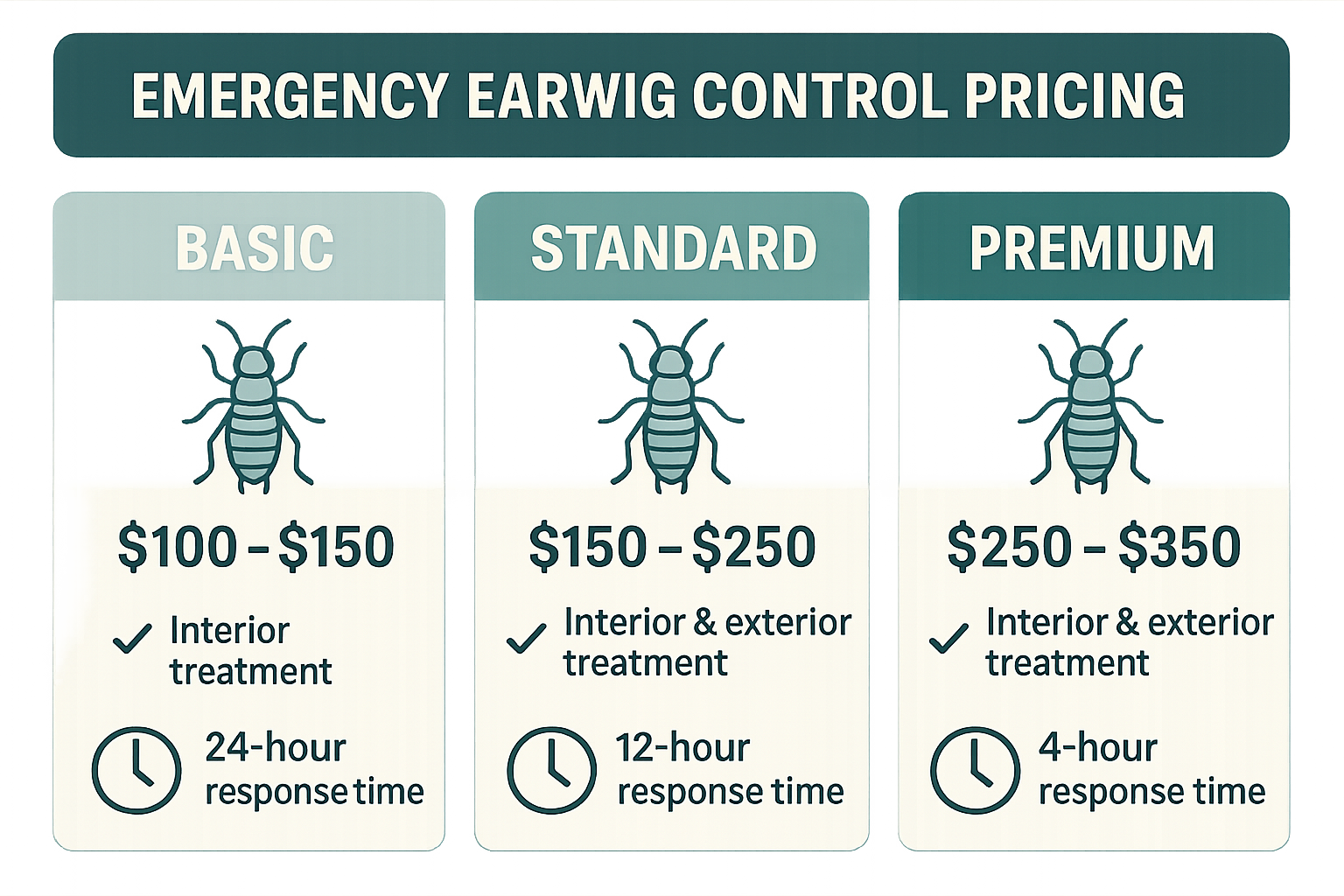
All tiers include a written estimate before work begins, so you never face surprise fees. Anthem’s 24‑hour emergency response ensures a technician is on the way within a day of your call, a speed that many local competitors simply can’t match.
For further reading on earwig biology and control, see the University of Georgia Extension’s guide on Earwig Management.
Whether you start with a simple trap or opt for the Premium Tier, you’ll have a transparent, cost‑effective plan that protects your home and peace of mind.
Seasonal Prevention – Keeping Earwigs Out Year‑Round
Earwigs thrive when moisture, shelter, and food are abundant. Their life cycle in Peachtree City typically spans spring through early fall, with a brief lull in the colder months. Understanding when they emerge, breed, and seek refuge lets you time your defenses so the insects never get a foothold inside your home.
Spring – The Start‑Up Phase
As temperatures climb and rains return, adult earwigs lay eggs in the soil and under mulch. This is the perfect moment to eliminate their hiding places before the next generation hatches.
- Remove excess mulch, leaf litter, and wood chips within 12 inches of your foundation.
- Trim back shrubs and garden beds to improve air flow and reduce damp ground cover.
- Inspect exterior walls for cracks or gaps; seal them with caulk or expanding foam before the first spring showers.
Summer – Moisture Management
Warm nights and humid days keep earwigs active. Outdoor lighting and standing water become magnets for these nocturnal insects.
- Switch porch and yard lights to yellow‑tone bulbs that attract fewer insects.
- Clean gutters and downspouts regularly to prevent water pooling near the foundation.
- Eliminate any stagnant water in birdbaths, plant saucers, or pet dishes after use.
Fall – Pre‑Winter Fortification
Earwigs seek shelter as temperatures dip, often moving into cracks and voids around the house. A quick inspection can stop them from turning your basement into a winter home.
- Walk the perimeter of your home and fill any visible gaps in the foundation, siding, or window frames.
- Apply a perimeter barrier treatment—such as a low‑toxicity insecticide—to the soil around the house before the first frost.
- Remove decaying organic material (fallen leaves, rotting wood) that could serve as a temporary refuge.
Winter – Indoor Moisture Control
Even when the outdoors is frozen, earwigs can survive in damp basements, crawl spaces, and bathrooms.
- Monitor indoor humidity levels; aim for 30‑40% in basements and crawl spaces.
- Run a dehumidifier or improve ventilation in moisture‑prone areas.
- Check for leaks under sinks and around washing machines, fixing them promptly.
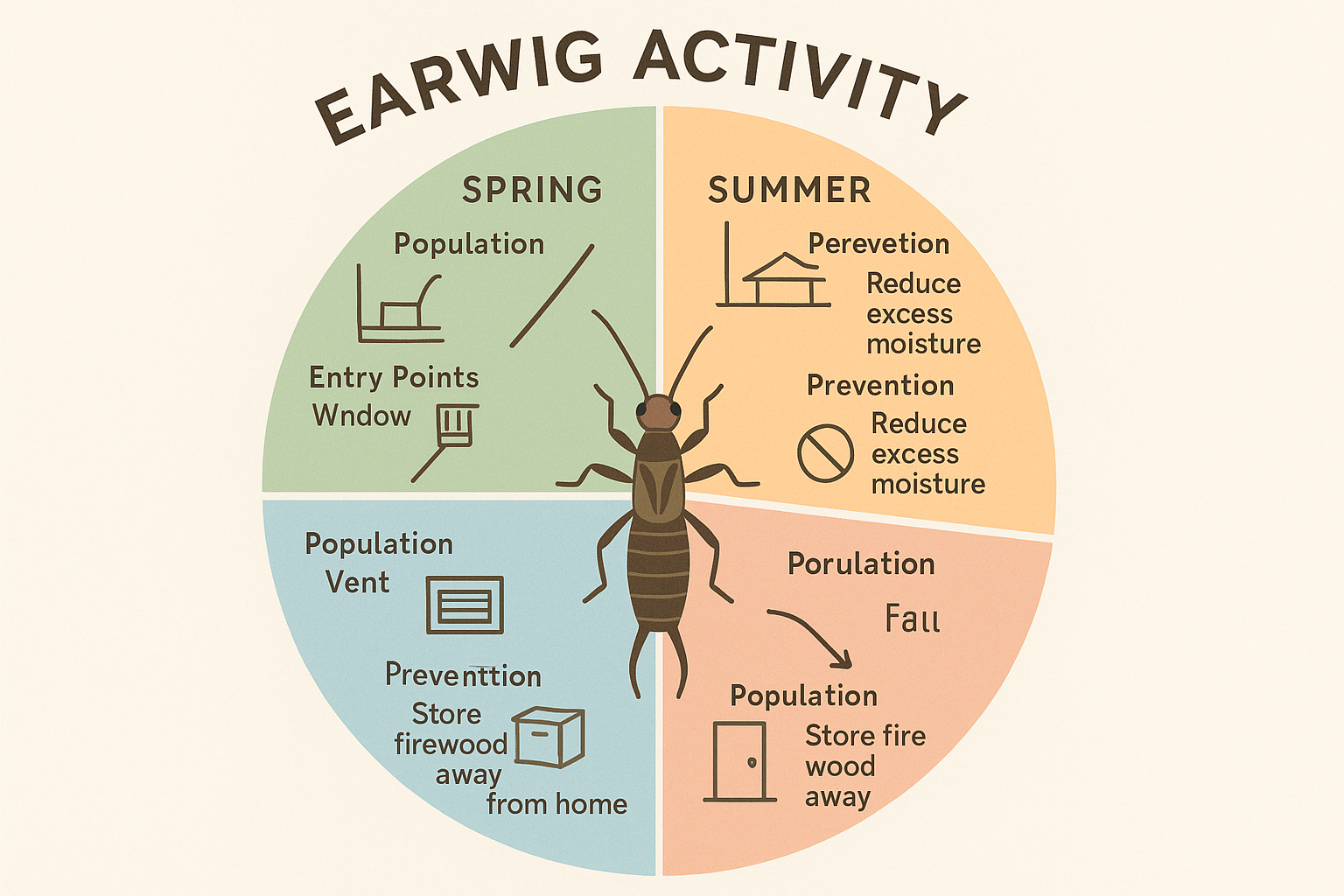
| Season | Earwig Activity Level | Primary Prevention Tasks |
|---|---|---|
| Spring | High – eggs hatch, adults emerge | Remove mulch, trim vegetation, seal exterior cracks |
| Summer | Moderate – active at night | Manage outdoor lighting, clear gutters, eliminate standing water |
| Fall | Increasing – seeking shelter | Inspect foundation, apply perimeter barrier, clear leaf litter |
| Winter | Low – indoor refuge only | Control indoor humidity, use dehumidifiers, fix leaks |
Anthem Pest Control’s Year‑Round Protection Plan aligns perfectly with this seasonal roadmap. Our spring mulching removal, summer gutter cleaning, fall barrier applications, and winter indoor humidity monitoring are all bundled into a single, affordable service package. By signing up, you get a proactive schedule, professional inspections, and the peace of mind that earwigs—and other pests—won’t catch you off guard.
Protect Your Home with Professional Earwig Control
Earwigs may seem harmless, but a growing population can damage plants, contaminate food, and even bite when they feel threatened. Earlier in this guide we covered how to spot the tell‑tale signs—silky egg cases tucked in cracks, nocturnal foraging along baseboards, and those unmistakable pincered backs. We also walked through DIY steps such as sealing entry points, removing debris, and applying low‑risk baits. While those measures can buy you time, they rarely eradicate an established infestation.
That’s where a licensed, insured pest‑management professional makes a decisive difference. A certified technician brings:
- Safety compliance. All products are applied according to state regulations, protecting children, pets, and indoor air quality.
- Proven efficacy. Professionals use EPA‑approved formulations and calibrated equipment that reach hidden nests where over‑the‑counter sprays cannot.
- Warranty protection. Most reputable companies back their work with a service guarantee, so you won’t be left scrambling if earwigs return.
Anthem Pest Control has spent years mastering earwig control in Peachtree City and the surrounding Georgia neighborhoods. Our technicians conduct a thorough inspection, identify the exact species, and tailor a treatment plan that fits your home’s layout and your budget. Transparency is built into every quote—no hidden fees, no surprise add‑ons. Our integrated approach combines interior treatments with exterior barrier applications, ensuring earwigs cannot re‑enter through cracks or mulch. Because we know earwig activity spikes after heavy rains, we prioritize rapid response to keep your home safe before the problem spreads.
Ready to take the next step? Give us a call for a free, no‑obligation quote. Our friendly staff will schedule an on‑site assessment at a time that works for you, and you’ll receive a written estimate before any work begins. We also offer a satisfaction guarantee—if you see earwigs again within 30 days, we’ll return at no extra charge. With Anthem Pest Control, you get the peace of mind that comes from a local, fully licensed provider who stands behind every treatment.