
Emergency Earwig Control Overview for Vinings Homeowners
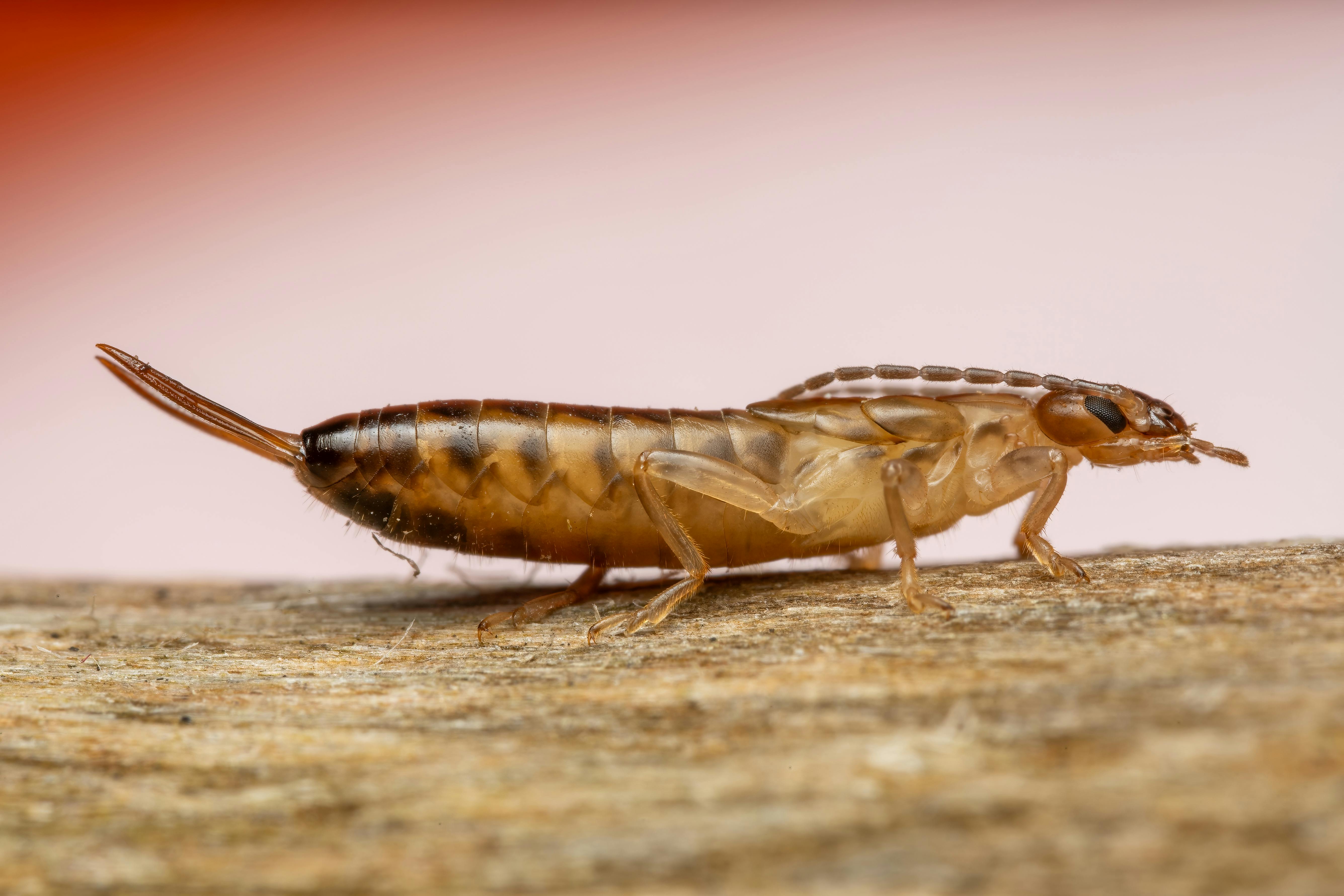
inings residents have been waking up to an unexpected surge of earwig sightings ever since the early-summer thunderstorms drenched our neighborhoods. The sudden moisture creates ideal hiding spots in basements, crawl spaces, and even kitchen cabinets, turning a normally unnoticed insect into an unwelcome indoor guest making emergency earwig control Vinings GA services more essential than ever.
What exactly are earwigs? They belong to the order Dermaptera and are easily recognized by their elongated bodies and characteristic pincers at the rear. While they play a useful role outdoors feeding on decaying plant matter and other pests when they wander indoors they quickly become a nuisance, scuttling across countertops, slipping into pantry goods, and startling anyone who encounters their swift, sideways dash.
Beyond the irritation, earwigs can pose genuine health concerns. Their presence in food storage areas raises the risk of food contamination, especially when they crawl over open packages or leftovers. Some individuals may also experience allergic reactions to the proteins in earwig saliva or their shed exoskeletons, leading to skin irritation or respiratory discomfort for sensitive occupants.
This guide is designed to give Vinings homeowners a clear, step‑by‑step roadmap. You’ll discover:
- Immediate DIY actions you can take tonight to reduce the current infestation.
- Professional treatment options that target earwigs at their source.
- Long‑term prevention strategies to keep future surges at bay.
- How to request a free, no‑obligation quote from a trusted local expert.
When you need a partner who understands Vinings’ unique climate and pest patterns, Anthem Pest Control is ready to help. Our locally trained technicians combine safe, effective products with transparent pricing, ensuring you get rapid relief without surprise costs. Give us a call at 877‑371‑8196 or visit anthempest.com for your personalized earwig‑control plan.
Recognizing an Earwig Emergency
Earwigs are usually harmless night‑time visitors, but when their numbers explode they can become a genuine emergency for any Vinings homeowner. The first clue is that the insects stop being occasional guests and start appearing in large, organized groups that overwhelm your living spaces. If you’re seeing swarms gathered around porch lights, finding earwigs in food‑prep zones, or noticing sudden damage to seedlings, it’s time to treat the situation as urgent.
Key visual signs
- Night‑light swarms: Hundreds of earwigs clustering under outdoor lamps or indoor night lights within minutes of being turned on.
- Food‑prep intrusion: Live earwigs crawling across countertops, cutting boards, or inside pantry containers.
- Seedling devastation: Chewed seedlings, wilted leaves, or bare stems in garden beds, especially where young plants are most vulnerable.
These signs often appear together after a wet spell. According to the EPA pest‑season 2024 report, earwig populations can surge up to 150 % following heavy rainfall, creating the perfect conditions for an outbreak.
Real‑world example from Vinings
Last June, a resident of the Cumberland neighborhood reported a startling scene: after a night of intense rain, they discovered 200 earwigs tangled in a single kitchen trash can and crawling across the floor in just one hour. The homeowner tried a DIY spray, but the insects kept returning, prompting an emergency call to Anthem Pest Control. Within 24 hours
Why Earwigs Thrive in Vinings
Vinings sits in a classic humid subtropical zone, meaning hot, muggy summers and mild winters. Average annual rainfall exceeds 50 inches, with the heaviest downpours in late spring and early summer. Those steady moisture levels keep the soil and surface litter damp—exactly the conditions earwigs love for hiding, breeding, and hunting for food.
Landscaping features that invite earwigs
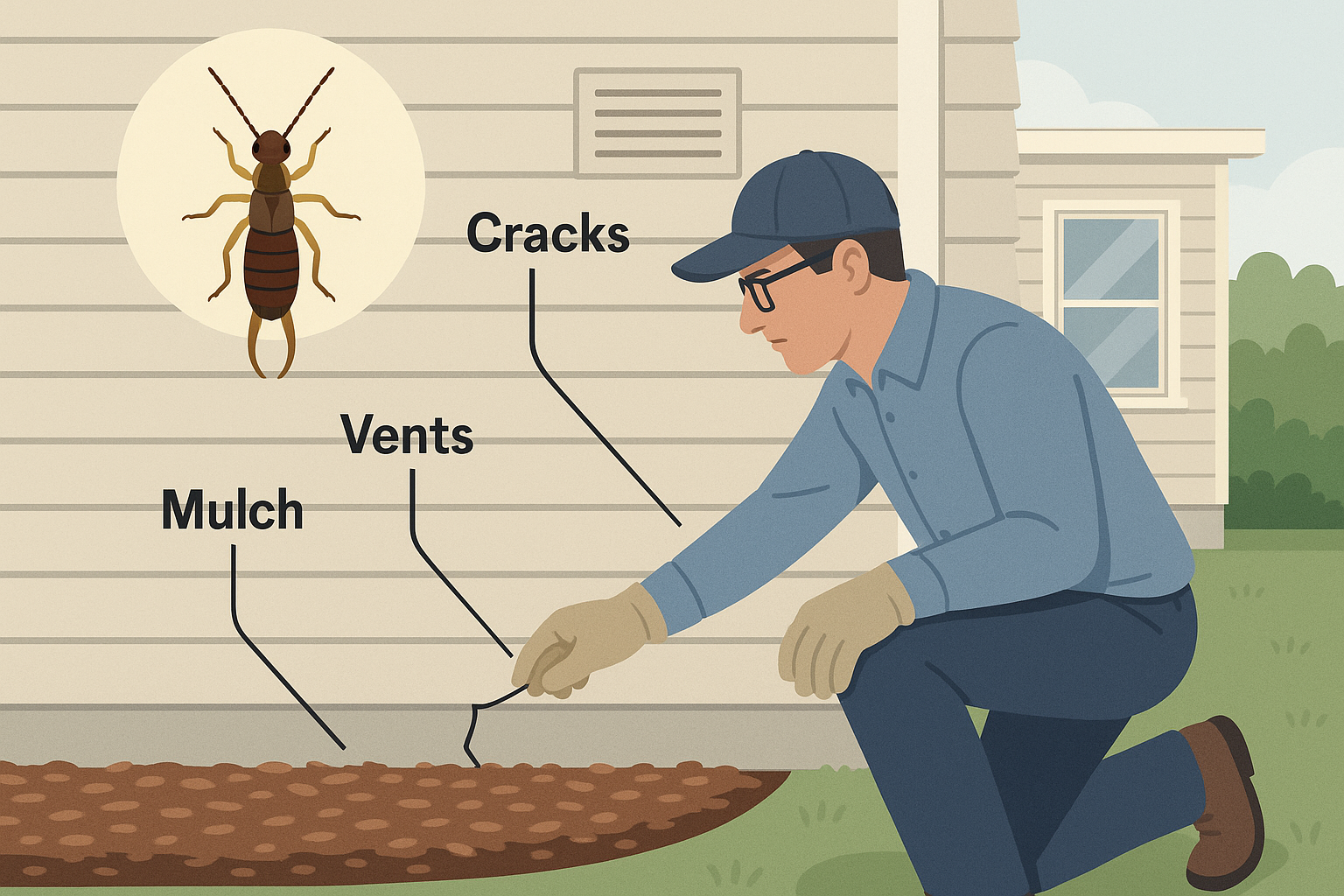
Most neighborhoods in Vinings feature generous layers of mulch, wood chips, and shredded bark around flower beds and foundation walls. While these materials look tidy, they act like a soft carpet for earwigs, providing shelter from predators and a stable micro‑climate. Add to that the abundant leaf litter that drops each autumn, and you have a year‑round refuge that stays cool and moist under the canopy.
The proximity of many homes to the Chattahoochee River National Recreation Area intensifies the problem. The river corridor creates a natural moisture gradient, raising groundwater levels and keeping nearby soils consistently damp. Earwigs can easily migrate from the riverbanks into residential yards, especially when garden beds border the trail system.
What the research says
Georgia Extension researchers have documented that earwigs preferentially occupy environments with high organic matter, steady humidity, and access to water sources. Their studies, available through UGA Extension, confirm that mulched beds and leaf‑covered lawns in the Atlanta metro area Vinings included support some of the highest earwig densities in the state.
Quick tip for homeowners
Fix leaky gutters and downspouts. Standing water on roofs or along foundation walls creates a moisture bridge that invites earwigs into your home’s perimeter. A simple repair or regular cleaning can dry out those entry points, making your property far less appealing to these nocturnal insects.
By understanding how Vinings’ climate, landscaping habits, and nearby water features combine to create an earwig haven, you can take targeted steps—like adjusting mulch depth, clearing leaf piles, and sealing water leaks—to keep these pests from turning your yard into their private lounge.
Immediate DIY Actions You Can Take
When earwigs start showing up in your Vinings home, you don’t have to wait for a professional visit to make a dent in the problem. The following low‑cost steps can be implemented today with tools you already own or can pick up at a local hardware store. Follow them in order for the quickest results.
1. Eliminate Food Sources
Earwigs are attracted to organic debris—think spilled grains, pet food, or even crumbs under appliances. Begin by:
- Transferring all pantry staples (flour, rice, cereals) into airtight containers made of glass or heavy‑wall plastic.
- Vacuuming or sweeping kitchen floors, countertops, and cabinet shelves at least once a day until the infestation eases.
- Wiping down pantry doors and the interior of cabinets with a mild soap solution to remove lingering residues.
When food is sealed and crumbs disappear, earwigs lose a primary incentive to linger.
2. Seal Exterior Cracks Larger Than ¼ Inch
Earwigs slip through gaps as wide as a fingernail. Walk the perimeter of your home with a flashlight and locate any cracks around windows, doors, siding, and the foundation. Then:
- Apply a bead of silicone‑based caulk to gaps larger than ¼ inch, smoothing it with a wet finger for a tight seal.
- Install weatherstripping on doors and sliding windows that feel drafty.
- For larger openings around utility penetrations, use expanding foam before topping it with caulk.
Sealing these entry points not only blocks earwigs but also improves energy efficiency.
3. Deploy Sticky Traps Near Light Sources and Entry Points
Earwigs are nocturnal and are drawn to the glow of porch lights, garage doors, and basement windows. Place adhesive traps in these hot spots:
- Cut the trap to fit the width of the surface, then press it firmly against the area.
- Replace traps every 48 hours or when they become saturated with insects.
- Position a few traps inside closets or under sinks where earwigs might hide during the day.
Sticky traps provide instant visual confirmation that your efforts are working.
4. Apply a Low‑Toxicity Indoor Spray
For immediate knock‑down, reach for an EPA‑approved pyrethrin‑based spray. These products are effective against earwigs while posing minimal risk to humans and pets when used correctly. Typical over‑the‑counter options range from $10 to $25.
- Read the label thoroughly; note any PPE (personal protective equipment) recommendations.
- Ventilate the room by opening windows and doors.
- Wear disposable gloves and, if the label advises, a mask.
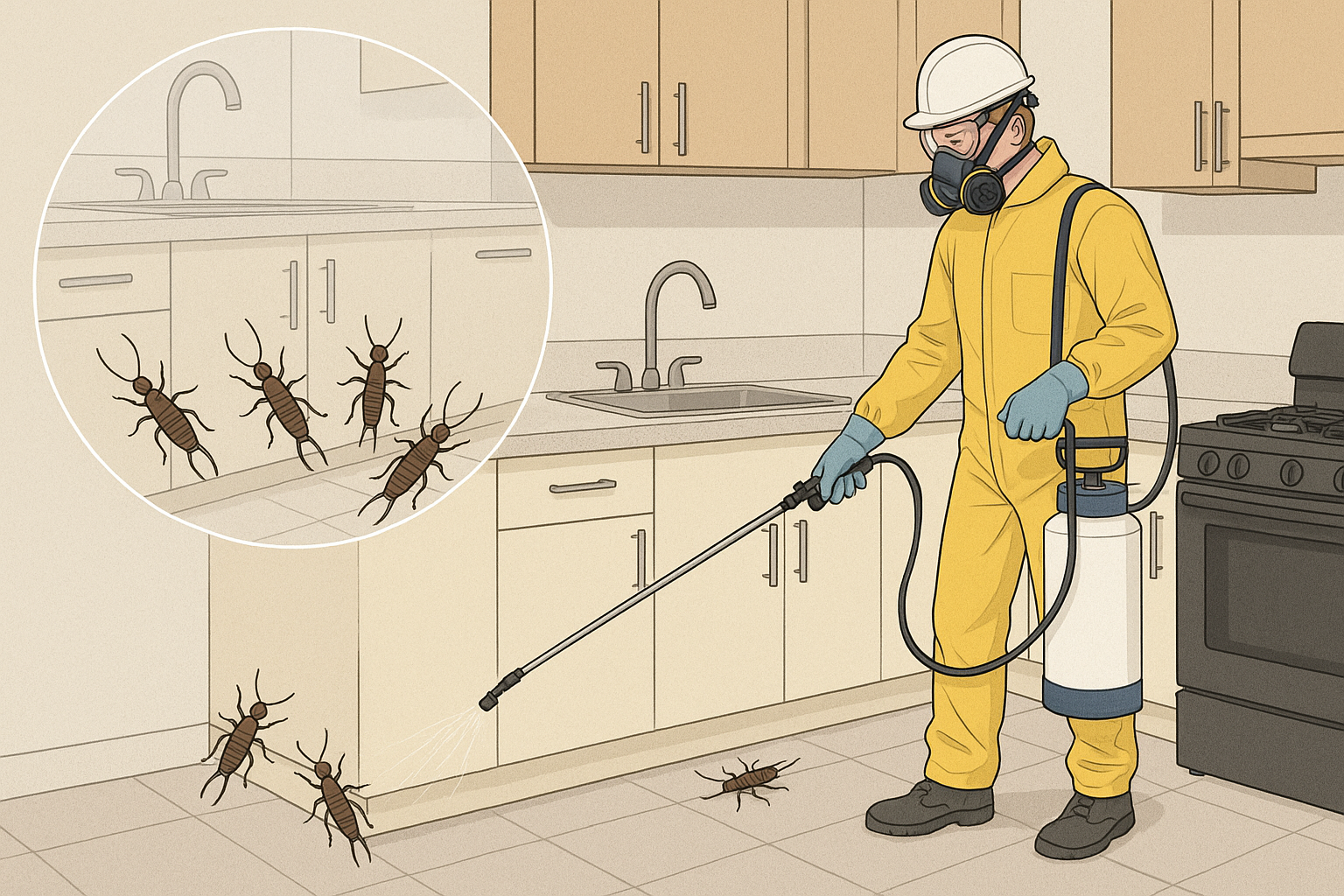
- Spray a thin, even coat along baseboards, under appliances, and around door frames—areas where earwigs travel.
- Allow the surface to dry completely before re‑entering the room.
Safety reminder: Never mix sprays with other chemicals, keep them out of reach of children, and store any leftover product in its original container.
Success Story: West Cobb DIY Trap
One Vinings homeowner in West Cobb reported setting up three sticky traps near the kitchen doorway and a garage light. Within 48 hours, the traps captured 70 % of the earwig sightings they had been logging each night. The homeowner combined this with sealed cracks and reported no new activity after a week, illustrating how a simple, focused DIY approach can dramatically reduce the problem.
By removing food, sealing entry points, trapping, and using a targeted spray, you can curb an earwig emergency without breaking the bank. If the infestation persists after a week of diligent effort, it may be time to call a professional for a comprehensive treatment plan.
Professional Treatment Options and What to Expect
Exterior Barrier Treatment: Granular Bait and Perimeter Spray
Our first line of defense creates a hostile zone around your property. Technicians spread a low‑toxicity granular bait along foundation cracks, mulch beds, and under decks. The bait attracts foraging earwigs, which ingest the active ingredient and carry it back to hidden nests. Immediately after baiting, we apply a fine‑mist perimeter spray that coats the outer walls, siding, and outdoor lighting fixtures. This dual approach reduces outdoor activity by up to 85 % within the first week.
Interior Residual Spray Targeting Kitchens and Bathrooms
Earwigs love damp, dark corners—think under sinks, behind appliances, and in bathroom grout. Our EPA‑registered, low‑odor residual spray is applied to these high‑risk zones. The formulation adheres to surfaces for 30 days, delivering a continuous knock‑down effect without lingering fumes. Homeowners report a noticeable drop in indoor sightings after just one treatment, and the spray is safe around pets and children when applied by a certified professional.
Follow‑up Monitoring Visits
One‑time applications can be disrupted by rain, landscaping changes, or new entry points. That’s why Anthem Pest schedules a follow‑up visit 7‑10 days after the initial service. During this visit, technicians place discreet monitoring traps in concealed locations and inspect previously treated areas. If earwig activity persists, a targeted re‑treatment is performed at no additional charge, ensuring the problem is fully eradicated.
Pricing Transparency: What You’ll Pay
- Standard visit (exterior barrier + interior spray): $75 – $150 per service, depending on square footage.
- Full‑home treatment package (includes two follow‑up visits and a 30‑day guarantee): $250 – $350.
- All estimates are provided upfront; no hidden fees or surprise add‑ons.
Our guarantee means if earwigs reappear within 30 days, we’ll return and re‑treat at no extra cost. This commitment reflects the confidence we have in our methods and the value we aim to deliver to Vinings homeowners.
Safety Measures: EPA‑Registered, Low‑Odor Formulations
We prioritize health as much as we prioritize pest control. Every product we use is registered with the Environmental Protection Agency and formulated to minimize odor and residue. Technicians wear protective gear and follow strict application protocols, so you can continue normal household activities shortly after treatment.
Proven Efficacy: Backed by Independent Research
Our approach aligns with findings from the 2023 NPMA study on professional earwig control, which documented an average 92 % reduction in earwig populations after a combined exterior‑interior regimen. You can read the full study on the NPMA website.
Customer Testimonial
“We called Anthem Pest after spotting earwigs in our pantry. The technician explained every step, set up the barrier, and treated our kitchen. Within three days, the bugs were gone, and the follow‑up visit confirmed the problem was solved. Best part? The price was exactly what they quoted—no surprises.” — Jenna L., Vinings, GA
When earwigs become more than a nightly nuisance, the combination of a robust exterior barrier, targeted interior spray, and diligent monitoring offers the fastest, most reliable path back to a pest‑free home. Contact Anthem Pest at 877‑371‑8196 or visit anthempest.com to schedule your professional earwig treatment today.
Long‑Term Prevention Strategies
Earwigs may disappear after a quick treatment, but without ongoing maintenance they’ll find their way back. The most reliable way to keep these nocturnal foragers out of your Vinings home is to create an environment that’s simply unattractive to them. Below is a step‑by‑step checklist you can print, post on your fridge, and follow year after year.
1. Manage Moisture and Drainage
Earwigs thrive in damp conditions. Inspect your property after every rainstorm and make sure water does not pool around the foundation. Clear gutters, downspouts, and splash blocks, and repair any cracks in the concrete slab or basement walls. If you notice low‑lying spots in the yard, regrade them so water flows away from the house.
2. Choose the Right Mulch
Wood‑based mulches hold moisture and provide shelter for earwigs. Replace them with inorganic options such as crushed stone, pea gravel, or rubber mulch. These materials dry quickly and eliminate the hidden tunnels earwigs love to build.
3. Trim Vegetation
Plants, shrubs, and tree branches that touch the house act as a bridge for earwigs to reach your siding, doors, and windows. Keep all foliage at least 12 inches away from the foundation. Prune back vines and remove dead wood that could serve as a refuge.
4. Schedule Quarterly Inspections
A professional eye can spot early signs of earwig activity that you might miss. Book a pest‑inspection every three months—spring, summer, fall, and winter—to catch moisture problems, cracks, or new entry points before they become an infestation.
5. Printable Maintenance Checklist
- ☐ Inspect gutters and downspouts; clear debris.
- ☐ Check for standing water around foundation; regrade if needed.
- ☐ Replace wood mulch with stone or gravel.
- ☐ Trim all vegetation to >12 inches from house.
- ☐ Seal cracks in exterior walls, windows, and doors.
- ☐ Conduct quarterly professional inspection.
- ☐ Review and update the checklist each season.
6. Anthem Pest’s Annual Maintenance Plan
For homeowners who prefer a hands‑off approach, Anthem Pest offers an annual maintenance plan for just $180 per year. The package includes two scheduled visits: one in early spring to
Frequently Asked Questions about Earwigs
Q1: Are earwigs harmful to humans?
In short, earwigs are not a direct health threat to people. According to the Centers for Disease Control and Prevention, earwigs do not transmit diseases, bite, or sting humans under normal circumstances. Their primary concern is the discomfort of seeing them in large numbers, especially at night when they’re attracted to indoor lights. While a startled earwig might give a quick pinch with its pincers, the bite is harmless and typically causes only minor skin irritation. For a detailed overview, see the CDC’s earwig FAQ: CDC – Earwig Information.
Q2: How long does a professional treatment last?
A standard, professionally applied earwig control program generally remains effective for 8‑12 weeks, assuming normal weather and household conditions. The duration depends on factors such as moisture levels, outdoor landscaping, and how quickly earwigs can re‑enter the home from nearby habitats. Our technicians at Anthem Pest Control use a combination of perimeter sprays and indoor residual treatments that create a protective barrier. Regular monitoring and prompt follow‑up visits help maintain that barrier, especially during the peak summer months when earwig activity spikes.
Q3: Can earwigs damage my home’s structure?
Yes, earwigs can cause structural concerns, but only under specific conditions. They are attracted to damp, decaying wood and will chew soft wood, vinyl siding, or even the edges of window frames if moisture is present. Over time, repeated feeding can create small holes or weaken siding panels, especially in areas with poor drainage or water intrusion. While earwigs are not as destructive as termites, their activity can accelerate deterioration in already compromised wood. Reducing moisture, sealing cracks, and scheduling a professional treatment are the most effective ways to protect your home’s exterior from earwig damage.
Take Action Today – Protect Your Vinings Home
Vinings is currently seeing a sudden spike in earwig activity. These nocturnal insects multiply quickly, and a few hidden nests can turn a quiet evening into a nightly nuisance. Acting now—whether you start with a simple DIY barrier or call in a professional—prevents the infestation from spreading to walls, decks, and even your garden.
Simple DIY steps can buy you time: seal foundation cracks, trim back mulch, and eliminate standing water where earwigs hide. But these measures only work as a stop‑gap; a professional treatment ensures the colony is eradicated and reduces the chance of future spikes.
When you choose Anthem Pest, you’re tapping into a team that knows Vinings inside and out. Our technicians are trained on the specific habits of local earwig populations, so they target the problem at its source. We pride ourselves on transparent pricing—no hidden fees, just a clear estimate before any work begins. All treatments use EPA‑approved products that are tough on pests yet safe for your family and pets.
Ready for peace of mind? Request a free, no-obligation inspection and let our experts assess the situation for emergency earwig control Vinings GA. We’ll walk you through a customized plan, explain each step, and answer any questions you have about long-term prevention.
Call Anthem Pest today at 877‑371‑8196 or visit Anthem Pest Control for your free inspection.