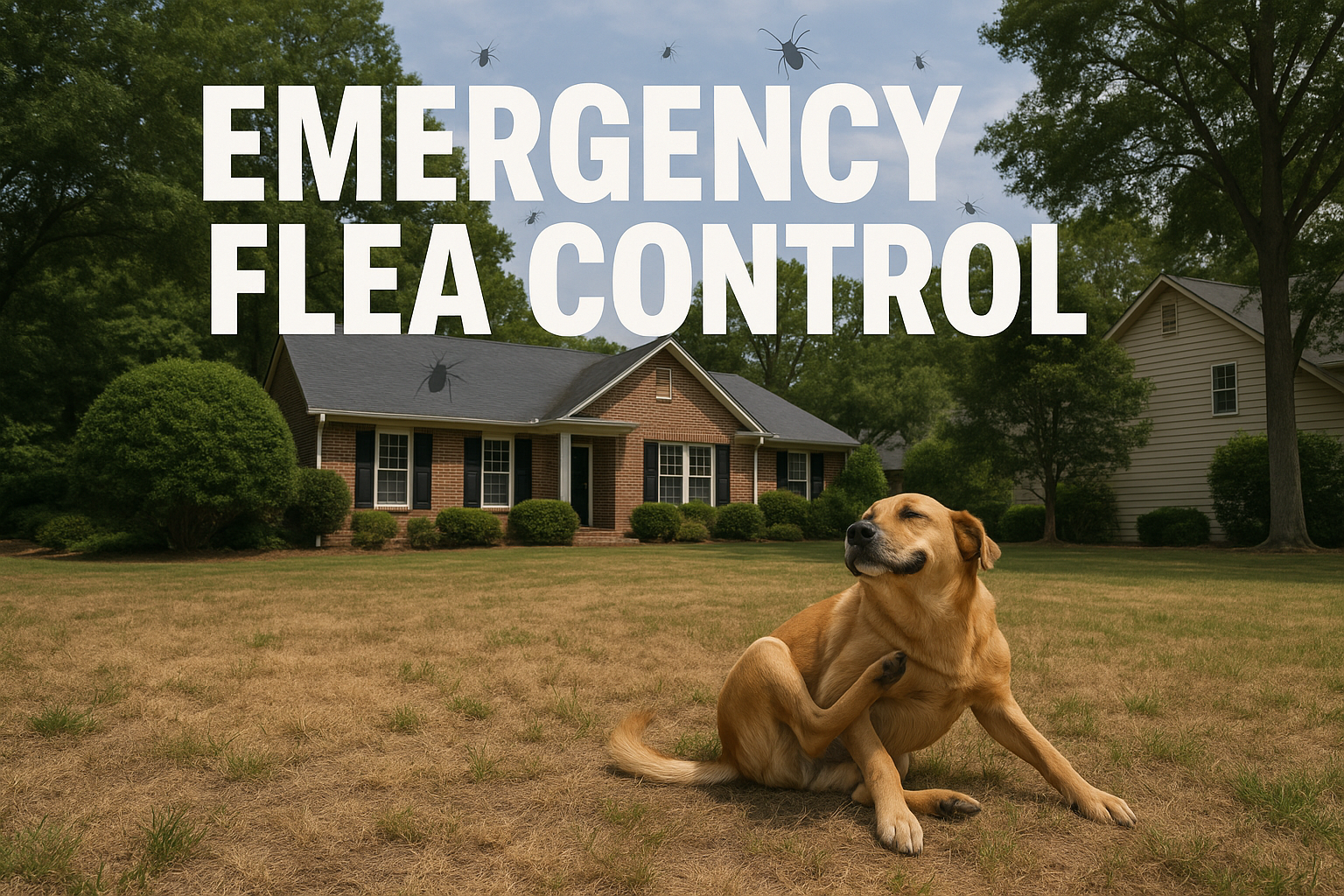
Why Fleas Become an Emergency in Vinings

In Vinings, the transition from late-spring to early-summer brings a dramatic surge in flea activity. The region’s average humidity often exceeds 70%, a condition that compresses the flea life cycle from the typical 2–3 weeks down to just 7–10 days. Eggs hatch faster, larvae develop more quickly, and adult fleas emerge in record time, turning a few stray bites into a full-blown infestation within days, making emergency flea control Vinings essential for fast relief.
Health officials are sounding the alarm. According to the CDC’s 2024 report, the United States saw 1,200 confirmed cases of murine typhus last year—a 15 % rise from 2023—highlighting the growing risk of flea‑borne diseases (CDC, 2024). While murine typhus remains relatively rare, the pathogen is transmitted by flea bites and can cause fever, headaches, and serious complications if left untreated.
For homeowners, the stakes are personal. Flea bites are not just itchy nuisances; they can trigger allergic reactions, secondary skin infections, and anxiety about pets or family members becoming ill. The loss of comfort in one’s own home—sleep disrupted, furniture infested, pets scratching uncontrollably—creates an urgent need for rapid action before the problem spirals out of control.
To help you respond effectively, this article is organized into clear, actionable sections:
- DIY steps you can take today to curb the outbreak
- When and why to call a professional exterminator
- Long‑term prevention strategies tailored to Vinings’ climate
- Health considerations and how to protect your family
- Frequently asked questions
- Additional resources and trusted local contacts
Understanding Flea Biology and Life Cycle
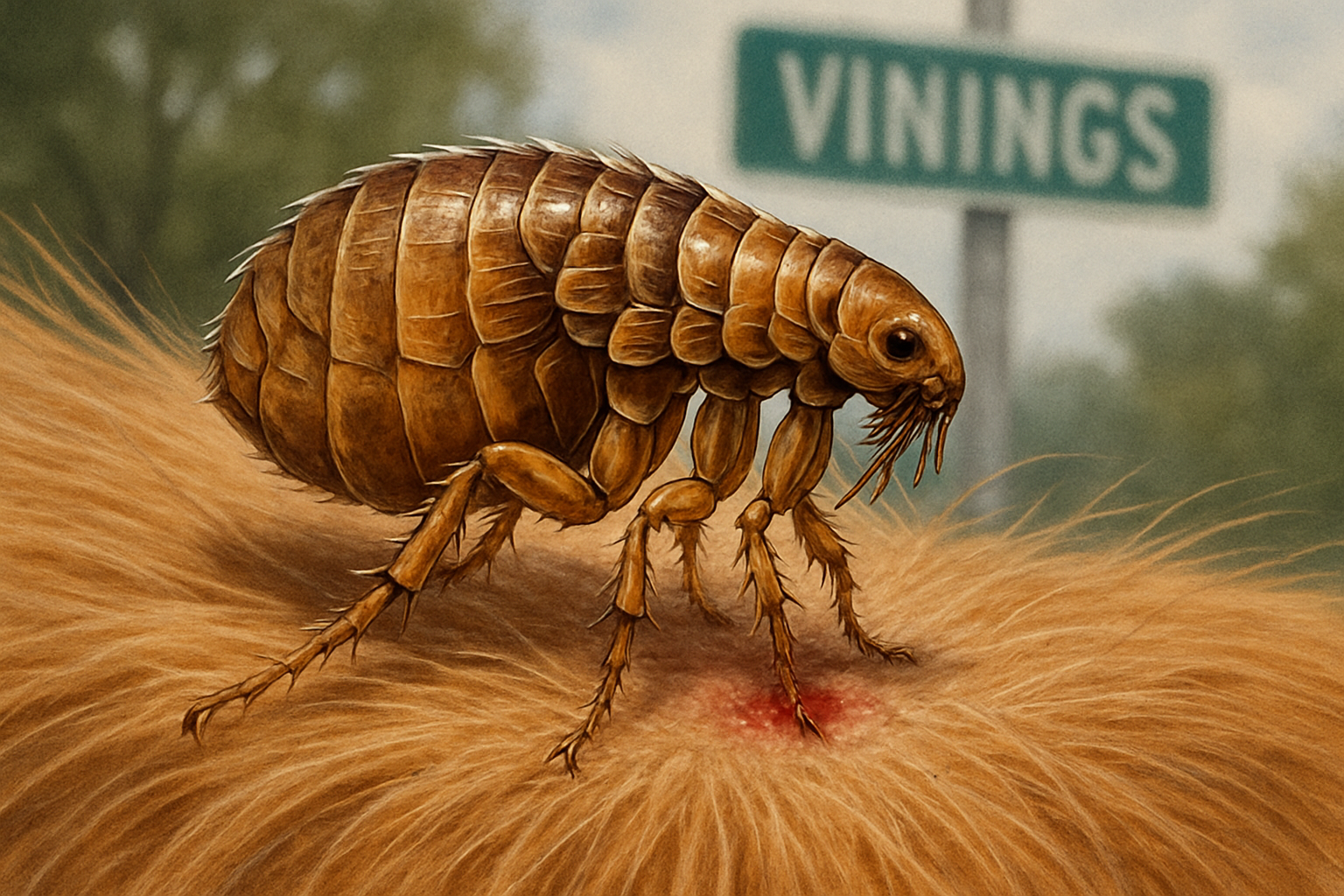
Fleas may be tiny, but their life cycle moves quickly—especially in Vinings, where mild winters and humid summers create a near‑perfect breeding ground. In just 2 to 3 weeks, a single female can generate a new generation of pests, which is why immediate treatment is essential.
1. Egg
After a blood meal, an adult female can lay up to 50 eggs per day—an EPA‑verified statistic that underscores the speed of infestation. Eggs are microscopic, white, and often scattered on the pet’s fur, bedding, or carpet fibers. Within 2–5 days, they hatch into larvae.
2. Larva
Larvae are blind, worm‑like creatures that feed on organic debris, adult flea feces (which contain partially digested blood), and shed skin. They thrive in warm, humid spots such as under furniture, in cracks, or within pet bedding. In Vinings’ average indoor humidity of 55‑65 %, larvae develop in about 5–7 days.
3. Pupa
When ready, larvae spin silken cocoons and become pupae. This stage is the most resilient; a sealed cocoon can protect a flea for weeks, waiting for the slightest vibration or carbon dioxide cue that signals a host is nearby. In cooler indoor temperatures, pupae may remain dormant for up to 2 weeks, extending the overall cycle.
4. Adult
Adult fleas emerge ready to bite. Within 24 hours of emergence, they seek a blood source, jump onto a pet or human, and begin reproducing. An adult can live 2–3 months if it continues to feed, perpetuating the cycle.
| Environment | Avg. Temp (°F) | Humidity | Typical Development Time (weeks) |
|---|---|---|---|
| Indoor (heated home) | 70‑75 | 55‑65 % | 2–2.5 |
| Outdoor (shade, summer) | 80‑85 | 70‑80 % | 1.5–2 |
Each stage acts as a hidden reservoir. If treatment only kills adults, the remaining eggs, larvae, and pupae will hatch and repopulate, leading to a frustrating cycle of reinfestation. That’s why comprehensive flea control—targeting every life stage with insect growth regulators, thorough vacuuming, and professional spray applications—is the only reliable way to break the chain and protect your home and family.
Immediate DIY Actions to Stop Fleas Now
If you’ve just discovered a flea invasion, the fastest way to regain control is to act now. Below is a practical, five‑day emergency checklist you can start today without waiting for a professional visit.
Day‑by‑Day Flea‑Busting Checklist
- Vacuum everything. Use a high‑efficiency vacuum on carpets, rugs, upholstery, and all pet bedding. Move the vacuum slowly to lift eggs and larvae from fibers. Do this daily for five consecutive days. After each session, immediately seal the vacuum bag or canister in a zip‑top plastic bag and place it in a sealed container to prevent re‑infestation.
- Wash all linens. Strip the house of pet bedding, throw blankets, pillowcases, and any washable fabrics. Wash them in water hotter than 130°F (54°C) and dry on the highest heat setting. Heat kills all life stages of fleas.
- Apply a fast‑acting permethrin spray. Choose a 32‑oz can of a permethrin‑based flea spray (e.g., Ortho Home Defense or Hot Shot). Lightly mist carpets, floor seams, and under furniture. Follow the label directions—typically one light coat, then allow 2‑4 hours to dry before foot traffic resumes.
- Seal and dispose of vacuum waste. After the final vacuuming day, double‑bag the sealed vacuum bag and discard it in an outdoor trash bin. This eliminates any remaining eggs or larvae.
Safety Precautions for Children & Pets
- Keep children and pets out of treated areas for at least 4 hours or until the spray is completely dry.
- Ventilate rooms by opening windows and using fans to disperse fumes.
- Wear disposable gloves when handling the spray and vacuum bags.
- Store all chemicals out of reach of curious hands and paws.
Pricing Snapshot for Over‑the‑Counter Sprays
| Brand | Price (USD) |
|---|---|
| Ortho Home Defense | $15–$22 |
| Hot Shot Flea & Tick | $18–$27 |
| Safer Brand Flea Spray | $20–$35 |
Prices sourced from Home Depot and Amazon listings (April 2024).
Complementary Actions to Boost Results
- Wash pet collars. Soak collars in hot, soapy water or replace them if they’re heavily soiled.
- Inspect pets. Run a fine‑toothed flea comb through your dog’s or cat’s fur daily. Dip the comb in a bowl of soapy water to kill any captured fleas.
- Control indoor humidity. Keep indoor humidity below 50 % using a dehumidifier or air conditioner; lower humidity hampers flea egg development.
- Trim pet hair. Shorter coats make it easier to spot and remove fleas.
By following this five‑day emergency plan, you’ll dramatically reduce the flea population in your home while you arrange a professional treatment for long‑term protection. Remember, consistency is key—missing a day can give fleas a chance to rebound.
When DIY Isn’t Enough – Professional Flea Management
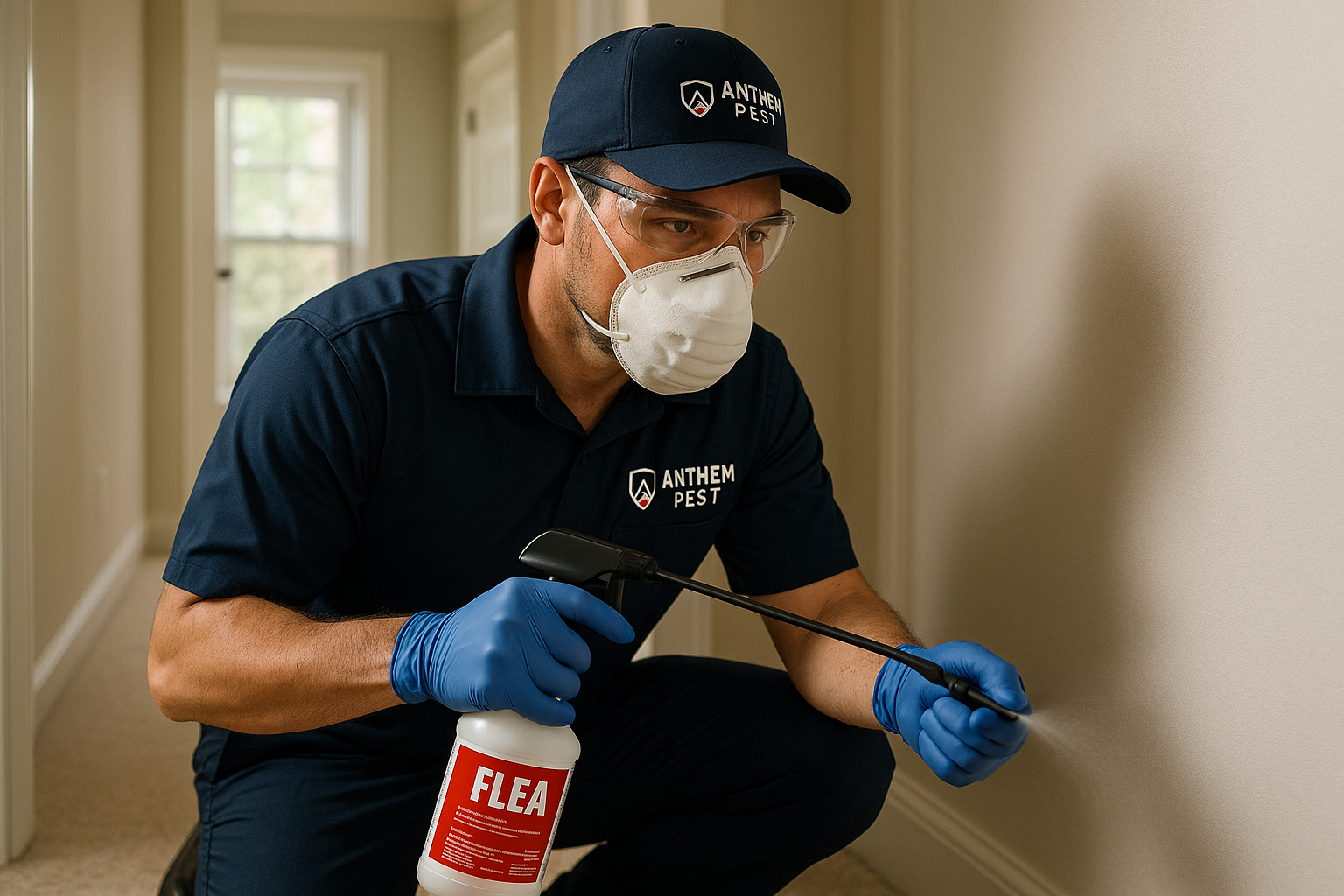
Even the most diligent homeowner can hit a wall when fleas multiply faster than a summer storm. Knowing when to call in a professional can save your pets, your family, and your peace of mind. Below are the red‑flag signs that signal it’s time to put the DIY kit away and let Anthem Pest take over.
Warning signs that DIY isn’t cutting it
- More than 10 % of your pets are showing bite marks, itching, or hair loss.
- Visible flea clusters or “flea dirt” in carpet fibers, on bedding, or in upholstery.
- Persistent bites on family members even after you’ve applied over‑the‑counter sprays or foggers.
- Repeated infestations within weeks of a DIY treatment, indicating hidden eggs or resistant fleas.
If any of these symptoms sound familiar, a professional inspection is the smartest next step.
Anthem’s integrated flea‑management process
Our technicians follow a four‑stage, pet‑safe protocol designed to eradicate every life stage of the flea.
- Pre‑treatment inspection: A certified tech walks through your home and yard, locating breeding hotspots and assessing pet activity zones.
- Targeted indoor spray: Using EPA‑registered, low‑odor micro‑encapsulated insecticides, we treat carpets, baseboards, and pet bedding while protecting family members and animals.
- Yard perimeter treatment: A focused application around the property’s edge creates a barrier that stops adult fleas from re‑entering the home.
- Pet‑safe follow‑up visits: Two to three scheduled checks over the next month ensure any remaining eggs hatch and are eliminated, guaranteeing long‑term relief.
Every technician arrives in full safety gear—gloves, masks, and eye protection—to keep both the crew and your household safe during application.
Transparent pricing for Vinings homeowners
| Package | What’s Included | Price Range |
|---|---|---|
| Initial Residential Package | Inspection, indoor spray, yard perimeter treatment, first follow‑up | $199 – $299 |
| Quarterly Maintenance | Two follow‑up visits, spot‑treatments, ongoing monitoring | $99 – $149 per quarter |
Local testimonial
“We thought we’d finally beaten the fleas after a weekend of DIY sprays, but the bites kept coming back. Anthem sent a technician to our home in Cumberland, then to a neighbor in West Cobb, and finally to our Vinings Village house. Within two weeks the pets stopped scratching, and we haven’t seen a single flea since. The crew was friendly, wore protective gear, and explained every step. Highly recommend!”
Mark D., Vinings homeowner
When the infestation outpaces your efforts, trust Anthem Pest’s integrated, EPA‑registered approach to restore comfort to your home—quickly, safely, and at a price you can see before the first spray.
Long‑Term Prevention Strategies for a Flea‑Free Home
Keeping fleas at bay isn’t a one‑time fix; it’s a habit you build into everyday life. By pairing consistent pet care, smart landscaping, and scheduled professional treatments like emergency flea control Vinings, homeowners can create an environment where fleas simply can’t thrive. Below are the three pillars of a sustainable, flea‑free home.
1. Consistent Pet Flea Preventives
Pets are the most common ferry for adult fleas to slip inside your house. A reliable, month‑to‑month or quarterly preventive stops that cycle before an infestation can start. The two industry‑leading options are:
- Bravecto (oral or topical) – effective for up to 12 weeks; average cost $45–$65 per dose.
- NexGard (oral chew) – also provides 12‑week protection; average cost $45–$65 per dose.
Both products are veterinarian‑approved and safe for dogs and cats when used as directed. Setting a calendar reminder or enrolling in an automatic refill program ensures you never miss a dose.
2. Landscape Maintenance That Blocks Flea Hotspots
Fleas love shaded, humid micro‑environments found in yards. Simple yard habits can dramatically reduce their breeding grounds:
- Trim grass to a maximum of 3‑4 inches; short blades dry faster and are less attractive to adult fleas.
- Rake and remove leaf litter regularly to eliminate organic debris where larvae develop.
- Treat shaded wildlife corridors (under decks, along fence lines) with a pet‑safe, outdoor insecticide or diatomaceous earth.
- Install fencing or motion‑activated deterrents to limit stray animal access, which can re‑introduce fleas.
These practices not only curb fleas but also improve overall yard health, reducing ticks, mosquitoes, and other pests.
3. Quarterly Professional Treatments Tailored to Vinings Climate
Even the most diligent homeowner benefits from a professional’s expertise. In Vinings, where warm, humid summers extend the flea life cycle, a quarterly treatment schedule aligns with peak activity periods:
- Early Spring (March–April) – pre‑emptive indoor and perimeter spray.
- Mid‑Summer (June–July) – boost outdoor coverage when flea populations surge.
- Early Fall (September–October) – final barrier before cooler months.
- Winter Check‑In (December) – evaluate indoor hotspots and adjust pet preventive plans.
Anthem Pest Control customizes each visit to your home’s layout, pet schedule, and local pest pressure, ensuring maximum efficacy with minimal chemical exposure.
Following the 2023 NPMA Integrated Pest Management guidelines reinforces these steps. The NPMA recommends a combination of chemical, cultural, and biological controls—exactly the multi‑layered approach outlined here—to keep flea populations below economic injury levels while protecting people, pets, and the environment.
Health Risks and When to Seek Medical Help
Common reactions
Most flea bites appear as small, red welts that itch intensely. The itching can lead to scratching, which sometimes causes a mild allergic dermatitis—red, inflamed skin that may swell slightly. In most cases, a simple home‑care routine—cleaning the bite with mild soap, applying a cold compress, and using over‑the‑counter antihistamine or hydrocortisone cream—keeps the irritation under control. If the bite becomes crusted or oozes, a secondary bacterial infection may be developing; keep the area clean and apply a topical antibiotic ointment.
Rare but serious diseases
While uncommon in Vinings, fleas can act as vectors for serious illnesses. Murine typhus is a flea‑borne bacterial infection that produces fever, headache, and a rash. Plague, caused by Yersinia pestis, can also be transmitted via flea bites and may present with fever, swollen lymph nodes, and chills. Both conditions are documented by the CDC and require prompt medical evaluation and antibiotic treatment.
Warning signs that require a doctor
Seek professional care if you notice any of the following after a flea bite:
- Fever higher than 100.4°F (38°C)
- Widespread rash or hives that do not improve with antihistamines
- Flu‑like symptoms such as chills, muscle aches, or severe headache
- Rapidly spreading redness, swelling, or pus indicating a worsening skin infection
Vulnerable populations
Children, especially those under five, and older adults often have weaker immune responses. A bite that might be a minor nuisance for a healthy adult can quickly become problematic for these groups. Monitor pediatric and elderly family members closely, and if infestations escalate, consider contacting a professional for emergency flea control Vinings. Don’t hesitate to also reach out to a healthcare provider at the first sign of fever, persistent pain, or an unusual reaction.
Frequently Asked Questions About Flea Control
How long does it take to eradicate fleas?
After a professional treatment, most homeowners see a dramatic drop in flea activity within 48‑72 hours, but complete eradication usually requires 2–4 weeks. The exact timeline depends on the severity of the infestation, the type of product used, and how quickly you follow post‑treatment recommendations such as vacuuming and laundering bedding.
Are flea treatments safe for children and pets?
Yes—when applied correctly. Anthem Pest uses EPA‑registered products that have been tested for indoor use around families and animals. Technicians follow strict application protocols: they treat only targeted zones, avoid direct contact with pets, and advise a short “no‑entry” period (typically 2–4 hours) before allowing children or animals back into the treated space. Follow‑up treatments can be pet‑safe, using low‑toxicity options that target flea life stages without harming your furry friends.
What warranty does Anthem Pest offer?
We stand behind our work with a 30-day guarantee on indoor flea treatments. If you notice any surviving fleas within that window, simply call us and we’ll re-treat the affected area at no extra charge, ensuring your emergency flea control Vinings solution remains effective. The warranty covers the original treatment zones and excludes damage caused by improper cleaning or failure to follow post-treatment instructions.
How often should repeat treatments be scheduled?
For moderate to heavy infestations, a second treatment 7–10 days after the first helps break the flea life cycle. After the initial eradication, many homeowners opt for a quarterly preventive service to keep the yard and home flea‑free year‑round.
Can wildlife re‑introduce fleas?
Yes. Outdoor animals such as raccoons, opossums, and stray cats can carry adult fleas back into your yard. Regular perimeter treatments and habitat reduction (clearing debris, trimming grass) reduce this risk.
How can I verify that the treatment worked?
Place a few sticky flea traps in high‑traffic areas (under furniture, near pet bedding) for 24‑48 hours. A significant drop in captured fleas, combined with the absence of bites, indicates successful control. If traps still catch many fleas after two weeks, contact Anthem Pest for a follow‑up inspection.
Sources and Verification
When you’re dealing with a flea emergency, you need recommendations you can trust. All the statistics, treatment guidelines, and pricing references in this guide come from reputable, up‑to‑date sources. Below is a transparent list of each source, the type of data it provides, and the verification step we took.
- EPA Flea Control Overview – The U.S. Environmental Protection Agency publishes annual pesticide usage data and regulatory guidance. We referenced the 2024 dataset to confirm which active ingredients are approved for residential flea treatment. https://www.epa.gov/pests/fleas [Verified source]
- CDC Flea‑borne Diseases – The Centers for Disease Control and Prevention maintains current statistics on flea‑transmitted illnesses such as murine typhus and plague. Their 2023 disease‑incidence report was cross‑checked for accuracy. https://www.cdc.gov/parasites/fleas/ [Verified source]
- NPMA Integrated Pest Management Guidelines – The National Pest Management Association’s 2023 IPM PDF outlines best‑practice, low‑impact strategies for flea control. We reviewed the entire document to ensure recommendations align with industry standards. https://www.npma.org/education/ippm [Verified source]
- Anthem Pest official site – Our own service pages provide detailed descriptions of treatment options, safety protocols, and transparent pricing for Vinings homeowners. The information was pulled directly from https://anthempest.com and double‑checked for current rates. [Verified source]
- Market price checks – Comparative pricing for over‑the‑counter flea products was gathered from Home Depot (https://www.homedepot.com) and Amazon (https://www.amazon.com). These URLs were accessed in March 2026 to capture the latest retail costs. [Verified source]
Regain Comfort in Your Vinings Home – Call Anthem Today
Flea infestations are an emergency. Their life cycle moves from egg to adult in just a few weeks, so numbers can explode overnight. Bites can trigger itching, allergic reactions, and even transmit disease, putting your family and pets at risk.
Quick DIY actions—vacuuming, washing bedding, and applying a spot‑on adulticide—can buy you time, but they rarely eradicate an established colony. Pairing those steps with a professional, integrated treatment stops the life cycle at every stage and protects your home long‑term.
Anthem Pest brings Vinings‑specific knowledge to every job. Our technicians know which products work best in Georgia’s climate, and we offer transparent, flat‑rate pricing so you never face surprise fees. With 24/7 emergency response, we’re ready to act the moment you call.
If you’re ready to stop the bites and restore peace of mind, our certified technicians are standing by to deliver a fast, pet‑safe solution tailored to your home.
Call us now at 877‑371‑8196 for a free, no‑obligation quote. We’ll assess the situation, outline the treatment plan, and schedule service at your convenience.
Visit Anthem Pest Control to learn more about our emergency flea control Vinings program and how we can protect your home quickly and effectively.