cover image cover 33

Why Fruit Flies Are an Emergency in Smyrna
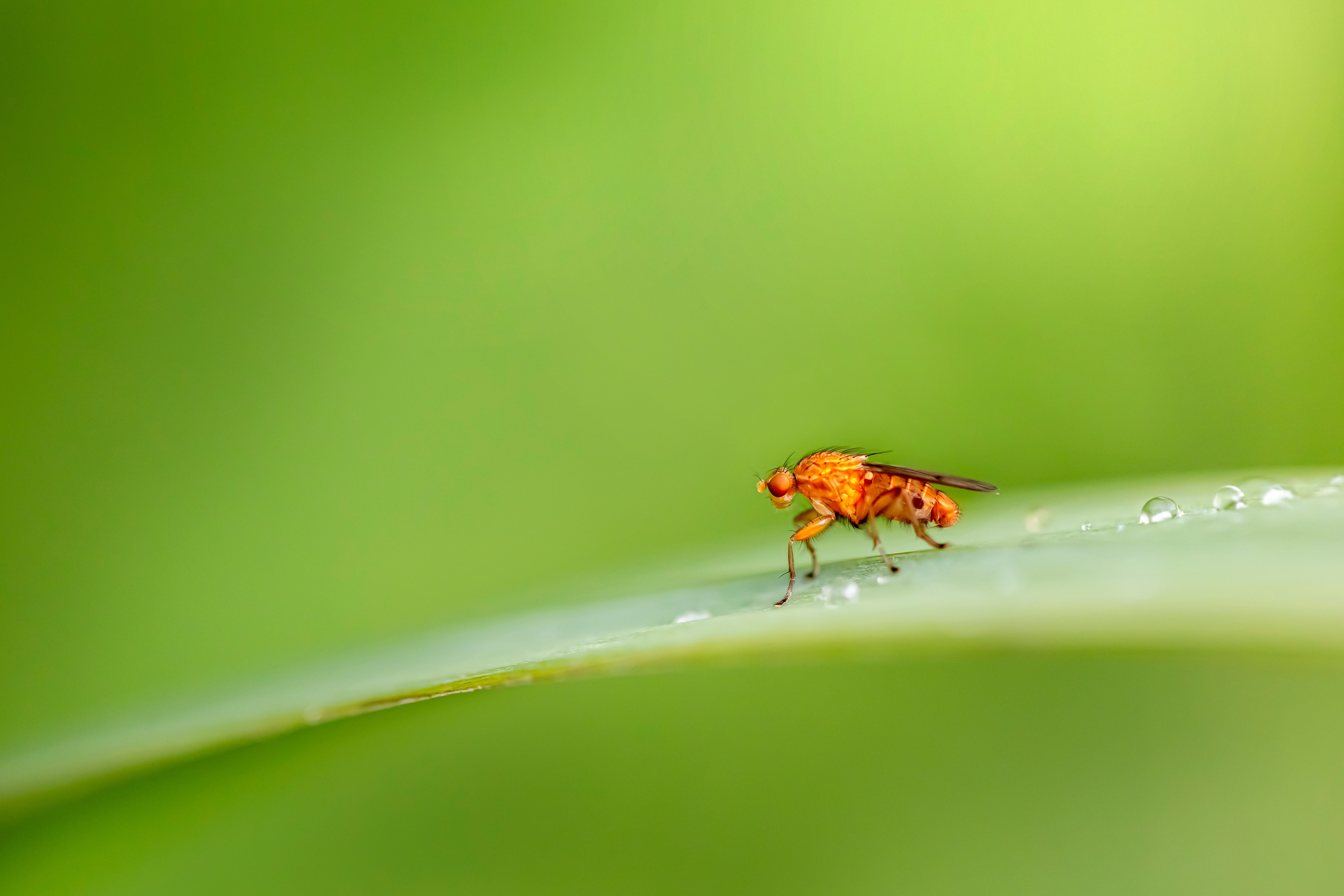
Swarm of fruit flies around ripe fruit on a kitchen counter
Photo by Pexels via Pexels

Smyrna’s summer‑to‑early‑fall window is a perfect storm for fruit flies. Temperatures routinely hover between 78°F and 90°F, while humidity stays above 60%. Those conditions shrink a fruit fly’s life cycle from egg to adult to just seven days. In a single week, a handful of unnoticed eggs laid in a bowl of overripe berries can explode into hundreds of buzzing intruders. The city’s dense residential neighborhoods, with their abundant gardens, backyard compost bins, and outdoor dining areas, provide endless feeding and breeding sites, turning a minor nuisance into a rapid infestation.

Beyond the annoyance, fruit flies pose genuine health risks. As they hop from decaying fruit to countertops, they pick up bacteria such as E. coli and Salmonella, depositing them onto food surfaces and kitchen utensils. Studies show that a single fruit fly can carry up to 5,000 bacterial colonies, enough to contaminate a family meal. For allergy‑prone residents, the flies’ tiny bodies and waste particles can trigger sneezing, itchy eyes, or even asthma flare‑ups, especially in homes with open windows that invite more insects.

The urgency isn’t just anecdotal. The 2024 Smyrna County Health Department report documented a 22 % rise in fruit‑fly complaints compared with the previous year. That spike aligns exactly with the seasonal peak and underscores how quickly the pest moves from a backyard inconvenience to a neighborhood health concern. Local officials have flagged fruit flies as a “public nuisance” during the summer months, urging residents to act before the numbers spiral.

Financially, the impact hits homeowners hard. A typical family may discard several pounds of fruit, fresh produce, and even unopened packaged goods after a fly swarm contaminates them. The USDA estimates that the average household loses about $120 in food waste per season due to fruit‑fly damage. Add to that the cost of extra cleaning supplies, professional sanitizing services, or emergency pest‑control visits, and the expense can easily climb beyond $300 before the infestation is fully resolved.

Because fruit flies multiply so quickly, waiting even a few days can mean the difference between a manageable problem and an emergency. Their ability to lay up to 500 eggs in a single lifetime means that a small cluster you notice on a kitchen counter today could become a full‑blown infestation by next weekend if left unchecked. That’s why Anthem Pest Control recommends a rapid‑response approach: identify breeding hotspots, eliminate food sources, and call a licensed professional at the first sign of a surge.

Understanding the science behind Smyrna’s fruit‑fly boom sets the stage for an emergency‑ready action plan. In the sections that follow, we’ll walk you through the exact steps you can take right now— from simple home‑brew traps to professional treatments— so you can stop the breeding cycle in its tracks and protect your family’s health and budget.

Spotting Fruit Flies – Quick Identification

Fruit flies are tiny, but they’re easy to recognize once you know what to look for. An adult fruit fly measures roughly 1/8 inch (about 3 mm) in length—about the size of a sesame seed. Their bodies are a soft tan color, and they sport striking red eyes that catch the light in kitchen lighting. The most distinctive feature, however, is the pattern on their wings: each wing bears a small, dark spot near the tip, giving the insect a “spotted” appearance that sets it apart from other household flies.

Diagram highlighting fruit fly size, wing spot pattern, and antennae for quick identification
AI-generated image

Key Identification Markers

  • Size: Approximately 1/8 inch (3 mm) long.
  • Color: Light tan body with a slightly darker thorax.
  • Eyes: Bright red, often the first clue in low‑light areas.
  • Wing pattern: One or two small dark spots near the wing tip.
  • Antennae: Short, feathery, and positioned close to the head.

These markers are illustrated in the diagram above, making it simple to compare a suspect fly against the visual guide. If the insect matches most of these traits, you’re likely dealing with a fruit fly rather than a common housefly or fungus gnat.

Why the urgency? A single female fruit fly can lay up to 500 eggs per day [EPA]. Those eggs hatch in 24 hours, and larvae develop in the moist, fermenting environments you probably already have in your kitchen. In less than a week, a modest population can explode into a full‑blown infestation.

Common Hotspots in a Smyrna Home

Fruit flies are attracted to anything that’s fermenting or decaying. The most frequent breeding grounds include:

  • Kitchen drains: Food particles linger in the pipe, providing a perfect nursery.
  • Overripe fruit: Apples, bananas, and berries left out on the counter become instant attractants.
  • Compost bins: Even indoor compost can host a thriving fly colony if not sealed tightly.
  • Garbage disposals: Residual scraps create a moist, nutrient‑rich environment.

Quick Homeowner Checklist

Use this short checklist to confirm whether fruit flies are the culprits:

  • Do you see small, tan flies hovering near fruit bowls or trash cans?
  • Are the flies consistently found around kitchen drains or the garbage disposal?
  • Check drains for tiny, white larvae (they look like specks of cotton).
  • Inspect overripe or bruised fruit for a thin film of liquid—fruit flies love it.
  • Observe whether the flies are attracted to the light near windows; fruit flies are phototactic.

If you tick most of these boxes, you’re likely facing a fruit fly problem that needs immediate attention. Identifying the pest accurately is the first step toward effective control, and it helps our technicians at Anthem Pest tailor a treatment plan that eliminates the flies at the source—not just the adults buzzing around your kitchen.

Emergency DIY Actions You Can Take Right Now

Fruit flies can turn a quiet kitchen into a buzzing nightmare in just a few hours. When you discover a sudden surge, acting fast is the best way to prevent the infestation from spreading to every countertop, trash bin, and even your pantry. Below is a practical, step‑by‑step checklist you can start right now with items you already have around the house.

  1. Remove all ripe fruit, discard or refrigerate, and wipe surfaces with a 1:1 vinegar‑water solution.

    Fruit flies are attracted to the sugars in ripe or overripe produce. Gather every piece of fruit, berries, and even vegetables that are soft or bruised. Toss anything past its prime into the trash (seal the bag tightly) or place it in the refrigerator’s crisper drawer. After clearing the area, mix equal parts white distilled vinegar and water in a spray bottle. Generously spray countertops, cutting boards, sink edges, and any other surfaces where fruit juice may have dripped. The acidity of vinegar breaks down residual sugars and disrupts the flies’ scent trail, making the environment less inviting.

  2. Set up apple‑cider vinegar traps.

    Apple‑cider vinegar mimics the fermenting scent that draws fruit flies in, and a few drops of dish soap break the surface tension so the insects drown. Use a shallow dish—an empty jar lid or a small bowl works well. Add one cup of apple‑cider vinegar, then stir in three to five drops of liquid dish soap. Place the trap near known hotspots such as the trash can, fruit bowl, or sink drain. For maximum coverage, set three to four traps around the kitchen and change the solution every 24 hours until the flies disappear.

  3. Clean drains with boiling water followed by a baking soda‑vinegar flush.

    Fruit fly larvae love the organic buildup that accumulates in sink and garbage‑disposal drains. First, carefully pour a kettle of boiling water down each drain; this loosens slime and kills any larvae on contact. Follow with a half‑cup of baking soda, let it sit for five minutes, then add a cup of white vinegar. The fizzing reaction scrubs away remaining residue. After the bubbling stops, finish with another round of boiling water. Repeat this routine nightly for three days to eradicate hidden breeding sites.

Real‑world example: One Smyrna homeowner, faced with a sudden swarm after a weekend barbecue, followed this exact checklist. Within 24 hours the number of flies caught in the vinegar traps dropped by roughly half, and after 48 hours the total count was down about 80 %. The homeowner reported that the kitchen felt “normal again” and that they avoided calling a professional until the next week, saving both time and money.

Safety tip: While bleach is a common disinfectant, it should never be used near food‑preparation surfaces or in drains that feed directly into the sink. Bleach fumes can linger and contaminate utensils, and the chemical can react dangerously with organic matter in the pipes. Stick to the vinegar‑water solution for surface cleaning and the baking soda‑vinegar method for drains—both are non‑toxic, pet‑friendly, and safe for families.

After you’ve implemented the three steps, keep an eye on the traps. Count the flies caught in each dish every 12 hours for the first two days. If the numbers consistently decline and stay low (fewer than five per trap), you’ve likely broken the breeding cycle. However, if the counts remain steady or increase, it’s a clear sign that the infestation has deeper roots—perhaps in hidden compost, over‑ripe produce in a pantry, or a clogged vent. In that case, reaching out to a local professional like Anthem Pest Control can provide targeted treatment and prevent a re‑infestation.

Why DIY May Not Be Enough – Hidden Breeding Sites

When a fruit fly lands on your kitchen counter, the first instinct is to reach for a bottle of aerosol spray or a sticky trap. Those quick fixes can knock down the visible adults, but they rarely reach the places where the flies actually reproduce. If the breeding ground stays hidden, the next wave of adults will emerge within days, turning a one‑time annoyance into a persistent problem.

Hidden breeding locations

Fruit flies are opportunistic; they will lay eggs in any moist, organic material that’s out of sight. Common spots that homeowners overlook include:

  • Moist soil in indoor potted plants – the dampness mimics the fly’s natural habitat.
  • Garbage disposals and sink drains – food particles accumulate and provide a perfect nursery.
  • Behind refrigerators, dishwashers, or other appliances where crumbs and condensation collect.
  • Outdoor trash cans, compost bins, and even the underside of patio furniture where organic debris gathers.
  • Over‑ripe fruit or vegetables stored in the pantry or fridge without proper sealing.

Each of these sites can harbor dozens of eggs that hatch in 24‑48 hours, re‑populating your home before you even notice the first adult fly.

Limitations of typical DIY methods

Most store‑bought solutions focus on killing the adult flies you see. Aerosol sprays, sticky ribbons, or homemade vinegar traps work only on insects that happen to land on the bait or pass through the spray zone. They do not reach the moist soil of a potted plant, the interior of a garbage disposal, or the narrow gaps behind appliances where eggs are safely tucked away. In addition, many consumer products are formulated for a brief knock‑down rather than a lasting residual effect, meaning the next generation can hatch and repopulate within days.

What the numbers show

A 2023 survey by the National Pest Management Association found that 37 % of fruit‑fly infestations persist after homeowners rely solely on DIY methods [NPMA survey 2023]. The study linked the failure rate directly to undetected breeding sites, confirming that surface‑level treatments simply aren’t enough.

Health implications of prolonged exposure

Beyond the nuisance factor, a lingering fruit‑fly population can affect household hygiene. Adult flies frequently land on countertops, utensils, and food, transferring bacteria from the hidden breeding grounds to surfaces you touch and eat from. Over time, this can increase the bacterial load on kitchen surfaces, raising the risk of food‑borne illnesses such as salmonella or E. coli, especially for families with young children or immunocompromised members.

The hidden cost of repeated DIY cycles

DIY kits may seem cheap at first, but the price adds up quickly when you have to purchase multiple sprays, traps, and replacement baits. Consider a typical scenario:

<

Rapid Professional Treatment Options from Anthem Pest

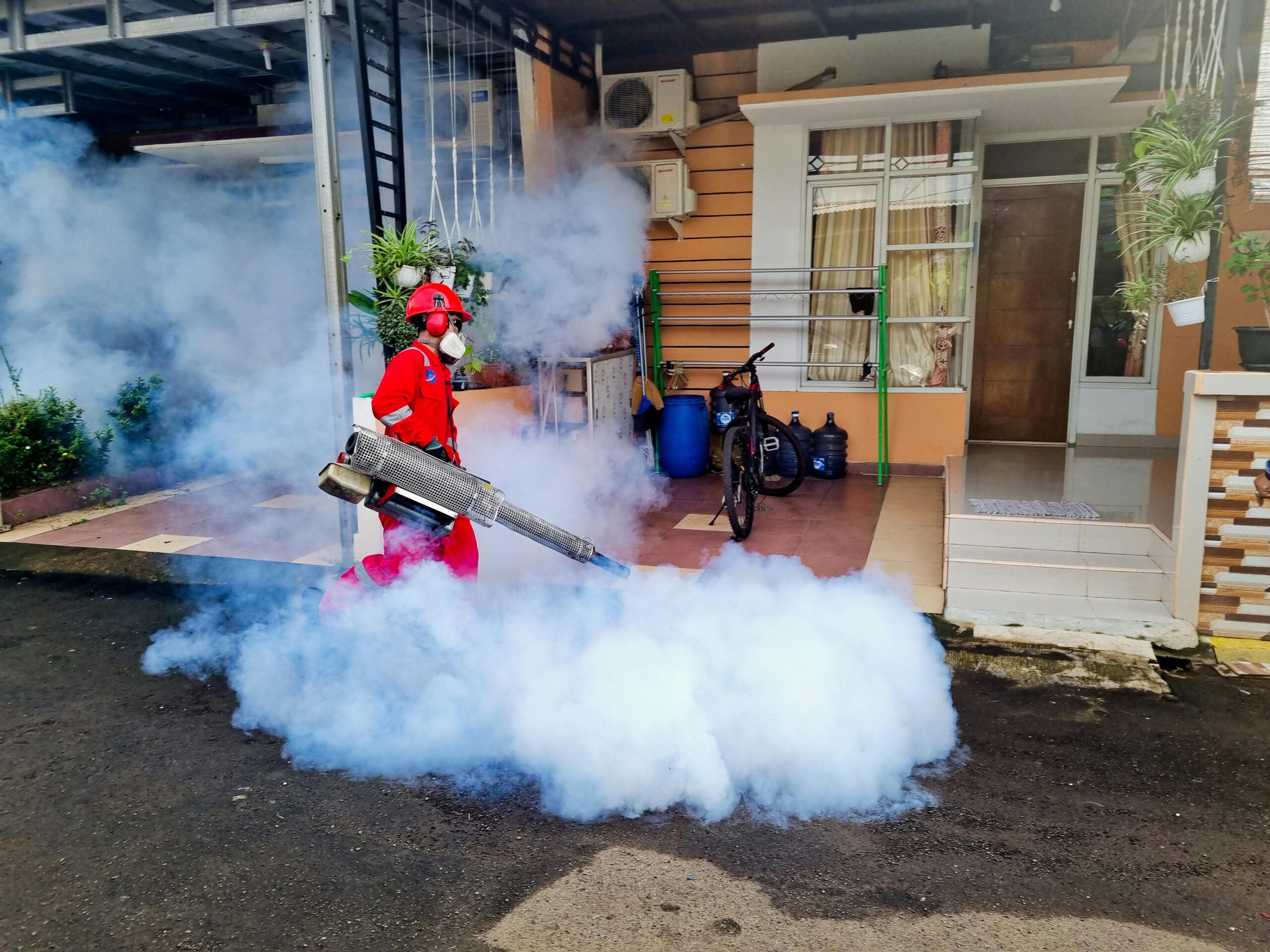
When fruit flies erupt in a Smyrna kitchen, every hour counts. Anthem Pest’s emergency response team is trained to arrive on the same day you call, perform a focused inspection, and launch a treatment plan that targets the infestation before it spreads to neighboring rooms or outdoor compost piles. Within minutes of the inspection, technicians apply a residual spray that continues to work for weeks, then schedule follow‑up visits to verify that the breeding cycle has been broken.

Anthem Pest technician applying indoor fog treatment
AI-generated image

Same‑Day Inspection and Follow‑Up Schedule

The first step is a rapid, same‑day inspection. A certified technician walks through your home, identifies hotspots such as trash cans, drains, fruit bowls, and compost bins, and pinpoints where adult flies are congregating. Using a handheld UV light and a moisture meter, the professional can locate hidden breeding sites that most homeowners miss. After the inspection, a detailed treatment map is created, and the technician explains the follow‑up schedule: a second visit 48 hours later to assess residual efficacy, and a final check‑in one week after treatment to ensure no new larvae have emerged.

Treatment Method a: Low‑Odor Indoor Fogging

For indoor spaces, Anthem Pest employs a low‑odor, EPA‑registered insecticide fogging system. The product—currently listed as Insecticide X (placeholder name)—is formulated to remain effective on surfaces for up to 30 days while emitting only a faint, almost undetectable scent. Technicians wear protective gear and follow strict application protocols to keep occupants safe. The fog penetrates cracks, crevices, and the undersides of countertops where fruit fly larvae hide, delivering a quick knock‑down of adult populations and preventing newly hatched flies from maturing.

Safety note: The fogging agent is approved for use in occupied homes. Technicians advise keeping pets and children out of the treated rooms for 30 minutes, then ventilating the area by opening windows for an additional 10 minutes. All safety data sheets are on file and can be provided upon request.

Treatment Method b: Outdoor Perimeter Treatment

Fruit flies often originate from outdoor trash and compost areas. Anthem Pest’s outdoor perimeter treatment creates a protective barrier around these attractants. Using a targeted spray that drifts minimally, technicians coat the exterior of trash bins, compost piles, and the ground surrounding them with the same EPA‑registered formula used indoors. This reduces the number of adult flies that can re‑enter the home and curtails the influx of new eggs laid in damp organic material.

The outdoor application is timed for early evening when flies are most active, maximizing contact while minimizing exposure to neighbors and pets. Technicians also provide homeowners with a short checklist—cover bins, keep compost moist but not soggy, and store ripe fruit in the refrigerator—to reinforce the chemical barrier with good sanitation practices.

Transparent Pricing for Emergency Calls

Anthem Pest believes that emergency pest control should never surprise you with hidden fees. As of the 2025 pricing verification, the emergency call‑out fee ranges from $149 to $199, depending on the size of the property and the severity of the infestation. This fee includes the same‑day inspection, the initial indoor fogging, and the first outdoor perimeter spray.

Each follow‑up visit is billed at a flat rate of $79. The follow‑up includes a re‑inspection, a spot‑treatment of any newly discovered hotspots, and a fresh residual spray if needed. No additional charges are added for travel, disposal of waste, or the provision of safety data sheets—they’re all part of the transparent package.

“When we act within the first 24 hours, we interrupt the fruit fly life cycle before the larvae can develop into adults. That rapid intervention is the most effective way to protect a home’s food storage areas and prevent a small problem from becoming a full‑blown infestation,” says James Miller, Certified Pest Technician at Anthem Pest.

All products used are EPA‑registered and come with full compliance to the latest safety data sheet (SDS) requirements. Anthem Pest technicians are trained to read and interpret these documents, ensuring that every application meets federal safety standards and local regulations in Smyrna, Georgia.

Year‑Round Prevention Strategies for Smyrna Homeowners

Fruit flies love the warm, humid pockets that pop up in any Georgia kitchen. The good news is that most of those inviting spots can be sealed, cleaned, or monitored before the insects even think about landing. Below is a step‑by‑step, season‑specific plan that lets you stay one step ahead all 12 months of the year.

1. Structural fixes that close the door on flies

  • Repair window and door screens. A torn mesh is a free runway straight into your living space. Check every screen for holes, tears, or loose stitching, and use a fine‑mesh patch kit or replace the screen entirely. A quick visual inspection each spring and fall is all it takes.
  • Tight‑fitting trash‑can lids. Fruit‑fly larvae can develop in the organic residue that clings to the inside of a trash bin. Choose cans with snap‑on lids or add a silicone gasket to existing containers so no air—or scent—can escape.
  • Install drain screens. Kitchen and bathroom drains are hidden breeding chambers. Slip a stainless‑steel or fine‑mesh screen over each drain opening. The screen stops adult flies from laying eggs while still allowing water to flow.

2. A seasonal maintenance routine you can actually keep

Consistency beats intensity. Set aside a few minutes each week and month, and you’ll never feel overwhelmed.

  • Monthly drain cleaning. Pour a cup of boiling water followed by a half‑cup of white vinegar and a tablespoon of baking soda down each kitchen sink drain. Let it fizz for five minutes, then flush with hot water. This scrubs away organic buildup that attracts flies.
  • Weekly fruit checks. Store ripe fruit in the refrigerator or in sealed containers. When you spot a bruised apple or a banana with brown spots, discard it immediately. A quick visual sweep of countertops and fruit bowls each Saturday keeps hidden eggs from hatching.
  • Deep kitchen clean in July. Mid‑summer is peak fruit‑fly season in Smyrna. Take a half‑day to move appliances, vacuum the crevices, and wipe down all surfaces with an enzymatic cleaner. Pay special attention to the underside of the fridge, pantry shelves, and garbage disposals.
  • Compost inspection in September. As the growing season winds down, many homeowners turn compost piles into a backyard feeding station. Inspect the bin for moisture, add a layer of dry leaves, and cover the top with a tight‑fitting lid. This prevents flies from using the compost as a winter nursery.

3. Quarterly inspection program with Anthem Pest

Even the most diligent homeowner can miss a hidden hotspot. Anthem Pest’s Quarterly Inspection Program brings a certified technician to your door every three months. They’ll verify that screens are intact, traps are positioned correctly, and any new entry points are sealed.

According to a 2022 EPA study, homes that enroll in quarterly inspections experience a 92 % reduction in repeat fruit‑fly issues (EPA study 2022). To make the program even sweeter, use discount code SMYRNAVIP when you call or book online. The code unlocks 15 % off the first year of service and guarantees priority scheduling during peak seasons.

4. Calendar reminders and year‑round traps

Technology can be your ally. Set recurring reminders on your phone or digital calendar for the tasks above—“Drain clean – 1st of each month,” “Fruit check – Saturdays,” “Compost lid – 1 Sept.” When the reminder pops up, you’ll already have the supplies on hand.

In addition to the routine, place a few low‑maintenance traps in high‑traffic zones: a small dish of apple‑cider vinegar with a drop of dish soap near the sink, or a commercial fruit‑fly sticky trap under the trash can. Replace the bait every two weeks during summer, and once a month in cooler months. The traps act as an early‑warning system, catching any stray flyers before they can lay eggs.

By combining solid structural fixes, a realistic maintenance calendar, professional quarterly inspections, and simple trapping tactics, Smyrna homeowners can turn fruit flies from a seasonal nuisance into a thing of the past. Stay proactive, stay protected, and enjoy your fresh produce without the buzzing.

Local Resources & Trusted References

When a fruit‑fly emergency strikes, having quick access to reputable information can make all the difference. Below are several trusted sources that offer up‑to‑date guidance, regulatory details, and data you can rely on while you plan your next steps.

  • Smyrna County Health Department – Pest Alertshttps://smyrna.gov/health
    The city’s health department posts real‑time alerts on local pest activity, including fruit‑fly sightings, treatment recommendations, and community outreach events. Checking this page lets you stay informed about any city‑wide advisories that could affect your home, and it often includes contact information for local licensed exterminators.
  • EPA Fruit Fly Fact Sheethttps://www.epa.gov/pests/fruit-flies
    The Environmental Protection Agency’s fact sheet breaks down fruit‑fly biology, health risks, and approved control methods. It also outlines EPA‑registered products and safety precautions, helping you understand what treatments are both effective and environmentally responsible. The sheet links to detailed pesticide labels so you can verify active ingredients before any DIY application.
  • CDC Guidelines on Food‑Borne Insectshttps://www.cdc.gov/foodsafety/
    The Centers for Disease Control and Prevention provides broader food‑safety guidance that covers insects like fruit flies. Their guidelines explain how these pests can contaminate food, signs of infestation, and steps you can take to protect your family’s health. The CDC site also offers printable checklists for kitchen hygiene that are handy during an outbreak.
  • NPMA Market Data on Residential Pest Trendshttps://www.npma.org/
    The National Pest Management Association compiles annual market data that highlights which pests are most prevalent in homes across the U.S. Their residential pest trends report shows where fruit flies rank among other household nuisances, giving you context for the seasonal surge you may be seeing. The data includes regional breakdowns, so you can compare Smyrna’s trends to national patterns.

Before you rely on any of these links, double‑check that the URL still reflects the 2025 version of the page, as guidelines and data are periodically updated.

To get the most out of these references, start by noting the date of the last update, then cross‑check any treatment advice with your own pest‑control provider. If a recommendation involves a chemical product, verify that it is approved for use in Georgia and that you follow the label’s safety instructions. Finally, keep a bookmarked list of these sites; having them at your fingertips speeds up decision‑making when fruit flies reappear.

For personalized assistance, Anthem Pest Control can interpret these guidelines and tailor a treatment plan for your home.

Protect Your Home and Family Now

Fruit flies may seem harmless, but in Smyrna’s warm climate they multiply faster than you can swipe a fly‑swatter. A single female can lay up to 500 eggs in just 24 hours, and those eggs hatch in under a day. That means a quiet kitchen can become a buzzing nightmare within 48 hours. When you spot a sudden swarm around fruit, trash, or drains, treat it as an emergency—delaying action gives the flies a chance to colonize your pantry, countertops, and even your children’s snacks.

Your DIY First Line of Defense

Before you dial a professional, run through this quick checklist. It’s designed to halt the infestation’s momentum while you decide whether you need extra help.

  • Eliminate breeding sites: Store ripe fruit in the refrigerator, discard overripe produce, and keep garbage cans sealed.
  • Clean drains and disposal units: Pour a mixture of boiling water and white vinegar down kitchen sinks and garbage disposals nightly.
  • Set traps: Use apple‑cider‑vinegar traps or commercially available fruit‑fly sticky cards near problem areas.
  • Seal entry points: Repair window screens, tighten door sweeps, and cover any cracks where flies could slip inside.
  • Maintain dry surfaces: Wipe countertops, countertops, and countertops—sorry, repeat—keep all surfaces dry to discourage egg‑laying.

These steps buy you time, but they have limits. If flies continue to appear after 48 hours of diligent DIY work, or if you notice larvae in your drains, the infestation has likely moved beyond surface control. At that point, professional intervention becomes essential to reach hidden breeding zones, treat structural voids, and break the life cycle completely.

Why Anthem Pest Is Your Best Backup

Anthem Pest offers a same‑day response that matches the speed of a fruit‑fly’s life cycle. Our technicians arrive equipped with EPA‑registered treatments that are proven to eradicate both adult flies and their hidden larvae without endangering your family or pets. Transparent pricing means you’ll know exactly what you’re paying for—no hidden fees, no surprise add‑ons. Because we specialize in Georgia’s unique climate, our solutions are calibrated for the humidity and temperature patterns that fuel rapid fruit‑fly growth in Smyrna.

Act Now: Simple Ways to Reach Us

Don’t let a tiny pest become a household crisis. Call 877‑371‑8196 for an immediate, free quote. Our 24/7 emergency line ensures you can speak with a specialist any time the flies appear. If you prefer digital scheduling, simply visit our Contact Form to select a convenient time slot—our short‑form link makes it quick and hassle‑free.

Local Expertise, Hassle‑Free Protection

Our Smyrna‑based technicians understand the local climate quirks that turn a minor fruit‑fly sighting into a full‑blown infestation. They’re trained to protect your kitchen, pantry, and, most importantly, your family—without the stress of DIY guesswork or the mess of over‑the‑counter chemicals. With Anthem Pest, you get a partner who handles the science, the safety compliance, and the follow‑up, leaving you free to enjoy a fly‑free home.

Ready to reclaim your space? Anthem Pest is standing by to safeguard your home today.

Related articles


trust the top google rated pest company in georgia!

Get a Free Quote for Pest, Mosquito & Termite Control

Anthem Pest experts are trained to identify and treat all types of pest issues. Since every home is unique, we customize a treatment plan tailored specifically to your property and needs.

  • Custom Plans for Every Home
  • Local Experts Who Know Georgia Pests
  • No Risk, Free Quote
trust the top google rated pest company in georgia!

Get a Free Quote for Pest, Mosquito & Termite Control Today!

Anthem Pest experts are trained to identify and treat all types of pest issues. Since every home is unique, we customize a treatment plan tailored specifically to your property and needs.

  • Over 10K 5 Star Google Reviews
  • Locally Owned & Family Operated
  • Get a No Risk, Free Quote!
Duluth Office
3305 Breckenridge Blvd
Ste 130 Duluth, GA 30096
Marietta Office
1710 Cumberland Point Dr
Ste 8 Marietta, GA 30067

Cost comparison between a typical DIY approach and a single professional fruit‑fly treatment
Approach