Emergency Gnat Control Overview for Brookleaf Homeowners
Over the past two weeks, neighbors in Brookleaf Village and North Brookleaf have been flooding the Anthem Pest hotline with frantic calls about swarms of tiny, buzzing insects invading kitchens, bathrooms, and even bedrooms. The surge in complaints isn’t a seasonal fluke—recent rainstorms have created perfect breeding grounds, and the gnats are moving indoors faster than ever.

What exactly are gnats? In everyday language they’re the tiny flies that hover around houseplants, damp basements, and outdoor lights. Scientifically, most household gnats belong to the families Sciaridae (fungus gnats) and Culicidae (the smaller, mosquito‑like species). While a few gnats are harmless, an indoor infestation can quickly become an emergency: they breed in standing water, spread mold spores, and their constant presence can trigger allergies and stress for any homeowner.
When gnats breach your living space, Anthem Pest recommends a three‑tiered response:
- DIY First‑Aid: Eliminate standing water, use sticky traps, and apply a short‑term indoor spray.
- Professional Emergency Service: Same‑day inspection, targeted treatment of breeding sites, and rapid reduction of adult populations.
- Long‑Term Prevention: Soil amendments for houseplants, exterior drainage fixes, and scheduled follow‑up visits to keep the cycle broken.
That’s where Anthem Pest Control steps in. As the only locally‑based pest specialist offering same‑day gnat emergencies in Brookleaf, we combine fast response times with a proven, low‑toxicity treatment protocol. Our technicians know the neighborhood’s unique micro‑climates, so we can pinpoint hidden breeding spots that generic DIY kits miss.
Stay tuned for the next section, where we’ll walk you through the exact steps you can take right now—whether you choose a quick DIY fix or call our emergency line at 877‑371‑8196 for immediate, professional relief.
Why Gnats Appear in Brookhaven Homes
Humid Subtropical Climate
Brookhaven sits within the Atlanta metropolitan area, which experiences a humid subtropical climate. Summer months regularly see relative humidity levels above 70 %. This moisture‑rich air creates the perfect environment for tiny flying insects to thrive. When humidity stays high, organic material—such as mold, algae, or decaying plant matter—remains damp longer, providing gnats with the moisture they need to complete their life cycle. The NOAA climate data for the Atlanta metro confirms these humidity trends, explaining why gnat activity spikes during the warmest part of the year.
Common Breeding Sites Inside the Home
Even if the outdoor climate is favorable, gnats need a specific place to lay eggs and develop. In Brookhaven households, the most frequent indoor hotspots include:
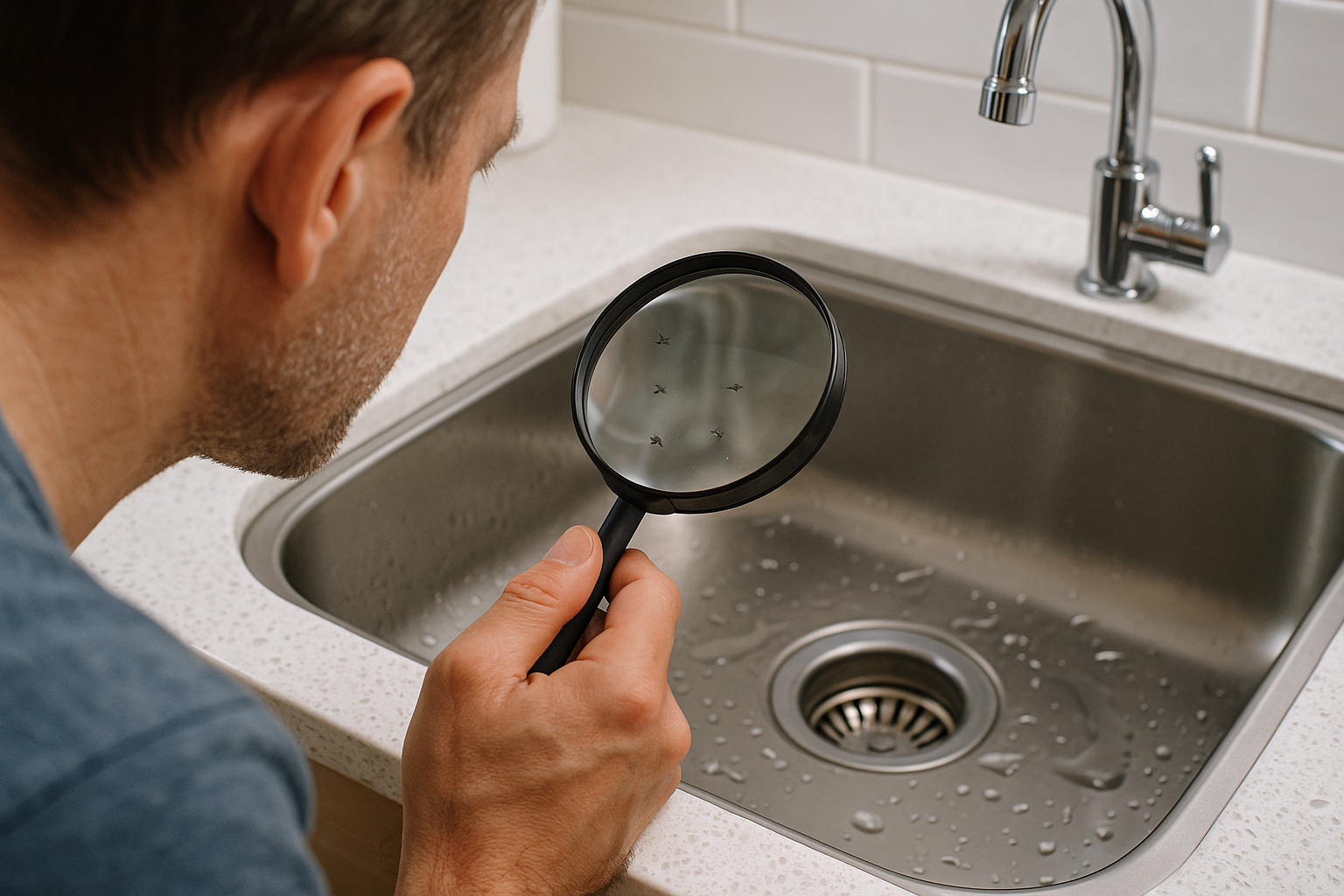
- Kitchen drains – food particles and soap scum accumulate in sink pipes, creating a nutrient‑rich slurry for larvae.
- Over‑watered houseplants – soggy soil holds moisture and organic debris, turning pots into miniature nurseries.
- Compost bins – kitchen scraps that aren’t sealed properly release odors and moisture that attract adult gnats.
- Pet water bowls – standing water that isn’t refreshed daily can become a breeding ground.
Identifying these sites early is the first step in breaking the infestation cycle.
Seasonal Pattern and Rainfall Influence
Gnats in Brookhaven typically reach their peak in late spring to early summer. After a series of rain events, the ground and outdoor vegetation retain moisture, and indoor humidity rises. These conditions trigger adult gnats to seek out indoor water sources, where they can lay eggs. The result is a noticeable surge in flying insects inside homes just weeks after a heavy rainstorm.
How Common Is the Problem?
According to the EPA Indoor Pest Survey 2024, 42 % of Georgia households report seeing indoor flying insects during the summer months. This statistic underscores that gnats are not a rare nuisance; they are a widespread seasonal challenge for many Brookhaven residents.
Understanding the climate, pinpointing breeding sites, and recognizing the seasonal surge give homeowners the knowledge they need to act quickly. By eliminating excess moisture and cleaning potential hotspots, you can dramatically reduce the likelihood of a gnat invasion before it becomes a full‑blown emergency.
Immediate DIY Actions to Reduce Gnats
Gnats can turn a quiet evening on your porch or in your kitchen into a buzzing nightmare, but you don’t need a professional service to start winning the battle. The good news is that most of the things attracting these tiny flies are right under your nose, and a few simple household steps can slash their numbers dramatically within hours. Below is a practical, step‑by‑step checklist you can follow right now, using items you already have in the pantry or toolbox.
Quick‑Start Checklist
- Remove standing water. Empty pet water dishes, change the water in indoor plant saucers, and wipe dry any puddles that form after a rainstorm. Check under the refrigerator, behind the dishwasher, and around air‑conditioning units for hidden trays. Fix leaky faucets and repair any cracked pipe joints; even a slow drip can become a breeding pool for gnats.
- Clean drains. Sprinkle ½ cup of baking soda down each kitchen and bathroom drain, then follow with ½ cup of white vinegar. Let the fizzing reaction work for five minutes before pouring a kettle of boiling water down the pipe. This combination breaks down organic buildup that gnats love to lay their eggs in.
- Reduce indoor humidity. Aim for a relative humidity (RH) level of about 45 %. Run a dehumidifier in damp areas such as basements, laundry rooms, or any space where moisture lingers. If you don’t have a dehumidifier, open windows on dry days and use exhaust fans to pull humid air outside.
- Set up an apple‑cider‑vinegar trap. Fill a shallow dish or bowl with ¼ cup of apple‑cider vinegar, add a single drop of dish soap, and place the trap on a countertop or near the affected area. The vinegar’s scent lures the gnats, while the soap breaks the surface tension so they drown.
Why the Apple‑Cider‑Vinegar Trap Works
The volatile acids in apple‑cider vinegar mimic the scent of fermenting fruit, a favorite food source for adult gnats. When a gnat lands on the liquid, the dish‑soap molecule reduces the surface tension, causing the insect to slip below the surface and drown. The trap is non‑toxic, inexpensive, and can be refreshed every 24‑48 hours for continuous control.
Case Study: Brookhaven Homeowner Cuts Gnats by 80 % in 48 Hours
When Sarah M., a homeowner in the historic district of Brookhaven, noticed a sudden surge of gnats around her kitchen sink, she followed the checklist above. Within the first 12 hours she eliminated two leaky faucet drips and cleared the sink trap. She then set up three vinegar traps on the counter, cleaned the bathroom drains, and ran a portable dehumidifier in her basement. After 48 hours, Sarah reported an 80 % drop in gnat sightings and a noticeable reduction in the buzzing that had been keeping her family up at night.
Safety First
While aerosol insecticides can seem like a quick fix, they often contain chemicals that linger on surfaces and in the air. Use them only in well‑ventilated areas, wear a mask, and follow the label instructions meticulously. In most cases, the DIY steps above are sufficient and far safer for children, pets, and indoor air quality.
For additional official recommendations on managing indoor flying insects, consult the CDC Flying Insects Fact Sheet.
When DIY Isn’t Enough – Professional Emergency Treatment
If you’ve tried the usual home remedies—vinegar traps, sticky ribbons, or over‑the‑counter sprays—and the gnats are still buzzing, it’s time to call in the pros. The following signs tell you that a DIY approach has hit its limit and that a certified technician from Anthem Pest should be on the scene.
Indicators That Professional Help Is Needed
- Infestation persists after 48 hours despite thorough cleaning and DIY treatments.
- Gnats appear in multiple rooms, not just the kitchen or bathroom, indicating a widespread source.
- Larvae discovered in soil or potting mix, a clear sign that the breeding cycle is established inside your home.
When any of these red flags show up, the risk of a full‑blown infestation—and the associated health concerns—rises dramatically. That’s why Anthem Pest’s emergency response is designed to act fast, safely, and effectively.
Anthem Pest Emergency Workflow
- Same‑day inspection: A technician arrives within four hours of your call, evaluates the extent of the problem, and identifies breeding hotspots.
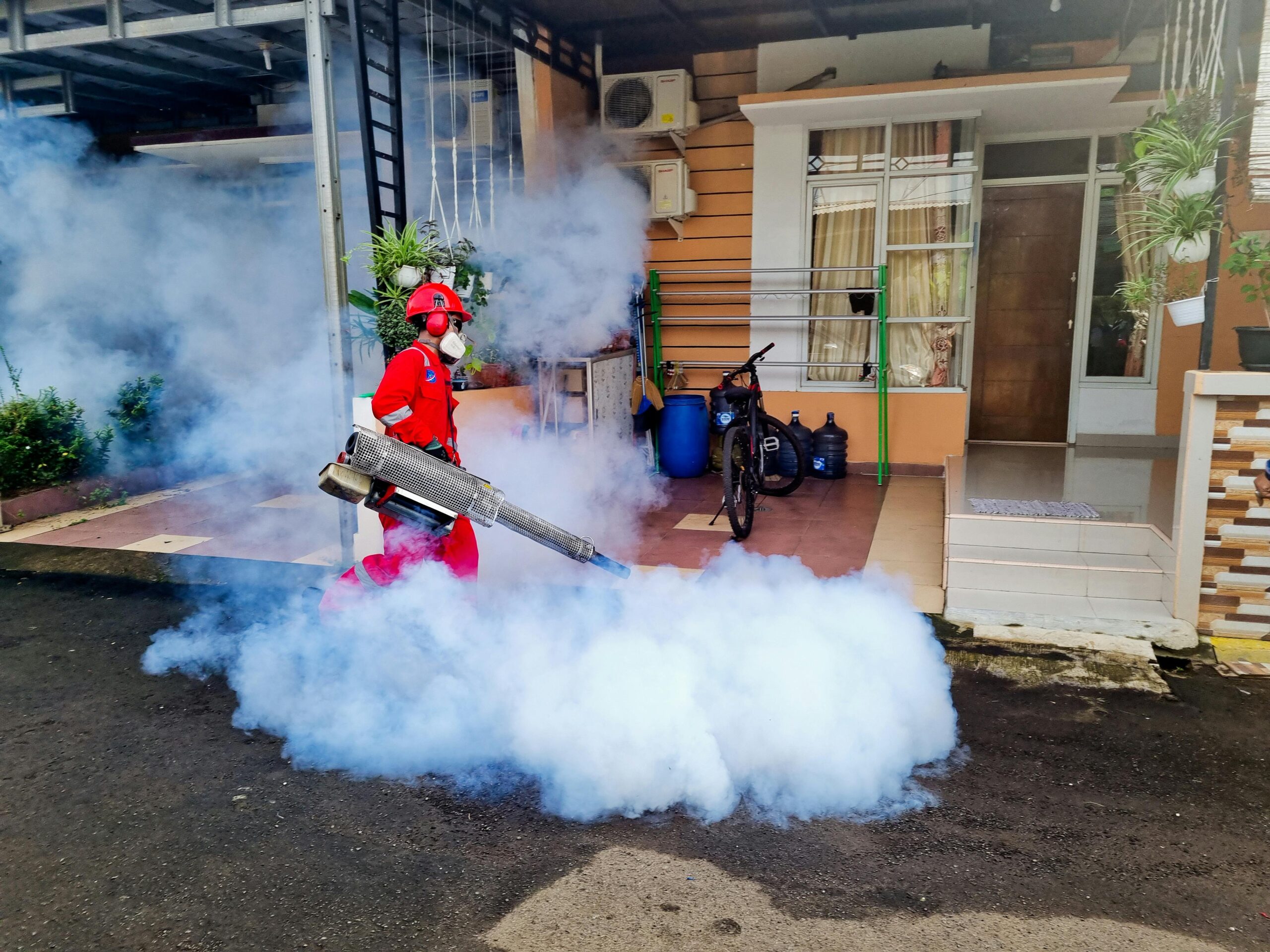
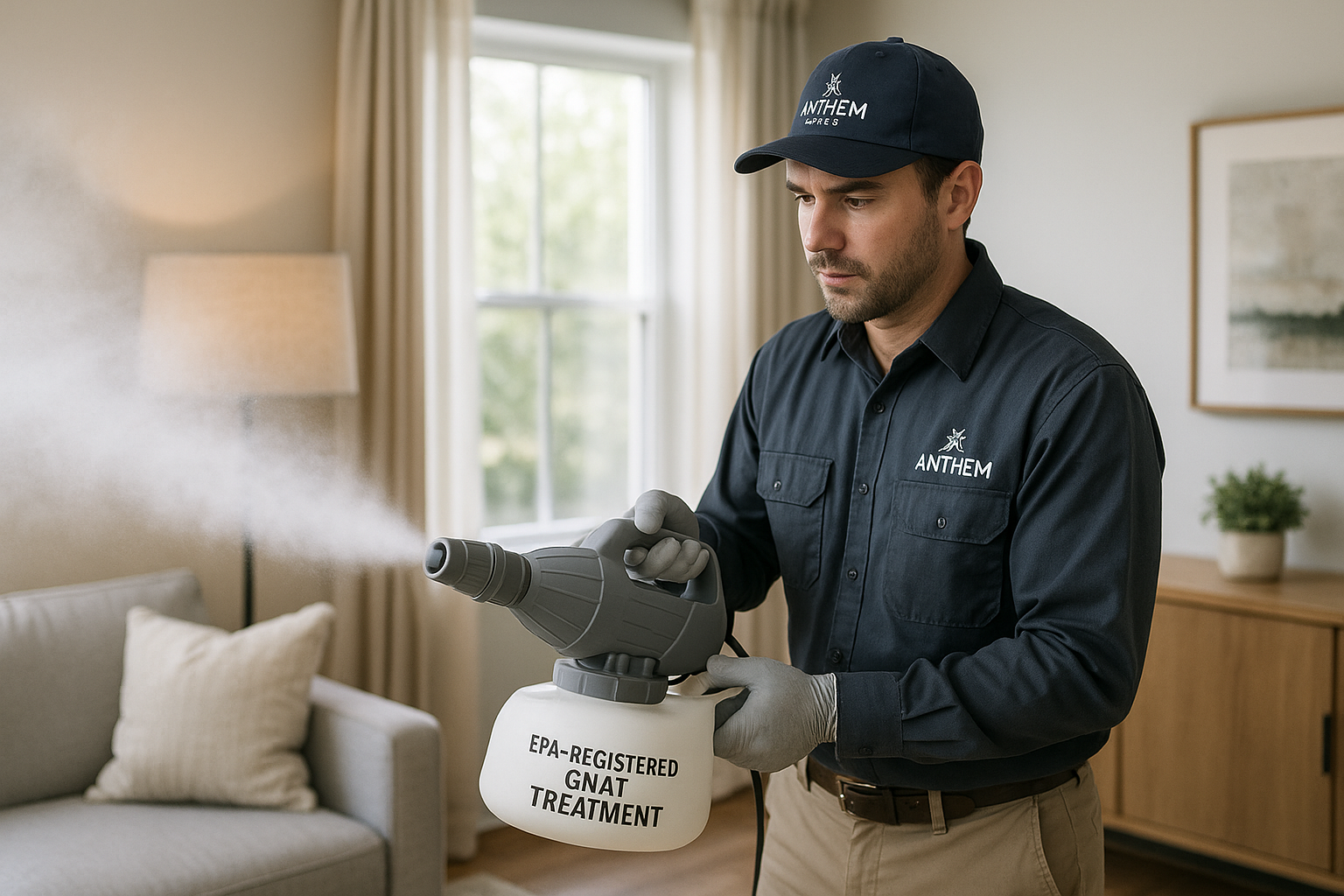
- Targeted indoor fogging: Using an EPA‑registered, pyrethrin‑based adulticide, we fog the interior spaces where gnats are active. The low‑odor formulation lets you stay in the house while we work.
- Exterior perimeter treatment: We apply a soil drench around the foundation and treat mulch beds to eliminate larvae before they emerge.
This three‑step process not only knocks down the current adult population but also disrupts the life cycle, preventing a rapid rebound.
Pricing Transparency
Anthem Pest believes in clear, upfront costs. Our emergency call‑out fee is $95, which covers the initial inspection and travel. Treatment packages are tiered by square footage, ensuring you only pay for what you need.
| Package | Square Footage | Price (2025) |
|---|---|---|
| Basic | Up to 1,500 sq ft | $199 |
| Standard | 1,501‑3,000 sq ft | $269 |
| Premium | 3,001‑5,000 sq ft | $349 |
For a broader industry perspective, see the NPMA Professional Pricing Guide 2024. Our rates align with national standards while remaining competitive for Brookhaven homeowners.
Why Choose Anthem Pest?
- Certified technicians with specialized training in gnat biology and emergency protocols.
- Low‑odor, EPA‑registered formulations that protect families and pets.
- Follow‑up guarantee: If gnats reappear within 30 days, we return at no extra charge.
Our rapid response model means you won’t have to endure sleepless nights or compromise the comfort of your home. By tackling the problem head‑on, we restore a peaceful indoor environment faster than any DIY fix could.
Long‑Term Prevention Strategies for a Gnat‑Free Home
Landscape Adjustments
Gnats love moist, organic material near the house. By creating a physical gap between vegetation and your foundation, you deprive them of a breeding corridor. Keep shrubs, ornamental grasses, and ground‑cover plants trimmed at least 2‑3 feet away from the siding. This not only reduces shade‑retaining moisture but also makes it harder for adult gnats to land and lay eggs on the soil directly adjacent to your home.
Replace traditional wood or pine mulch with cedar chips. Cedar’s natural oils are mildly repellent to many small flying insects, and the larger chip size drains faster, preventing the soggy environment gnats thrive in. If you must use mulch, opt for a shallow layer (no more than 2 inches) and turn it over every few months to keep it aerated.
Home Maintenance Practices
- Install drain screens: All exterior drains, gutter downspouts, and basement floor drains should have fine‑mesh screens (¼‑inch or smaller). This blocks adult gnats from entering while still allowing water to flow.
- Seal entry points: Inspect window screens, door sweeps, and utility penetrations for tears or gaps. Replace damaged screens promptly.
- Quarterly professional inspections: A licensed technician can locate hidden moisture sources, assess the effectiveness of your existing barriers, and apply targeted treatments before gnats re‑establish a population.
- Maintain indoor humidity: Use dehumidifiers in basements and crawl spaces to keep relative humidity below 50 %.
Seasonal Schedule for Brookhaven Homeowners
- Early Spring (March‑April): Conduct a thorough exterior inspection. Trim vegetation, replace mulch, and install or clean drain screens. Request a professional “pre‑season” assessment to catch any lingering moisture pockets.
- Midsummer (June‑July): Fogging or targeted perimeter sprays can interrupt a rising gnat population. Pair this with a quick check of indoor plant soil moisture and ensure kitchen drains are free of food debris.
- Fall (October‑November): Remove fallen leaves, especially around foundations and gutters, as they retain moisture and provide a perfect overwintering site. Perform a final trim of any late‑season growth and schedule the year‑end professional inspection.
According to a 2023 University of Georgia Extension study, homes that receive quarterly professional inspections experience 65 % fewer repeat gnat reports.
For a deeper dive into environmentally responsible pest management, visit the EPA Integrated Pest Management (IPM) Overview. Implementing these long‑term strategies not only protects your home from gnats but also supports a healthier, more balanced backyard ecosystem.
Frequently Asked Questions About Gnat Control
Are gnat treatments safe for pets and children?
Absolutely. At Anthem Pest Control we only use EPA‑registered products that are formulated for low toxicity. Our technicians follow strict safety protocols, including proper dilution, targeted application, and thorough post‑treatment ventilation. We also schedule treatments at convenient times to minimize household disruption. After a fogging or soil treatment, we advise a short waiting period—usually 30 minutes—before re‑entering the treated area, ensuring that pets and children are completely safe.
How long does a fogging treatment last?
A single fogging application is designed to knock down adult gnats quickly, providing noticeable relief for about 2‑3 weeks. Because gnats lay eggs in the soil, we often pair fogging with a follow‑up soil drench or granule treatment. This secondary step creates a protective barrier in the breeding zone, extending effective control to roughly 6‑8 weeks. For the best results, we recommend scheduling a seasonal check‑in so we can re‑apply soil treatment before the next peak in gnat activity.
Can gnats re‑enter after treatment?
Gnats will only return if the conditions that attracted them in the first place re‑appear. That means standing water, over‑watered plant pots, or decaying organic matter must be eliminated. Our technicians don’t just spray and leave; we conduct a thorough inspection to locate and remediate all potential breeding sites. Simple preventive steps—like fixing leaky irrigation, cleaning clogged gutters, and using proper mulch depth—keep the environment inhospitable to gnats, dramatically reducing the chance of reinfestation.
What should I do between professional visits?
Maintain a dry, clean yard and interior. Empty birdbaths and pet water dishes daily, replace stagnant water in flower pots, and keep trash cans sealed. If you notice a sudden surge in gnat activity, contact us right away; early intervention can prevent a minor nuisance from becoming a full‑blown infestation.
Will I need a special preparation before the technician arrives?
Preparation is minimal. Clear pathways to the treatment zones, move outdoor furniture away from the spray area, and keep windows and doors closed for about 30 minutes after application. Inside the home, we ask that you cover or remove food items and pet dishes from the immediate vicinity of the fogging zone. These simple steps help the treatment work efficiently and keep your family’s environment safe.
Take Action Now – Secure Your Brookhaven Home
Complete three‑tiered defense
First, implement the quick DIY steps you’ve just learned—eliminate standing water, seal entry points, and set up traps to reduce the immediate buzz. Second, call a certified professional for an emergency response; a same‑day visit lets us locate hidden breeding sites, apply targeted treatments, and stop the infestation before it spreads. Third, adopt a long‑term prevention plan that includes regular inspections, landscape adjustments, and barrier applications to keep gnats away season after season. Finally, keep a daily log of any new activity and maintain cleanliness to catch any resurgence early.
Why choose Anthem Pest in Brookhaven?
Our technicians live and work in Brookhaven, so we understand the local climate, vegetation, and common entry routes that gnats exploit. We guarantee rapid same‑day service, transparent pricing with no hidden fees, and a safety‑first approach that protects your family and pets. We also offer a clear, itemized quote before any work begins, so you know exactly what you’re paying for.
Get a free emergency assessment
If gnats are swarming your kitchen or living room, don’t wait. Call Anthem Pest today at 877‑371‑8196 for a free emergency assessment. Our certified technicians will diagnose the source, treat the infestation safely, and set you up with a customized prevention plan—all at affordable rates. Our team is on call 24 hours a day, ready to intervene the moment you notice a spike.
We’re proud to serve Brookhaven homeowners with the fastest response times and the most reliable results in the region. Your peace of mind is our guarantee—if gnats return, we’ll re‑treat at no extra cost.