Recognizing House Flies and Their Risks

The common house fly, Musca domestica, is the most familiar flying nuisance in Decatur homes and a frequent trigger for house fly control Decatur services. It measures roughly 6–9 mm in length, sports a sleek gray-black body with faint longitudinal stripes, and has bright red compound eyes that glint in the light. Its wings beat so rapidly that the insect appears to hover, making it easy to spot when it lands on a countertop or windowsill.
Flies can show up both inside and outside your house. Indoors they gravitate toward:
- Open trash cans or overflowing garbage bags
- Pet waste stations and litter boxes
- Bright windows and interior lights that act like beacons at night
- Food preparation areas, especially where uncovered dishes sit
Outdoors, they frequent:
- Compost piles and yard waste
- Animal shelters, barns, or any area with manure
- Standing water and damp mulch where they can rest before re‑entering the home
Beyond the annoyance, house flies pose genuine health risks. They are mechanical vectors—they pick up bacteria, viruses, and parasites on their legs, mouthparts, and bodies as they move from filth to food. Studies from the U.S. Environmental Protection Agency link flies to the spread of Salmonella, E. coli, and Shigella, all of which can cause food‑borne illness. In a kitchen setting, a single fly landing on a slice of bread can deposit thousands of microbes in seconds.
Allergic reactions are another, often overlooked, concern. Some homeowners develop skin irritation or respiratory symptoms after repeated exposure to fly saliva and waste particles. For families with young children, the elderly, or anyone with compromised immune systems, these reactions can quickly become serious.
Early warning signs that a fly population is taking hold include:
- A noticeable increase in fly activity around doors, windows, and light fixtures
- Flies landing directly on food, uncovered dishes, or pet bowls
- The appearance of tiny, white maggots (fly larvae) in garbage, pet waste, or decaying organic material
- Persistent buzzing sounds near indoor lighting, especially after sunset
When you spot any of these indicators, it’s time to act before the problem escalates. Prompt removal of breeding sites—such as sealing trash containers, cleaning pet waste promptly, and fixing window screens—can dramatically reduce fly numbers. For a deeper dive into fly biology and the public‑health implications, see the resources from the UGA Extension and the EPA linked above.
Seasonal Fly Activity in Decourt, GA
Decatur’s subtropical climate is a perfect breeding ground for house flies, making house fly control Decatur a recurring need for local homeowners. Warm temperatures combined with high humidity create the ideal conditions for eggs to hatch, larvae to develop, and adults to thrive. From late winter through early fall, daily highs often linger between 70°F and 90°F, while relative humidity regularly tops 60%. Those numbers aren’t just pleasant for us—they’re a buffet for flies looking to lay the next generation of pests.
Reading the Seasonal Activity Chart
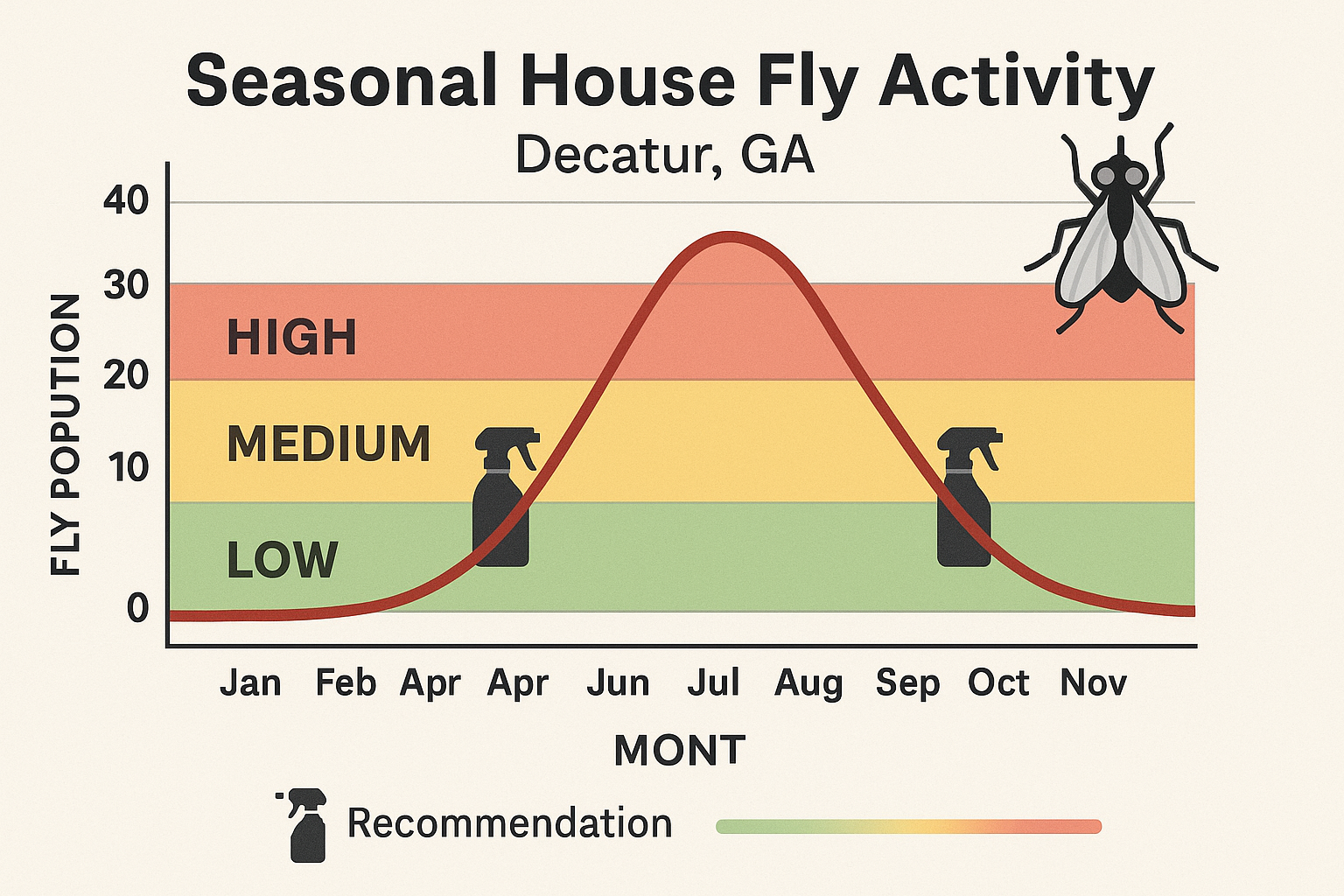
Our seasonal chart (see the image below) breaks the year into three activity zones:
- High activity: March – October, when temperatures consistently exceed 70°F and humidity remains elevated.
- Medium activity: November – December, when occasional warm days keep fly numbers noticeable but manageable.
- Low activity: January – February, when cooler nights and daytime lows dip below 60°F, slowing reproduction.
Notice the gentle dip in late August and early September. That dip isn’t a sign that flies are disappearing; it’s the result of a brief dry spell that temporarily slows breeding. As soon as humidity rebounds, numbers surge again.
Why Outdoor Events Trigger Fly Spikes
Decatur loves its community gatherings—think backyard barbecues, the Decatur Arts Festival, and the annual Summer Concert Series. Those events generate the exact conditions flies crave: food residues, sugary drinks, and plenty of shade. Even a single open trash can can become a hotspot, turning a pleasant evening into a fly‑infested one within hours.
Research shows that fly populations can increase 30 %–45 % on days following a major outdoor event, especially if cleanup is delayed. The chart’s “peak months” align perfectly with the city’s busiest festival season, reinforcing the need for proactive measures.
Best Timing for Preventative Treatments
To stay ahead of the swarm, schedule treatments during the transition periods:
- Early spring (mid‑March): Apply a pre‑emptive barrier when the first warm days appear. This stops flies from establishing breeding sites in your yard and around outdoor trash areas.
- Late summer (late August): A second treatment targets the second wave of activity that follows the festival season and the brief humidity dip. It also helps keep flies from re‑infesting before the cooler months set in.
Both windows give you a buffer before the next peak, allowing residual insecticide to remain effective throughout the high‑activity period. Pair treatments with simple homeowner actions—tight‑fitting trash lids, regular garbage removal, and prompt cleanup of food spills—to maximize results.
Effective Fly Control Methods – DIY vs. Professional
DIY Options You Can Try Tonight
Most homeowners start with a quick fix: a sticky trap hanging near a kitchen window, a UV‑light trap in the garage, or a simple homemade spray made from vinegar and dish soap. These tools are inexpensive, easy to set up, and give you immediate visual feedback when they start catching flies. Pairing them with good sanitation—regularly emptying trash, cleaning food residues, and sealing cracks around doors and vents—can keep the fly population from exploding in the first place.
- Sticky traps: coated with a non‑toxic adhesive; place them at eye level where flies congregate.
- UV‑light traps: attract flies with a blue light, then electrocute or trap them on a sticky board.
- Homemade sprays: a mixture of water, a few drops of dish soap, and a splash of apple cider vinegar can knock down flies on contact.
- Sanitation practices: keep compost bins sealed, store garbage in containers with tight lids, and repair window screens promptly.
Why DIY Often Falls Short
While DIY methods are great for a quick win, they rarely provide lasting control. Sticky and UV traps capture only the flies that happen to wander into their immediate zone, leaving the rest of your home untouched. Homemade sprays may kill individual insects, but they don’t address the breeding sites or the adult flies that keep returning.
Another hidden risk is chemical exposure. Many over‑the‑counter sprays contain pyrethroids or organophosphates that can irritate skin, eyes, and lungs, especially in households with children or pets. Without proper training, you might also apply too much product, creating residues that linger on countertops or flooring.
Finally, DIY solutions typically cover a limited area. A single trap in the kitchen won’t protect a backyard patio, a detached garage, or the perimeter of your home where flies first enter. For severe infestations, the result is often a cycle of re‑application and frustration.
Professional Solutions That Go the Distance
When the fly count climbs beyond what a trap can handle, a licensed technician brings a toolbox of proven treatments. The most common professional approaches include:
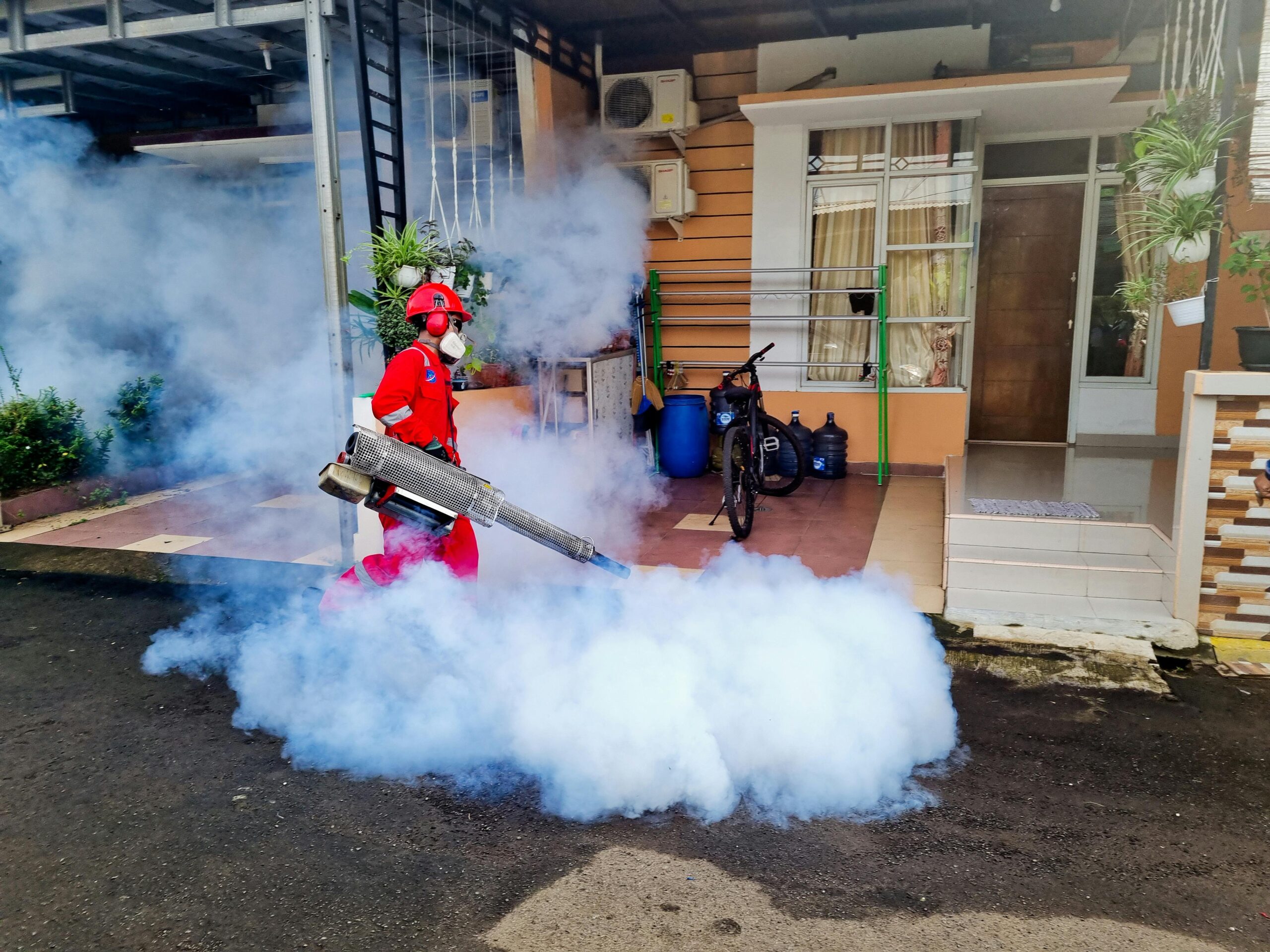
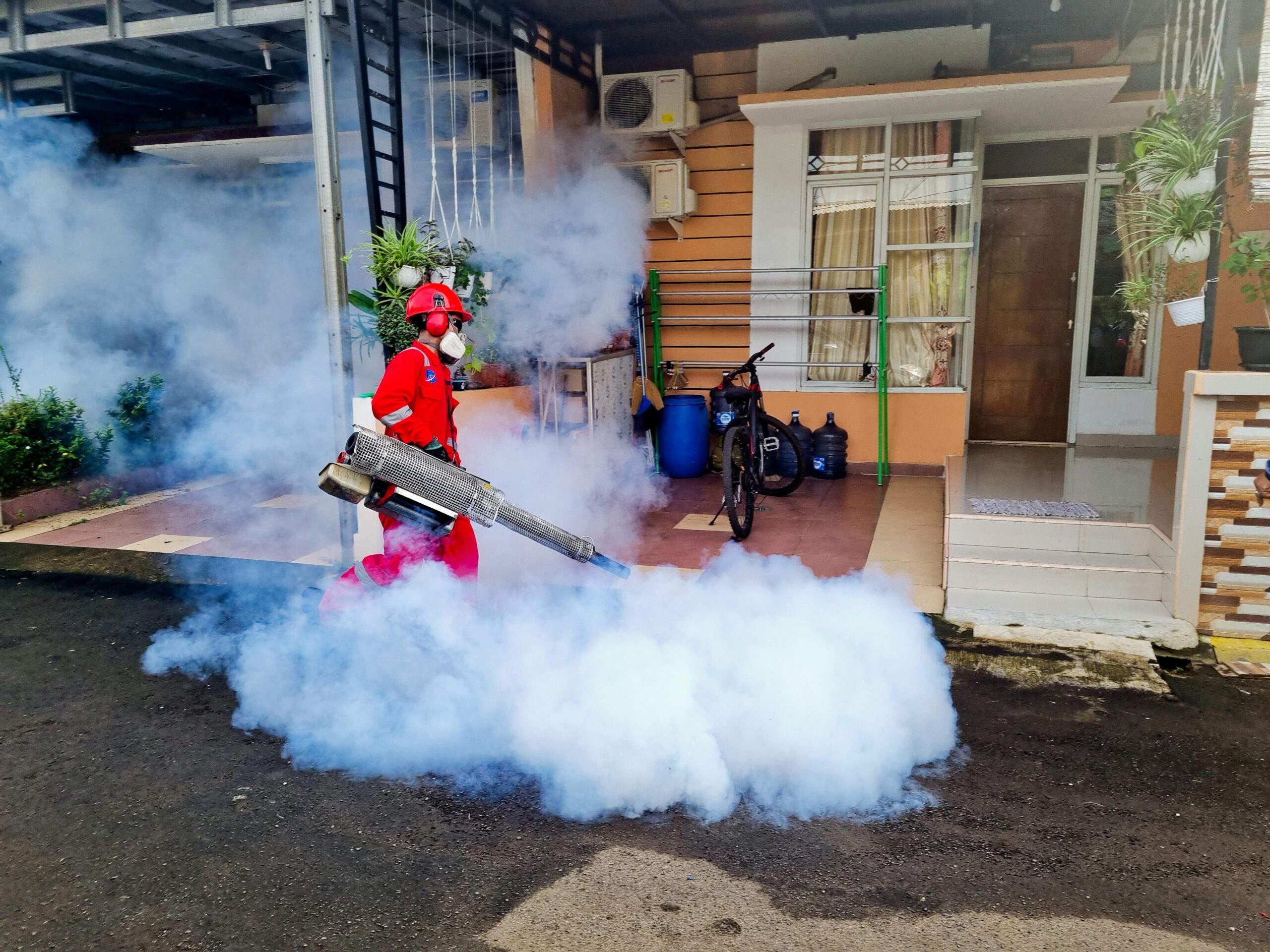
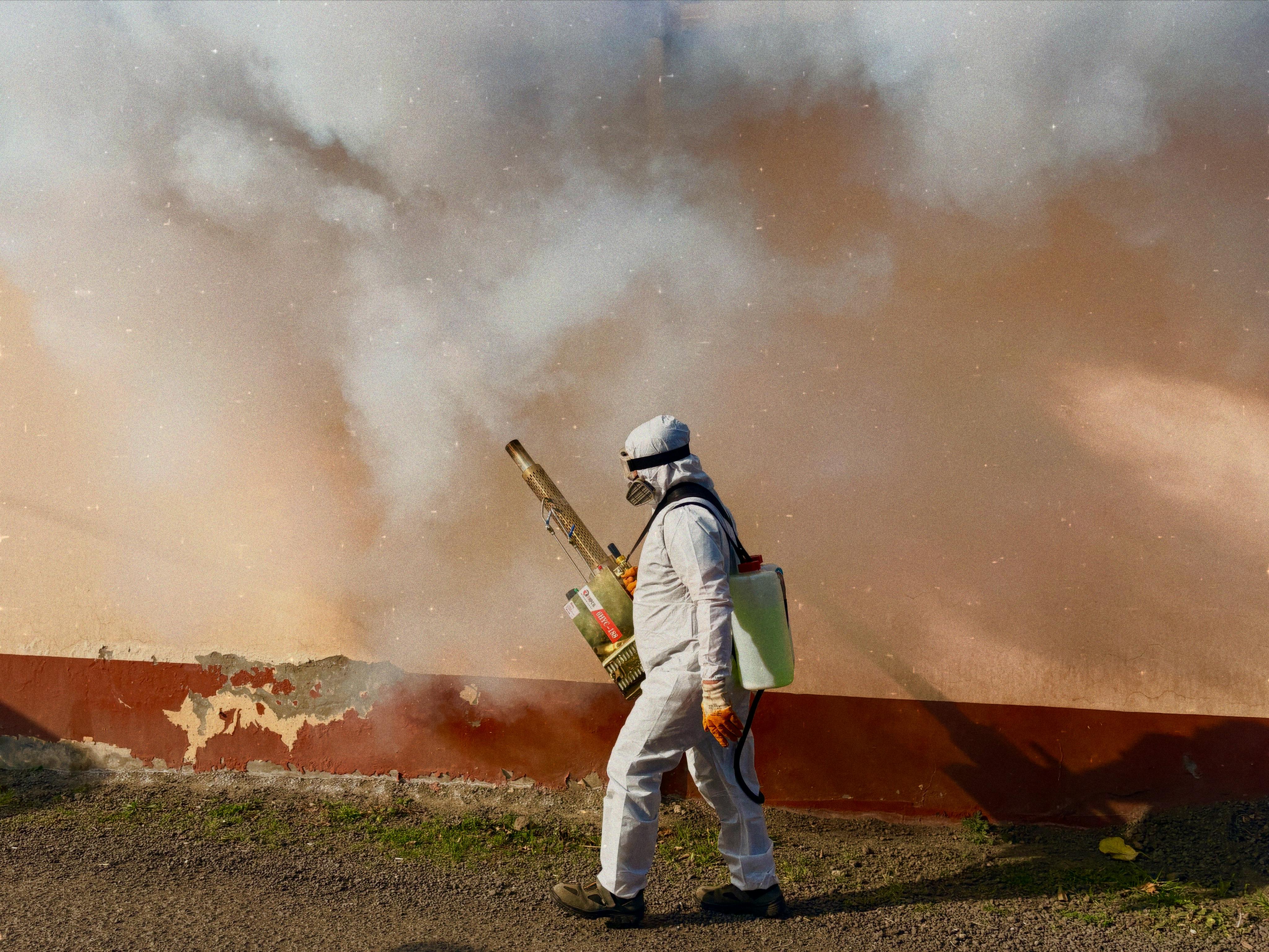
- Perimeter spraying: EPA‑approved insecticides are applied around the exterior of the house, creating a barrier that kills flies before they slip inside.
- Bait stations: sealed containers with attractants and a slow‑acting toxin that flies carry back to their breeding sites, reducing the colony from the inside out.
- Residual insecticide applications: a thin coating on window frames, doorways, and other high‑traffic entry points that continues to work for weeks.
- Fly‑specific treatments: formulations designed to target the house fly’s life cycle, often combined with larvicidal products for any nearby garbage or animal waste.
These methods are calibrated to the size of your property and the severity of the infestation, delivering coverage that DIY tools simply cannot match.
Safety and Regulatory Compliance
Professional pest control companies must use products that are registered with the Environmental Protection Agency (EPA) and follow strict label directions. Technicians receive training on proper mixing, application rates, and protective equipment, which minimizes exposure for both the homeowner and the environment.
Because the products are applied by certified professionals, you won’t have to worry about accidental over‑application, drift onto neighbor’s lawns, or lingering chemical odors. Moreover, many states require a licensed applicator for any residual insecticide, ensuring that the treatment complies with local health codes.
Choosing between DIY and professional fly control ultimately comes down to the scale of the problem and your comfort with chemicals. For a few stray flies, a sticky trap and diligent cleaning may be enough. When the buzzing becomes relentless, calling Anthem Pest Control guarantees a comprehensive, EPA‑compliant solution that protects your family and restores peace of mind.
Understanding Emergency Fly‑Control Pricing in Decatur
When a house‑fly invasion spikes overnight, you can’t wait for the next scheduled service. Sudden infestations often hit just before a family gathering, a backyard barbecue, or a home‑based business event, turning a pleasant occasion into a buzzing nightmare. In those moments, an emergency response—typically guaranteed within a few hours—protects your reputation, health, and peace of mind.
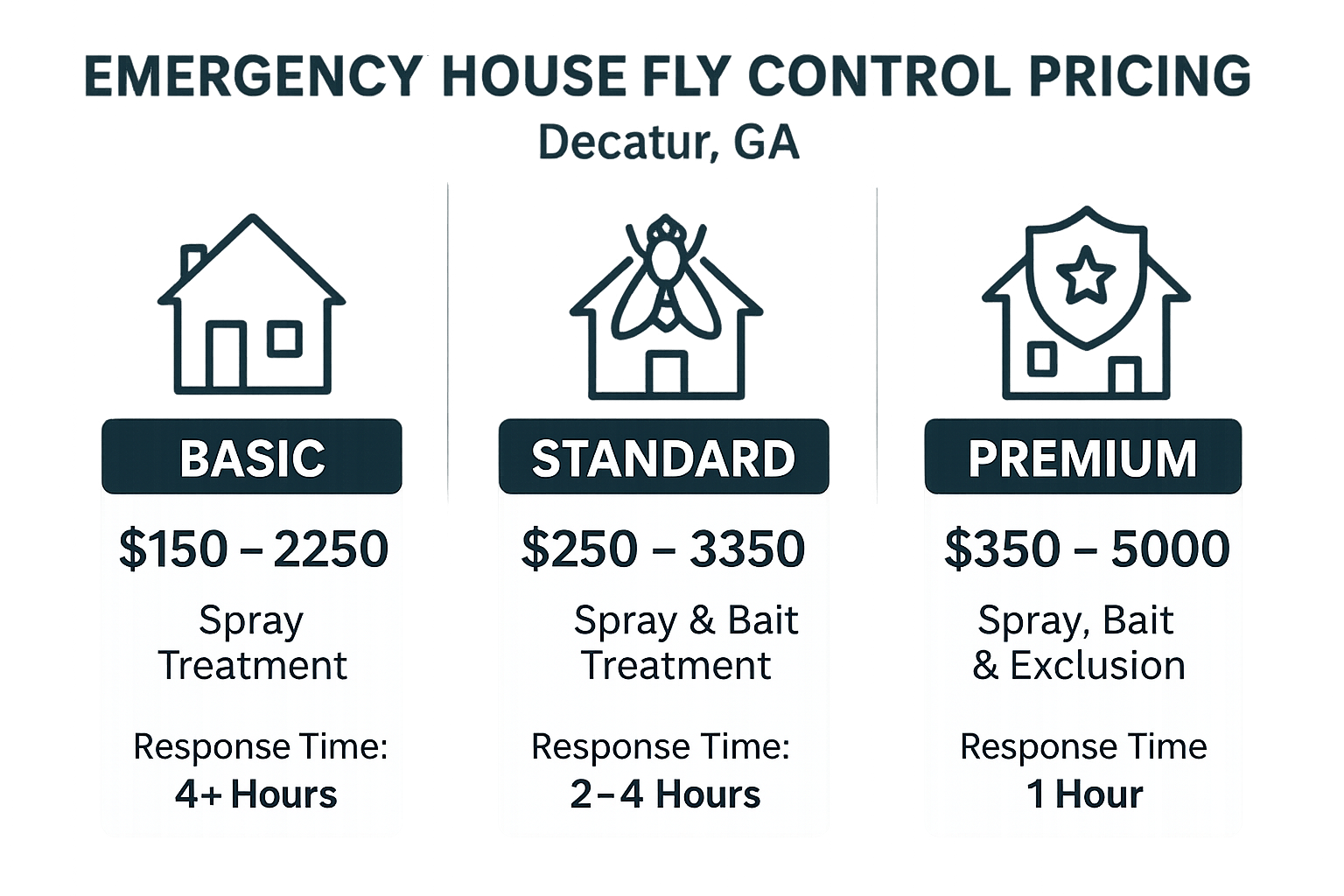
Service Tiers and Typical Price Ranges
- Basic Emergency Tier: $149 – $199 per incident. Ideal for single‑family homes with a localized problem.
- Standard Emergency Tier: $219 – $279 per incident. Covers larger properties or moderate infestations that need a more thorough approach.
- Premium Emergency Tier: $329 – $399 per incident. Designed for severe outbreaks, commercial venues, or homeowners who want the fastest response and the most comprehensive coverage.
What Each Tier Includes
- Basic: One on‑site visit, a quick residual spray, 24‑hour response time, and a 30‑day warranty on re‑infestation.
- Standard: Two visits (initial treatment plus follow‑up), combination of residual spray and bait stations, 12‑hour response time, and a 60‑day warranty.
- Premium: Up to three visits, full‑property fogging, targeted indoor/outdoor treatments, 4‑hour response time, a 90‑day warranty, and a complimentary preventive plan for the next season.
Comparing Quotes and Spotting Transparent Pricing
Before you sign a contract, line up at least two estimates for house fly control Decatur services. Look for clear breakdowns—service tier, number of visits, product types, and warranty length—so you can compare apples to apples. The National Pest Management Association’s 2023 consumer survey found that U.S. homeowners spend an average of $225 on emergency fly control, with most reporting satisfaction when the quoted price matched the final bill.
Ask the provider for a written estimate that lists:
- Base service fee and any additional per‑visit charges.
- Travel or after‑hours surcharges (if applicable).
- Exact response window (e.g., “within 4 hours”).
- Warranty terms and any exclusions.
Transparent pricing not only protects your wallet but also signals a company’s confidence in its treatment effectiveness. If a quote seems unusually low, verify whether it omits essential components such as follow‑up visits or warranty coverage.
Protect Your Home with Anthem Pest Control
We’ve walked you through the three pillars of emergency house‑fly control in Decatur: how to identify the tell‑tale signs of an infestation, why flies peak during the warm months, and which treatment options—DIY sprays, residual foggers, or professional heat treatments—work best for each situation.
Choosing a licensed, local professional like Anthem Pest Control turns those options into results you can trust. Our technicians are certified to handle the specific species that thrive in Georgia, and we use EPA‑approved, low‑toxicity products that protect your family and pets while eliminating the flies. Our Decatur technicians also know the most common entry points—screen gaps, door cracks, and poorly sealed vents—so we can seal them during the same visit.
- Safe, effective products: Formulations designed for indoor use and approved for homes with children and pets.
- Guaranteed results: We stand behind every service with a satisfaction guarantee and follow‑up visits if needed.
- Transparent pricing: No hidden fees—our free, no‑obligation quote outlines exactly what you’ll receive.
Because house flies reproduce rapidly when temperatures stay above 75°F, delays of even a few days can let the population double. Acting quickly prevents eggs from hatching and stops the nuisance before it spreads to neighboring rooms.
Ready to stop the buzzing? A quick phone call to 877‑371‑8196 schedules a same‑day inspection, and our friendly staff will answer any questions you have about fly biology, prevention, or the treatment process.
For more details on our services, read client testimonials, or request your free quote online, visit Anthem Pest Control—your trusted local experts for house fly control Decatur. We’re here to protect your home, your health, and your peace of mind—today and every season.