What Are Millipedes and Why They Enter Homes?
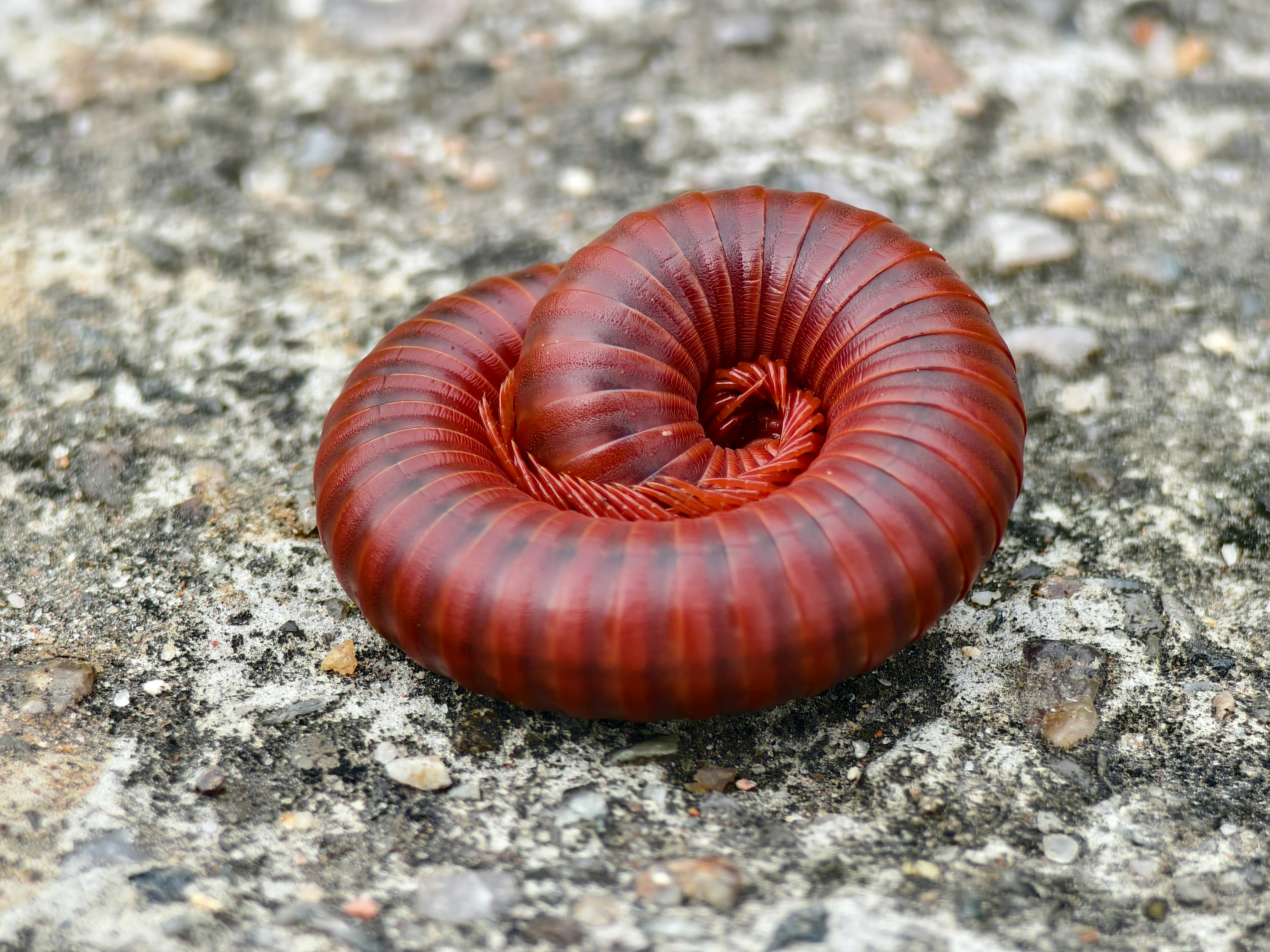
Millipedes are arthropods belonging to the class Diplopoda, and understanding their biology is an important first step in effective millipede control Suwanee homeowners can rely on. Their most recognizable trait is a long, cylindrical body composed of many segments, each bearing two pairs of legs—hence the name “milli-pede,” meaning “thousand feet.” Unlike centipedes, which have one pair of legs per segment and are fast predators, millipedes move slowly and feed on decaying organic matter. Their hard exoskeleton and numerous legs give them a distinct, somewhat armored appearance that many homeowners mistake for a serious pest problem.
Common Georgia Species and Their Natural Habitats
In Georgia, the most frequently encountered species are the Southern Giant Millipede (Narceus americanus) and the Flat‑backed Millipede (Polydesmus angustus). The Southern Giant prefers moist woodlands, leaf litter, and the shade of hardwood forests, while the Flat‑backed species thrives in pine‑dominated areas and garden mulch. Both are nocturnal, emerging at night to feed on dead leaves, fungi, and decaying wood—essentially the forest’s recycling crew.
Why Millipedes Seek Shelter Indoors
Three primary factors drive millipedes into homes:
- Moisture: Heavy summer rains, irrigation, or leaky basements create the damp environments millipedes love.
- Temperature Fluctuations: Sudden drops in nighttime temperature push them to seek the relatively stable warmth of a house.
- Food Sources: Crumbs of organic material—pet food, plant debris, or even mold—can attract them to kitchens and basements.
When the outdoors becomes too dry or cold, these tiny recyclers simply march toward the nearest entry point—cracks in foundations, gaps around doors, or vent openings.
Common Misconceptions
Many homeowners assume millipedes are dangerous or destructive, but the reality is far more benign. They do not possess venom, and they do not chew through wood, drywall, or wiring. Their primary nuisance is visual: a sudden carpet of black, glossy bodies can be unsettling. Additionally, when crushed, some species release a harmless, oily secretion that may stain fabrics or carpets. This staining is cosmetic, not structural, and can be cleaned with mild detergent.
Trusted Sources for Accurate Information
For a science‑backed overview, consult the EPA’s guidance on millipede control. The University of Georgia Extension provides a regional fact sheet detailing local species and habitat preferences, while the National Pest Management Association (NPMA) offers an industry‑wide summary of best practices for homeowners dealing with millipede invasions. These resources confirm that millipedes are harmless recyclers that become a problem only when they congregate inside our living spaces.
Recognizing Millipede Infestations in Georgia Homes
Millipedes are harmless outdoors, but when they start marching through your living room, it’s a clear sign that something’s off. Spotting the early clues can save you from a larger surprise later in the season. Below we break down what to look for, where they love to slip in, and how Georgia’s weather drives their indoor migration.
Visual clues you shouldn’t ignore
- Clusters near entry points – Small groups of the soft‑bodied insects often gather by doors, windows, or foundation cracks, especially after a rain.
- Milky trails – As they move, millipedes leave a faint, milky secretion that can appear as a subtle sheen on floors, baseboards, or walls.
- Damage to indoor plants – While they don’t eat foliage, their moisture‑rich bodies can cause leaf wilting or a “damp” look on pots.
- Staining on walls or floors – The slime can darken drywall, tile grout, or hardwood, leaving yellow‑brown spots that are hard to scrub away.
Typical entry locations
- Foundation cracks – Even hairline splits act as highways for millipedes seeking shelter.
- Door sweeps – Gaps under exterior doors are favorite slip‑throughs during humid evenings.
- Utility openings – Pipes, vents, and cable conduits provide direct routes from soil to interior spaces.
- Window screens – Damaged or loosely fitted screens let insects glide straight into rooms.

Seasonal activity in Georgia
Georgia’s warm, humid climate fuels millipede activity from late summer through early fall. Rainfall and dropping nighttime temperatures push them indoors in search of moisture and shelter.
| Month | Activity Level | Key Weather Driver |
|---|---|---|
| June | Low | Warm, dry days keep them outdoors |
| July | Moderate | Occasional thunderstorms increase ground moisture |
| August | High | Peak humidity and late‑season rains |
| September | Very High | Cooling nights + rain = indoor migration |
| October | Moderate | Temperatures drop, but residual moisture remains |
| November‑May | Low | Cooler, drier conditions reduce indoor movement |
Quick indoor inspection checklist
- Turn off lights and grab a bright flashlight.
- Inspect baseboards, door thresholds, and window sills for clusters or milky trails.
- Place a few sticky traps (yellow or white) in dark corners, under appliances, and near known entry points.
- Check indoor plants and pot saucers for damp, slime‑covered soil.
- Note any staining on walls or floors and photograph for reference.
DIY monitoring vs. professional assessment
If you only spot a few individuals and the trails are limited to a single entry, a DIY approach—sealing cracks, using sticky traps, and reducing indoor moisture—often suffices. However, when you observe:
- Multiple clusters across several rooms,
- Persistent staining that reappears after cleaning,
- Signs of moisture problems (e.g., condensation, leaks), or
- Inability to locate the primary entry point,
it’s time to call a professional. Anthem Pest Control can perform a thorough inspection, identify hidden ingress routes, and apply targeted, low‑impact treatments that keep millipedes out without compromising your family’s safety.
Safe and Effective Millipede Control Methods
Mechanical Removal Techniques
When you spot millipedes crawling across a porch or foundation, the quickest first line of defense in effective millipede control Suwanee homeowners often use is physical removal. A sturdy shop-vac with a hose attachment can pull the insects off surfaces without crushing them, which reduces the chance of leaving a scent trail that attracts more. Sweeping with a stiff broom into a dustpan works just as well for larger numbers, especially in entryways where you can quickly gather them into a sealed bag.
- Vacuuming: Use a HEPA‑rated vacuum to trap and contain millipedes; empty the canister outdoors.
- Sweeping: Collect and dispose of the insects in a sealed plastic bag.
- Barrier traps: Place sticky perimeter traps around doors and windows to catch wandering millipedes before they enter.
Chemical Controls
For infestations that mechanical methods can’t keep in check, low‑toxicity chemicals approved by the EPA provide a reliable safety net. Perimeter sprays applied around the home’s foundation create an invisible barrier that deters millipedes from crossing. Spot treatments target nests or high‑traffic zones, while bait stations—formulated with attractants and a minimal dose of active ingredient—allow the insects to carry the toxin back to their colony.
- EPA‑approved active ingredients: Bifenthrin, cyfluthrin, permethrin, and natural pyrethrins are all listed for millipede control and have low mammalian toxicity when used as directed.
- Perimeter sprays: Apply a thin, even coat along the foundation, crawl spaces, and drainage areas.
- Baits and spot treatments: Use ready‑made bait stations or a hand‑spray directly on visible millipedes and their hiding places.
Professional Application Process
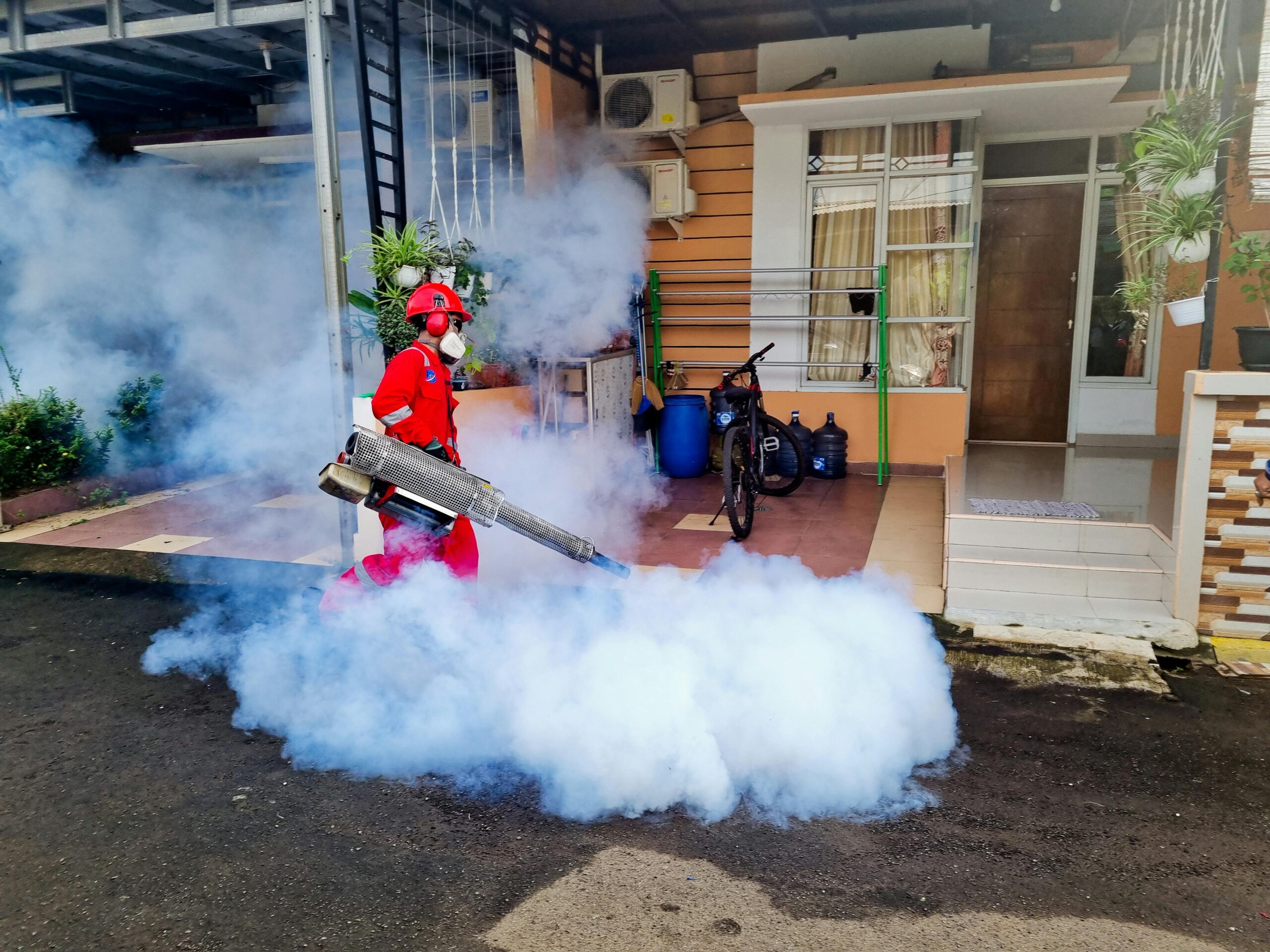
A certified technician begins with a thorough inspection, identifying entry points, moisture sources, and any existing colonies. The next step is a perimeter treatment, where EPA‑approved products are sprayed in a calibrated pattern to ensure full coverage without over‑application. If indoor activity is evident, the technician may perform a targeted interior fogging—using a low‑pressure fogger—to reach cracks, baseboards, and wall voids where millipedes hide.
Protective Measures for Pets and Children
Safety doesn’t stop at the spray nozzle. During treatment, keep children and pets out of the work zone for at least two hours, or until the product label specifies a re‑entry interval. After the application dries, wipe down any treated surfaces that pets might lick, and store all chemicals out of reach. For households with especially sensitive animals, ask the technician to prioritize low‑toxicity pyrethrin formulations and to apply them only where necessary.
The Role of a Certified Technician

Anthem Pest’s certified technicians bring more than just a spray can—they bring expertise in dosage, coverage, and timing. By measuring the exact square footage of your home’s exterior, they apply the correct amount of active ingredient, avoiding waste and reducing environmental impact. Their training ensures that the product reaches hidden millipede pathways while respecting the health of your family and pets. When you hire a professional, you gain a partner who monitors the situation, adjusts treatment plans as needed, and provides a written guarantee of results.
Emergency Millipede Control Pricing Explained
Why emergency calls often cost more
When a millipede swarm shows up after sunset or on a weekend, millipede control Suwanee often becomes an after-hours response. Technicians must be on-call, travel quickly, and sometimes work with limited daylight. Those added labor hours, premium travel rates, and the need for rapid-action products all push the price above a regular, scheduled service.
Three service tiers – what you get at each level
- Basic Tier – A thorough visual inspection, a single‑application perimeter spray, and a written report. Ideal for small yards with a light infestation.
- Standard Tier – Includes everything in the Basic tier plus interior crack‑and‑crevice treatment, a moisture‑reducing barrier, and one follow‑up visit within 14 days.
- Premium Tier – All Standard services plus a full‑property treatment (both interior and exterior), a second follow‑up, and a complimentary annual pest‑management plan review.
Sample price ranges
| Tier | Price Range (USD) | Key Factors That Adjust Cost |
|---|---|---|
| Basic | $180 – $250 | Property size under 2,000 sq ft; low infestation density. |
| Standard | $260 – $350 | Homes 2,000‑4,000 sq ft; moderate infestation; need for interior work. |
| Premium | $360 – $470 | Properties over 4,000 sq ft; severe infestation; multiple entry points; urgent follow‑ups. |
Infographic at a glance
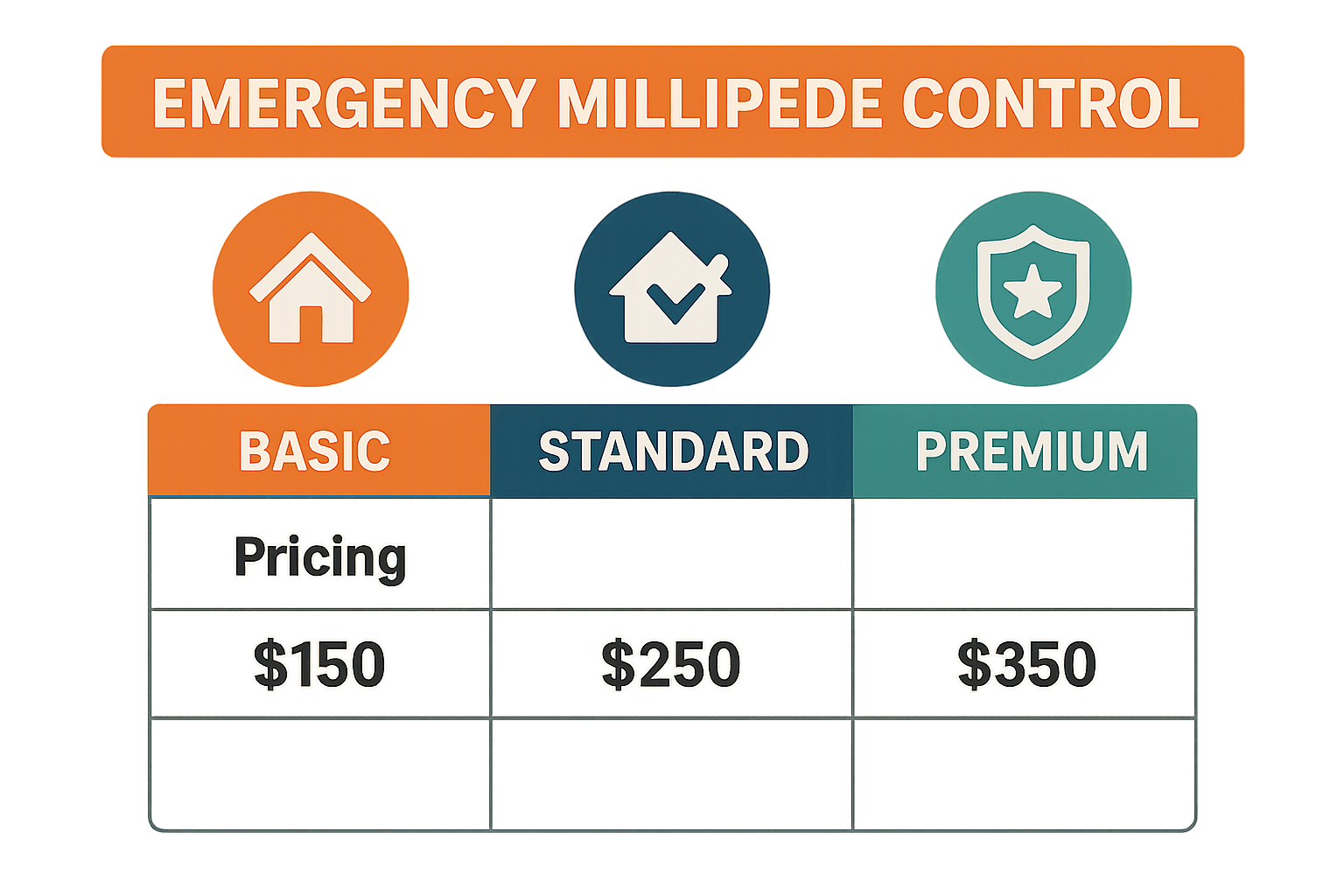
The graphic breaks down each tier side‑by‑side, showing the services included, typical price bands, and the scenarios where you’d choose one over another. It’s a quick reference you can keep on the fridge when a millipede emergency strikes.
Budgeting tips and the value of bundled plans
1. Ask for a written estimate before any work begins; transparent pricing prevents surprise fees.
2. Factor in property size and moisture sources. Larger lawns or homes with leaky foundations often need extra product, so plan for the upper end of the range.
3. Consider an annual pest‑management bundle. When you lock in a year‑long plan, Anthem Pest Control rolls emergency millipede calls into a reduced hourly rate, saving up to 20 % on a one‑time Premium service.
4. Schedule regular inspections. Early detection can keep you in the Basic or Standard tier, avoiding the higher Premium cost altogether.
Preventing Future Millipede Intrusions
Exterior Maintenance
Millipedes slip into homes through tiny openings, so start by sealing any cracks around windows, foundations, and utility penetrations. Install door sweeps on all exterior doors to block the low‑lying pathways they love. Inspect gutters and downspouts for leaks; a dripping roof creates the damp environment millipedes thrive in. Finally, grade the soil away from the house and add proper drainage to keep water from pooling near the foundation.
Landscape Adjustments
Mulch and leaf litter are perfect hiding spots, so keep them at least two feet from the house’s perimeter. Trim back shrubs, vines, and tree branches that touch the siding, because they act as bridges for wandering millipedes. When watering your garden, aim for the soil rather than the base of the house, and consider using drip irrigation to reduce surface moisture. Regularly rake away fallen leaves and debris to eliminate the moist shelters they seek.
Indoor Habits
Inside the home, control humidity with a dehumidifier, especially in basements, crawl spaces, and closets where moisture can linger. Promptly repair any leaky pipes, faucets, or roof vents—standing water is a magnet for millipedes. If you store firewood, keep it outdoors and at least a foot away from the exterior wall; wood piled against the house creates a direct route for insects to enter.
Seasonal Checklist
Adapting your maintenance routine to the seasons keeps millipedes at bay year‑round:
- Pre‑summer yard prep: Clear mulch, trim vegetation, and check drainage before the rains begin.
- Fall moisture control: Rake leaves weekly, seal any new cracks, and ensure gutters are clear of debris.
- Winter interior monitoring: Keep indoor humidity below 50 %, run dehumidifiers in damp areas, and inspect door sweeps for wear.
- Early spring review: Re‑seal any openings that may have shifted over winter and assess landscape moisture levels.
When to Schedule a Routine Inspection
Even with diligent DIY efforts, a professional inspection provides the extra layer of protection needed for long-term peace of mind. For reliable millipede control Suwanee homeowners can count on, arrange a yearly visit with a licensed pest-control service—ideally in early spring—to identify hidden entry points, assess moisture problems, and apply preventive treatments tailored to Suwanee’s climate. Companies like Anthem Pest Control combine local expertise with safe, effective solutions, helping homeowners stay one step ahead of millipedes and other seasonal pests.
Get Professional Millipede Help from Anthem Pest Control
When millipedes swarm your home, every extra hour gives them more time to multiply and cause damage. That’s why swift, expert intervention isn’t just a luxury—it’s a necessity. A trained technician can identify the species, locate entry points, and apply a treatment that stops the invasion before it spreads to your foundation, crawl spaces, or garden beds.
Anthem Pest Control brings a decade‑plus track record of safely eradicating millipedes and other household pests. Our EPA‑compliant products are selected for maximum effectiveness while protecting your family, pets, and the environment. Because we believe in transparent pricing, you’ll receive a clear, itemized estimate before any work begins—no hidden fees, no surprise charges.
Our nationwide network means you’re never left waiting for a local specialist. Every technician is fully certified, undergoes regular training, and follows a strict protocol to ensure consistent results across every state we serve. Whether you live in a suburban cul‑de‑sac or a rural acreage, our team tailors a solution that fits your property’s unique layout and your budget.
Homeowner satisfaction is at the heart of everything we do. We stand behind our work with a guarantee that if millipedes return within the treatment window, we’ll revisit the site at no additional cost. That confidence comes from years of field experience and a commitment to keeping your home pest‑free.
If you suspect a millipede problem—or simply want peace of mind knowing your home is protected—reach out today for a free, no-obligation quote. For fast, reliable millipede control Suwanee homeowners trust, call us now at 877-371-8196 or visit our website to schedule your inspection.