Why Mosquitoes Are a Growing Concern in Decatur, GA
Health risks from mosquito‑borne illnesses
Mosquitoes are more than an annoyance; they are vectors for several serious diseases that affect the United States each year. The CDC reports that West Nile virus, Zika virus, and Eastern equine encephalitis (EEE) together cause hundreds of hospitalizations annually. While most cases are mild, West Nile can lead to permanent neurological damage, and EEE carries a mortality rate of up to 30 %. For a homeowner, a single bite could potentially trigger a medical emergency, making mosquito control a public‑health priority, not just a comfort issue.
Climate and geography that favor mosquito proliferation
Decatur’s location in the Atlanta metropolitan area creates a perfect storm for mosquito activity. Average summer highs hover between 88 °F and 92 °F, and humidity routinely exceeds 70 %. Warm, moist conditions accelerate the mosquito life cycle, allowing eggs to hatch in as little as five days. The city’s abundant tree canopy, well‑established gardens, and numerous storm‑drain retention basins provide shaded, wet micro‑habitats where larvae can thrive undisturbed.
Local data shows a rising problem
According to the DeKalb County Health Department, mosquito‑related service calls rose from 885 in 2021 to 1,200 in 2023—a 35 % increase in just two years. The same agency recorded 42 confirmed cases of West Nile virus in the county during the 2023 transmission season, double the number reported in 2021. These figures reflect a tangible uptick in both mosquito populations and the health risks they pose to Decatur residents.
Economic impact on property enjoyment
Beyond health concerns, mosquitoes erode the economic value of a home’s outdoor spaces. A backyard that once hosted weekend barbecues can become a no‑go zone once mosquito activity spikes, reducing the usable square footage of the property. Real‑estate surveys in the Southeast have shown that homes with well‑maintained yards and proactive pest management can command up to 5 % higher resale values. Conversely, neighborhoods plagued by persistent mosquito problems often see lower property turnover rates and diminished community satisfaction, which can indirectly affect local tax revenues and neighborhood cohesion.
Setting the stage for actionable solutions
Understanding the health, environmental, and financial stakes makes it clear why the next step is to target the breeding grounds that homeowners can control themselves. By eliminating standing water, trimming overgrown vegetation, and employing targeted larvicides where necessary, residents can dramatically cut mosquito numbers before they become an emergency. The following sections will walk you through the most common breeding sites in Decatur and the practical steps you can take to keep them out of your yard.
Identifying and Eliminating Standing Water Sources

Why Stagnant Water Matters
Mosquitoes need still water to complete the first stage of their life cycle. A female will lay her eggs on the surface of a calm pool, and within a few days those eggs hatch into larvae that feed, grow, and eventually turn into the buzzing adults you’re trying to keep out. Without a reliable source of standing water, the entire breeding process stalls.
Typical Residential Hotspots
In a Decatur home, water can accumulate in places you might overlook. Common culprits include:
- Birdbaths that aren’t refreshed regularly
- Clogged gutters that trap rainwater
- Flower‑pot saucers that collect runoff after watering
- Pet water dishes left uncovered overnight
- Pool covers that hold rain on top of the surface
- Rain barrels without proper overflow
- Low‑lying depressions in the yard where runoff pools
Step‑by‑Step Inspection Checklist
- Backyard perimeter: Walk the fence line and look for puddles, especially after a rainstorm. Use a flashlight to spot water in shaded corners.
- Patio and deck: Check under planters, around outdoor furniture, and inside any pergola or gazebo. Small basins can form in the gaps between pavers.
- Interior spaces: Open cabinets, under sinks, and the laundry room can hide forgotten trays or leaky pipes that hold water for days.
- Gutters and downspouts: Ensure they are clear of leaves and debris. Run water through each section to confirm proper flow.
- Water‑holding containers: Inspect birdbaths, pet dishes, and decorative fountains. Empty and refill them daily during mosquito season.
DIY Removal Methods
If you find a source that can be drained, do it immediately. Here are practical fixes for each type of site:
- Drain or flip: Empty birdbaths, rain barrels, and pool covers. Turn saucers upside down or relocate them to a dry area.
- Sand or fill: Low spots in the lawn can be leveled with sand or topsoil to prevent water from collecting.
- Gutter maintenance: Install a fine mesh screen to keep leaves out, then rinse the gutters with a hose at least once a month.
- Larvicides: When drainage isn’t feasible—such as a decorative pond—apply a EPA‑registered larvicide according to label directions. This stops larvae from maturing without harming pets or plants.
Seasonal Reminder
Heavy rains in the spring and summer can create new breeding sites overnight. Make it a habit to repeat the inspection checklist after any significant storm, and again every two weeks during peak mosquito months (May through September). Consistency is the most reliable defense.
Further Reading
For a comprehensive, science‑backed overview of mosquito breeding control, consult the CDC guidance on mosquito breeding control. Following these steps will dramatically reduce the number of mosquitoes that find their way into your home, giving you a safer, more comfortable outdoor experience.
Seasonal Mosquito Activity and Optimal Treatment Timing
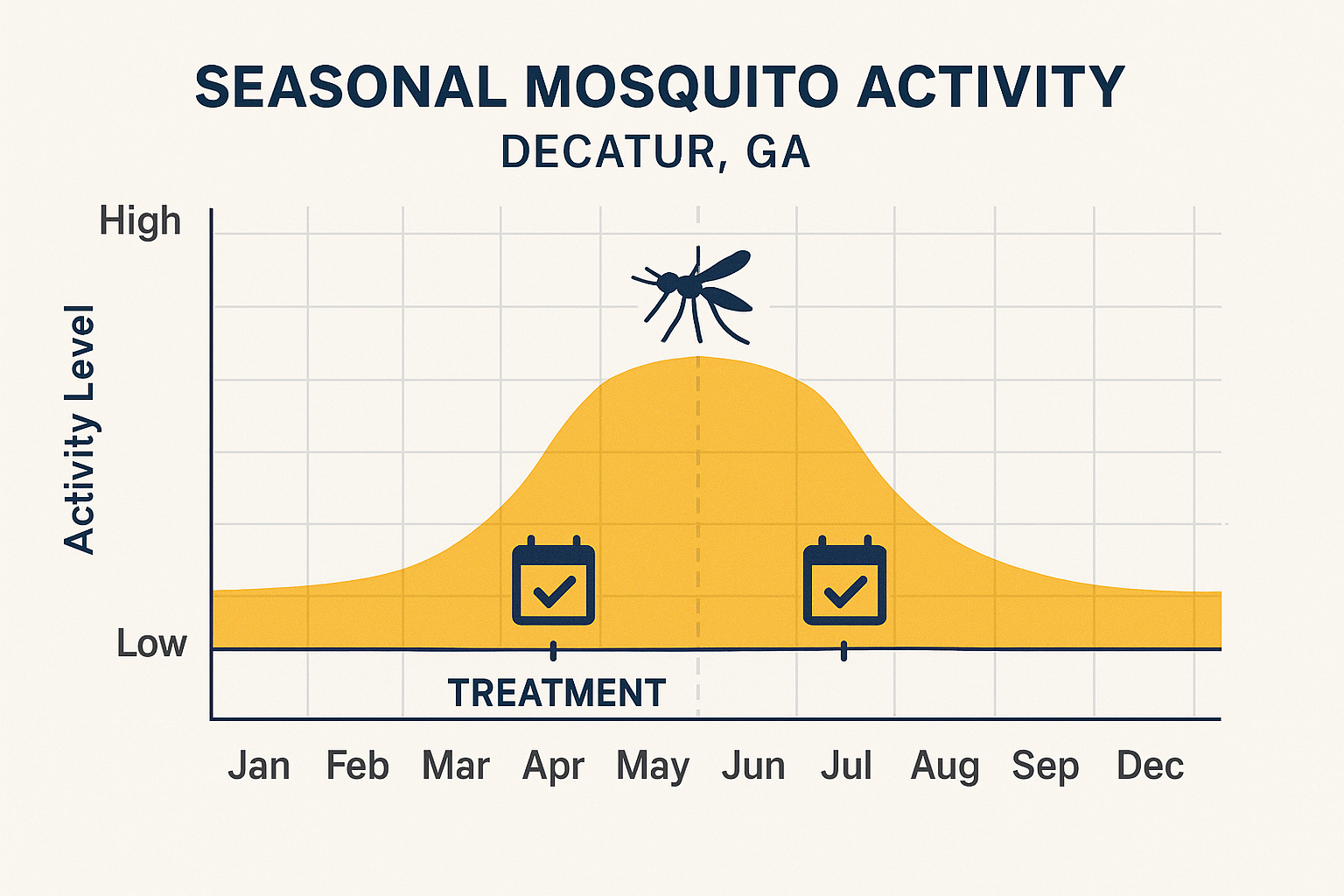
Understanding when mosquitoes are most active in Decatur is the first step toward a truly effective control plan. Below is a concise seasonal activity chart that maps average mosquito pressure throughout the year. The horizontal axis (X‑axis) marks each month from January to December, while the vertical axis (Y‑axis) reflects relative activity levels—low values indicate minimal biting, and high values signal the peak buzzing you’ll hear at dusk.
How to Read the Chart
- Months on the X‑axis: Each tick represents a calendar month, allowing you to pinpoint exactly when activity rises or falls.
- Activity level on the Y‑axis: Values are scaled from 0 (no activity) to 10 (maximum pressure). In Decatur, the curve typically climbs sharply after March and tapers off by late October.
- Trend line: The smooth line connects monthly averages, showing the natural ebb and flow of the local mosquito population.
Peak Periods vs. Low‑Activity Windows
In Decatur’s humid subtropical climate, the most aggressive mosquito season runs from late spring through early fall—roughly May through September. During these months, the chart peaks at levels 7‑9, meaning you’ll notice more bites, louder swarms, and higher disease‑vector risk. Conversely, the winter months (December through February) sit near the bottom of the graph (0‑2), offering a natural lull that’s perfect for deep‑cleaning and preparing your yard for the next cycle.
Optimal Treatment Windows
Strategic timing maximizes the impact of professional services while minimizing the number of repeat applications. Based on the chart, we recommend three key windows:
- Pre‑season (early March): Apply a starter treatment before the first wave of eggs hatch. This creates a barrier that suppresses the emerging population and reduces the peak intensity later in the year.
- Mid‑season boost (June‑July): As the curve reaches its apex, a second round of treatment targets adult mosquitoes that have survived the initial barrier, cutting down the breeding cycle and keeping your yard comfortable for summer gatherings.
- Post‑season clean‑up (September): A final application after the last major peak removes lingering adults and destroys late‑season larvae before they overwinter, setting the stage for a lower baseline the following spring.
When Weather Throws a Curveball
Decatur’s climate isn’t always predictable. An unusually warm winter—say, daytime highs consistently above 65 °F—can accelerate egg development, shifting the entire activity curve forward by several weeks. In such cases, the pre‑season treatment may need to move up to late February, and the mid‑season boost could be advanced to early June. Keep an eye on local temperature trends and stay in touch with your pest‑control professional; flexible scheduling is the secret to staying ahead of a surprise surge.
Aligning Professional Services with the Chart
When you coordinate your service appointments with the seasonal activity chart, you’re essentially timing your defenses to the mosquito’s life cycle. This alignment ensures that larvicides hit breeding sites when they’re most vulnerable, and adulticides are applied when the insects are actively seeking blood meals. The result? Fewer bites, lower chemical usage, and a more cost‑effective program for you.
At Anthem Pest Control, we use the same data‑driven approach to schedule our visits. By matching our treatment calendar to the Decatur activity graph, we can guarantee the highest possible efficacy while respecting your budget and the environment. If you notice an unexpected spike—perhaps after a heavy rainstorm or an early heatwave—give us a call at 877‑371‑8196. We’ll adjust your plan on the fly, keeping your home mosquito‑free all season long.
Professional Mosquito Control Methods and What to Expect
When mosquito activity spikes in Decatur, a DIY spray often isn’t enough. Professional services bring science‑backed formulations and equipment that target the insects where they rest, breed, and bite. Below is a clear rundown of the core treatment categories we use at Anthem Pest Control, how each works, and what you can realistically expect in terms of bite reduction and safety.
Core Service Categories
- Barrier Sprays – A perimeter treatment that creates an invisible shield around your home.
- Fogging – A rapid‑acting aerosol that knocks down adult mosquitoes during an emergency outbreak.
- Larviciding – Targeted applications to water bodies where mosquito larvae develop.
- Indoor Residual Treatments – Low‑toxicity sprays applied to interior surfaces where mosquitoes rest.
Barrier Sprays: The Protective Perimeter
Barrier sprays are applied with a backpack or truck‑mounted sprayer, coating vegetation, fences, and the exterior walls of your house with an EPA‑approved adulticide. The chemicals bind to surfaces and remain active for 2–4 weeks, depending on weather and sunlight exposure. Most homeowners see a noticeable drop in bites within 48 hours, and a re‑application is typically scheduled every 3 weeks during peak season to maintain the shield.
Fogging: Rapid Knock‑Down for Emergency Outbreaks
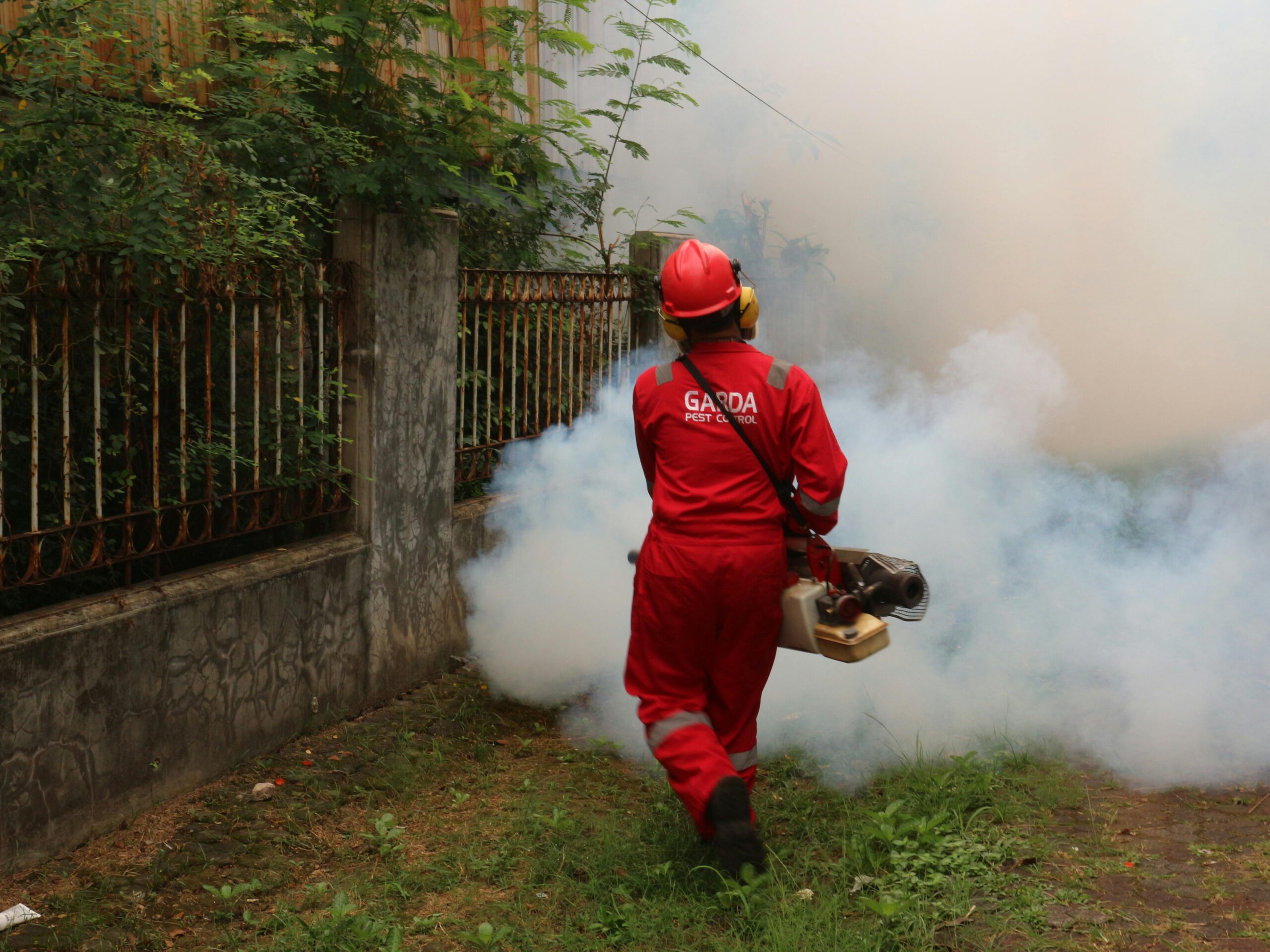
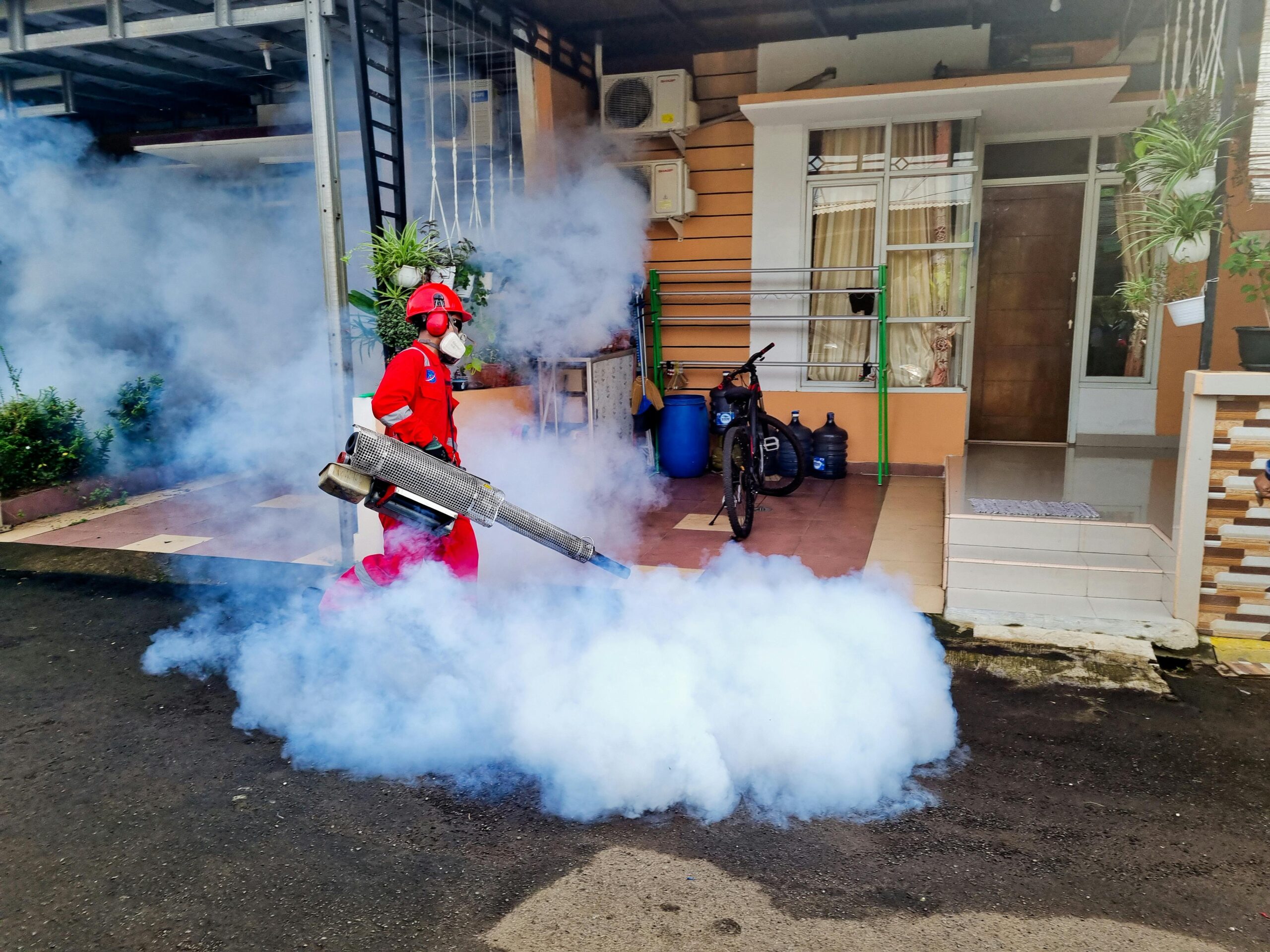
Fogging releases a fine mist of insecticide that settles on flying mosquitoes, delivering an immediate knock‑down effect. It’s ideal for sudden spikes, such as after a heavy rain that creates new breeding sites. Technicians wear respirators, goggles, and disposable coveralls, and we advise residents to stay indoors, close windows, and keep pets in a secure area for at least 30 minutes after the fog clears. The effect lasts 24–48 hours, so follow‑up barrier sprays are usually recommended.
Larvicides: Treating Hard‑to‑Drain Water Features
Stagnant water in birdbaths, rain barrels, or decorative ponds can become mosquito nurseries. We apply EPA‑approved larvicides—such as Bti (Bacillus thuringiensis israelensis)—directly to these water bodies. Bti releases toxins that are harmless to humans, pets, fish, and beneficial insects but lethal to mosquito larvae. Treatments are typically effective for 7–14 days, after which a re‑application may be needed if the water remains undisturbed.
Indoor Residual Treatments: Protecting the Inside of Your Home
Even with a strong exterior barrier, mosquitoes can find their way indoors through gaps in screens or doors. Our indoor residual options use low‑toxicity, non‑repellent formulations applied to ceilings, wall corners, and behind baseboards—areas where adult mosquitoes rest. These treatments are safe for occupied homes; we use products that meet CDC’s “low‑risk” criteria, and no evacuation is required. Expect a gradual decline in indoor bites over 3–5 days.

What to Expect: Timeline for Bite Reduction
After the initial barrier spray, most homeowners notice fewer bites within 24–48 hours. Fogging provides an almost immediate drop, but because it only affects adult mosquitoes present at the time, the effect tapers quickly without a follow‑up barrier. Larviciding takes a bit longer—usually 5–7 days—since it prevents the next generation from emerging. Indoor residual treatments typically show results within 3 days as mosquitoes lose their resting sites.
Safety Considerations and Regulatory Compliance
Our technicians are trained to wear protective equipment (gloves, respirators, eye protection) and to follow strict handling protocols for all chemicals. We prioritize low‑toxicity formulas that meet both EPA and Georgia Department of Agriculture standards. All applications are documented, and we provide homeowners with a Safety Data Sheet (SDS) for each product used. Moreover, we coordinate with local ordinances to ensure we’re operating within permitted hours and dosage limits.
CDC Recommendations for Residential Chemical Use
The Centers for Disease Control and Prevention (CDC) advises that chemical control in homes should:
- Use EPA‑registered products with the lowest effective concentration.
- Apply treatments only when needed, based on surveillance data.
- Combine chemical methods with environmental management (eliminating standing water, repairing screens).
- Educate residents about safety precautions, especially around children and pets.
Our service plan aligns with each of these points, ensuring you receive effective protection without compromising health or the environment.
Putting It All Together
In a typical emergency response, we start with a targeted fogging to curb the immediate outbreak, follow up with a comprehensive barrier spray, and assess any standing water that may need larviciding. For homes with persistent indoor activity, we add residual indoor treatments. By scheduling re‑applications every 2–4 weeks and monitoring results, you can expect a sustained reduction in mosquito bites throughout the season while keeping your family and pets safe.
Emergency Mosquito Control Pricing Options
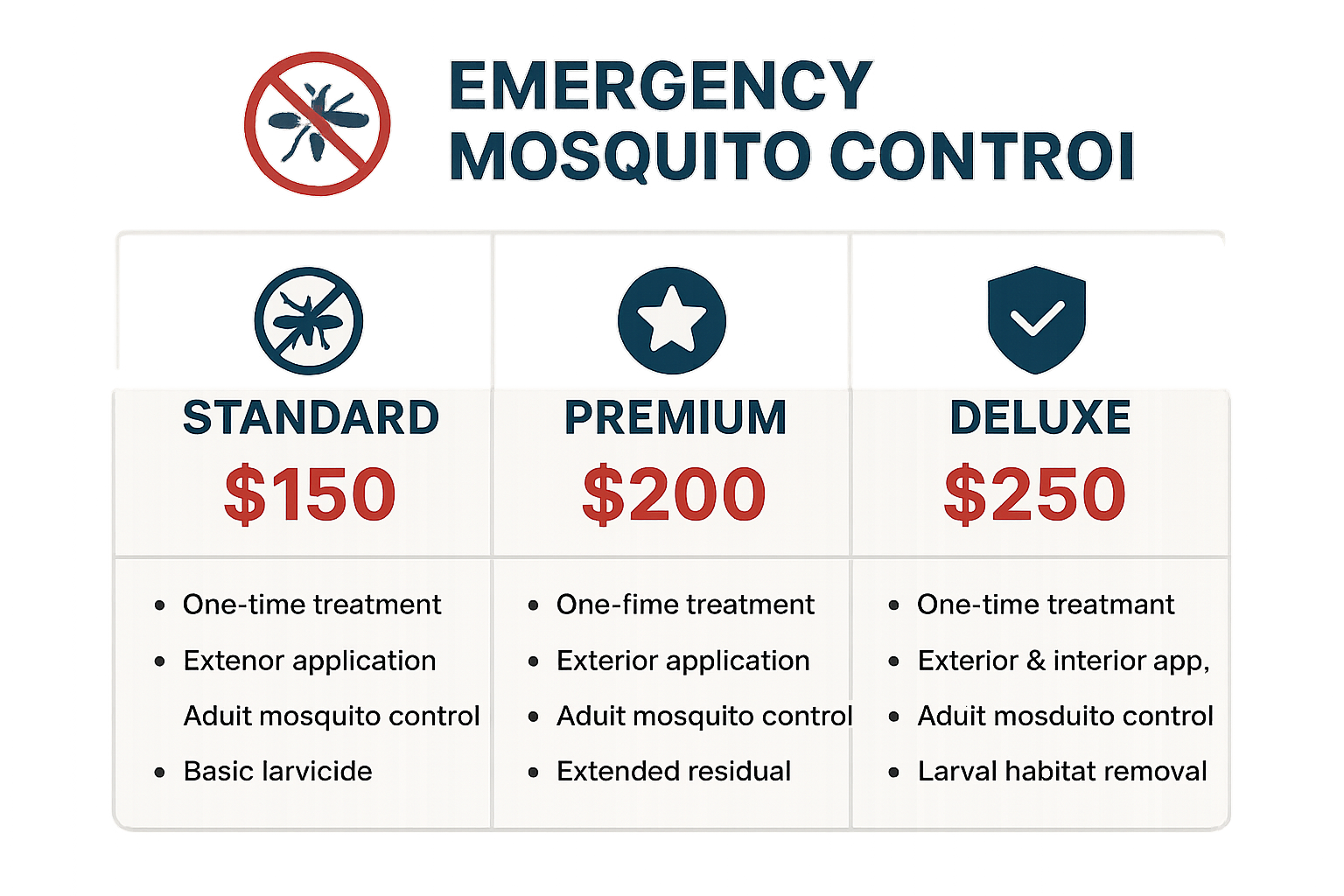
When a mosquito surge threatens your backyard barbecue or a sudden outbreak makes evenings unbearable, you need a solution that’s fast, effective, and priced transparently. Anthem Pest Control offers three distinct emergency service tiers—Standard, Premium, and Deluxe—so you can match the level of protection to your urgency, budget, and property size.
What’s Included in Each Tier?
Standard Tier delivers the essential emergency response: a single, high‑impact treatment applied within 24 hours of your call, followed by one on‑site check‑in after seven days. This package adds a basic larvicide to target breeding sites and covers up to 5,000 sq ft of outdoor space.
Premium Tier steps up the game with two rapid treatments (initial and a booster) within the first 48 hours, plus two follow‑up visits at 7‑ and 14‑day intervals. It incorporates night‑time fogging for hard‑to‑reach areas, an advanced larvicide formulation, and coverage up to 10,000 sq ft.
Deluxe Tier is the full‑service shield. It includes three treatments (initial, mid‑cycle, and post‑event), three follow‑up inspections, night‑time fogging, a premium larvicide, and optional bird‑safe misting for dense foliage. Coverage expands to 15,000 sq ft, and the tier comes with a 90‑day warranty on mosquito activity.
Key Differentiators
- Response Time: Standard (≤ 24 hrs), Premium (≤ 12 hrs), Deluxe (≤ 6 hrs).
- Coverage Area: 5K sq ft, 10K sq ft, and 15K sq ft respectively.
- Warranty Length: 30 days (Standard), 60 days (Premium), 90 days (Deluxe).
- Added Services: Larvicide (all tiers), night‑time fogging (Premium & Deluxe), misting (Deluxe only).
Quick Comparison Table
| Tier | Treatments | Follow‑up Visits | Added Services | Response Time | Coverage | Warranty | Price (Starting) |
|---|---|---|---|---|---|---|---|
| Standard | 1 | 1 (Day 7) | Basic larvicide | ≤ 24 hrs | Up to 5,000 sq ft | 30 days | $199 |
| Premium | 2 | 2 (Days 7 & 14) | Advanced larvicide + night fogging | ≤ 12 hrs | Up to 10,000 sq ft | 60 days | $349 |
| Deluxe | 3 | 3 (Days 7, 14, 30) | Premium larvicide, night fogging, optional misting | ≤ 6 hrs | Up to 15,000 sq ft | 90 days | $529 |
When Is an Emergency Service Needed?
Consider calling an emergency tier if you notice a sudden spike in mosquito activity, especially after heavy rain or standing water, or if you have an upcoming outdoor gathering, pool party, or family reunion. These situations demand rapid intervention to prevent bites, disease risk, and guest discomfort.
Budgeting Tips & Discount Opportunities
Most homeowners find that allocating a modest emergency budget—roughly $200‑$550 depending on tier—prevents larger expenses later, such as medical costs from mosquito‑borne illnesses or damage to outdoor furniture. Check with your homeowners’ association (HOA) or property insurance provider; many offer discounts for documented pest‑control services, and Anthem Pest Control frequently partners with local HOAs for reduced rates on bulk or recurring contracts.
Take the Next Step
Ready to protect your yard without delay? Request a free, no‑obligation quote from Anthem Pest Control today. Our technicians will assess your property, confirm the most appropriate tier, and provide a clear, written estimate—so you know exactly what you’re paying for before any work begins.
Choose Anthem Pest Control for Safe, Effective Protection
Homeowners in Decatur know that standing water, seasonal mosquito peaks, and sudden outbreak alerts can turn a pleasant backyard into a nightly nuisance. A forgotten birdbath, clogged gutters, or a rain‑soaked patio can become breeding grounds within hours, and once the swarm starts, the bites and disease risk rise quickly. These challenges demand a rapid, reliable response that protects families without compromising health or peace of mind.
Why Anthem Stands Out
Anthem Pest Control brings a national network of certified technicians to every neighborhood, including Decatur. Our team is trained on the latest EPA‑approved products, ensuring each treatment meets rigorous safety standards while delivering proven mosquito mortality rates. Transparent pricing means you’ll know exactly what you’re paying for—no hidden fees, no surprise add‑ons. Whether you need a one‑time emergency knock‑down or a seasonal prevention program, Anthem tailors the service to fit your budget and timeline.
Safety First, Always
We understand that your home is a sanctuary for children, pets, and cherished guests. That’s why every site assessment begins with a thorough walk‑through to identify vulnerable areas and choose the least invasive application methods. Our formulations are specifically selected for low toxicity to mammals while remaining lethal to adult mosquitoes and larvae. After treatment, we provide clear, easy‑to‑follow post‑service instructions so you can maintain a safe environment long after we leave.
Free Initial Inspection & Customized Plans
Anthem offers a complimentary on‑site inspection that pinpoints problem spots, evaluates water sources, and gauges the severity of any current outbreak. From this data, we develop a customized treatment plan that may include larvicide barriers, adulticide fogging, or targeted habitat removal—all documented in a written report you can keep for future reference. The inspection is pressure‑free; you receive expert advice whether you decide to proceed or simply want to learn more about mosquito biology and prevention.
Take the Next Step with Confidence
Ready to reclaim your evenings without the buzz of relentless mosquitoes? Give us a call at 877‑371‑8196 or request your free quote online. Our friendly representatives will answer any questions, walk you through the process, and schedule a same‑day assessment if the situation calls for it. There’s no obligation, no sales pressure—just a commitment to educate you on the best practices for long‑term protection.
For more details on our services, visit Anthem Pest Control. Let us handle the emergency so you can enjoy a bite‑free backyard, confident that you’ve partnered with a company that values safety, effectiveness, and transparency above all.