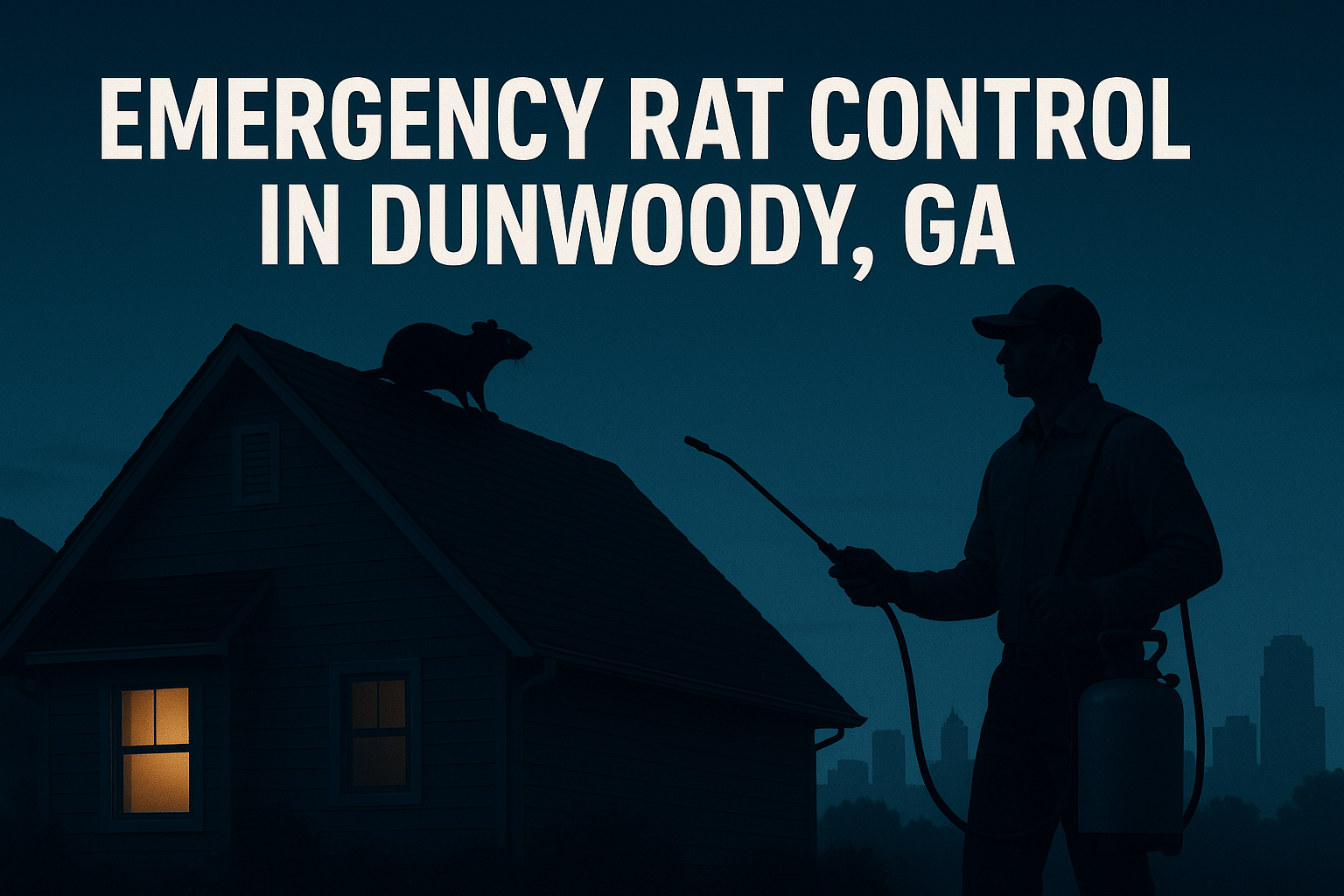
Why Rat Emergencies Can’t Wait in Dunwoody

Rats have become a noticeable threat across the Atlanta metro area, and DeKalb County—home to Dunwoody—is feeling the pressure. Recent city‑wide surveys show a 22 % increase in rodent sightings from 2022 to 2024, and the county’s public health department logged a record number of complaints just last summer.
Beyond the obvious nuisance, rats carry a suite of health hazards. They transmit diseases such as leptospirosis, hantavirus, and salmonellosis, while their droppings can trigger severe allergic reactions and asthma attacks. Even more insidious, their constant gnawing weakens insulation, chews through electrical wiring, and can compromise the structural integrity of walls and foundations.
On a national scale, the EPA estimates that rats cause roughly $1.2 billion in property damage each year. Locally, that translates into thousands of dollars in repairs for homeowners who wait too long to act. In 2024, DeKalb County reported a spike of over 1,800 rodent incidents, a clear warning sign that the problem is escalating faster than ever.
The Centers for Disease Control and Prevention (CDC) projects that Georgia experiences about 7,000 rat‑related illnesses annually. You can read more about the specific health risks on the CDC’s rodent page.
Understanding the urgency is the first step. The remainder of this guide will walk you through how to identify an infestation, what immediate actions to take, and why partnering with a local expert like Anthem Pest Control is the safest, most effective way to protect your home and family.
Spotting the Red Flags Fast
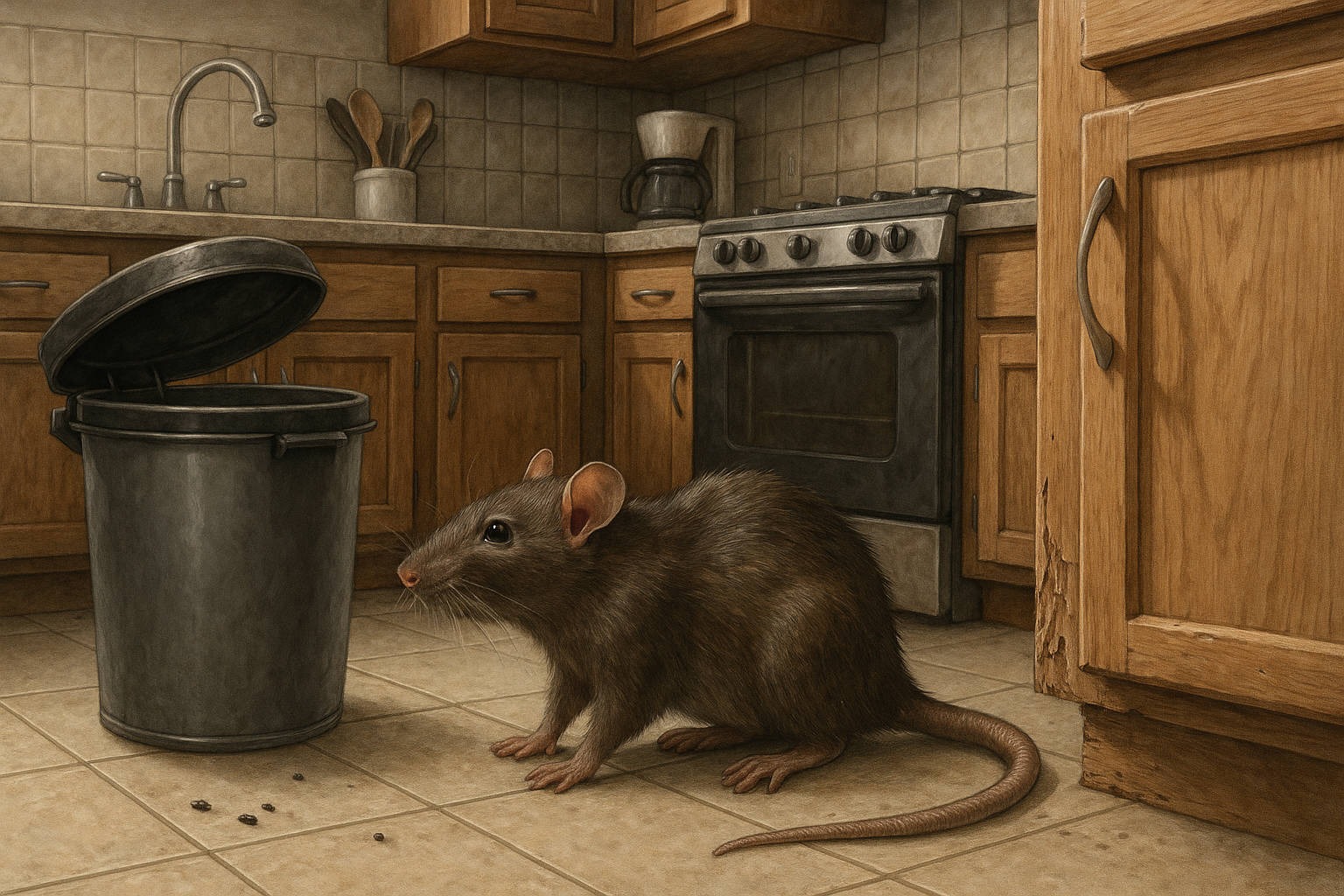
When rats slip into your home, they rarely announce themselves. The first clues are often subtle, but catching them early can prevent a full‑blown emergency. Below are the visual and behavioral cues that separate a harmless sighting from a ticking time‑bomb.
Visual signs you can’t ignore
- Droppings: Look for dark, rice‑shaped pellets about 3‑5 mm long. A cluster in corners, cabinets, or under appliances is a classic warning.
- Gnaw marks: Fresh bite holes are clean‑cut and appear on wood, plastic, or even wiring. Rats love to chew on anything they can, especially near food sources.
- Urine stains: A faint, oily sheen on surfaces or a lingering ammonia smell indicates active urination.
- Audible noises: Scratching or scurrying sounds, especially at night, often signal a hidden nest.
Behavioral cues that raise the alarm
- Increased activity after dark – rats are nocturnal, so a sudden surge of sounds at night is a red flag.
- Visible foraging – you may see them dragging food scraps into hidden corners or along baseboards.
Brown rat vs. roof rat: different damage patterns
| Feature | Brown Rat (Rattus norvegicus) | Roof Rat (Rattus rattus) |
|---|---|---|
| Preferred habitat | Basements, ground‑level walls, crawl spaces | Attics, upper floors, roof voids |
| Gnawing focus | Wooden beams, plumbing, electrical cables | Insulation, roof decking, ceiling joists |
| Dropping size | 3‑5 mm, darker | 2‑4 mm, lighter |
Neighborhood examples you might recognize
In North Dunwoody, several homeowners reported sudden attic infestations after a storm—roof rats took advantage of damaged shingles and entered through roof vents. Meanwhile, Brookhaven residents have been spotting brown rats in basement crawl spaces, especially where moisture accumulates near foundation cracks.
According to the NPMA 2023 report, 68 % of homeowners first notice rats via droppings. That statistic underscores how critical it is to scan for pellet clusters during routine cleaning.
Quick “Red‑Flag” checklist
- Inspect attic and basement for droppings (3‑5 mm).
- Check for fresh gnaw marks on wood, plastic, and wiring.
- Listen for nighttime scratching or scurrying.
- Look for oily urine stains or a strong ammonia odor.
- Note any increase in nocturnal activity or food foraging.
- Identify whether damage aligns with brown rat or roof rat patterns.
If any of these items check off, it’s time to act fast. Early detection lets Anthem Pest Control intervene before the problem escalates into costly structural damage or health risks.
What You Can Do Right Now Before the Pros Arrive
When rats appear out of nowhere, the urge to panic is natural. The good news is that the actions you take in the first 24‑48 hours can cut the infestation in half and make the professional treatment far more effective.
1. Isolate Every Food Source
Rats are opportunistic feeders, so removing easy meals is the fastest way to force them to look elsewhere. Transfer pet food into airtight containers made of heavy‑wall plastic or glass. Sweep countertops, sweep up crumbs, and store pantry items in sealed bins. Even a small bowl of cereal left out overnight can sustain a family of rats.
2. Deploy Snap Traps in High‑Traffic Zones
Snap traps are inexpensive, humane, and kill instantly when placed correctly. Position them along walls, behind appliances, and near suspected runways—rats always travel close to the edge for safety. Aim the trigger plate about 1‑2 inches from the wall and use a small amount of peanut butter or dried fruit as bait. Check traps daily and replace any that have been sprung.
3. Block Obvious Entry Points
Every gap bigger than a quarter‑inch is a potential doorway. Stuff steel wool into holes around utility pipes, then seal with caulk for a durable barrier. For larger openings, cut a piece of hardware mesh (¼‑inch wire) and screw it into place. This two‑layer approach frustrates the rats and prevents new arrivals while you wait for the exterminator.
4. Eliminate Standing Water
Rats need water just as much as food. Fix leaky faucets, clear clogged drains, and empty pet water bowls at night. If you have a birdbath or decorative fountain, keep it dry or use a timed pump that runs only when you’re home.
5. Follow CDC’s 24‑Hour Seal‑Up Guideline
The Centers for Disease Control and Prevention recommends sealing all entry points within 24 hours of noticing rodent activity. You can review their step‑by‑step checklist here. Acting quickly aligns your home with national best practices and gives the professionals a cleaner slate to work from.
6. Safety Reminders for Kids and Pets
Never place bait that could be ingested by children or curious pets. Keep snap traps out of reach, or use tamper‑proof bait stations if you have small animals. Wear gloves when handling traps or cleaning up droppings, and wash your hands thoroughly afterward.
Knowing the Point of No Return
When you first spot droppings or a lone rat, you may reach for a trap or bait. Those methods work for isolated sightings, but they become ineffective once the colony grows beyond a few individuals. Recognizing the tipping point prevents wasted effort, property damage, and health risks.
Key indicators that professional help is unavoidable
- Large population – more than a handful of fresh droppings in several rooms, frequent nighttime scurrying, or multiple sightings in a short period.
- Structural damage – gnawed wood, insulation, wiring, or plumbing that threatens the integrity of walls, ceilings, and electrical systems.
- Signs of disease – dead rodents, blood‑tinged urine stains, or a sudden increase in allergic reactions among household members.
- Inability to locate entry points – when you’ve sealed obvious holes but rats keep reappearing, indicating hidden cracks or vents.
Untreated rat infestations are more than a nuisance; they are a public‑health emergency. Rats carry leptospirosis, salmonella, hantavirus, and a host of parasites that can contaminate food, water, and surfaces throughout your home. Prolonged exposure raises the risk of severe illness for children, seniors, and anyone with compromised immunity.
Anthem Pest’s 24‑hour emergency line (877‑371‑8196) is staffed by licensed exterminators ready to respond to Dunwoody, Peachtree Corners, and the broader DeKalb County area. Our team can arrive within hours, conduct a thorough inspection, and implement a targeted control plan that eliminates the infestation and blocks future entry.
According to the 2024 Anthem Pest pricing sheet, a comprehensive inspection typically costs between $150 and $300. Immediate control measures—such as bait placement, trapping, and exclusion work—range from $200 to $500, depending on the severity of the problem and the size of the property.
What Anthem Pest Does in an Emergency
When a rat infestation erupts in a Dunwoody home, every minute counts. Anthem Pest’s emergency response team drops everything to assess the situation, implement a targeted treatment plan, and secure your property against future invasions. Here’s a step‑by‑step look at what happens once you call our 24/7 hotline.
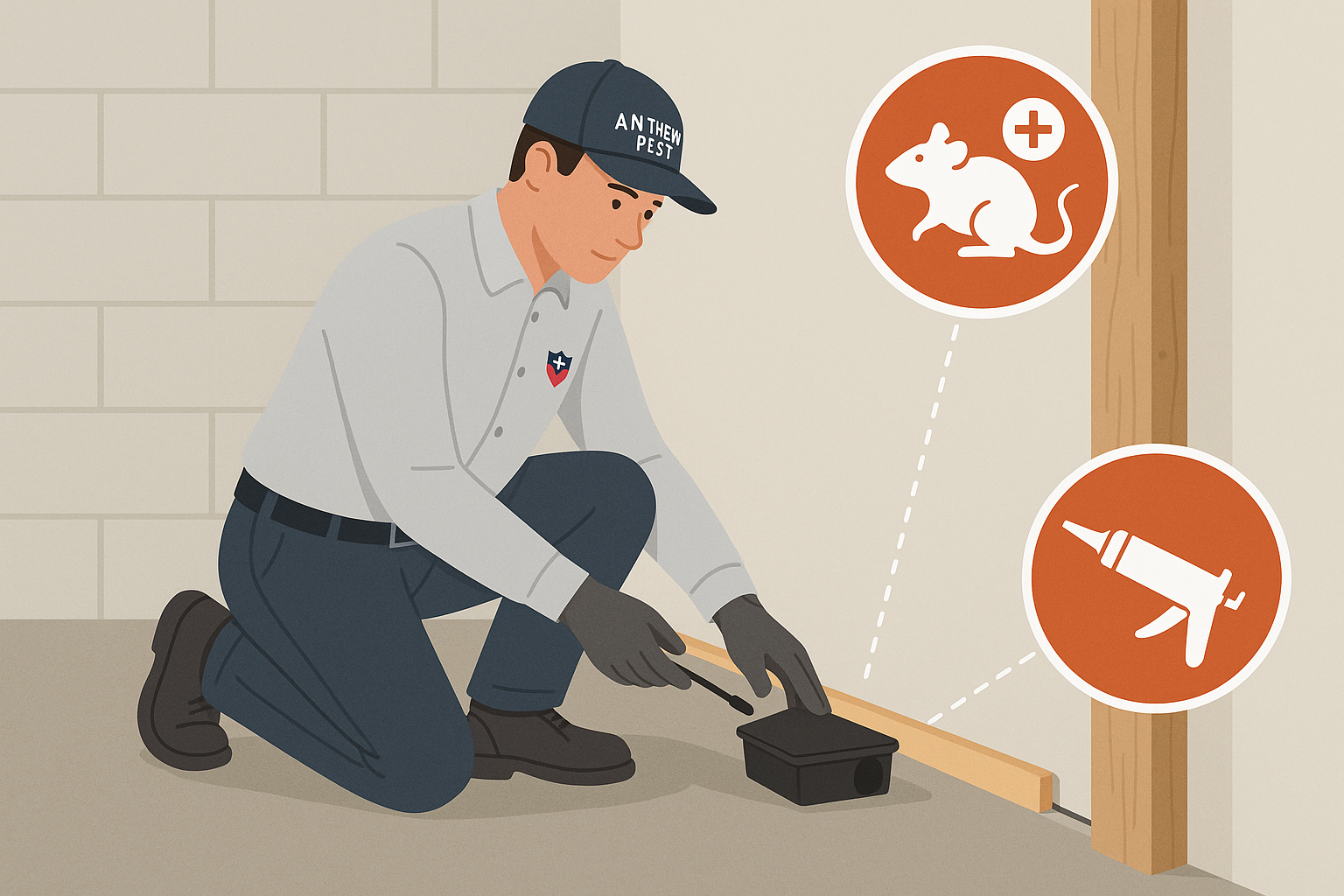
1. Initial Inspection – Finding the Weak Spots
Our certified technician arrives within the hour and conducts a thorough walk‑through. We locate:
- Visible entry points such as gaps around pipes, vents, and foundation cracks.
- High‑activity zones where droppings, gnaw marks, or grease trails indicate heavy traffic.
- Population size estimates based on sighting frequency and evidence density.
This rapid yet detailed assessment lets us map the infestation’s “hot map,” which guides every subsequent step.
2. EPA‑Registered Bait Stations – Safe, Low‑Odor Control
Using EPA‑approved rodenticides, we place bait stations exactly where the rats are most active. The stations are:
- Mounted at a height of 4‑6 inches off the ground, out of reach of children and pets.
- Strategically spaced per EPA guidelines—typically 10‑15 feet apart along walls and near suspected entry points.
- Equipped with low‑odor formulations that eliminate the unpleasant smell often associated with traditional poisons.
These baits work silently, delivering a lethal dose once the rodent feeds, while the sealed stations prevent accidental exposure.
3. Supplemental Controls – Traps & Ultrasonic Devices
To accelerate results, we add:
- Snap traps positioned in high‑traffic corridors for immediate capture of bold individuals.
- Ultrasonic devices that emit frequencies uncomfortable to rodents, discouraging them from lingering in treated zones.
While baiting remains the backbone of our strategy, these tools provide a rapid “knock‑down” effect, especially useful in severe emergencies.
4. Exclusion Techniques – Closing the Door on Rats
Eliminating entry points is the only way to guarantee long‑term success. Our exclusion process includes:
- Sealing gaps with stainless‑steel mesh, which rodents cannot chew through.
- Installing door sweeps on all exterior doors to block the smallest openings.
- Applying high‑quality caulking around utility penetrations and foundation cracks.
According to the EPA, combining exclusion with baiting yields an 85 % success rate for rodent eradication (EPA rodent control).
5. Timeline – From First Call to Follow‑Up
Our emergency protocol is designed for speed and durability:
- Day 0 (Call): 24/7 hotline receives your request; a technician is dispatched within 60 minutes.
- Day 0‑1 (Inspection & Treatment): Full inspection, bait placement, trap setup, and exclusion work are completed in a single visit.
- Day 3‑5 (First Follow‑Up): Technician returns to check bait consumption, replace any depleted stations, and verify that exclusion seals remain intact.
- Day 10‑14 (Final Confirmation): A second follow‑up confirms no new activity; we provide a written report and preventive recommendations.
By the end of the two‑week window, most homeowners notice a dramatic drop in sightings and hear no more scurrying sounds—proof that the emergency plan worked.
Anthem Pest’s emergency response blends science, precision, and local expertise to restore peace of mind to Dunwoody families fast. If you spot a rat today, pick up the phone and let us put the problem to rest—permanently.
Keeping Rats Out for Good
Keeping rats out for good isn’t a one‑time fix; it’s a habit you build into your home’s routine. By staying ahead of the season’s habits, you deny rodents the shelter and food they crave. The following plan gives you a clear, year‑round roadmap that fits a busy homeowner’s schedule.
Seasonal Maintenance Schedule
A quarterly inspection is the backbone of any successful program. In spring, walk the perimeter, clear leaf litter, and check for fresh burrows. Summer’s focus shifts to interior vents and attic access points. Fall calls for debris removal and sealing any gaps exposed by wind. Winter is the time to verify that insulation and weather‑stripping remain intact.
- Spring: Clear yard debris, inspect foundation, seal small cracks.
- Summer: Check vents, chimney flues, and attic openings.
- Fall: Remove fallen leaves, prune vegetation, reinforce exterior seals.
- Winter: Verify insulation integrity, re‑check door sweeps, monitor for indoor activity.
Yard Tips
Your yard is the first line of defense, so treat it like a moat. Trim shrubs and trees at least a foot away from the foundation to eliminate easy climbing routes. Keep compost bins tightly sealed; a lid that clicks shut deprives rats of a nightly buffet. Eliminate standing water by fixing leaky hoses or draining puddles, because moisture attracts both rats and the insects they love to eat.
Waste Management
Even the most diligent homeowner can slip up on trash, which is why rat‑proof containers are essential. Choose cans with tight‑fitting lids and a foot‑pedal or latch that rats can’t pry open. Store recycling bins in a garage or locked shed until collection day, and never leave bags spilling on the curb.
What the Numbers Say
The numbers back up this approach. A 2023 study by the National Pest Management Association (NPMA) found that homes that performed quarterly inspections experienced 70 % fewer repeat rat incidents compared with those that inspected only once a year. That reduction translates into fewer emergency calls, lower treatment costs, and a healthier living environment.
Year‑Round Checklist
Use the checklist below to keep each season on track; check off tasks as you go.
| Season | Key Tasks | Inspection Focus |
|---|---|---|
| Spring | Yard clean‑up, trim vegetation, seal foundation cracks | Exterior perimeter, entry points |
| Summer | Secure vents, check attic, remove outdoor food sources | Interior openings, roof/attic access |
| Fall | Remove leaf litter, prune shrubs, reinforce door sweeps | Debris accumulation, exterior seals |
| Winter | Inspect insulation, monitor for indoor activity, keep trash sealed | Indoor signs, weather‑stripping integrity |
Diseases You Must Guard Against
Rats are more than a nuisance; they carry microbes that can jeopardize your family’s health. In Georgia’s humid climate the three most common rat‑borne illnesses are hantavirus, leptospirosis, and salmonella. Knowing how each spreads, its symptoms, and how quickly it can develop is essential for any homeowner.
Hantavirus
Hantavirus enters the body when aerosolized particles from infected rat urine, droppings, or saliva are inhaled. The Georgia Department of Public Health recorded 112 cases in 2022, with 22 linked to residential exposure. After a 1‑3 week incubation, victims experience fever, muscle aches, and severe respiratory distress that can progress to hantavirus pulmonary syndrome—a condition with a mortality rate of up to 40 % if not treated promptly.
Leptospirosis
This bacterial infection spreads through skin cuts or mucous membranes that contact water or soil contaminated by rat urine. Symptoms appear 5‑14 days after exposure and include high fever, headache, chills, and muscle pain; severe cases may cause jaundice or kidney failure. Because early signs mimic flu, homeowners often delay care, allowing the disease to worsen.
Salmonella
Salmonella lives in rats’ gastrointestinal tracts and can contaminate food, countertops, or pet dishes when droppings are brushed onto surfaces. Ingesting as few as 10,000 organisms triggers vomiting, diarrhea, and abdominal cramps within 6‑48 hours. Children and seniors are especially at risk, and dehydration can quickly become life‑threatening.
Prevention Tips Linked to DIY and Professional Steps
- Seal cracks and gaps larger than ¼ in to block entry.
- Store food in airtight containers and clean up crumbs immediately.
- Deploy heavy‑duty snap traps or bait stations as outlined in our DIY guide, then schedule a professional inspection within 48 hours.
- Allow a licensed technician to apply rodent‑proof bait and disinfectants that neutralize viral particles.
- Keep your yard free of tall grass, debris, and standing water to reduce leptospirosis risk.
Quick Answers for Dunwoody Homeowners
How long does treatment take?
Our emergency response team arrives within 1‑2 days of your call, assesses the infestation, and installs tamper‑proof bait stations or traps. Full eradication typically requires 2‑4 weeks of follow‑up visits, during which we monitor activity, replace consumables, and verify that the colony has been eliminated. The timeline can vary based on the size of the property and the severity of the infestation, but we always keep you informed at each step.
Are baits safe for pets?
We use EPA‑registered rodent baits that are formulated to be low‑risk to non‑target animals. The key to safety is placement: each bait is sealed inside a tamper‑proof station that only rats can access. Our technicians are trained to position stations away from food preparation areas, pet feeding zones, and high‑traffic spots, ensuring your dogs and cats remain out of harm’s way.
Can I get a guarantee?
Yes. Anthem Pest backs every rat‑control job with a satisfaction guarantee. If we detect activity after the initial treatment, we’ll return at no extra charge to re‑treat the affected area. Our guarantee is reinforced by strict adherence to EPA safety standards, giving you confidence that the solution is both effective and compliant.
By choosing a locally‑owned service that follows federal guidelines, you protect your family, your pets, and your home while eradicating the rat problem quickly and responsibly.
Selecting a Trusted Local Expert
When a rat invasion hits your Dun‑Doo‑y home, the first thing you need is a pest‑control partner you can rely on. Not every service provider is created equal, so use the checklist below to separate the professionals from the pretenders.
Credential checklist
- State license – Confirms the technician has met Georgia’s training and safety standards.
- EPA‑registered products – Guarantees the chemicals are approved for residential use and have undergone rigorous testing.
- Liability insurance – Protects you if accidental damage occurs during treatment.
- BBB rating – A solid Better Business Bureau score signals consistent customer satisfaction and ethical business practices.
Why local presence matters
Dunwoody’s mix of older bungalows, newer townhomes, and dense foliage creates a unique rodent habitat. A company that lives and works in the area knows which entry points are most common, which neighborhoods see seasonal spikes, and how local building codes affect treatment options. That insider knowledge translates into faster, more targeted solutions.
Transparent pricing and clear contracts
Ask for a written estimate that breaks down labor, materials, and any follow‑up visits. Look for a service contract that outlines guarantees, warranty periods, and the process for re‑treatment if rats return. Hidden fees are a red flag.
Anthem Pest highlights
Anthem Pest checks every box on the list. With a 15‑year track record in Georgia, we hold a current state license and use only EPA‑registered products. Our fully insured teams carry a 4.8‑star rating on Google, reflecting thousands of satisfied homeowners. Beyond the numbers, we’re active members of the Dunwoody community—sponsoring local events, supporting neighborhood clean‑up days, and staying up‑to‑date on the city’s housing trends. When you choose Anthem, you’re hiring a neighbor who knows the problem and the best way to solve it.
Act Now, Protect Your Home
Rats multiply fast, spread diseases such as hantavirus, leptospirosis, and salmonella, and gnaw through wiring, insulation, and structural wood. Those health risks and the potential for costly electrical fires or water‑damage make a rat emergency a priority [CDC], [Georgia DPH]. Delaying treatment gives the colony time to grow and increases the chance of an outbreak.
Begin with three quick DIY actions: (1) seal cracks and gaps larger than ¼ inch, (2) store food in airtight containers and remove pet food overnight, and (3) place snap or electronic traps along walls. If you notice droppings, gnaw marks, greasy runways, or hear persistent scurrying for more than 48 hours, the infestation has likely passed the DIY threshold and professional help is required [NPMA]. DIY methods alone rarely eradicate an established colony.
Anthem Pest’s 24‑hour emergency line (877‑371‑8196) connects you to certified technicians who deploy EPA‑approved, low‑toxicity baits and exclusion techniques [EPA]. Our same‑day response limits exposure, protects children and pets, and prevents expensive repairs to wiring, drywall, and stored goods. Every treatment is backed by a satisfaction guarantee.
If you suspect a rat problem, let our certified technicians handle it safely and efficiently. We’ll assess the infestation, apply targeted treatment, and create a custom prevention plan—no hidden fees and transparent pricing.
Call now at 877‑371‑8196 or visit Anthem Pest Control for immediate assistance.