Why Spiders Invade Your Home and How to Spot Them
Spiders aren’t looking for a place to throw a party—they’re after shelter, food, and a safe spot to raise their young. In the cooler months, outdoor habitats become less hospitable, so many species head indoors, treating your home like a temporary hotel. Understanding this natural behavior helps you recognize why they’re showing up and what you can do before a few harmless visitors turn into a full‑blown infestation.
Most household spiders are opportunistic hunters. They prefer dark, undisturbed corners where insects congregate, because a steady supply of prey means they can stay put. Unlike insects that need to reproduce in large numbers, a single spider can establish a thriving micro‑ecosystem if it finds the right conditions—steady humidity, cracks to hide in, and an easy route to the outdoors when the weather warms.
Typical entry points
Even the most well‑sealed home has tiny gaps that become highways for spiders. Keep an eye on these common portals:
- Eaves and soffits: Gaps under roof overhangs let spiders crawl down from trees or shrubs.
- Windows and screens: Damaged screens or gaps around frames act like open doors.
- Cracks in foundation or exterior walls: Small fissures are perfect for the smallest species.
- Garage and storage areas: Boxes, tools, and stacked firewood provide dark refuges.
- Utility penetrations: Pipes, vents, and electrical conduits often have tiny voids.
Visual cues homeowners should notice
Spiders leave subtle clues that can alert you to their presence before numbers swell. Look for these signs:
- Irregular webs in corners: Unlike the classic spiral, many indoor spiders spin messy, tangled webs near baseboards or ceiling corners.
- Egg sacs: Small, round capsules tucked in hidden spots indicate a breeding population.
- Increased sightings: Spotting the same species in multiple rooms, especially during early spring, signals a growing colony.
- Silky trails: Some spiders leave a faint silk line as they move, especially near windowsills.
Early‑season red flags
Spring is the time most spiders emerge from winter hideouts. If you notice any of the following, act quickly:
- Webs appearing in new locations, such as behind appliances or in attic insulation.
- Clusters of egg sacs tucked in wall voids or under furniture.
- A sudden uptick in spider activity after a warm spell, especially near outdoor lighting.
Addressing these warnings early prevents a few solitary hunters from turning your home into a bustling spider hub. Early intervention also reduces the chance of encountering more dangerous species, like the Southern Black Widow, which can migrate indoors when outdoor prey dwindles.
Spotting the problem is only half the battle; you need a reliable source for region‑specific guidance. For detailed information on the spider species that commonly invade Druid Hills homes and the most effective control methods, visit the local spider control resource. Armed with this knowledge, you can work with a professional service—such as Anthem Pest Control—to implement a safe, targeted treatment plan that protects your family and keeps your home spider‑free.
Identifying the Most Common Household Spiders
Knowing which eight‑legged visitors share your home is the first step in deciding whether you need a professional response. Some species are harmless architects, while others can deliver a bite that requires medical attention. Below is a quick guide to the five spiders you’re most likely to encounter in Druid Hills and the surrounding Atlanta metro area.
American House Spider (Parasteatoda tepidariorum)
This petite, tan‑brown spider measures about ¼ inch when its legs are spread. Its abdomen often displays a faint, hourglass‑shaped marking that can be confused with a black‑widow pattern, but the colors are much lighter. It spins irregular, tangled cobwebs in corners of basements, closets, and ceilings. Bites are rare and usually cause only mild, localized itching—no medical treatment is needed. The American house spider is found throughout the United States, including the Druid Hills area, thriving in human‑occupied structures.
Cellar Spider (Family Pholcidae)
Also called “daddy‑long‑legs,” the cellar spider has a tiny round body (often less than ¼ inch) and extremely long, thin legs that can span up to an inch. Its web is a loose, sheet‑like network suspended in dark, damp places such as basements, crawl spaces, and garage corners. These spiders are beneficial predators that capture other pests; their bite is comparable to a mild pinprick and rarely causes any reaction. They are common across the Southeast, including Georgia’s humid neighborhoods.
Brown Recluse (Loxosceles reclusa)
The brown recluse is a medium‑sized spider, typically ¼‑½ inch long, with a uniformly brown, velvety body. Its most distinctive feature is a dark violin‑shaped marking on the cephalothorax, although the pattern can be faint. It prefers undisturbed spaces—attics, closets, and behind furniture—where it builds a loose, irregular silk retreat rather than a true web. Bites can cause necrotic skin lesions and, in rare cases, systemic illness. Immediate medical evaluation is advised if you notice a growing ulcer or flu‑like symptoms after a bite. Brown recluses are most prevalent in the central and southern United States; they are reported in parts of Georgia, especially in warm, dry interiors of homes.
Black Widow (Latrodectus mactans)
Female black widows are glossy black with a characteristic red hourglass on the underside of their spherical abdomen; males are smaller and less vividly marked. They measure about ½ inch in length, including the leg span. Their webs are tidy, irregular, and often found in dark, secluded corners of garages, basements, and outdoor sheds. A bite delivers a neurotoxic venom that can cause severe muscle cramps, abdominal pain, and sweating. While fatalities are rare with modern medical care, anyone experiencing these symptoms should seek emergency treatment. Black widows are established throughout Georgia, especially in warm, sheltered locations.
Orb Weaver (Family Araneidae)
Orb weavers encompass many species, but the most common indoor visitor is the silver‑green orb weaver. These spiders have a rounded abdomen with striking patterns—often white or yellow spots on a dark background—and legs banded in alternating colors. They construct the classic circular, wheel‑shaped webs you might see in sun‑lit windows or porch corners. Bites are uncommon and, when they occur, typically result in mild, short‑lived pain. Orb weavers are widespread across the United States, including the Druid Hills region, and are generally considered beneficial.
Quick Reference Table
| Spider | Size & Color | Distinctive Markings | Web Type | Health Risk | Typical Locations |
|---|---|---|---|---|---|
| American House | ¼ in, tan‑brown | Light hourglass on abdomen | Irregular cobweb | Mild itching | Corners, ceilings, basements |
| Cellar Spider | Small body, very long legs | None obvious | Loose sheet web | Rare bite, negligible | Basements, crawl spaces |
| Brown Recluse | ¼‑½ in, uniform brown | Violin‑shaped dorsal mark | Loose retreat (no web) | Necrotic bite—seek care | Attics, closets, undisturbed spots |
| Black Widow | ≈½ in, glossy black | Red hourglass underside | Irregular, sticky web | Neurotoxic bite—medical help | Garages, dark corners, sheds |
| Orb Weaver | ½‑¾ in, patterned abdomen | Spotted or banded legs | Circular orb web | Minor irritation only | Windows, porches, outdoor lights |
By matching size, coloration, web structure, and where you find the spider, you can quickly decide whether a professional inspection is warranted. If you spot a brown recluse or black widow, or if a bite produces unusual symptoms, give Anthem Pest Control a call right away—we’ll handle the removal safely and help you keep your home spider‑free.
Seasonal Spider Activity and the Best Times to Treat
Spider Life Cycles: Temperature and Moisture Matter
Spiders in Druid Hills follow a predictable rhythm driven by temperature and humidity. In early spring, eggs hatch as soil warms, releasing juvenile spiders that disperse in search of food. Warm, moist summers accelerate growth and increase hunting activity, while cooler fall temperatures trigger the search for sheltered overwintering sites. Moisture levels influence web‑building species—more humidity means thicker, stickier webs, and a higher likelihood of encountering them indoors.
Reading the Seasonal Activity Chart
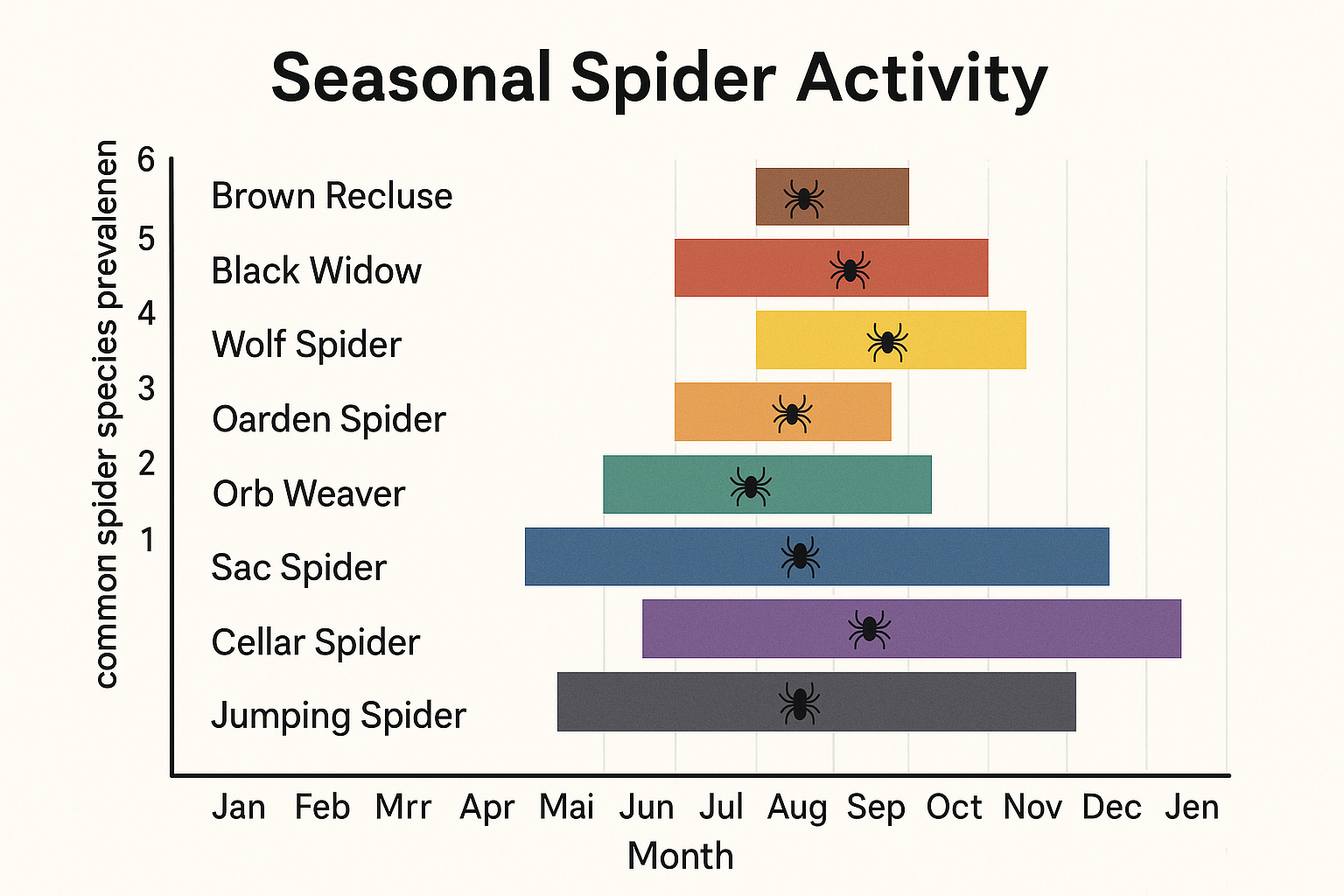
The chart above maps the prevalence of common Georgia spiders month by month. The horizontal axis lists each month, while the vertical axis indicates the relative abundance of key species such as the brown recluse, black widow, and common house spider. Darker shading signals higher activity, giving homeowners a visual cue for when each pest is most likely to appear.
| Month | Brown Recluse | Black Widow | House Spider |
|---|---|---|---|
| January | Low | Very Low | Low |
| February | Low | Very Low | Low |
| March | Moderate | Low | Moderate |
| April | Moderate | Low | Moderate |
| May | High | Moderate | High |
| June | High | Moderate | High |
| July | Very High | High | Very High |
| August | Very High | High | Very High |
| September | High | Moderate | High |
| October | Moderate | Low | Moderate |
| November | Low | Very Low | Low |
| December | Low | Very Low | Low |
Peak Months for High‑Risk Species
The brown recluse reaches its apex in late summer, especially July and August, when warm, humid conditions encourage it to wander outdoors and seek shelter indoors. Black widows follow a similar pattern but tend to peak slightly earlier, in June. House spiders are most active from May through September, often building dense webs in corners, closets, and basements.
Pre‑Season Inspections: What to Look For
- Check crawl spaces and attics for undisturbed corners where webs accumulate.
- Inspect exterior foundations for cracks or gaps that could serve as entry points.
- Look for signs of spider egg sacs in hidden areas such as behind appliances or under furniture.
- Identify moisture‑prone zones—leaky pipes or poor drainage—that attract web‑building species.
Post‑Season Follow‑Ups and Ongoing Prevention
After the high‑risk months, schedule a follow‑up inspection in October. This visit confirms that any residual populations are eliminated and that preventive barriers remain intact. Maintaining a dry environment, sealing entry points, and reducing clutter are year‑round habits that keep spiders from re‑establishing.
Timing Your DIY vs. Professional Treatments
For DIY homeowners, the sweet spot for a spray or dust application is early May—before spider numbers explode but after winter dormancy ends. Use a residual indoor insecticide around baseboards and window frames, and repeat in late August if activity remains high. Professional services, however, can target hidden habitats more effectively. Anthem Pest Control recommends a full‑service treatment in late April for pre‑emptive protection, followed by a second visit in September to mop up any survivors. This two‑step approach aligns with the seasonal chart and maximizes long‑term control while minimizing chemical use.
DIY Spider Control Tips and When to Call a Pro
Finding a spider in your home can feel like an unwelcome surprise, but most of the time you can handle the situation yourself. Below are safe, effective steps you can take right now, plus clear signals that it’s time to let the professionals at Anthem Pest Control step in.
Simple Removal Techniques
- Vacuum the web. Use the hose attachment to gently pull down webs and any visible spiders. Empty the canister into a sealed bag afterward to prevent escape.
- Swipe with a broom. For larger webs in corners or under eaves, a soft‑bristled broom works well. Sweep the web into a dustpan and discard it immediately.
- Seal cracks and gaps. Spiders slip through openings as small as a pencil lead. Apply caulk around window frames, baseboards, and utility openings to block entry points.
Safe Cleaning Agents and Proper Application
After removal, clean the area to erase scent trails that attract more spiders.
- Vinegar solution. Mix one part white vinegar with one part water in a spray bottle. Lightly mist the surface; the acidity disrupts spider pheromones without harming pets or children.
- Essential‑oil spray. Combine 10‑15 drops of peppermint or tea‑tree oil with a cup of water. Spray around doorways, window sills, and storage corners. The strong scent acts as a natural deterrent.
- Avoid harsh chemicals. Bleach, ammonia, or commercial insecticides can damage finishes and pose health risks, especially in enclosed spaces like garages.
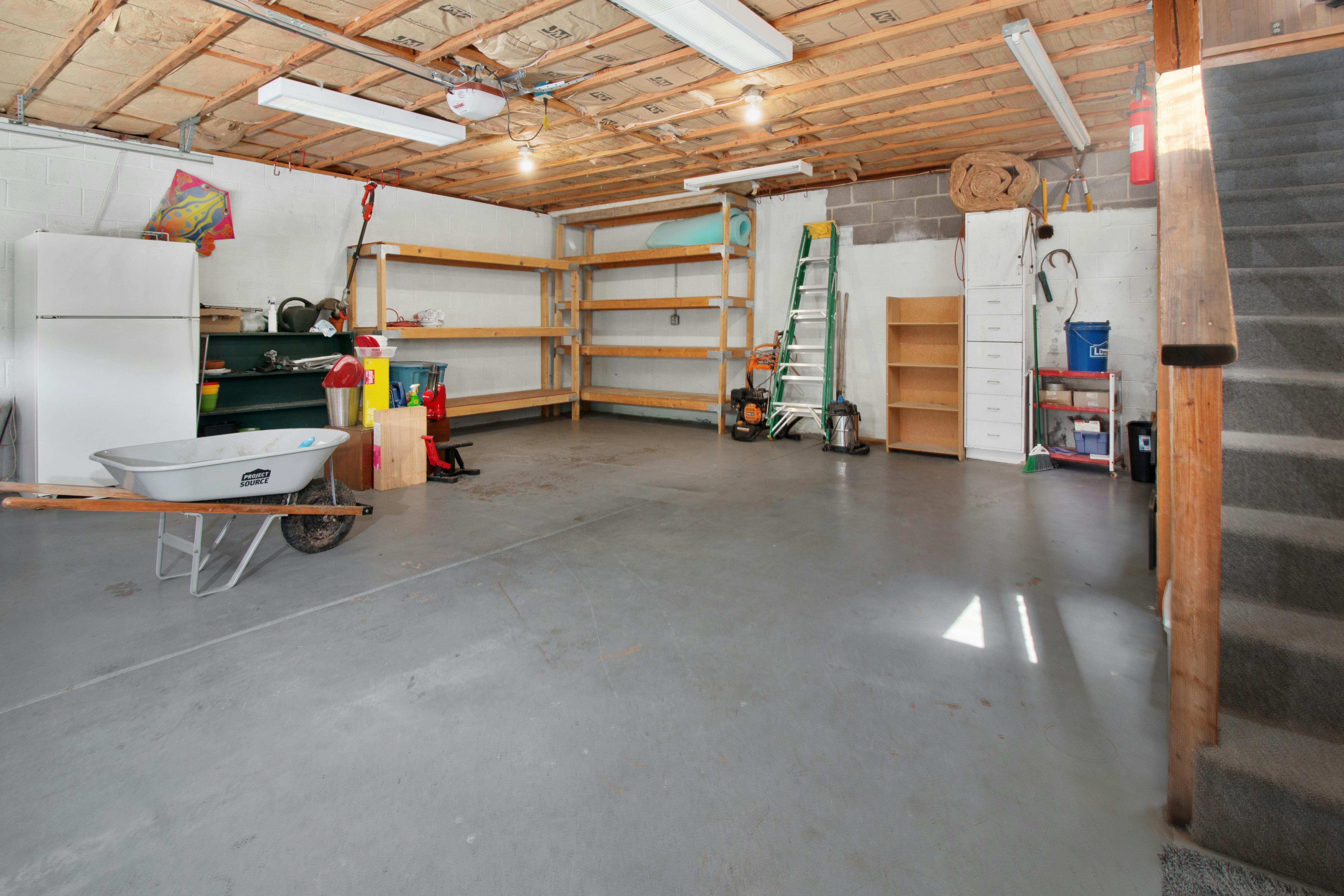
Creating a Clutter‑Free Garage or Storage Area
Spiders love undisturbed, dark hideaways. Decluttering not only makes your space look better—it removes the real estate spiders need to thrive.
- Remove cardboard boxes, old linens, and unused tools from the floor.
- Store items on shelves, keeping the floor clear for easy vacuuming.
- Install bright LED lighting; spiders prefer dim corners.
- Place a thin rubber mat or silicone liner under stored items; the texture discourages spider movement.
Warning Signs That DIY Is Insufficient
Even the most diligent homeowner can hit a wall. Look for these red flags that signal a professional inspection is needed:
- Extensive webbing. Thick, dense webs covering large areas indicate a breeding colony.
- Hidden egg sacs. Small, round, silk‑covered clusters tucked into cracks are a sure sign of reproduction.
- Frequent bites or stings. While most house spiders are harmless, a sudden increase in bites suggests a species that feels threatened.
- Persistent re‑infestation. If webs return within days after cleaning, the source is likely beyond DIY reach.
Checklist: Do I Need a Pest‑Control Specialist?
| Condition | DIY Viable? | When to Call a Pro |
|---|---|---|
| Isolated single spider or small web | Yes | Only if removal fails after two attempts |
| Multiple webs spanning walls or ceiling | No | Contact a professional immediately |
| Visible egg sacs in hidden cracks | No | Professional treatment required |
| Repeated bites or allergic reactions | No | Seek expert assessment right away |
| Cluttered storage area with limited access | Partial | Professional can advise on structural sealing and targeted treatment |
If any of the “When to Call a Pro” boxes light up, give Anthem Pest Control a call at 877‑371‑8196 or visit our website. Our locally trained technicians will assess the situation, identify the species, and apply a safe, targeted treatment plan—so you can reclaim your home without worry.
Professional Spider Control Methods and What to Expect
When a spider infestation turns urgent, the most reliable solution is a licensed technician from Anthem Pest Control. Our team follows a systematic, science‑backed process that protects your home and your family.

Inspection Procedures Used by Technicians
Our first visit begins with a thorough walk‑through of both the interior and exterior. Technicians check eaves, soffits, window frames, and door thresholds for cracks or gaps where spiders can enter. Inside, we examine corners, basements, attics, and any cluttered storage areas—common hideouts for orb weavers, brown recluses, and other nuisance species. Using a handheld flashlight and, when needed, a low‑magnification scope, we locate active webs, egg sacs, and signs of recent activity. All findings are documented on a digital checklist, which becomes the blueprint for the treatment plan.
Treatment Options: From Conventional to Eco‑Friendly
- Perimeter sprays: A fine mist of residual insecticide is applied around the home’s foundation, windows, and doors. This creates a protective barrier that kills spiders on contact and deters new entrants for weeks.
- Targeted indoor foggers: For severe indoor infestations, we use a low‑pressure fogger that disperses a calibrated dose of pesticide into cracks, crevices, and hidden voids without over‑saturating living spaces.
- Residual insecticides: In high‑traffic zones such as basements and garages, we place micro‑encapsulated formulations that release active ingredients slowly, maintaining efficacy for up to 90 days.
- Eco‑friendly alternatives: Homeowners who prefer greener solutions can opt for botanical‑based sprays (e.g., pyrethrin derived from chrysanthemum) or silica‑gel dust. These products pose minimal risk to pets and children while still delivering a rapid knock‑down effect.
Specialized Tools: Smoke Machines and Heat Treatments
Hard‑to‑reach areas like attic insulation, wall voids, and crawl‑space ducts often harbor hidden spider colonies. In such cases, we deploy portable smoke machines that fill concealed spaces with a non‑toxic, insect‑repellent vapor. The smoke suffocates spiders and forces them to the surface, where they are captured by the residual spray. For stubborn infestations, a controlled heat treatment raises temperatures to 120‑130°F for a short period, effectively exterminating spiders and their egg sacs without chemicals.
Safety Protocols for Families, Pets, and Indoor Air Quality
Every product we use is EPA‑registered and applied according to strict label directions. Technicians wear disposable gloves and masks, and they isolate treated rooms to prevent cross‑contamination. After indoor applications, we advise a 30‑minute ventilation period—simply open windows and run fans. All chemicals are selected to minimize off‑gassing, preserving indoor air quality. For homes with small children or sensitive pets, we prioritize low‑toxicity or organic options and clearly label treated zones until the product dries.
Typical Timeline: From First Visit to Follow‑Up Service
The process usually unfolds over three appointments. Visit 1 – Inspection and initial treatment: Within 24 hours of your call, a technician conducts the inspection and applies the chosen perimeter and indoor solutions. Visit 2 – Targeted retreat (7‑10 days later): We reassess high‑risk zones, re‑apply foggers or smoke as needed, and address any new activity. Visit 3 – Maintenance check (30 days after the second visit): A final walkthrough confirms that spider activity has ceased and we reinforce the protective barrier with a light residual spray if required. Most homeowners see a dramatic reduction in spider sightings after the first two visits, with long‑term control maintained through annual or semi‑annual preventive programs.
Comparing Spider Control Service Packages
Choosing the right spider control plan shouldn’t feel like a gamble. Anthem Pest Control offers three clearly defined tiers—Basic, Standard, and Premium—so you can match protection level to the severity of your infestation and your budget. Below is a quick visual guide that lays out exactly what you get with each package.
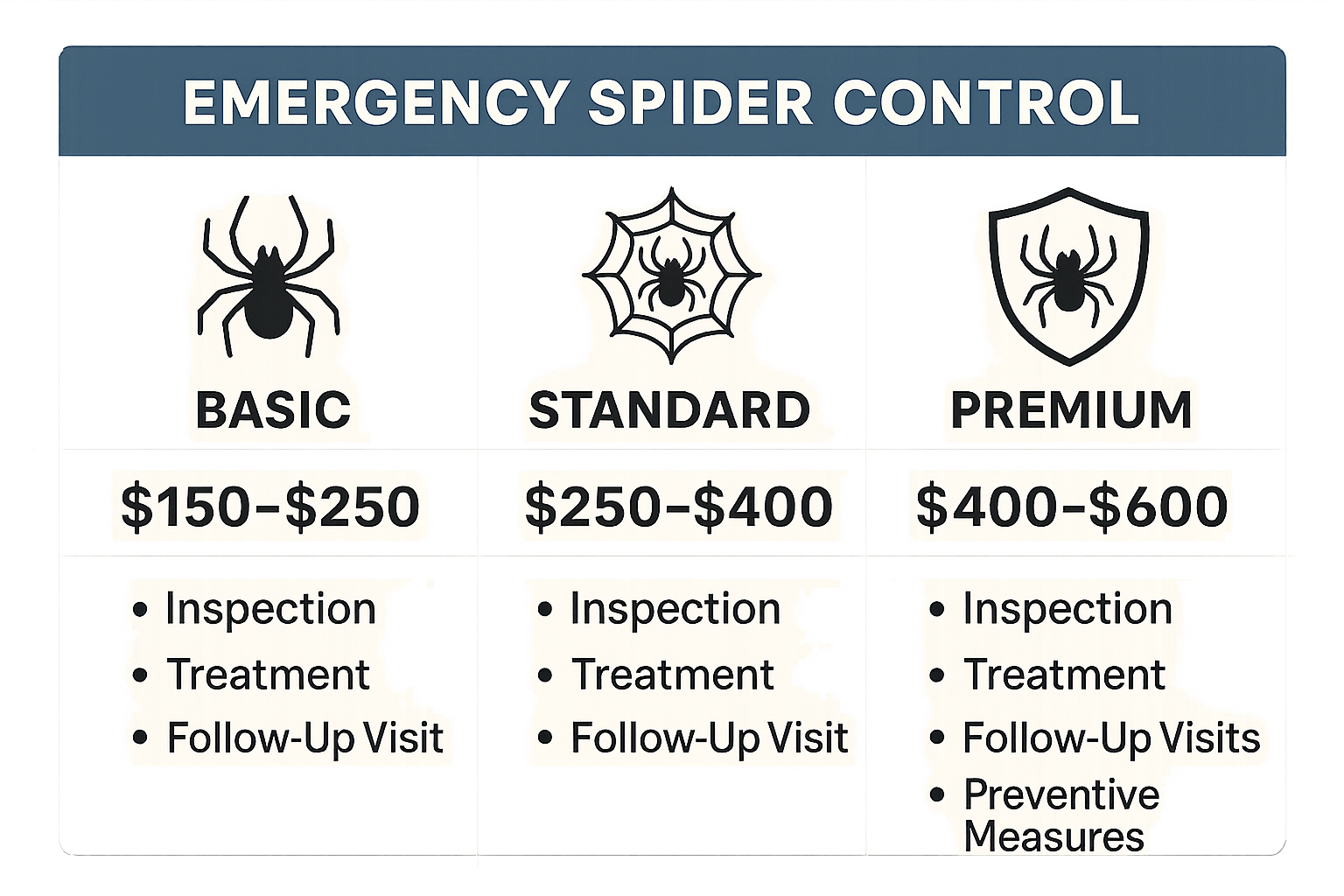
| Package | Includes | Treatments | Warranty | Price Range |
|---|---|---|---|---|
| Basic | Initial inspection, indoor treatment only | 1 treatment | 30‑day guarantee | $79 – $99 |
| Standard | Inspection, indoor + perimeter treatment, follow‑up visit | 2 treatments | 60‑day guarantee | $129 – $149 (10% seasonal discount available) |
| Premium | Comprehensive inspection, indoor & outdoor barrier, quarterly follow‑ups, priority scheduling | 4 treatments per year | 90‑day guarantee | $199 – $229 (15% seasonal discount available) |
What Each Tier Delivers
Basic is perfect for homeowners who have spotted a few solitary spiders and want a one‑time fix. The single indoor treatment targets common entry points and eliminates visible spiders, while the 30‑day warranty ensures you’re covered if they return quickly.
Standard steps up protection by adding a perimeter spray that tackles spiders before they cross your foundation. Two treatments spread across the season, plus a follow‑up visit, give you a solid 60‑day safety net—ideal for moderate infestations or homes with occasional spider activity.
Premium provides the most comprehensive shield. It combines indoor and outdoor barriers, quarterly treatments, and priority service for any unexpected spikes. With a 90‑day warranty, this tier is designed for high‑risk properties—think homes near wooded areas, basements with moisture issues, or families seeking year‑round peace of mind.
Why Upgrade?
- Longer warranty periods reduce the chance of repeat visits and extra costs.
- Outdoor coverage blocks spiders from entering, cutting down on indoor sightings.
- Quarterly treatments in the Premium plan keep your home protected through seasonal peaks.
- Seasonal discounts (10% for Standard, 15% for Premium) make higher tiers more affordable during spring and fall, when spider activity spikes.
Quick Decision Guide
Light infestation (few spiders, isolated sightings): Choose the Basic package. One thorough indoor treatment is usually enough to clear the problem.
Moderate infestation (multiple rooms, occasional webs): The Standard plan offers the extra perimeter spray and follow‑up visit you need to break the cycle.
Severe or recurring infestation (large webs, basements, outdoor activity): Go with Premium. The combined indoor/outdoor barrier and quarterly treatments provide the most reliable, long‑term protection.
Protect Your Home Today with Anthem Pest Control
Why Early Detection and Seasonal Treatment Matter
Early detection and timely seasonal treatment are the twin pillars of a spider‑free home. Spotting a web in the corner of your garage or noticing increased activity in the cooler months gives you a chance to act before an infestation spreads to living spaces. By treating at the first sign, you protect structural wood, reduce the need for aggressive chemicals later, and keep your family’s peace of mind.
Anthem’s Expertise, Safe Methods, and Transparent Pricing
Anthem Pest Control brings more than a decade of local expertise to every job. Our technicians use EPA‑approved, low‑toxicity products that target spiders while safeguarding pets and children. Because we believe pricing should be crystal clear, each service comes with a written estimate—no hidden fees, no surprise add‑ons. Whether you need a one‑time spider sweep or an annual preventative program, Anthem tailors the plan to fit your home’s layout and your budget.
Convenience of a Single Trusted Provider
What sets Anthem apart is the convenience of a single, trusted provider for every household pest. From termites gnawing at your foundation to mosquitoes buzzing around your patio, the same licensed team handles it all. That means you won’t juggle multiple contracts, schedules, or service records—just one point of contact who knows how each pest fits into the larger ecosystem of your home.
Get Your Free, No‑Obligation Quote
Ready to protect your home before spiders take hold? Call Anthem Pest Control today at 877‑371‑8196 for a free, no‑obligation quote, or click here to schedule an on‑site inspection. Our friendly staff will walk you through the recommended treatment timeline, answer any questions, and set up a service plan that fits your schedule. Take the first step toward a spider‑free sanctuary—your home, your family, your peace of mind deserve it.