Why Spider Bites Can Become Emergencies in Dunwoody
Across the United States, spider bites are often dismissed as harmless “nuisance” incidents. In reality, the combination of a warm, humid climate and abundant outdoor habitats makes Georgia a hotspot for venomous spiders. When a bite occurs in Dunwoody, the risk of a serious medical reaction spikes dramatically, especially during the summer months when spiders are most active.

Venomous species you’re most likely to encounter
Three spiders dominate the medical‑risk landscape in Dunwoody:
- Brown recluse (Loxosceles reclusa) – Known for its necrotic venom that can destroy skin tissue.
- Black widow (Latrodectus mactans) – Delivers neurotoxic venom that may cause severe muscle cramps and systemic distress.
- Hobo spider (Eratigena agrestis) – Though less common, its bite can lead to lingering pain and, in rare cases, systemic symptoms.
2024 Dunwoody bite statistics
The Dunwoody Health Department reported 27 confirmed venomous spider bites last year, with 9 hospitalizations attributed to severe reactions. While the numbers appear modest, each case represents a potential emergency that can quickly overwhelm a homeowner’s ability to respond safely.
Red‑flag symptoms that demand immediate medical attention
Not every bite will turn into a crisis, but certain signs should set off an alarm bell:
- Intense, throbbing pain that spreads beyond the bite site within minutes.
- Rapidly expanding redness or a “bullseye” pattern, especially with blistering.
- Necrosis – skin that turns dark, ulcerates, or develops a hole.
- Systemic reactions such as fever, chills, nausea, vomiting, or difficulty breathing.
- Unexplained muscle cramps, spasms, or a feeling of “tightness” in the chest or abdomen.
If any of these symptoms appear, treat the bite as an emergency. Time is critical, particularly with brown recluse bites, where tissue damage can become irreversible after just a few hours.
Preparing for the worst: our step‑by‑step emergency response plan
Anthem Pest Control’s guide walks you through exactly what to do while you wait for professional medical help:
- Stay calm and call 911 if you notice systemic symptoms or severe pain.
- Identify the spider if it’s still present—take a clear photo without touching it.
- Clean the bite gently with soap and water; avoid squeezing or applying heat.
- Apply a cold compress to reduce swelling, but never use ice directly on the skin.
- Keep the victim still and monitor vital signs until emergency responders arrive.
Following these steps buys valuable minutes, giving medical professionals a better chance to limit tissue damage and prevent complications. Knowing the local risk, recognizing the warning signs, and acting fast are the three pillars of effective emergency spider control in Dunwoody.
Identifying Dunwoody’s Most Dangerous Spiders
When a spider drops down from a dark corner, most homeowners feel a surge of anxiety. Knowing exactly which species you’re looking at can turn panic into a clear action plan. Below are the three high‑risk spiders that show up most often in Dunwoody, along with the visual cues you need to spot them in seconds.
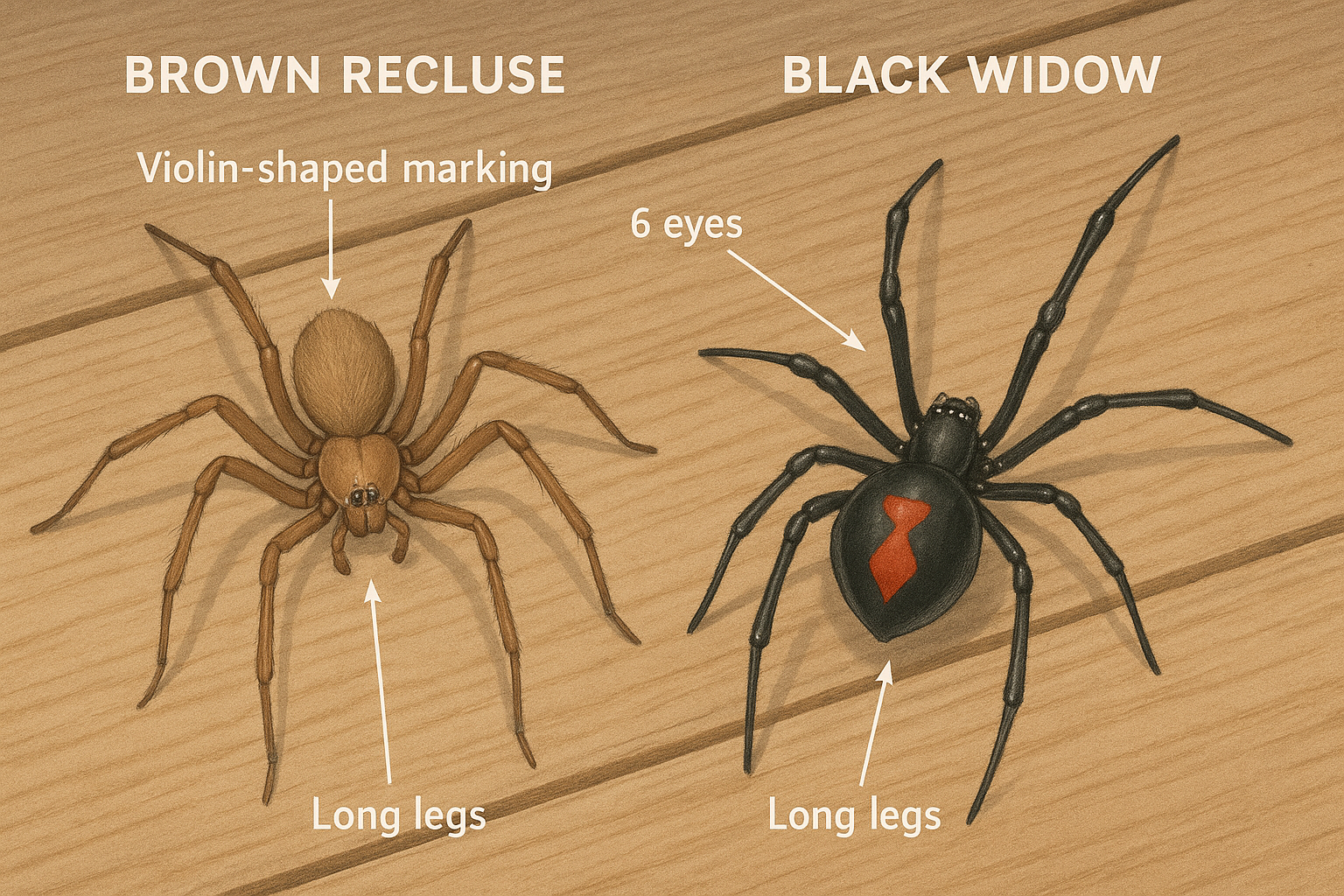
Brown Recluse (Loxosceles reclusa)
This spider measures roughly ¼ to ½ inch in body length—about the size of a quarter. Its most recognizable feature is a dark, violin‑shaped marking on the dorsal side of the cephalothorax, with the “neck” of the violin pointing toward the abdomen. The body itself is a uniform tan‑brown, lacking any bold stripes or spots. Brown recluse hunters love cluttered, undisturbed spaces: think basements piled with boxes, rarely opened closets, or storage rooms where dust settles untouched for months.
Black Widow (Latrodectus mactans)
At just under ¼ inch long, the female black widow packs a striking visual punch. Its glossy, jet‑black carapace contrasts sharply with a bright red hourglass shape on the underside of the abdomen—a warning sign that’s hard to miss. Males are much smaller and less dangerous, but they share the same shiny black hue. Black widows favor quiet corners that stay out of daily traffic: the back of garages, eaves of outdoor sheds, and the shadowed seams of stairwells are common hunting grounds.
Hobo Spider (Eratigena agrestis)
Often the largest of the trio, the hobo spider can reach up to 1 inch in leg span, making it look almost spider‑like at first glance. Its body is a mottled brown‑gray with a distinctive herringbone or “chevron” pattern across the abdomen—think of tiny, overlapping V’s. Unlike the recluse or widow, hobo spiders are more likely to wander into human‑occupied spaces, especially crawl spaces, window frames, and the gaps around foundation vents where they can slip unnoticed.
According to the U.S. Environmental Protection Agency, Georgia logs roughly 1,200 spider‑related emergency calls each year. While most of those incidents involve harmless house spiders, the presence of a high‑risk species like those listed above often triggers an urgent response. The numbers highlight why rapid identification matters: the sooner you know what you’re dealing with, the faster a professional can deploy the right treatment.
In Dunwoody, the highest concentration of spider sightings clusters around a few key neighborhoods. Residents of Brookhaven frequently report brown recluse encounters in older, multi‑family basements, while Peachtree Corners homeowners see a mix of black widows and hobo spiders near garage doors and crawl‑space vents. A visual map snippet will be inserted later in the article to pinpoint these hot spots, giving you a quick geographic reference when you’re scanning your property.
By memorizing the size, coloration, and preferred hiding places of each spider, you’ll be able to differentiate a harmless house spider from a potentially dangerous intruder in a single glance. If you ever spot one of the above signatures, reach for your phone and call Anthem Pest Control at 877‑371‑8196. Our locally trained technicians can confirm the species, assess the risk, and apply a targeted, EPA‑approved treatment that keeps your family safe.
Immediate Safety Measures for a Spider Encounter
1. Stay Calm and Contain the Area
Seeing a spider can trigger a rush of adrenaline, but the first thing you need to do is stay calm. Panic can cause you to make hasty decisions that spread the spider farther into your home. Close the door to the room where the spider was spotted and shut any adjoining doors. If you have a central HVAC system, turn it off for a few minutes to prevent air circulation that could carry spider‑borne allergens or, in rare cases, venom‑laden droplets to other parts of the house.
2. Gear Up with Personal Protection
Before you move toward the spider, protect yourself. Slip on a pair of thick gardening gloves, roll up long‑sleeve shirts, and put on closed‑toe shoes or boots. This barrier keeps the spider’s fangs—and any accidental bumps—away from exposed skin. Even if the spider looks harmless, many species have a bite that can cause irritation or, for those with allergies, a more serious reaction.
3. Capture or Contain the Intruder
If the spider is non‑lethal and you prefer a humane removal, a vacuum with a sealed collection bag works wonders. Hold the hose a few inches from the spider, turn on the vacuum, and quickly seal the bag afterward. For larger spiders or when a vacuum isn’t handy, gently trap the creature under a clear glass or plastic cup, then slide a stiff piece of cardboard underneath. Keep the container upright and transport it outside, releasing it far from your home.
4. If You’re Bitten, Act Fast
Even with precautions, a bite can happen. Follow these steps immediately:
- Clean the wound: Wash the area with mild soap and lukewarm water to remove any venom residue.
- Apply cold: Use a clean cold compress or an ice pack wrapped in a cloth for 10‑15 minutes to reduce swelling.
- Monitor symptoms: Watch for escalating pain, spreading redness, throbbing, or any signs of an allergic reaction such as hives, swelling of the lips or face, or difficulty breathing.
- Seek emergency help: If you notice any of the severe reactions listed above, call 911 without hesitation. Even milder symptoms should be evaluated by a medical professional if they worsen.
Quick‑Reference Checklist
- Stay calm; isolate the room.
- Turn off HVAC to limit spider movement.
- Put on thick gloves, long sleeves, and closed‑toe shoes.
- Use a vacuum with a sealed bag for non‑lethal capture.
- If vacuum unavailable, trap with a glass and cardboard.
- For bites: wash with soap and water, apply cold compress.
- Monitor for redness, swelling, or breathing difficulty.
- Call 911 for severe reactions (difficulty breathing, spreading redness, facial swelling).
- Contact Anthem Pest Control at 877‑371‑8196 for professional spider removal and long‑term prevention.
When to Call a Professional – The Value of Emergency Service
Finding a spider in your living room can feel like an invasion, and the instinct to grab a shoe or a spray bottle is strong. However, most homeowners quickly discover that DIY attempts rarely solve the problem and can even make things worse. Venomous species such as the brown recluse or black widow require a careful, systematic approach that only a trained technician can provide.
Why DIY Often Falls Short
- Incomplete removal: Spiders hide in cracks, voids, and ceiling voids that are invisible without proper inspection tools. A quick vacuum or spray may eliminate the visible adult but leave egg sacs and retreat sites untouched, setting the stage for a resurgence.
- Accidental bites: Handling a live spider increases the chance of a defensive bite. Even a non‑venomous bite can cause swelling, itching, and anxiety for the whole household.
- Spreading venom through agitation: Some spiders release defensive secretions when disturbed. Agitating a nest can disperse these chemicals onto surfaces, pets, or children, creating unnecessary health risks.
CDC Guidance on When to Seek Medical Help
The Centers for Disease Control and Prevention (CDC) advises that most spider bites are harmless, but certain symptoms signal the need for professional medical evaluation. According to the CDC, you should call emergency services or visit a healthcare provider if you experience:
- Severe pain that intensifies over time
- Rapid swelling, redness, or bruising around the bite
- Fever, chills, or flu‑like symptoms
- Difficulty breathing, muscle cramps, or vision changes
These signs often indicate envenomation from a medically significant spider, and prompt treatment can prevent complications. The CDC’s full guidance can be reviewed here.
What Anthem Pest’s 24‑Hour Emergency Service Gives You
- Rapid dispatch: Our technicians are on call around the clock, ensuring that a qualified professional can be at your door within hours, not days.
- EPA‑registered, low‑toxicity products: We use solutions that meet strict EPA standards, delivering effective control while minimizing exposure to family members and pets.
- Fully insured, licensed technicians: Every crew member holds the state‑required licenses and carries comprehensive insurance, protecting you from liability should an accident occur during treatment.
- Comprehensive inspection: We locate hidden nests, identify entry points, and map out a targeted treatment plan that eliminates both the current infestation and future threats.
Legal and Insurance Implications
Many homeowner’s insurance policies include pest‑damage coverage, but they often require that the work be performed by a licensed applicator. If you attempt a DIY fix and the problem persists, the insurer may deny the claim, leaving you to foot the entire repair bill. By hiring Anthem Pest, you align with policy requirements, ensuring that any subsequent claim is valid and that you’re protected under both your insurance and our liability coverage.
In short, while the urge to act immediately is understandable, the risks of a DIY approach outweigh the perceived savings. Trusting a licensed, insured professional not only safeguards your health but also preserves the integrity of your home and insurance coverage. When a spider emergency strikes, let Anthem Pest’s 24‑hour response team handle the job—so you can focus on what matters most: keeping your family safe and comfortable.
Anthem Pest’s Emergency Spider Control Process
Immediate Phone Triage
When you spot a spider bite or discover a new web, the first thing you do is call us. Our dispatch team answers within three rings, asks for the exact bite location, the type of spider (if you can identify it), and how many people are affected. This quick interview lets us gauge the urgency—whether it’s a harmless house spider or a potentially dangerous brown recluse. We also note any pets, allergies, or chemical sensitivities so the next steps are safe for everyone in the home.
Same‑Day On‑Site Inspection
Within two hours of that call, a certified technician is at your doorstep. Wearing protective gear, the tech performs a thorough visual sweep of the affected rooms, attic, and crawl spaces. To uncover hidden webs that the naked eye misses, a handheld UV light is passed over walls, baseboards, and corners. Under UV, spider silk glows a faint blue‑green, revealing nests tucked behind furniture or inside insulation. The inspection report is written on the spot, highlighting hot spots, entry points, and any structural concerns that could invite future infestations.
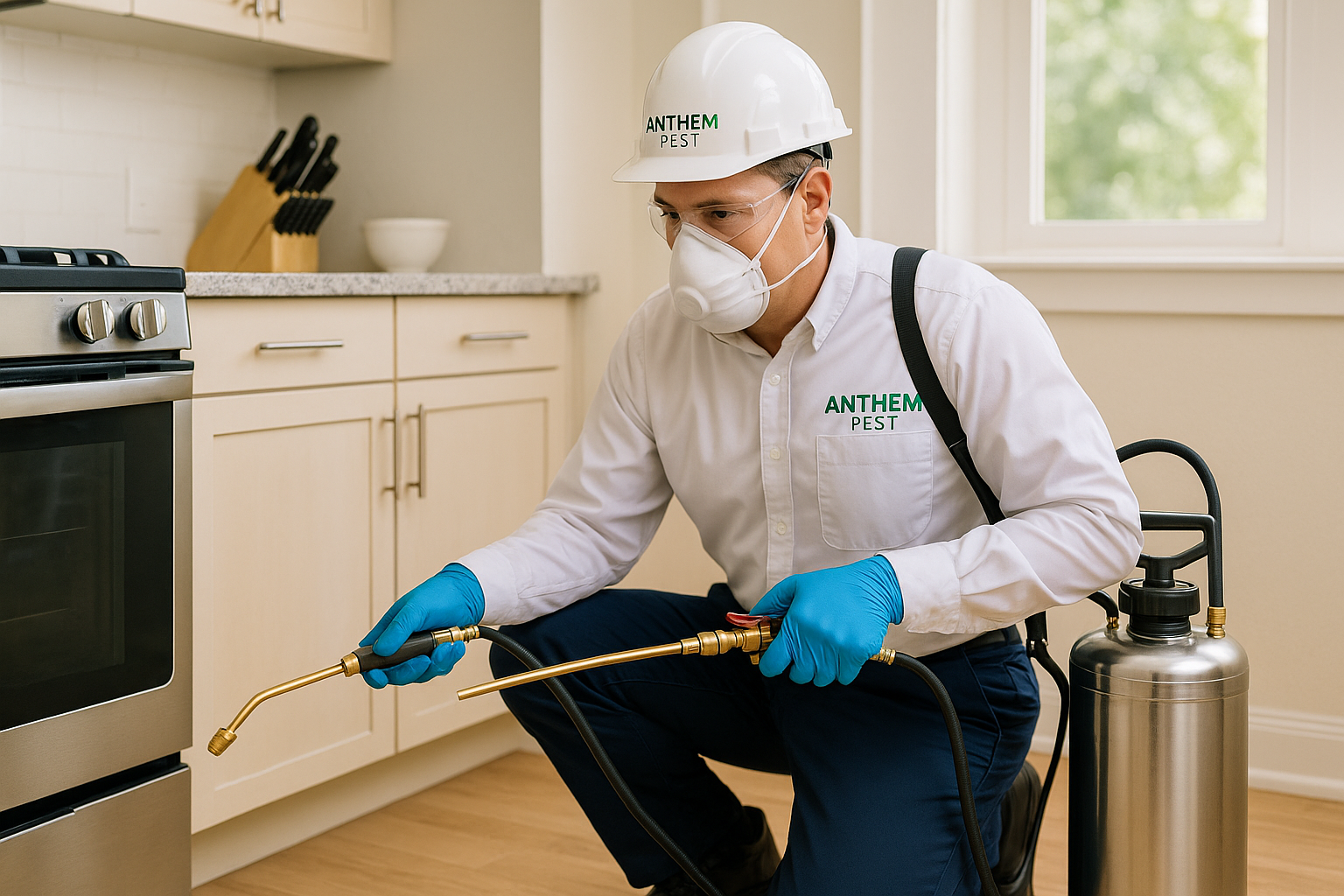
Targeted Spot‑Treatment
Once the nests are pinpointed, we apply a low‑odor, pet‑safe insecticide directly to each colony and to the surrounding entry points. The formulation is EPA‑registered, breaks down quickly, and leaves no lingering scent that would disturb your family or pets. Our technique is illustrated by a recent case in the Brookhaven subdivision: a homeowner reported multiple painful bites after a weekend barbecue. After a swift inspection, we found three concealed nests behind a kitchen cabinet and in the garage ceiling. The technician treated those spots, and the homeowner confirmed complete relief from bite symptoms within four hours. “I could finally sleep without worrying about another bite,” they wrote in a short testimonial that now guides our training.
Post‑Treatment Verification
We don’t consider the job finished until we’re sure the spiders are gone. Twenty‑four hours after the initial treatment, our team calls to ask how you’re feeling and whether any new webs have appeared. If you notice lingering activity, we schedule an optional re‑inspection within seven days—at no extra charge—to apply a follow‑up spot‑treatment if needed. This two‑step verification gives you peace of mind and guarantees that the emergency response truly resolves the problem.
Documentation
Transparency is a core value at Anthem Pest. After the service, you receive a detailed electronic report that includes:
- Exact locations of all treated nests
- Products used, with concentration levels and safety data sheets
- Photographs taken during the inspection (including UV‑light images)
- Recommendations for long‑term prevention, such as sealing cracks or reducing outdoor lighting
The report is emailed directly to you within an hour of the technician’s departure, and a copy is stored in our secure client portal for future reference. Should you need to share the information with a physician or insurance adjuster, it’s readily available in a professional, easy‑to‑read format.
By following this end‑to‑end workflow—from the moment you pick up the phone to the final verification email—Anthem Pest ensures that emergency spider situations in Dunwoody are handled quickly, safely, and transparently. Our systematic approach not only eliminates the immediate threat but also builds a foundation for lasting protection against future invasions.
Prevention Strategies Every Dunwoody Homeowner Should Use
Spiders are attracted to the same places that other insects love—cracks, dark corners, and outdoor lights. By sealing those entry points and removing the food sources that lure insects, you can make your home an uninviting place for spiders year‑round. Below are the most effective, budget‑friendly steps you can start today.
Seal Cracks and Gaps
Inspect the foundation, windows, and any utility openings (pipes, vents, wiring). Use a high‑quality silicone or acrylic caulk to fill gaps larger than ¼ inch. Pay special attention to the space around door frames and the sill of sliding doors, where spiders often hide while scouting for prey.
Install Door Sweeps and Screen Vents
Door sweeps create a physical barrier that blocks spiders and the insects they chase. Fit sweeps on all exterior doors, especially the back and side entries that see the most traffic. Replace or repair any torn screen vents, ensuring they are tightly woven to keep tiny arachnids out.
Reduce Outdoor Clutter
Firewood piles, leaf litter, and stored debris are perfect spider habitats. Keep firewood at least 2 feet off the ground and away from the house. Rake leaves regularly and store garden tools in sealed containers. A tidy perimeter removes shelter and reduces the chance of spiders wandering indoors.
Trim Vegetation Near the Foundation
Plants that brush against the house act as bridges for spiders. Trim shrubs, vines, and ground cover to a minimum of 2 feet from the foundation. Maintain a well‑mowed lawn; short grass limits humidity and makes the area less attractive to both spiders and their insect prey.
Switch to Yellow or Sodium‑Vapor Outdoor Lighting
Standard white LEDs attract insects, which in turn draw spiders. Replace porch and pathway lights with yellow‑tinted or low‑pressure sodium‑vapor bulbs. These lights emit a wavelength that insects find less appealing, cutting down the food supply that brings spiders to your doorstep.
DIY Tips: Cedar Mulch and Diatomaceous Earth
Cedar mulch naturally repels many arthropods, including spiders, thanks to its aromatic oils. Spread a 2‑inch layer around garden beds, but keep it away from the house foundation. In crawl spaces and under decks, sprinkle food‑grade diatomaceous earth. The microscopic silica particles damage spider exoskeletons, providing an extra line of defense.
Schedule Quarterly Professional Inspections
Even the most diligent DIYer can miss hidden entry points. A quarterly inspection by a certified pest professional identifies early infestations and offers targeted treatments before spiders become a visible problem. Consistent check‑ups also keep your home compliant with local pest‑management best practices.
Follow the NPMA Spider‑Prevention Checklist
For a comprehensive, step‑by‑step guide, consult the NPMA spider‑prevention checklist. It aligns with industry standards and provides a handy reference you can print and hang in your garage or utility room.
Seasonal Trends and Spider Activity in Dunwoody
Climate data that drives spider behavior
The Atlanta metropolitan area, which includes Dunwoody, experiences a humid subtropical climate. According to the National Weather Service, average relative humidity climbs to 70‑80 % during the July‑September window, while daily highs consistently sit between 75 °F and 90 °F. Those warm, moist nights create the perfect micro‑environment for many spider species to thrive, both outdoors and inside homes.
Why humidity fuels breeding cycles
Most common household spiders—such as the Southern house spider and the cellar spider—time their reproductive cycles with moisture. Female spiders lay egg sacs that require a stable, humid micro‑climate to avoid desiccation. When humidity spikes, egg‑sac survival rates increase dramatically, leading to a surge in hatchlings a few weeks later. This biological response explains why spider sightings often double during the late summer months.
Peak indoor activity in late summer and early fall
As July turns into August, the combination of high humidity and steady temperatures pushes many species to seek shelter from predators and the occasional afternoon thunderstorm. They migrate into basements, crawl spaces, and even living rooms, where the climate remains relatively constant. By early September, you’ll notice a noticeable uptick in webbing around window frames, ceiling corners, and the undersides of furniture—classic signs that the indoor population is at its zenith.
High‑Risk Weeks calendar (graphic placeholder)
Later in the article a seasonal calendar graphic will be inserted. The visual will highlight “High‑Risk Weeks”—typically the third week of July through the second week of September—when spider activity peaks. Homeowners can use those highlighted periods as a cue to intensify monitoring and preventative measures.
Seasonal preparation checklist
Knowing the climate pattern lets you act before spiders become a nuisance. Follow these two‑step preparations to keep your home less inviting:
- Deep‑clean before the peak months: Vacuum corners, baseboards, and ceiling fans weekly from May onward. Remove spider webs promptly; this disrupts the pheromone trails that attract mates.
- Seal entry points before autumn rains: Inspect exterior doors, window screens, and foundation cracks in late August. Apply silicone caulk or weather‑stripping to block the moisture‑laden air that lures spiders inside.
By aligning your home‑maintenance schedule with the region’s humidity and temperature trends, you’ll reduce the likelihood of an unexpected spider invasion. Remember, the most effective defense is proactive—not reactive—so start your prep work now and enjoy a calmer, web‑free home through the rest of the season.
Pricing Transparency and What to Expect for Emergency Calls
When a spider infestation shows up at the worst possible moment—mid‑night, during a family gathering, or right before a vacation—speed matters. At Anthem Pest, we pair rapid response with crystal‑clear pricing so you never have to guess how much the rescue will cost.
Standard Emergency Call‑Out Fee
Our emergency call‑out fee ranges from $150 to $250. This one‑time charge covers the technician’s triage assessment, travel time to your Dunwoody home, and the initial safety precautions needed before any treatment begins. The exact amount depends on distance from our nearest service hub and the time of day the call is placed (after‑hours calls may be at the higher end of the range).
Treatment Costs by Severity
Once the technician evaluates the situation, the treatment cost is calculated based on two key factors:
- Infestation severity: Light sightings versus a full‑blown web network.
- Square footage: Larger homes or multi‑unit properties require more product and labor.
Typical treatment fees fall between $200 and $500. A modest 1,200‑square‑foot home with a few isolated spiders might land near the $200 mark, while a sprawling 3,500‑square‑foot property with dense webs could approach $500.
Anthem Pest’s Flat‑Rate Guarantee
Transparency is our promise. After the initial on‑site assessment, we lock in a flat rate that includes:
- All labor and materials needed for the agreed‑upon treatment.
- No hidden surcharges for travel, equipment, or extra visits.
- A written estimate that you can review before any work starts.
If additional work becomes necessary—say, a secondary infestation is discovered—we’ll discuss any extra costs before proceeding. You’ll never be surprised by a final bill.
Discounts You Can Count On
We understand that emergencies strain both nerves and budgets. That’s why Anthem Pest offers several built‑in savings:
- Senior citizen discount: 10 % off the total invoice for customers 65 years or older.
- Multi‑unit bulk pricing: Property managers or owners of multiple homes receive a volume‑based discount that can reduce the per‑unit cost by up to 15 %.
- First‑time‑customer coupon: New clients enjoy a $25 credit toward their first emergency service.
Payment Options for Every Situation
We make it easy to settle your bill, no matter the size of the job:
- Credit cards: Visa, MasterCard, Discover, and American Express are accepted.
- ACH transfers: Direct bank payments for a secure, fee‑free option.
- Financing: For larger projects exceeding $500, we partner with a reputable financing provider to spread the cost over 12 months with low interest.
Quick Reference: Emergency Pricing Overview
| Service Component | Price Range | What’s Included |
|---|---|---|
| Emergency Call‑Out Fee | $150 – $250 | Travel, triage, safety prep |
| Treatment (based on severity & size) | $200 – $500 | Products, labor, post‑treatment inspection |
| Flat‑Rate Guarantee | Locked after assessment | No hidden fees, written estimate |
| Discounts | 10 % senior, bulk, $25 first‑time | Applied to total invoice |
| Payment Methods | Credit, ACH, financing | Flexible options for any budget |
Knowing exactly what you’ll pay lets you focus on what matters most—getting your home back to a spider‑free, peaceful space. If you’re facing an urgent spider problem, call Anthem Pest at 877‑371‑8196 or visit our website for an instant quote and immediate dispatch.
Frequently Asked Questions About Spider Bites and Treatments
What symptoms indicate a serious bite?
Not every spider bite is an emergency, but certain signs demand immediate medical attention. Look for necrotic skin lesions that turn black or open up, a sudden fever, intense muscle cramps, or any difficulty breathing. If you notice swelling that spreads rapidly or a feeling of faintness, call 911 or head to the nearest emergency department right away. Prompt treatment can prevent complications and give you peace of mind.
Are pets safe during indoor spider treatments?
Yes, Anthem Pest Control uses pet‑safe formulations for indoor applications. We still recommend removing cats, dogs, and other household animals for 2–4 hours while the spray dries and the area is ventilated. After the treatment, open windows or run fans for at least 15 minutes to clear any lingering vapors before letting pets back inside. This approach protects your furry friends without sacrificing effectiveness.
How long do chemicals remain active?
Our residual insecticides are designed to stay effective for roughly 4–6 weeks, depending on humidity, foot traffic, and cleaning habits. You’ll notice a gradual decline in activity as the chemicals break down naturally. If you experience a resurgence of spider activity before the six‑week window ends, contact us for a targeted re‑treatment rather than a full‑scale application.
Does my homeowner’s insurance cover emergency pest control?
Many insurance policies will reimburse emergency pest‑control services when a professional, licensed provider is used. Anthem Pest Control supplies detailed documentation, including service reports and invoices, to streamline the claims process. Always check your policy’s fine print or call your insurer to confirm coverage, but most homeowners find that a well‑documented emergency call is eligible for partial or full reimbursement.
Can I prevent future bites after treatment?
Absolutely. A professional treatment is only the first line of defense. Pair it with the prevention strategies outlined in Part 6—such as sealing cracks, reducing outdoor clutter, and keeping lights off at night—to make your home less inviting to spiders. Regular seasonal inspections and prompt removal of spider webs further reduce the risk of another bite.
Take Action Now – Protect Your Home with Anthem Pest Control
Spider bites aren’t just a nuisance; in rare cases they can turn life‑threatening within minutes. If you notice a bite that swells rapidly, feels hot, or is accompanied by trouble breathing, call emergency services right away and get to a safe area. Even when the bite seems mild, the presence of venomous spiders in your home signals a hidden danger that demands professional attention. Quick, decisive action protects your family’s health and stops the infestation before it spreads.
Why Anthem Pest Is Your Best Emergency Partner
When every second counts, Anthem Pest Control delivers a 24‑hour response team that arrives on your schedule—day or night. Our certified technicians use EPA‑registered, low‑odor treatments that eradicate spiders while keeping indoor air quality safe for children, pets, and anyone with sensitivities. Transparent pricing means you’ll know exactly what you’re paying for before any work begins, eliminating surprise costs.
- 24‑hour emergency service: We’re on call around the clock, so you never wait for help.
- Low‑odor, EPA‑registered products: Effective against spiders, yet gentle on your home environment.
- Clear, upfront pricing: No hidden fees—just a straightforward quote.
- Local expertise: We know the spider species that thrive in Dunwoody, GA, and the most effective tactics to eliminate them.
Act Quickly, Stay Safe
When time matters, you deserve a partner who moves fast and works safely. Our certified technicians are ready to safeguard your family and property without the hassle. We’ll assess the situation, identify the spider species, and apply a targeted treatment plan that neutralizes the threat and prevents future invasions. You can breathe easier knowing the job is done by professionals who prioritize your health and peace of mind.
Get Your Free Emergency Quote Today
Don’t wait for another bite to become a medical emergency. Call us now at 877‑371‑8196 for a free, no‑obligation emergency quote. Our friendly staff will schedule an immediate visit, explain the treatment process, and answer any questions you have.
For more details about our services, pricing, and safety protocols, visit Anthem Pest Control today.