Why Termites Demand Immediate Action in Brookhaven
Termites aren’t just insects that chew wood; they’re a highly organized colony that works around the clock. In warm, humid environments—like Brookhaven’s subtropical climate—these pests thrive year‑round, moving through soil, concrete, and even brick to reach the cellulose in your home’s structure.
Because they operate in the dark, termites can silently erode support beams, floor joists, and wall studs. A single colony can consume up to 30 pounds of wood per year, and the damage often goes unnoticed until a visible sign—such as sagging floors or cracked walls—appears. This stealthy nature makes termite infestations a race against time.
Nationally, the USDA estimates that termites cause more than $5 billion in property damage annually. That staggering figure underscores how quickly a small, hidden problem can balloon into a costly repair nightmare. In Georgia, where the climate mirrors the ideal termite habitat, the risk is even higher.
Brookhaven’s average annual temperature hovers around 62 °F, with humidity levels that rarely dip below 60 %. Those conditions keep subterranean termites active throughout the year, allowing them to expand colonies without the seasonal slowdown that colder regions experience. In other words, while neighbors north of the state may get a natural break in the winter, Brookhaven homeowners face a continuous threat.
Early detection is the most effective defense. Spotting telltale signs—like mud tubes along foundation walls, discarded wings near light fixtures, or hollow‑sounding wood—can save homeowners thousands of dollars. A professional inspection performed at the first hint of trouble often prevents the need for extensive structural repairs, which can easily exceed $10,000.
Beyond the financial impact, termite damage can compromise the safety of a home. Weakened joists and compromised load‑bearing walls increase the risk of collapse, especially during severe weather events common to the Atlanta metro area.
Given the speed at which colonies grow and the year‑round activity in Brookhaven, waiting even a few weeks can turn a manageable situation into an emergency. Prompt action not only protects your investment but also preserves the comfort and security of your family.
Now that you understand why termites can’t wait, let’s explore the specific warning signs that indicate an emergency situation and how to respond before the damage spreads further.
Spotting a Termine Emergency
When termites strike, every day counts. The sooner you recognize the warning signs, the faster you can call in professional help and prevent costly structural damage. Below are three unmistakable clues that tell you a colony is actively chewing away at your home.
1. Mud‑tube sightings on foundations
Termites construct ear‑shaped mud tubes to travel from the soil into your house while staying protected from predators and the dry air. These tubes are usually about the width of a pencil and feel gritty to the touch. Look for them along the perimeter of your foundation, especially near cracks, drainage pipes, or where the concrete meets the soil. A fresh, moist tube that arches up the side of the house is a clear signal that workers are already inside.
2. Hollow‑sounding wood when tapped
One of the quickest field tests you can perform is the “tap test.” Lightly knock on doors, window frames, and exposed support beams. Solid wood produces a firm, resonant thud, while termite‑damaged wood sounds dull and hollow, much like a piece of plywood with a void behind it. Pay special attention to areas that are difficult to see, such as under stair treads, behind baseboards, or in attic joists. If the sound changes dramatically from one spot to the next, you likely have a hidden tunnel network.
3. Sudden swarms of winged alates in spring
When a colony matures, it releases thousands of winged reproductive termites—known as alates—into the air. These swarms appear in late spring and are often mistaken for flying ants. A sudden, dense cloud of light‑brown insects around windows, porch lights, or outdoor lights is a red flag that a mature colony is preparing to spread. The presence of alates means the nest is well‑established and the damage inside your walls may already be extensive.
National perspective: According to the National Pest Management Association (NPMA), 70 % of U.S. homes show some termite activity by the time the occupants reach 30 years of age (NPMA 2023). This statistic underscores how common early infestations are, and why vigilance is essential for every homeowner.
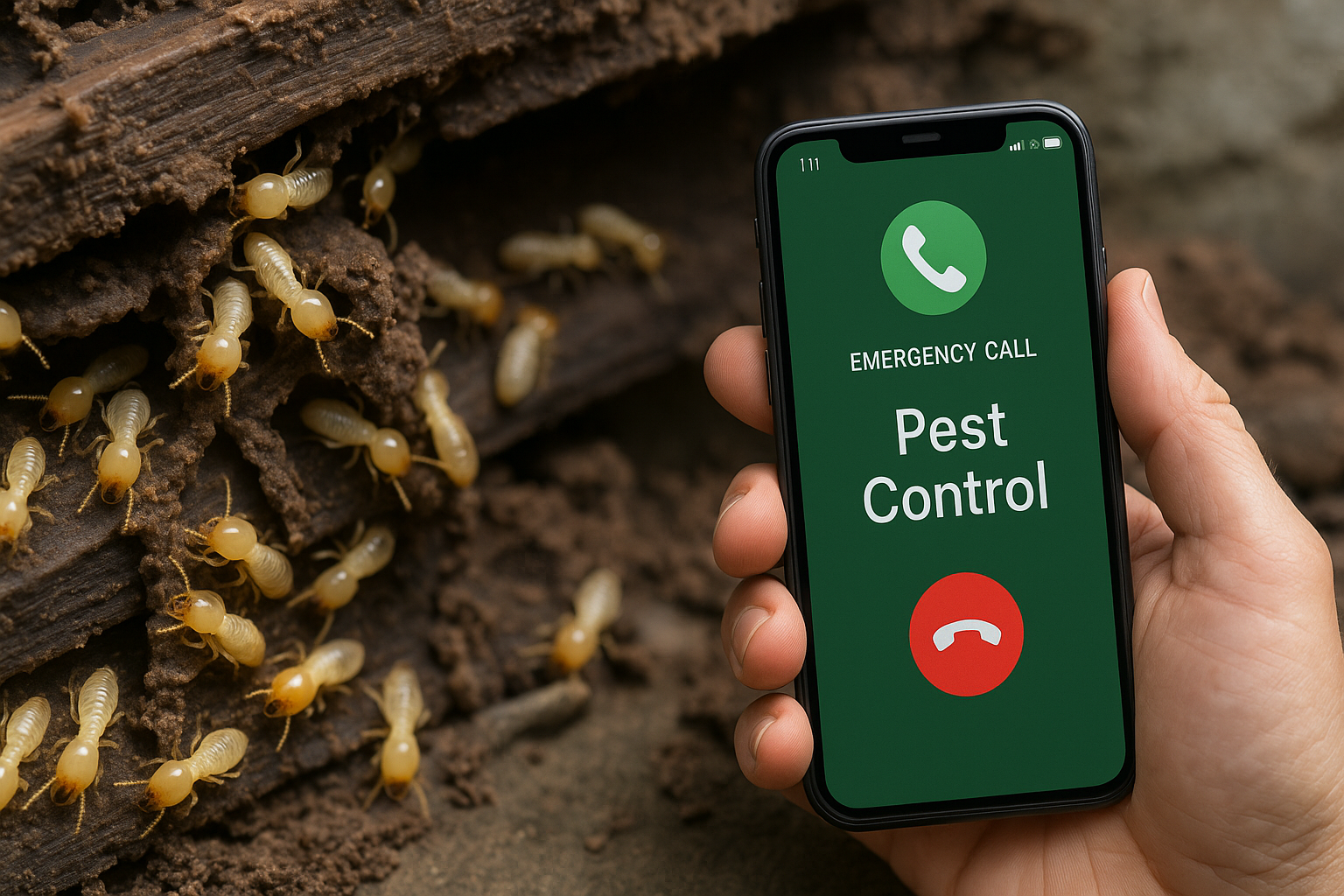
For a quick visual reference, see the illustration below that depicts termites tunneling through wood alongside a homeowner’s emergency call. It captures the urgency of spotting these signs and taking immediate action.
If you notice any of these three indicators, don’t wait for the damage to become visible. Contact Anthem Pest Control right away—our trained technicians can confirm the infestation, assess the severity, and deploy an emergency treatment plan that safeguards your home and your peace of mind.
Three Critical Steps to Take Right Now
Discovering termites can feel like a ticking time bomb, but the actions you take in the first 24 hours make all the difference. Follow this concise checklist, then call a licensed emergency pest‑control professional—like Anthem Pest Control—before the damage spreads.
1. Stop Any Water Intrusion
Termites thrive in moist environments. Quickly locate and repair any leaks in roofs, plumbing, or appliances. If water is pooling around the foundation, improve drainage by re‑grading the soil or installing a French drain. Finally, clear gutters and downspouts so rainwater flows away from the house. These steps remove the humidity termites love and buy you valuable time.
2. Avoid DIY Chemical Sprays
It’s tempting to reach for an over‑the‑counter spray, but improper application can actually disperse the colony deeper into the structure and expose your family to hazardous chemicals. Many retail products lack EPA registration for indoor use, and using them without professional guidance can violate local regulations. Trust a certified technician to select the right termiticide, apply it safely, and monitor the treatment’s effectiveness.
3. Contact a Licensed Emergency Pest‑Control Provider Within 24 Hours
Time is of the essence. A qualified technician can assess the infestation, identify the species, and begin a targeted treatment plan that protects both your home and your health. When you call, have the following script ready to ensure you get the most out of the conversation.
Phone Script
“Hello, my name is [Your Name]. I live at [Your Address] in Brookhaven. I’ve noticed signs of termites—specifically [describe signs, e.g., mud tubes, damaged wood]. I need a same‑day inspection because I understand that the first 24 hours are critical. Could you tell me if you use EPA‑registered products and whether your service includes a warranty?”
Ask about:
- Availability of a same‑day inspection.
- Whether the technician is certified for emergency termite work.
- Guarantees or warranties that cover re‑infestation.
- Safety measures for pets and children.
These questions help you compare providers and ensure you receive a treatment plan that meets EPA standards.
By acting fast—drying out moisture, skipping unsafe DIY sprays, and getting a professional on the scene—you dramatically reduce the risk of structural damage and costly repairs. Remember, the 24‑hour window isn’t just a suggestion; it’s the period when termites can expand their tunnels and compromise load‑bearing members. Call Anthem Pest Control at 877‑371‑8196 or visit anthempest.com to schedule your emergency appointment today.
Fast‑Acting Emergency Treatment Methods
Termidor HP‑2 Liquid Barrier
Termidor HP‑2 is the gold‑standard liquid termiticide used by certified applicators across Brookhaven. The product creates a continuous, invisible chemical wall around a home’s foundation, intercepting foraging termites before they can breach the structure. Technicians drill a series of evenly spaced holes 6‑12 inches deep and inject the solution to a depth of 12‑18 inches, ensuring the barrier reaches the active soil zone where colonies travel. Because the barrier remains effective for up to a decade, homeowners benefit from long‑term protection after a single application. Pricing typically falls between $2,500 and $3,500, depending on lot size, soil composition, and any necessary pre‑treatment inspections.
Fipronil‑Based Bait Stations
Fipronil bait stations provide a targeted, low‑impact alternative that works from the inside out. Small, weather‑proof containers are strategically placed in the soil near known entry points, along fence lines, and in shady corners where termites travel. Each station houses a cellulose matrix laced with fipronil; foraging workers feed on the bait and share the toxin with the colony, eventually collapsing the nest. Professional crews install 8‑12 stations per acre and monitor them weekly for activity, replacing any that show no termite traffic. The average homeowner can expect a cost range of $1,800 to $2,800, which includes installation, the first month of monitoring, and a detailed activity report.
Localized Foam Injection for Active Galleries
When termites are caught in the act—visible mud tubes or active galleries inside walls—foam injection delivers an immediate kill. A specialized nozzle injects a fast‑acting, expanding foam directly into the tunnel network. The foam expands to fill voids, delivering a concentrated dose of termiticide that contacts the insects on all sides. Because the treatment is localized, there’s minimal disruption to the surrounding structure and no need for a full‑home barrier. This method is prized for its rapid results, often eliminating visible activity within 24‑48 hours. Homeowners typically see a price tag of $1,200 to $2,000, reflecting the precise labor and specialized equipment required.
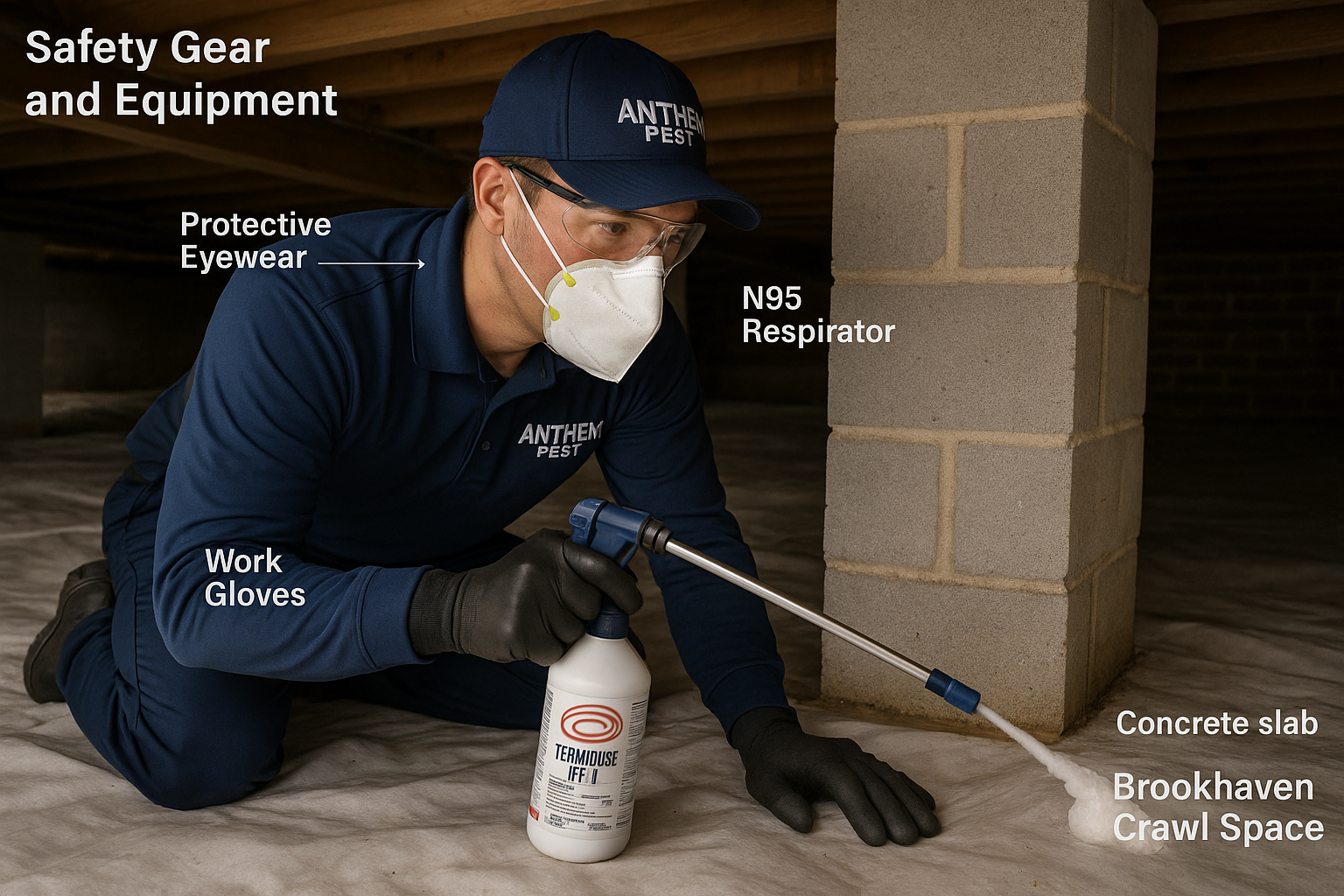
All three options must adhere to strict EPA safety guidelines to protect occupants, pets, and the environment. The EPA mandates that only EPA‑registered, certified applicators may handle and apply Termidor HP‑2, ensuring the product is used at the correct concentration and depth. Applicators are required to wear personal protective equipment, follow label‑specified re‑entry intervals, and document each application for regulatory compliance. These safeguards help prevent accidental exposure while maintaining the efficacy of the treatment.
Choosing the right emergency method depends on the severity of the infestation, the location of termite activity, and the homeowner’s long‑term protection goals. A liquid barrier offers broad, lasting coverage, bait stations provide a discreet, colony‑level solution, and foam injection delivers swift eradication for hot spots. By partnering with a licensed provider like Anthem Pest Control, Brookhaven homeowners can rest assured that every treatment meets EPA standards and is performed by technicians trained to protect both property and health.
The Value of Professional Emergency Service
When termites strike, every hour counts. A certified emergency team can be on your doorstep within hours, conduct a thorough inspection, and begin treatment the same day. That rapid response cuts the window termites have to hollow out wood, often preventing damage that would otherwise require costly repairs. DIY kits simply can’t match the speed of a licensed crew equipped for immediate action.
Beyond speed, professional service brings a warranty most DIY products lack. Anthem Pest’s licensed technicians back every Termidor HP‑2 application with a standard two‑year structural guarantee. If any damage reappears within that period, the repair is covered—saving you from surprise expenses down the road. That peace of mind is a direct result of using products and methods that meet industry standards and are documented in a formal service contract.
Only EPA‑registered applicators are authorized to handle Termidor HP‑2, a liquid termiticide proven to eradicate colonies at their source. When a certified pro applies it, the treatment meets federal safety guidelines, protecting your family, pets, and the environment. A DIY user without proper certification risks illegal application, potential health hazards, and a voided warranty—costs that far outweigh the modest service fee.
Professional equipment reaches the hidden galleries termites build behind walls, under slabs, and inside joists—areas a consumer spray can never penetrates. Trained technicians use moisture‑sensing probes, infrared cameras, and specialized injection tools to deliver termiticide directly into the colony’s heart. This thoroughness not only stops current damage but also prevents future infestations, saving you from the cascade of structural repairs that DIY shortcuts often trigger.
Consider this hypothetical scenario:
Homeowner A discovered termites in early March and opts for a $250 DIY foam kit. The treatment stalls the infestation temporarily, but hidden galleries remain untouched. By late May, structural damage forces a $3,200 repair bill. In contrast, an emergency call to Anthem Pest that same March results in a same‑day Termidor HP‑2 application, a two‑year warranty, and total costs under $800—including inspection and treatment.
That cost differential illustrates why professional emergency service is an investment, not an expense. Fast, compliant treatment protects your home’s integrity, keeps warranties intact, and eliminates the guesswork that DIY solutions bring. When termites strike, trusting a certified team like Anthem Pest ensures the problem is solved once—and stays solved.
Anthem Pest’s Emergency Protocol for Brookbrook
When a termite invasion threatens your home, every minute counts. Anthem Pest’s emergency protocol is built around a rapid‑response mindset that turns a frantic phone call into a concrete action plan within hours. Our promise is simple: you’ll have a certified technician at your door before the day’s heat can drive the colony deeper into your structure.
Same‑Day Inspection Guarantee
Once you dial 877‑371‑8196, our dispatch center logs your request and assigns the nearest Brookhaven‑based technician. Because we reserve a dedicated emergency crew for the Atlanta metro area, we can confirm an arrival window within two hours of the call. If you’re home, you’ll see a uniformed professional at your doorstep ready to begin the assessment.
2‑Hour Onsite Assessment
Our technician conducts a thorough walkthrough, using moisture meters, infrared cameras, and wood‑sampling tools to locate active galleries. Within two hours, you’ll receive a written report that outlines:
- The exact location(s) of the infestation.
- An estimate of colony size based on frass, mud tubes, and termite activity.
- A customized treatment recommendation that balances effectiveness with your home’s safety.
The report is written in plain language, so you’ll understand why a particular method—whether liquid barrier, baiting system, or structural foam—is the best fit for your situation.
24‑Hour Treatment Guarantee
After you approve the plan, our crew moves quickly to execute the treatment. We commit to completing all necessary applications within the next 24 hours, followed by a scheduled follow‑up visit to confirm that the colony has been eliminated. If any activity is still detected, we’ll re‑treat at no additional charge, reinforcing our confidence in the solution we provide.
Local Expertise Since 2015
Anthem Pest has called Brookhaven home for nearly a decade. Our technicians are not only licensed in Georgia, they’re also trained on the latest NPMA (National Pest Management Association) best practices, ensuring every intervention meets industry‑wide safety and efficacy standards. We know the local soil composition, typical building styles, and seasonal termite patterns, which lets us anticipate problem areas before they become visible.
Contact Us Directly
Ready to stop termites in their tracks? Call us now at 877‑371‑8196 for an immediate, no‑obligation inspection. Our line is staffed 24/7, so you can reach a live professional any time the infestation spikes.
Post‑Treatment Prevention Strategies
After the emergency treatment has cleared the infestation, the real work begins: keeping those termites out for good. A proactive maintenance routine is far cheaper than another frantic call to a pest‑control service, and it protects the investment you’ve already made in your home.
Install a Permanent Soil‑Borne Barrier
A soil‑borne barrier creates a chemical shield that termites cannot cross. Once applied, it lasts for years, but you’ll need to re‑apply the barrier after any major landscaping changes—such as adding a new garden bed or extending a patio—to maintain an unbroken line of defense.
Quarterly Bait Monitoring
Place bait stations around the perimeter of your house and check them every three months. Look for the amount of wood material the termites have consumed and replace any stations that show heavy activity or have become depleted. Consistent monitoring catches colonies before they can re‑establish a foothold.
Annual Termite Inspections
Schedule a professional inspection each early spring, when termites are most active. Inspectors will evaluate the integrity of the barrier, test bait stations, and examine vulnerable areas such as crawl spaces, foundations, and wood‑to‑soil contacts. An annual check‑up gives you a clear picture of any emerging risks.
Homeowner Maintenance Checklist
- Ventilate crawl spaces. Proper airflow dries out moisture that termites love, reducing the likelihood of a hidden colony.
- Eliminate wood‑to‑soil contact. Use concrete pads or a layer of gravel beneath wooden structures to keep them from touching the earth.
- Keep mulch away from the foundation. Position mulch at least 12 inches from the house to prevent it from becoming a moist bridge for termites.
- Repair water intrusion immediately. Leaky gutters, cracked foundation walls, or faulty plumbing should be fixed as soon as they’re spotted, because moisture is the gateway for termites.
- Maintain the barrier after landscaping. Whenever you add or move plants, re‑apply the soil‑borne barrier along the new edges to keep the protective line intact.
Remember, the cost of a well‑kept prevention plan is a fraction of an emergency treatment bill. By staying on top of these simple tasks, you’ll keep your home termite‑free and enjoy peace of mind year after year.
Cost Breakdown and Financing Options
When a termite emergency hits your Brookhaven home, the first thing on everyone’s mind is the price of repair. In 2024, the cost of professional termite treatment in Georgia varies by method, property size, and the extent of the infestation. Understanding the average ranges for each popular approach helps you compare offers, avoid surprise invoices, and decide whether you need an upfront payment or a financing solution.
| Treatment Type | Avg. Cost (202 CGA) | Typical Financing Offer |
|---|---|---|
| Liquid Barrier | $2,500‑$3,500 | 0 % interest for 12 months |
| $1,800‑$2,800 | 0 % interest for 6 months | |
| Foam Injection | $1,200‑$2,0 | Pay‑over‑time plans available |
A liquid barrier creates a chemical moat around the foundation, killing termites before they can enter. This method is the most comprehensive, which is reflected in its higher price range of $2,500 – $3,500 for an average home. B bait stations, placed strategically around the perimeter, lure foraging termites into a poisoned sand and generally sit between $1,800 and $2,800. Foam injection penetrates voids in concrete slabs and offers a rapid “drop‑in” solution, typically costing $1,200 – $2,000.
Because even the lowest‑priced option can strain a tight budget, many local companies—including Anthem Pest—offer interest‑free or low‑interest payment plans. For a liquid barrier you can often lock in 0 % interest for twelve months, while bait‑station packages frequently enjoy a six‑month 0 % interest term. Foam‑injection contracts are commonly written as “pay‑over‑time” plans that spread the balance over a period that matches your cash flow. These offers keep your home protected without forcing a large upfront outlay.
It’s a common misconception that homeowners’ insurance will cover termite damage. In reality, most policies treat termites as a maintenance issue, meaning the insurer will not reimburse for either the damage or the treatment. This is why experts advise treating termite protection as a property‑preservation investment rather than a repair after the fact. A proactive barrier or bait system preserves the structural integrity of your home and helps maintain its resale value, often paying for itself in the long run.
At Anthem Pest, you’ll find flexible payment options that mirror the industry standards mentioned above. While the exact terms can shift seasonally, the company frequently offers 0 % interest for six‑month periods on bait‑station packages and 12‑month interest‑free periods on liquid barrier applications. They also provide custom “pay‑over‑time” arrangements for foam‑injection and other specialty services. As always, verify the current promotion on the official service page or by calling 877‑371‑8196
Act Now to Protect Your Brookhaven Home
Termites don’t wait. In just a few weeks they can chew through structural wood, undermine foundations, and force costly repairs that are often irreversible. Delaying even a single day gives the colony more time to expand, increasing the amount of wood lost and the expense of remediation.
- Eliminate water sources: Fix leaky pipes, clear gutters, and ensure proper drainage so termites can’t thrive in moist wood.
- Avoid DIY chemicals: Store‑bought sprays may only mask the problem and can be hazardous; professional treatment targets the colony at its source.
- Call a licensed professional within 24 hours: A certified technician can assess damage, apply an EPA‑registered termiticide, and set up a long‑term barrier to stop re‑infestation.
When every hour counts, Anthem Pest’s certified technicians are ready to respond fast, using EPA‑registered products that protect your family and your home. Our transparent pricing and same‑day service give you peace of mind without surprise costs.
Call now: 877‑371‑8196