Detecting Termite Activity with Modern Tools
Finding termites before they chew through a support beam can save you thousands of dollars and keep your home safe. Early detection gives you a chance to act quickly, target the problem area, and avoid the extensive repairs that come with a full‑blown infestation.
What to Look for with the Naked Eye
- Mud tubes: Thin, pencil‑size tunnels that cling to foundations, walls, or wooden beams. They’re the highways termites use to travel unseen.
- Damaged wood: Wood that looks hollow, crumbles easily, or shows a “spongy” texture when tapped.
- Discarded wings: After a swarm, you’ll often find clusters of shed wings near light fixtures or windows.
- Hollow‑sounding floors: Walk across a floor and listen for a dull, echoing thud instead of a solid thump.
These clues are valuable, but they only tell part of the story. Termites love hidden spaces—inside walls, under concrete slabs, or deep within crawl spaces—where visual inspection can miss a thriving colony.
Why Visual Checks Aren’t Enough
Even the most diligent homeowner can overlook a hidden nest. Moisture‑rich voids, insulated walls, and sealed foundations create perfect hideouts that remain invisible to the eye. Relying solely on what you can see often means you discover damage after it’s already done.
Infrared Cameras: Seeing Heat Where Eyes Can’t
Infrared (IR) cameras detect temperature differences on surfaces. Because termite colonies generate heat—both from the insects themselves and the microbial activity in their galleries—an IR scan can highlight “hot spots” that indicate hidden activity.
Step‑by‑Step Infrared Scan for Homeowners
- Choose the right device: Handheld IR cameras range from $200 to $1,500. If you’re unsure, hiring a professional equipped with a calibrated unit is a safe bet.
- Prepare the area: Remove furniture or décor that blocks walls and floors. Turn off HVAC systems for at least 30 minutes to let temperature differences settle.
- Scan systematically: Start at the foundation, move up the exterior walls, then check interior walls, ceilings, and floors. Hold the camera steady for a few seconds on each spot.
- Identify hot spots: Look for localized areas that are 2–5°F warmer than surrounding material. These are potential termite activity zones.
- Document findings: Take photos of each hot spot, note the location, and compare with visual signs you may have spotted earlier.
- Consult a professional: Share your images with a licensed pest‑control provider. They can confirm the presence of termites and recommend a targeted treatment plan.
Advantages of Infrared Detection
- Non‑invasive: No need to cut into walls or lift flooring to locate colonies.
- Speed: A thorough scan of a typical single‑family home takes under an hour.
- Higher accuracy: Heat signatures reveal activity hidden behind drywall, insulation, or concrete.
- Targeted treatment: Knowing exactly where the termites are lets pest‑control crews apply chemicals or bait only where needed, reducing chemical use and cost.
For a deeper dive into best practices for infrared termite detection, visit Anthem Pest Control’s guide.

Termite Treatment Methods and Application Techniques
When a termite emergency strikes, the goal is two‑fold: eliminate the active colony now and install a barrier that keeps reinfestations at bay for years. The most reliable ways to meet these goals are liquid termiticides, baiting systems, and targeted foam or dust applications. Each method has its own strengths, and a professional technician knows exactly how to deploy them for maximum protection.
Liquid Termiticide Barriers
Liquid termiticides create a chemical shield around a home’s foundation, crawl spaces, and any underground utilities. The most common active ingredients you’ll hear about are fipronil and imidacloprid. These products are formulated to be non‑repellent, meaning termites can’t detect them and will walk straight through, picking up a lethal dose.
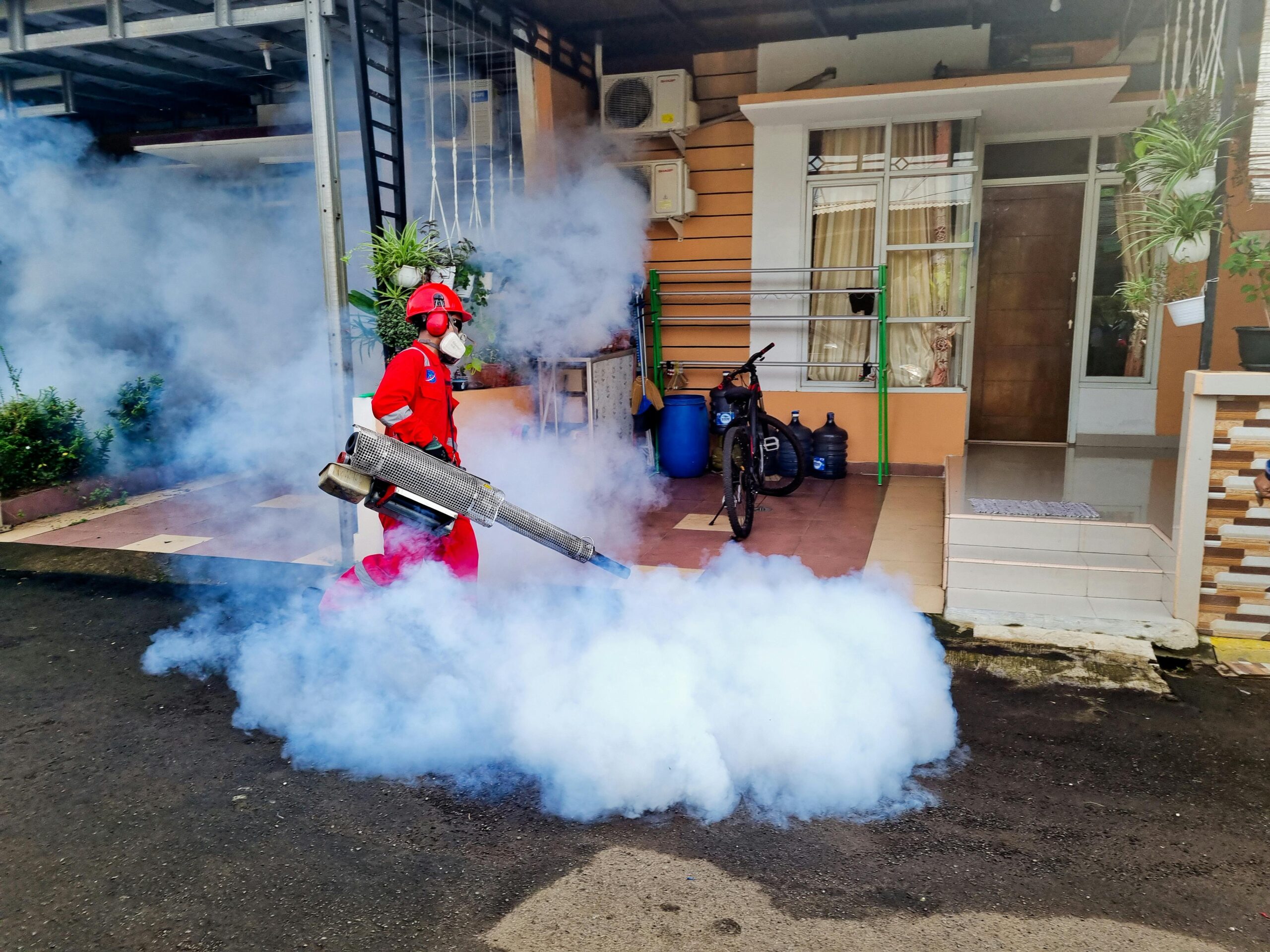
Application involves a high‑volume spray nozzle that delivers a continuous, even mist. Technicians typically apply the termiticide to a depth of 6‑12 inches below the slab and to a width of at least 12 inches beyond the perimeter walls. This depth ensures the chemical reaches the soil where subterranean termites travel. Safety precautions include wearing protective gloves, goggles, and respirators, as well as sealing any openings to prevent drift into occupied spaces.
Baiting Systems
Bait stations work on a different principle: they attract foraging termites, which then share a slow‑acting insect growth regulator (IGR) with the rest of the colony. Over weeks, the IGR disrupts the colony’s ability to reproduce, eventually collapsing it from the inside.
Strategic placement is key. Stations are installed at least 10‑15 feet apart along the perimeter, near known entry points, and in concealed areas like under decks or along foundation cracks. Once set, a monitoring schedule of every 2‑3 months allows the technician to replace consumed bait and assess colony activity. Homeowners benefit from minimal ongoing disruption, but the system does require regular professional checks.
Foam and Dust Treatments for Localized Infestations
When termites have already breached walls, attics, or other voids, a targeted foam or dust can be more effective than a broad barrier. Foams expand to fill cracks and crevices, delivering insecticide directly to hidden galleries. Dusts such as silica‑based products cling to surfaces and remain active for months, providing a lingering kill zone.
These treatments are typically applied with a hand‑held injector or a low‑pressure blower, allowing the technician to concentrate the product where it’s needed most without over‑treating surrounding areas.

Method Comparison
| Method | Effectiveness | Cost | Duration of Protection | Homeowner Involvement |
|---|---|---|---|---|
| Liquid Termiticide | High – kills on contact & creates barrier | $$$ | 5‑10 years (warranty dependent) | Minimal after professional application |
| Baiting System | High – colony eradication over time | $$ | 3‑5 years (requires monitoring) | Periodic inspections needed |
| Foam/Dust | Medium – best for spot treatments | $ | 6‑12 months (re‑application may be needed) | Limited; usually a one‑time service |
Regardless of the method you choose, professional installation is essential. Anthem Pest follows strict treatment protocols that meet manufacturer warranties and adhere to state safety standards. Our technicians are trained to handle each product safely, ensuring your family and pets stay protected while the termites are eliminated.
For a detailed look at our procedures, visit Anthem Pest’s website and see how our certified team tailors each approach to the unique construction and soil conditions of Suwanee homes.
Emergency Termite Control Pricing Across Key Georgia Cities
What Makes a Termite Service “Emergency”?
An emergency termite service kicks in when an active infestation threatens imminent structural damage—think visible mud tubes, swarms inside walls, or sudden wood hollowing. Homeowners can’t wait for a routine inspection; they need a rapid response to stop costly repairs before the damage spreads.
Key Cost Drivers
Even within the same metro area, prices can swing dramatically. The main factors are:
- Infestation severity: Light sightings cost less than a full‑blown colony occupying multiple joists.
- Property size: Larger homes or extensive foundations require more product and labor.
- Treatment method: Spot‑treatments, liquid barriers, or bait‑station installations each carry distinct price points.
- Response‑time guarantee: Companies that promise a 24‑hour arrival often charge a premium for the on‑call crew.
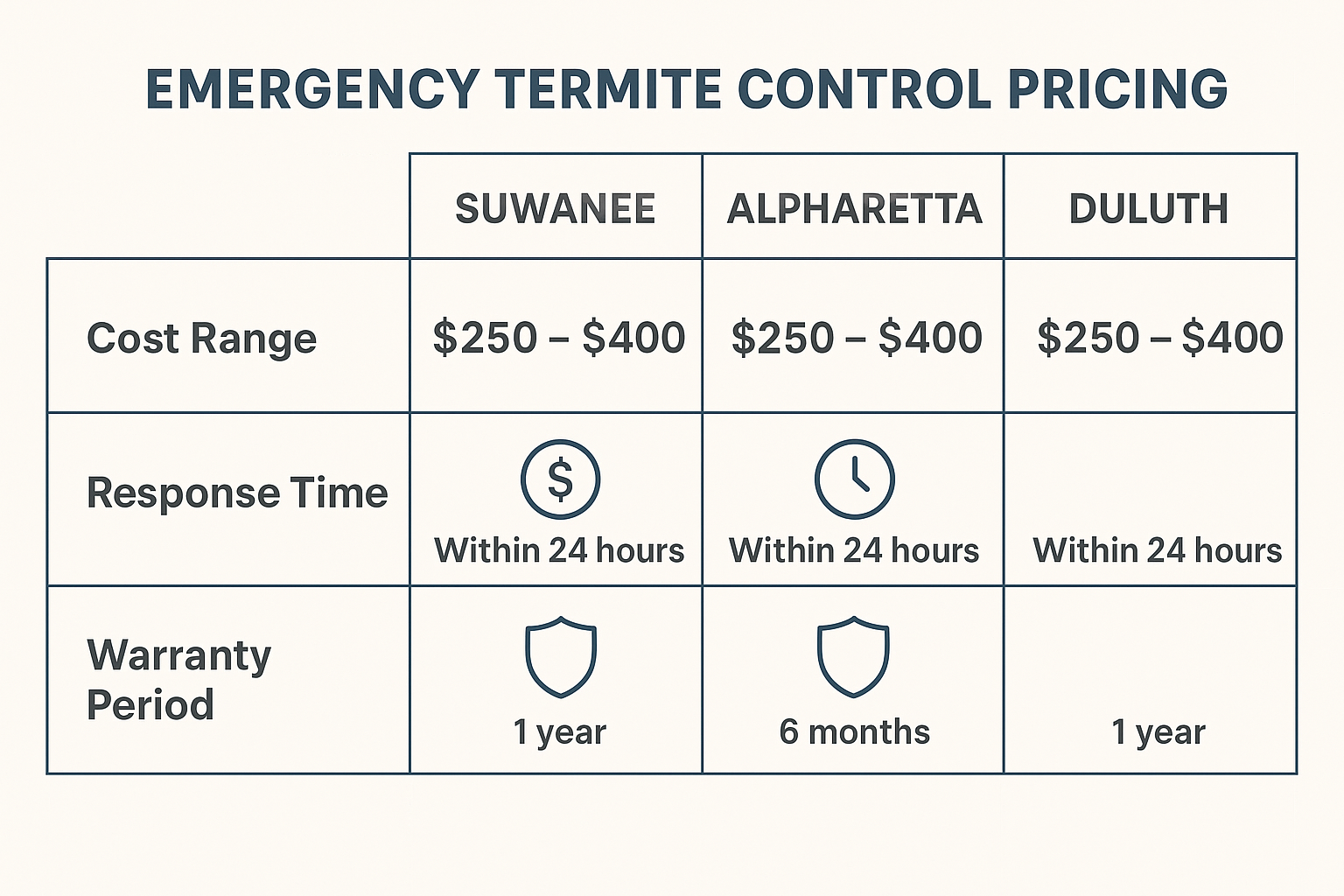
Reading the Numbers
The infographic shows that Suwanee’s emergency rates hover between $1,200‑$1,800, while Alpharetta sits at $1,050‑$1,600 and Duluth offers the lowest range at $950‑$1,400. Higher labor costs and a tighter market of certified technicians push Suwanee’s price up. Duluth, on the other hand, boasts the quickest average response—often under 2 hours—thanks to a larger pool of service crews ready to mobilize.
Warranty periods also differ: Suwanee and Alpharetta typically include a 12‑month guarantee, whereas Duluth providers extend coverage to 18 months, reflecting a competitive edge in after‑care.
Tips for Getting the Best Value
- Request a detailed, itemized quote that breaks down labor, chemicals, and any travel fees.
- Verify the warranty length and what it covers—some plans exclude repeat infestations caused by external factors.
- Consider bundled pest‑prevention packages; many companies discount termite treatment when paired with rodent or mosquito control.
- Ask about a guaranteed response window. A faster arrival can save you from escalating damage.
Anthem Pest’s transparent pricing model means you’ll see exactly where every dollar goes—no hidden fees, no surprise mark‑ups. With certified technicians in Suwanee, Alpharetta, and Duluth, we combine local expertise with a consistent 24‑hour emergency response guarantee, backed by a solid warranty.
Seasonal Pest Activity in Georgia – When Termites Are Most Active
Georgia’s subtropical climate creates a perfect backdrop for many pests. Warm summers, mild winters, and frequent rain mean insects and rodents can stay active year‑round, but their behavior still follows a predictable seasonal rhythm. Understanding how temperature and moisture shift through the months helps you anticipate when termites are most likely to swarm and start feeding on your home’s wooden structures.
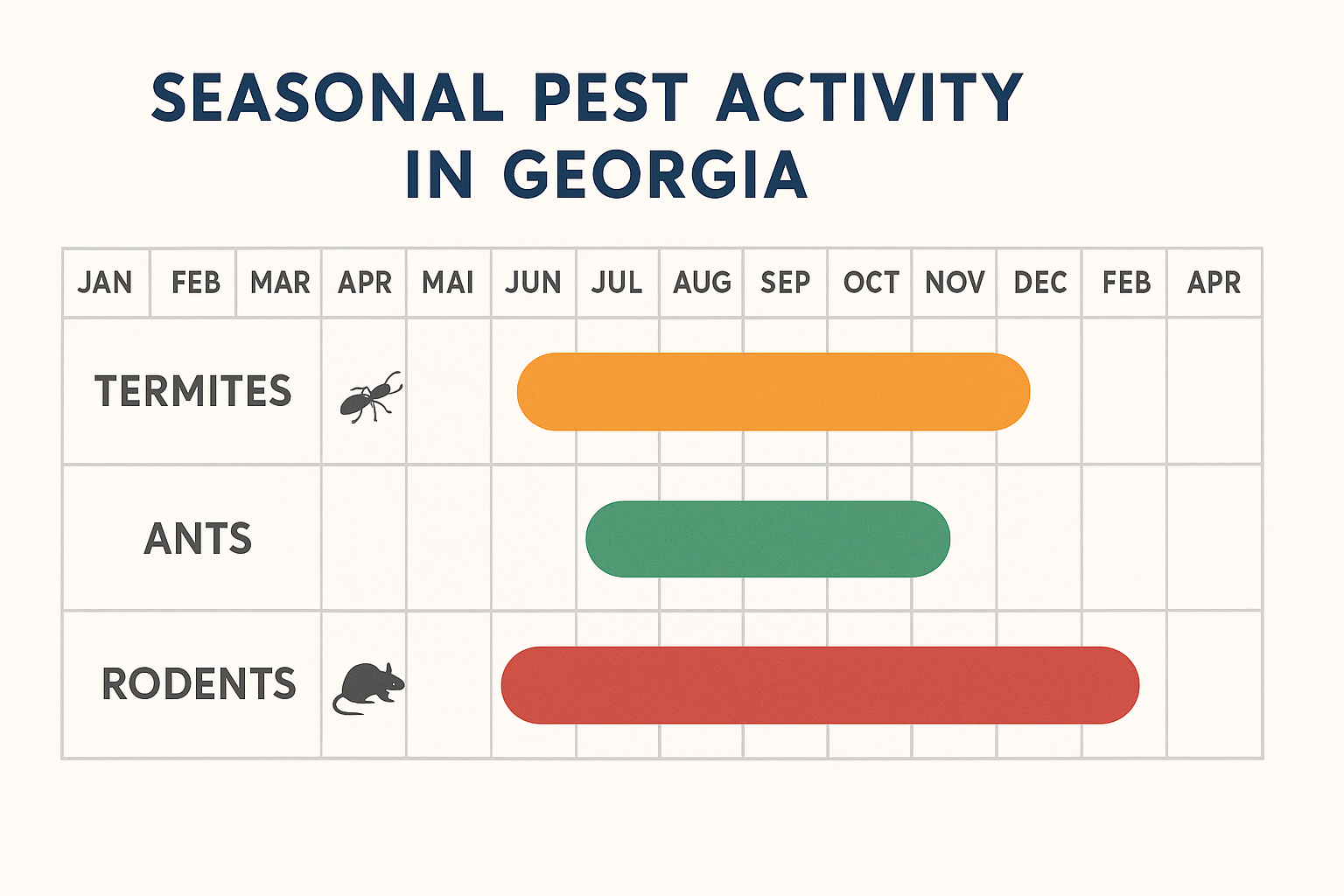
The chart below summarizes the typical monthly activity levels for three common nuisances—termites, carpenter ants, and house rodents. Use it as a quick reference when planning inspections or treatments.
| Month | Termites | Ants | Rodents |
|---|---|---|---|
| January | Low | Low | Moderate |
| February | Low | Low | Moderate |
| March | Moderate | Low | High |
| April | High | Moderate | High |
| May | High | High | High |
| June | High | High | High |
| July | High | High | High |
| August | High | High | High |
| September | High | Moderate | Moderate |
| October | Moderate | Low | Moderate |
| November | Low | Low | Low |
| December | Low | Low | Low |
Termite Activity Peaks
Termites reach their peak from May through September, when daytime highs hover between 80‑90°F (27‑32°C) and humidity climbs above 60 %. Moist soil and lingering rain keep the wood in your foundation saturated, creating the ideal tunnel‑building conditions for subterranean colonies. During these months you’ll notice increased mud tubes, swarming winged alates, and subtle wood damage that can quickly expand if left unchecked.
Timing Your Inspection
Because termite activity spikes in late spring, an early‑spring inspection—ideally in March or early April—gives technicians a chance to locate hidden colonies before they explode into a full‑blown infestation. Detecting a small satellite nest at this stage often means a localized treatment, saving you both time and money compared with emergency remediation later in the summer.
Homeowner Recommendations
Homeowners can stay ahead of the cycle by scheduling a pre‑season inspection through Anthem Pest’s online calendar, clearing gutters and downspouts to improve drainage, and installing a physical barrier—such as a concrete slab or metal flashing—between wood siding and the soil. Trim back vegetation that touches the house, and keep firewood stored off the ground and at least 20 feet from the foundation.
Anthem Pest Seasonal Calendar
Anthem Pest’s seasonal service calendar sends automated reminders three months before each high‑risk window, so you never miss the optimal treatment date. Whether you opt for a one‑time pre‑emptive barrier or a year‑round monitoring plan, the company’s Georgia‑trained technicians know exactly when to act, turning a potential emergency into a routine maintenance task.
Protect Your Home with Anthem Pest Control
When termites strike, every moment counts. Earlier in this guide we covered the four pillars of an effective response: spotting the problem early, choosing the right treatment, understanding pricing, and timing your service to match the season. Those steps are the foundation of a defense that stops damage before it spreads.
- Early detection: Look for mud tubes, hollow‑sounding wood, and discarded wings.
- Effective treatment options: Liquid termiticides, bait stations, and targeted foam applications.
- Pricing awareness: Transparent quotes let you compare costs without hidden fees.
- Seasonal timing: Spring and early summer are prime windows for treatment, while fall offers a chance to seal any lingering entry points.
Why Professional Management Matters
Even the best DIY products can fall short when it comes to thorough coverage, proper dosage, and long‑term protection. Certified technicians bring the expertise needed to apply chemicals safely, adhere to warranty requirements, and guarantee that every crack, void, and hidden gallery receives attention. The result? A warranty‑backed shield that lets you sleep easy, knowing your home is defended against future invasions.
Anthem Pest’s Edge in Suwanee
Anthem Pest Control combines national resources with local know‑how. Our Georgia‑based technicians are trained to identify the specific termite species that thrive in Suwanee’s climate, then deploy solutions that are:
- Safe for families and pets, using low‑impact yet potent formulations.
- Effective, with proven success rates across residential properties.
- Affordable, thanks to transparent pricing and no‑surprise fees.
- Supported by a nationwide service network, ensuring rapid follow‑up if needed.
Take the Next Step—No‑Obligation Inspection
Protecting your home doesn’t have to be a gamble. Schedule a complimentary inspection with Anthem Pest, and we’ll deliver a detailed, no‑obligation quote tailored to your property’s unique needs. Our certified team will walk you through the findings, explain every treatment option, and help you choose a plan that fits your budget and timeline.
Ready to safeguard your home from termites and other pests? Call Anthem Pest Control today at 877-371-8196 for a free, no‑obligation quote. Our certified technicians will assess your property, explain your options, and create a customized treatment plan that fits your budget.
Visit Anthem Pest Control for more information and to schedule your inspection.