What Are Ticks and Why They Matter

Ticks are not insects; they belong to the arachnid class, sharing a distant kinship with spiders and scorpions. Their life cycle is a four‑stage progression: egg, larva (often called a “seed tick”), nymph, and adult. After hatching, each stage must obtain a blood meal to molt to the next stage, making every bite a potential gateway for disease.
Common Tick Species in Georgia
Georgia’s warm climate supports several tick species that regularly bite humans and pets:
- Lone Star tick (Amblyomma americanum) – recognizable by a white “star” spot on the female’s back; active year‑round in the South.
- Blacklegged or Deer tick (Ixodes scapularis) – smaller, dark brown, and the primary vector for Lyme disease in the state.
- American Dog tick (Dermacentor variabilis) – larger, with a mottled gray‑brown scutum; often found on dogs and humans alike.
Typical Habitats Around Your Home
Ticks thrive in micro‑environments that stay moist and provide shade. In Druid Hills, you’ll most often encounter them in:
- Tall grasses bordering lawns and garden beds.
- Leaf litter or mulch piles where humidity remains high.
- Wooded edges, especially where deer or small mammals travel.
- Pet bedding, kennels, and indoor carpeted areas that have been in contact with the outdoors.
How Ticks Find a Host
Ticks employ a behavior called “questing.” They climb onto a blade of grass or a leaf tip, extend their fore‑legs, and wait for a passing host. Sensory organs on their legs detect body heat, vibrations, and the carbon dioxide we exhale. When a suitable host brushes by, the tick grabs on, climbs up, and inserts its barbed mouthparts to begin feeding.
Quick Fact Box – Tick Identification
- Size: Larvae – 0.5 mm; Nymphs – 1–2 mm; Adults – up to 6 mm (about the size of a sesame seed).
- Color: Varies by species – dark brown to reddish‑brown; Lone Star females have a distinctive white spot.
- Mouthparts: Long, needle‑like hypostome that anchors the tick while it feeds.
Because each stage must feed, a single tick can bite multiple hosts during its lifetime, increasing the odds of transmitting bacteria, viruses, or parasites. That’s why homeowners in Druid Hills need to stay vigilant, especially during the spring and early summer when nymph activity peaks.
For a deeper dive into tick biology, disease risks, and prevention tips, visit the CDC’s Tick Facts page. Understanding what you’re dealing with is the first step toward effective, emergency‑ready tick control.
Health Risks Associated with Tick Bites
In the Druid Hills area, a single bite can expose you to a handful of serious illnesses that thrive in the warm, humid Southeast. The most common culprits are Lyme disease, Rocky Mountain spotted fever, ehrlichiosis, and the lesser‑known Southern tick‑associated rash illness (STARI). Each disease follows its own timeline, but all share one unsettling truth: early recognition dramatically improves outcomes.
Major Tick‑borne Illnesses in the Southeast
| Disease | Typical Symptoms | Incubation (days) |
|---|---|---|
| Lyme disease | Fever, chills, headache, fatigue, “bull’s‑eye” rash | 3–30 |
| Rocky Mountain spotted fever | High fever, severe headache, rash that starts on wrists/ankles | 2–14 |
| Ehrlichiosis | Fever, muscle aches, nausea, sometimes a rash | 5–14 |
| STARI | Single red bump at bite site, followed by fever, fatigue, muscle pain | 3–10 |
According to the Centers for Disease Control and Prevention, Georgia reported 1,124 confirmed cases of Lyme disease and 3,487 cases of Rocky Mountain spotted fever between 2018 and 2022. Ehrlichiosis and STARI together account for several hundred additional diagnoses each year, and the trend has shown a modest rise over the past five years. While the numbers may seem modest compared with national totals, the concentration of suitable tick habitats in Fulton County means that Druid Hills homeowners face a higher per‑capita risk than many other regions.
One of the most effective defenses is prompt removal of the attached tick. Research shows that the pathogen transmission window for Lyme disease, for example, usually opens after 36–48 hours of attachment. The longer a tick remains embedded, the greater the chance it will inject bacteria or viruses into the bloodstream. By using fine‑tipped tweezers to grasp the tick close to the skin and pulling steadily upward, you can often cut the transmission chain before it starts. After removal, inspect the bite site for redness or swelling that could signal infection and seek medical advice if any symptoms develop.
Prevention Tips for Homeowners
- Personal protection: Wear long sleeves and pants when trekking through wooded areas, and treat clothing with permethrin‑based repellents.
- Lawn care: Keep grass mowed short, remove leaf litter, and create a mulch‑free barrier between your yard and adjacent woods.
- Pet checks: Examine dogs and cats daily for ticks, especially after outdoor play, and use veterinarian‑approved tick preventatives.
- Regular inspections: Conduct a quick visual sweep of your skin and clothing after any outdoor activity; the “tick check” habit can catch a nymph before it embeds.
When chemical control is necessary, follow the Environmental Protection Agency’s guidelines for pesticide safety. The EPA recommends applying products only when the weather is calm, using the exact amount labeled, and keeping children and pets away from treated zones until the pesticide has dried. Always read the product label, wear recommended protective gear, and consider hiring a certified applicator to ensure the treatment is both effective and compliant with local regulations.
Understanding the health risks, recognizing early symptoms, and acting quickly are the three pillars of a solid tick‑bite response plan. At Anthem Pest Control, we combine science‑backed prevention with locally‑tailored treatments so Druid Hills residents can enjoy their yards without fearing the hidden danger of ticks.
When Are Ticks Most Active in Georgia?
Ticks aren’t random wanderers; they follow a predictable calendar driven by temperature, humidity, and the activity of their preferred hosts. In Georgia’s humid subtropical climate, these three factors line up to create a distinct “tick season.” When the air is warm and moist, ticks become more mobile, questing for blood meals on deer, rodents, and humans alike. Conversely, cold or dry spells push them into dormant stages, slowing their life cycle dramatically.
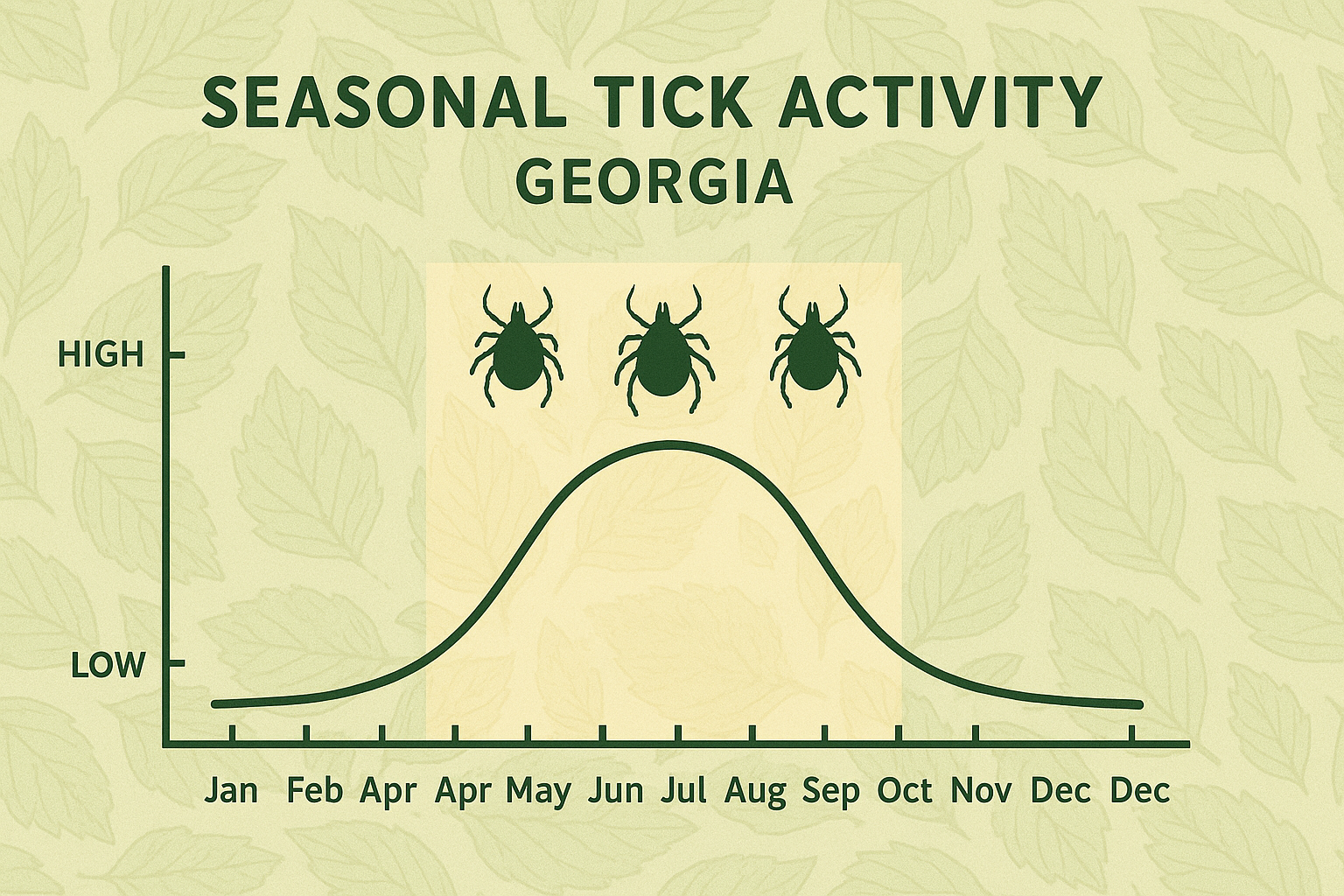
Peak Months: May – July
The chart above tells the same story you’ll hear from local pest pros: tick activity climbs sharply in late spring, hits its apex from May through July, then tapers off as the heat of August becomes too intense and humidity drops in the fall. During these peak months, adult Ixodes scapularis (the lone‑star and black‑legged ticks) are most eager to latch onto passing hosts, which means a higher risk of bites and disease transmission for homeowners.
Why the Seasonal Pattern Matters
Understanding this pattern lets you time your defenses for maximum impact. Early‑season inspections—ideally in March or early April—catch any existing infestations before they explode in May. An early‑season barrier treatment creates a protective “tick moat” around your property, reducing the number of questing ticks that can even reach your yard during the peak.
Practical Timing Tips
- Schedule inspections now. A professional walk‑through in March lets technicians identify tick hotspots—dense brush, leaf litter, and shaded perimeters—before the first wave of activity.
- Apply barrier treatments in early spring. Targeted applications of EPA‑registered acaricides form a chemical shield that remains effective through the high‑risk May‑July window.
- Re‑treat in late summer. If you notice a resurgence of tick activity in August, a supplemental treatment can curb the late‑season surge before winter dormancy sets in.
Quick Monthly Checklist for Homeowners
- January–February: Keep grass trimmed and remove leaf litter; inspect pets for ticks after any outdoor excursions.
- March: Book a professional tick inspection; start clearing brush and tall weeds around the foundation.
- April: Apply early‑season barrier treatment; check children’s clothing after outdoor play.
- May–July: Conduct weekly yard walks to spot ticks; use tick‑removal tools promptly; maintain barrier treatment efficacy by keeping the area dry.
- August: Consider a supplemental treatment if tick numbers seem high; continue daily tick checks on pets and family members.
- September–October: Reduce humidity in shaded zones by improving drainage; store firewood away from the house.
- November–December: Perform a final post‑season sweep; store lawn equipment and outdoor gear in sealed containers.
By aligning your pest‑control calendar with the natural rhythm of tick activity, you’ll protect your family and pets while avoiding unnecessary chemical applications. Remember, the most effective defense starts with knowledge—know when ticks are most active, act before they peak, and keep your yard inhospitable year after year.
Professional Tick Control Methods
Common Professional Methods
When you call a licensed pest‑control company like Anthem Pest Control, you’ll encounter a toolbox of proven, EPA‑registered solutions designed to eradicate ticks before they set up shop in your yard. The most frequently used techniques include:
- Perimeter sprays – A fine mist is applied along the outer edges of your property, creating a chemical barrier that stops ticks from crossing onto your lawn.
- Broadcast treatments – Technicians use a calibrated sprayer to evenly coat the entire yard, reaching hidden micro‑habitats such as leaf litter, shaded shrub bases, and the underside of decks.
- Tick tubes – These biodegradable tubes contain a small amount of permethrin‑treated cotton. Mice collect the cotton for nesting, and the pesticide kills ticks that feed on the rodents, breaking the life cycle at its source.
- Targeted spot‑on applications – For high‑risk zones like garden beds or pet‑frequented areas, a concentrated spray is applied directly to the problem spot, minimizing overall chemical use while maximizing impact.
How Technicians Apply EPA‑Registered Products
Every professional in the field follows a strict protocol to ensure both efficacy and safety. First, the technician dons personal protective equipment—gloves, goggles, and a respirator—so that no harmful residues come into contact with their skin or lungs. Next, they calibrate a high‑efficiency sprayer to the exact pressure and flow rate recommended by the product label. This calibration guarantees that each square foot receives the precise amount of active ingredient needed to kill ticks without over‑application.
During the application, the technician moves methodically, overlapping each pass to avoid gaps. For broadcast treatments, a low‑droplet‑size nozzle is used, allowing the pesticide to settle into the leaf litter where tick nymphs hide. In contrast, perimeter sprays employ a wider spray pattern to quickly cover fence lines, sidewalks, and driveway edges. All products used are EPA‑registered, meaning they have passed rigorous testing for human health and environmental impact when applied according to label directions.
Why Choose Professional Treatment Over DIY
Do‑it‑yourself kits may look tempting, but they rarely match the consistency and guarantee that a licensed professional provides. Here’s what sets a professional service apart:
- Coverage consistency – Trained technicians know how to reach hidden micro‑habitats that homeowners often miss, such as the undersides of decks, dense shrubbery, and the soil‑leaf litter interface.
- Guaranteed efficacy – Anthem Pest Control backs its treatments with a follow‑up inspection. If ticks are still present after the recommended waiting period, we’ll re‑treat at no extra charge.
- Time and labor savings – A single service visit typically takes under two hours, freeing you to focus on family or work instead of spending weekends mixing chemicals and lugging equipment.
- Regulatory compliance – Professionals are required to stay current on state‑specific pesticide regulations, ensuring that every product is applied within legal limits and safety guidelines.
Safety Considerations for Pets, Children, and the Environment
One of the biggest concerns homeowners have is how chemical treatments might affect their loved ones. EPA‑registered tick products are formulated to break down quickly in the environment, reducing long‑term exposure. After a broadcast or perimeter spray, technicians advise a short “dry‑down” period—usually 30 minutes to an hour—before children or pets re‑enter the treated area.
Anthem Pest Control takes extra steps to protect non‑target organisms. We select products with low toxicity to mammals and pollinators, and we apply them at the minimum effective rate. For households with especially sensitive pets or small children, we can prioritize tick tubes and spot‑on applications, which limit the amount of pesticide that reaches the broader yard.

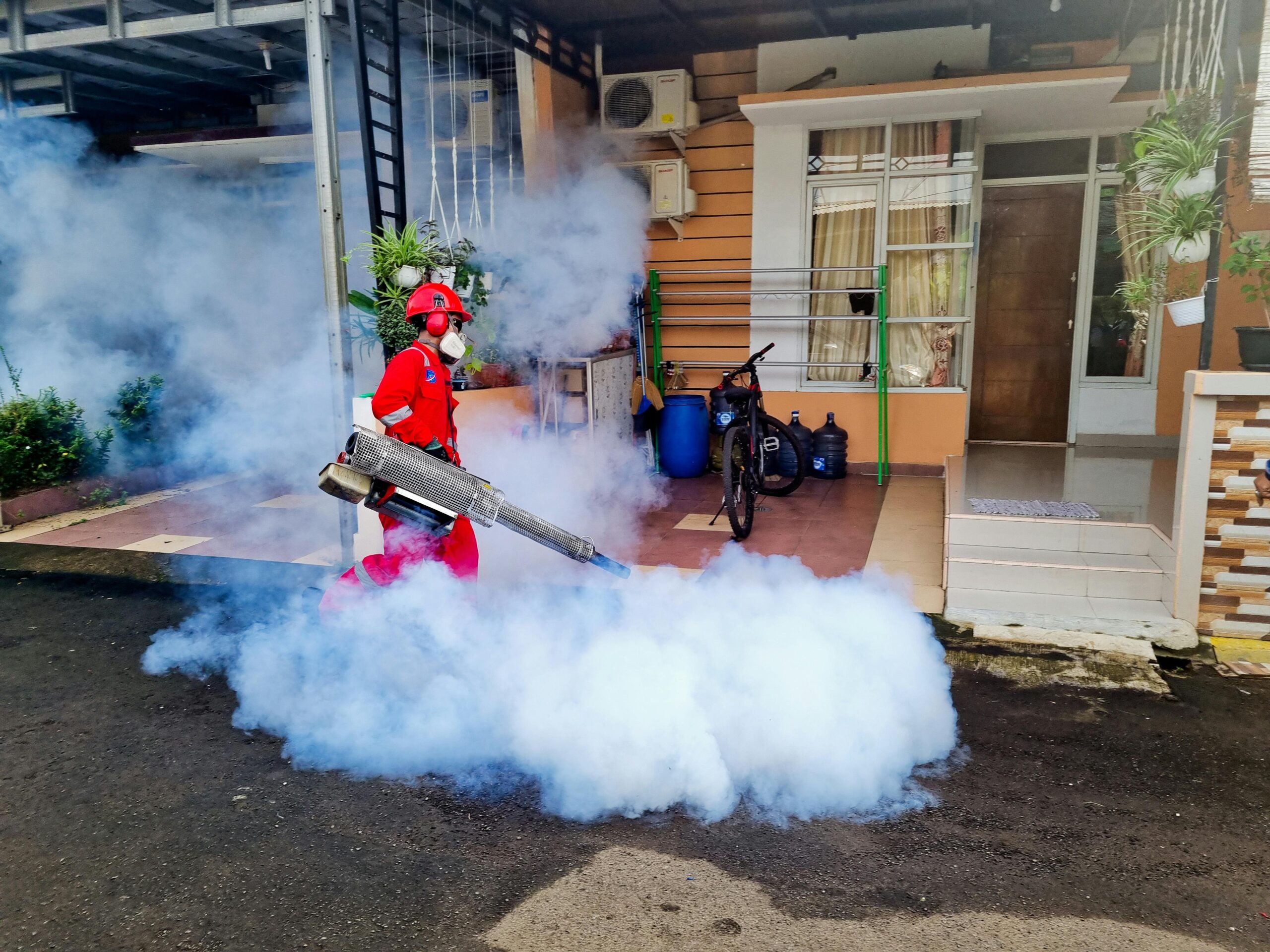
In the image above, a certified technician from Anthem Pest Control is using a handheld, calibrated sprayer to treat a suburban property in Druid Hills. The low‑droplet spray penetrates the leaf litter where tick larvae hide, delivering a uniform layer of EPA‑registered pesticide while the technician wears full protective gear. This real‑world example illustrates the precision, safety, and thoroughness that only a professional service can provide.
By opting for a professional tick control program, you gain peace of mind that the treatment is not only effective but also applied responsibly—protecting your family, pets, and the surrounding ecosystem while eliminating the hidden threat of ticks from your home.
How Much Does Emergency Tick Control Cost?
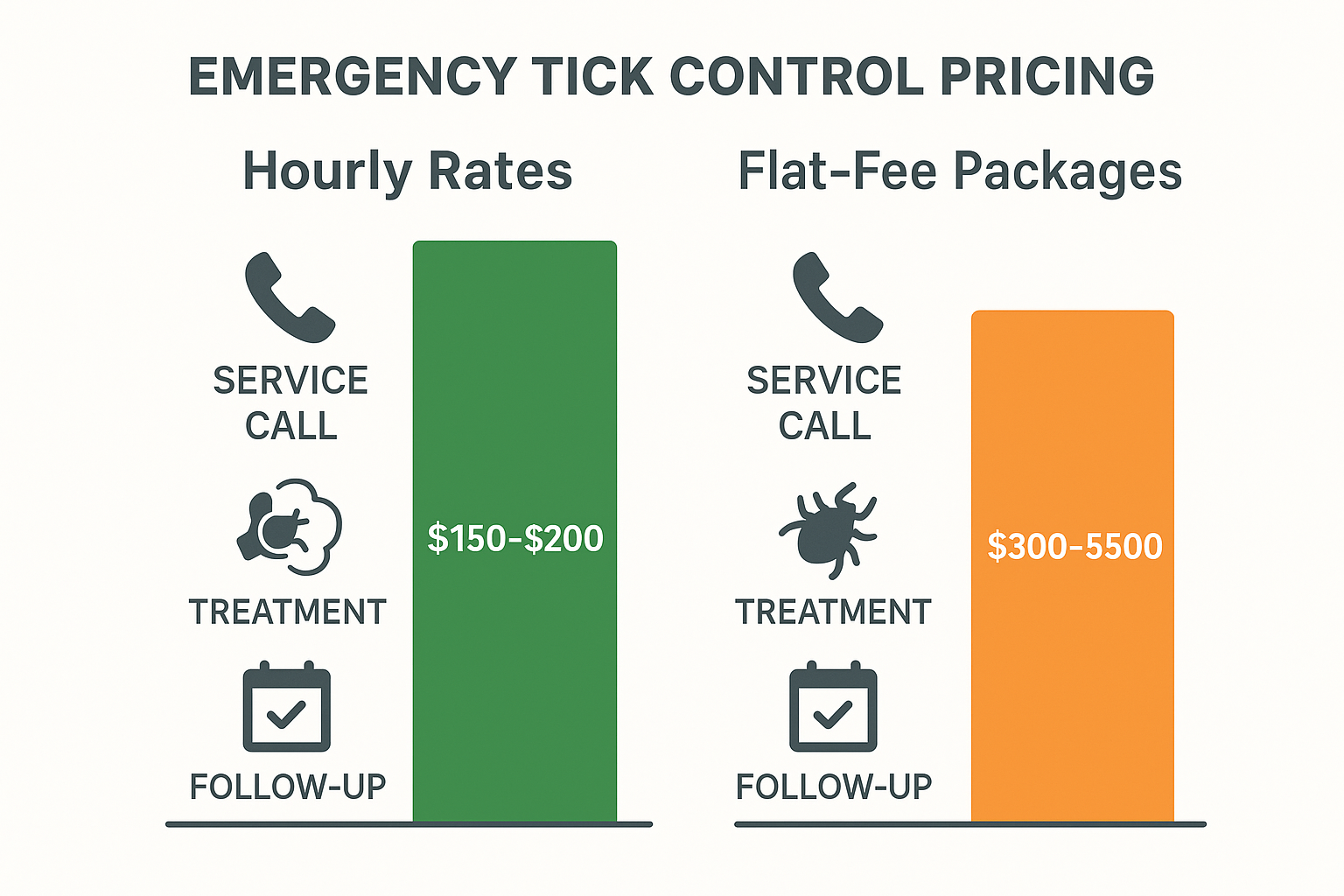
When a tick infestation spikes overnight, you need a clear picture of what you’ll pay before the technician arrives. At Anthem Pest Control, we break down every charge so you never wonder where your dollars go. Understanding the components of an emergency tick‑control job helps you budget confidently and compare options without feeling blindsided.
Typical Cost Components
- Service Call Fee: A flat amount (usually $40‑$60) that covers travel time, initial inspection, and the technician’s expertise in identifying the severity of the problem.
- Labor: Charged either by the hour or bundled into a flat‑fee package. Hourly labor reflects the time spent on‑site, including setup, application, and post‑treatment walk‑through.
- Product Markup: The cost of the EPA‑approved tick control chemicals plus a modest markup (typically 10‑15%) to cover handling, storage, and safe disposal.
- Follow‑Up Visits: Many emergencies require a second visit to ensure the treatment has penetrated the yard and to address any re‑infestation. This is either billed as an additional service call or included in a comprehensive package.
Hourly Rates vs. Flat‑Fee Emergency Packages
Homeowners often ask whether it’s cheaper to pay by the hour or opt for a flat‑fee “whole‑yard” solution. The answer depends on the size of your property and how quickly the ticks are spreading.
Our hourly rates range from $80 to $120 per hour. This model works well for smaller yards (under 5,000 sq ft) where the technician can finish the job in one or two hours. If the infestation is severe, you might see additional hours added, which can push the total above $300.
Flat‑fee emergency packages start at $250 and can go up to $400 for a full‑yard treatment, regardless of how long the technician works. This option includes the service call, labor, product markup, and one guaranteed follow‑up visit. It’s the most predictable choice for medium‑to‑large properties (5,000–10,000 sq ft) or when you need immediate, comprehensive coverage.
Factors That Influence the Final Price
- Property Size: Larger lawns require more product and longer application times, which raises both material and labor costs.
- Infestation Severity: A light presence of ticks may only need a quick spot treatment, while a heavy infestation could demand multiple passes and specialized equipment like high‑volume sprayers.
- Landscape Complexity: Gardens with dense shrubbery, rock beds, or hard‑scaped areas increase the time needed to reach every tick‑habitat zone.
- Specialized Equipment: In some cases, we use thermal foggers or ultra‑low‑volume (ULV) applicators. These tools add a modest surcharge but dramatically improve efficacy during an emergency.
- Seasonal Demand: Peak tick season (late spring to early summer) can affect availability and may result in a slight premium for same‑day service.
Quick Comparison at a Glance
The table below summarizes the two most common pricing structures, helping you decide which fits your budget and urgency.
| Pricing Model | Typical Rate | What’s Included | Best For |
|---|---|---|---|
| Hourly | $80–$120 per hour | Service call, labor, product markup; follow‑up billed separately | Small yards, low‑severity infestations, budget‑flexible homeowners |
| Flat‑Fee Emergency Package | $250–$400 (whole‑yard) | Service call, unlimited labor, product markup, one guaranteed follow‑up | Medium to large properties, high‑severity infestations, need for price certainty |
For a detailed, property‑specific quote, visit our Anthem Tick Control Cost page for Druid Hills, GA. There you’ll find a calculator that factors in square footage, infestation level, and any special treatment requirements, giving you a transparent estimate before any work begins.
Protect Your Home with Anthem Pest Control
Ticks may be tiny, but the diseases they carry—Lyme disease, Rocky Mountain spotted fever, and ehrlichiosis—pose a real health threat to you, your family, and even your pets. A single bite can trigger fever, joint pain, and long‑term fatigue, and the risk escalates when ticks remain attached for more than 24 hours. That’s why acting quickly, especially during the peak spring and early summer months when nymphs are most active, can mean the difference between a simple bite and a serious medical emergency. Beyond humans, ticks also transmit diseases to dogs and cats, making them a year‑round concern for any pet‑loving household.
Why Timing Matters
In Druid Hills, Georgia, the tick season typically kicks off in late March and peaks in May. During this window, adult ticks lay thousands of eggs, and the newly hatched nymphs crawl through lawn grass, leaf litter, and garden beds looking for a warm‑blooded host. Treating your property before the nymphs emerge—or immediately after you notice activity—breaks the life cycle and dramatically reduces the chance of future infestations. If you spot a tick on yourself or a pet, remove it promptly and contact a professional within 24 hours to prevent disease transmission.
Anthem’s Expertise at Your Doorstep
Anthem Pest Control brings a blend of local knowledge and national standards to every tick‑control job in Druid Hills. Our technicians are fully licensed and undergo continuous training on the latest integrated pest‑management techniques. We use only EPA‑registered products that are proven effective yet safe for children, seniors, and pets when applied according to label directions. Our team follows strict safety protocols, and every application comes with a satisfaction guarantee, so you know the job is done right the first time.
Transparent pricing is a core promise: you’ll receive a detailed estimate before any work begins, with no hidden fees. Because we’ve served Georgia homeowners for years, we understand the specific tick species that thrive in our climate and tailor treatments—whether it’s a one‑time perimeter spray, a targeted yard application, or a comprehensive indoor/outdoor protection plan.
Get a Free, No‑Obligation Quote
Ready to protect your lawn, deck, and home from ticking time‑bombs? Simply reach out for a complimentary, no‑obligation quote. Our specialists will assess your property, discuss your concerns, and design a customized tick‑control strategy that fits your budget and schedule. We typically schedule treatments within 48 hours of your request, ensuring your yard is protected before the next tick surge.
Call us today at 877‑371‑8196 or click the link below to schedule your free assessment. Let Anthem Pest Control give you peace of mind so you can enjoy the outdoors without fear.
Visit Anthem Pest Control for your personalized tick‑control plan
Explore our service pages for more details on tick biology, prevention tips, and customer testimonials.