Spotting Early Ant Infestation Signs
Ants are drawn to the kitchen because it offers a buffet of sugars, proteins, and moisture—all the ingredients they need to thrive. Crumbs left on countertops, open food containers, and even a leaky faucet create a scent trail that tells a colony, “there’s a meal waiting.” Once a few foragers discover the source, they lay down a pheromone highway that other workers follow, turning a tiny spill into a bustling highway of activity—often the first warning sign homeowners notice before calling an ant exterminator Decatur residents trust for professional control.
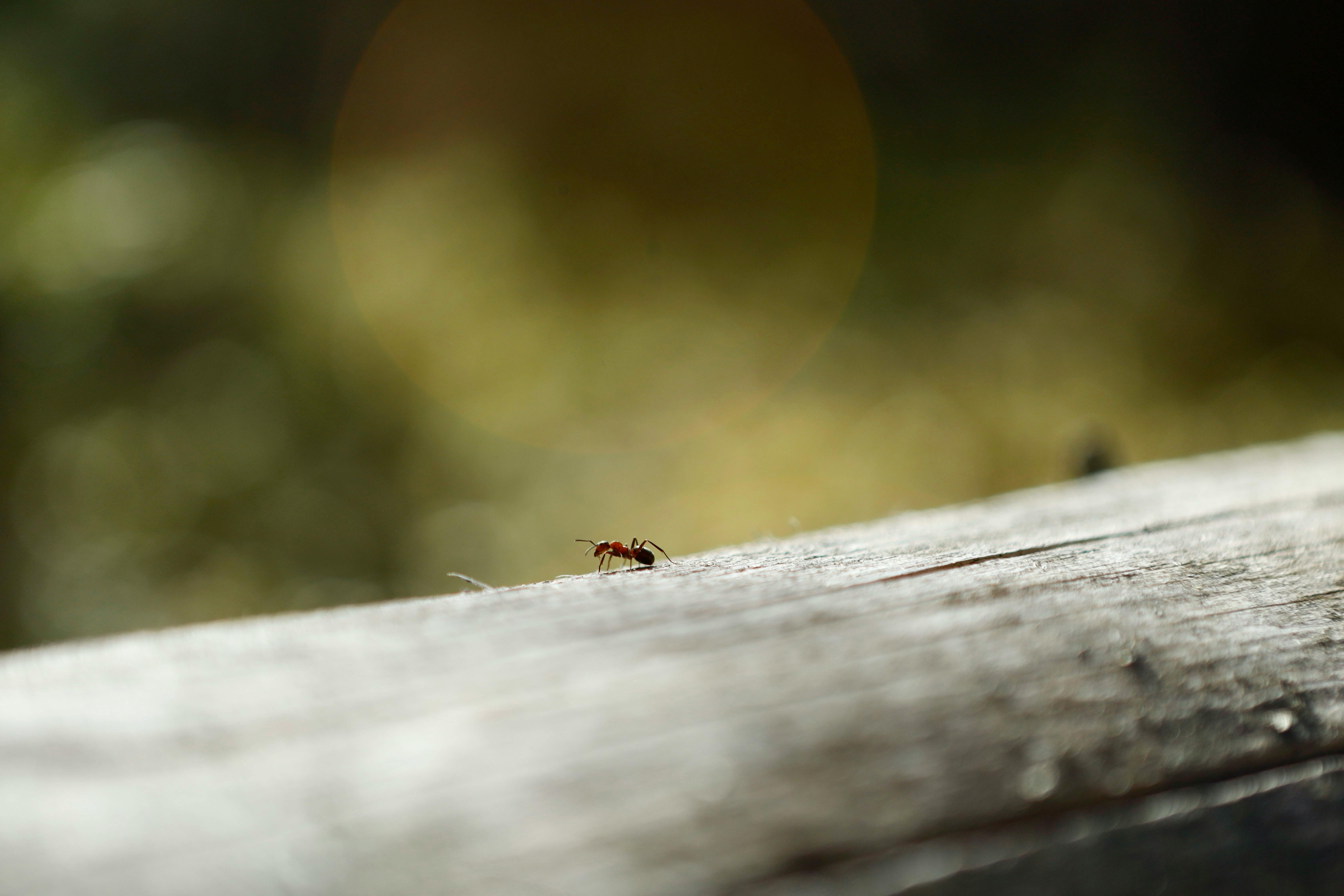
The most telling clue of an early ant invasion is the ant trail itself. On wood or tile, you’ll notice a faint, almost invisible line of tiny footprints or a glossy sheen where the ants have repeatedly crossed. This trail is the colony’s communication line, and spotting it early means you can intercept the problem before it expands into a full‑blown infestation.
In addition to visible trails, keep an eye out for these subtle, early‑stage signs:
- **Tiny droppings** – Small, pepper‑like specks that look like sand near food prep areas.
- **Crushed ants** – A few flattened bodies near entry points often indicate a busy foraging route.
- **Faint pheromone trails** – Shimmering lines on smooth surfaces that become more pronounced after a few days.
- **Small entry holes** – Tiny gaps around baseboards, window frames, or under appliances where ants slip in unnoticed.
These indicators are easy to miss if you’re not looking, which is why a quick daily visual inspection can make all the difference. Below is a simple checklist you can keep on your fridge or in a home maintenance notebook:
Daily Ant‑Spotting Checklist
- Scan countertops and the backs of appliances for crumbs or sticky residues.
- Run a fingertip across wooden floors, tiles, and countertops to feel for faint trails.
- Check under the sink and around the dishwasher for droppings or crushed ants.
- Inspect baseboards, window sills, and door frames for tiny entry holes.
- Wipe down any visible trails with a mild detergent to disrupt pheromone signals.
By incorporating this five‑step routine into your morning or evening habit, you’ll catch ant activity while it’s still manageable. Early detection not only saves you from a larger chemical treatment later, but it also reduces the chance of ants contaminating food or nesting in hidden wall voids.
For homeowners who want a deeper dive into the science behind ant control and EPA‑approved treatment options, the EPA’s ant control guidance offers comprehensive recommendations on safe products, preventive measures, and when to call a professional.
Remember, ants are opportunistic—if you eliminate their food source and block their entry points, you remove the invitation. Spotting those early signs equips you with the knowledge to act quickly, keeping your home ant‑free and your peace of mind intact.
Why Ants Invade Your Home and What They Can Damage
What’s drawing ants inside?
Ants are opportunistic foragers. In a typical kitchen they’ll zero in on sugary crumbs, spilled soda, or a forgotten piece of fruit. Protein‑rich leftovers—think meat, cheese, or even pet food—are equally enticing. Grease from cooking can create a scent trail that leads entire colonies right to your pantry. But food isn’t the only lure. A slow‑dripping faucet, a damp basement wall, or a leaky pipe provides the moisture ants need to survive, turning even the tiniest condensation into a highway straight into your living space.
Shelter: Cracks, Gaps, and Warmth
Beyond nourishment, ants seek shelter from the elements. Small cracks around windows, gaps under doors, or openings around utility lines act as invitation cards. Once inside, the consistent indoor temperature—especially during winter—offers a cozy climate that many outdoor species can’t tolerate on their own. That’s why you’ll often find ant trails marching along baseboards, under appliances, or through wall voids where they’ve found a safe, undisturbed route.
Common Species and Their Damage Patterns
- Carpenter Ants – Not interested in eating wood, they excavate it to build nests. Over time, their tunnels can weaken structural members, especially in moist, decayed wood.
- Odorous House Ants – Named for the citrus‑like smell they emit when crushed, these ants are more of a nuisance than a destroyer, but their large colonies can contaminate food surfaces.
- Pavement Ants – Typically found near concrete, they’ll invade foundations and can cause minor damage to plaster and drywall as they create satellite nests.
Health Concerns You Shouldn’t Ignore
Ants may seem harmless, yet they pose several health risks. As they travel across countertops and floors, they pick up bacteria, yeast, and mold spores, depositing them onto food and utensils. This cross‑contamination can lead to food‑borne illnesses. Some individuals are sensitive to ant secretions, experiencing skin irritation or allergic reactions after contact. Moreover, ant activity often attracts secondary pests—spiders, beetles, or even cockroaches—that feed on ant larvae, compounding the problem.
Practical Prevention Tips
Stopping an ant invasion starts with eliminating what they want. Follow these homeowner‑friendly steps:
- Seal Entry Points – Use caulk around windows, baseboards, and utility penetrations. Install door sweeps to block the gap under exterior doors.
- Store Food Properly – Keep pantry items in airtight containers, wipe crumbs immediately, and refrigerate leftovers.
- Control Moisture – Fix leaky faucets, clean up standing water, and run a dehumidifier in damp basements or crawl spaces.
- Maintain Clean Surfaces – Regularly wipe down countertops with a mild disinfectant, especially after cooking.
- Inspect and Trim Vegetation – Keep shrubs and trees at least a foot away from the house to reduce bridge pathways for ants.
By understanding why ants are attracted to your home and recognizing the specific damage each species can cause, you empower yourself to act before a minor nuisance becomes a costly repair or health issue. When DIY measures aren’t enough, a professional service like Anthem Pest Control can provide targeted treatments that protect both your property and your family.
Treatment Options – DIY Methods vs. Professional Services
DIY Options Overview
Homeowners often reach for the pantry or garage when ants start marching across the kitchen counter. The most common at‑home tools include:
- Bait stations – pre‑filled containers that attract foragers and deliver a slow‑acting poison.
- Sprays – ready‑to‑use insecticide aerosols for quick knock‑down.
- Diatomaceous earth – a fine powder that desiccates insects on contact.
- Natural repellents – essential‑oil blends, vinegar solutions, or cinnamon that deter ants without chemicals.
Pros and Cons of DIY Methods
| Method | Cost | Effectiveness | Safety |
|---|---|---|---|
| Bait stations | Low–moderate (≈ $10‑$30 per box) | High for hidden colonies, but requires time (2‑4 weeks) for workers to share poison. | Generally safe when placed out of reach of children and pets. |
| Sprays | Low (≈ $5‑$15 per can) | Immediate knock‑down, but no lasting control; ants often return. | Contact irritants can be hazardous in confined spaces; proper ventilation required. |
| Diatomaceous earth | Very low (≈ $10 per bag) | Effective on dry surfaces; less so in humid areas. | Non‑toxic to humans and pets, but fine particles can irritate lungs if inhaled. |
| Natural repellents | Low (household items) | Good for short‑term deterrence; not a true kill method. | Very safe, though strong scents may be off‑putting for some residents. |
Professional Services Overview
When DIY attempts fall short, a certified technician brings three critical steps to the table:
- Thorough inspection – identifying entry points, nest locations, and species‑specific habits.
- Targeted treatment – applying EPA‑registered products directly to colonies and perimeters.
- Follow‑up plan – scheduled re‑inspections and preventative barriers to keep ants out for the long term.

During exterior work, technicians often employ low‑pressure smoke machines. The smoke forces ants out of their hidden galleries, making it easier to apply a precise, EPA‑registered residual spray. This method minimizes chemical use while maximizing colony disruption—a balance that most homeowners can’t achieve on their own.
Why EPA‑Registered Products Matter
Professional-grade insecticides undergo rigorous testing for efficacy and human safety. By using only EPA‑registered formulas, Anthem Pest Control guarantees that each application meets federal health standards, reduces the risk of resistance, and protects your family, pets, and the environment.
FAQ: When to Call a Pro
- Large colonies or multiple species? If you see ants marching from several points or notice different types (carpenter, odorous, fire ants), a professional can correctly identify and treat each.
- Structural damage? Ants that tunnel into wood or damage foundations require specialized treatment and possibly structural repairs.
- Repeated DIY failures? If bait stations, sprays, or powders haven’t reduced activity after two weeks, it’s a sign the nest is deeper than visible.
- Health concerns? Families with young children, seniors, or pets benefit from the controlled application methods and safety protocols that professionals provide.
Understanding Ant Extermination Pricing
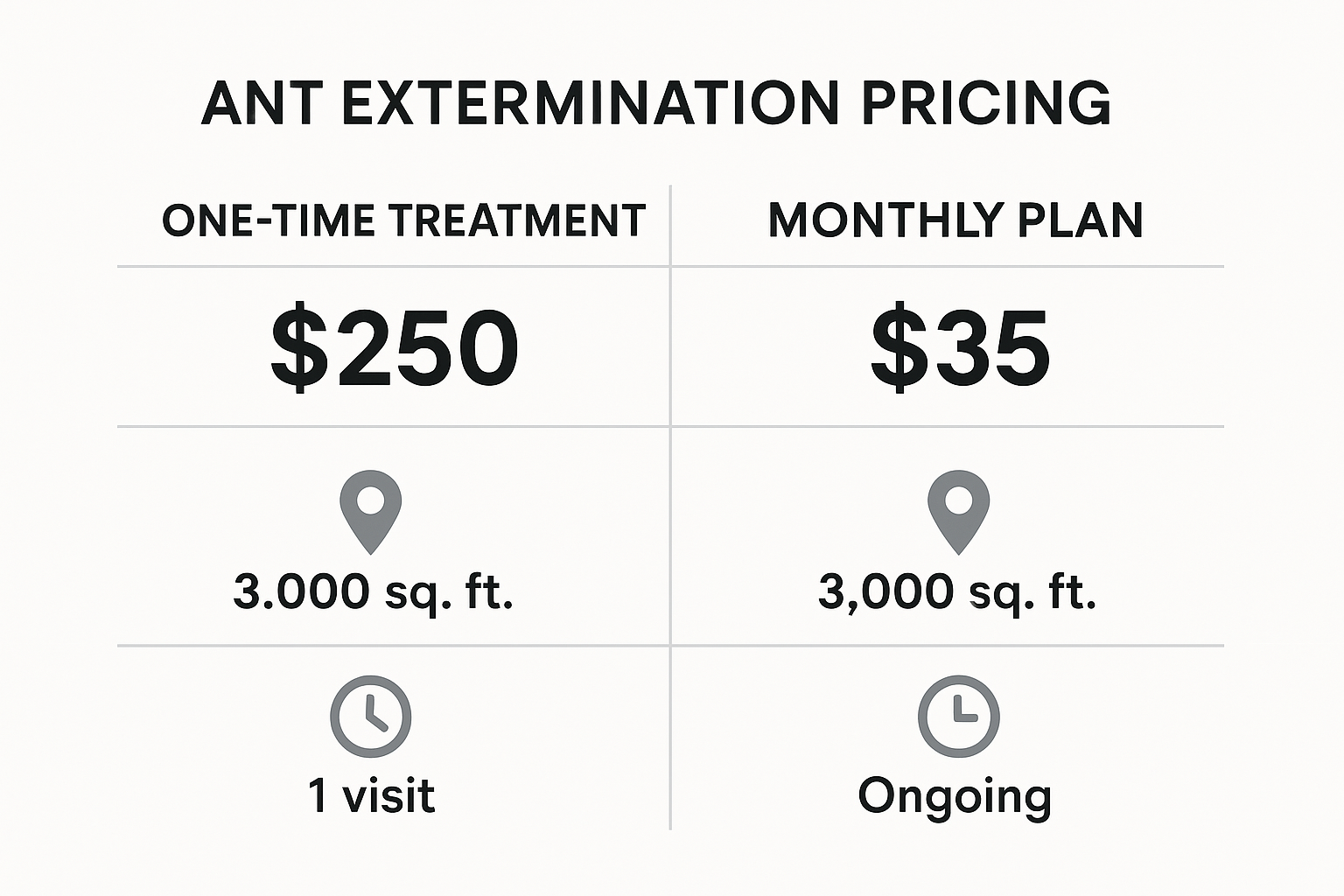
What the price tiers really cover
When you glance at the infographic, the first thing you’ll notice is the clear split between a one-time treatment and a monthly service plan offered by a professional ant exterminator Decatur homeowners rely on. A one-time job typically includes a single visit, treatment of up to 2,000 sq ft, and a 30-day guarantee that the ants won’t return. In contrast, a monthly plan spreads the cost over 12 visits, expands coverage to the entire home (often up to 4,500 sq ft), and extends the guarantee to 90 days after the final visit.
Each tier also differs in the type of products used. One‑time services usually rely on a fast‑acting spray that kills on contact, while monthly plans incorporate a combination of barrier sprays and bait stations that work over weeks to eliminate the colony at its source.
Hidden factors that can shift the price
What you don’t see on the surface can add dollars to the bill. Infestation severity is a big driver—light activity may need only a single spray, but a deep‑rooted colony can require extra bait placements and follow‑up visits. Ant species matters, too; carpenter ants, for example, often need wood‑penetrating treatments that are pricier than standard surface sprays.
The size of the property and the layout of the home also influence labor time. Multi‑story houses, large yards, or homes with many cracks and crevices demand more thorough inspections and more product, which raises the total cost.
Tips for evaluating true value
- Warranty length: A longer guarantee signals confidence in the treatment’s durability. Compare 30‑day versus 90‑day warranties before deciding.
- Follow‑up visits: Some providers bundle extra check‑ins into their monthly plans at no additional charge. Those visits can catch re‑infestations early, saving you money in the long run.
- Customer reviews: Look beyond star ratings. Read comments about punctuality, thoroughness, and how well the company honored its warranty. Real‑world feedback often reveals hidden strengths—or weaknesses.
Smart budgeting strategies
Ant season in Decatur peaks in late spring, making it an ideal time to lock in seasonal discounts. Many companies, including Anthem Pest Control, offer 10‑15 % off when you schedule before May 15. Ask about “early‑bird” specials that apply to both one‑time and recurring plans.
Consider bundling services. If you also need mosquito control or rodent prevention, a combined package can shave up to 20 % off the total price. Bundles reduce the number of technician visits, which translates to lower labor costs for you.
Finally, set a realistic budget by estimating the total cost over a year rather than just the upfront price. A monthly plan may look higher month‑to‑month, but when you factor in the extended guarantee, fewer re‑treatments, and bundled discounts, it often ends up being the more economical choice for homeowners who want lasting peace of mind.
Timing Your Ant Control – Seasonal Activity Insights
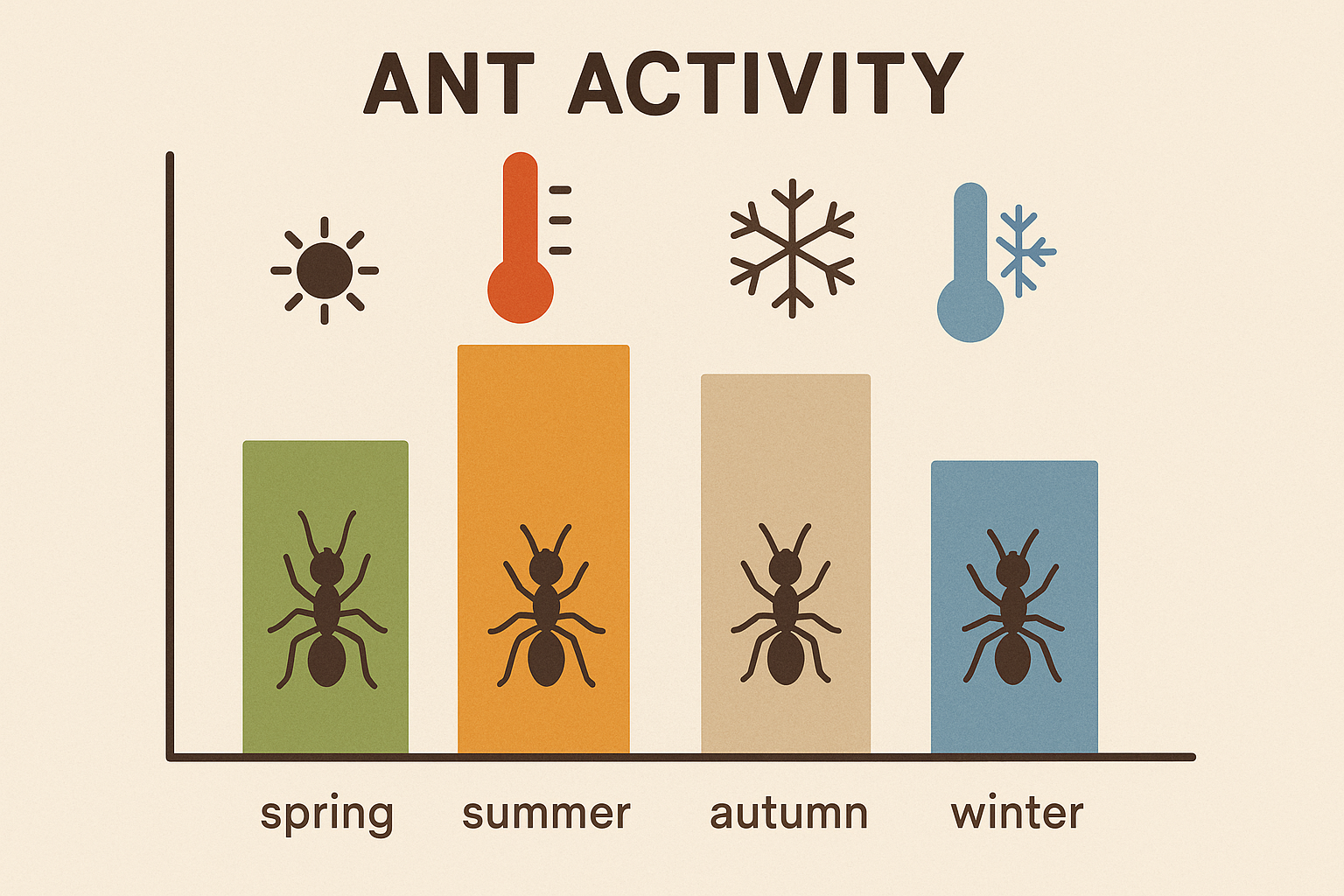
Understanding when ants are most active lets you strike at the right moment—an approach any experienced ant exterminator Decatur homeowners trust would recommend. Below is a quick-look infographic that maps ant behavior throughout the year, giving you a visual cue for planning inspections, baiting, and barrier treatments.
Peak Activity: Spring and Summer
During the warm months, colonies burst into growth. Workers scout for food, and new queens emerge to start satellite nests. This surge means:
- Spring (March‑May): Queens lay eggs, and the population can double every few weeks.
- Summer (June‑August): Foraging intensifies, and ants are most visible inside kitchens and along foundation walls.
Targeting treatments in this window disrupts the expansion cycle, reducing the chance of a full‑blown infestation later in the year.
Low‑Activity Periods: Late Fall and Winter
When temperatures dip, ant activity slows dramatically. Colonies retreat to deeper chambers, and foraging outside becomes rare. Yet these months are prime for preventative work because:
- Ants are less likely to detect bait or barrier chemicals.
- Treatments applied now protect the nest before it awakens in spring.
- Winter applications often require fewer follow‑up visits, saving you time and money.
Month‑by‑Month Action Plan
| Month | Key Action |
|---|---|
| January‑February | Schedule a professional inspection; identify vulnerable entry points. |
| March‑April (Early Spring) | Conduct a thorough inspection and begin low‑toxicity bait placement near trails. |
| May‑June (Late Spring) | Refresh bait stations and start targeted spot treatments where activity spikes. |
| July‑August (Summer) | Apply perimeter barrier sprays to deter foragers; monitor bait efficacy weekly. |
| September‑October (Fall) | Perform a maintenance check, replace depleted baits, and seal any new cracks. |
| November‑December (Late Fall/Winter) | Implement preventative barrier treatments and schedule the next year’s pre‑season inspection. |
Climate‑Specific Adjustments
Ant activity in Decatur, GA, follows a classic Southern pattern: warm winters keep colonies semi‑active, so you can start baiting as early as February. In cooler northern states, the same schedule shifts later—often waiting until late March for the first effective bait placement.
When you live in a warmer micro‑climate (e.g., a sun‑exposed patio or a home with poor insulation), consider adding a mid‑summer barrier treatment to cover the extra foraging window. Conversely, in regions with harsh winters, focus on a robust fall barrier that remains effective through the dormant months.
By aligning your ant‑control strategy with these seasonal cues, you maximize treatment impact, reduce repeat visits, and keep your home ant‑free year‑round. If you need a professional assessment or want to schedule a seasonal service, Anthem Pest Control is ready to help—just give us a call at 877‑371‑8196 or visit our website.
Protect Your Home with Anthem Pest Control
Early detection is the cornerstone of effective ant management. Spotting the first trail, identifying the species, and understanding when colonies are most vulnerable allow you to intervene before an infestation spreads. Knowing ant behavior—whether they’re foraging indoors or nesting in the yard—helps you time treatments for maximum impact, cutting off food sources and breeding cycles before they become a household nuisance.
Choosing a licensed, EPA‑compliant provider brings three critical advantages. First, safety: all products are vetted for human and pet health, so you can trust that treatment won’t compromise your family’s well‑being. Second, guaranteed results: certified technicians follow proven protocols, delivering consistent, measurable reductions in ant activity. Third, transparent pricing eliminates surprise fees, giving you a clear, upfront cost for each service.
Anthem Pest Control stands out with nationwide coverage and a network of seasoned technicians who specialize in ant control. Whether you need a one‑time eradication or a monthly maintenance plan, Anthem tailors solutions to fit your home’s layout, construction type, and seasonal challenges. Their flexible plans let you choose the level of protection that matches your budget while ensuring long‑term peace of mind.
Ready to take the next step? Schedule a free, no‑obligation inspection and let a certified technician evaluate your property. During the visit, you’ll receive a detailed report of any ant activity, a customized treatment recommendation, and a clear outline of costs. This proactive approach not only eliminates current pests but also builds a barrier against future invasions, safeguarding your home year after year.
Call Anthem Pest Control today at 877-371-8196 for your free quote, or visit Anthem Pest Control to learn more about their services from a trusted ant exterminator Decatur homeowners rely on. Your home deserves professional, reliable protection—let Anthem deliver it.