Recognizing Centipedes and Why They Matter

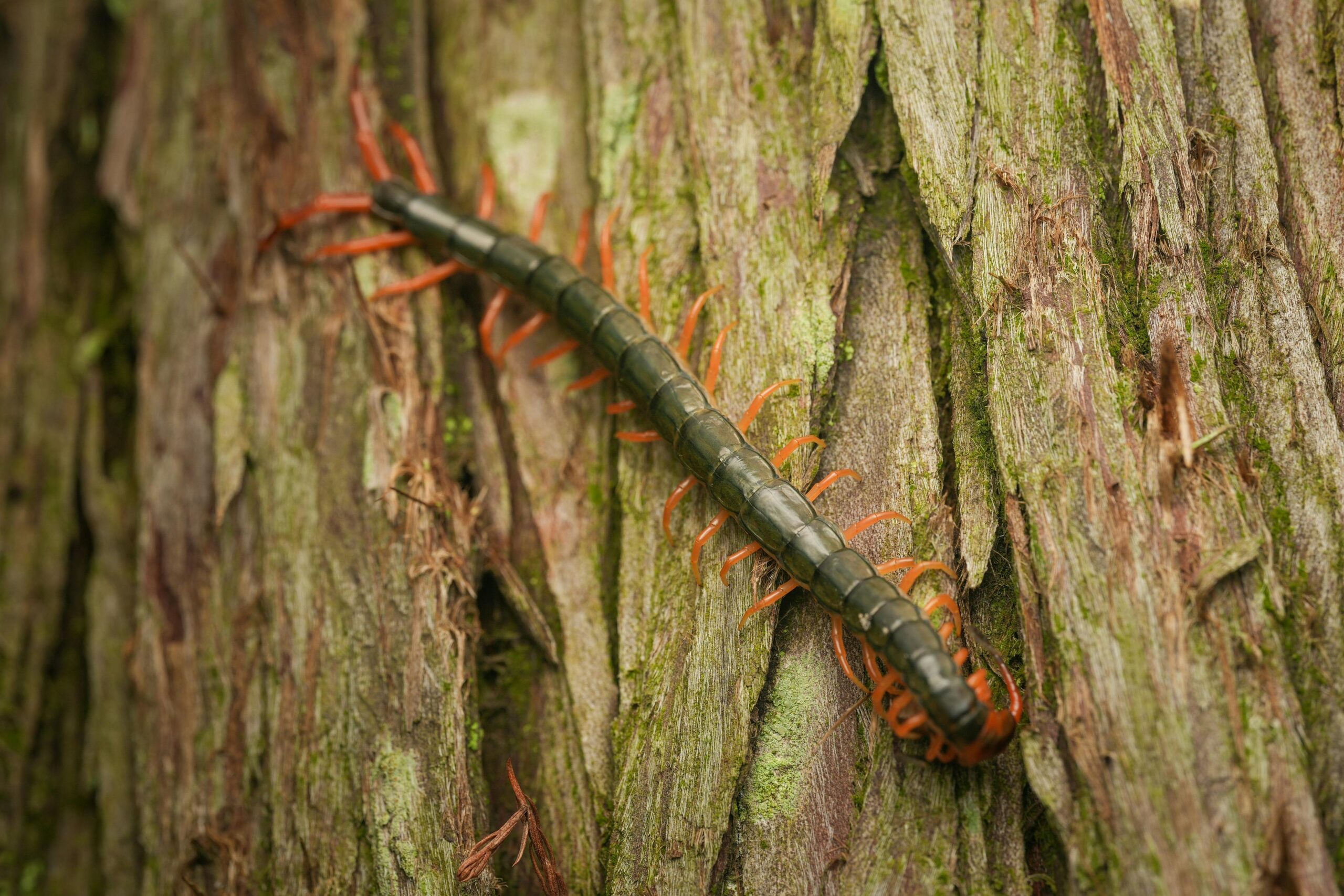
Centipedes are elongated arthropods with dozens of segmented legs—one pair per segment—that give them a unmistakable, “caterpillar‑like” silhouette. In U.S. homes you’ll most often encounter the house centipede (Scutigera coleoptrata), which ranges from 1½ to 2 inches long, sports long, slender legs, and flashes a pale, yellow‑gray body with three dark stripes down its back. Their rapid, jittery movements and ability to sprint across walls make them hard to miss.
Where Centipedes Like to Hide
- Damp basements and crawl spaces where humidity stays high.
- Bathrooms, especially near sinks, tubs, and showers.
- Foundation cracks and under floorboards that retain moisture.
- Any area with piles of cardboard, firewood, or decaying organic material.
These moisture‑loving spots provide the perfect hunting ground for centipedes, which prey on other small insects—spiders, silverfish, and even cockroaches. While they help keep those populations in check, their presence can signal a hidden moisture problem that, if left untreated, may lead to mold growth or structural damage.
Potential Risks for Homeowners
- Bites: Centipede bites are rare and usually only occur if the creature feels threatened. The sting feels like a mild bee sting—painful but not dangerous for healthy adults.
- Startle factor: Their lightning‑fast scurrying can alarm anyone, especially children or pets unfamiliar with the insect.
- Moisture indicator: A sudden increase in centipede sightings often points to excess humidity or water intrusion that needs professional attention.
Understanding how centipedes differ from other household pests can prevent unnecessary panic. Unlike spiders, which have eight legs and spin webs, centipedes have many more legs and never build silk structures. Cockroaches are bulkier, move more slowly, and are attracted to food residues, whereas centipedes are primarily hunters that avoid direct human contact.
For a deeper dive into local centipede behavior, common species in Peachtree City, and targeted control methods, consult the Anthem Pest Control centipede guide. Knowing what you’re dealing with is the first step toward a swift, effective solution that protects both your home and peace of mind.
Common Entry Points and Early Warning Signs
Centipedes are stealthy hitchhikers that love the dark, damp corners of a home. Spotting how they get inside and recognizing the first hints of activity can save you from a full‑blown infestation and costly treatments.
Exterior entry points
Even the most polished façade can hide tiny gateways for centipedes. Look for cracks in the foundation, gaps around window sills, and especially the space around bright‑colored entry doors where weatherstripping may be missing or worn. These openings provide a direct path from the yard into your living space, especially during rain when insects seek shelter.
Interior pathways
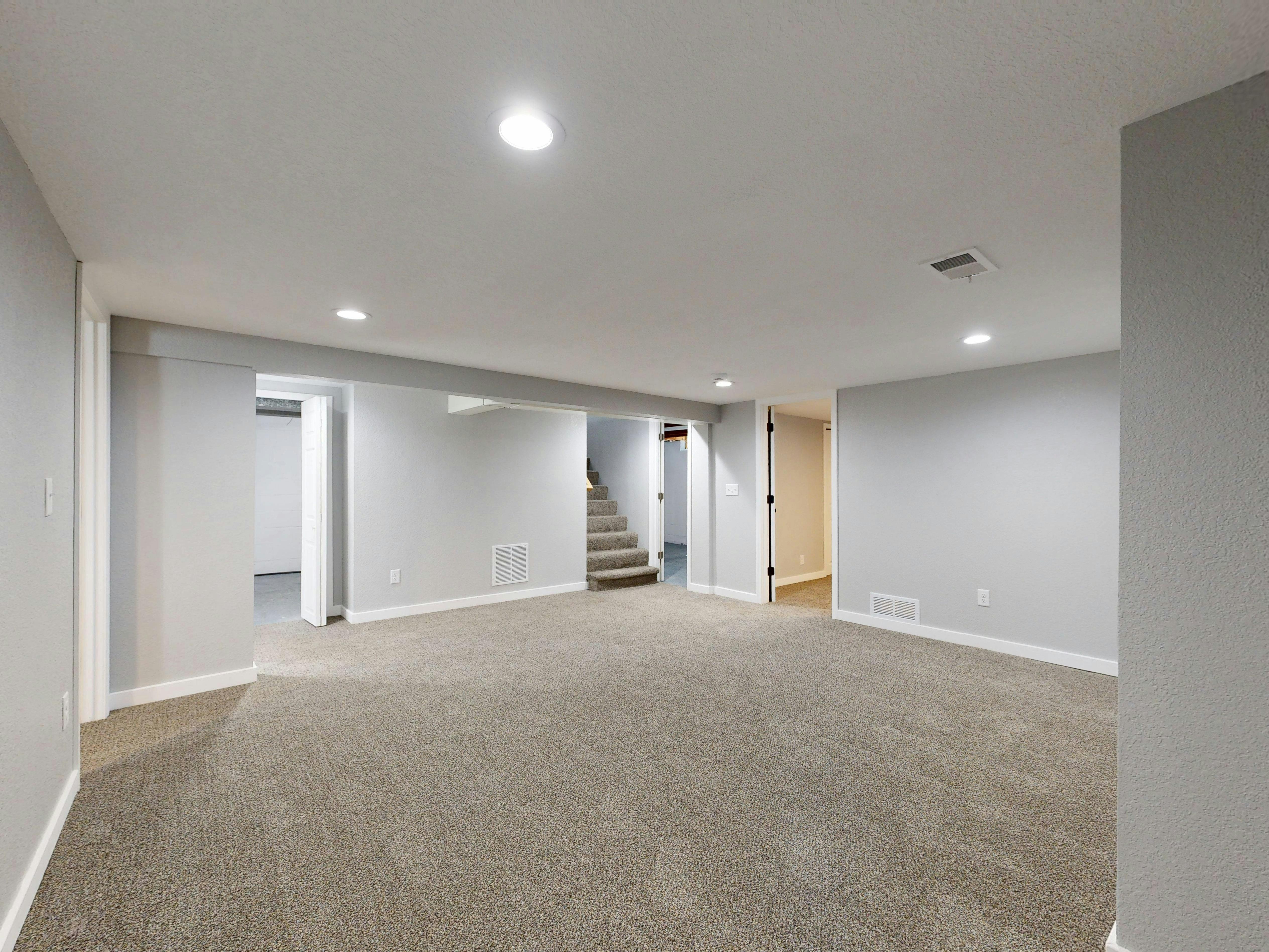
Once inside, centipedes travel along utility lines, vent pipes, and floor drains that lead straight to damp basements or crawl spaces. Gaps around electrical conduit or unsealed pipe penetrations act like highways, allowing the pests to move between rooms without ever crossing your sight line.
Visual warning signs
A quick glance at your basement or bathroom at night can reveal the tell‑tale scurrying of centipedes near lights. You may also find shed exoskeletons—those translucent, half‑shell remnants left behind after a molt. Spotting a few individuals is often the first clue that a larger population is establishing a foothold.
Moisture clues
Centipedes thrive in moisture. Water stains on walls, a persistent musty odor, or standing water in sink trays are red flags. Leaky pipes, poor drainage, or condensation on cold surfaces create the humid environment centipedes love, drawing them deeper into your home.
Practical inspection checklist
Run through each room with this quick checklist to catch problems before they spread:
- Check foundation walls for cracks wider than ¼ inch.
- Inspect door frames and windows for missing or damaged weatherstripping.
- Seal any gaps around utility lines, vent pipes, and floor drains.
- Look for water stains, mold, or standing water in basements, bathrooms, and kitchens.
- Turn lights off in dark areas and watch for rapid scurrying when they’re switched on.
- Collect and examine any shed exoskeletons you find.
Early detection is your strongest defense. By understanding where centipedes enter and what environmental clues they leave behind, you can act fast—calling a professional like Anthem Pest Control before the situation escalates.
Treatment Options and Pricing Overview
When centipedes start making their way across your floors, you need a plan that eliminates the current infestation and blocks future guests. Below we break down the most reliable professional methods, the realistic DIY shortcuts, and the price structure you’ll see on your invoice.
Professional treatment methods
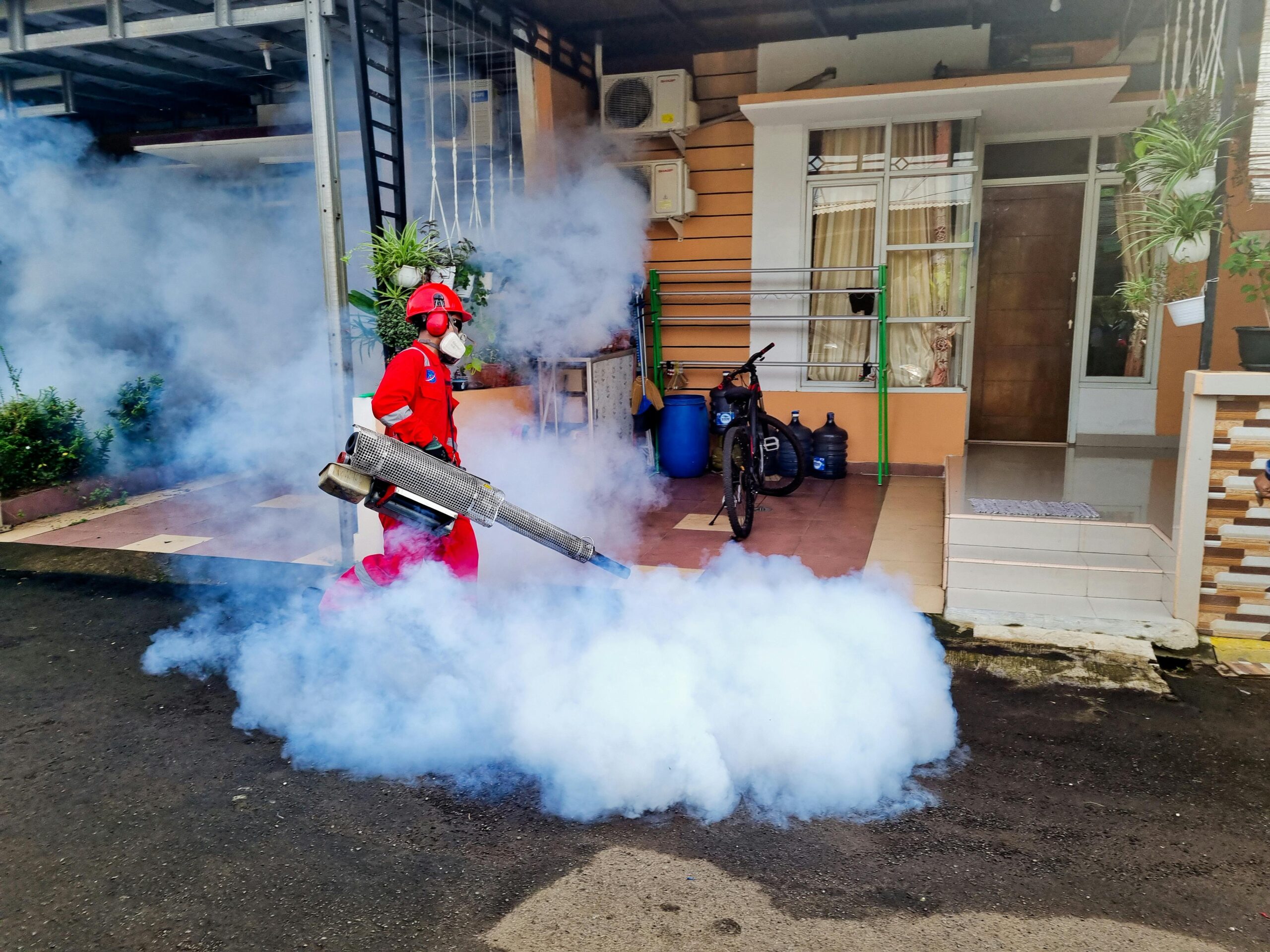
Our technicians begin with a perimeter spray that creates a chemical barrier around the exterior walls, targeting the insects before they enter. Inside the home, we apply a crack‑and‑crevice treatment using low‑volume, long‑lasting residuals that coat baseboards, under appliances, and behind cabinets where centipedes love to hide. The third pillar is moisture‑reduction: we locate leaky pipes, improve ventilation, and install dehumidifiers in damp zones, because centipedes thrive in humidity.
DIY alternatives – pros and cons
Homeowners often reach for over‑the‑counter residual sprays, sticky traps, or a standalone dehumidifier. While a residual spray can knock down a few insects, it rarely penetrates the deep cracks where centipedes nest, and the effect fades after a few weeks. Traps provide visual confirmation but capture only a fraction of the population. A dehumidifier reduces moisture, yet without chemical treatment the insects can simply relocate to other damp spots. DIY solutions are cheaper up front, but they typically require frequent re‑application and can leave you chasing a moving target.
Safety considerations
All chemical options—whether applied by a pro or DIY—must be handled with care. Professional‑grade products are EPA‑registered and applied in calibrated doses, minimizing residue on surfaces. We always advise keeping children and pets out of treated areas for the recommended waiting period, usually 2–4 hours. If you choose a DIY spray, read the label, wear gloves, and ventilate the space to avoid inhalation or skin irritation.
Pricing comparison
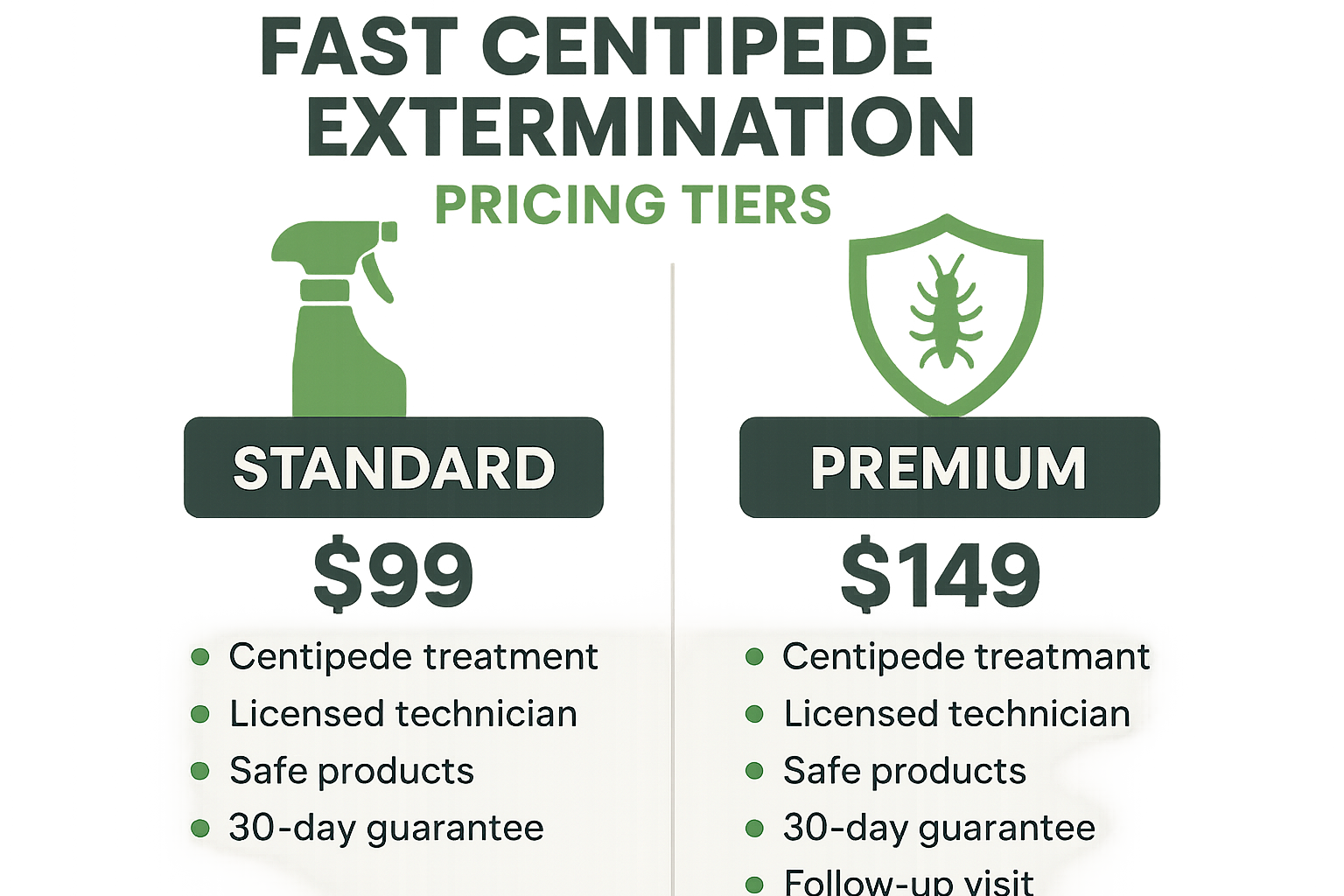
Below is a quick look at the two pricing tiers we offer. The infographic below visualizes the same data, making it easy to see what you receive at each level.
| Tier | Price (per treatment) | Visits Included |
|---|---|---|
| Standard | $149 | 1 initial visit + 1 follow‑up |
| Premium | $229 | 1 initial visit + 2 follow‑ups + annual warranty |
What’s included in each tier
The Standard package covers the perimeter spray, interior crack‑and‑crevice application, and a single moisture‑assessment visit. One follow‑up inspection ensures the barrier holds and any missed spots are retreated. The Premium tier adds a second follow‑up, a comprehensive moisture‑reduction plan (including a high‑capacity dehumidifier for the most humid rooms), and a 12‑month warranty that guarantees a free retreat if centipedes return.
Anthem Pest’s commitment to transparent pricing
We provide a written estimate before any work begins, so you know exactly what you’re paying for. Our tiered model lets you choose the level of protection that fits your budget, and we never tack on hidden fees. By combining professional expertise, proven chemicals, and a clear warranty, Anthem Pest delivers real value—quick relief today and long‑term peace of mind tomorrow.
Seasonal Activity Trends and Prevention Tips
Seasonal Activity Overview
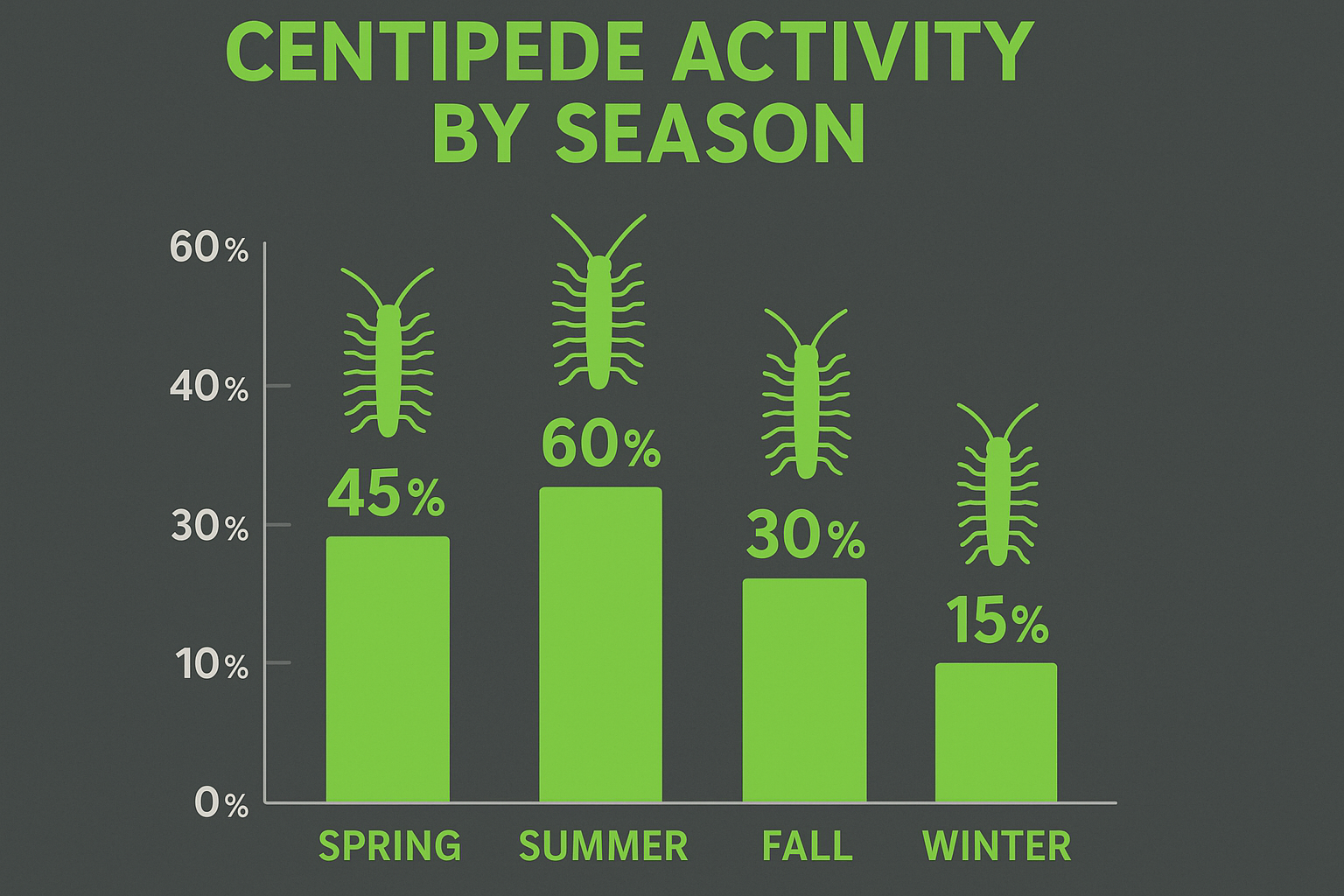
Centipedes in Peachtree City follow a predictable pattern that mirrors the region’s temperature and moisture cycles. A typical activity chart shows a sharp rise in sightings during the spring months, peaks in midsummer, tapers off in early fall, and reaches its lowest point in winter. This ebb and flow isn’t random; it’s driven by the insects’ need for warm, damp environments where they can hunt for insects and lay eggs.
Why Moisture and Temperature Matter
When daytime highs climb above 68 °F (20 °C) and humidity stays elevated, centipedes become more mobile. Moisture softens the soil and leaf litter, creating ideal pathways for them to travel from the yard into homes through cracks and gaps. Conversely, colder, drier winter conditions force them deeper into the soil, reducing the likelihood of indoor encounters.
Seasonal Prevention Checklist
- Spring – Seal foundation cracks, trim back mulch that sits against the house, and repair any leaky outdoor pipes.
- Summer – Keep indoor humidity below 50 % by running dehumidifiers, especially in basements and crawl spaces.
- Fall – Rake leaves away from the foundation, clear gutters, and inspect exterior drainage to prevent water pooling.
- Winter – Balance indoor heating to avoid condensation on windows and pipes, and check for any new moisture buildup in basements.
Long‑Term Moisture Management
Beyond seasonal tweaks, homeowners should invest in permanent solutions that keep moisture at bay year‑round. Proper grading directs rainwater away from the house, while well‑maintained gutters and downspouts channel water safely from the foundation. In crawl spaces, ensure adequate ventilation and consider a vapor barrier to stop ground moisture from rising into living areas. These measures create an environment that is inhospitable to centipedes and many other pests.
Professional Inspection Before Peak Season
Even the most diligent DIY efforts can miss hidden entry points or moisture pockets. Scheduling a professional inspection with Anthem Pest Control before the spring surge gives you a clear picture of vulnerabilities and allows technicians to apply targeted treatments. Early intervention not only reduces centipede activity during the high‑risk months but also protects your home from future infestations.
Protect Your Home with Professional Centipede Control
Quick Recap
Centipedes are easy to spot by their many legs and rapid movements, but they often hide in damp basements, crawl spaces, or behind appliances. Common entry points include cracks around foundations, gaps under doors, and unsealed utility penetrations. When we’ve covered identification, we also discussed treatment options—targeted sprays, perimeter fogging, and moisture‑reduction strategies—and the importance of seasonal prevention, especially during the humid spring and early summer when centipedes thrive.
Why Choose Anthem Pest Control?
Certified technicians bring years of local experience to every job, ensuring they know exactly where centipedes enter homes in Peachtree City. We use EPA‑approved, low‑toxicity products that protect your family and pets while eliminating the pests. Our transparent pricing means you’ll never face surprise fees; you’ll receive a clear, itemized estimate before any work begins.
Take the First Step—Free, No‑Obligation Quote
Ready to safeguard your home? Simply request a free quote and let our experts assess your centipede risk. The process is quick, friendly, and carries no commitment—just the peace of mind you deserve.
Give us a call today at 877‑371‑8196 or visit anthempest.com to schedule your assessment. Acting now means you’ll enjoy a centipede‑free home sooner, protecting both comfort and safety for you and your family.
Don’t wait for the next night‑time sighting—reach out now and experience the confidence that comes with professional centipede control.