Recognizing Crickets as a Home Pest in Suwanee, GA
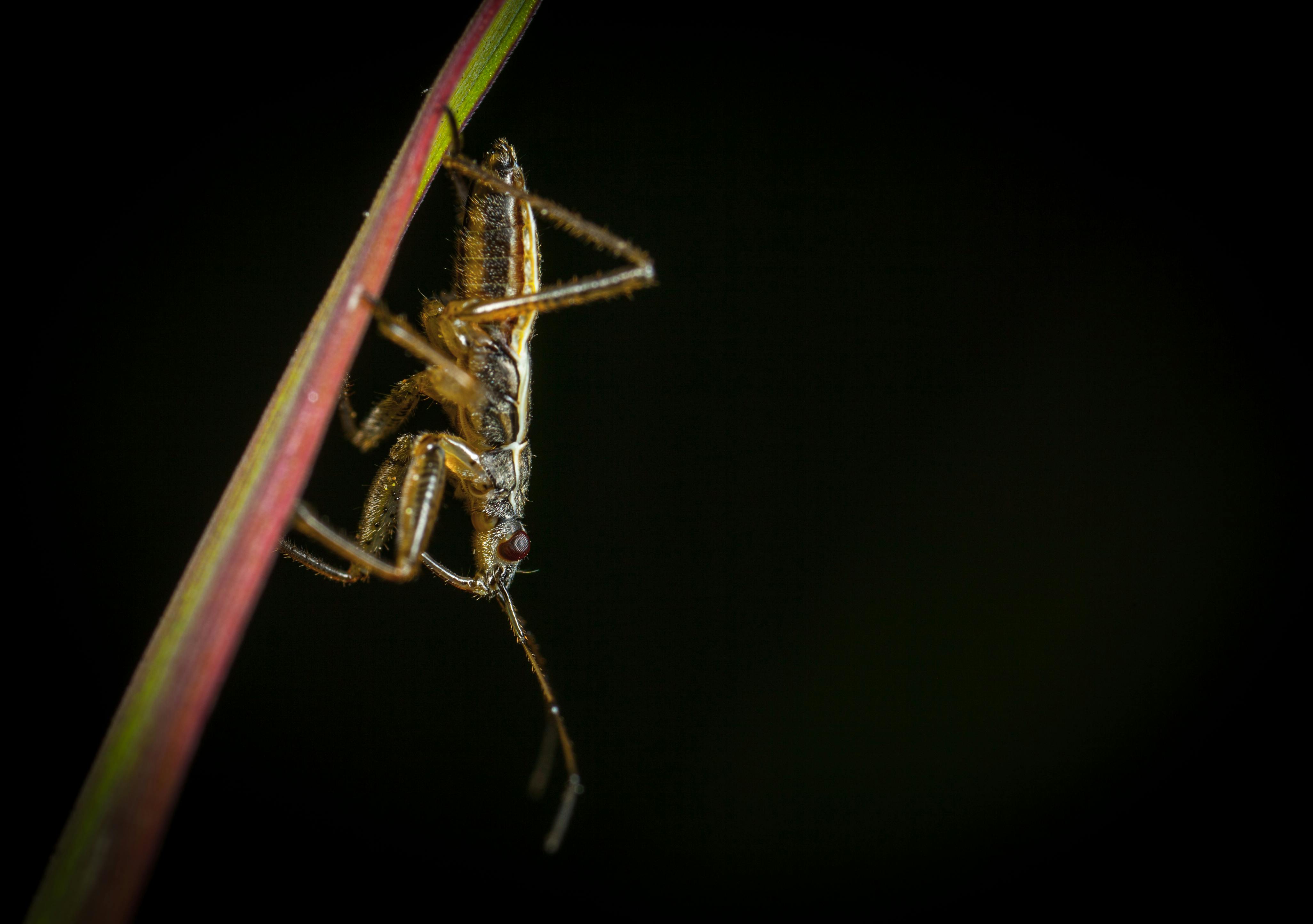
Field crickets belong to the family Gryllidae, a group that thrives in warm, humid environments—exactly the climate Suwanee, GA enjoys and one reason many homeowners eventually search for a cricket exterminator Suwanee. Their life cycle is rapid: eggs hatch in late spring, nymphs mature by midsummer, and adults begin their nightly chorus that many homeowners mistake for a harmless summer soundtrack.
Common Species in Suwanee
The most frequently encountered cricket in our area is Gryllus assimilis, often called the southern house cricket. It measures 18–25 mm in length, sports a mottled brown‑green exoskeleton, and carries long, thread‑like antennae that help it navigate dark corners.
How to Spot an Infestation
Identifying a cricket problem early can save you from larger hassles later. Look for these visual cues:
- Size & coloration: Small to medium, brown‑green bodies with a glossy sheen.
- Long antennae: Often twice the body length, giving them a “whiskered” appearance.
- Chirping patterns: Males produce a steady, high‑pitched trill by rubbing their forewings together—most noticeable after sunset.
Typical Entry Points
Crickets are opportunistic invaders. They slip through:
- Cracks in foundation walls or siding.
- Gaps around doors, windows, and sliding glass tracks.
- Utility openings for wiring, plumbing, or HVAC ducts.
Warning Signs of a Growing Population
If you notice any of the following, it’s time to investigate further:
- Persistent chirping at night, even when lights are off.
- Small, dark droppings resembling pepper grains on countertops or floorboards.
- Chewed leaves or wilting indoor plants—crickets will nibble on tender foliage.
- Occasional bites on exposed skin; while rare, they can cause mild irritation.
Potential Health and Property Impacts
Beyond the annoyance of constant noise, crickets can pose real concerns:
- Food contamination: Droppings and shed exoskeletons can find their way into pantry items.
- Allergic reactions: Some residents develop respiratory sensitivities to cricket frass (droppings) and protein particles.
- Structural damage: Large numbers may chew through insulation or soft wood, compromising energy efficiency and, over time, structural integrity.
For a deeper dive into cricket biology and control strategies, the University of Georgia Extension offers an excellent publication: Cricket Management in Georgia. It outlines monitoring techniques and environmentally responsible treatment options that complement Anthem Pest Control’s fast, affordable services.
When Crickets Become a Problem – Seasonal Activity and Risks
In Georgia, field crickets follow a predictable seasonal rhythm that mirrors the state’s warm climate—one reason demand for cricket exterminator Suwanee services often rises in mid-summer. A typical activity chart shows a slow start in March, a steady climb through April and May, and a sharp surge in July and August before tapering off as temperatures dip in October. The chart also overlays average monthly temperatures, illustrating how each rise in heat directly fuels cricket numbers.
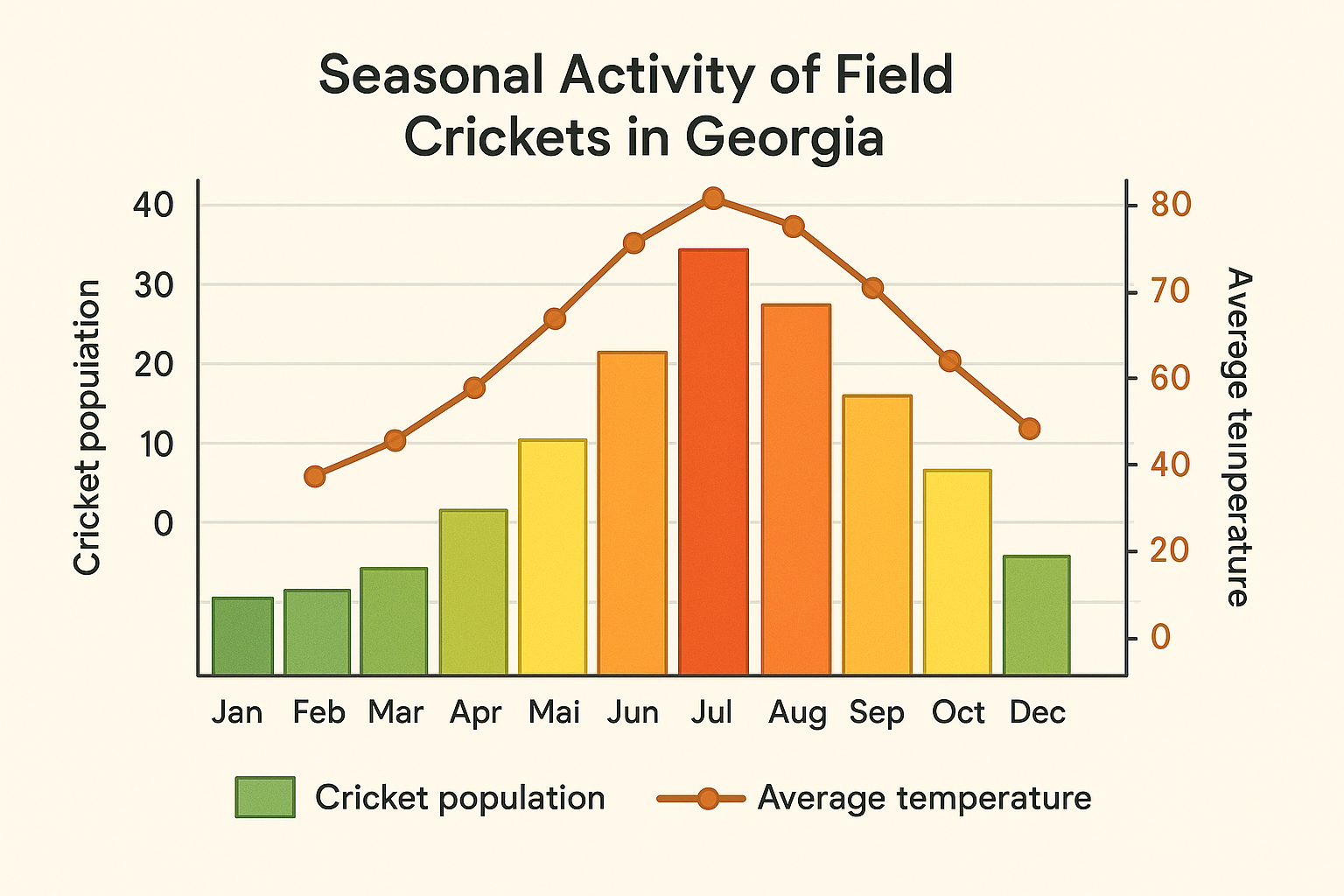
Late spring through early fall marks the peak activity window, with July and August consistently delivering the highest cricket populations. During these months, daytime temperatures regularly hover between 85‑95°F (29‑35°C) and humidity levels climb above 60%. Both factors accelerate the cricket breeding cycle: warmer nights speed up egg development, while moisture provides the ideal environment for nymphs to emerge and mature.
This biological boom has a direct impact on homeowners. As the outdoor population swells, competition for food and shelter intensifies, prompting more crickets to explore the interior of houses. The infamous “chirping invasion” often begins in late June, when male crickets amplify their mating calls to attract females. The louder chorus not only signals a thriving outdoor colony but also warns that large numbers are likely to seek refuge behind siding, under eaves, or through tiny cracks in foundations.
Because the risk of indoor intrusion spikes alongside the breeding surge, vigilance is essential from May through September. Homeowners should treat the season as a warning period rather than a reactionary one. Early detection allows you to intervene before crickets establish a foothold inside, reducing the need for more aggressive (and costly) treatments later.
How to Monitor Cricket Activity Around Your Home
- Listen for chirping: A steady nighttime chorus after dusk usually indicates a nearby breeding ground.
- Deploy sticky traps: Place a few traps along foundation walls and under exterior lights to gauge population pressure.
- Inspect exterior surfaces: Look for small entry points—cracks in siding, gaps around vents, or damaged screens—that crickets can exploit.
For a science‑backed approach, follow the EPA’s recommendations on controlling crickets during high‑risk periods. Their guidance emphasizes timely monitoring, proper sanitation, and targeted pesticide applications when necessary. EPA – Controlling Crickets provides a clear framework that aligns with Anthem Pest Control’s safe and effective treatment philosophy.
Effective Cricket Control Methods for Homeowners
1. Prevention First
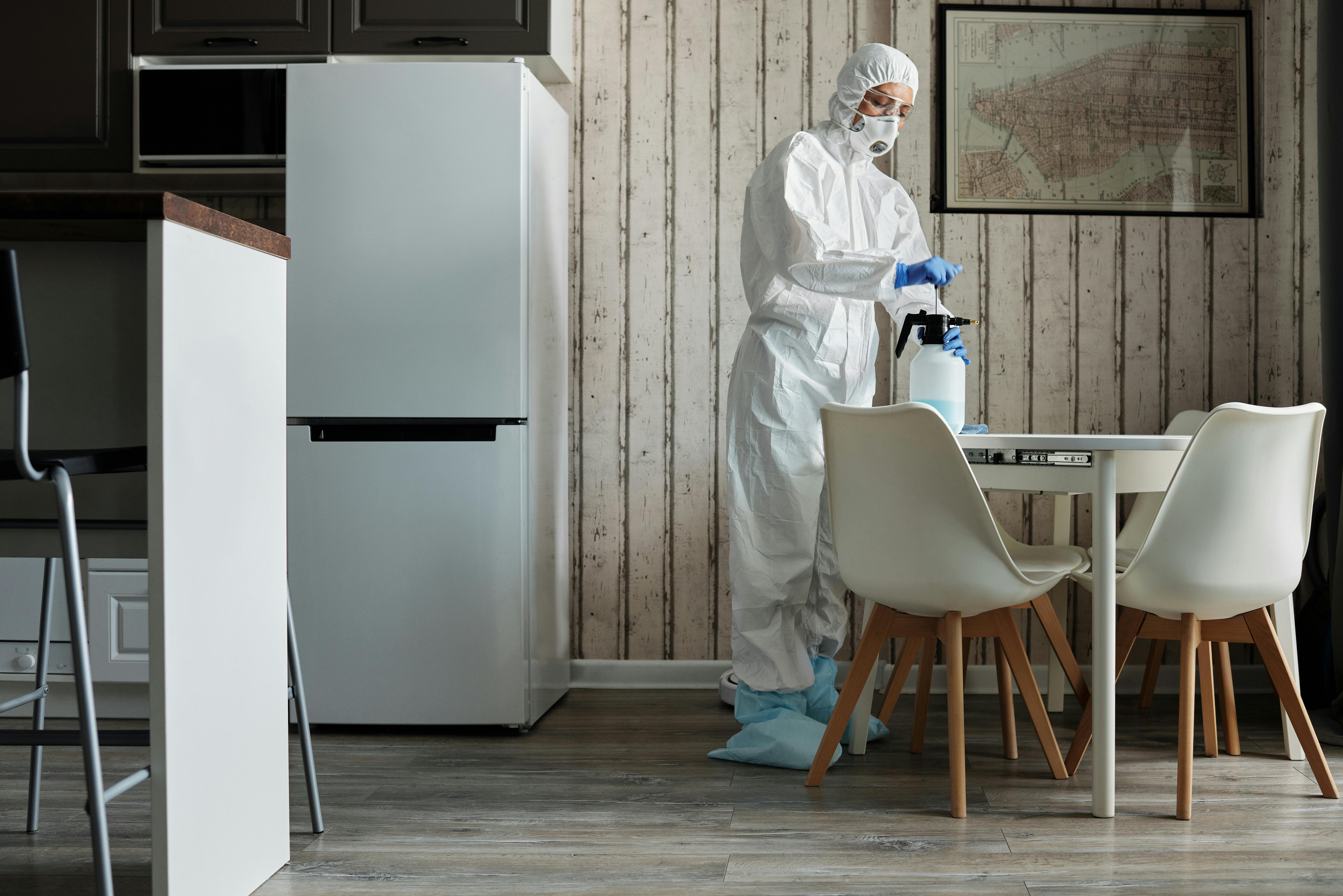
Before you reach for any spray, seal the entry points that crickets love. Use caulk to close cracks around windows, utility penetrations, and the foundation. Install door sweeps on all exterior doors and consider weather‑stripping for sliding doors. Finally, dim or switch to yellow‑tinted outdoor lighting; bright white bulbs act like a night‑time beacon for winged insects.
2. Habitat Reduction
Crickets thrive in cluttered, moist environments. Remove leaf piles, wood debris, and compost heaps that sit too close to the house. Trim shrubs and trees back at least three feet from the foundation, and keep your lawn mowed to a short, even length. These steps eliminate the cool, damp shelters crickets need to reproduce.
3. Low‑Toxicity Chemical Options
- Indoor sprays: Look for EPA‑registered products labeled for indoor use with low toxicity to humans and pets.
- Perimeter treatments: Apply a thin band of spray around the home’s exterior walls to create a chemical barrier.
- Baits: Gel or granule baits placed in cracks can attract and kill crickets that wander indoors.
4. Step‑by‑Step Guide: Applying a Targeted Indoor Spray
- Gather protective gear: nitrile gloves, a NIOSH‑approved mask, and safety glasses.
- Ventilate the room by opening windows and using a fan to push air outward.
- Shake the spray can well, then hold it 12‑18 inches from the surface.
- Apply a fine mist directly into cracks, gaps, and along baseboards where crickets hide.
- Allow the treated area to dry completely before re‑entering—usually 15‑30 minutes.
- Dispose of empty containers according to local hazardous‑waste guidelines.
5. Safety Considerations
Always read the EPA label before use. Wear gloves and a mask to avoid inhaling aerosols, and keep children and pets out of the treated space for at least two hours. If you have respiratory sensitivities, consider a professional application instead of DIY.
6. When DIY Isn’t Enough
Even the best home‑grown efforts can fall short. Look for these warning signs that a professional should step in:
- Large numbers of crickets appearing nightly.
- Repeated sightings despite regular DIY treatments.
- Evidence of structural damage—such as gnawed wood or compromised siding.
7. What Anthem Pest Control Brings to the Table
Our technicians use an integrated pest management (IPM) approach, combining thorough inspections, EPA‑registered products, and targeted follow‑up visits. We start with a detailed assessment, apply perimeter and indoor treatments as needed, and schedule a post‑treatment inspection to ensure the cricket population stays below damaging levels.
8. Further Reading
For a deeper dive into cricket biology and additional best practices, consult the National Pest Management Association’s Cricket Guide. This resource reinforces many of the steps outlined above and offers region‑specific tips for Georgia homeowners.
Understanding Cricket Removal Costs in Suwanee, GA
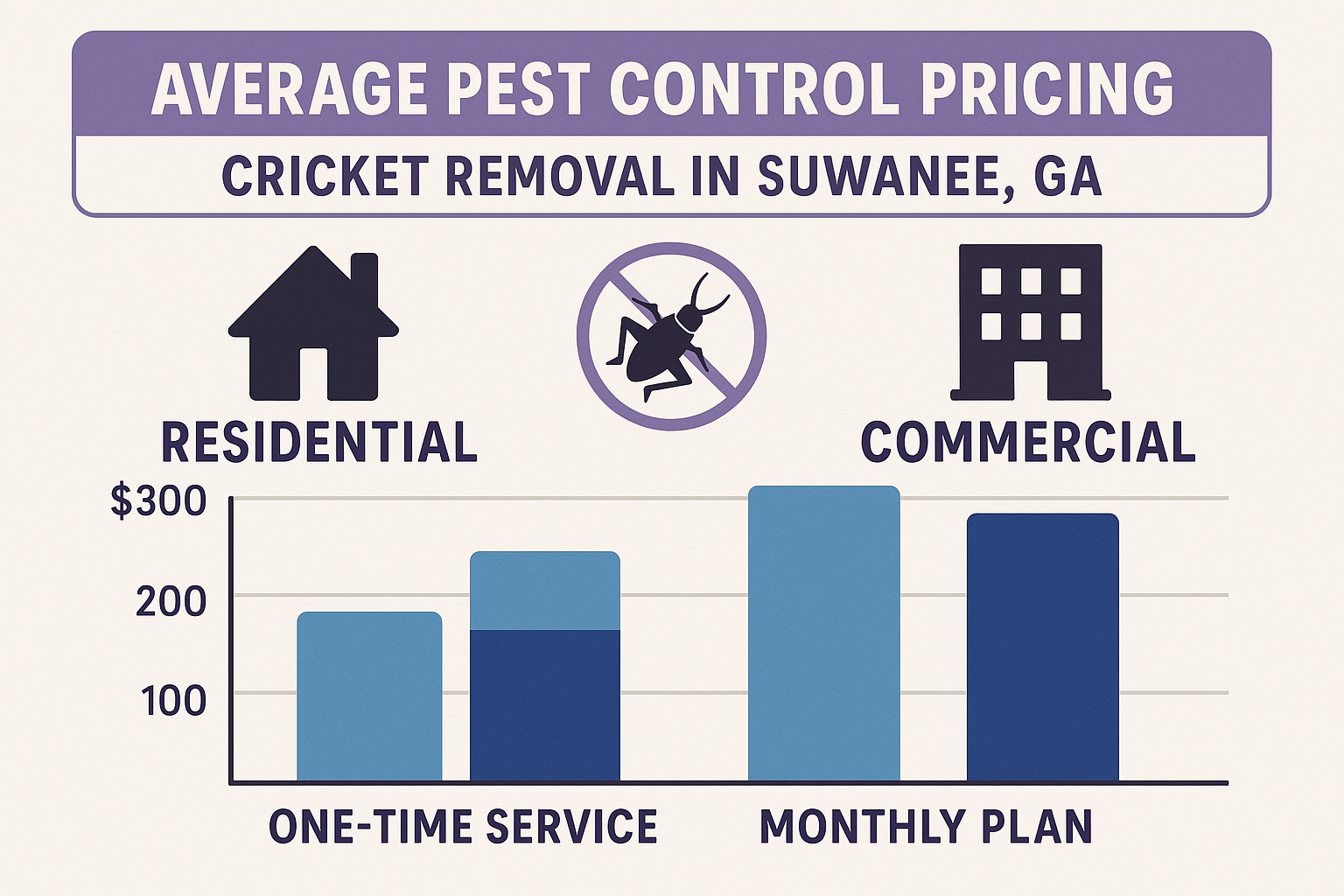
What the infographic shows
The graphic breaks down the two most common service models in Suwanee: a one‑time treatment versus a recurring monitoring plan. It also separates residential pricing from commercial pricing, letting you see at a glance where your budget will land.
Typical price ranges
- One‑time residential treatment: $80 – $150 per service.
- One‑time commercial service: $120 – $250, reflecting larger square footage and higher infestation pressure.
Monthly monitoring plans
For ongoing protection, most providers offer a subscription that costs between $30 and $60 per month. The plan includes quarterly inspections, a preventative spray, and a warranty that covers re‑treatment if crickets return during the active season.
Factors that influence the cost
- Property size: Larger homes or warehouses require more product and labor.
- Infestation severity: Heavy cricket populations need extra treatment cycles.
- Choice of treatment method: Conventional sprays are usually cheaper than low‑toxicity or bait‑based solutions.
- Follow‑up visits: Some companies bundle a second visit at no extra charge; others bill it separately.
Anthem Pest Control’s transparent pricing
Anthem Pest Control aligns its rates with the ranges shown in the infographic, making them a trusted cricket exterminator Suwanee homeowners rely on. A standard residential service starts at $85, while a commercial job begins at $125. Their monthly monitoring package is listed at $45 per month, complete with a written guarantee and no hidden fees.
Getting an accurate quote
To avoid surprises, request a site inspection before any work begins. During the visit, ask for a written breakdown that includes:
- Base treatment cost
- Any additional fees for follow‑up visits
- Warranty length and coverage details
- Potential discounts for bundled services
Why professional service beats cheap DIY kits
DIY cricket sprays may appear inexpensive, but they often miss hidden entry points and provide only short‑term relief. During peak summer months in Suwanee, a professional exterminator can apply a formulation that penetrates cracks, treats the yard, and sets up a monitoring schedule—saving you time, repeated purchases, and the frustration of recurring infestations.
Take Action with Anthem Pest Control for Cricket Prevention
Crickets are easy to spot once you know the signs: their rhythmic chirping at night, small tan or brown bodies about half an inch long, and the occasional faint wing‑beat rustle in wall voids. They thrive in Suwanee’s warm, humid months—especially from late spring through early fall—and they enter homes seeking shelter, moisture, or food crumbs. The most reliable control strategy blends diligent sanitation, sealing of entry points, and targeted EPA‑approved treatments.
Key Takeaways
- Identification: Look for nightly chirping, tan‑brown bodies, and activity near outdoor lights.
- Seasonal risk: Peak activity occurs late spring to early fall; early intervention prevents larger infestations.
- Effective control: Combine proper cleaning, exterior sealing, and professional, EPA‑approved insecticide applications.
Anthem Pest Control brings more than just products to the job. Our licensed technicians are trained in the latest, safest EPA‑approved treatments specifically formulated for cricket control. We pride ourselves on transparent pricing—no hidden fees, just a clear, upfront quote that outlines every step of the process. Whether you need a one‑time treatment or a seasonal prevention plan, Anthem tailors the solution to your home’s unique layout and your budget.
Affordability and reliability are at the heart of our service promise. Homeowners and businesses alike trust Anthem for prompt, courteous visits and thorough follow‑up. We understand that a cricket problem can feel noisy and unsettling, which is why we act quickly, communicate clearly, and stand behind our work with a satisfaction guarantee.
If you’ve noticed crickets in your home or want to protect your property before the next peak season, contact a trusted cricket exterminator Suwanee homeowners rely on for a free, no-obligation quote. Call us today at 877-371-8196 or visit Anthem Pest Control to schedule your inspection.