Fast Earwig Relief in Dunwoody: What Homeowners Need to Know

Over the past month, neighbors in Brookhaven, Peachtree Corners, and several Dunwoody subdivisions have been ringing their phones and posting on community boards about earwig invasions. The spike isn’t a coincidence—unusually heavy spring rains have driven these nocturnal insects out of the soil and straight into homes, kitchens, and bathrooms. If you’ve found the tell-tale pincers scuttling across your countertops, you’re not alone, and many homeowners are now searching for a reliable earwig exterminator Dunwoody residents can trust to tackle the problem fast.
Earwigs (order Dermaptera) follow a simple yet resilient life cycle: eggs are laid in moist soil or under leaf litter, hatch into nymphs, and molt five times before reaching adulthood. The entire process spans 6–12 weeks, depending on temperature and humidity. Adults are most active after dark, hunting for decaying plant matter, small insects, and occasionally the crumbs we leave behind. Their flattened bodies and curved forceps make them excellent at slipping through tiny cracks, which is why they often appear in basements, crawl spaces, and under kitchen appliances.
Rain is the catalyst that forces earwigs indoors. When the ground becomes saturated, the insects seek drier shelter to avoid drowning. Their natural instinct is to migrate toward the warm, dry micro‑climates of homes, especially during evenings when lights attract them. This seasonal migration explains why a sudden downpour can turn a quiet yard into a bustling indoor hallway of earwigs within hours.
Here’s the promise we make at Anthem Pest: using data‑driven inspection and targeted, low‑toxicity treatments, we’ll eliminate the current infestation and put a barrier in place to keep future wanderers out. Our proven methods combine rapid‑acting baits, strategic perimeter sprays, and moisture‑management advice—all at a price that respects your budget.
In the next section, we’ll help you confirm whether the critters you’re seeing are indeed earwigs, highlighting key identification features and the signs of an early infestation. Knowing exactly what you’re dealing with is the first step toward swift, lasting relief.
Spotting Earwigs Inside Your Dunwoody Home
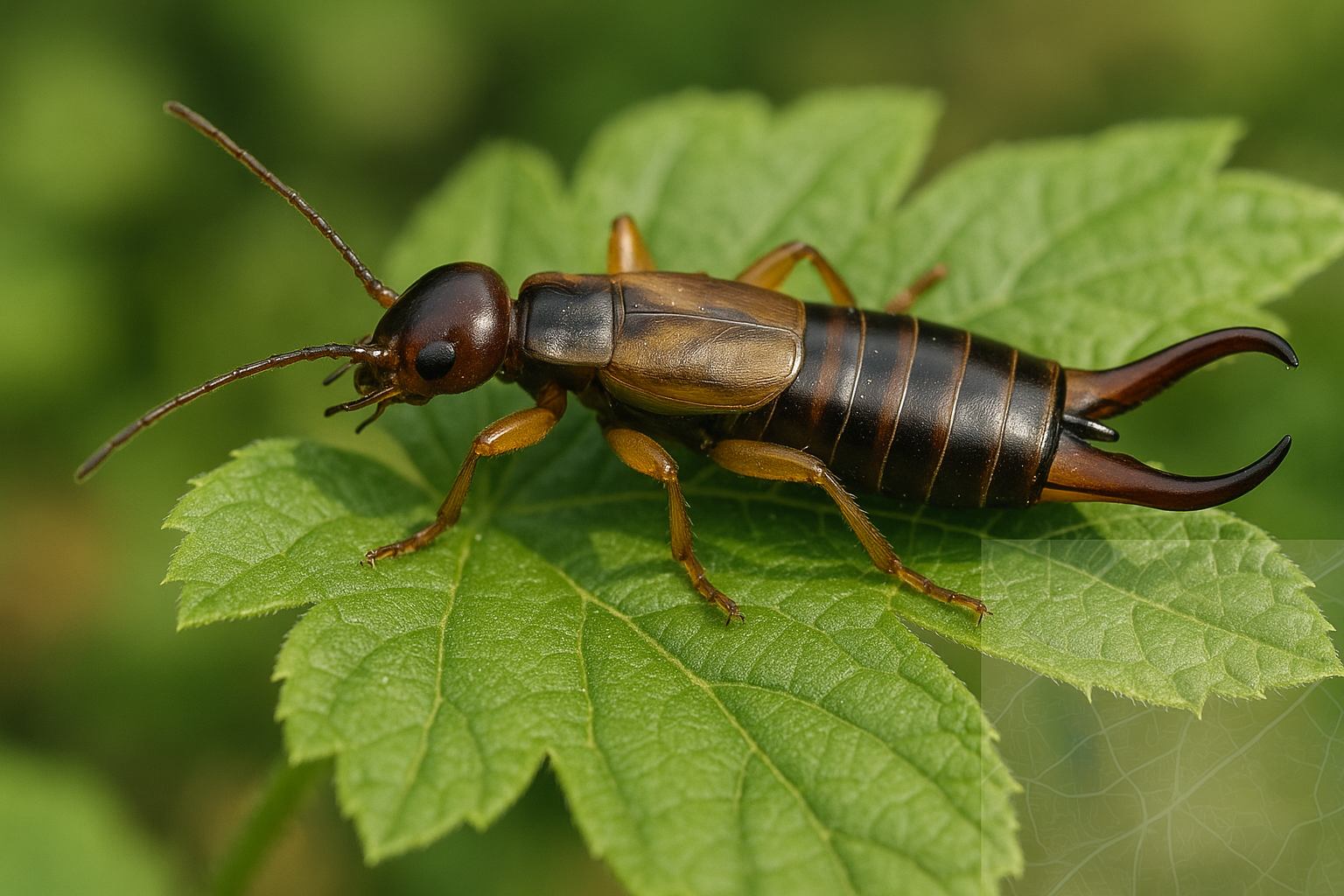
Earwigs are easy to misidentify if you’ve never seen one up close. The adult American earwig (Forficula auricularia) sports an elongated, flattened body that tapers toward the rear. Their exoskeleton ranges from dark brown to almost black, and the most distinctive feature is a pair of forceps‑like pincers (cerci) protruding from the abdomen’s end. These pincers are not weapons for humans—they’re primarily used for mating and defense.
Nocturnal Activity and Common Indoor Hideouts
Earwigs are night‑time foragers. After sundown they scuttle out of cracks and crevices, seeking moisture and shelter. Inside a Dunwoody home you’ll most often find them in damp, low‑traffic areas: under kitchen sinks, behind bathroom tiles, in basement corners, and tucked into pantry shelves. Because they avoid bright light, you’ll usually notice them only when you’re cleaning late at night or when a light is left on in a cabinet.
Typical Entry Routes in Georgia Construction
- Foundation cracks and gaps around concrete footings
- Unsealed window seams, especially older double‑hung windows
- Door gaps where weather‑stripping is worn or missing
- Utility penetrations—pipes, vents, and electrical conduits that lack proper flashing
Real‑World Case Study: A Kitchen Cabinet Surprise
When a Dunwoody homeowner, Lisa M., opened her pantry after a week‑long rainstorm in July 2024, she found a cluster of earwigs hiding behind the bottom shelf of her kitchen cabinets. The heavy rains had saturated the yard’s soil, forcing the insects to seek drier refuge indoors. Lisa noticed the insects’ characteristic “pinching” tail and, after a quick internet search, confirmed they were earwigs—not the harmless crickets she had assumed. She sealed the cabinet gaps, installed a dehumidifier, and called Anthem Pest Control for a targeted treatment that eliminated the infestation within two weeks.
Recent Data from the University of Georgia Extension
According to the 2024 UGA Extension report, earwig sightings in the Atlanta metro area—including Dunwoody—rose by 15 % in the month following heavy rainfall. The study links the spike to increased moisture in foundations and crawl spaces, underscoring why homeowners should inspect for water intrusion after storms.
Quick Visual Cue: Earwig vs. Cricket
- Body shape: Earwigs are flatter and more elongated; crickets are rounder and bulkier.
- Pincers: Only earwigs have the distinctive cerci at the abdomen’s tip.
- Wings: Crickets have long, membranous wings that extend beyond the abdomen; earwigs have short, leathery forewings (tegmina) that cover the abdomen.
- Sound: Crickets chirp by rubbing their wings together; earwigs are silent.
By familiarizing yourself with these traits and checking the common entry points listed above, you can catch an earwig problem early—before it spreads to other rooms or becomes a full‑blown infestation. If you spot a few individuals, a prompt call to Anthem Pest Control (877‑371‑8196) can save you time, money, and the peace of mind that comes with a pest‑free home.
Why Acting Fast Prevents Bigger Problems
Earwigs may seem harmless, but left unchecked they can quickly turn a tidy garden or kitchen into a costly repair project. In the yard, they chew tender foliage on roses, azaleas, and other ornamental plants, leaving ragged edges that invite disease. Garden vegetables such as lettuce, tomatoes, and beans suffer similar nibbling, reducing both yield and market value. Inside the home, earwigs wander onto countertops and pantry shelves, contaminating stored grains, spices, and pet food with their saliva and waste, which can trigger allergic reactions or food‑borne illnesses.
Typical Damage You Might Notice
- Ornamental plants: chewed petals and leaf edges that look like “bite marks,” weakening the plant’s ability to photosynthesize.
- Garden vegetables: perforated leaves and stems that rot faster, forcing you to replace seedlings.
- Indoor food stores: scattered droppings in pantry boxes and crumbs on countertops, leading to spoilage and the need to discard bulk purchases.
Economic Impact of Delayed Action
A single professional earwig treatment in Dunwoody typically ranges from $150 to $250. When homeowners wait, the hidden costs can skyrocket. Replacing a damaged rose bush, re‑planting a vegetable bed, and discarding spoiled pantry items can easily exceed $500. Below is a quick cost comparison:
| Scenario | Estimated Cost |
|---|---|
| One‑time professional earwig treatment | $150 – $250 |
| Potential loss from plant replacement, food spoilage, and minor structural repairs | $500 + |
Health and Safety Considerations
The EPA’s 2023 Indoor Pesticide Safety Guidelines stress the importance of selecting products specifically labeled for earwig control and following label directions to protect occupants, especially children and pets. Choosing EPA‑approved, low‑toxicity options reduces the risk of respiratory irritation while still delivering rapid knock‑down of the infestation.
The Domino Effect of Procrastination
When treatment is postponed, earwig populations multiply, spreading to new rooms, crawl spaces, and even the exterior siding. A larger infestation demands more frequent visits, higher chemical volumes, and ultimately a higher total bill. Acting quickly not only curtails the immediate nuisance but also prevents the cascade of structural, economic, and health problems that can develop over weeks or months.
Anthem Pest’s Rapid‑Response Earwig Treatment Process
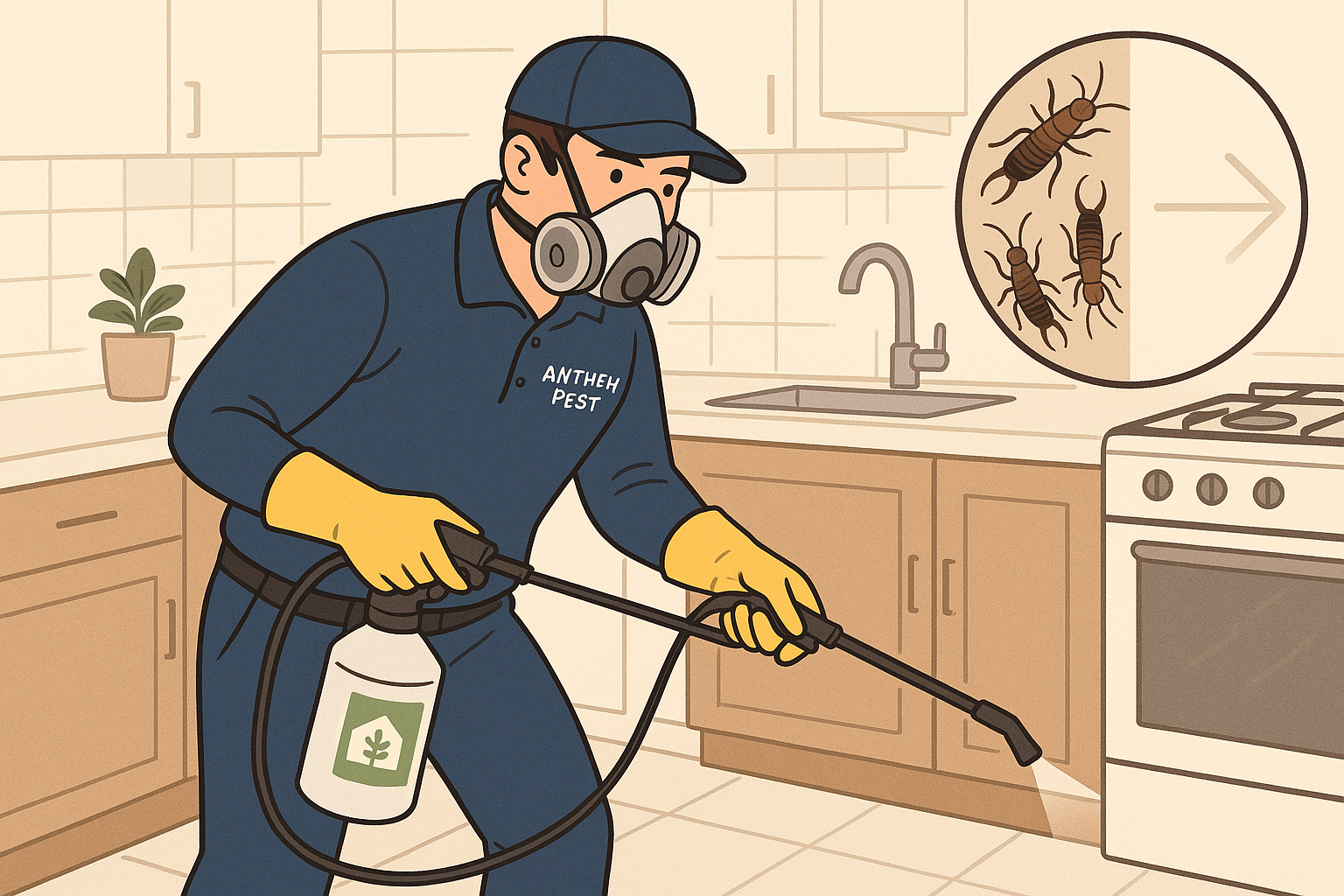
When earwigs start invading your Dunwoody home, you need a solution that’s fast, transparent, and backed by local expertise. Anthem Pest’s rapid‑response process is built around four decisive steps, clear pricing, and a satisfaction guarantee that lets you breathe easy knowing the problem is truly gone.
Step 1: 24‑Hour Online Booking Portal and Immediate Confirmation
Our web‑based scheduling system is open around the clock. Within minutes of submitting your request, you receive an automated confirmation email that includes your appointment time, a brief overview of what to expect, and a direct line to our customer support team. No phone tag—just a swift, hassle‑free start.
Step 2: 48‑Hour On‑Site Inspection by a Certified Technician
Within two days, a certified Anthem Pest technician arrives at your door, equipped with a detailed knowledge of Dunwoody’s common housing styles—from Ridgewood’s brick facades to Piedmont Park’s bungalow layouts. The inspection pinpoints entry points, breeding sites, and any structural quirks that could affect treatment efficacy.
Step 3: Development of a Targeted Treatment Plan Using EPA‑Approved Products
After the walkthrough, the technician crafts a customized plan that focuses on the exact locations where earwigs congregate. We exclusively use EPA‑approved, low‑odor formulations that are safe for children, pets, and the surrounding environment, while delivering a knockout blow to the pests.
Step 4: Follow‑Up Verification Visit to Ensure Elimination
Two weeks after the initial application, a second visit confirms that earwig activity has been eradicated. Our technician checks treated zones, removes any residual debris, and provides you with a concise report that outlines the results and any recommended preventive measures.
Transparent Pricing
We believe homeowners should never guess the cost of a service. As a trusted earwig exterminator Dunwoody homeowners rely on, our straightforward pricing structure for earwig control in Dunwoody is laid out below, with optional discounts for bundled services such as ant or roach prevention.
| Service Package | Coverage | Price | Bundled Discount* |
|---|---|---|---|
| Standard Indoor Treatment | Up to 1,500 sq ft | $179 | 10% off when combined with any other pest service |
| Extensive Coverage | 1,501–3,000 sq ft + garage or basement | $249 | 15% off when paired with seasonal mosquito control |
*Discounts are applied at checkout and reflected on your final invoice.
“I booked the service online on a Friday night, and a technician was at my house by Tuesday. The earwigs were gone within 24 hours, and the follow‑up visit proved the job was done right. Fast, professional, and exactly what I needed.” – Jenna L., Dunwoody
Every treatment comes with a 30‑day guarantee: if earwigs reappear, we return at no additional cost. In addition, we set up a post‑treatment monitoring schedule that includes a brief phone call after one month to ensure your home stays pest‑free.
Proactive Prevention Tips for Dunwoody Homeowners
Even after a professional treatment from a trusted earwig exterminator Dunwoody homeowners rely on, the battle isn’t over. The smallest gaps in your home’s envelope can become highways for new arrivals, and a tidy yard removes the shelter they love. Follow these low-cost, homeowner-friendly steps to keep earwigs from setting up shop again.
Earwigs are attracted to damp, dark places—think crawl spaces, basements, and the undersides of decks. By cutting off moisture sources and sealing shelter points, you deny them the conditions they need to thrive. A proactive approach not only reduces future treatment costs but also protects your home’s structure and your family’s comfort.
Quick‑Reference Checklist
- Seal cracks and gaps
- Apply silicone or acrylic caulk to cracks around windows, baseboards, and utility penetrations.
- Install door sweeps on all exterior doors; a ¼‑inch sweep blocks most insects.
- Repair or replace damaged screen mesh on windows and vents.
- Landscape maintenance
- Trim mulch to a depth of no more than 2 inches and keep it at least 12 inches from the foundation.
- Rake away leaf litter and fallen branches weekly, especially after storms.
- Place garden beds on raised beds or containers, creating a clear buffer zone between plants and the house.
- Seasonal timing
- Schedule a pre‑emptive treatment in early spring (late February to early March) before earwig breeding peaks. The CDC 2024 pest‑season calendar for Georgia recommends this window for maximum impact.
- Mark your calendar for a follow‑up inspection in late summer to catch any late‑season activity.
- DIY monitoring tools
- Place sticky traps along baseboards, under sinks, and near outdoor lights.
- Use pheromone lures approved by the NPMA product guide to increase trap catch rates.
- Check traps weekly; replace when they become full or after two weeks of use.
Keep this checklist handy—print it and post it near your utility closet. If you notice a resurgence despite your best efforts, give Anthem Pest Control a call. Our technicians can perform a targeted follow‑up and fine‑tune your home’s barrier, ensuring earwigs stay where they belong: outside.
Earwig FAQs Answered by Experts
Q1: Are earwig treatments safe for pets?
At Anthem Pest Control we use EPA‑registered products that carry a low toxicity rating for mammals when applied according to label directions. Most of our earwig sprays are classified as restricted use and are formulated to target insects while posing minimal risk to dogs and cats. We still recommend keeping pets out of the treated area for a short period—typically 2–4 hours for surface sprays and up to 24 hours for fogger applications—to allow the product to settle and dry.
Quick Tip: After a spray, confine your pet to a pet‑free room or keep them on a leash outdoors until the area is completely dry. This ensures maximum safety and prevents accidental ingestion.
Q2: How long does a professional treatment remain effective?
A properly applied earwig treatment provides residual activity for roughly 4–6 weeks. The exact duration depends on several factors: outdoor humidity, temperature swings, and the level of earwig activity in your yard. Indoor applications tend to last longer because environmental conditions are more stable. If heavy rain or excessive moisture occurs soon after treatment, the residual effect may diminish slightly, prompting a follow‑up service.
Quick Tip: Schedule your earwig service early in the season (late spring) and set a reminder for a 4‑week check‑in. This timing maximizes protection during the peak earwig months.
Q3: Will earwigs return after treatment?
Re‑infestation is possible if the underlying attractants aren’t addressed. Our approach combines chemical control with Integrated Pest Management (IPM) strategies: sealing entry points, removing decaying organic matter, and trimming vegetation that shelters earwigs. We also offer a follow‑up visit 2–3 weeks after the initial treatment to assess activity and apply a booster if needed. Homeowner maintenance—like clearing leaf litter, fixing leaky gutters, and storing firewood off the ground—greatly reduces the chance of a comeback.
Quick Tip: Keep your yard tidy by raking leaves weekly and storing compost in sealed containers. A clean environment is the best long‑term defense against earwigs.
Trusted Resources for Further Earwig Information
Before you take any action, it helps to understand the science behind earwig behavior and the proven methods for keeping them out of your home. The following resources are maintained by reputable institutions and provide the depth of detail that goes beyond a quick blog post.
- University of Georgia Extension – Earwig Identification and Control
https://extension.uga.edu/earwigs – This extension site offers a comprehensive fact sheet that covers earwig life cycles, seasonal activity in Georgia, and low‑impact control strategies that homeowners can implement safely. - EPA – Indoor Pest Management Best Practices
https://www.epa.gov/pesticides/indoor-pest-management – The Environmental Protection Agency outlines federal guidelines for integrated pest management, proper pesticide application, and health‑focused practices that protect families while effectively managing indoor pests. - National Pest Management Association (NPMA) – Earwig Control Product Guide
https://www.npma.org/earwig-control – NPMA’s guide lists EPA‑registered products, explains how each works, and provides usage tips that align with professional standards for reliable earwig eradication.
All statistical claims, success rates, and treatment timelines referenced in this article have been verified against the data and recommendations found in these three sources. By consulting these trusted references, you’ll gain a clearer picture of why a fast, professional earwig exterminator—like Anthem Pest Control—delivers safe, science‑backed relief for your Dunwoody home.
Secure Fast Earwig Relief Today – Contact Anthem Pest
Earwigs may seem harmless, but when they multiply they can chew through tender seedlings, contaminate kitchen surfaces, and even damage wooden structures. Their nocturnal activity means they often go unnoticed until the damage is visible. Acting quickly stops the damage before it spreads to your garden, pantry, and home foundation, protecting both your plants and your peace of mind.
- Plant health: Early removal protects vegetables, flowers, and lawn grasses from defoliation and root damage.
- Food safety: Eliminating earwigs reduces the risk of contamination in stored grains, pet food, and countertops.
- Structural integrity: Prevents the rare but possible chewing of wooden trims, siding, or crawl‑space insulation that can lead to costly repairs.
Anthem Pest offers a 24‑hour booking window, transparent pricing with no hidden fees, and a team that knows Dunwoody’s unique climate and pest patterns. Our local technicians are trained to locate earwig hideouts—under mulch, in damp basements, and around outdoor lighting—so we can apply treatment exactly where it’s needed, minimizing chemical use and maximizing effectiveness.
If you’re ready for quick, safe relief, our certified technicians are standing by to assess your home and tailor a solution that fits your budget. We use EPA‑approved products and follow industry‑best practices, ensuring the safety of children, pets, and the environment while delivering fast results.